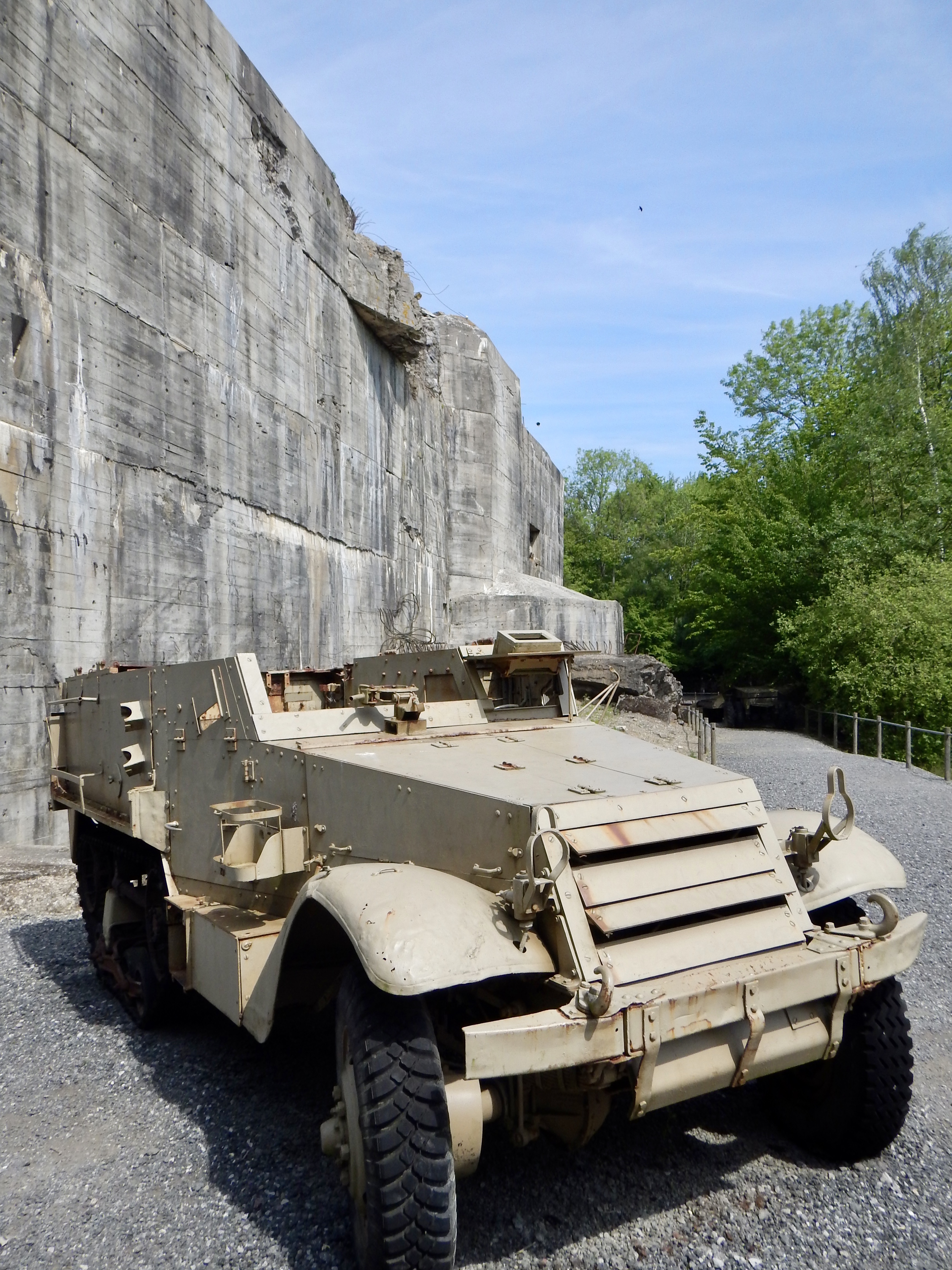
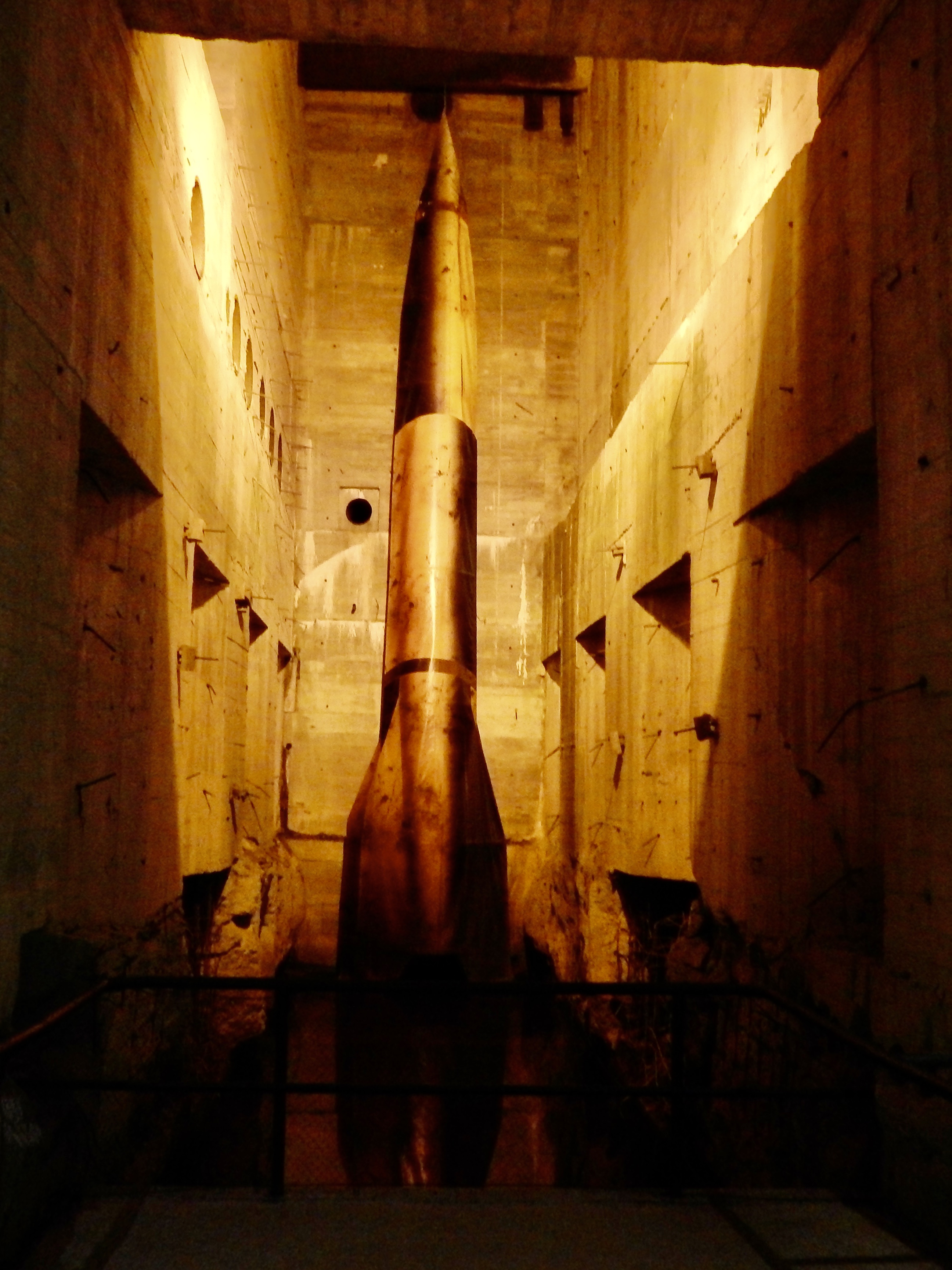
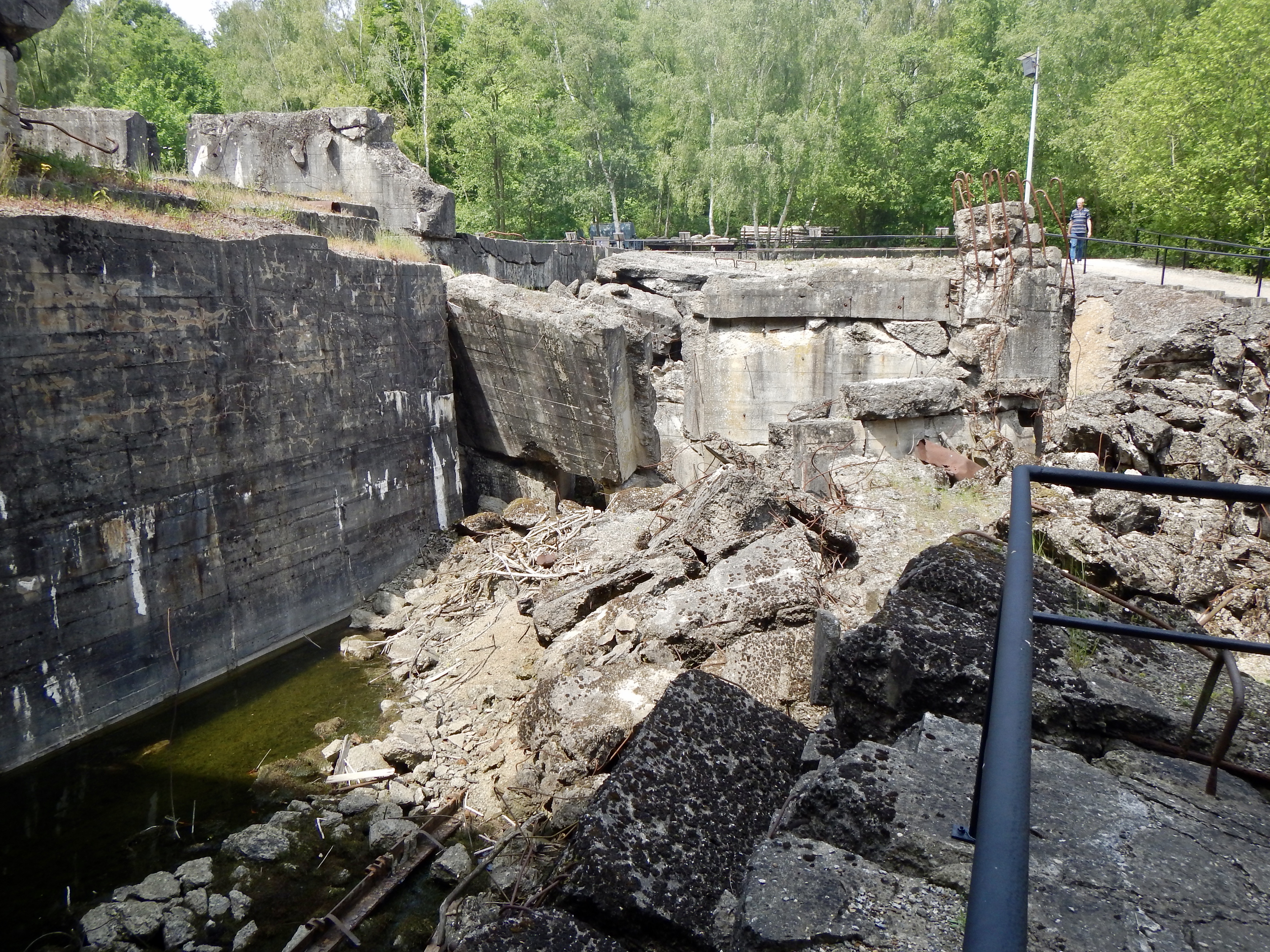
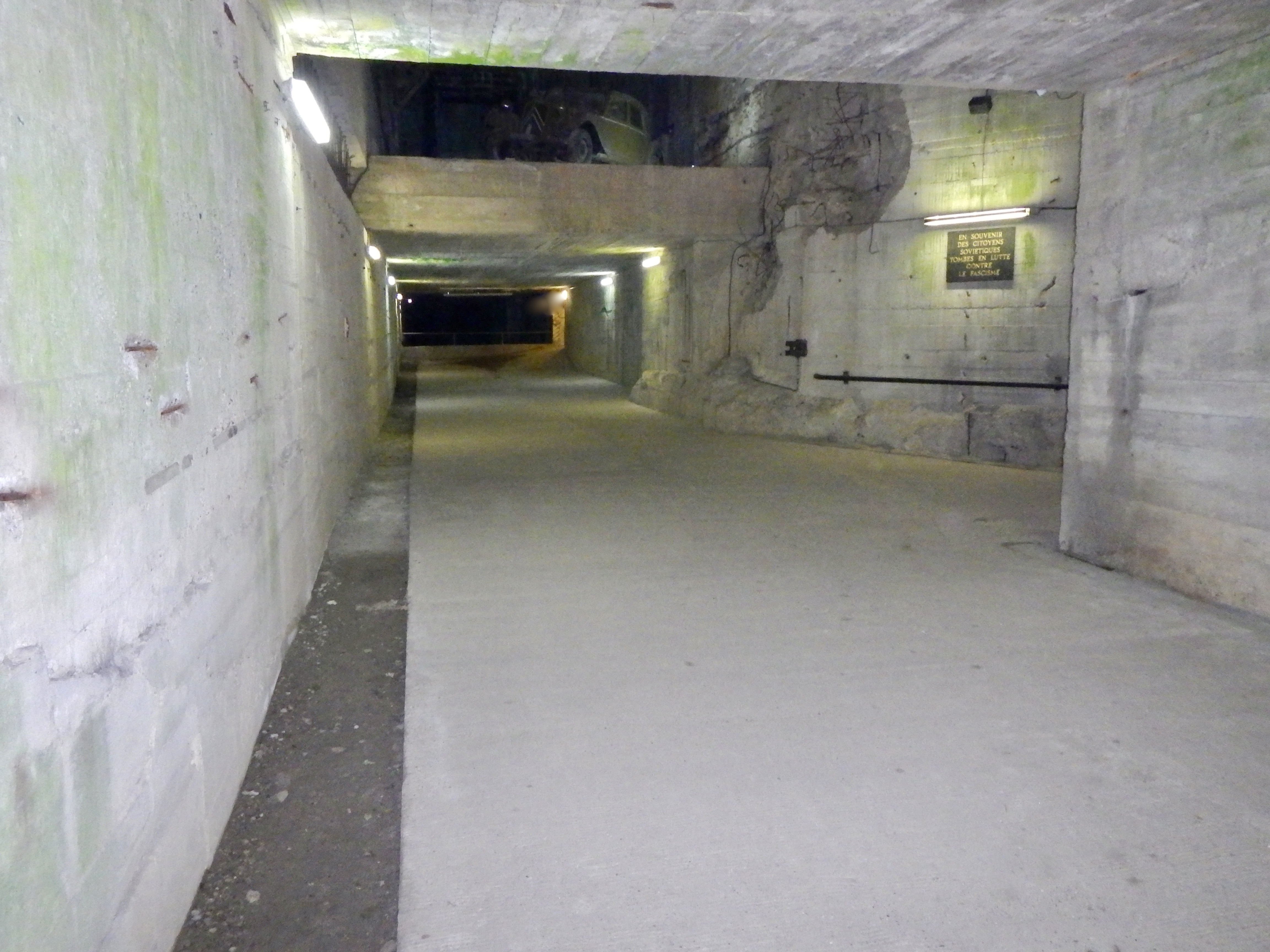
45 km’s from the Normandy Coast we toured the most amazing relic of WWII, a massive top secret German V2 rocket bunker facility. This “movie-like” complex was intended to be a main rocket assembly and launching base that would ultimately be capable of launching 36 devastating missiles a day to virtually any part of England. The German V2 rockets were so advanced that years later it was this captured technology that lead to the successful American space program. Thankfully Hitler never got the chance to get this place completely operational. From arial photographs in 1944 Allies knew that something big was under way here so they decided to bomb it and set the program back long enough for the Operation Overlord to render it ineffective. Exploring this massive structure with it’s 13 foot thick steel reinforced ceiling and huge rocket assembly chambers was a surreal experience. We had to keep reminding ourselves that all this was painfully real and not some movie set from Hollywood. The entire coastline is dominated by items related to the biggest military operation ever undertaken and we saw so many Canadian, US and British flags flying as a message of appreciation. I’m sure that much of the flag waving had something to do with the 70th anniversary of D-Day on June 6 and the expected visit of many dignitaries. The shear size and scope of the D-Day operation has truly left us in awe and no pictures, movies or stories can ever come close to providing an accurate perspective of this landing. We’ve spent the last four days moving from the beaches of Sword, Juno (Canadian), Gold, Omaha and Utah and with the help of excellent interpretation centres we have gained a much better appreciation of the logistics and human sacrifice required of the Allied forces to challenge the Nazi defences and get a foothold in Europe. In contrast to all the imposing military structures we were struck by how beautiful Normandy is with its lush green countryside and dramatic coastline. Moving along, we now have the Loire Valley in our sights.
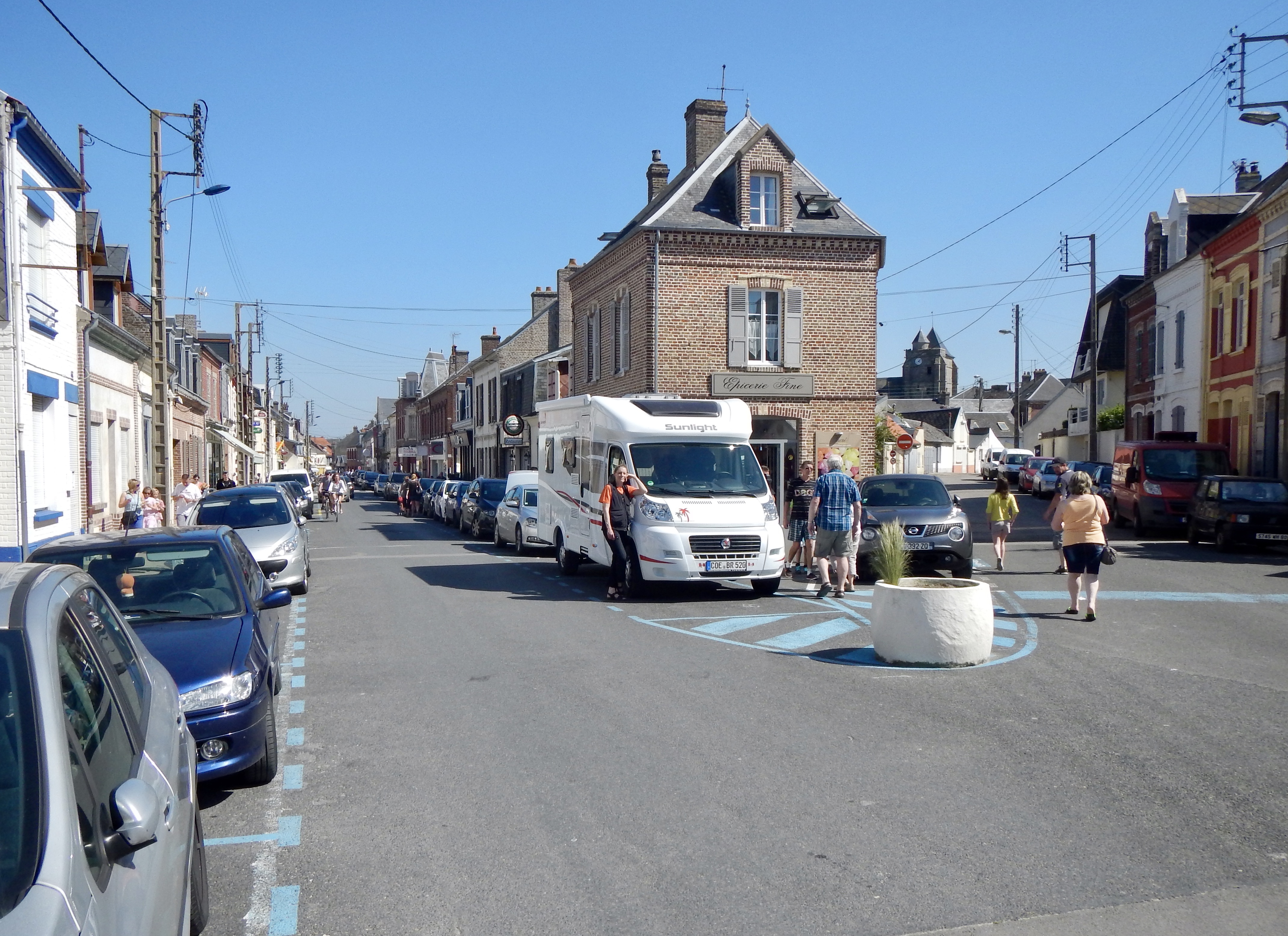
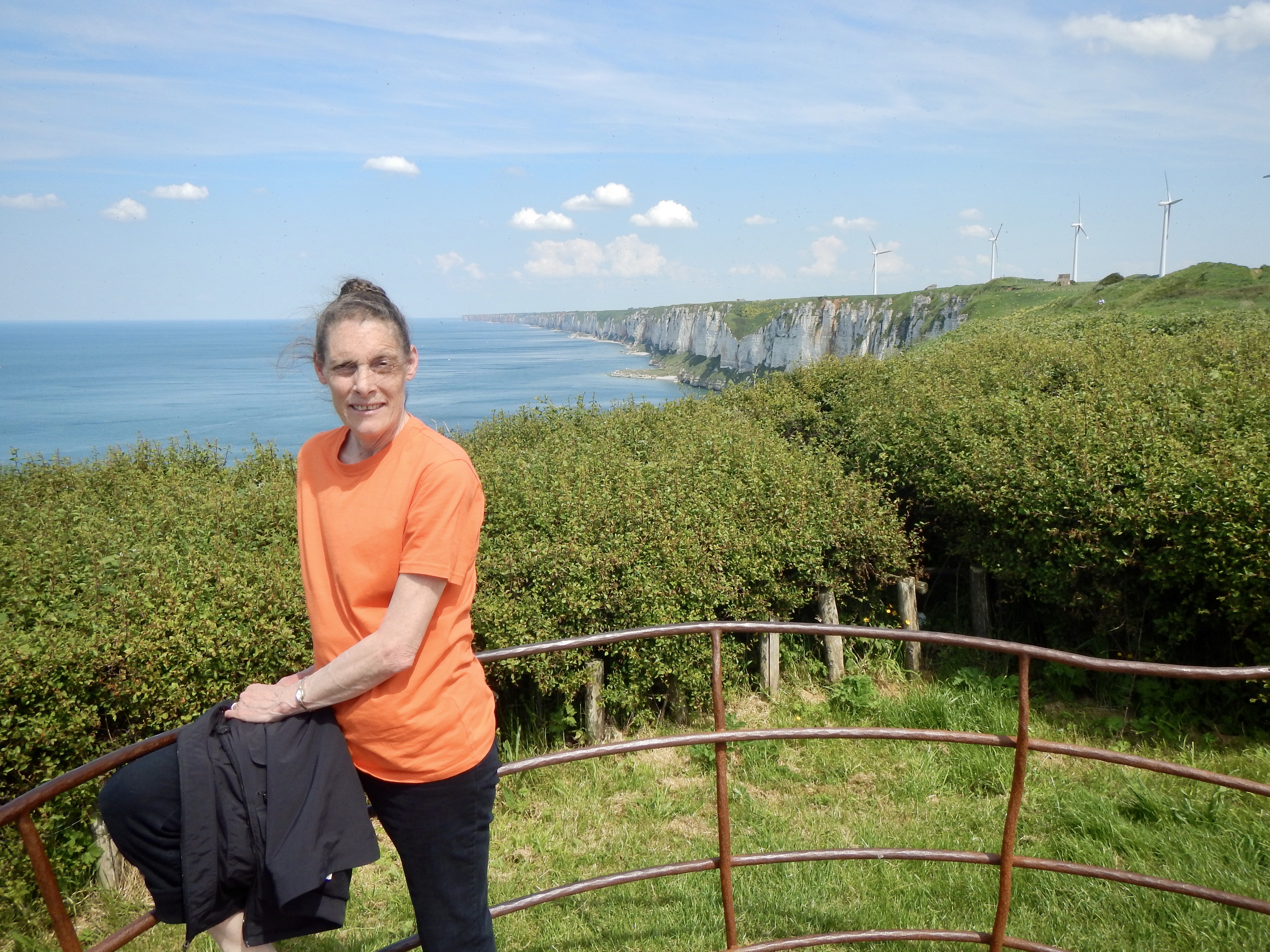
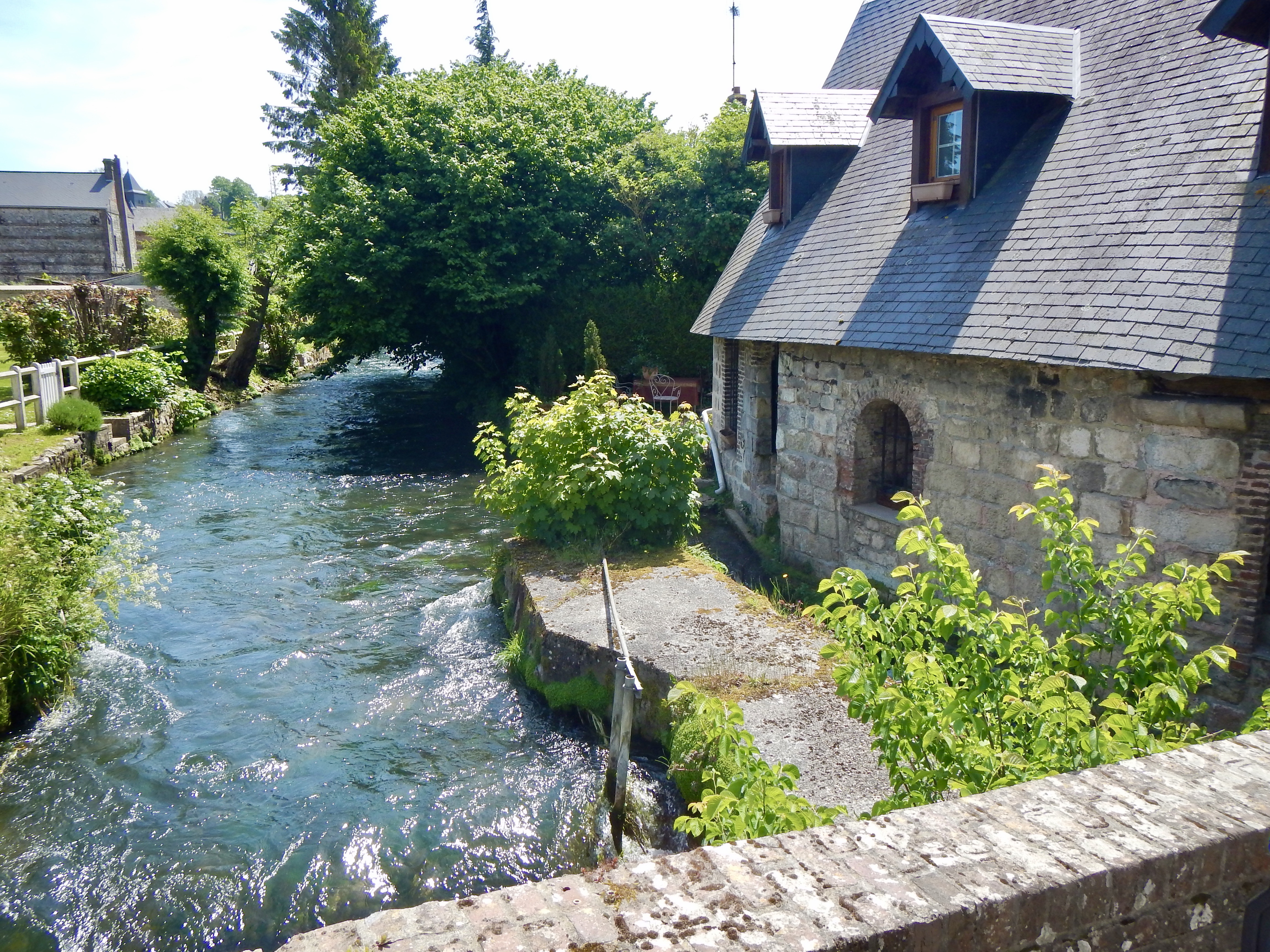
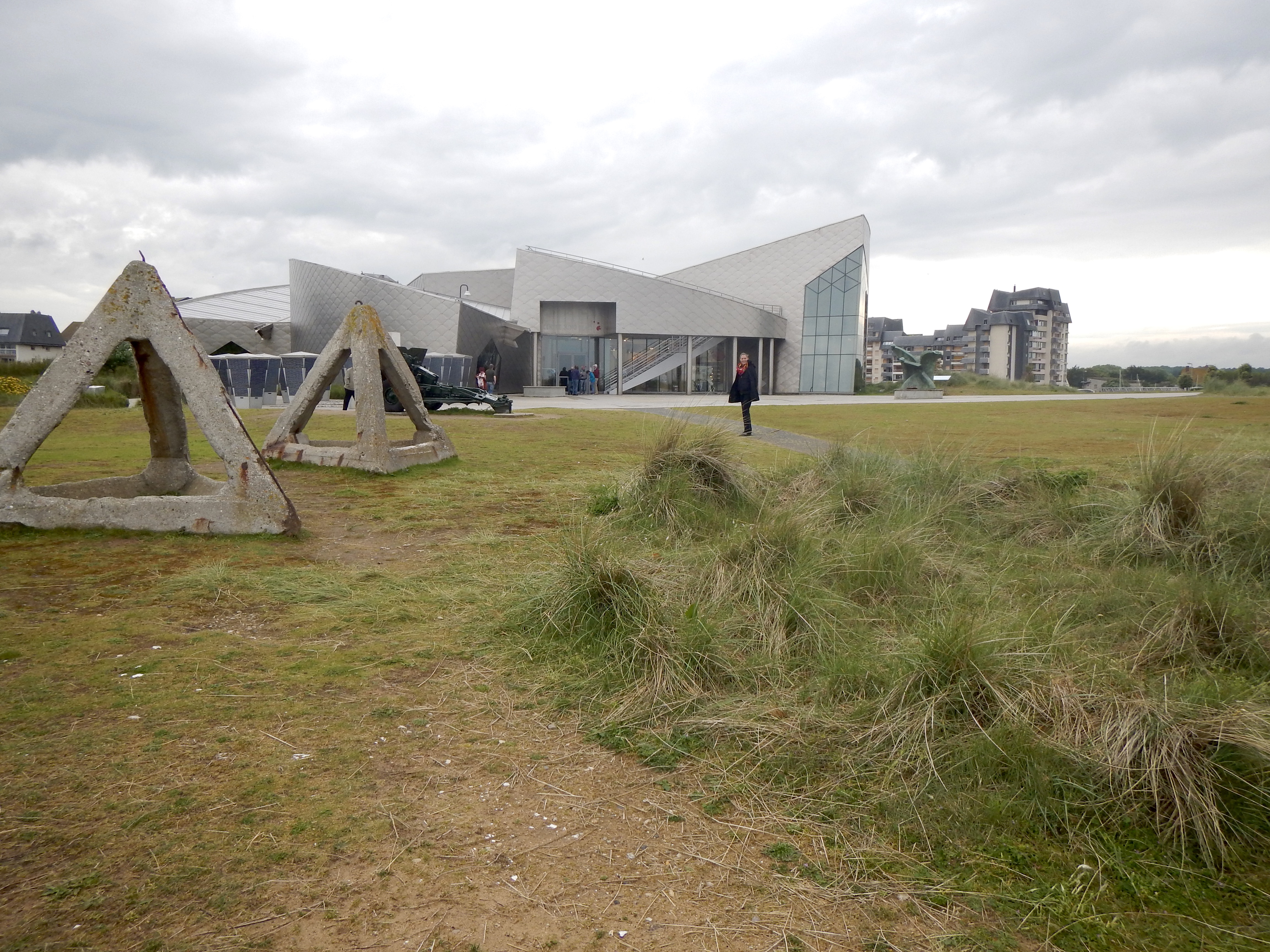
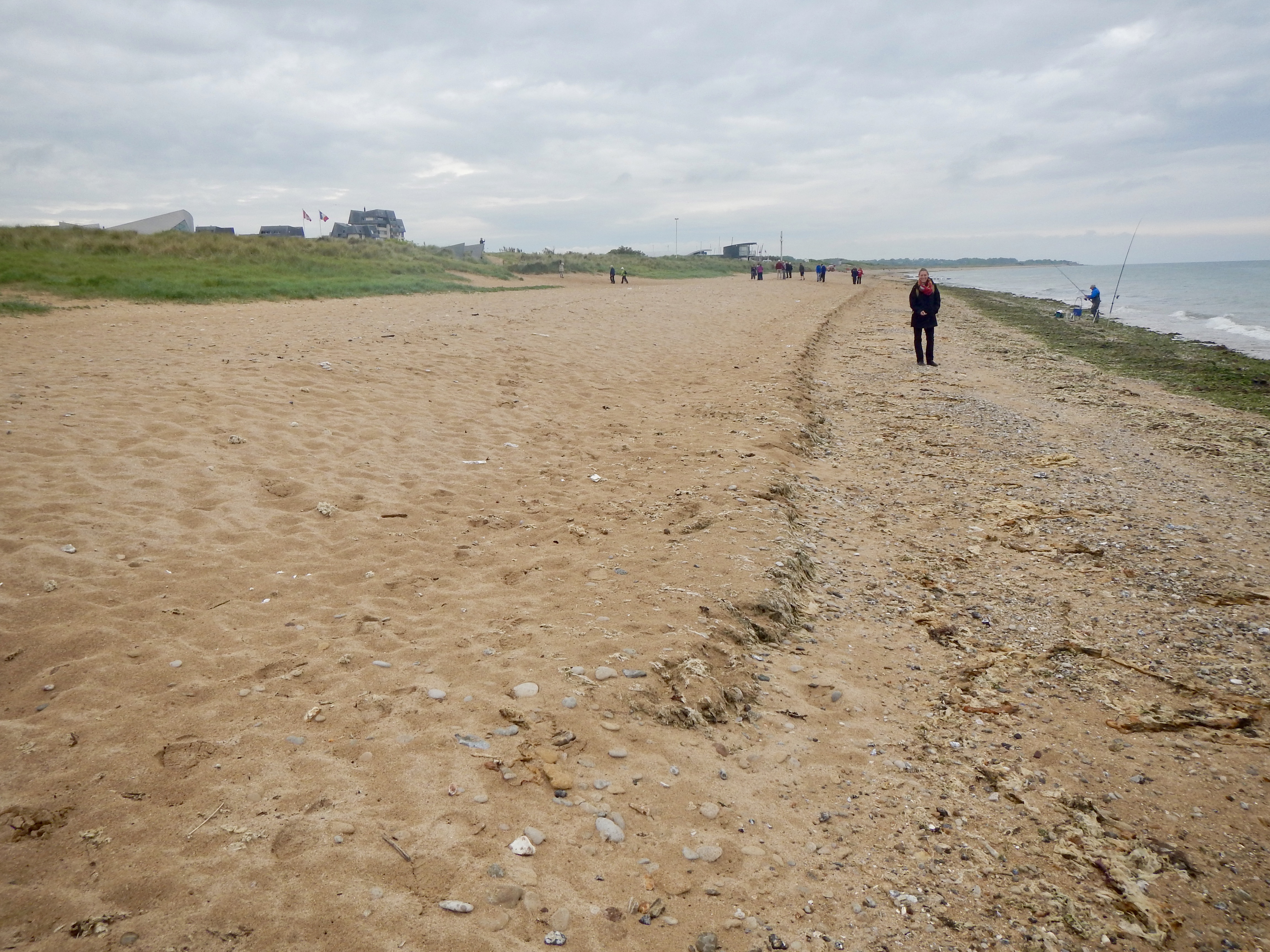
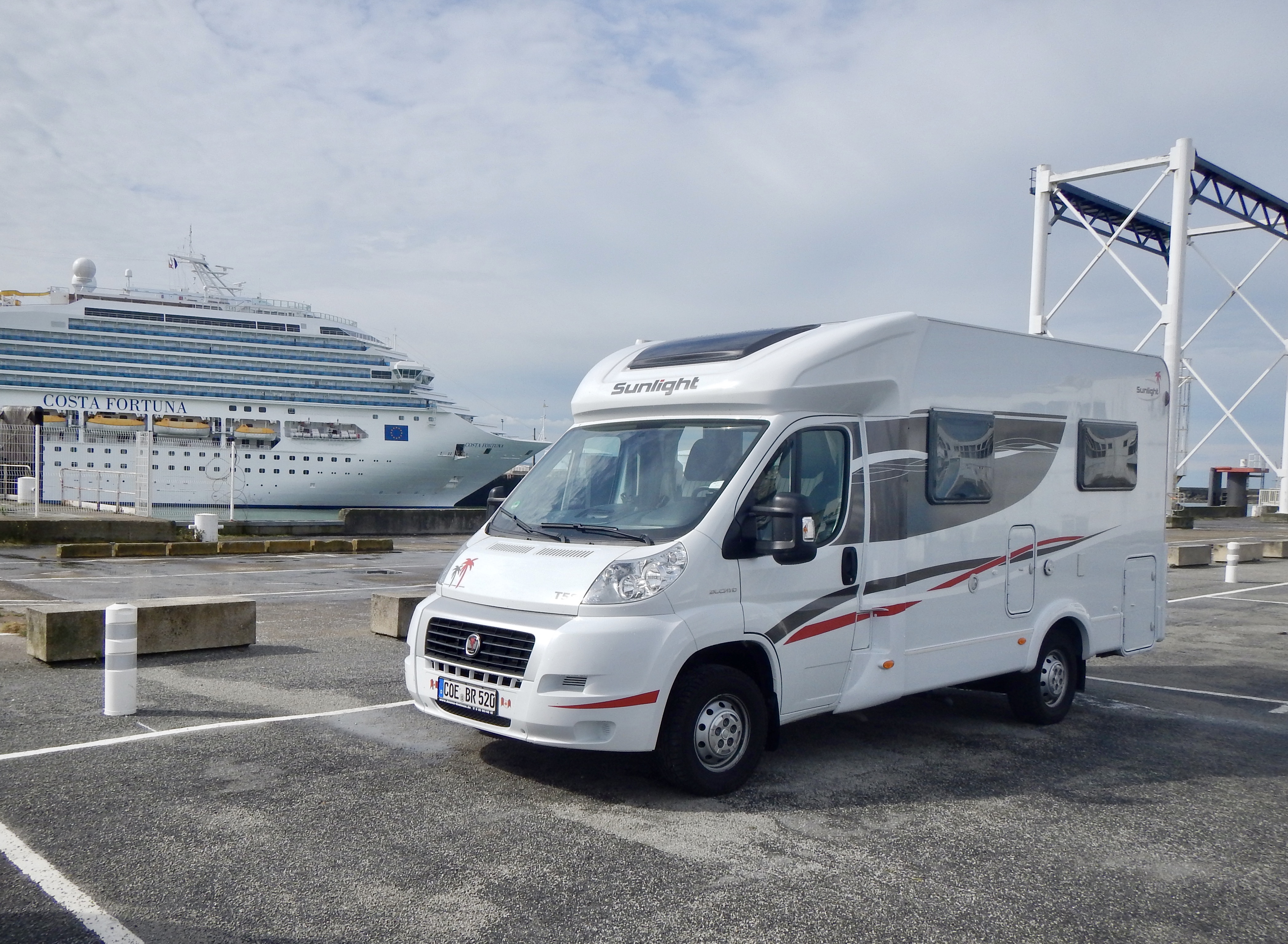
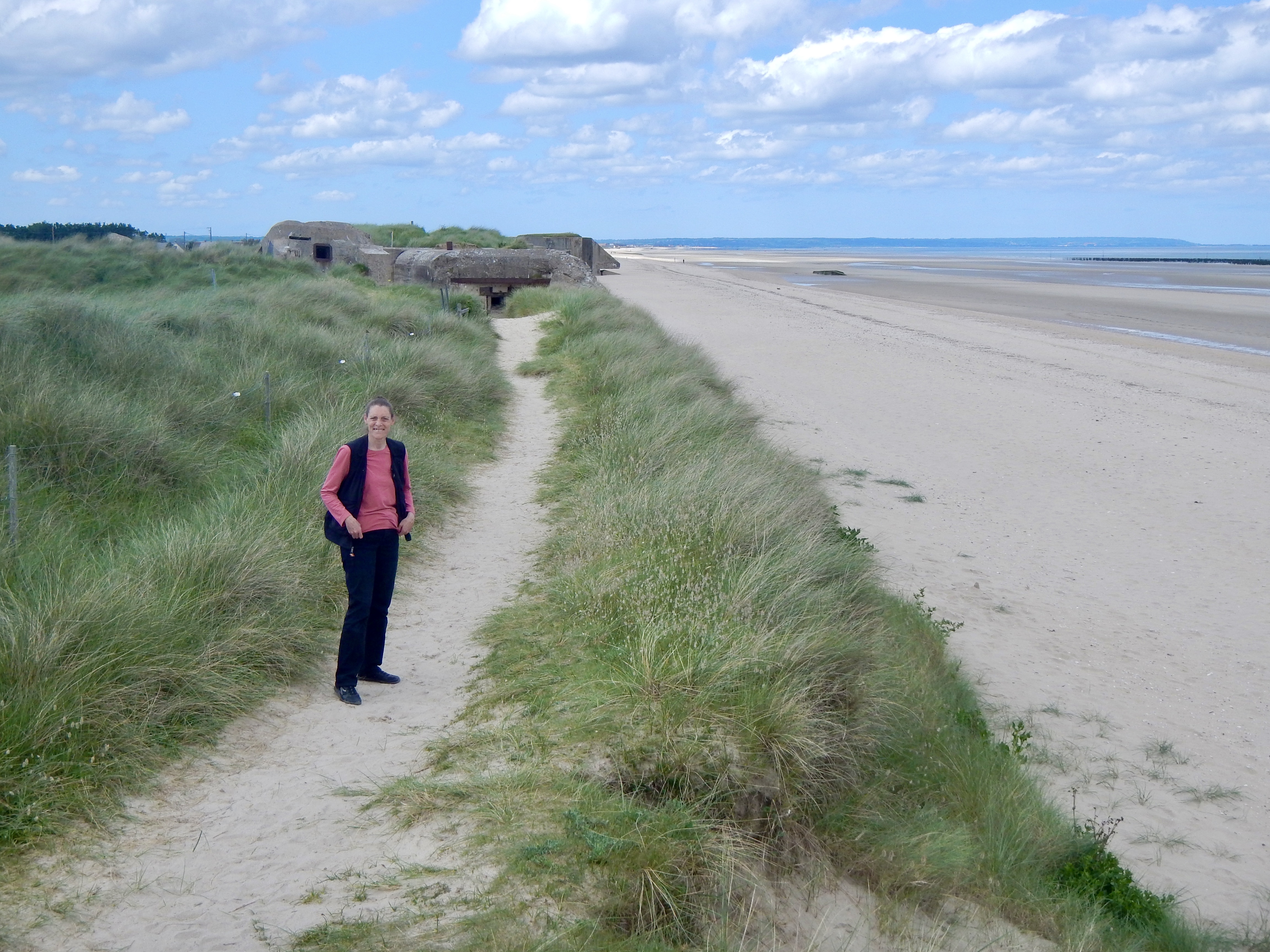
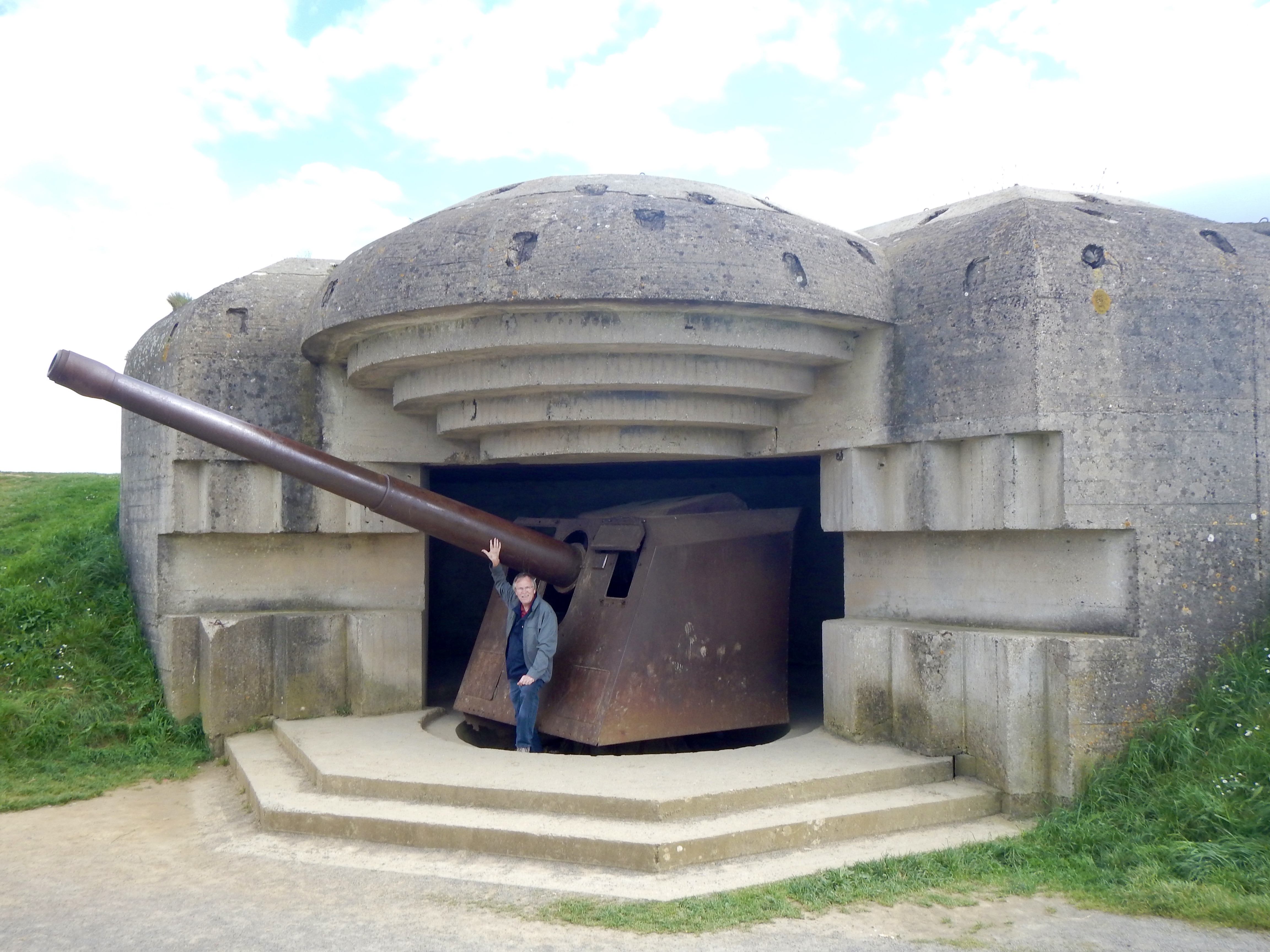
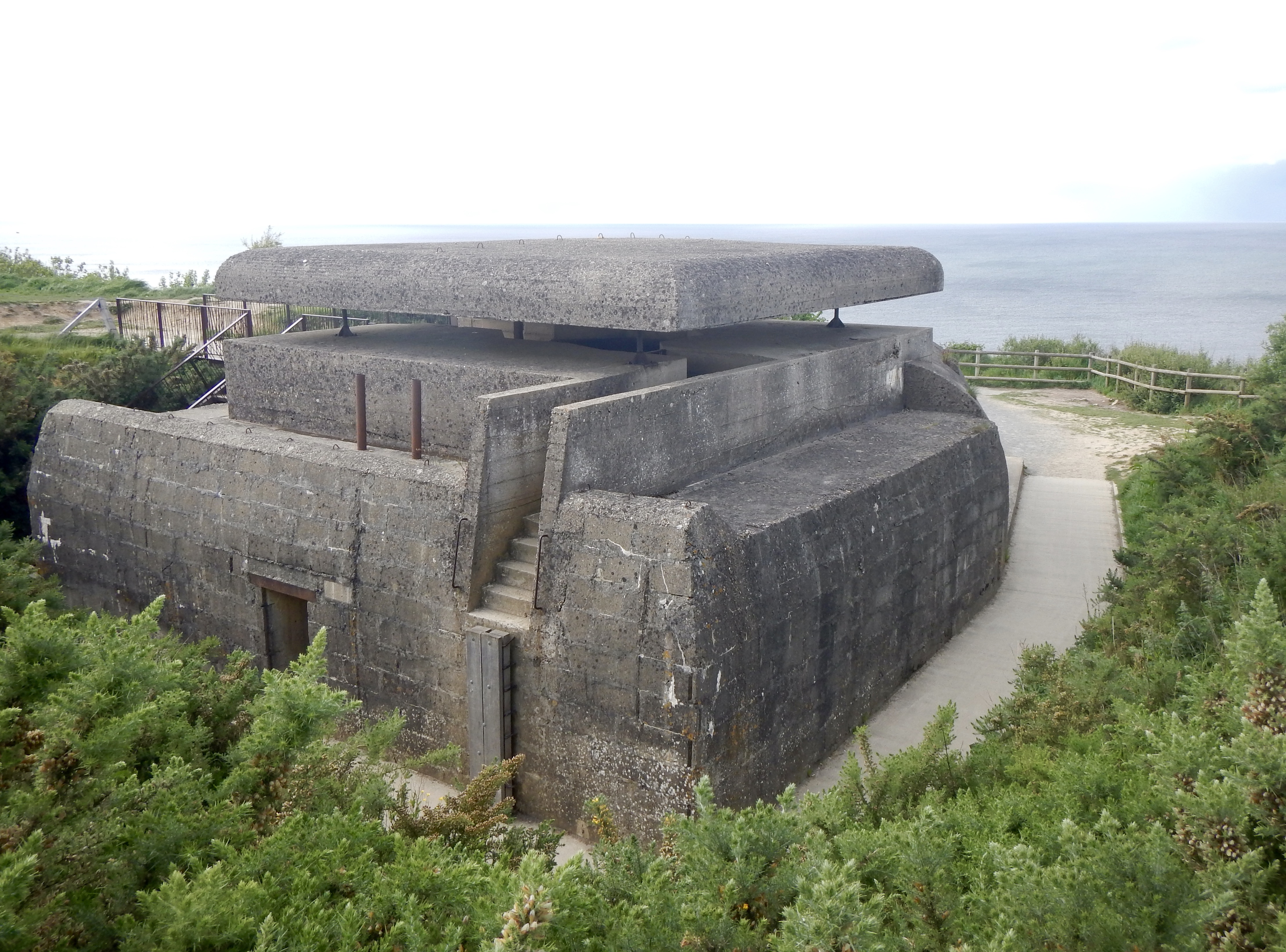
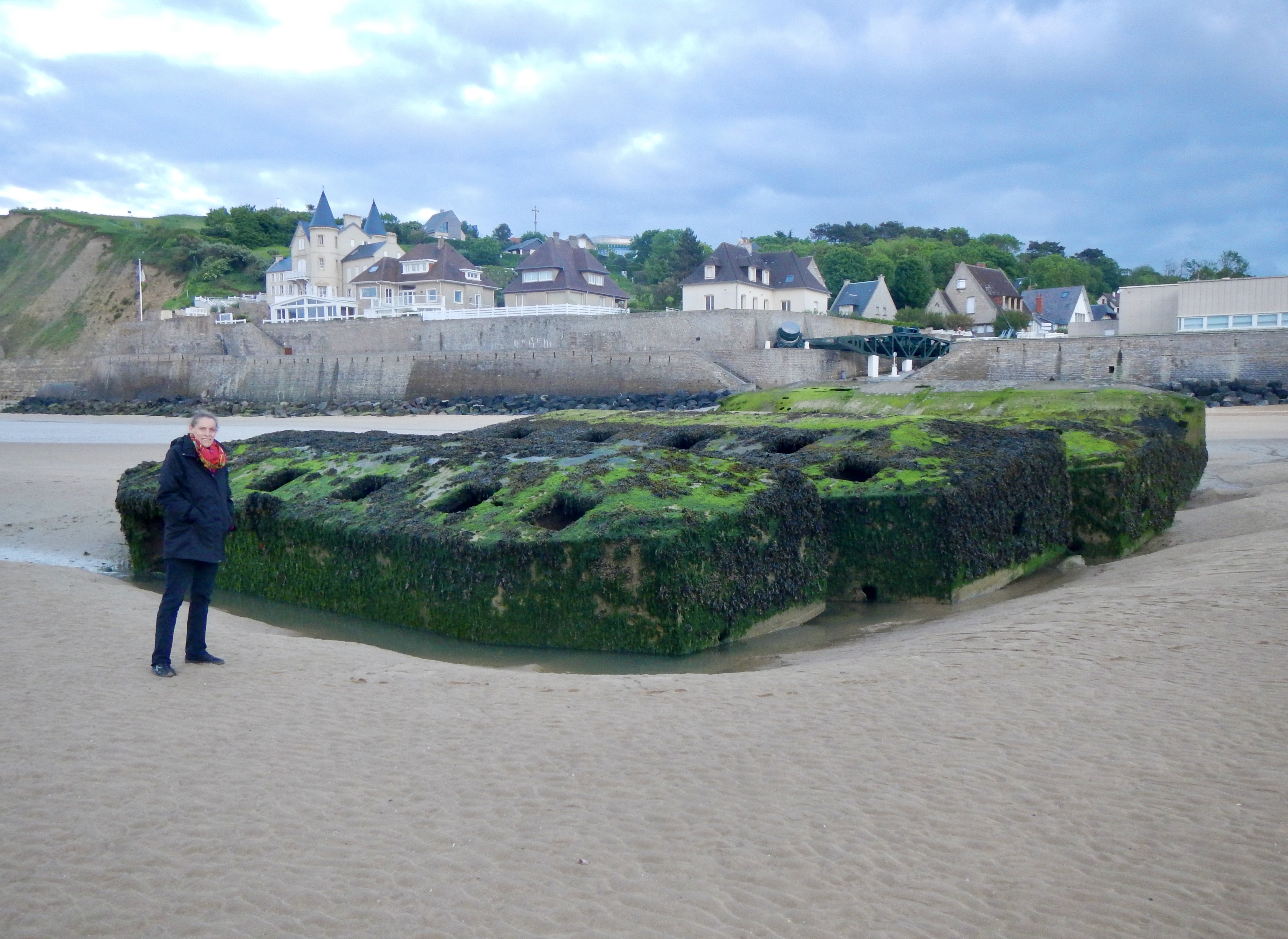
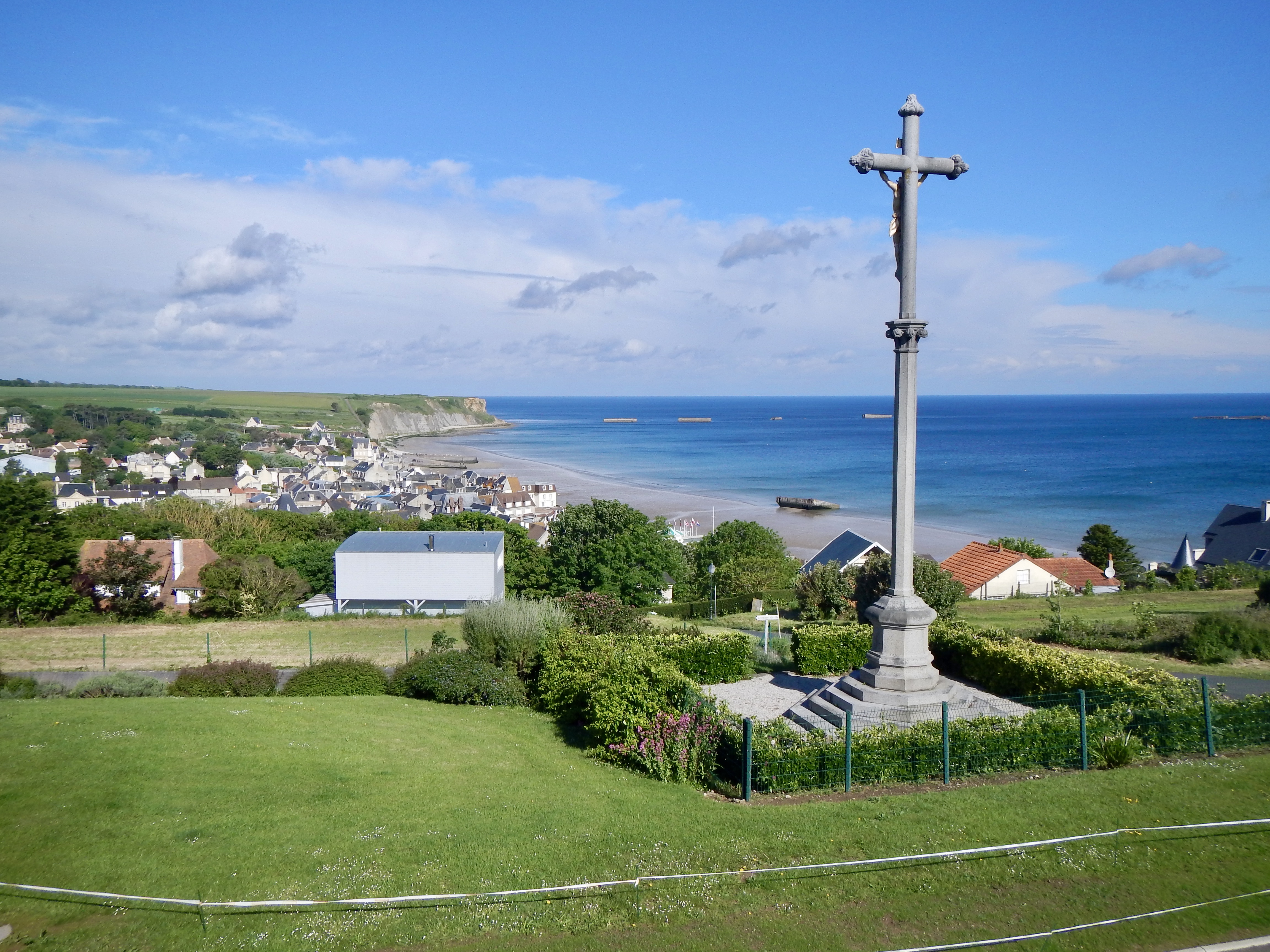
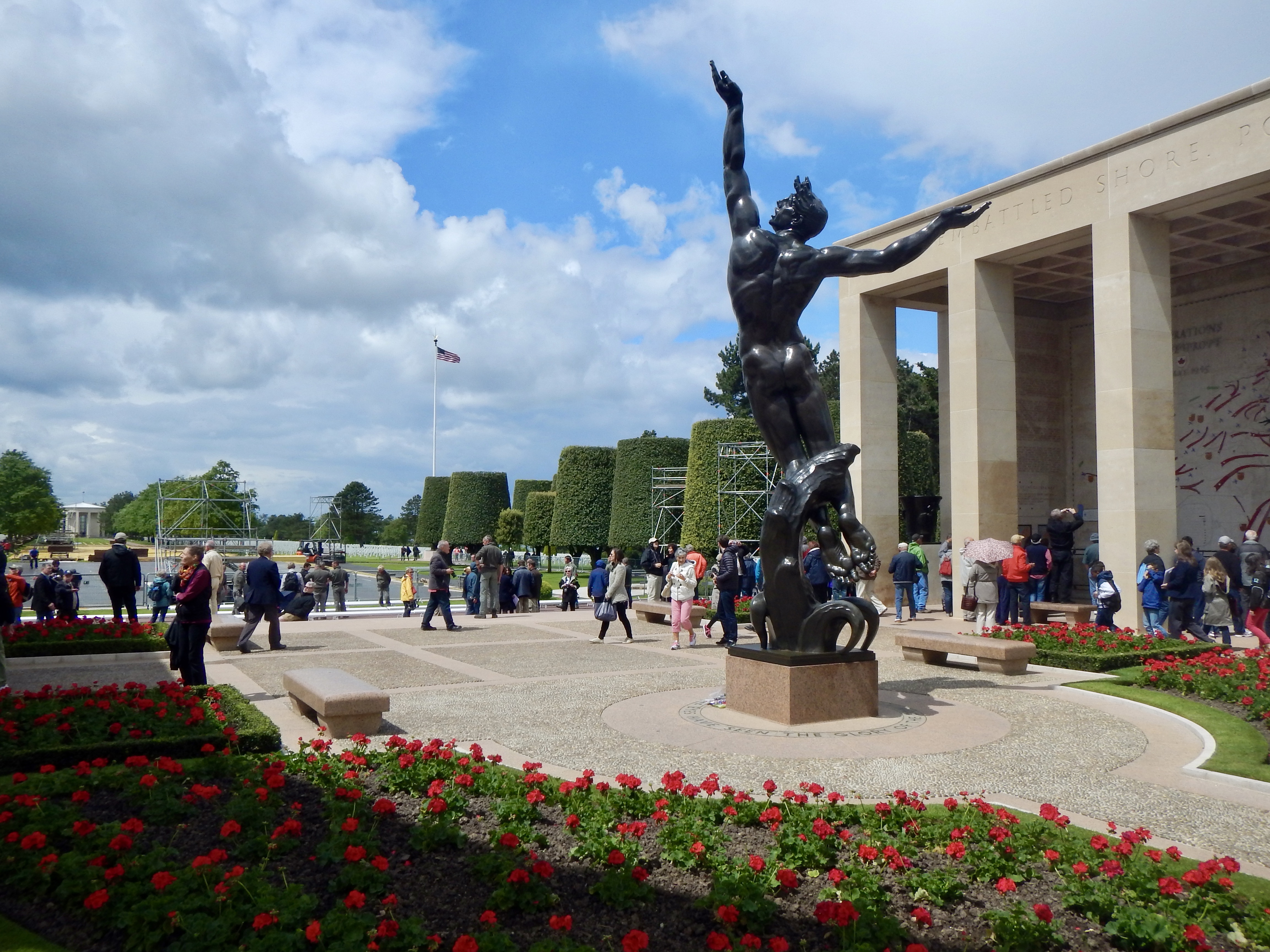
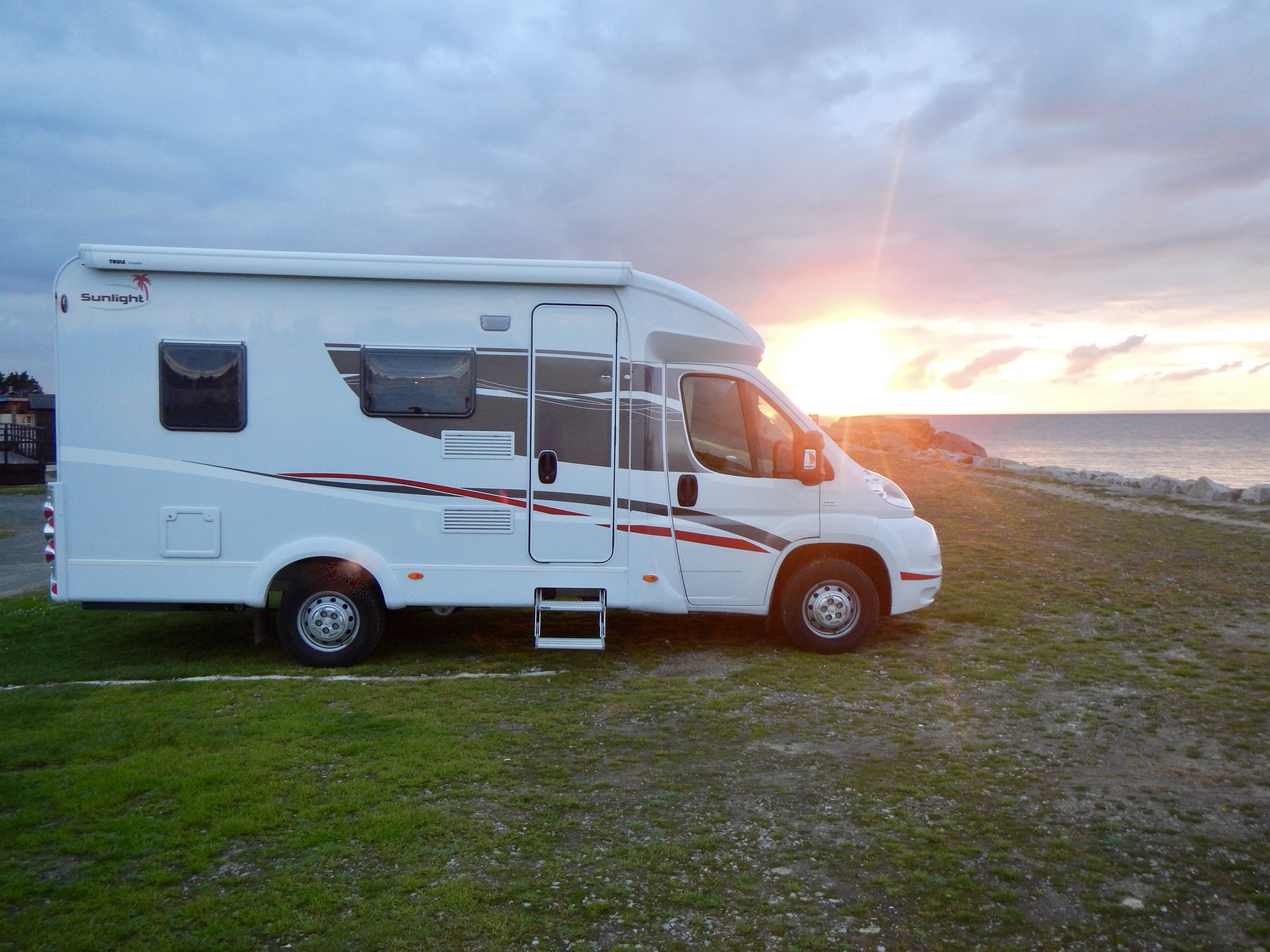
Like a Hollywood movie setA 14 metre (46ft) V2 Rocket inside one of the bunker preparation baysA small section of the damaged complexSometimes it was hard to find good street parkingFrance hero Joan of Arc was imprisoned here prior to her being “burned at the stake”The “White Chalk Cliffs of Normandy”Overlooking Dieppe’s outer harbour and “Red” beachSome of the beautiful Normandy countryside Not all of Normandy is over-shadowed by WWII historyThe streets of Le HavreThe wonderful old Le Havre inner harbourCanadian “D-Day” interpretative centre on Juno BeachJuno BeachA Canadian Memorial War CemeteryThe Memorial Museum in CaenOur basic Stelplatz in Le Havre was only a short walk from townUtah BeachLongues-sur-Mar Battery at Gold BeachSeemingly endless components of the Nazi’s “Atlantic Wall”Floats from one of the two gigantic temporary Allied supply piersMuch of the “Mulberry B” pier is still visible on Gold Beach at low tideOmaha BeachThe Normandy American Cemetery overlooking Omaha BeachDays before President Obama’s visit commemorating the 70th anniversary of D-DayA Nazi gun battery at the infamous “Pointe du Hoc” monumentWaterfront camping on the Coast of BrittanyA tranquil end to our “Operation Overlord” (D-Day) memorial tour
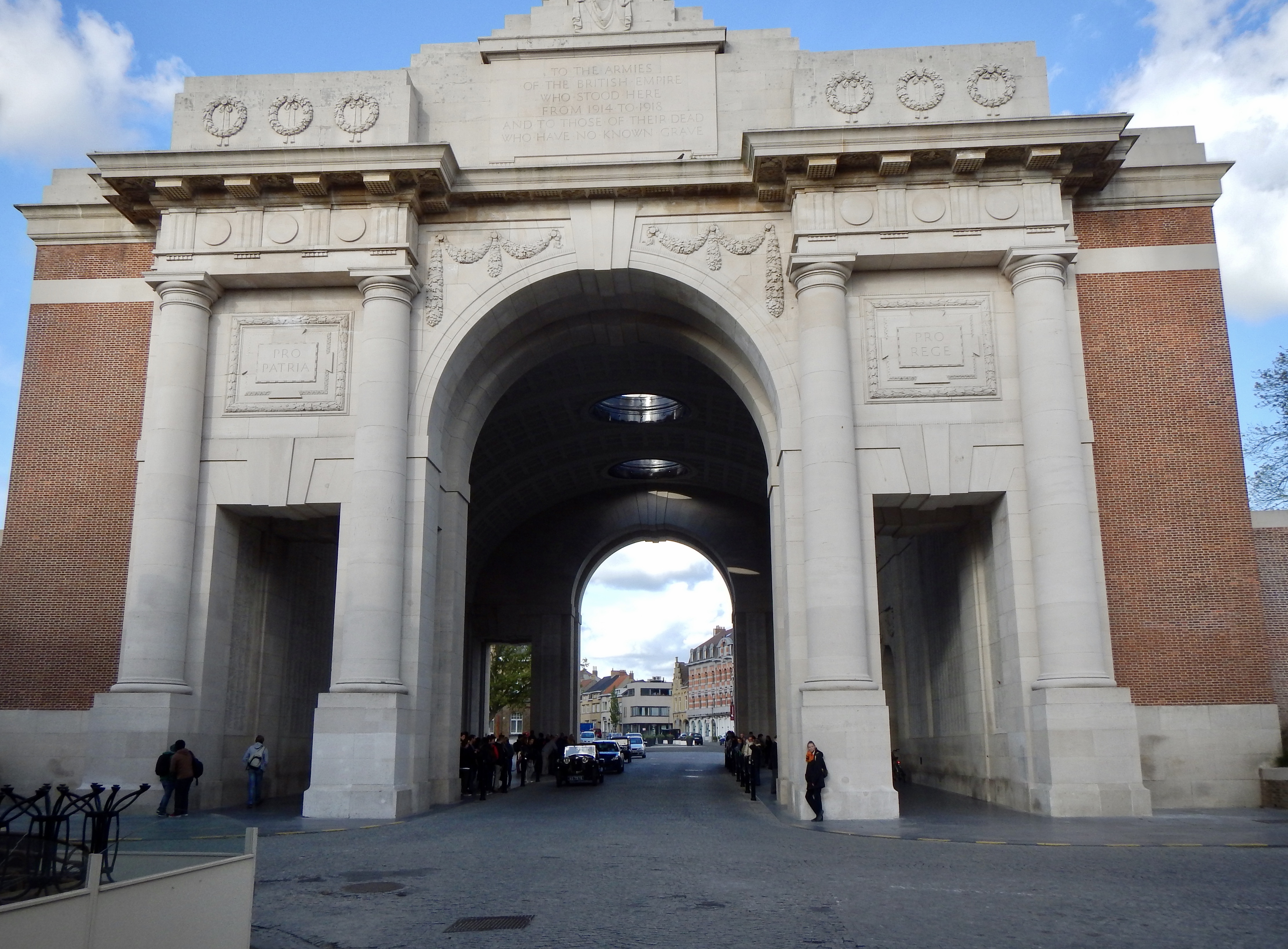
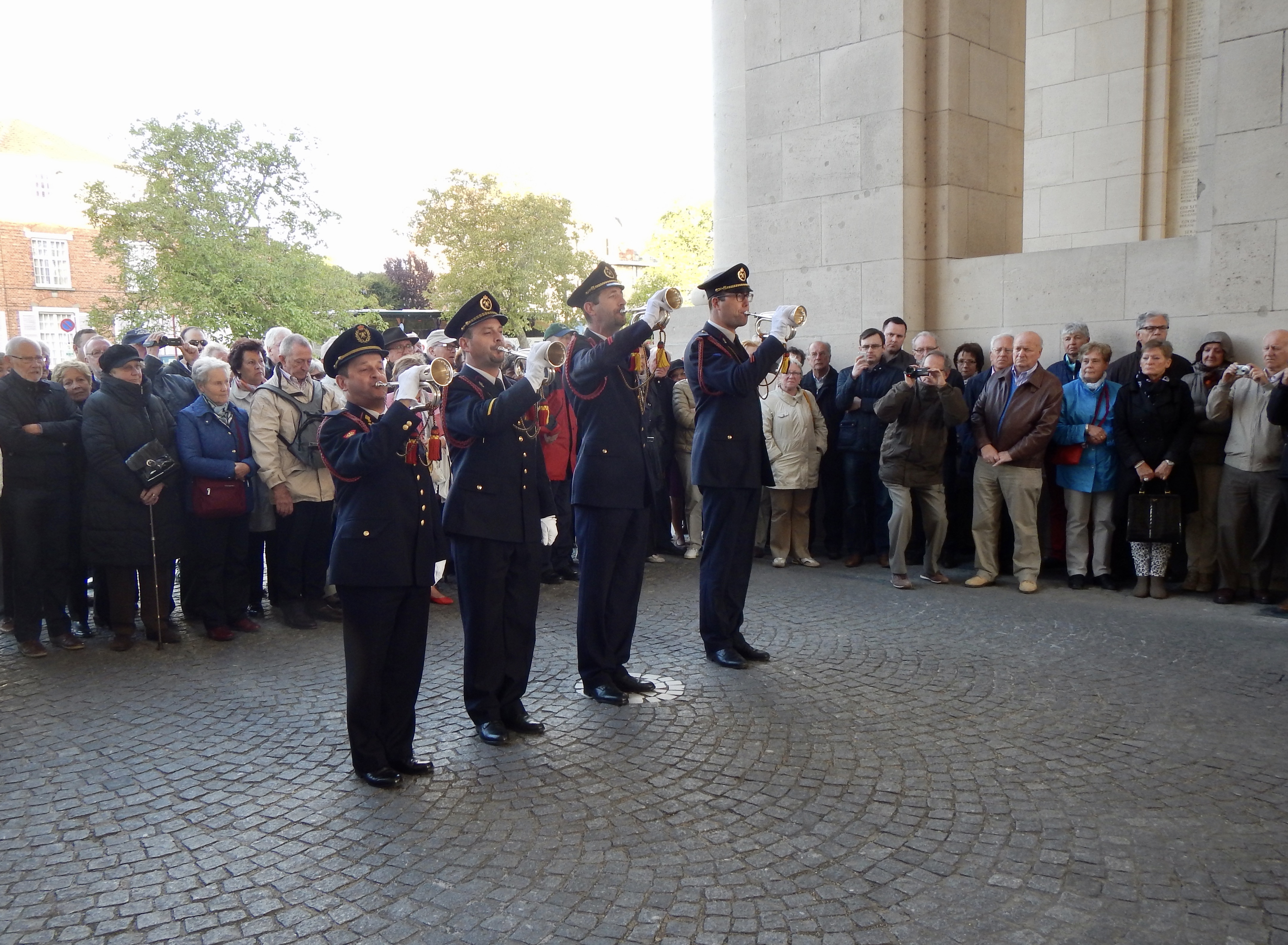
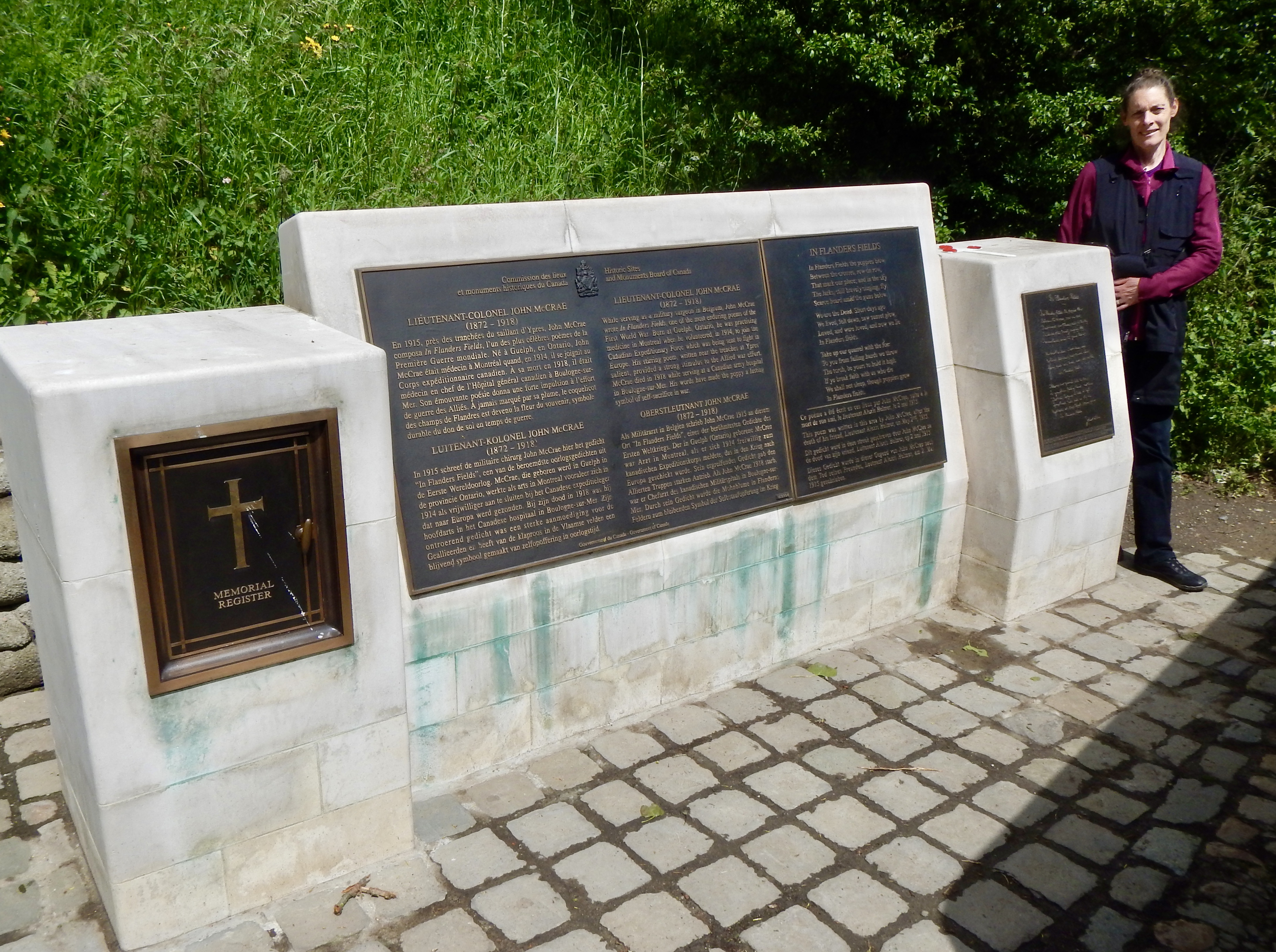
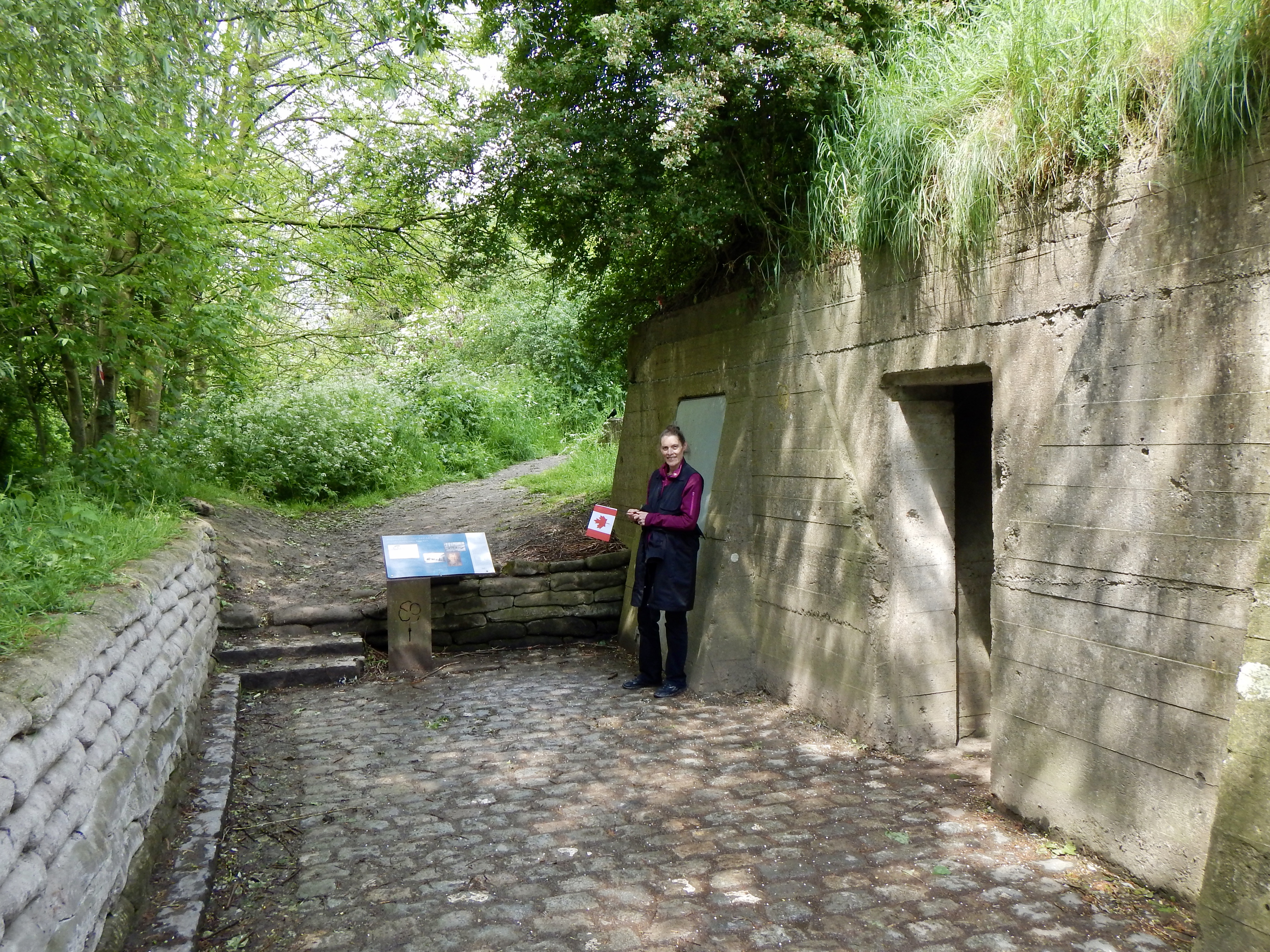
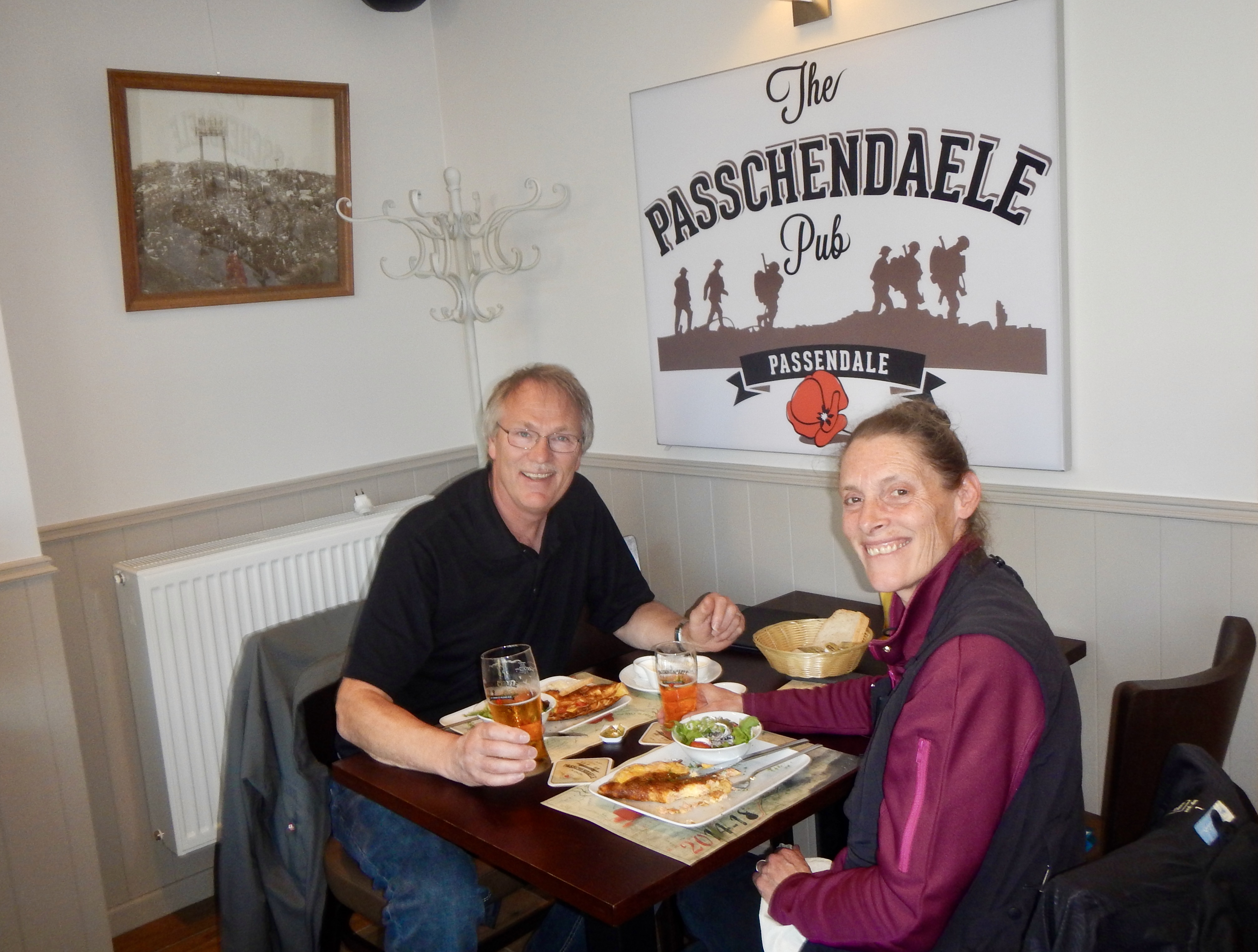
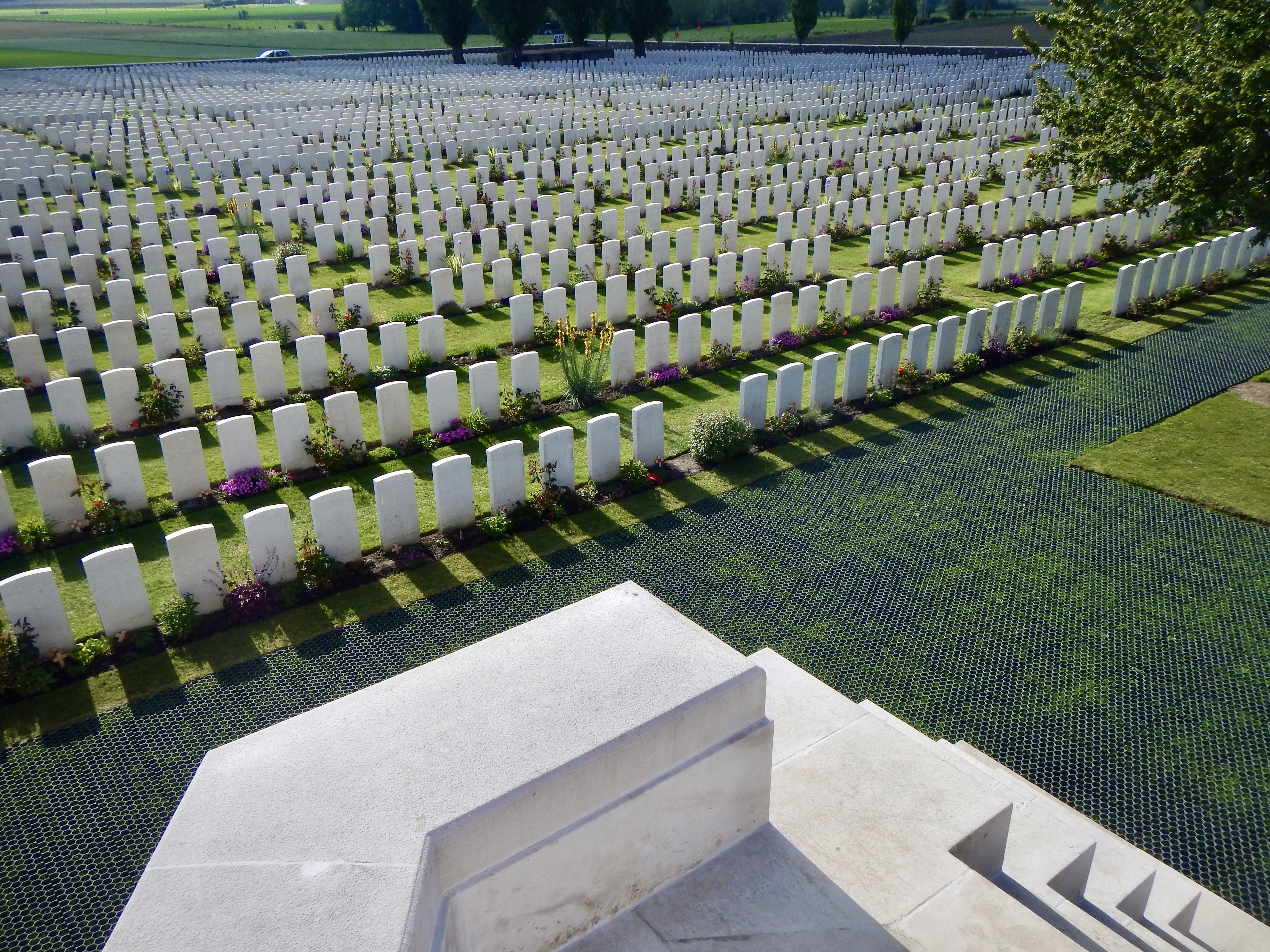
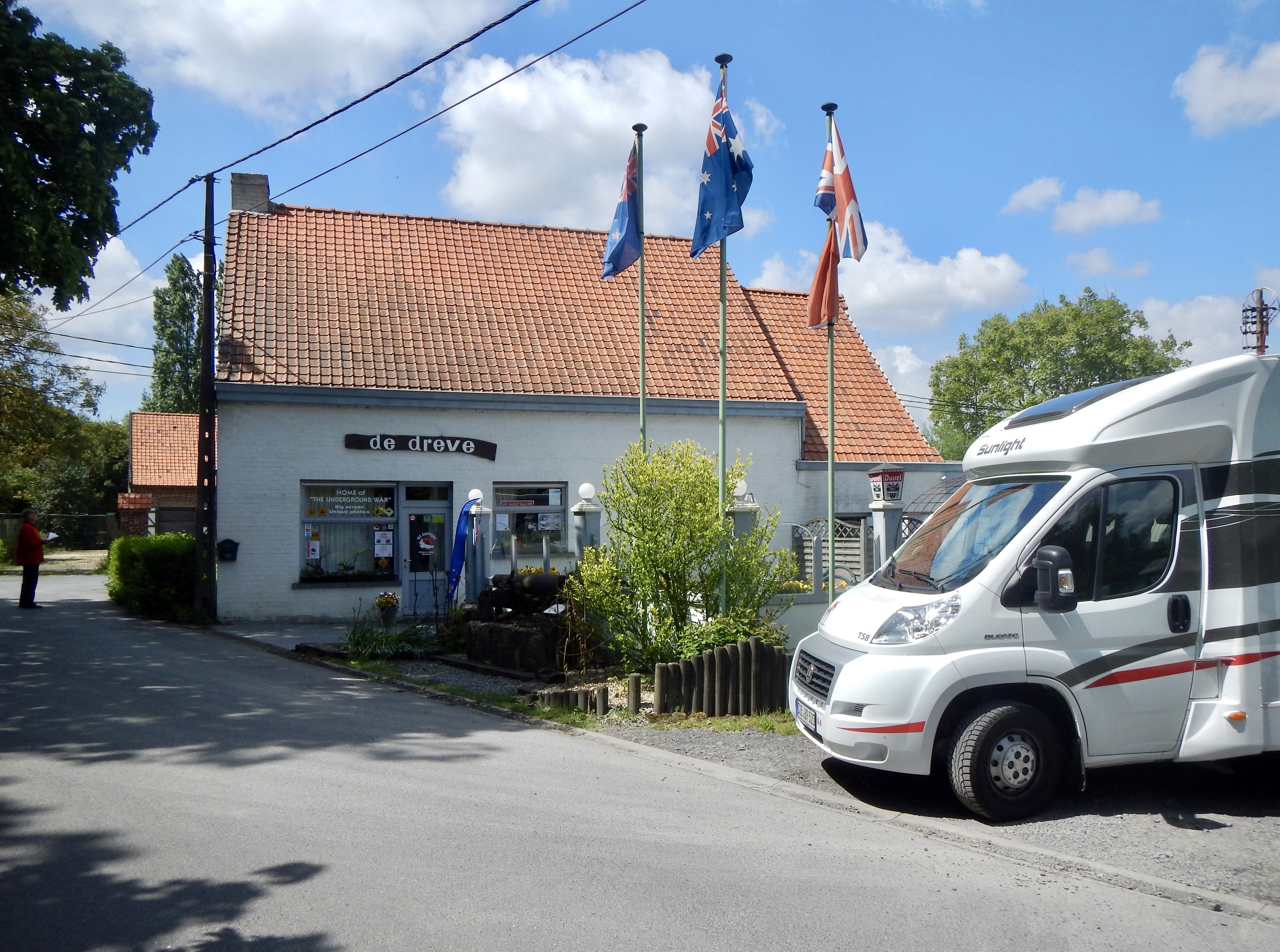
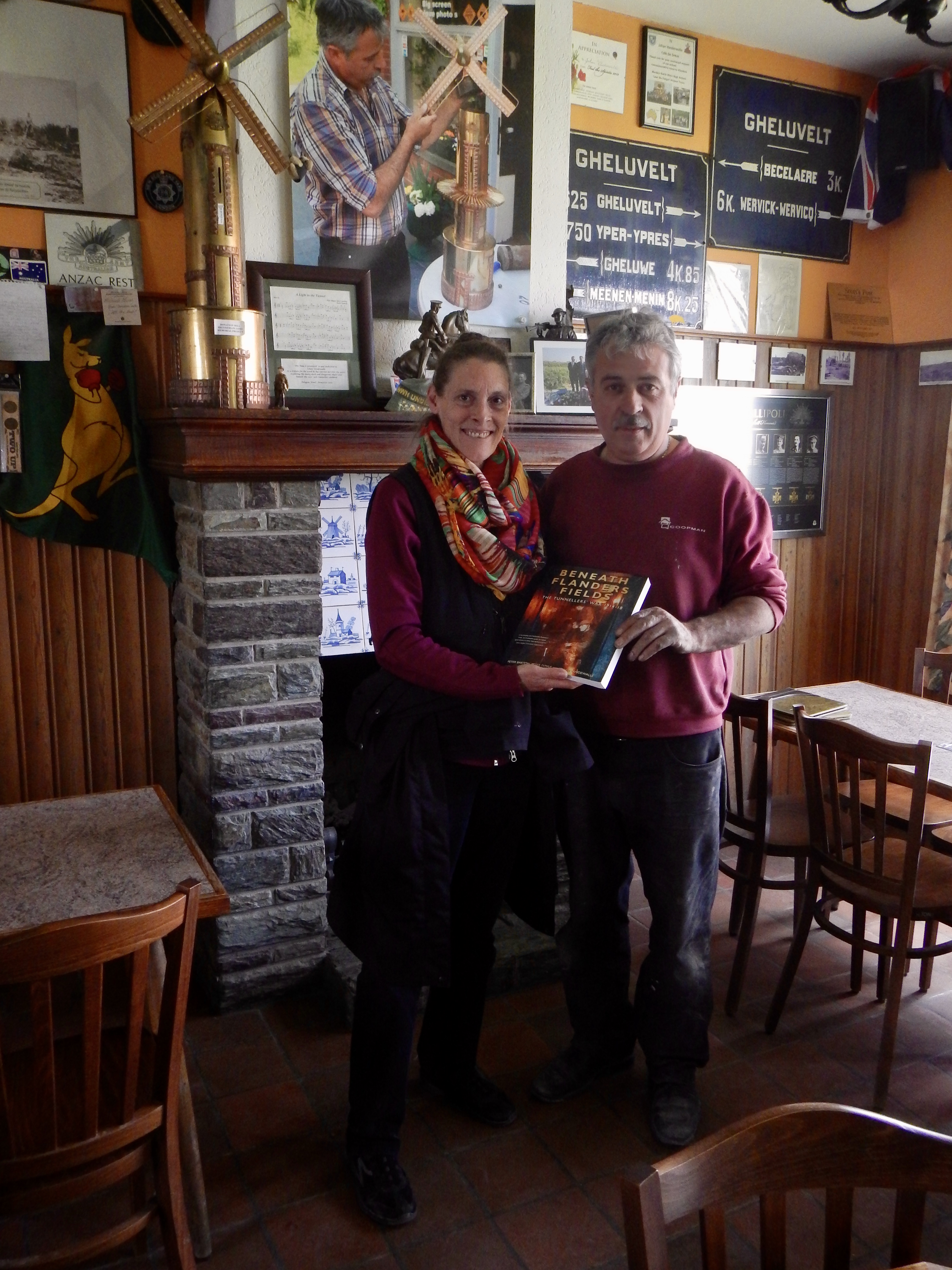
We wanted to visit Ypers, Belgium and pay our respects to the fallen Canadian troops of WWI, visit the location where John McCrae wrote his poem “In Flanders Fields”, and see the town of Passchendaele where Canada suffered 16,000 casualties in 1917. We thought it would be a fairly quick visit and then we’d move on to the Vimy Ridge memorial not far away in France, Days later and we’re leaving this fascinating area with still more to see and do. We were under the false impression that “Flanders Fields” was one large military memorial site but learned that “Flanders” is a large region of Belgium and France and the “Fields” of Flanders are the locations of a thousand plus “Field Hospitals” where only the military graveyards now survive. One could spend weeks here trying to absorb it all but in fact, it doesn’t take that much effort to get an impression of just how incredibly massive and brutal this war was. We’ve also learned about a lesser known component of the war that took place underneath the front line trenches that incorporated about 3000 km’s of tunnels dug by thousands of underground workers. The tunnel mines (on both sides) were very effective and successful in causing extreme damage and high numbers of casualties. This is really a fascinating story that we were fortunate to learn about from a local expert. We stopped in at a pub next to “Polygon Wood” (A major battleground that claimed some 50,000+ men and saw one of the biggest air battles of the war) and met Johan Vandewalle who grew up across the road from this well preserved site. Johan has a background in mining and developed an interest in WW1 tunnel warfare and over time, has become an “amateur expert” on the subject. He has contributed to a number of books (We purchased “Beneath Flanders Fields” – The Tunnellers’ War 1914-18) and has been involved with the production of a number of respectable TV documentaries as well. He regularly explores these dark and very dangerous tunnels and has been responsible for locating missing soldiers, finding many unexploded artifacts, and verifying significant historical information. In 2007 his important efforts helped discover 5 Australian soldiers that were subsequently reunited with family members from Australia and now have proper burial plots in the Polygon Wood Cemetery. Johan is a real character doing very important work and he’s filled with impressive stories that we enjoyed even more than the great Belgium beer. Good thing we had a perfect camping spot out back of his “Cafe De Dreve”. If you’re interested you should Google Johan Vandewalle. We discovered there’s still a significant amount of recognition and admiration in this area for the Canadian contribution to the war effort and we did feel proud wearing our Maple Leaf. Ypers was beautifully reconstructed and you would never guess now that in 1917 it looked like a moonscape. Since 1928 every evening at 8:00pm “The Last Post” is played under the impressive Menin Gate Memorial commemorating those that have no known grave and daily it draws huge crowds. The town of Passchendaele was much smaller but the area has great significance considering over half a million soldiers died in this area in just 100 days to gain eight kilometres of mud. In fact innocent people are still dying, like the two farmers that were killed a few months ago after ploughing up a live bomb. The “Belgian Bomb Disposal Service” still destroys an average of 150 tonnes of ordnance, including gas shells, per year. No wonder many areas are set aside for grazing sheep only. Walking through the beautiful tranquil forest of Polygon Wood, it all seems so pointless and unimaginable, yet it really did happen, and 100 years later it’s still dominating in every way. Onward to the Normandy Coast and a look at the famous beaches on the 70th anniversary of D-Day
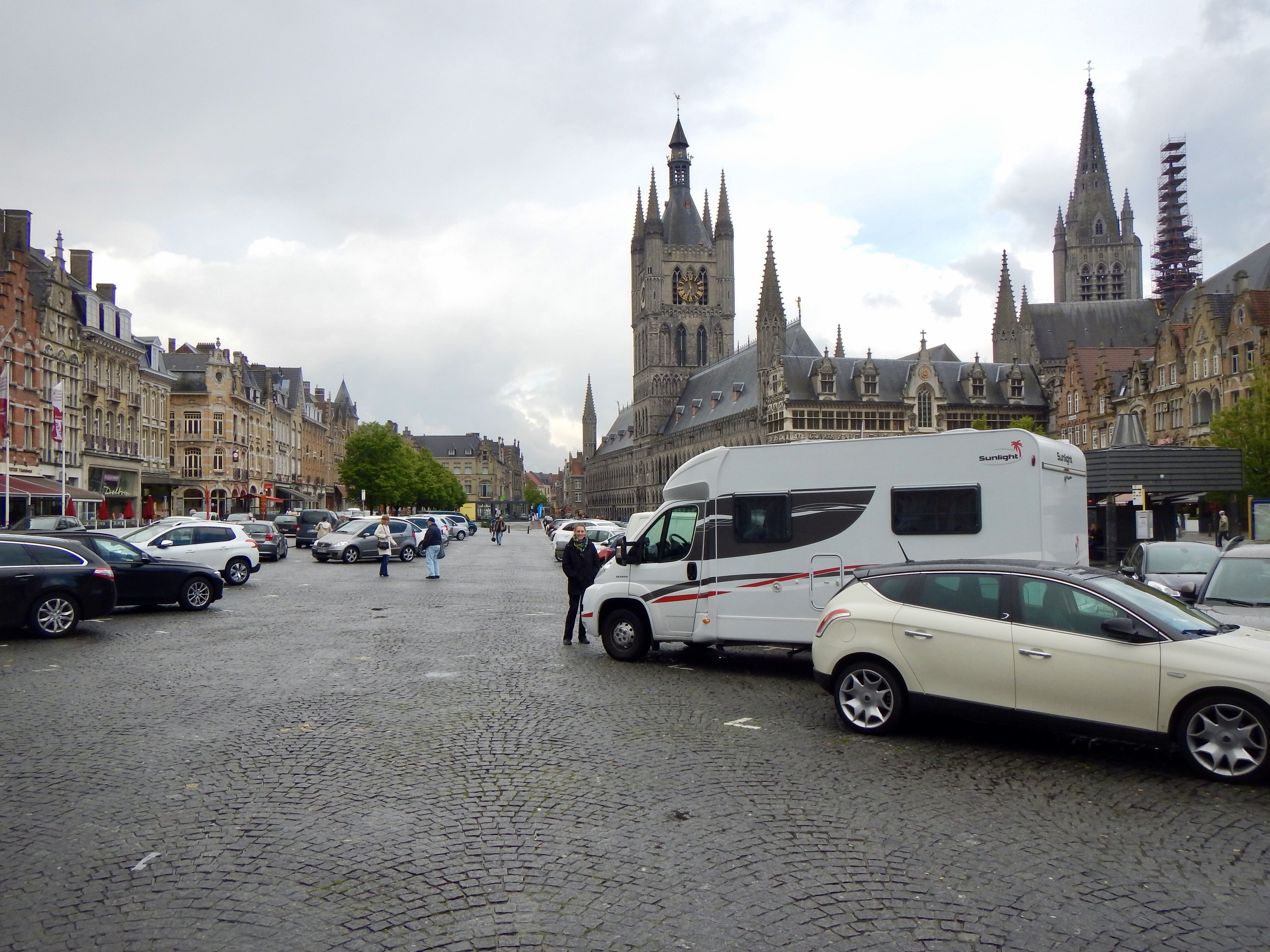
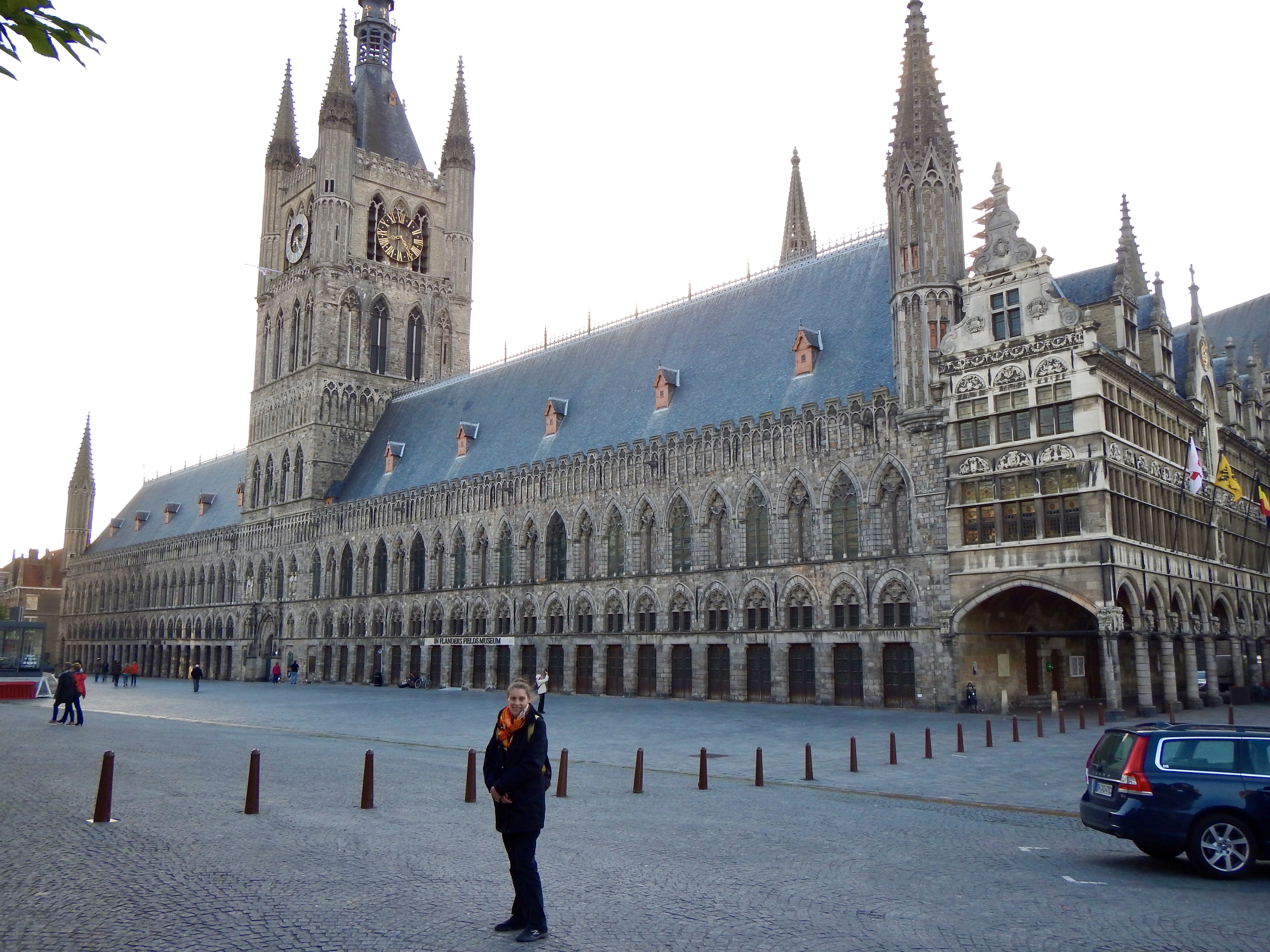
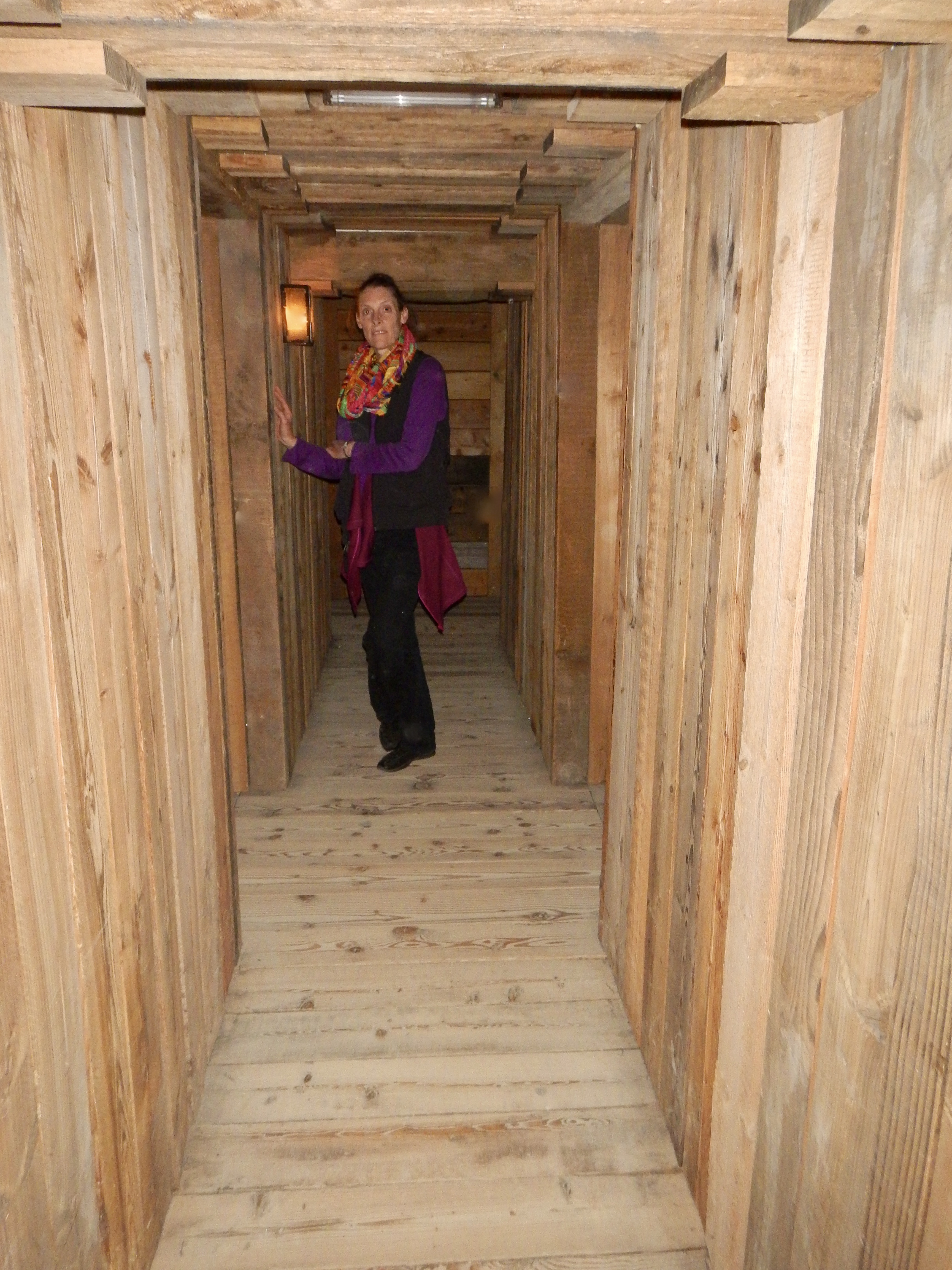
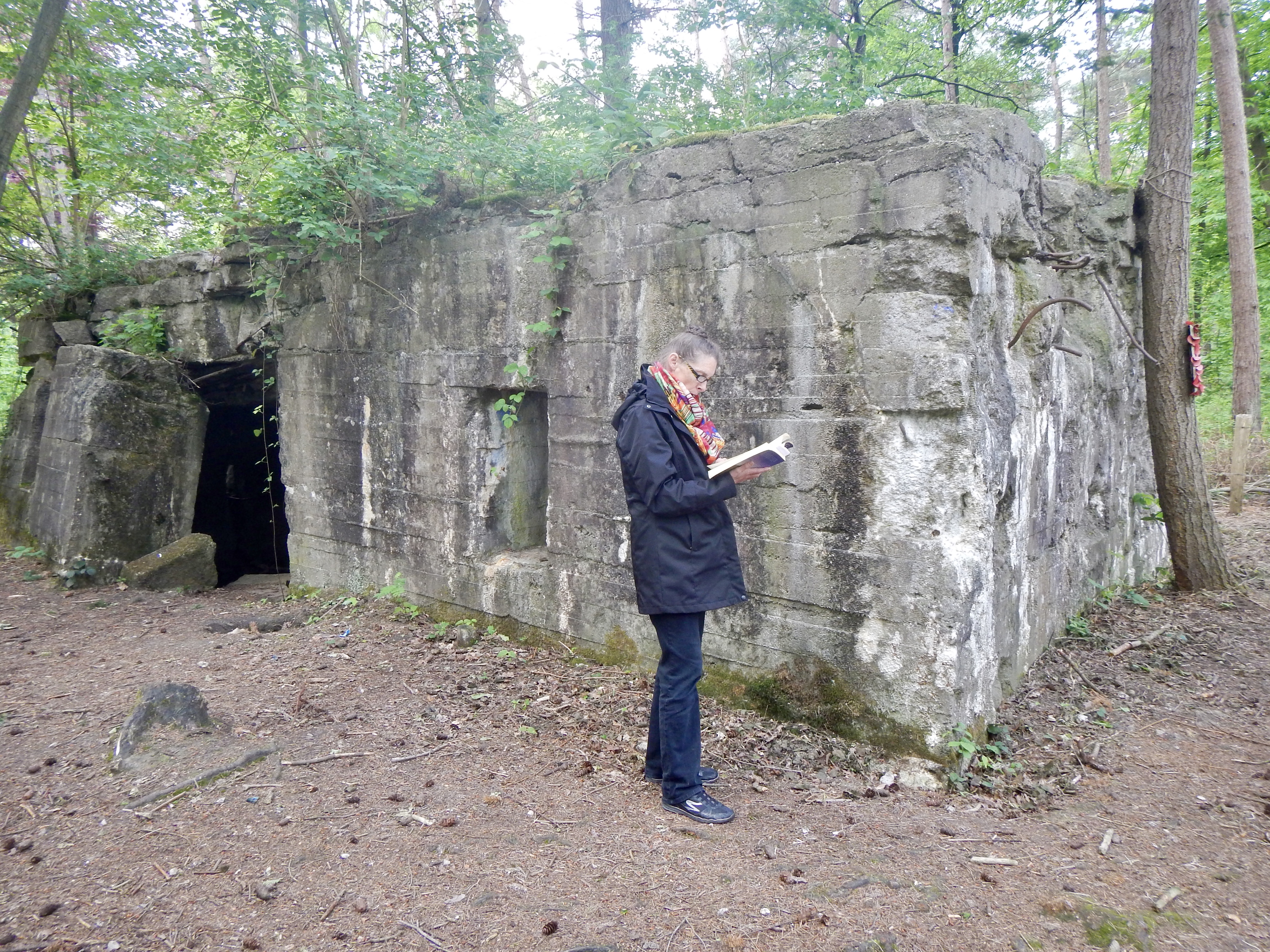
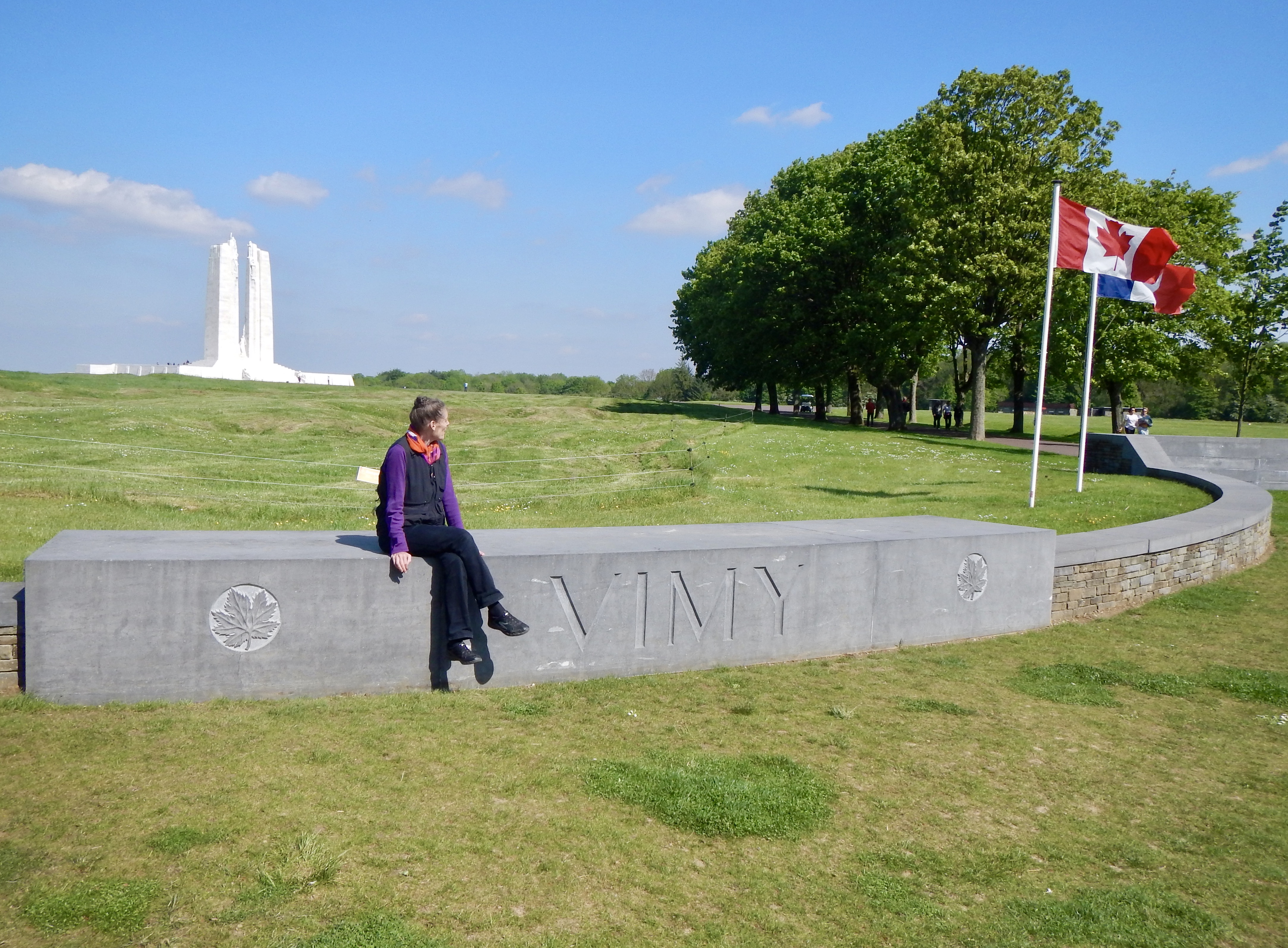
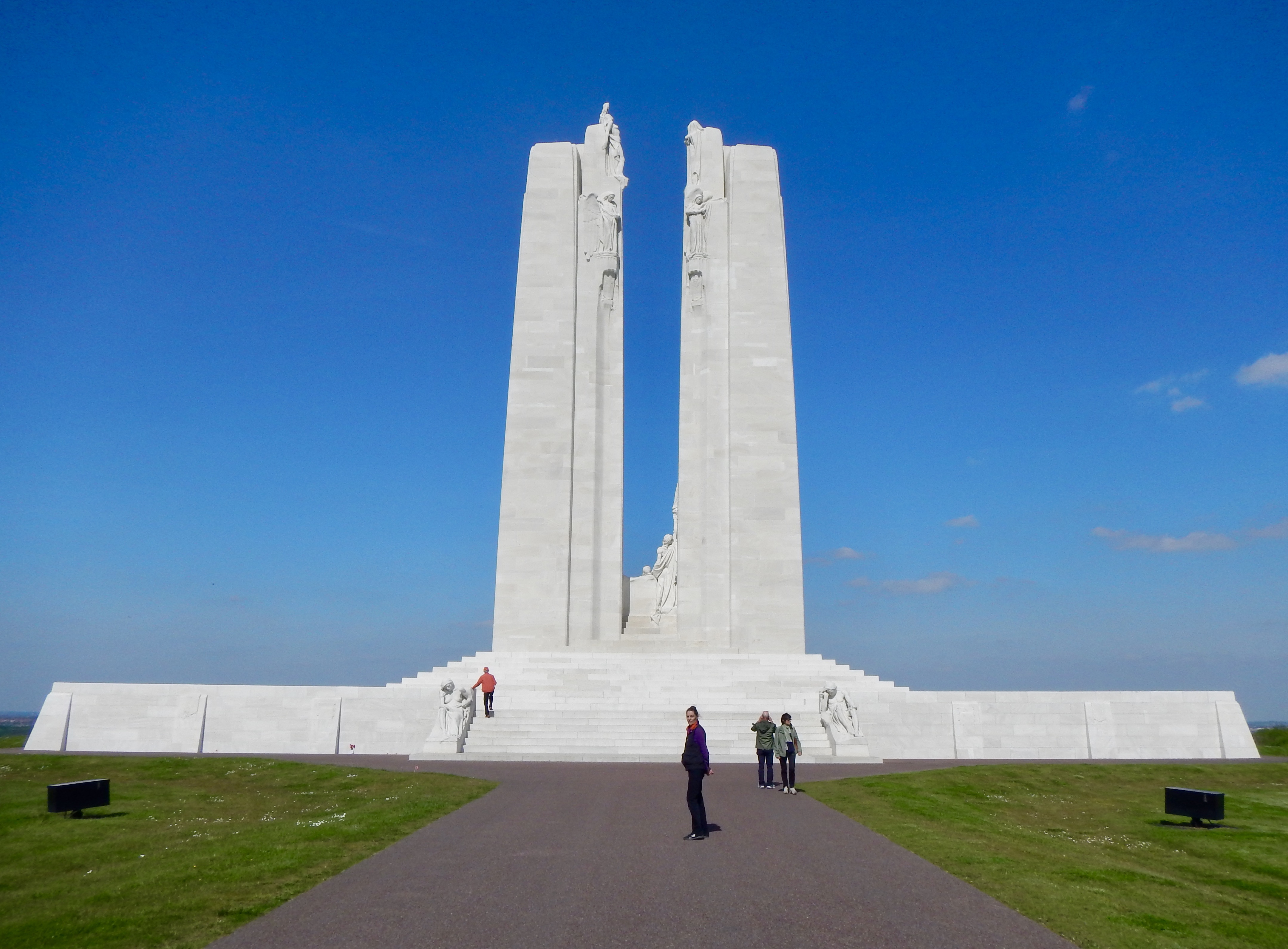
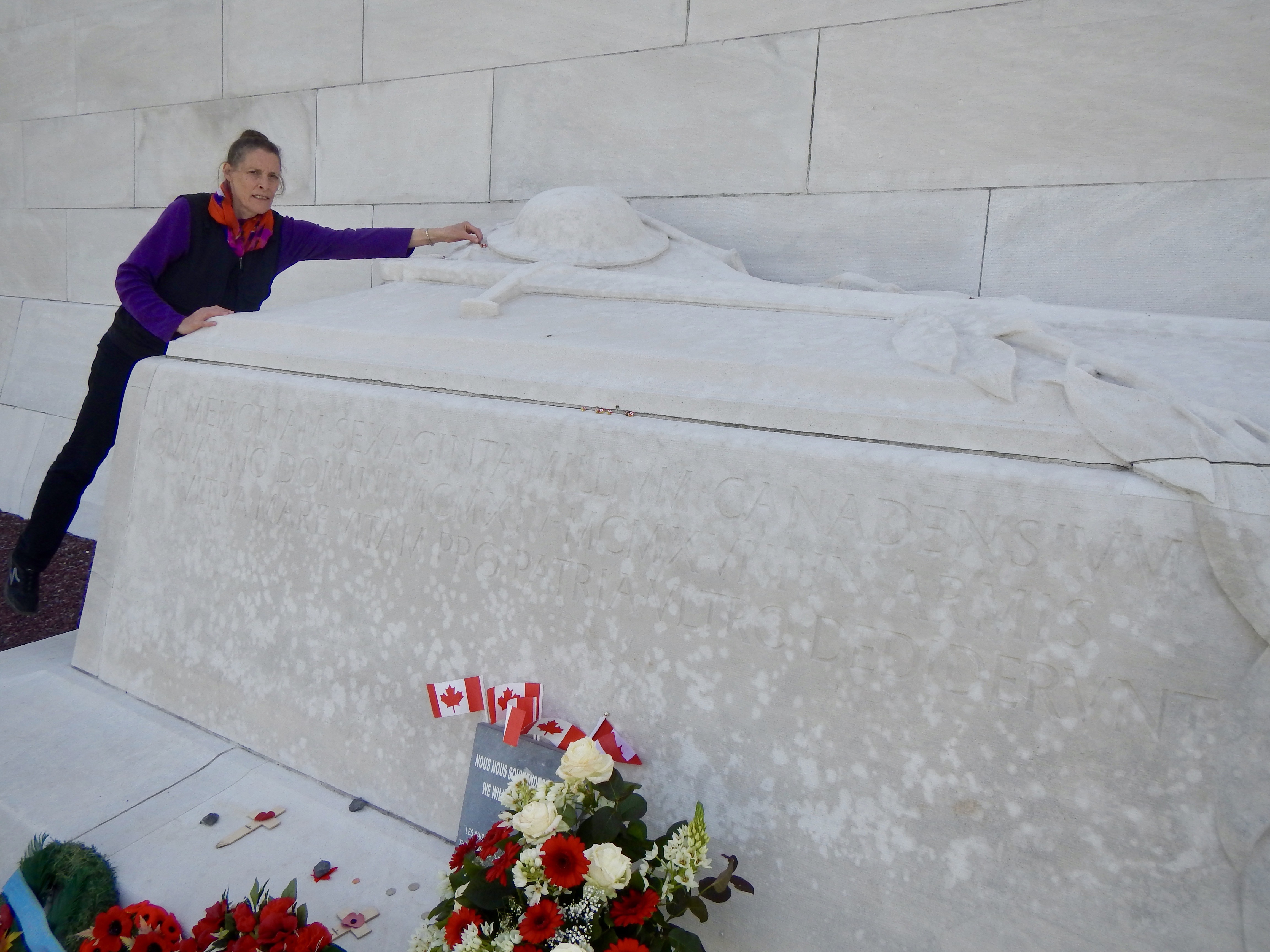
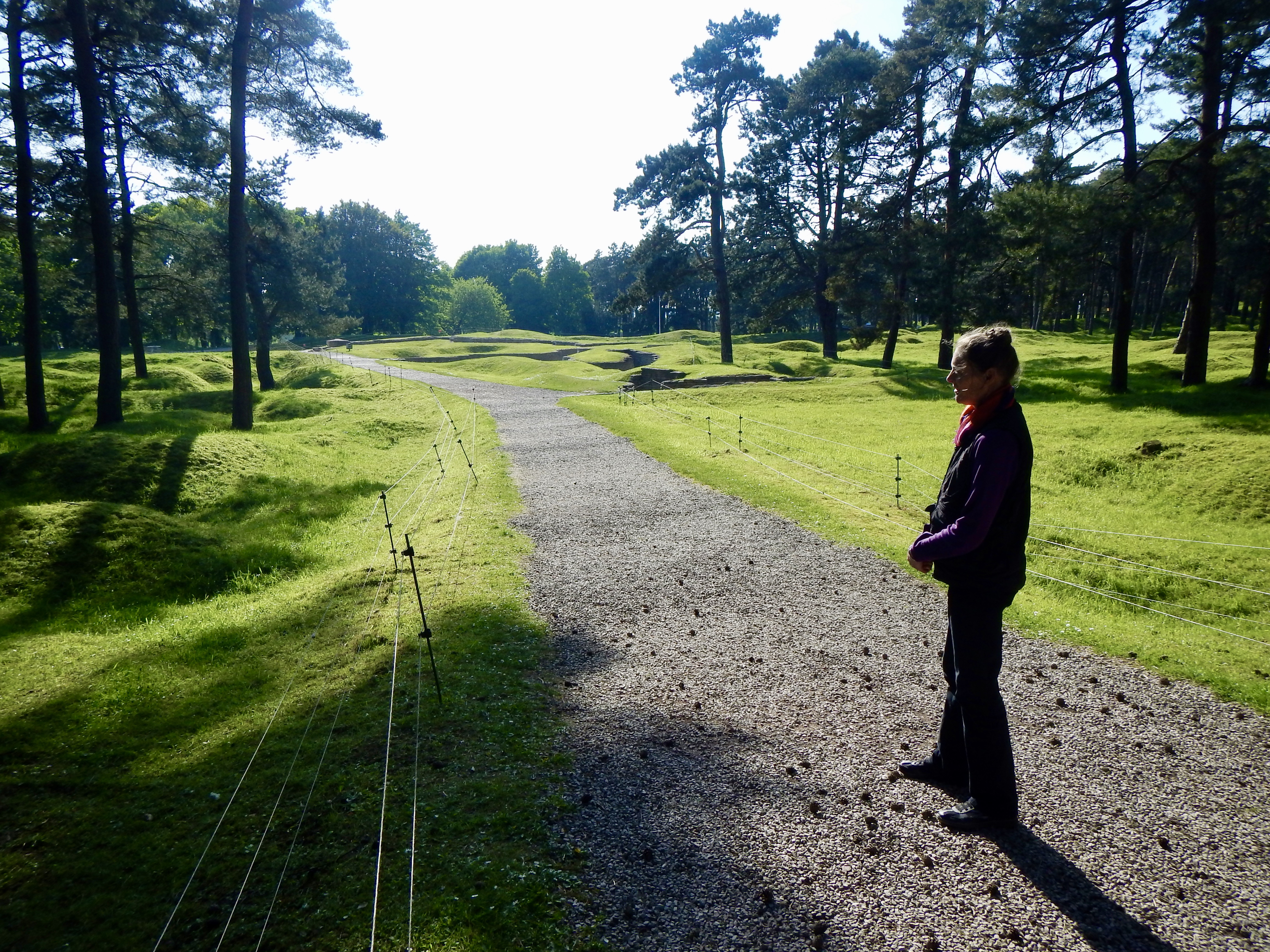
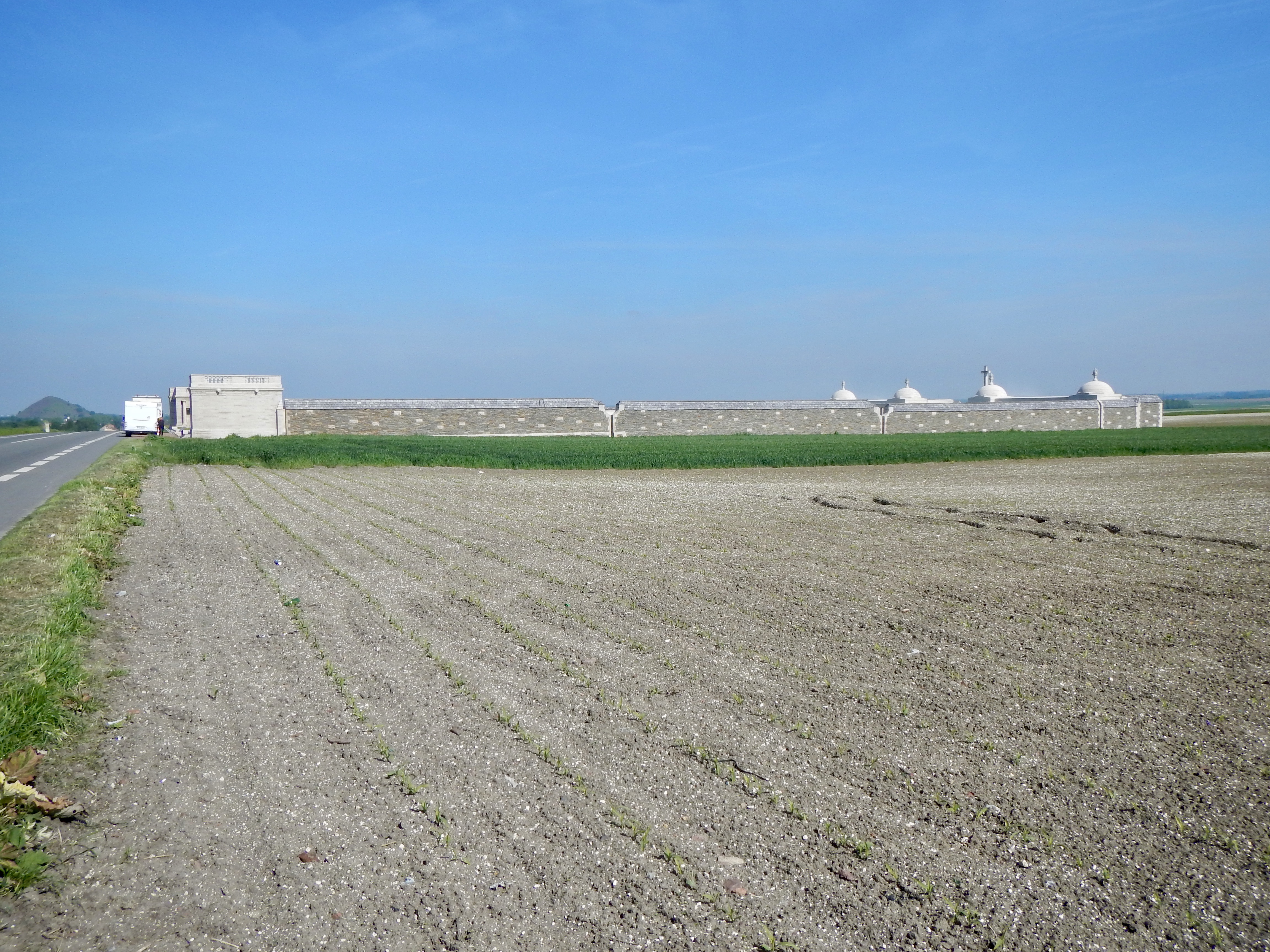
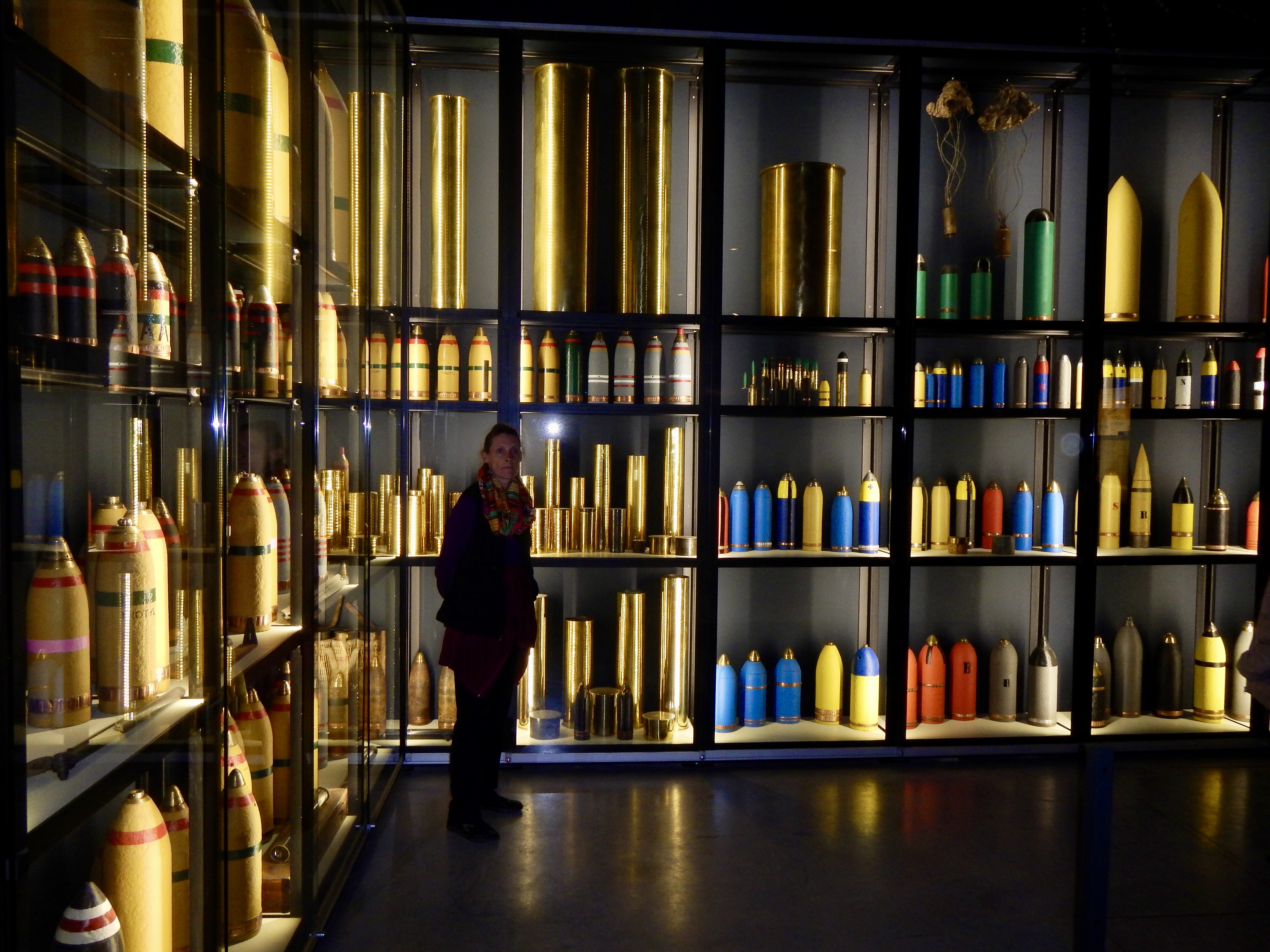
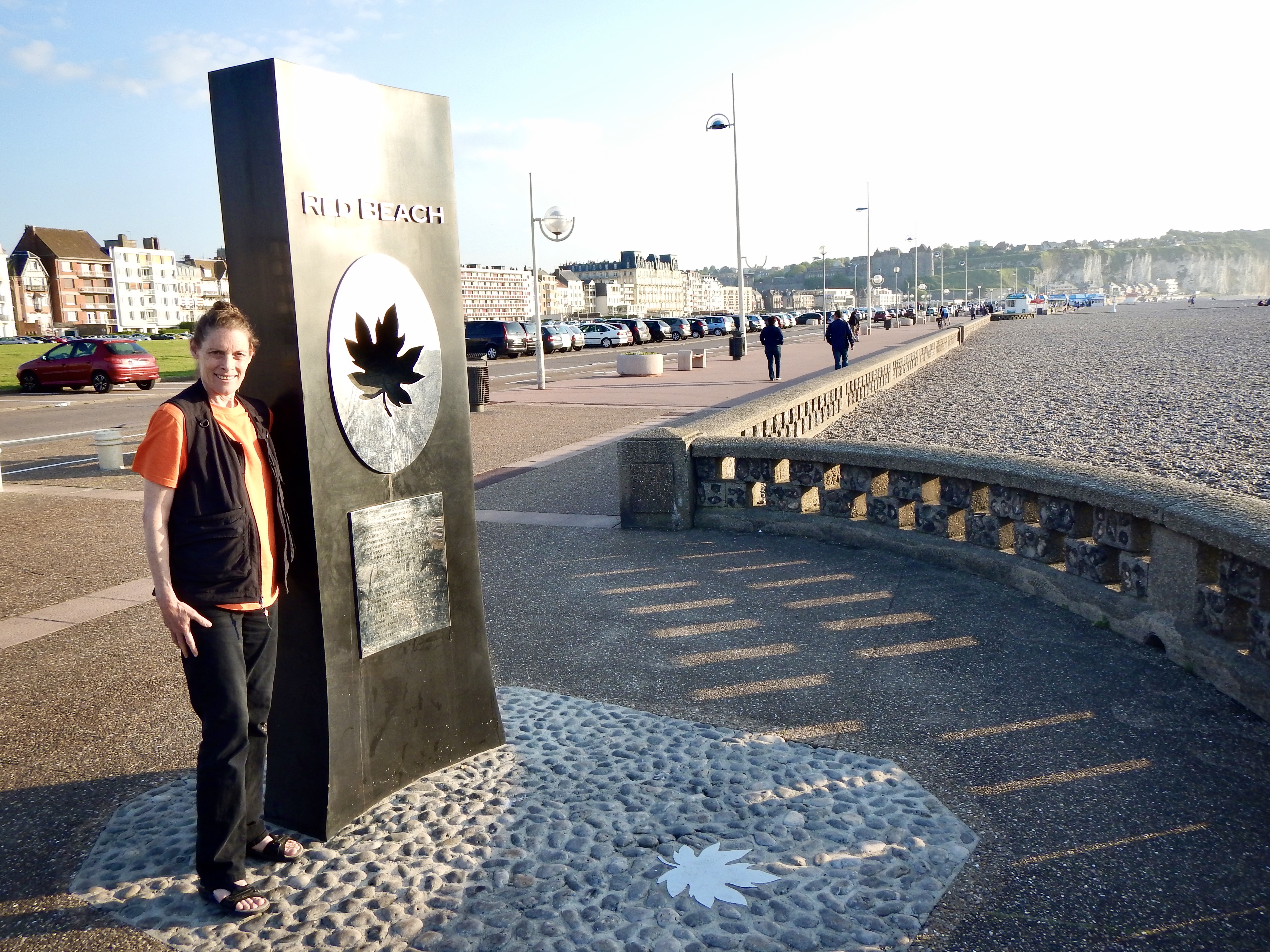
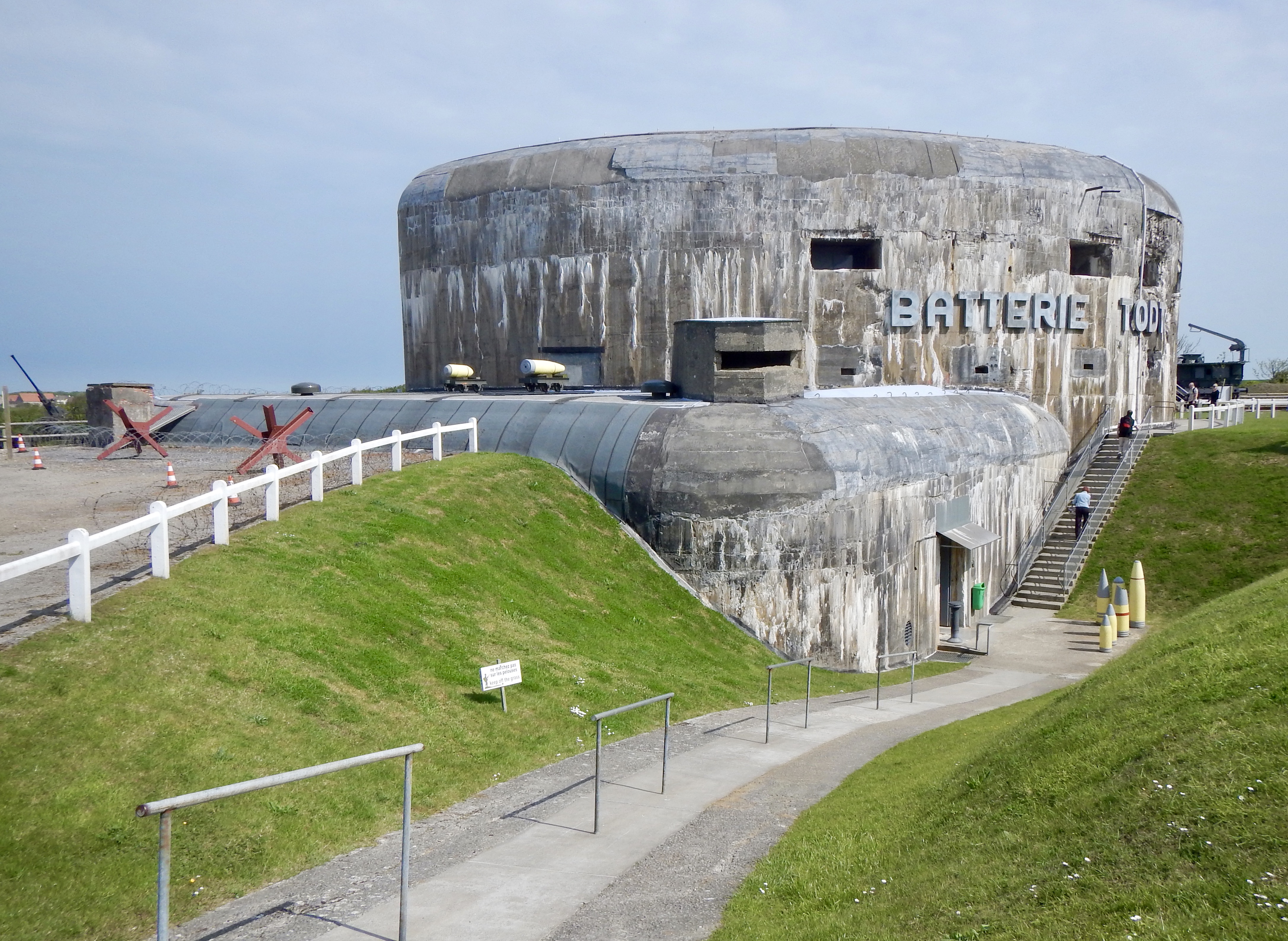
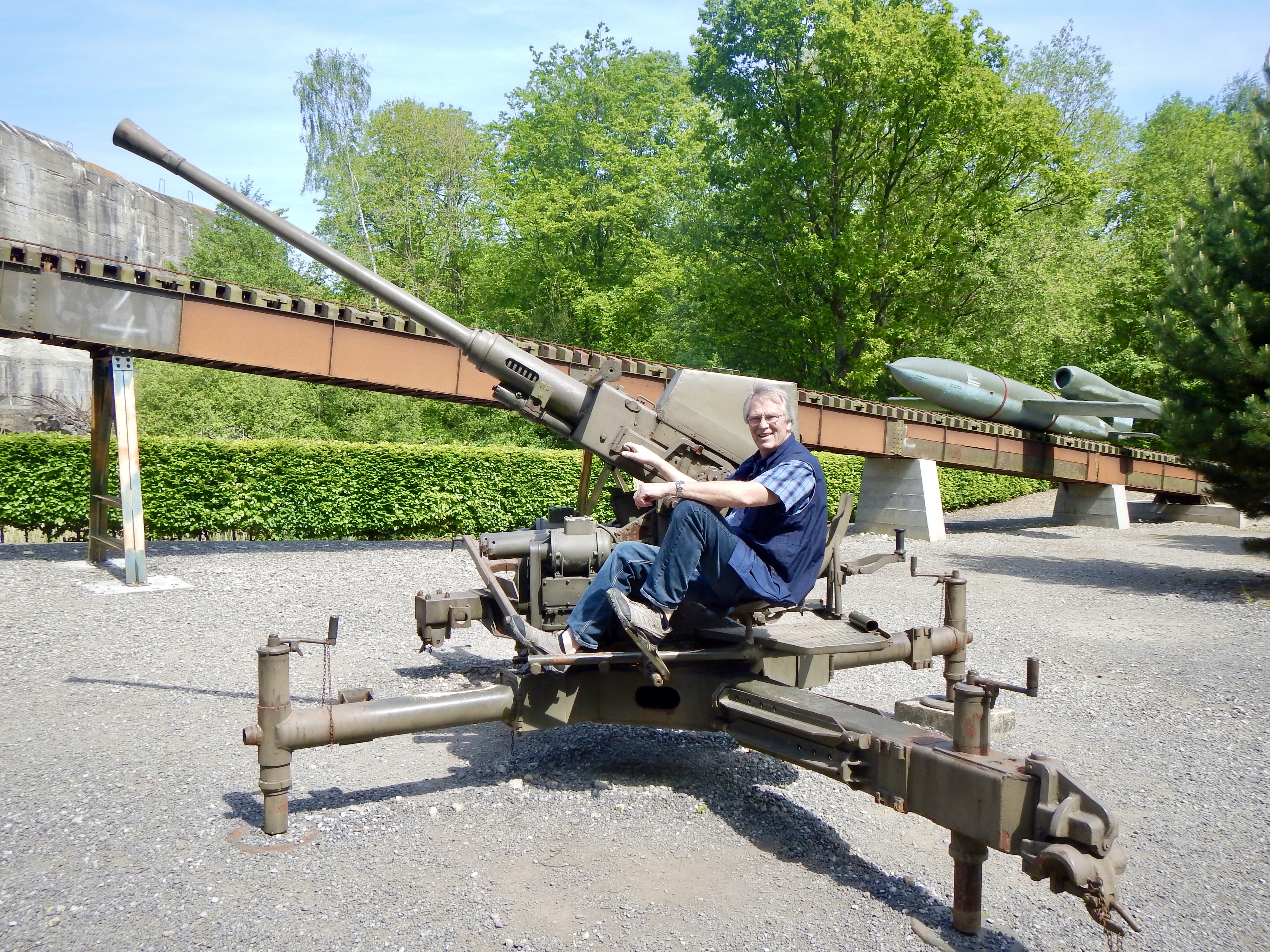
Ypers, Belgium – Town Square“In Flanders Fields Museum” in YpersThe “Menin Gate Memorial”The “last Post” is played daily since 1928 to hundreds of witnesses every sunsetRemembrance day is everyday at the Menin GateCanadian John McCrae’s Poem “In Flanders Fields”A fitting monument to the manThe location John McCrae wrote “In Flanders Fields”St. Julien Memorial. Here, Canadians withstood the first German gas attacksApril 22-24 1915 – 2,000 fell and lie buried nearby. As we stood here a Canadian F18 fighter jet flew low over us and dipped it’s wing… wow!“Passchendaele Hill” overlooking the townWe were treated like royalty in this pubOne of a thousand Commonwealth graveyards“Cafe De Dreve” Leaving our camping spot across the street from “Polygon Wood”Amazing Johan Vandewalle with his book “Beneath Flanders Fields” The front line trenches incorporated 3000 km of tunnels“Scotty’s Bunker” in the Polygon Wood Battlefield This was an Australian zone but many Canadians fought side-by-sideFive lost Australian soldiers found by Johan Vandewalle and reunited with family “Vimy Ridge” – Where Canada became a “Nation“So impressive…And movingSaying “Thank You” to the unknown solider with a Canadian flag and Lapel pinIt’s still explosively dangerous to wander off the marked pathwaysCommonwealth cemetery in a French farm-field that’s still littered with bone and bulletsUnknown connection to this J. Reid, but a feeling of loss anyway These deadly shells from WWI look strangely ornamentalDieppe, France 1942. Canadian led assault on this “Red Beach” failed at great human costBack entrance to the huge Nazi “Todd Battery Gun” on the Normandy CoastChilling V2 Rocket Site that launched devastating missiles into the heart of LondonThe surreal innards of the fortified rocket facilityDeadly tools of war are now treated like toys
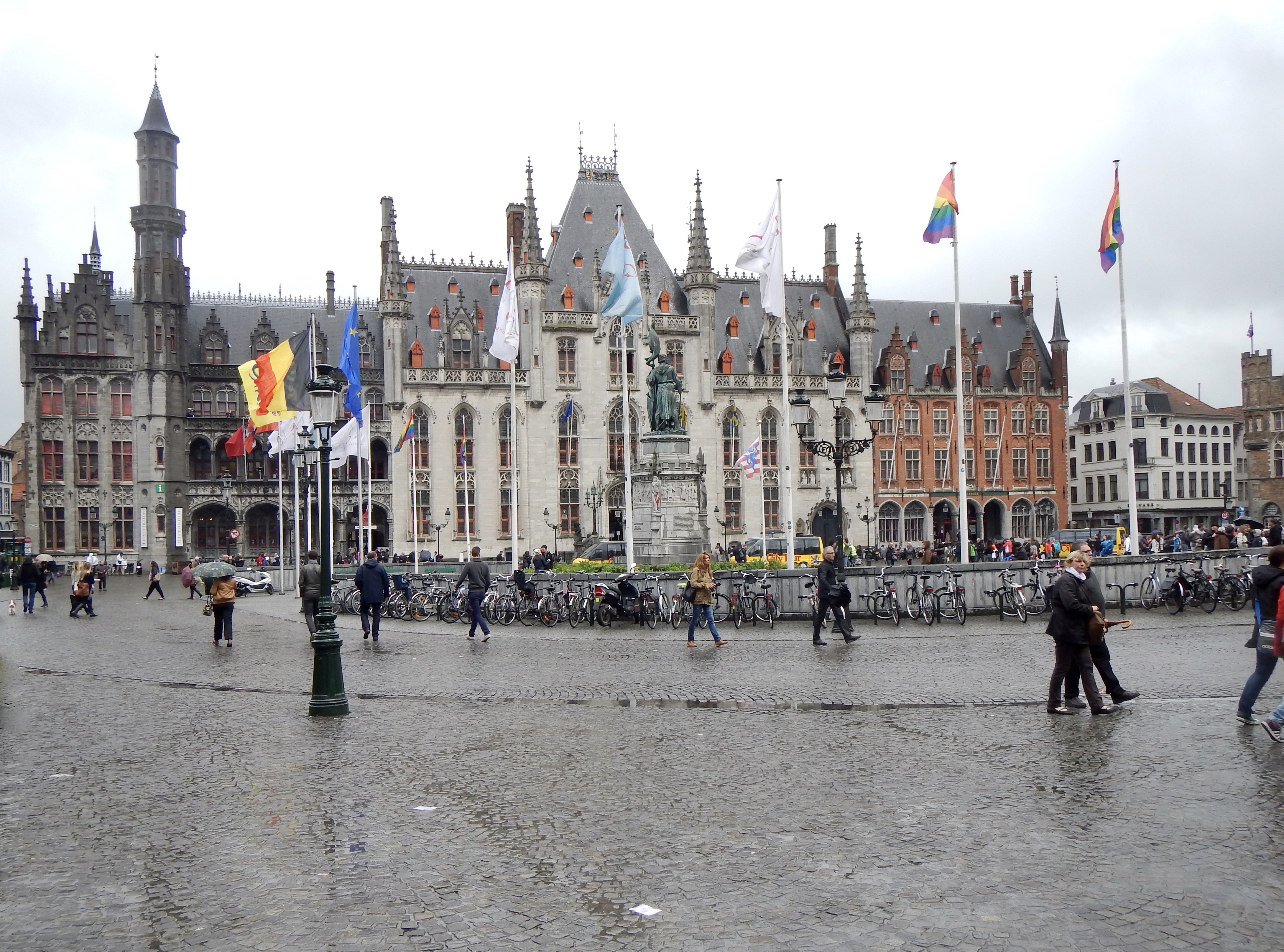
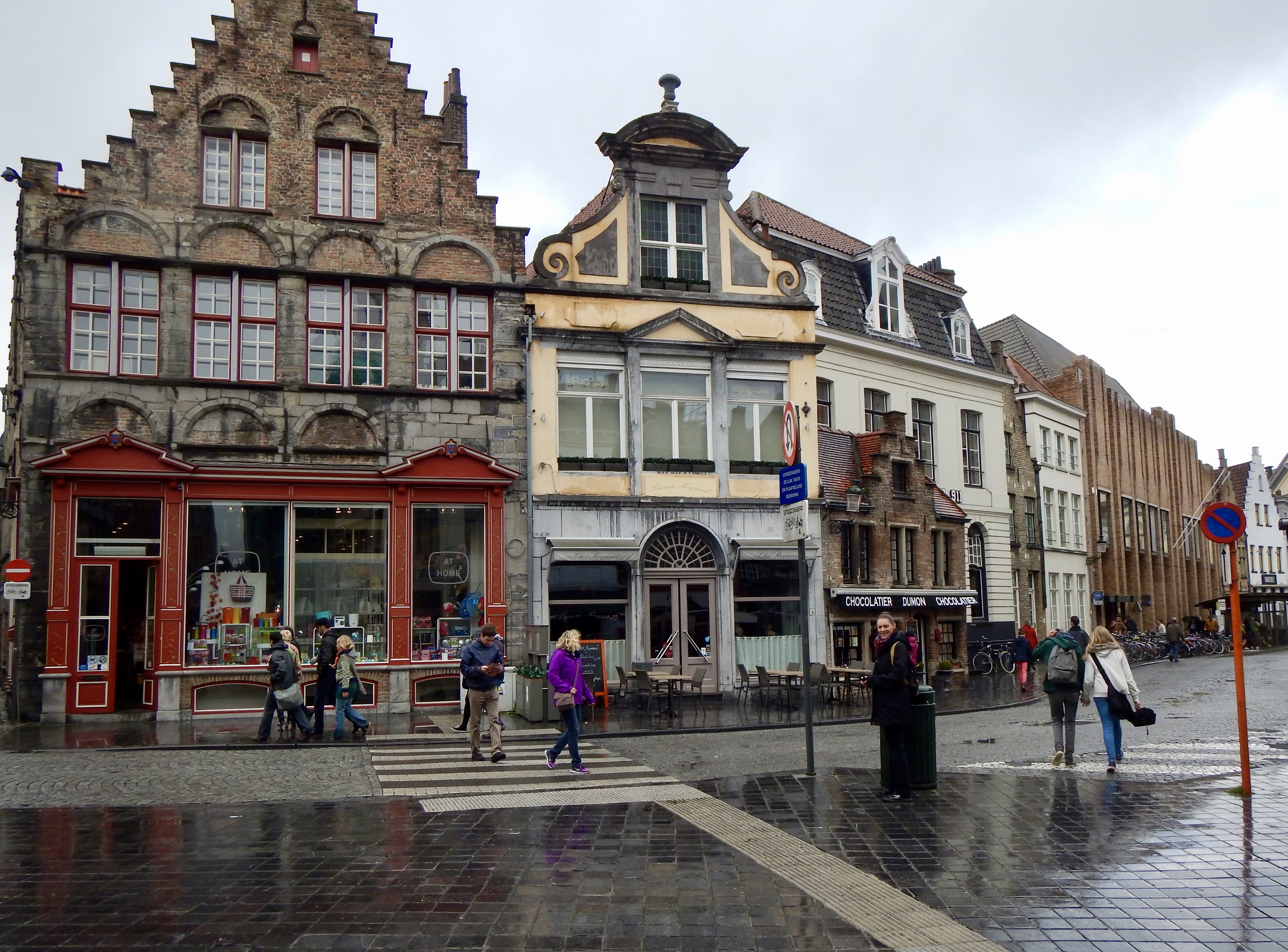
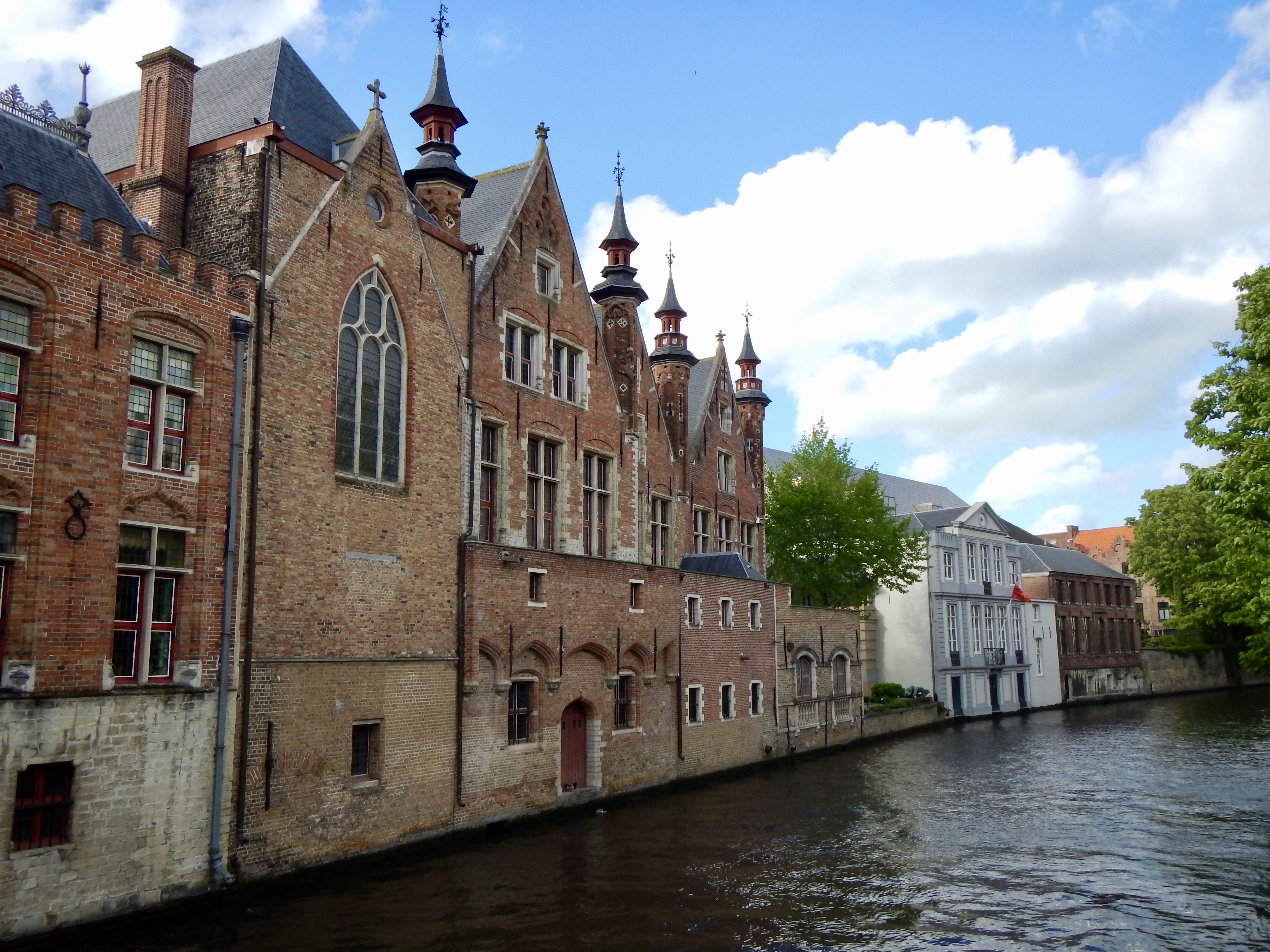
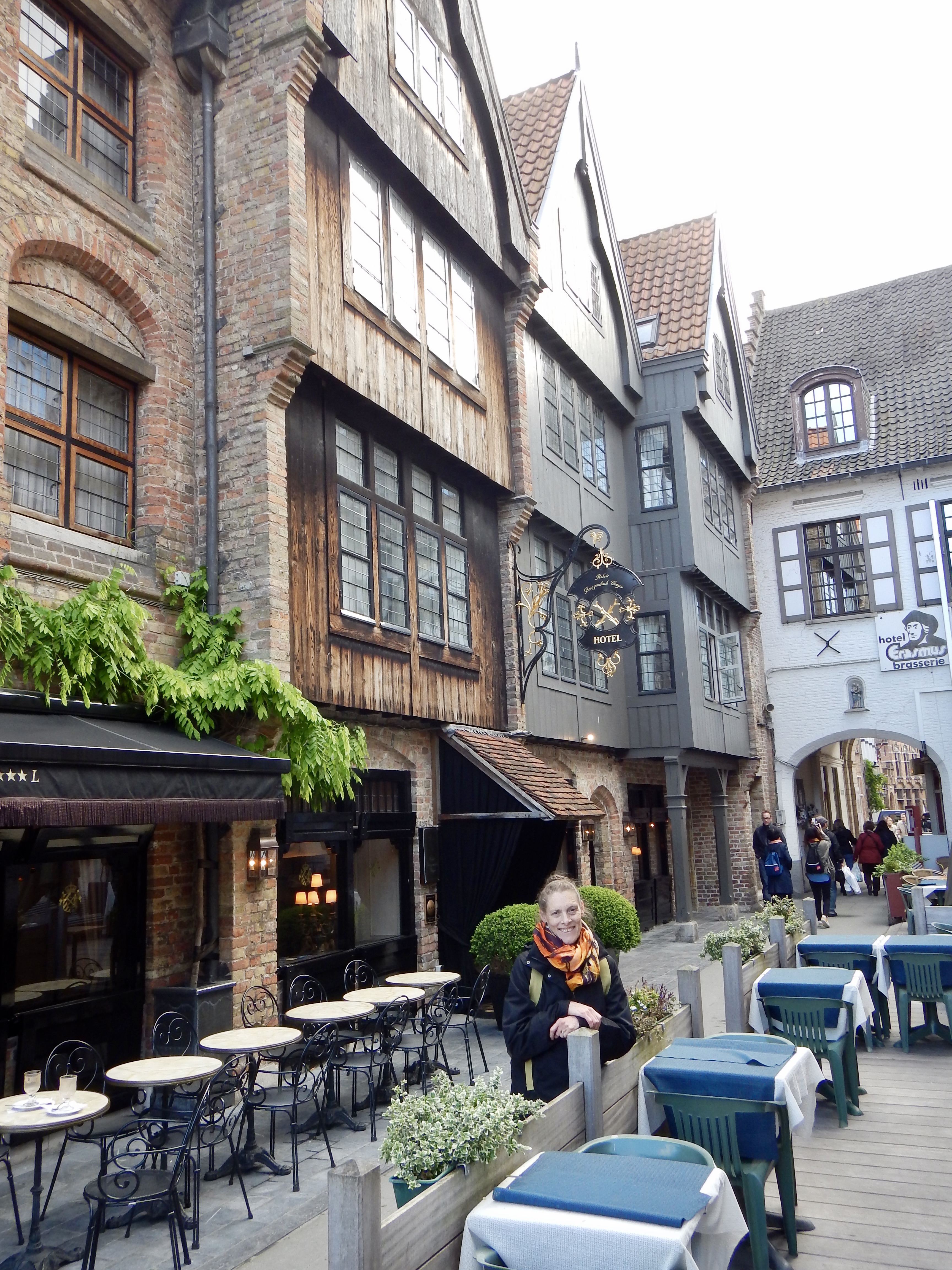
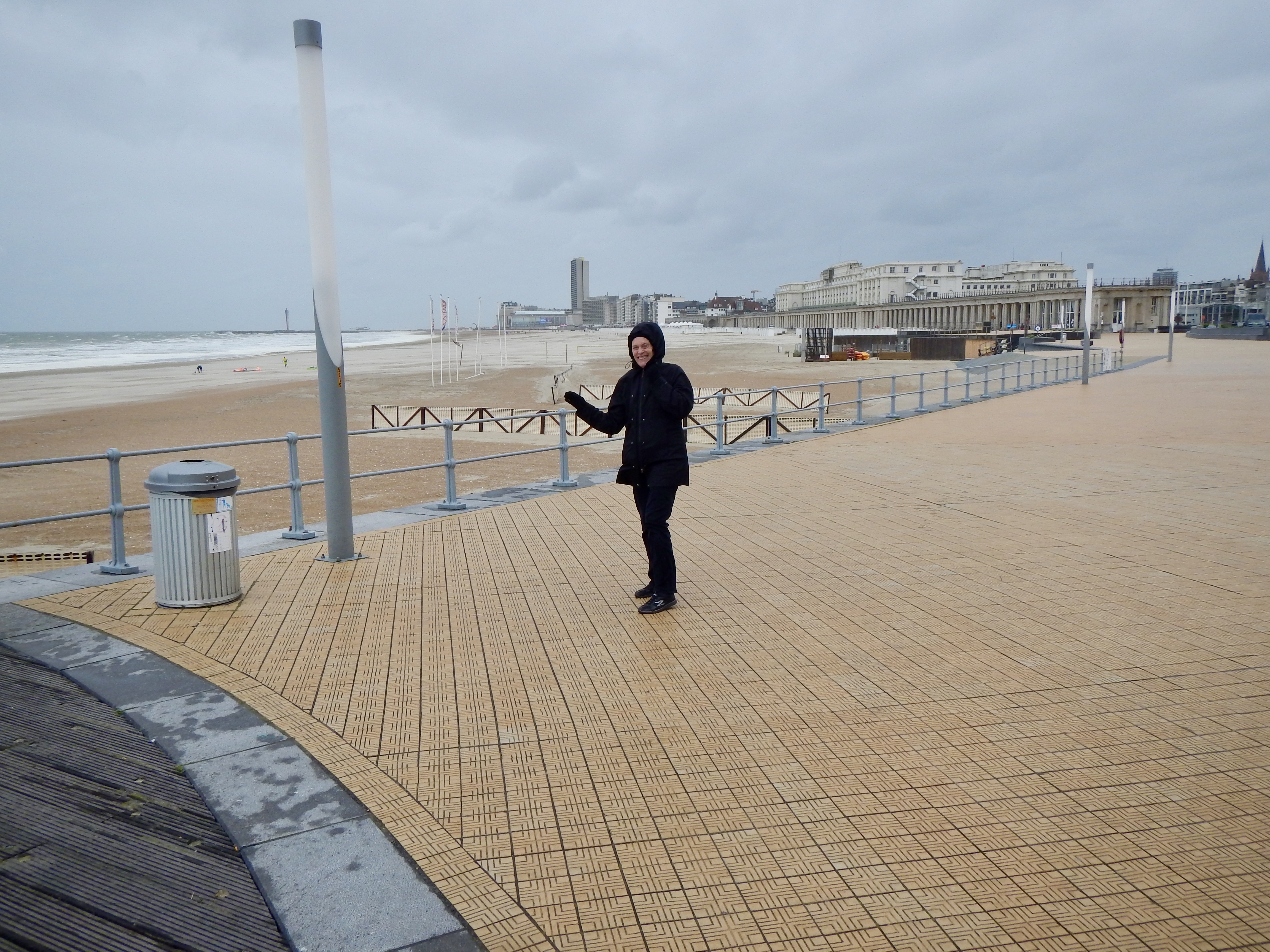
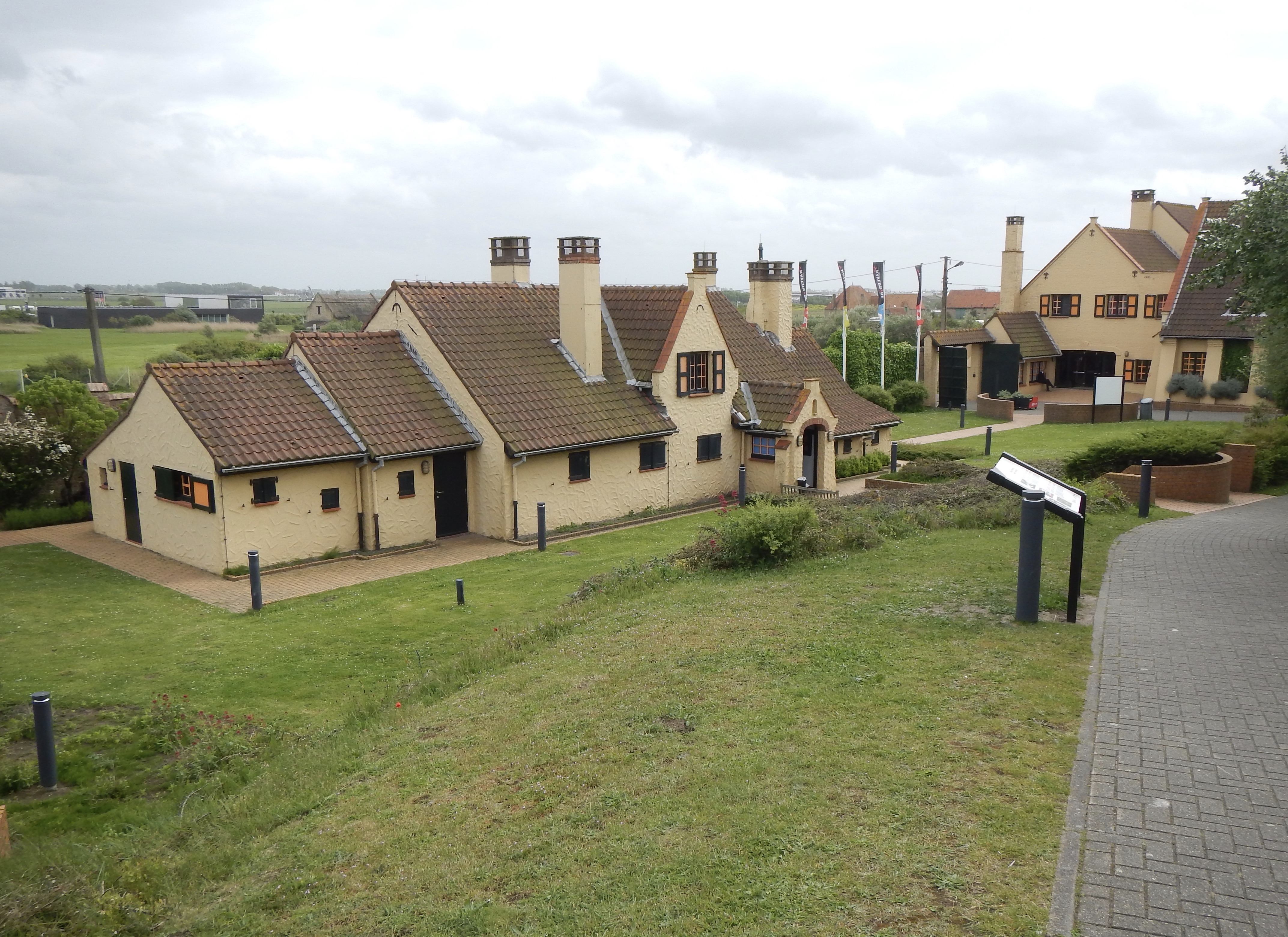
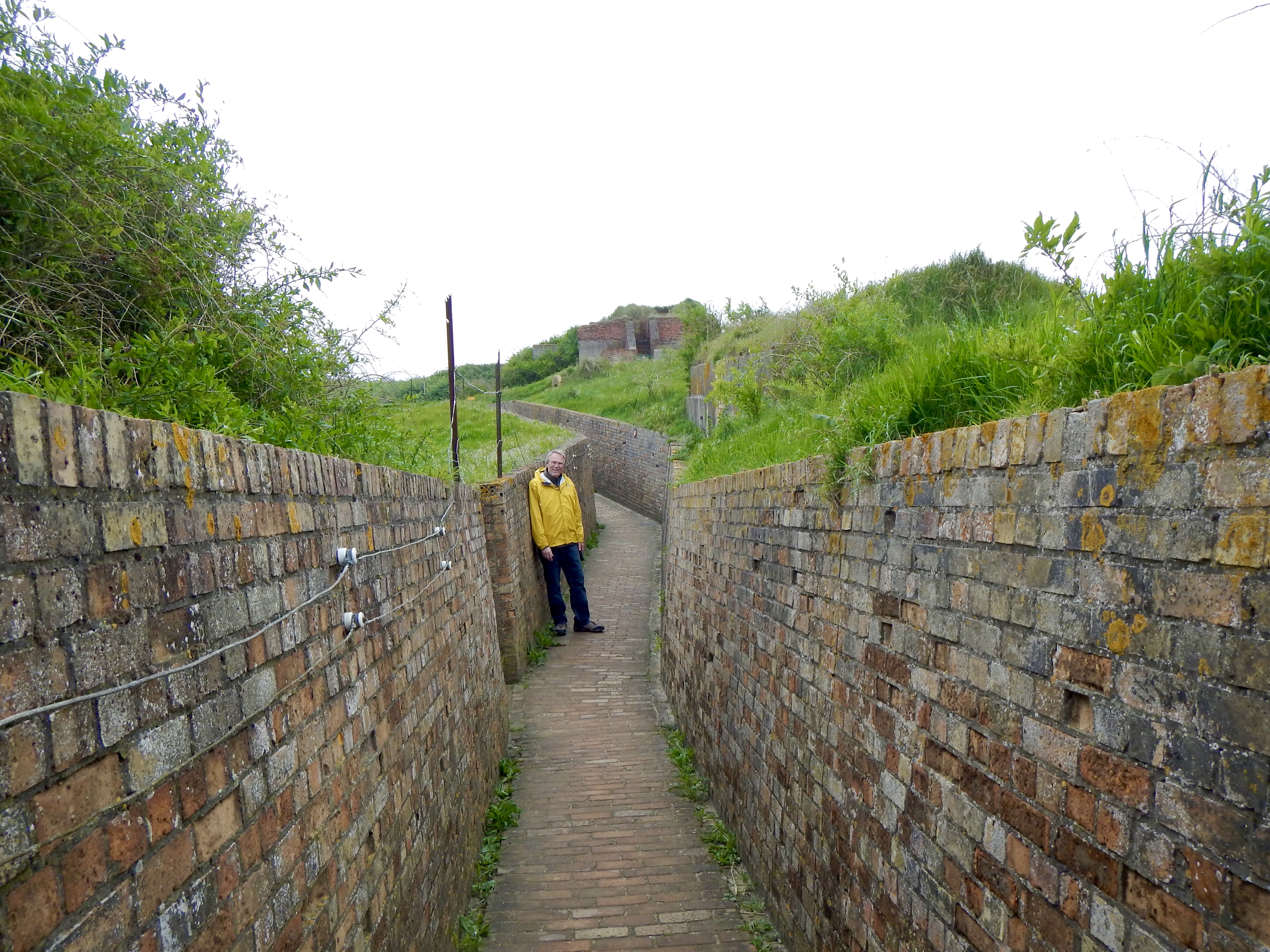
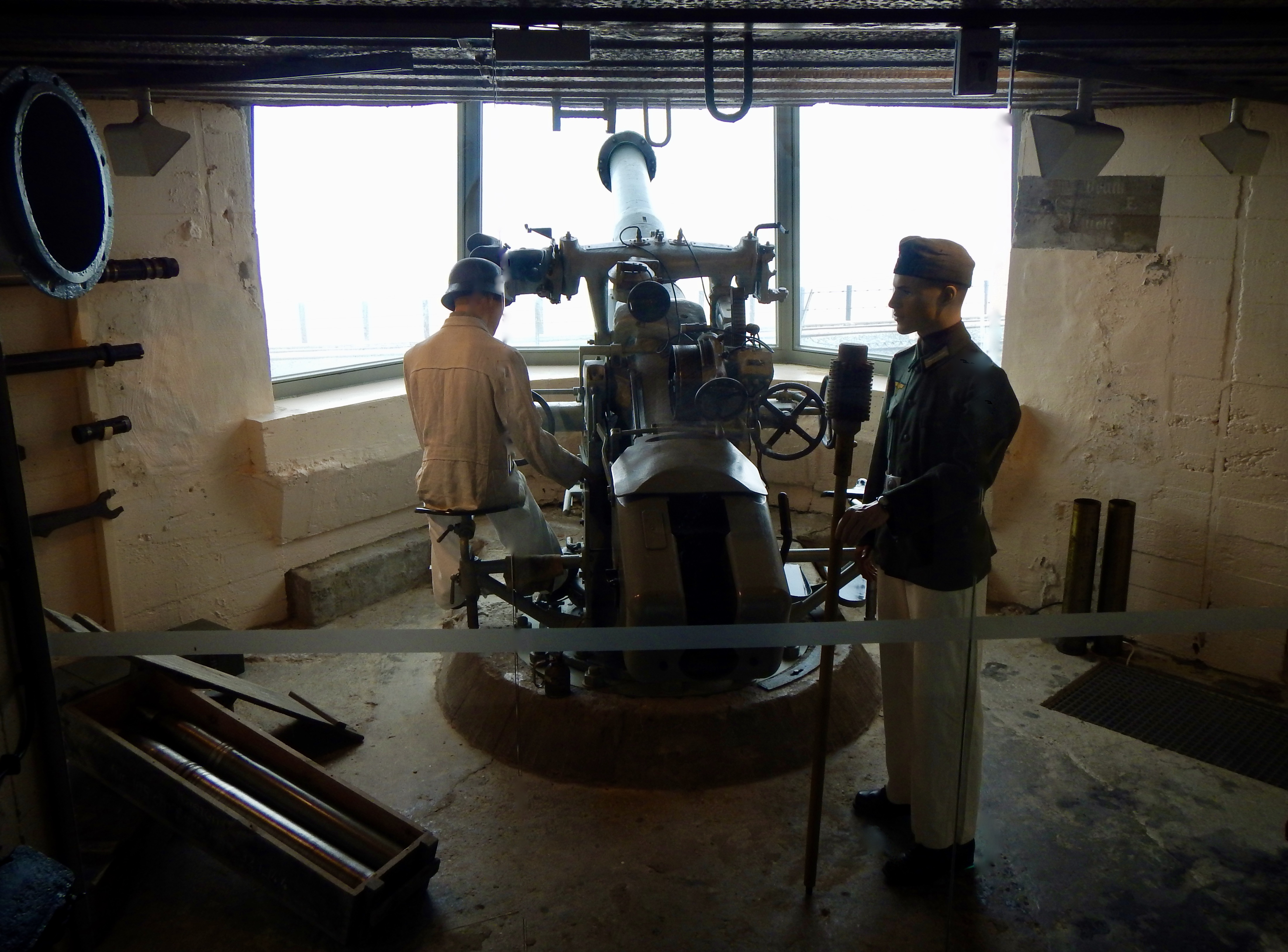
Brugge MarketBrugge’s main town squareLovely streets to wander in…Canals tooA very short drive to Oostende on the stormy English Channel Belgium’s Prince Charles lived in this modest coastal cottage until the Nazi’s confiscated itThe Cottage became a command centre for this part of Rommel’s “Atlantic Wall”The Atlantic Wall was a massive coastal fortification and defensive structure circling EuropeThis is the only remaining section of the wall that has been preserved in it’s original state
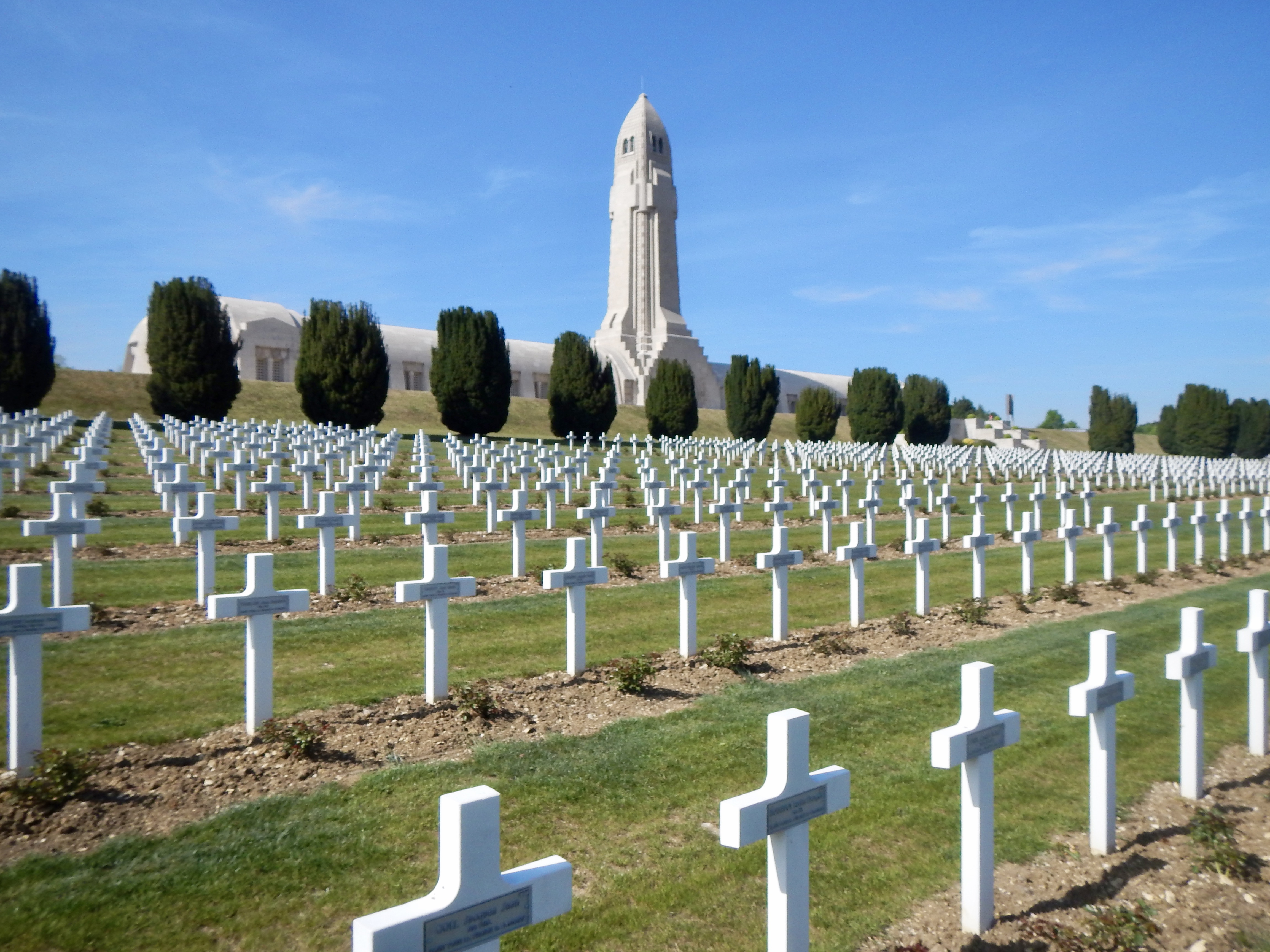
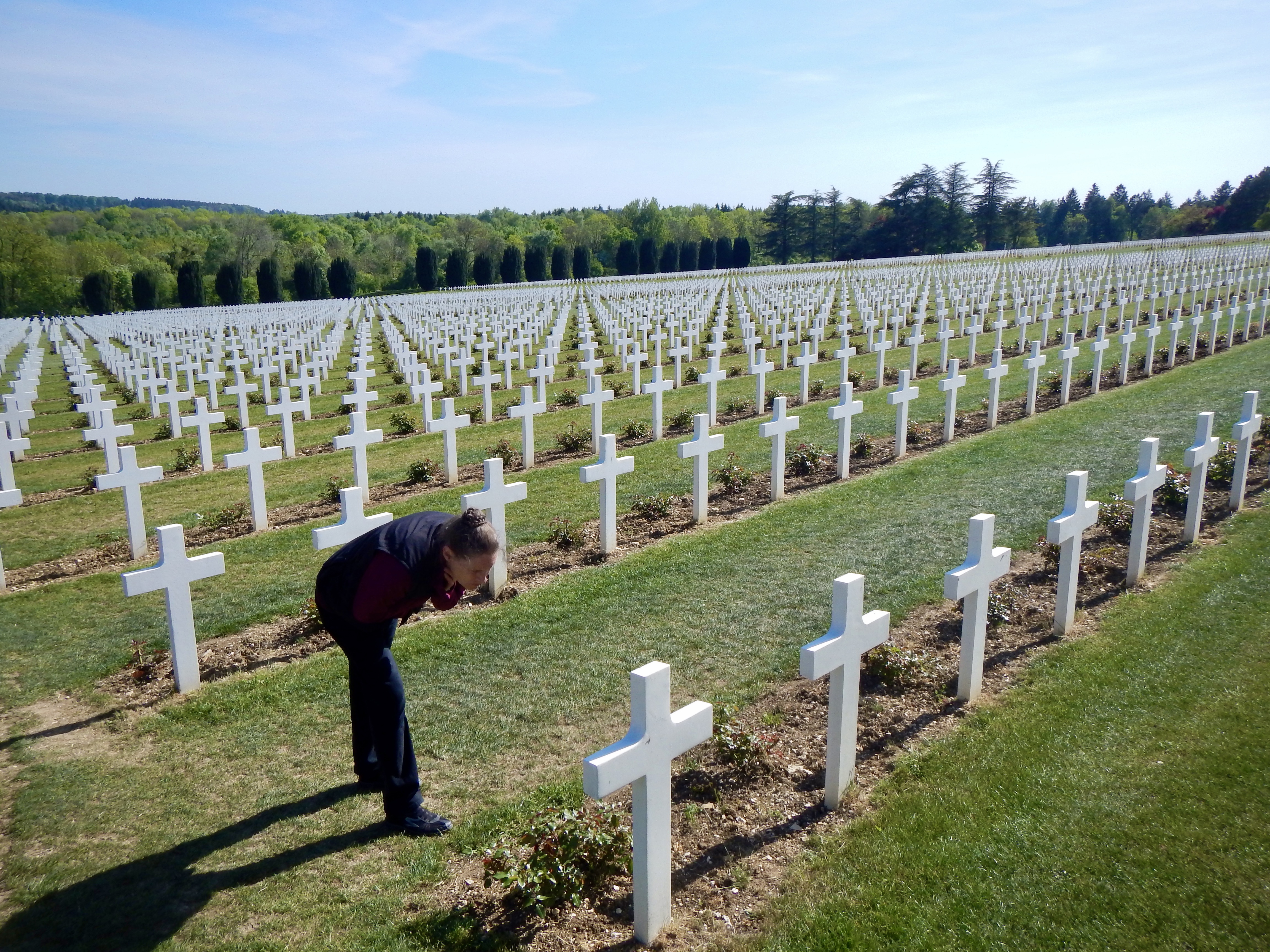
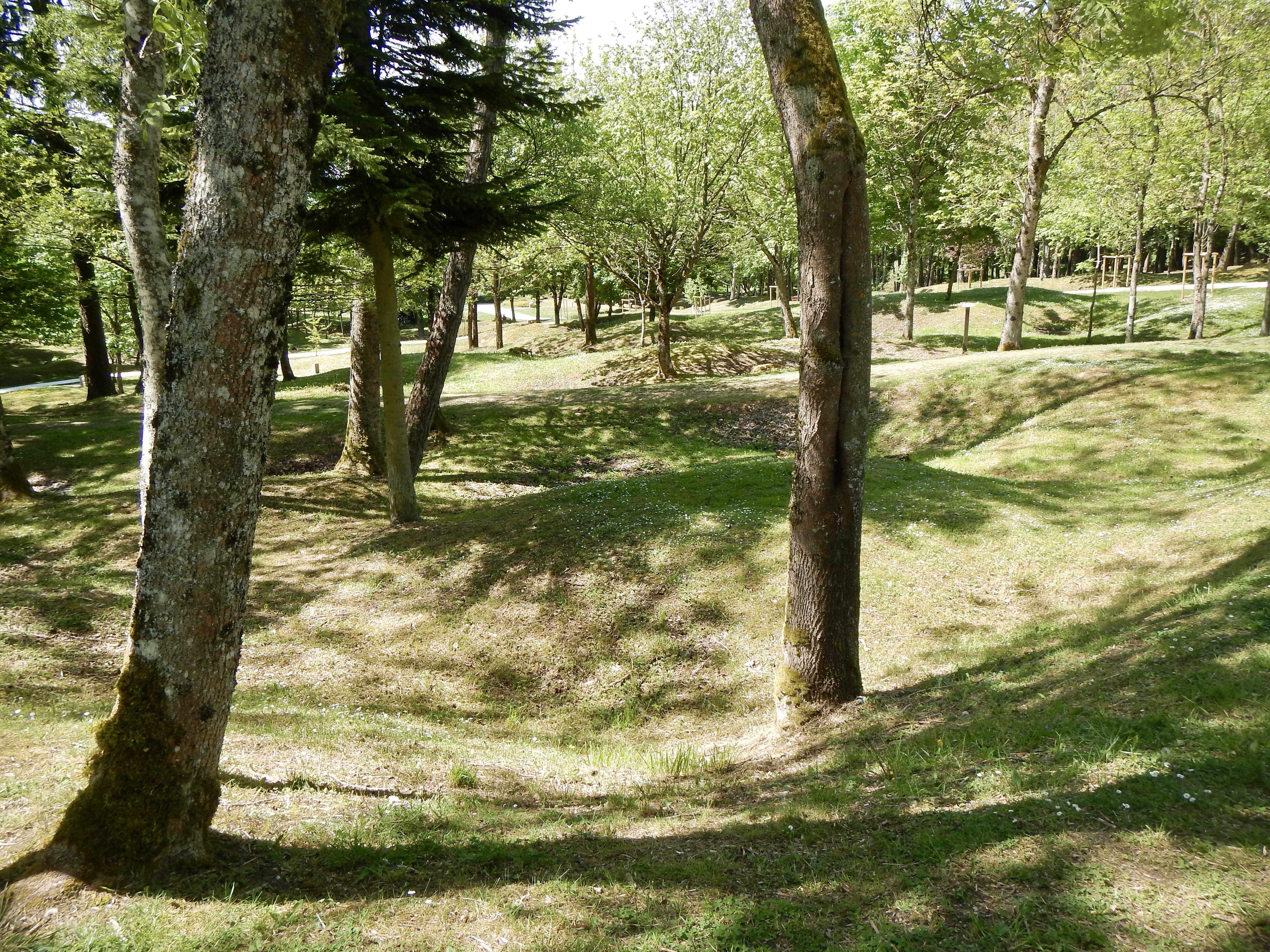
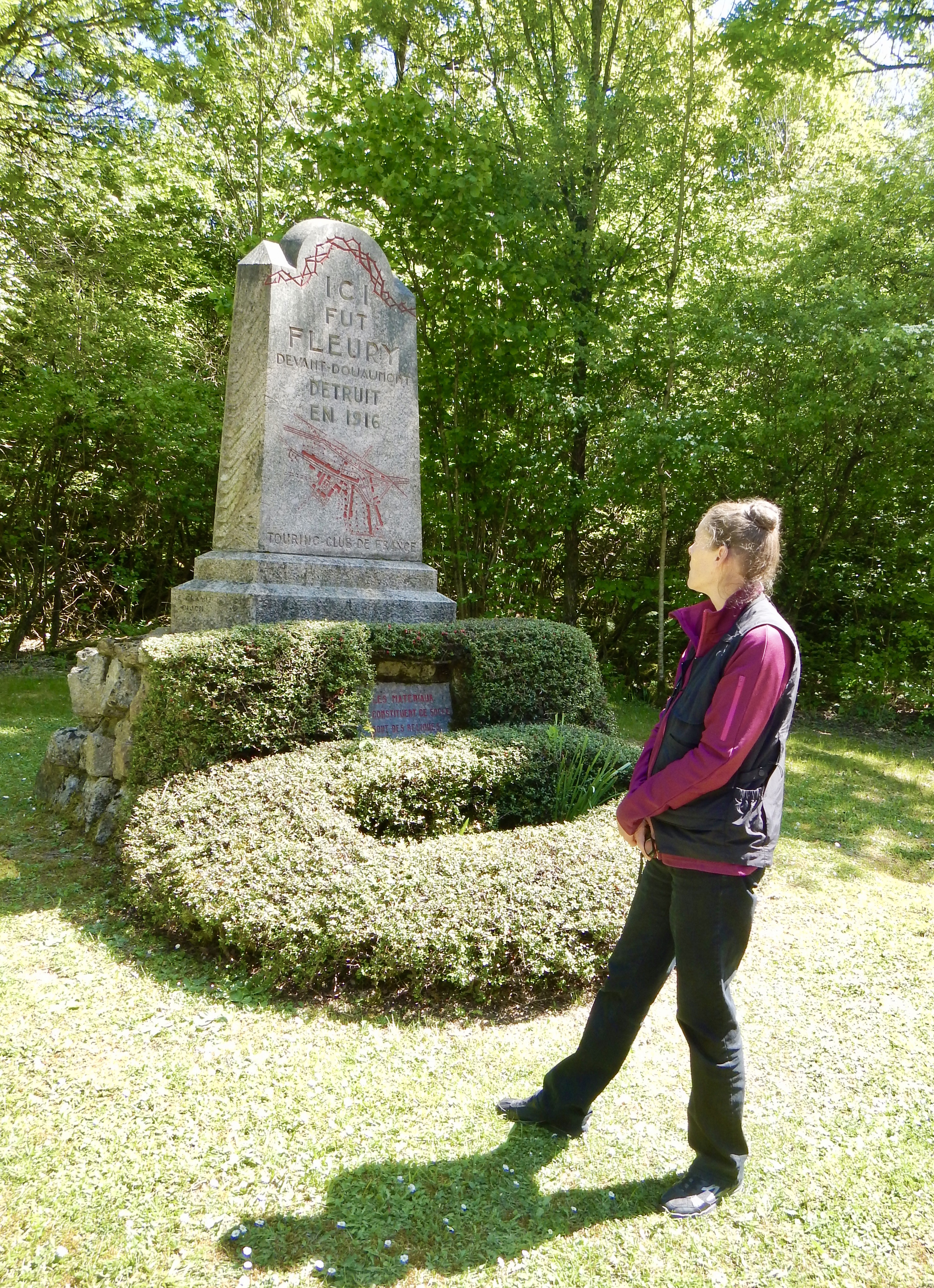
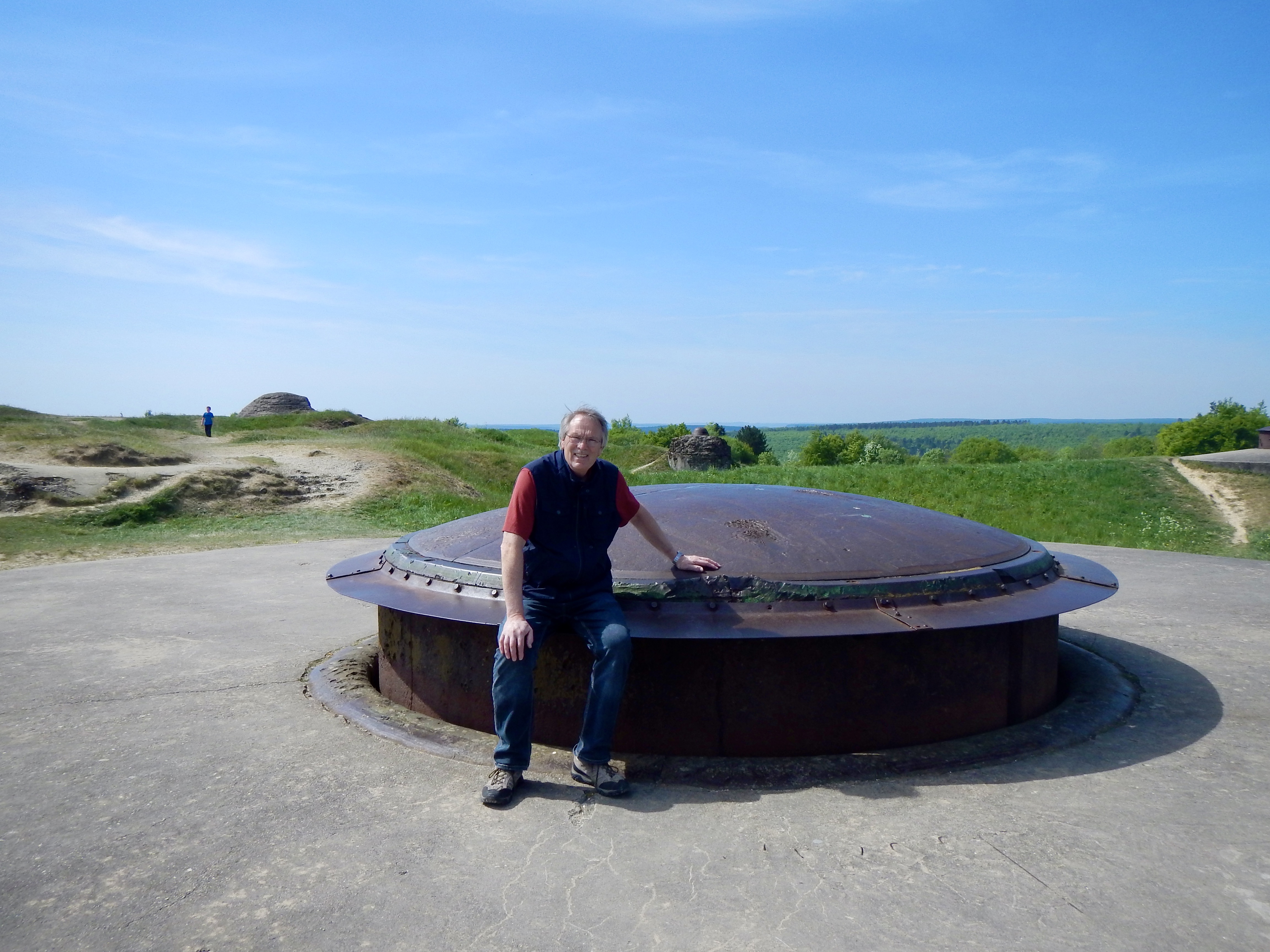
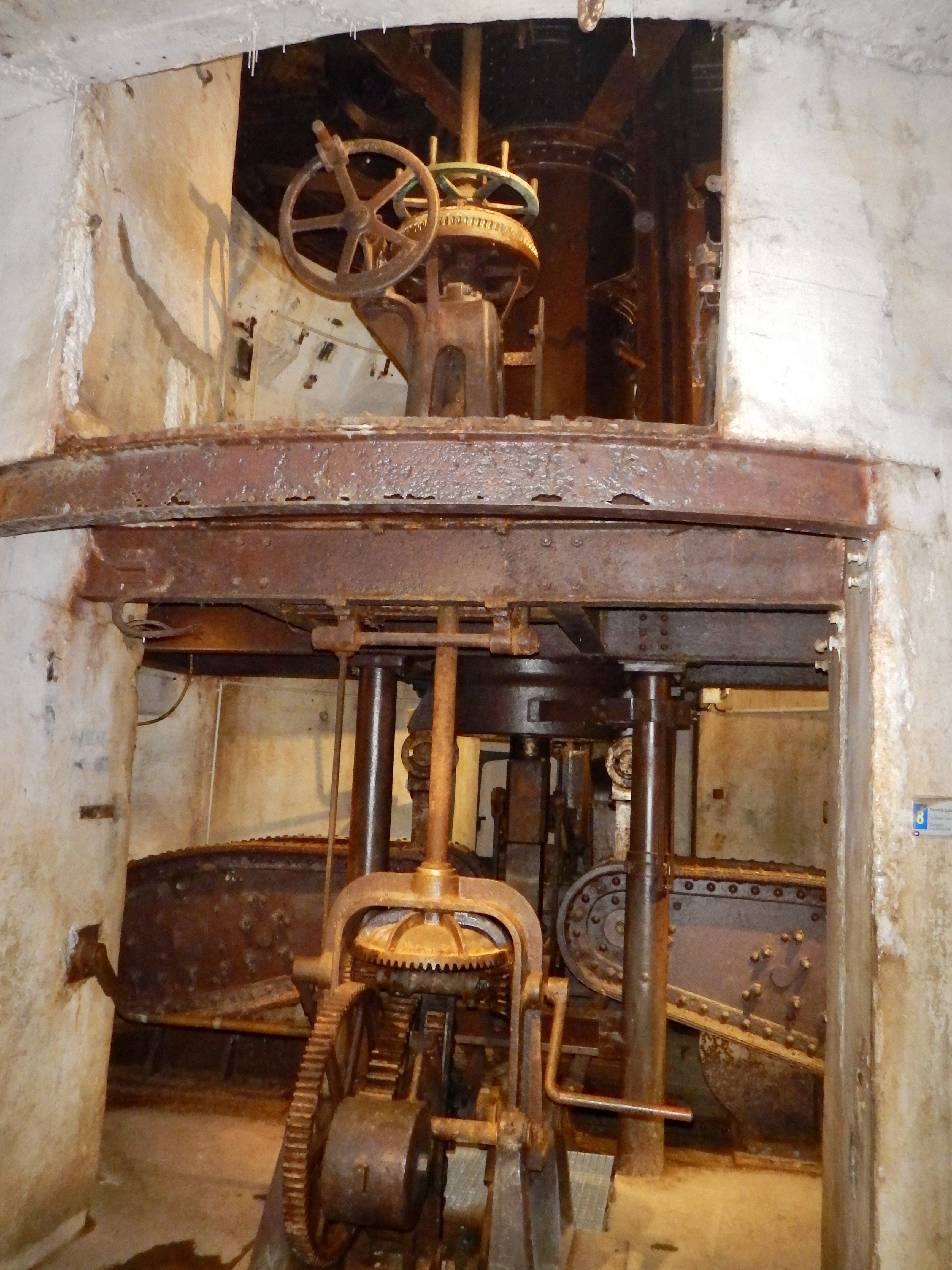
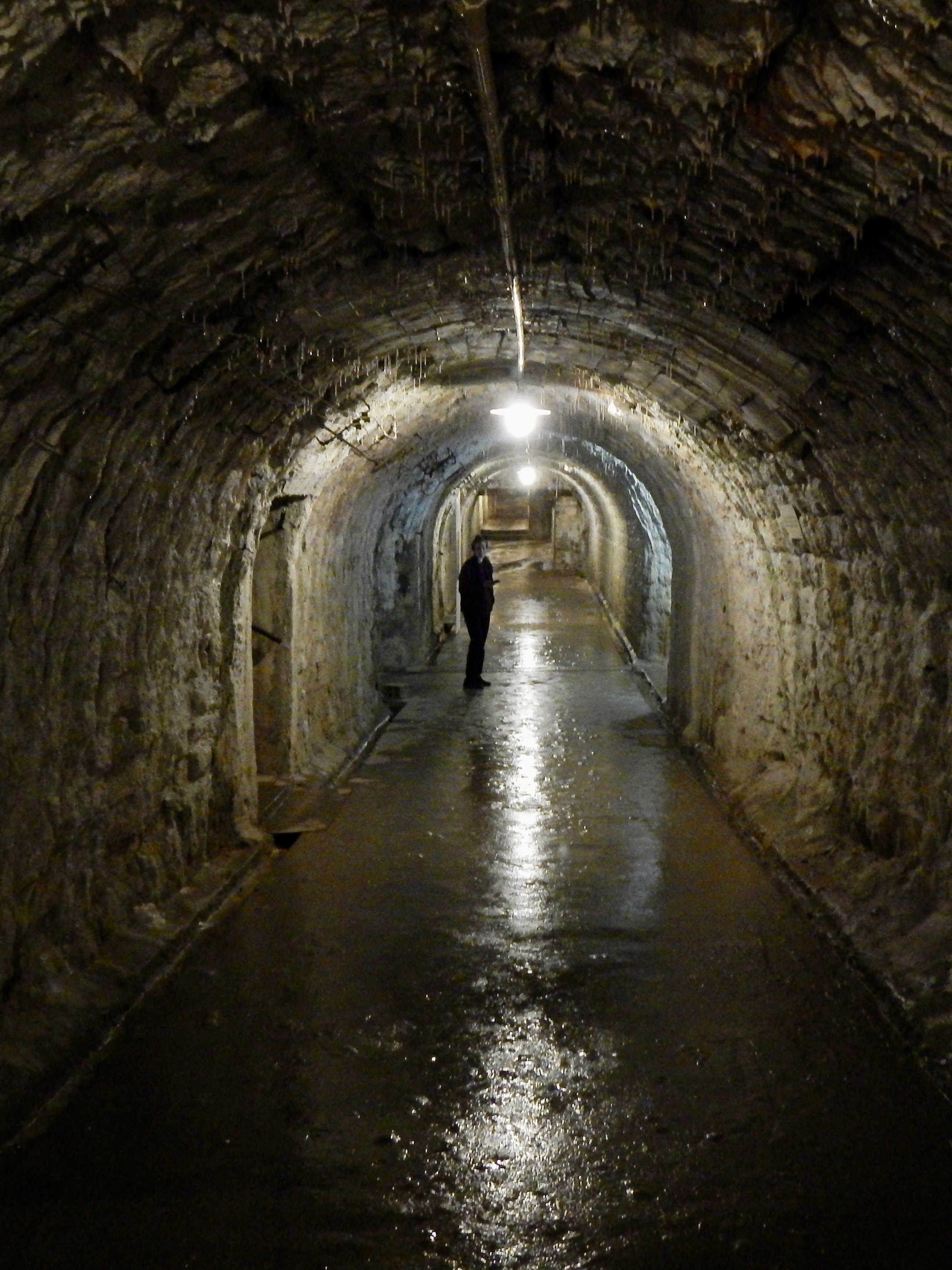
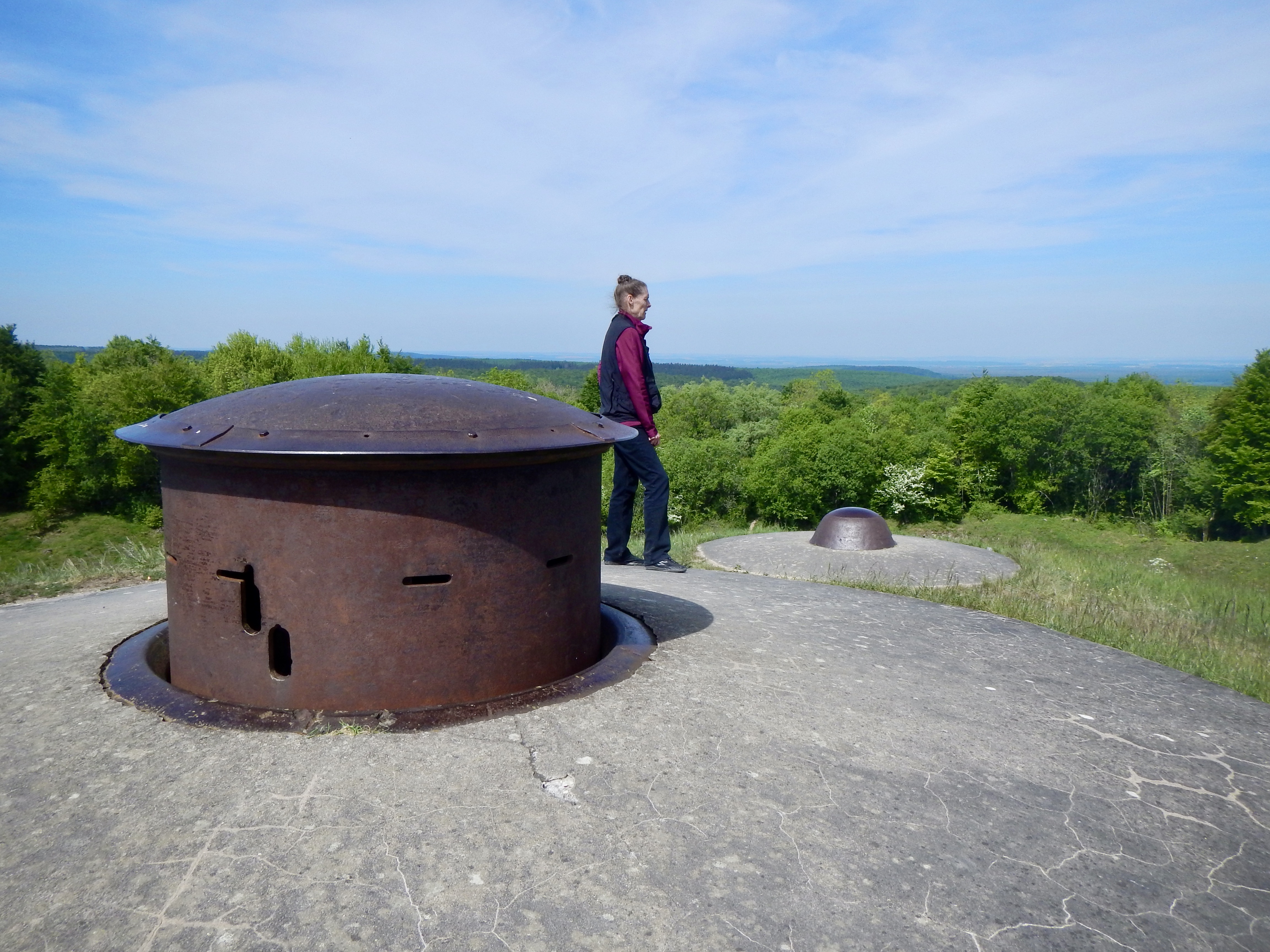
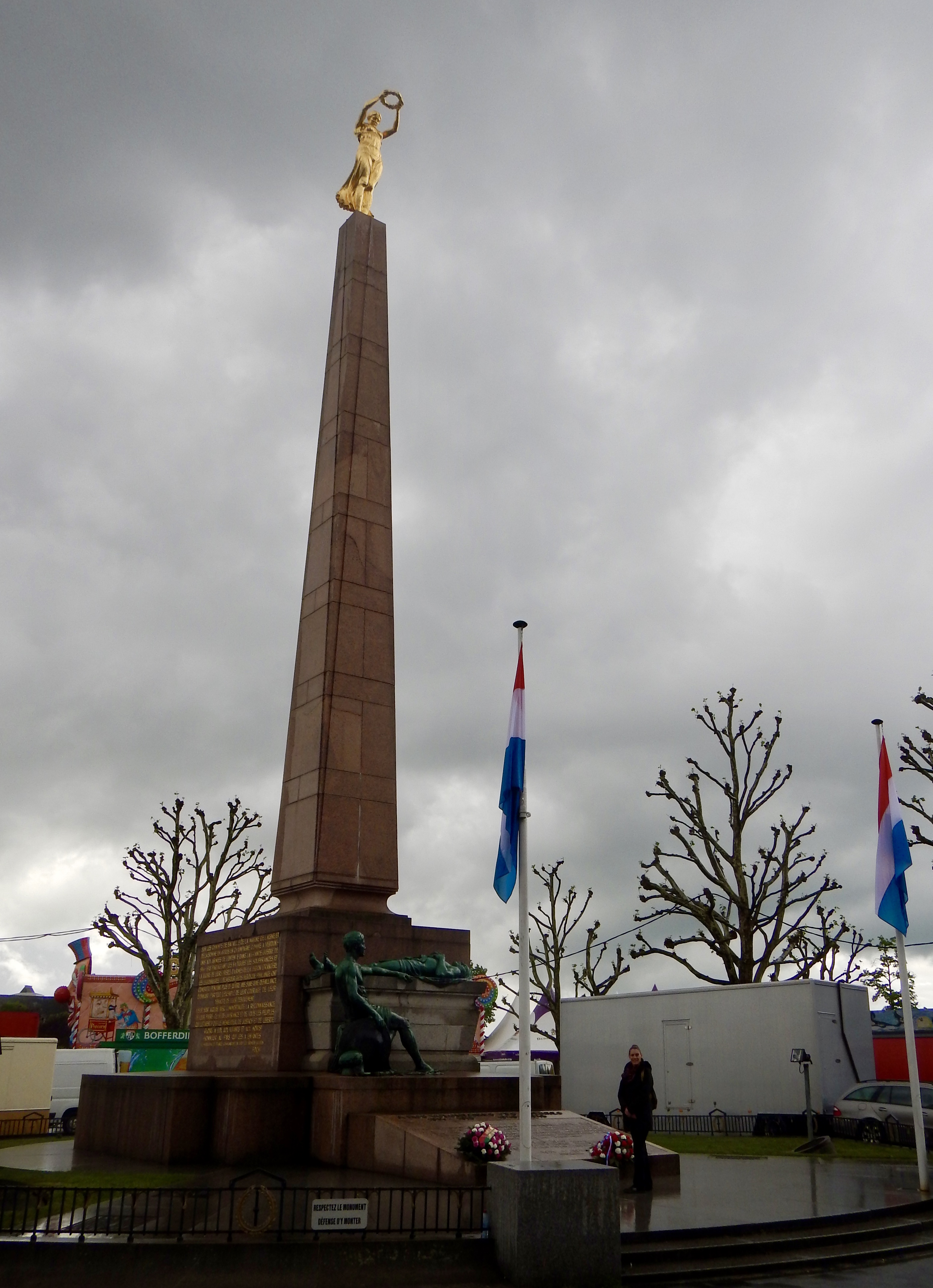
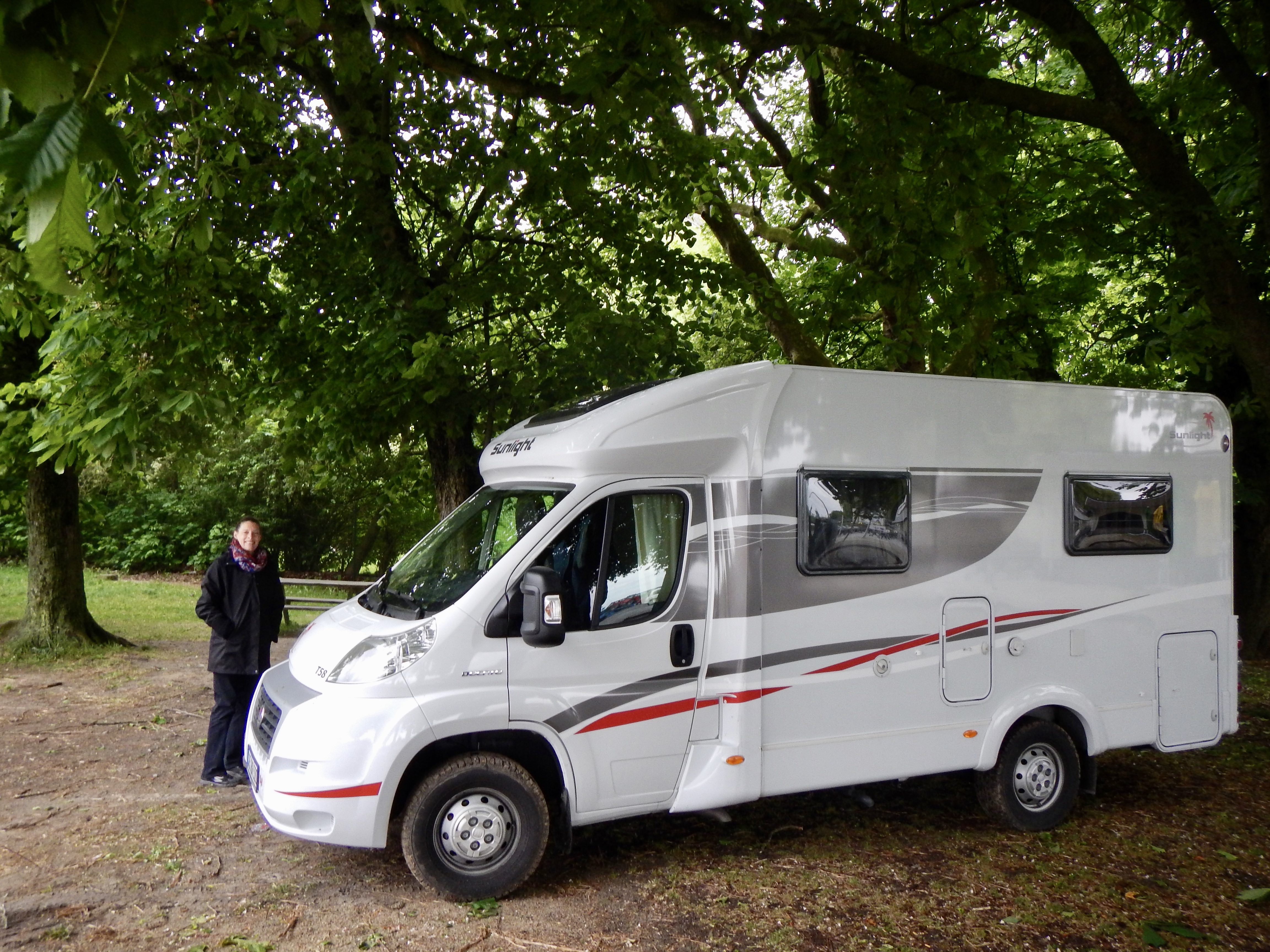
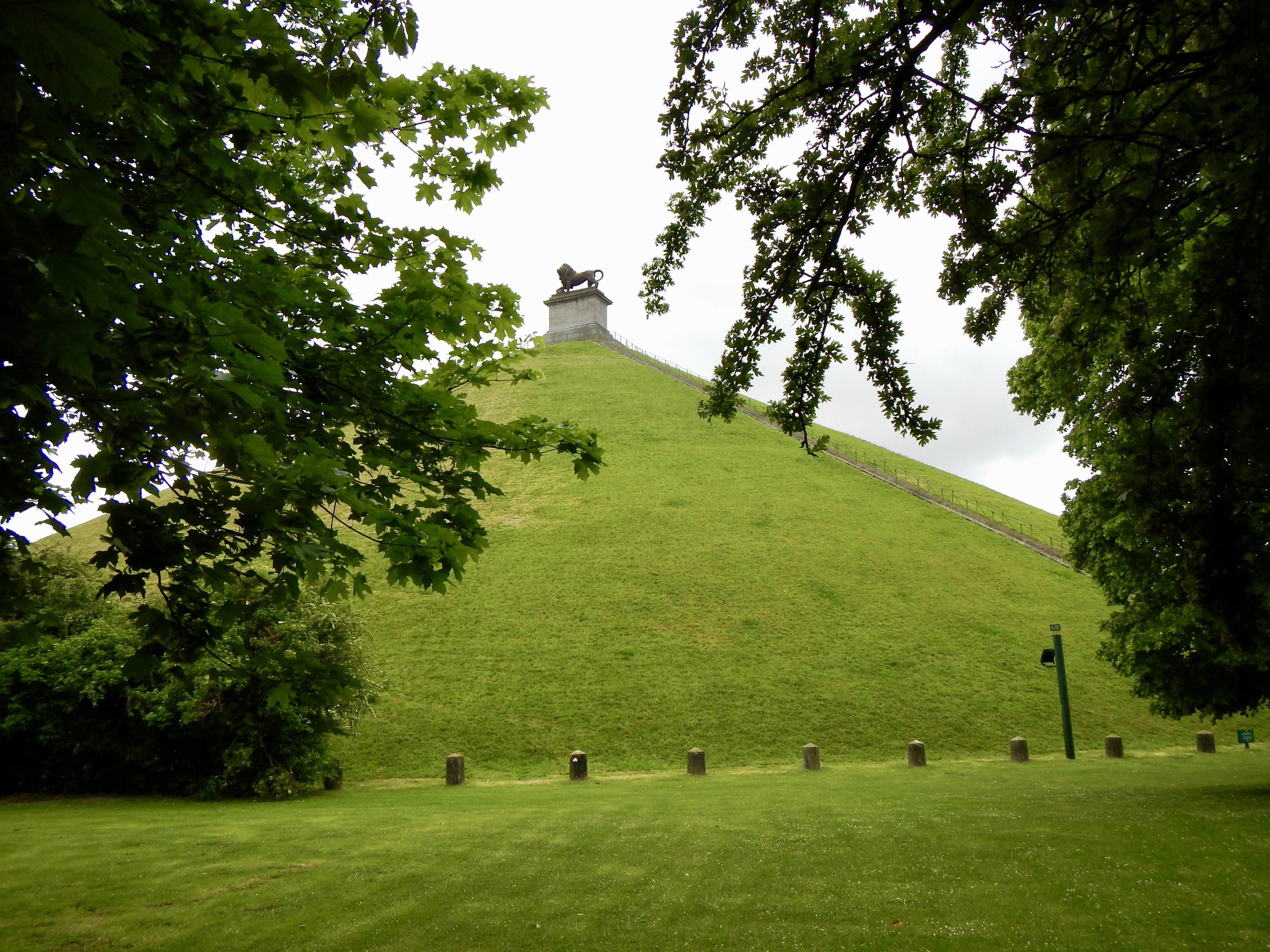
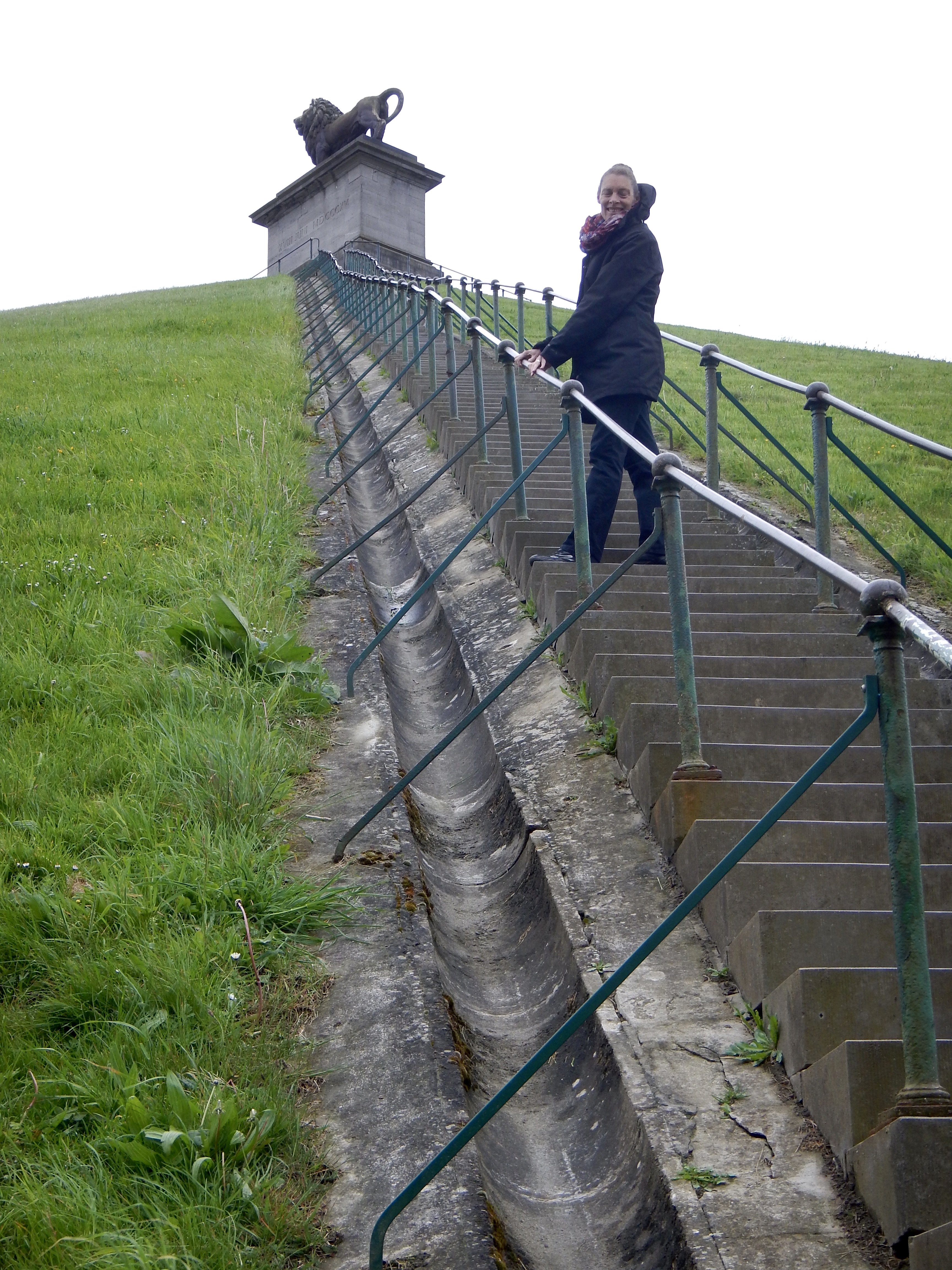
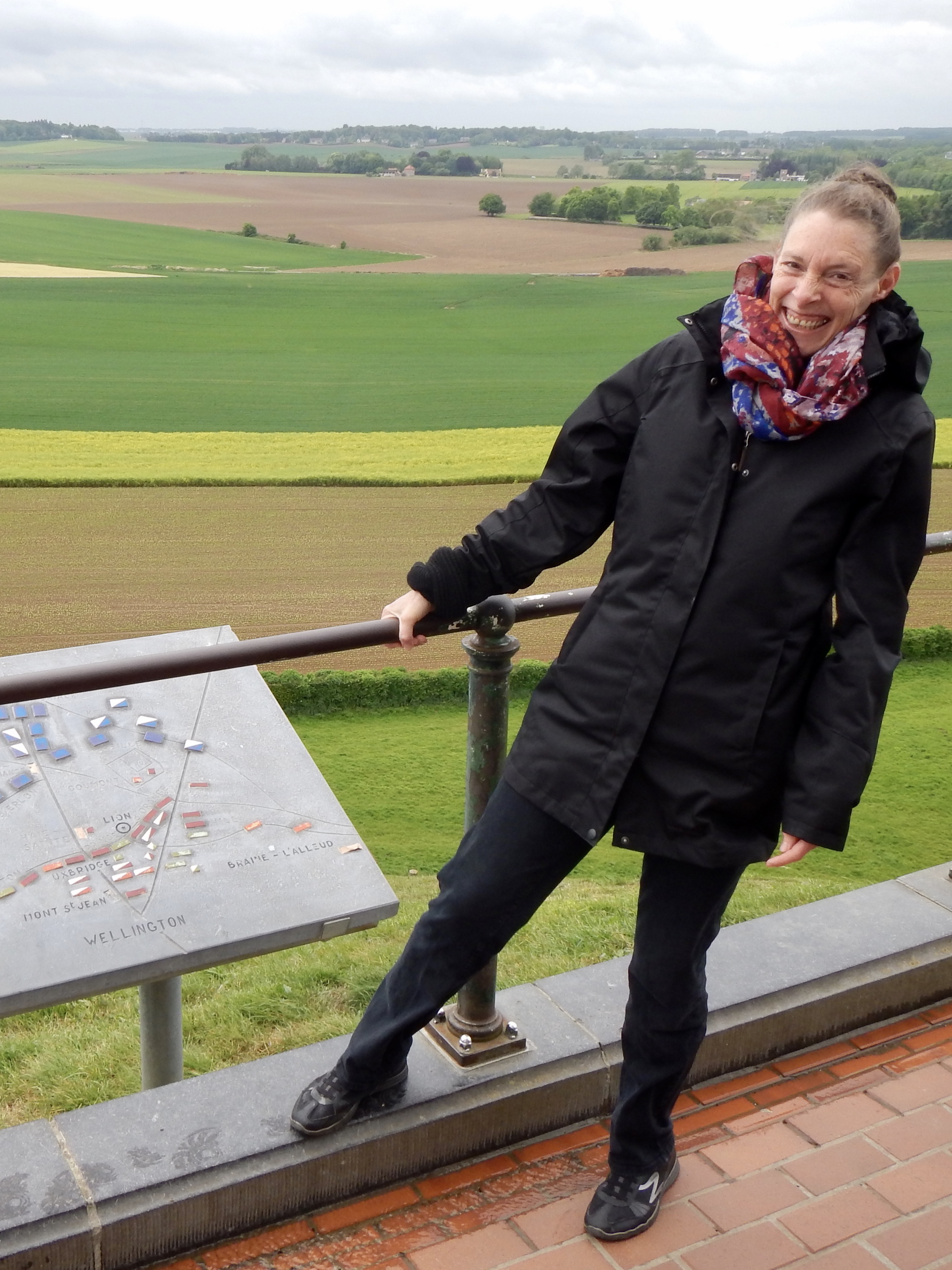
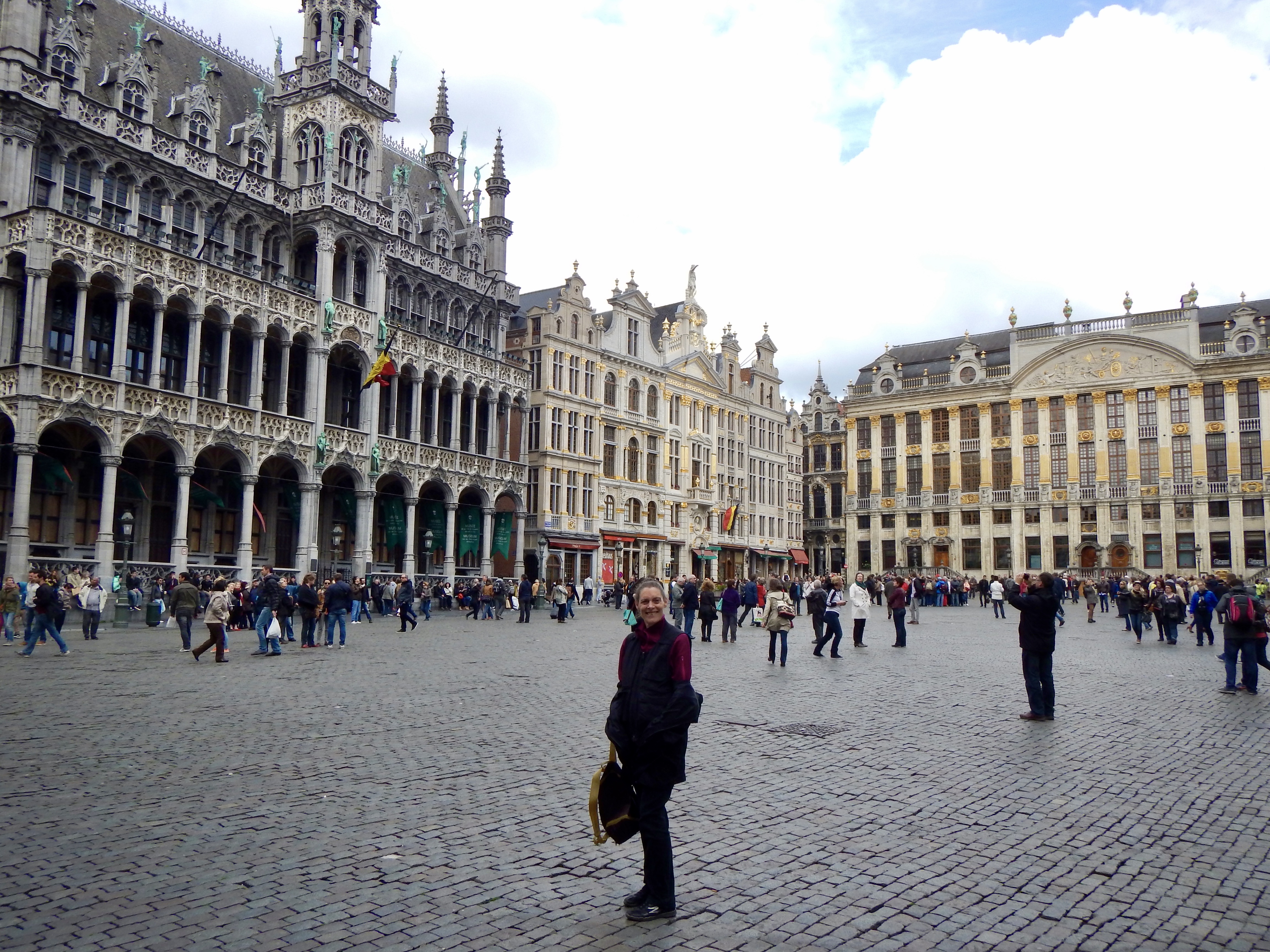
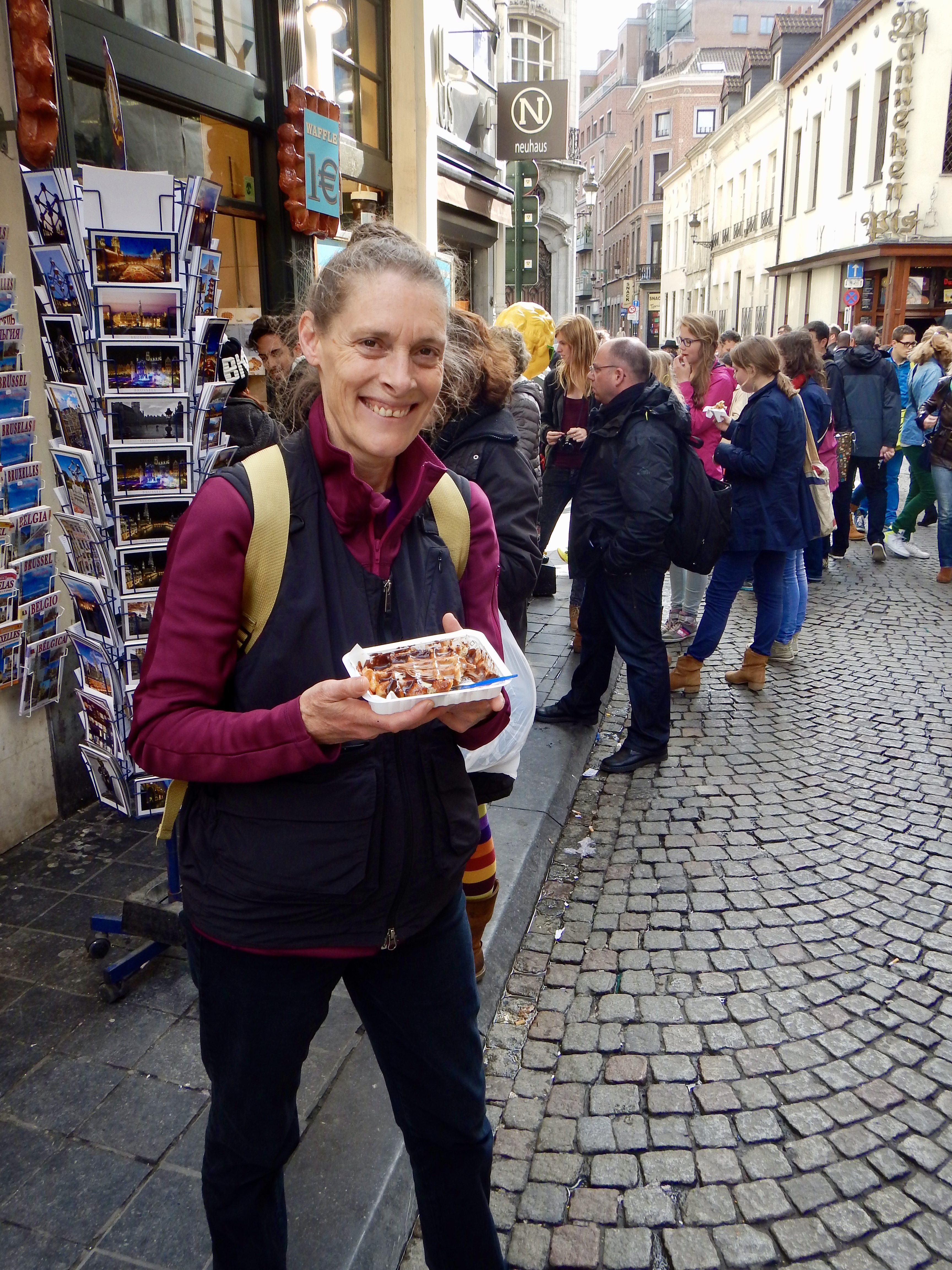
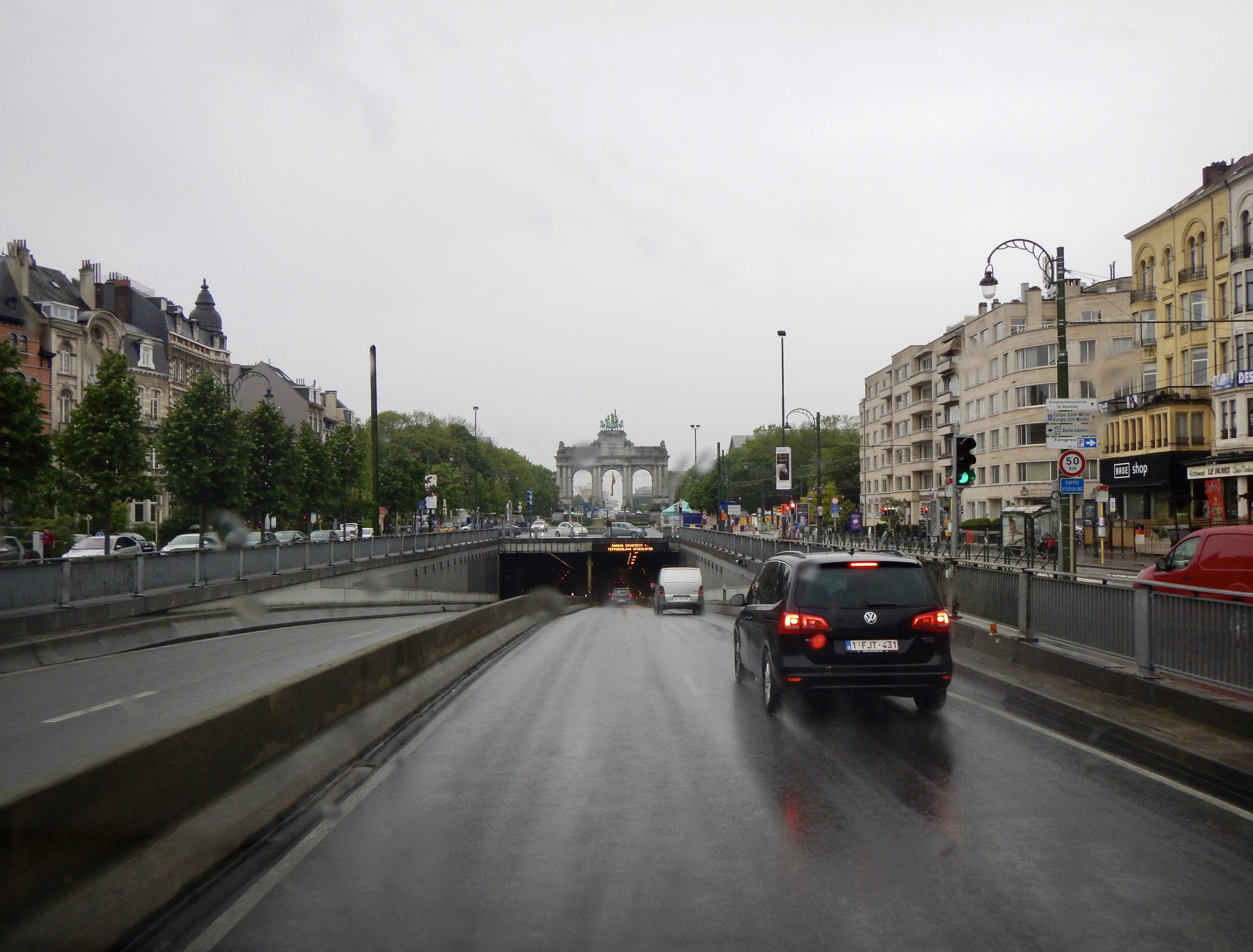
Seeing Verdun in 1972 provided forty years worth of focus for every November 11, seeing it a second time will provide forty more. The powerful and somber impact of this sacred ground has came at the expense of over 200,000 dead soldiers and 400,000 wounded in less then ten months. Walking around this crater-filled park-like setting of battlefields you could easily be fooled into thinking it was part of a landscapers design. Broken and twisted remains of military defences are scattered everywhere and tombstones mark where towns once stood. 100 years later and you can still feel the pain. On our way to Verdun we spent a day in Metz, France which turned out to be a lot more interesting than I remembered it from 1972 when Bert and I spent a week in the back lot of a VW dealership having a new Van engine installed. Luxembourg City is a short drive from Verdun and it was a great place to spend a day just walking about. We found a really good campground and managed to get some domestic things accomplished. We crossed into Belgium and stopped at the” Waterloo Battlefield Monument”. Strangely our camping books did not list any campgrounds in Belgium so we inquired at the restaurant. The fellow pointed to a park like setting out back and suggested we stay there. We did, and what a great spot under the tall chestnut trees. Just a short hop away were the 226 steps that ascend to the top of the monument made from battlefield soil. The Lion on top looks out over Napoleon’s final battlefield and guards a new Europe. Over 300,000 soldiers fought here and changed Europe forever. Lit up at night, It’s a very impressive sight from the RV window. Off to Brussels for some famous French-fries and waffles then onward to visit “Venus-of-the-north”… Brugge.
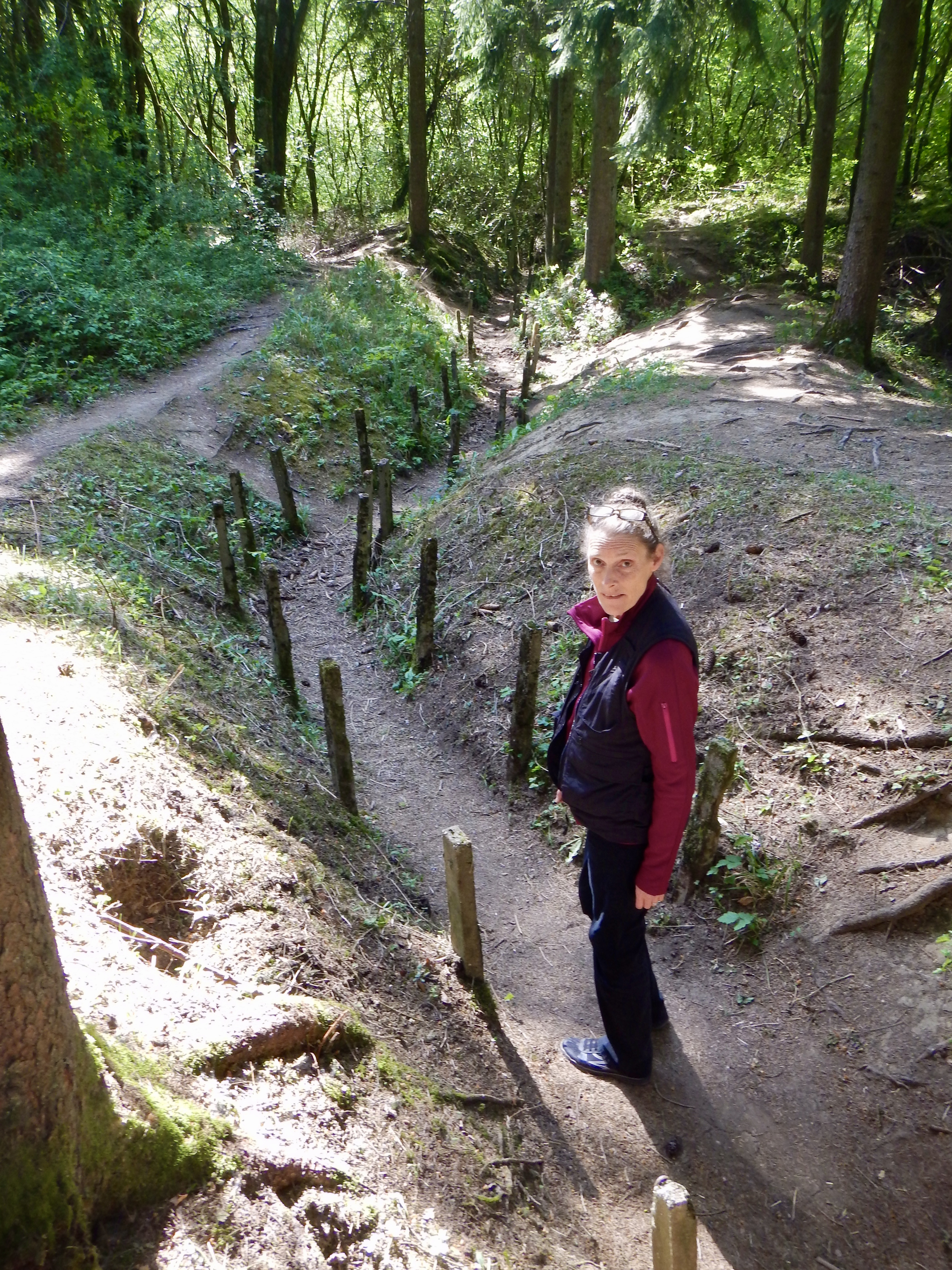
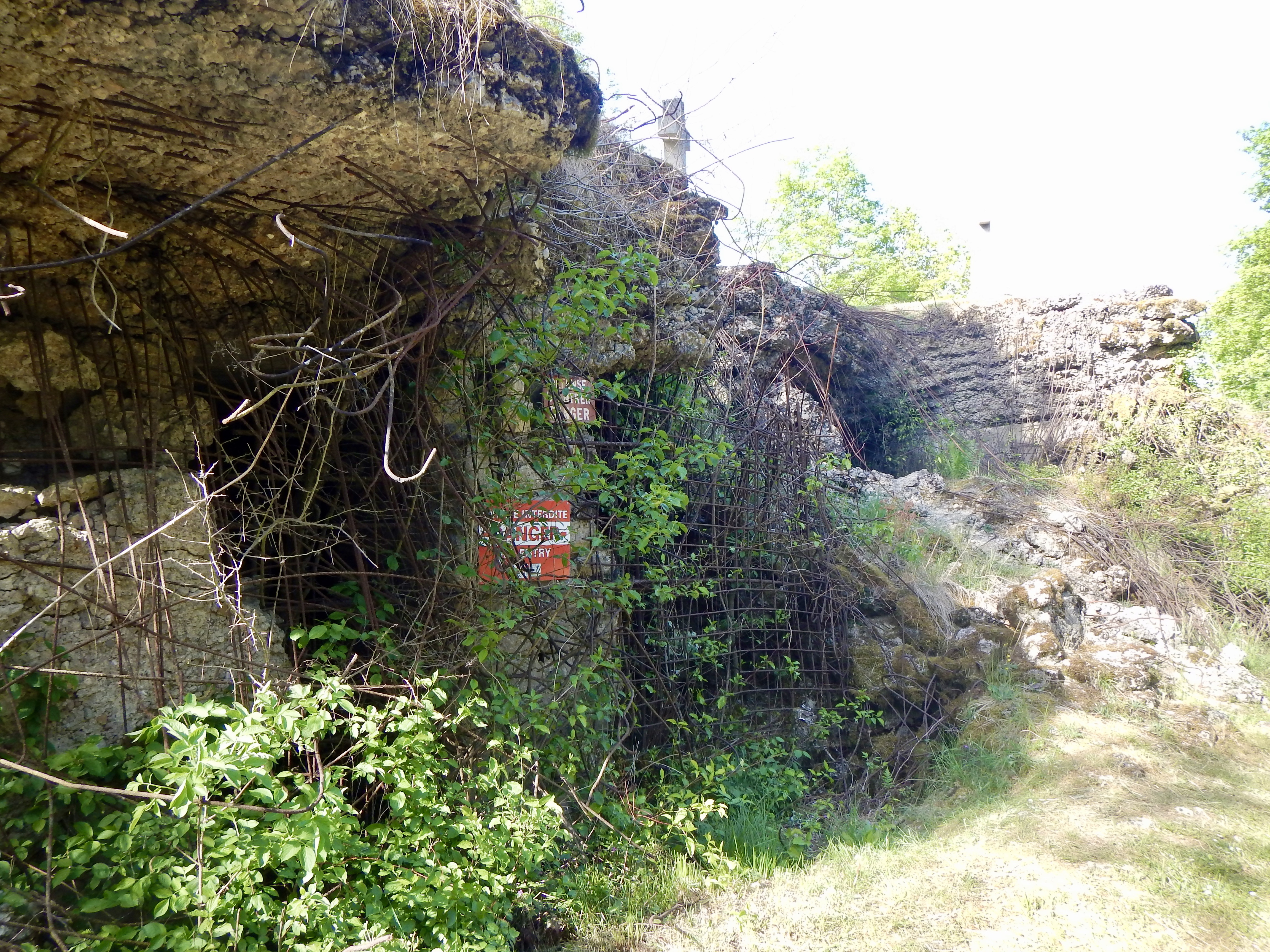
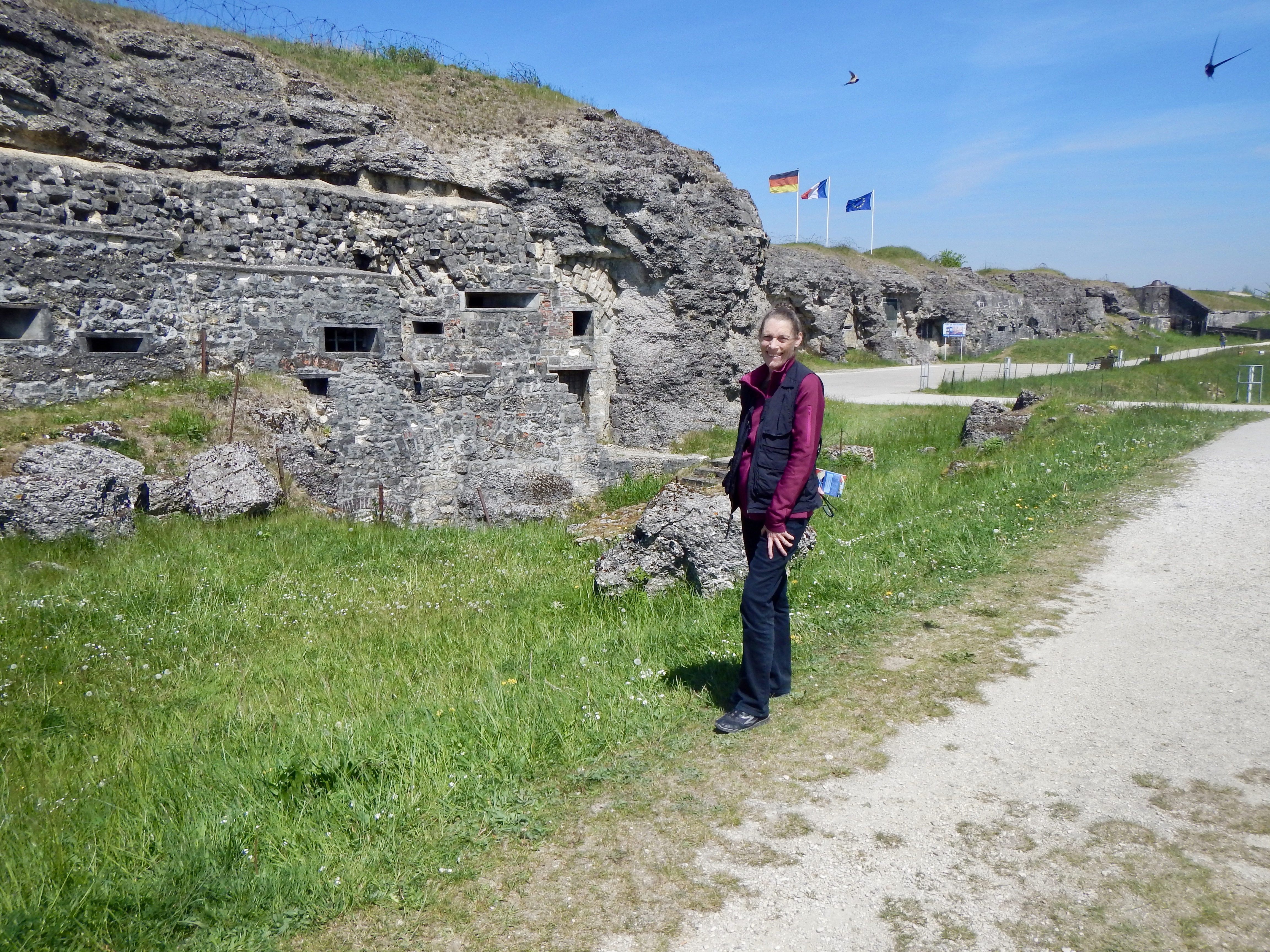
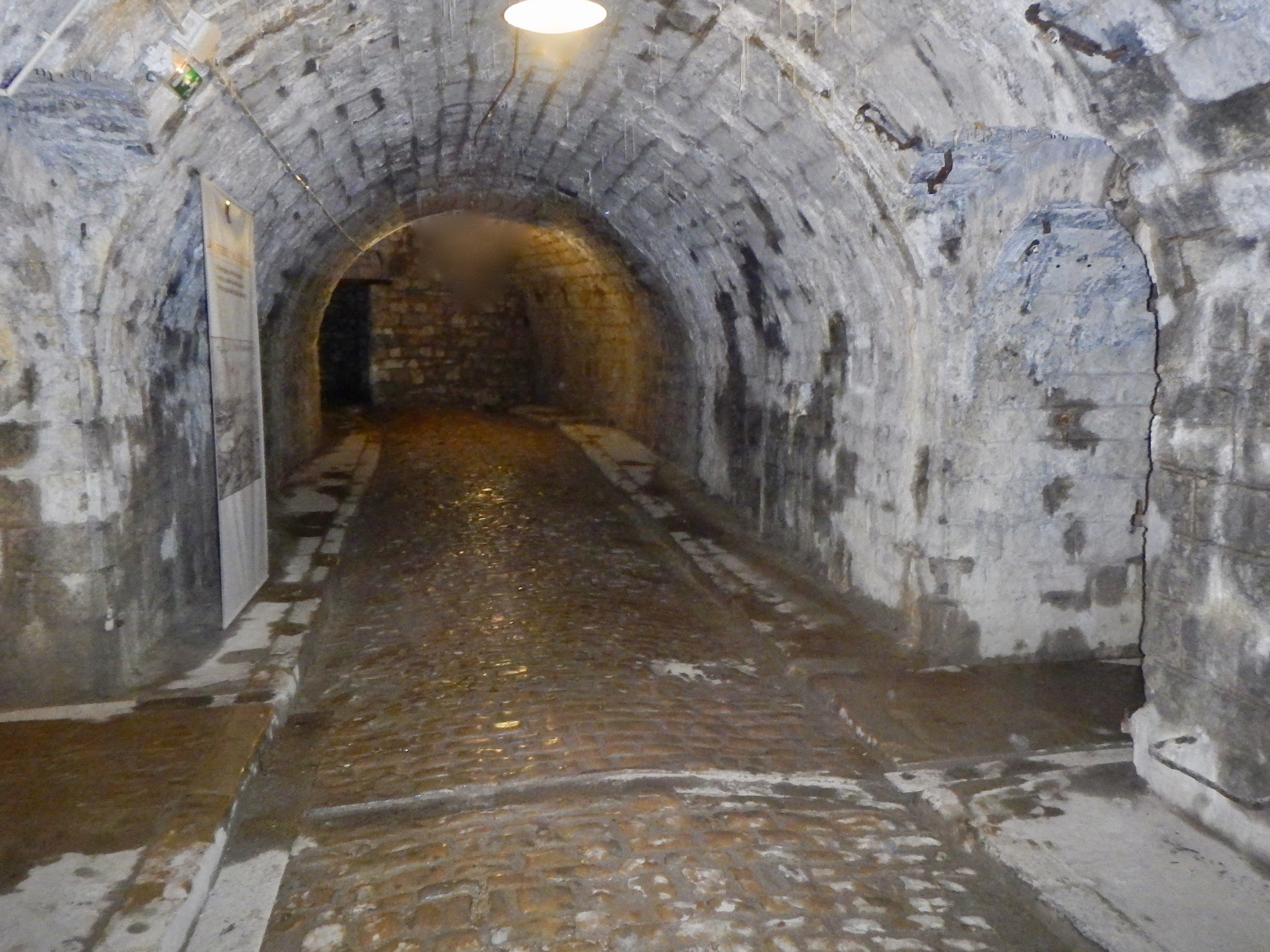
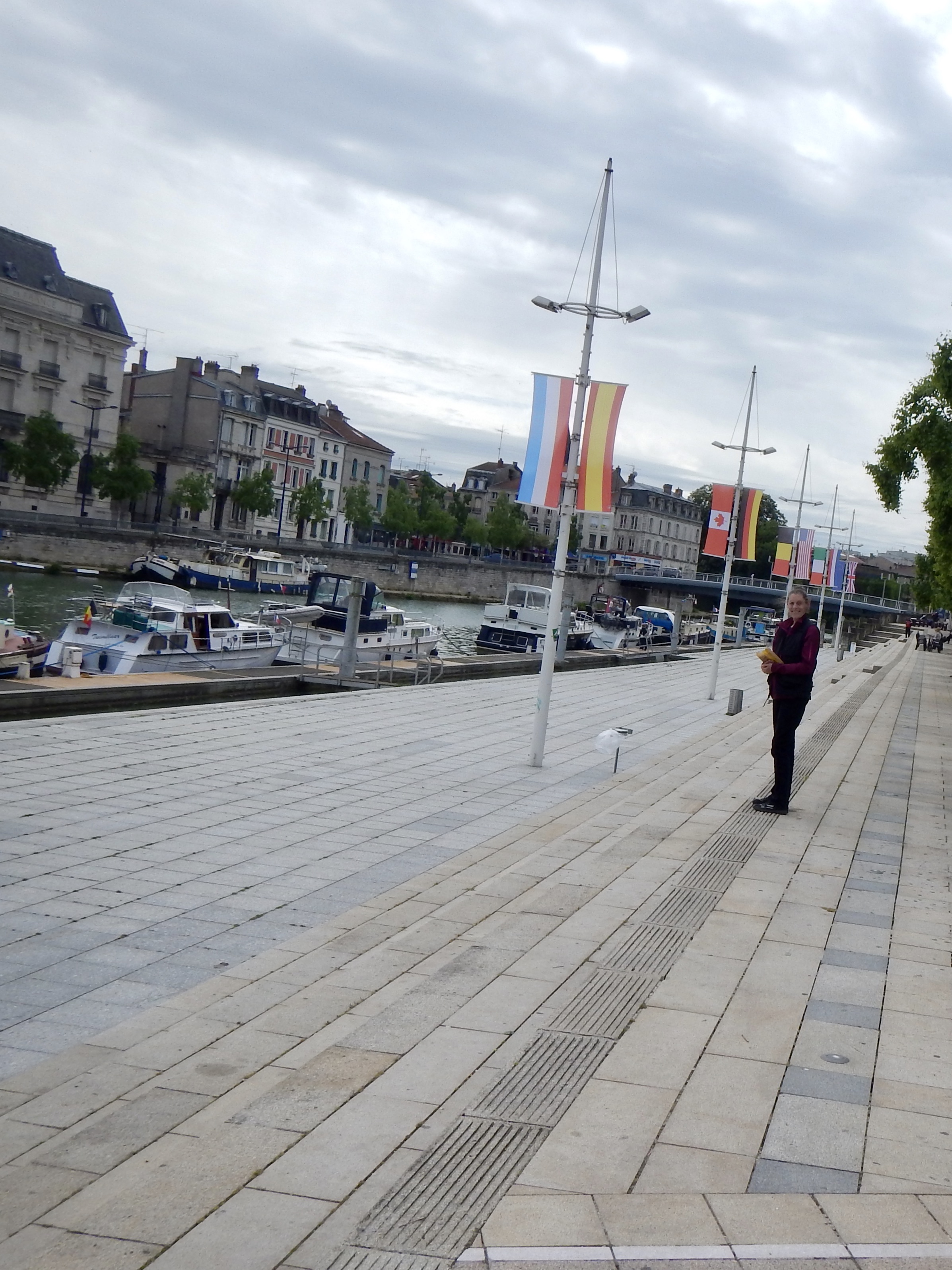
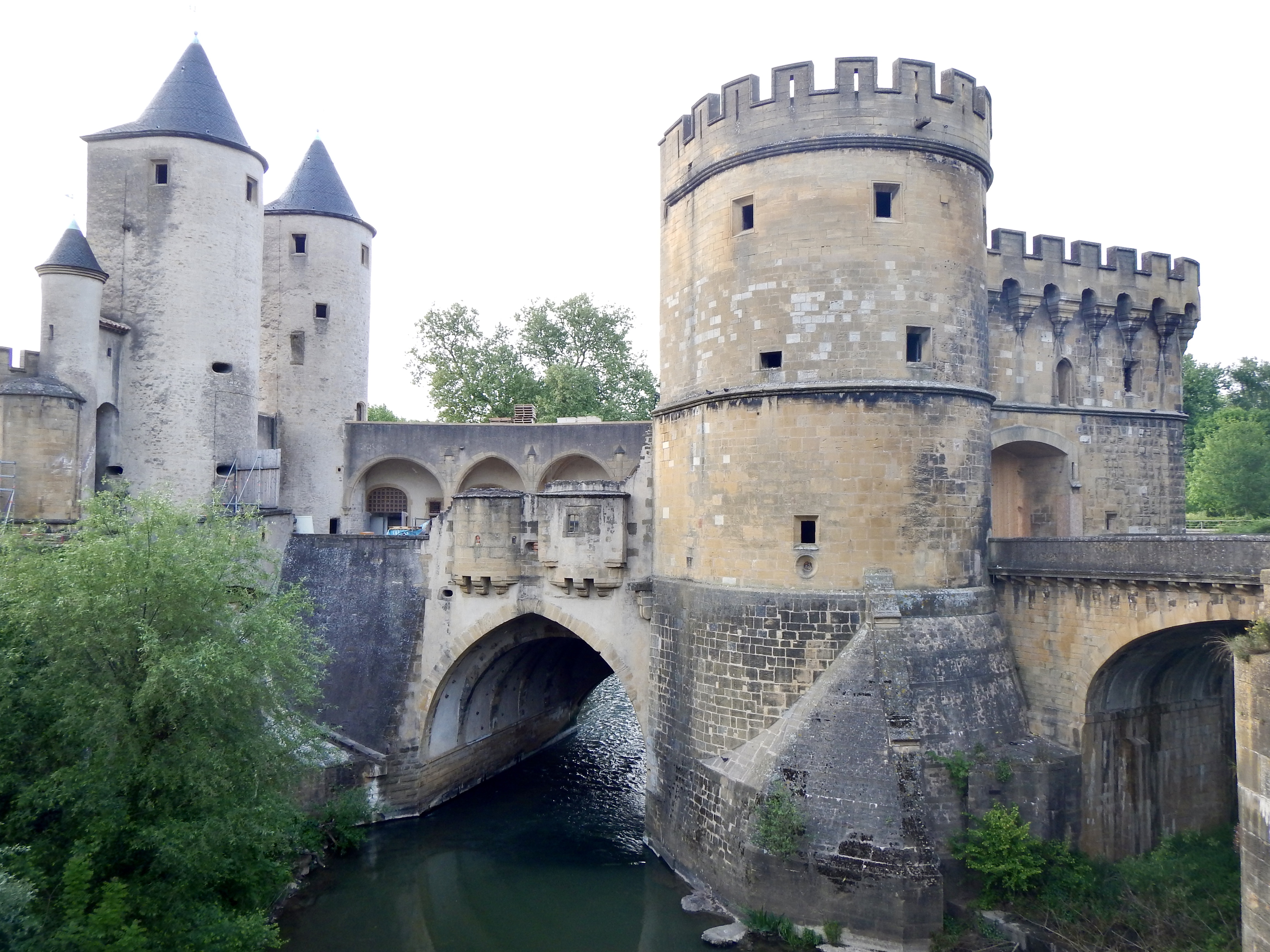
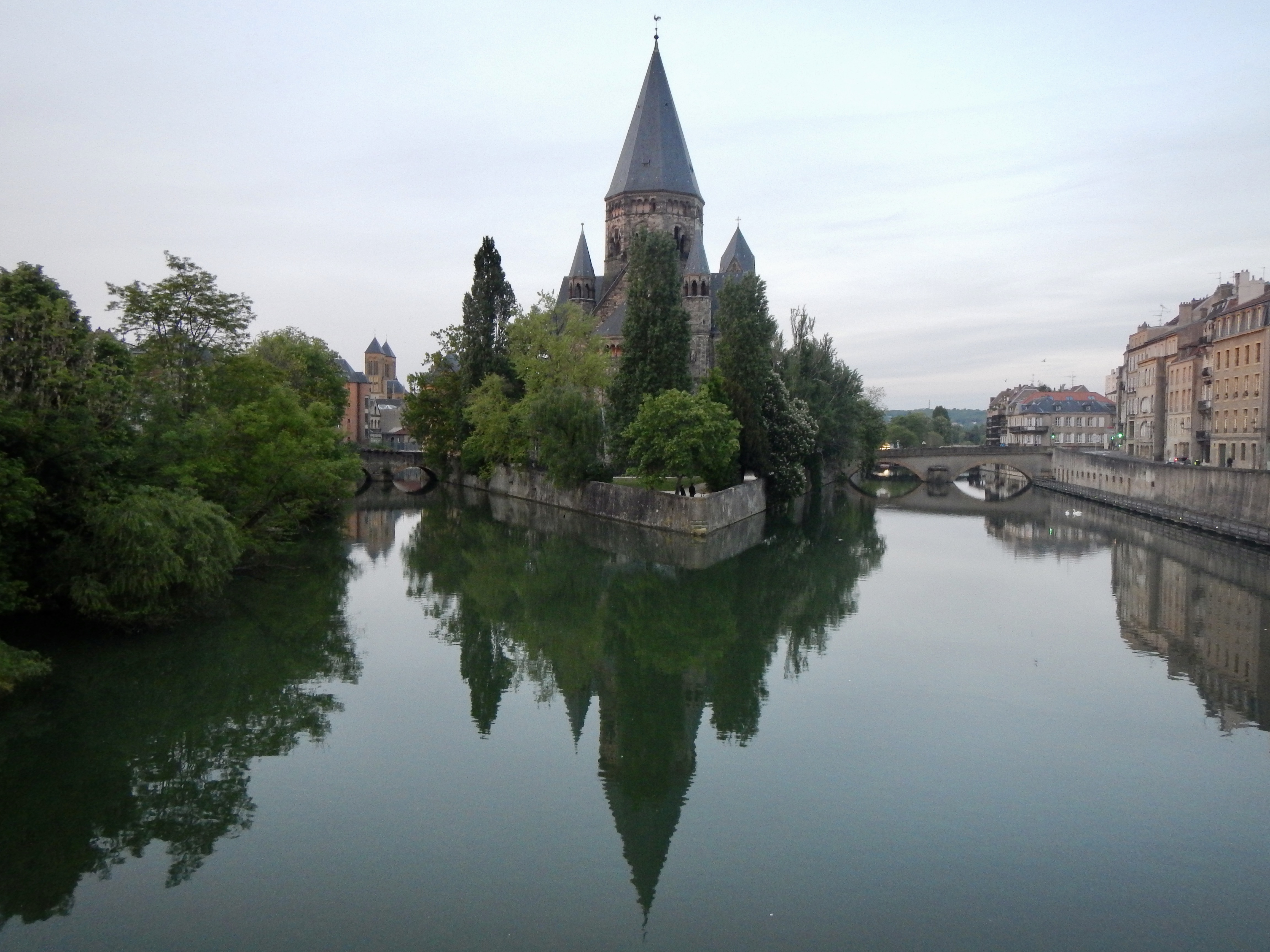
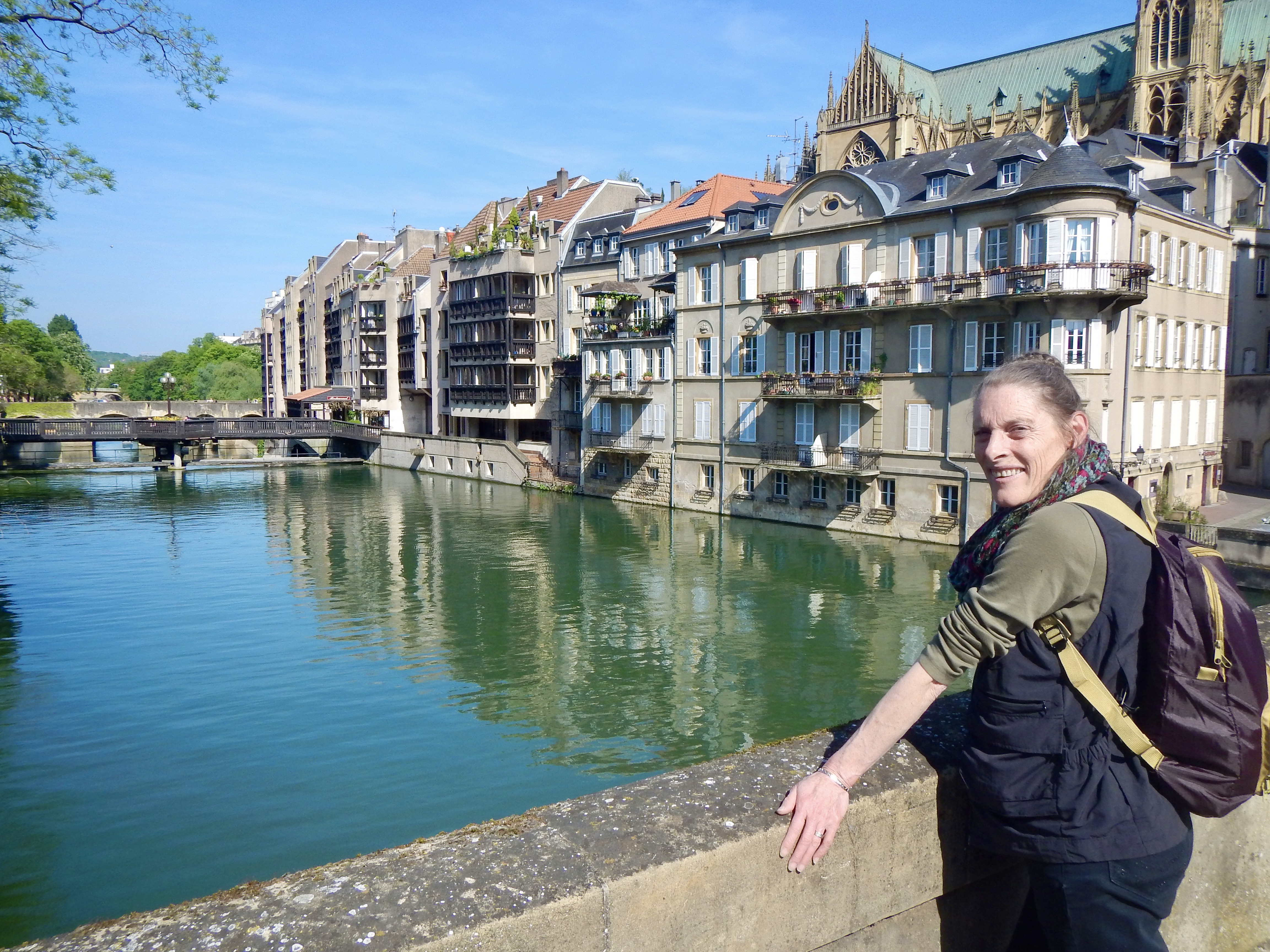
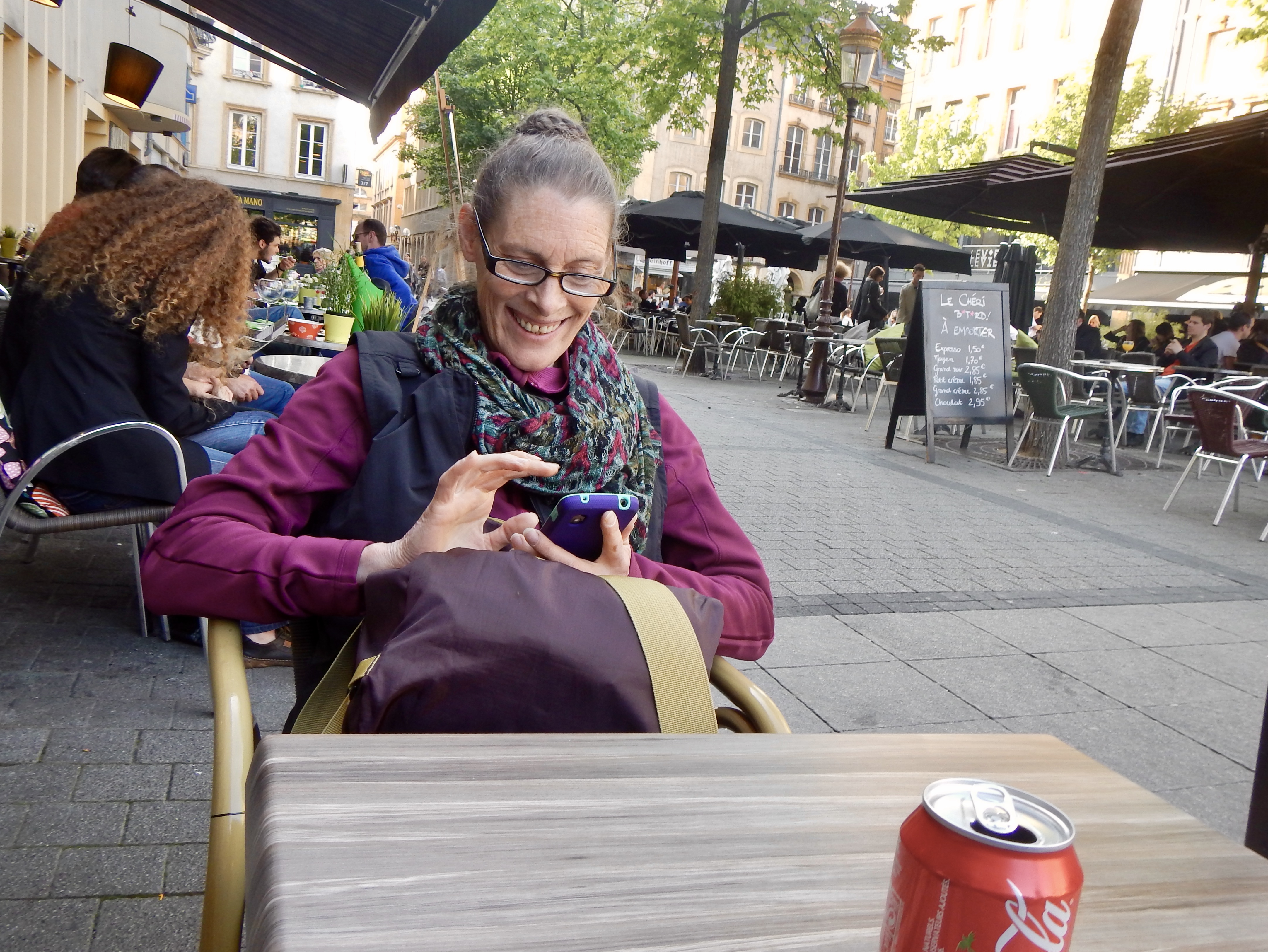
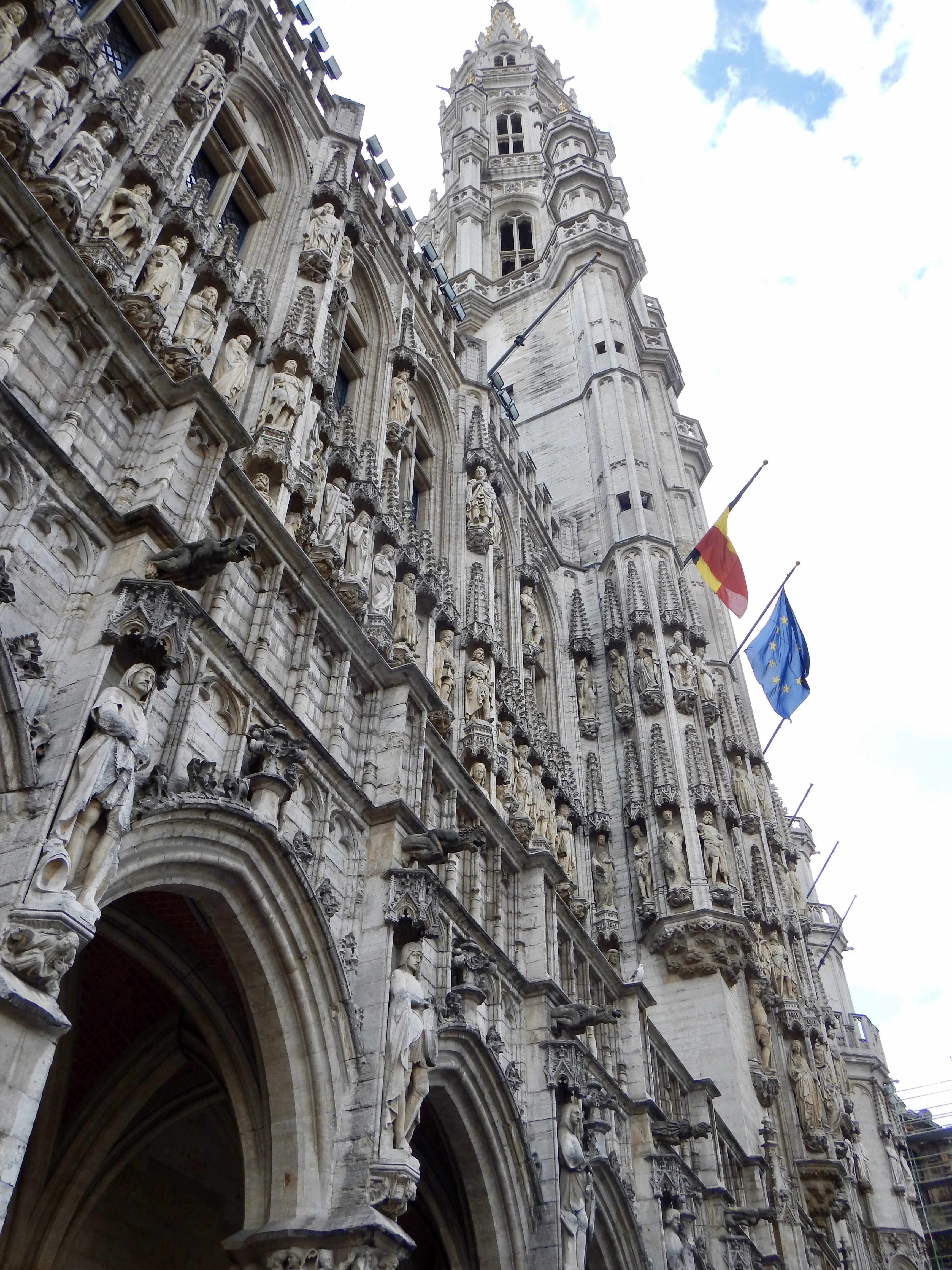
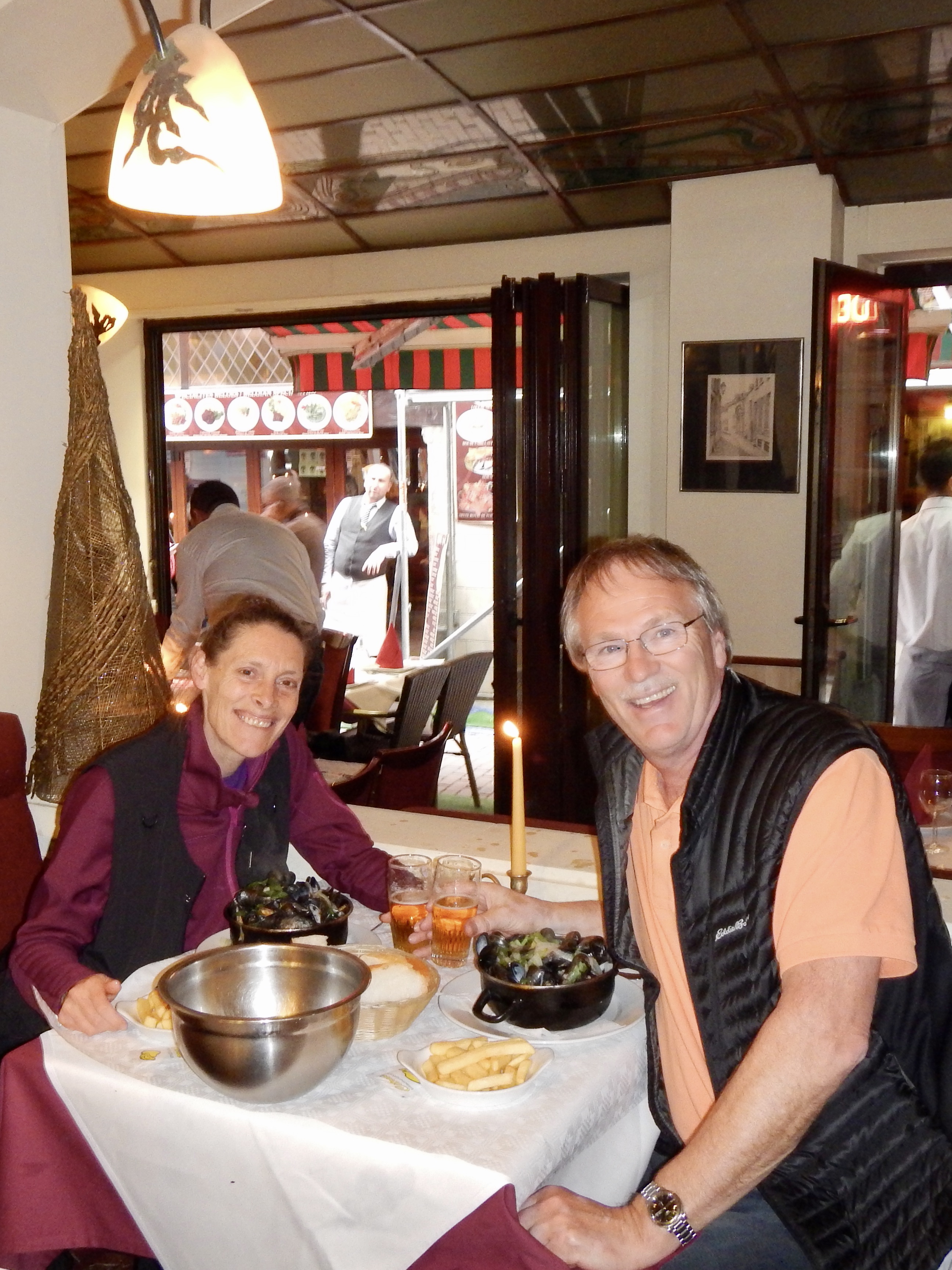
WWI Verdun Memorial – Building contains the remains of more than 100,000 soldiersPark-like setting complete with bomb craters This was once a townSome old trenchesBroken and twisted remains of some military defencesFort Douaumont – Taken and retaken at the cost of over 300,000 men in 10 monthsDown, down, down into the bowels of Fort Douaumont679 German soldiers are buried behind that wall; mistakenly fired on by comrades Retractible large cannonsBelow ground mechanism for raising and lowering a large 155 mm cannonMiles of cold wet tunnelsMany machine-gun turretsThe “Trench of Bayonets” 47 Soldiers buried alive here with only bayonets visibleWWI War Memorial in the town of VerdunThis was the military supply dock in VerdunThe old gate into Metz, FranceMetz has a beautiful setting on the river MoselleWow!… Free WiFiOur nice campground in LuxembourgTime for some house cleaningLuxembourg with it’s deep and impressive gorge Another good-luck touch“Gelle Fra” The Luxembourg Monument of RemembranceOur perfect campsite at the foot of Waterloo Monument The Waterloo Monument was made from the battlefield soil226 steps up, you find the Lion guarding over “The New Europe”Overlooking the famous battlefield on a very wet and windy day300,000 soldiers fought here at Waterloo in 1815 This was Emperor Napoleon’s last battleground just prior to his final exileBrussels!Belgium Waffles“Manneken Pis” (Little Pissing Man) 1619 original replaced in 1965 for safeguard – Doll clothes?More architectural cultureFrench-fries and muscles are a mustHeading for Brugge
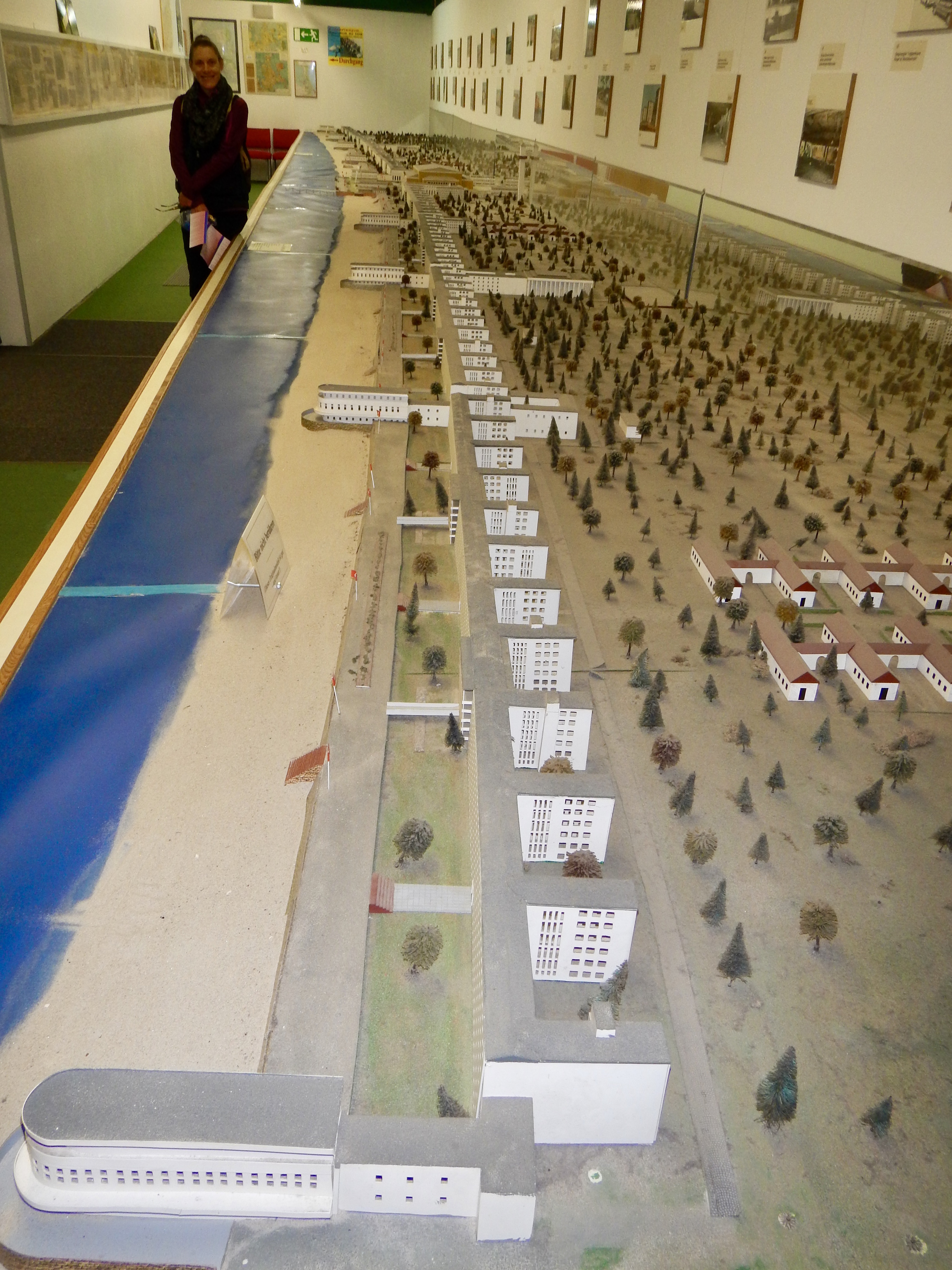
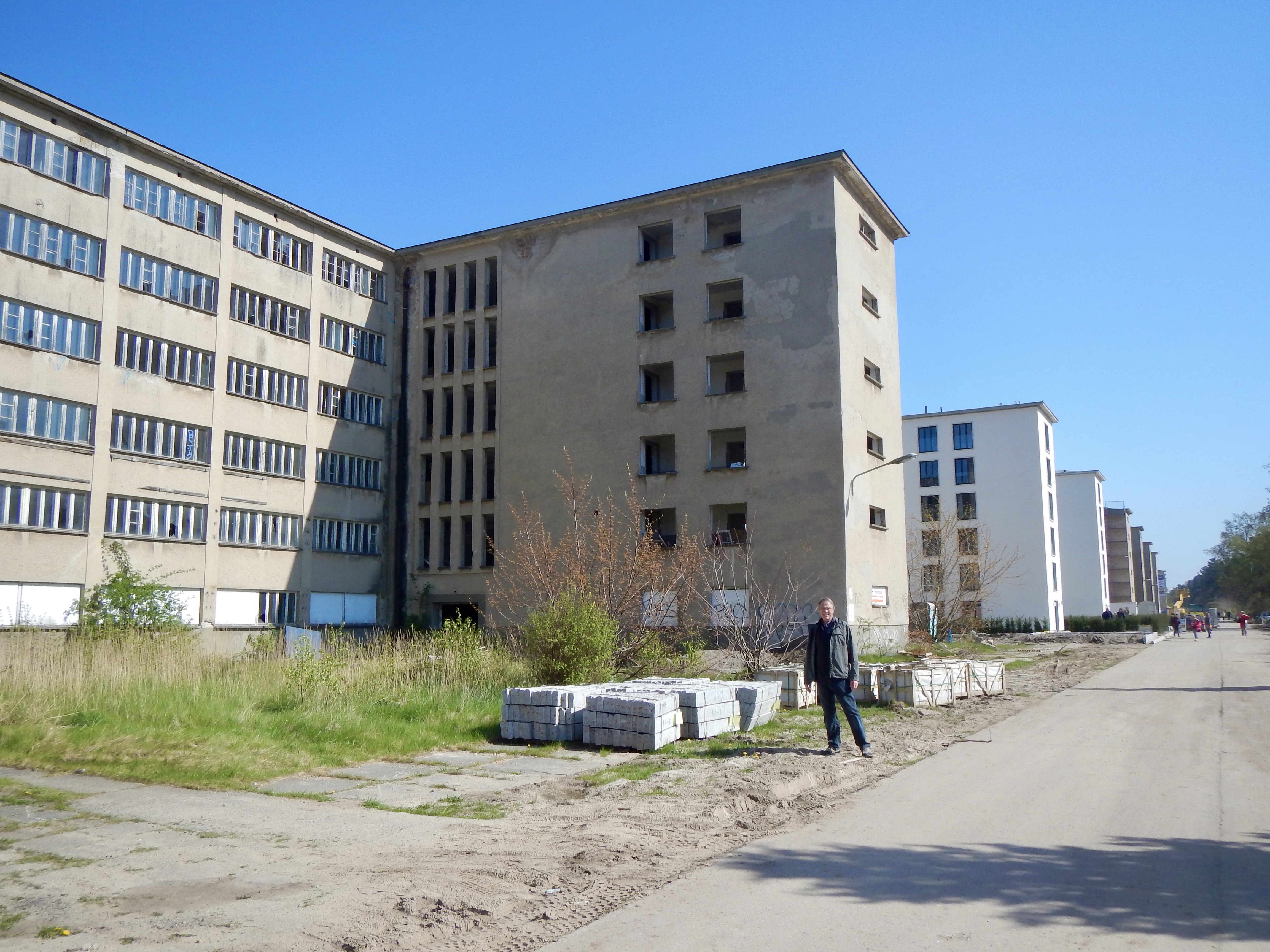
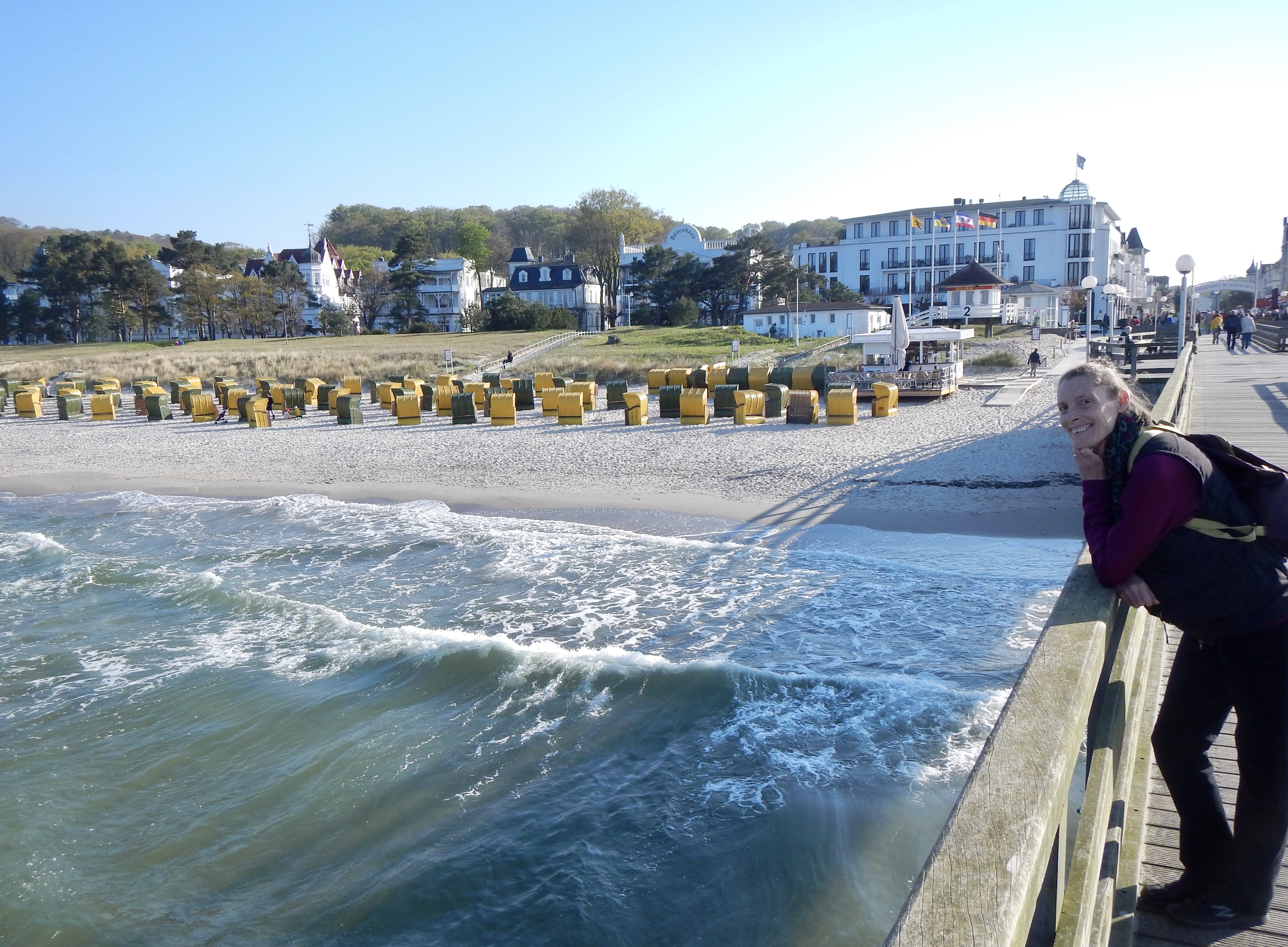
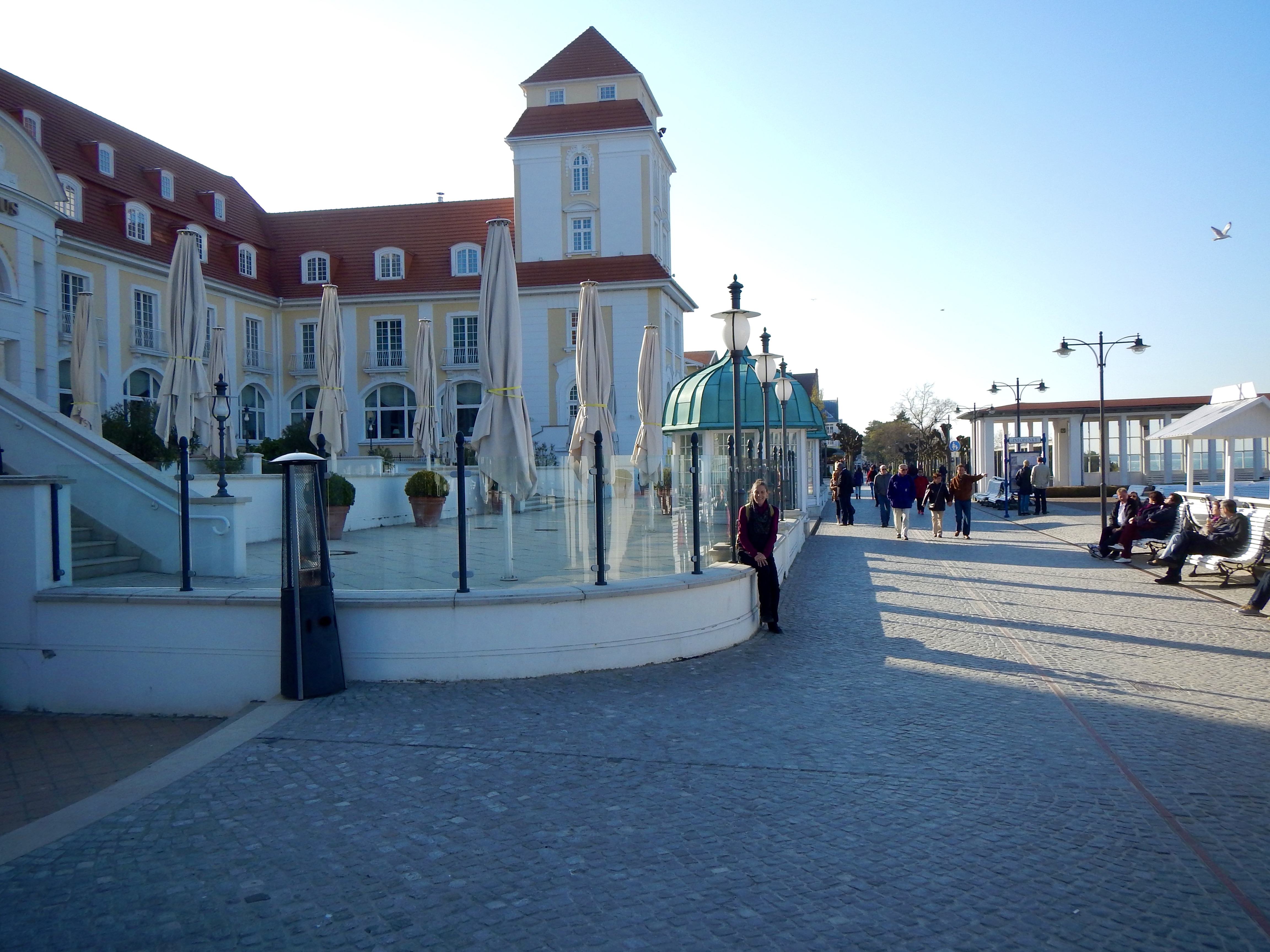
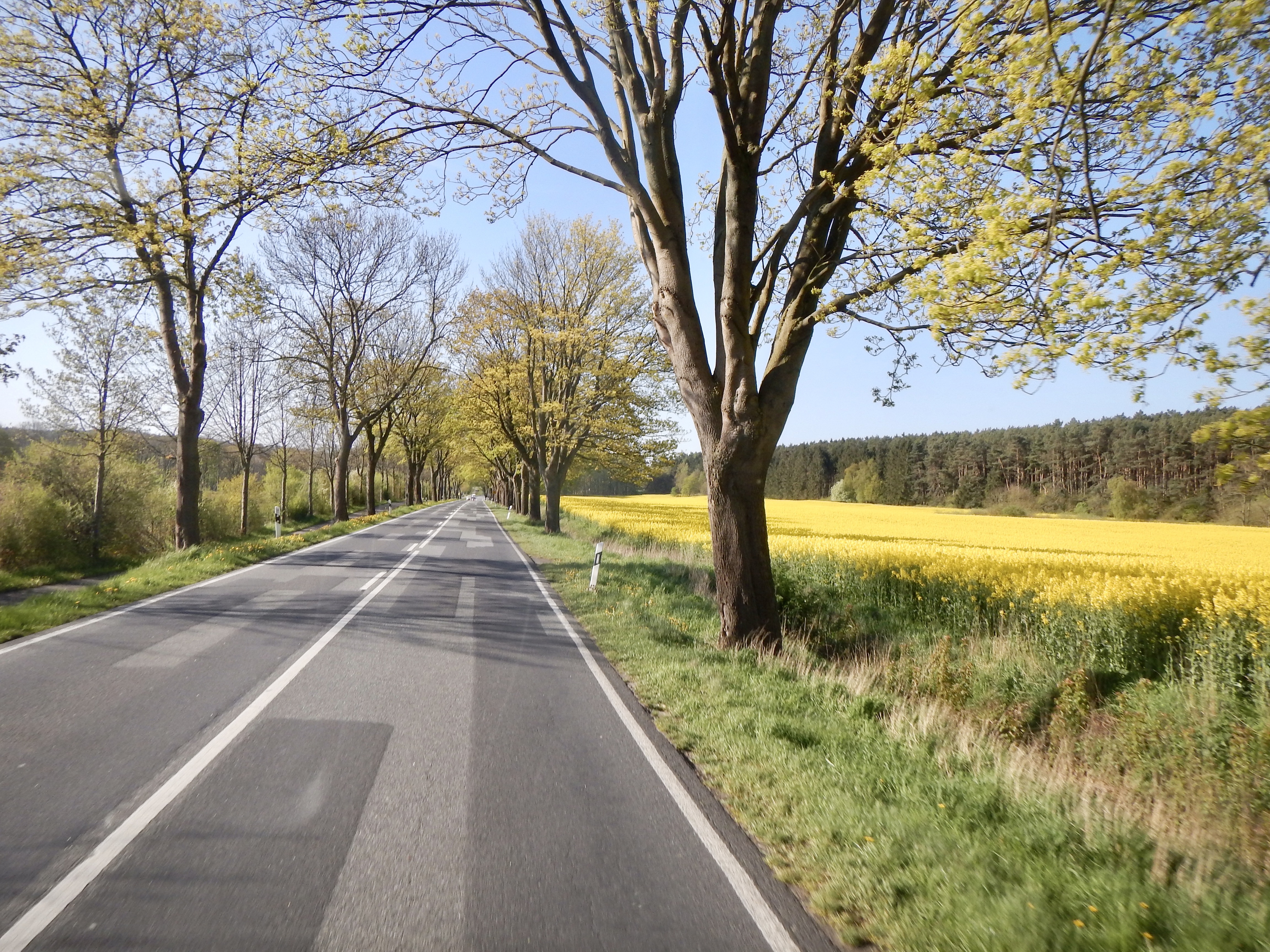
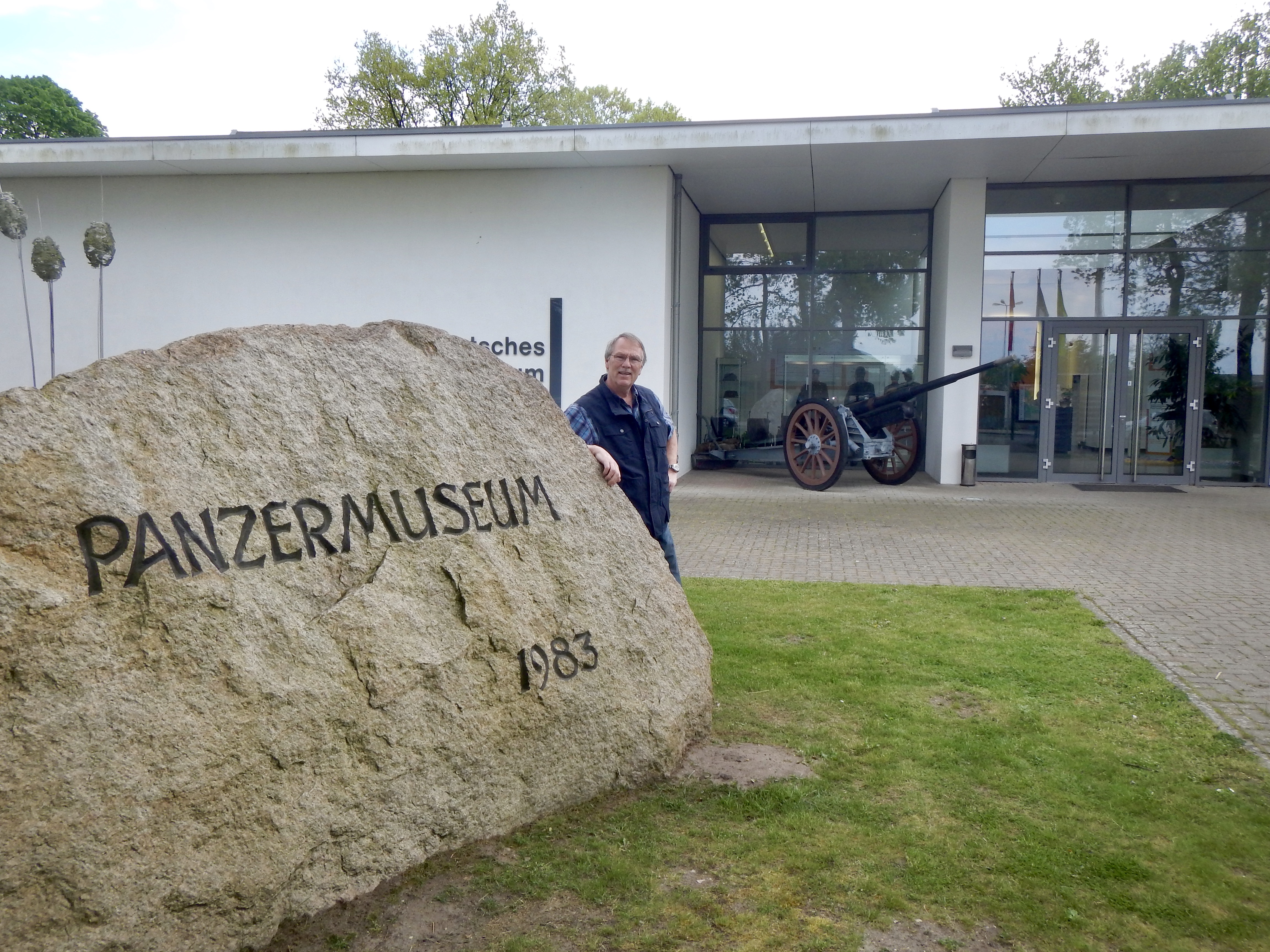
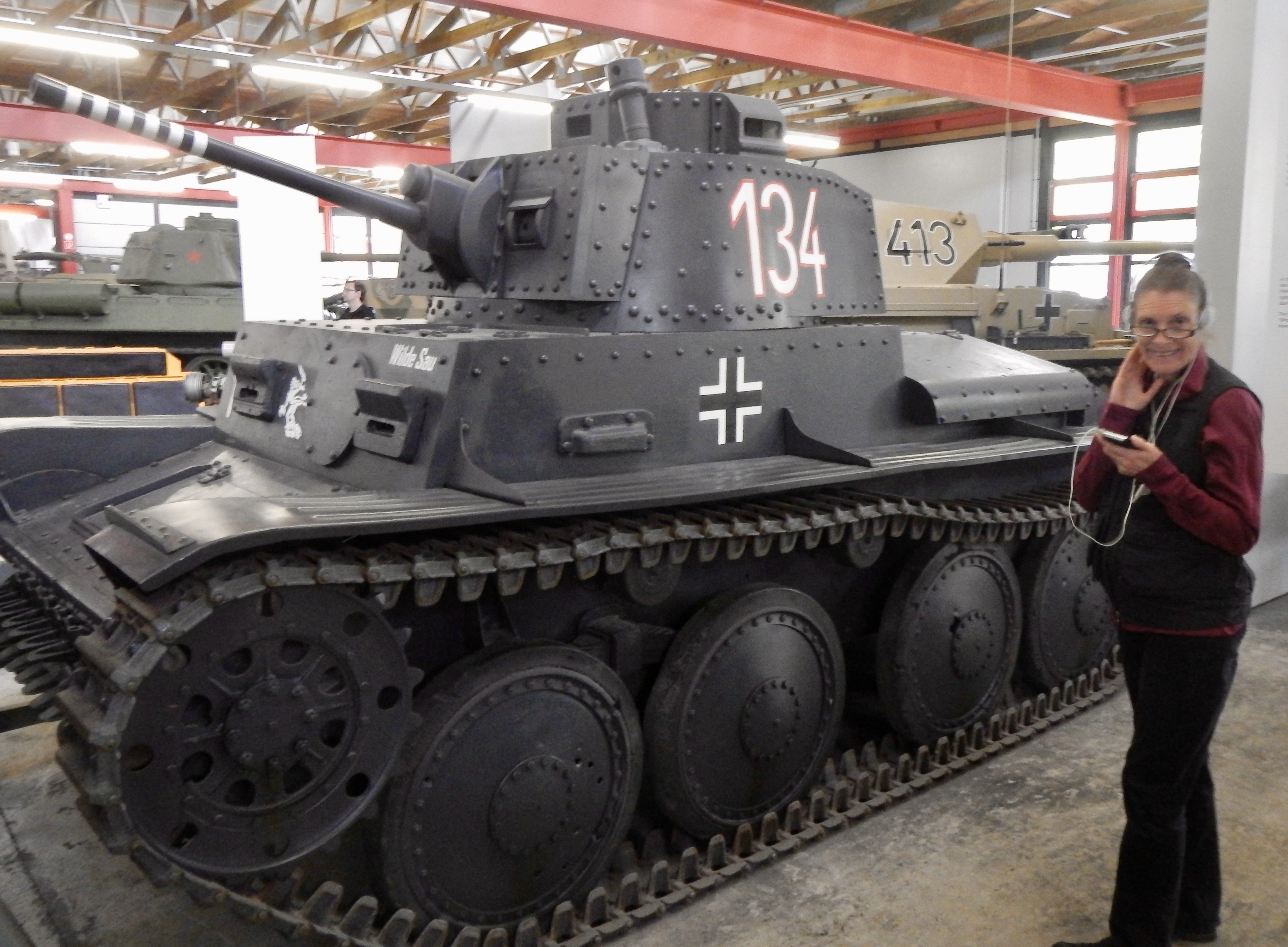
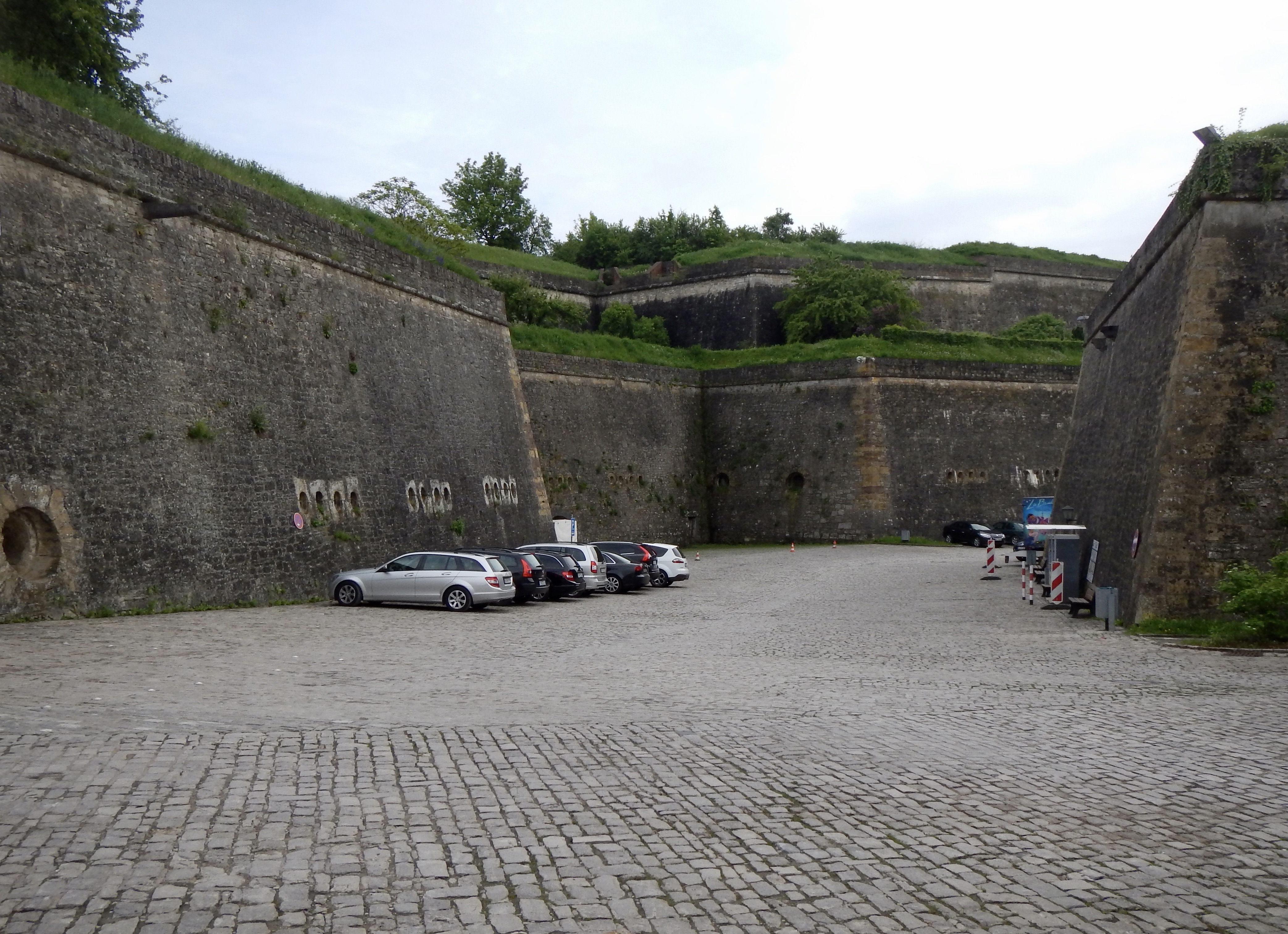
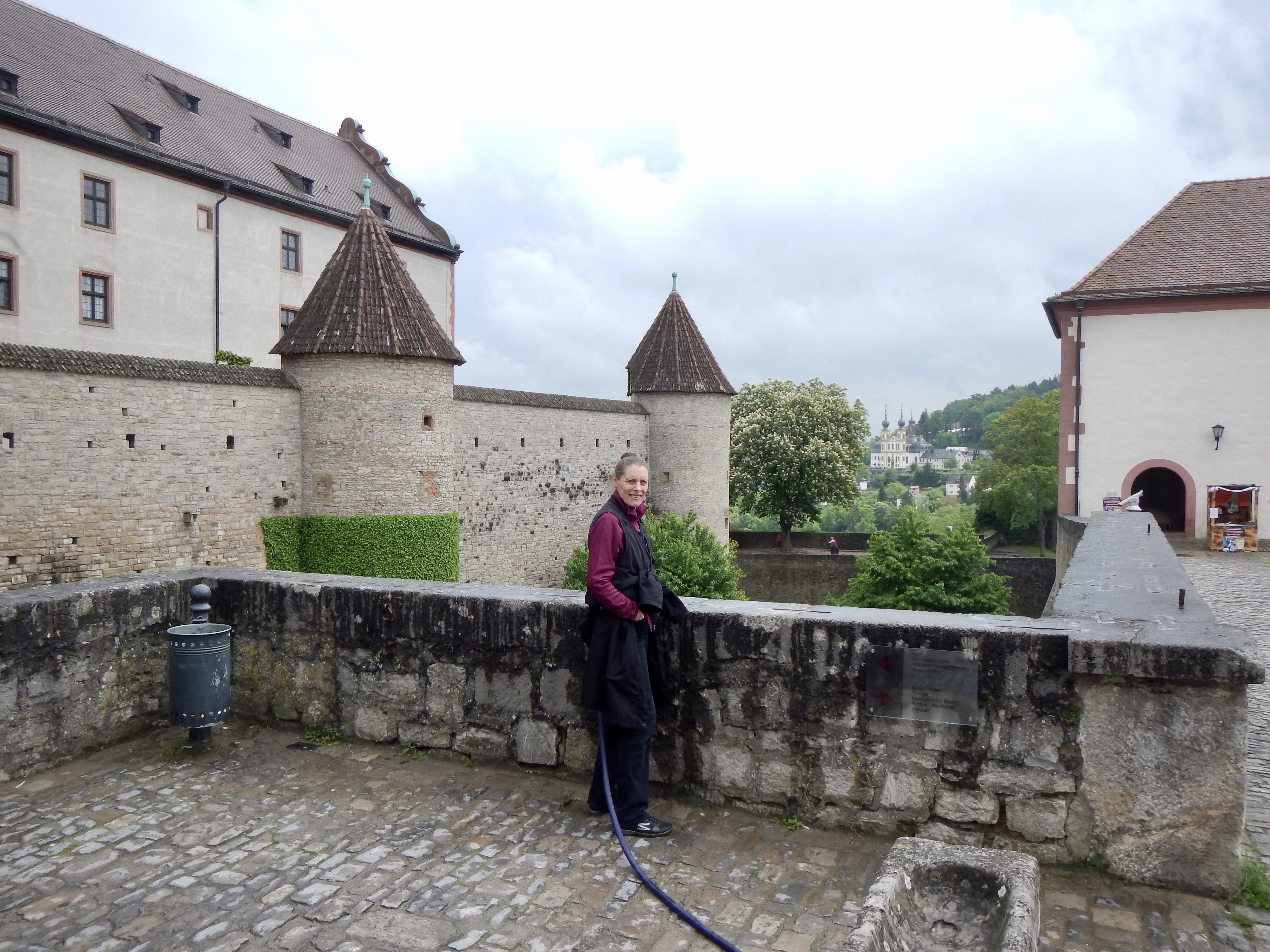
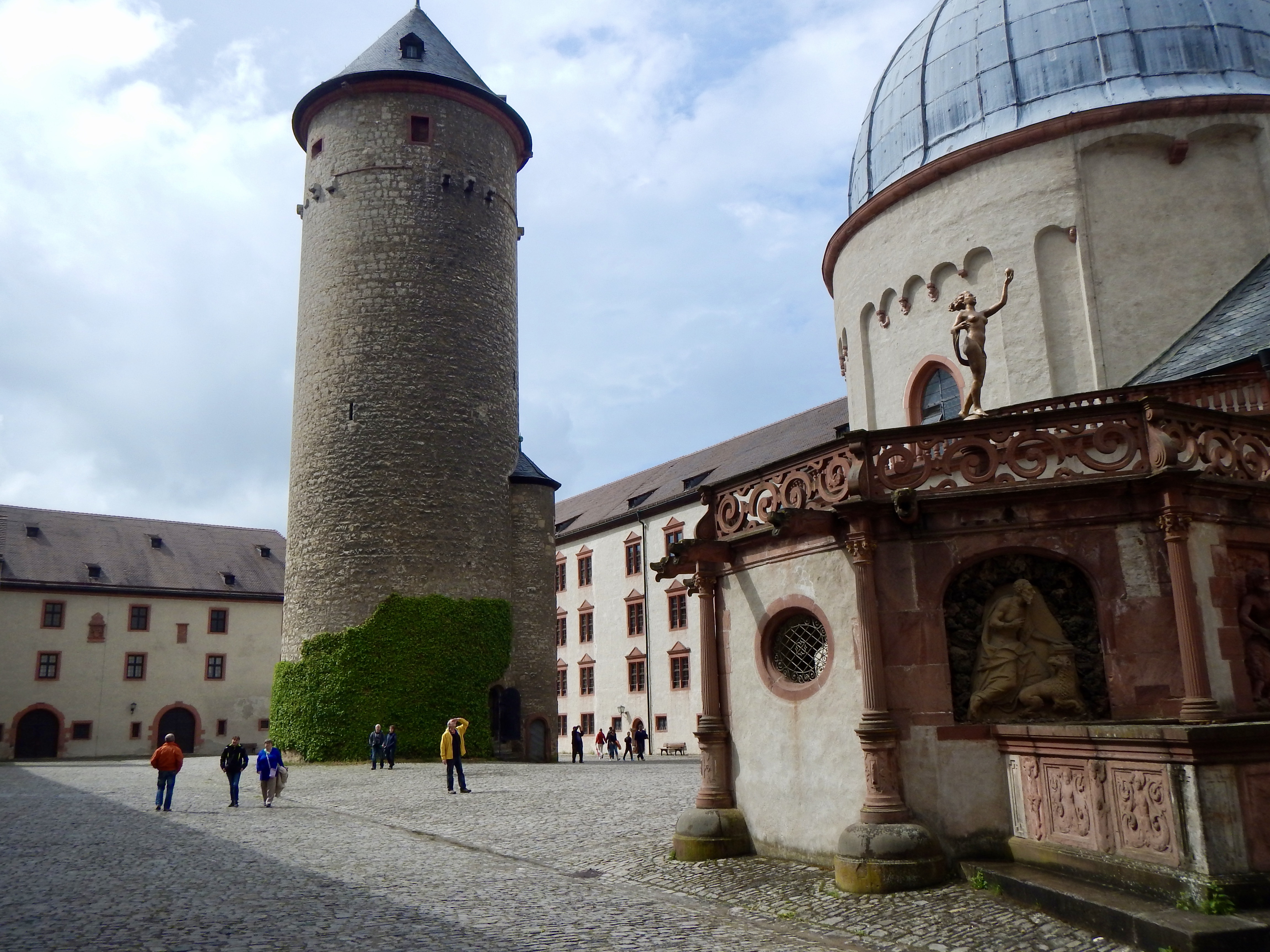
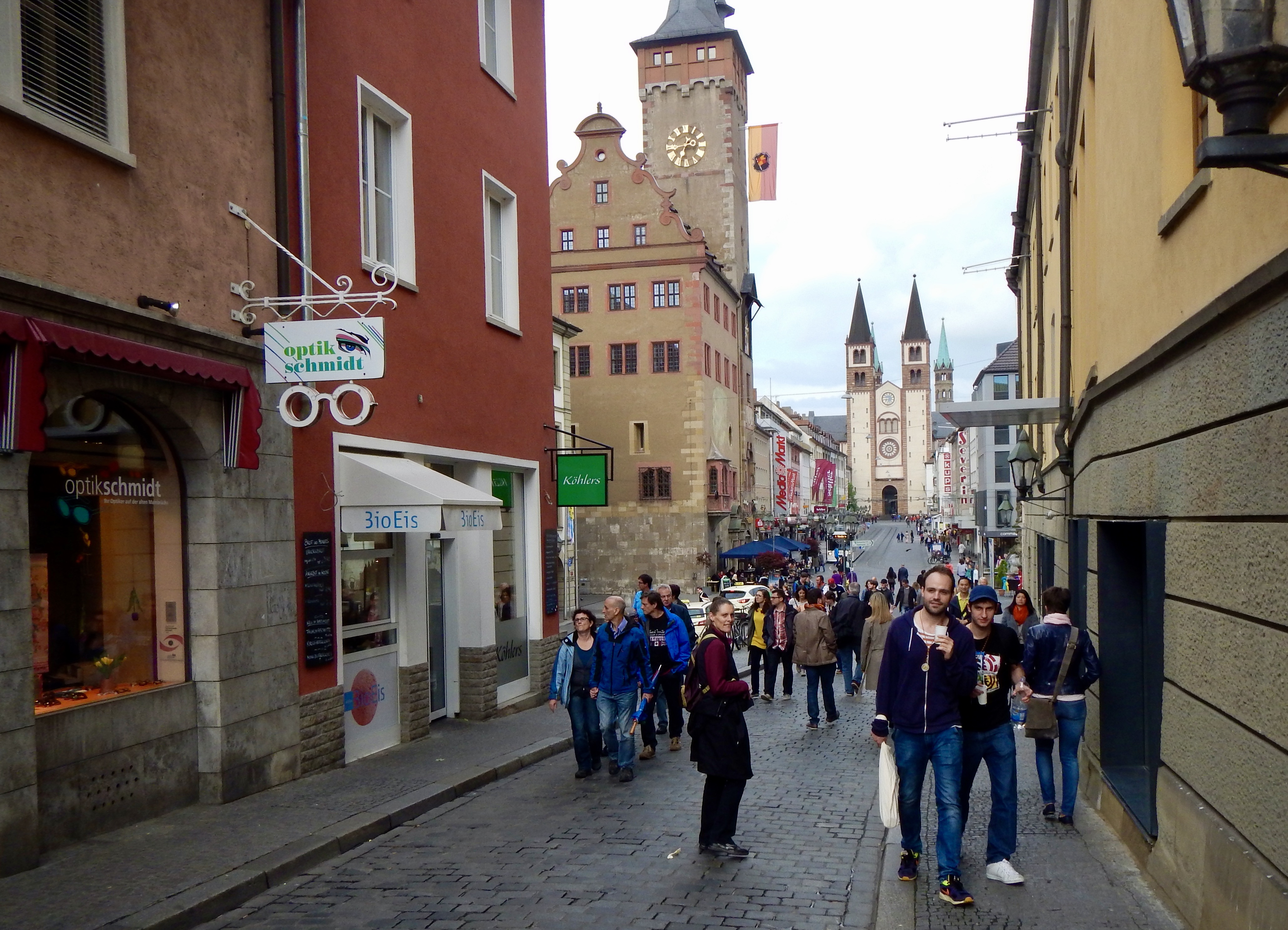
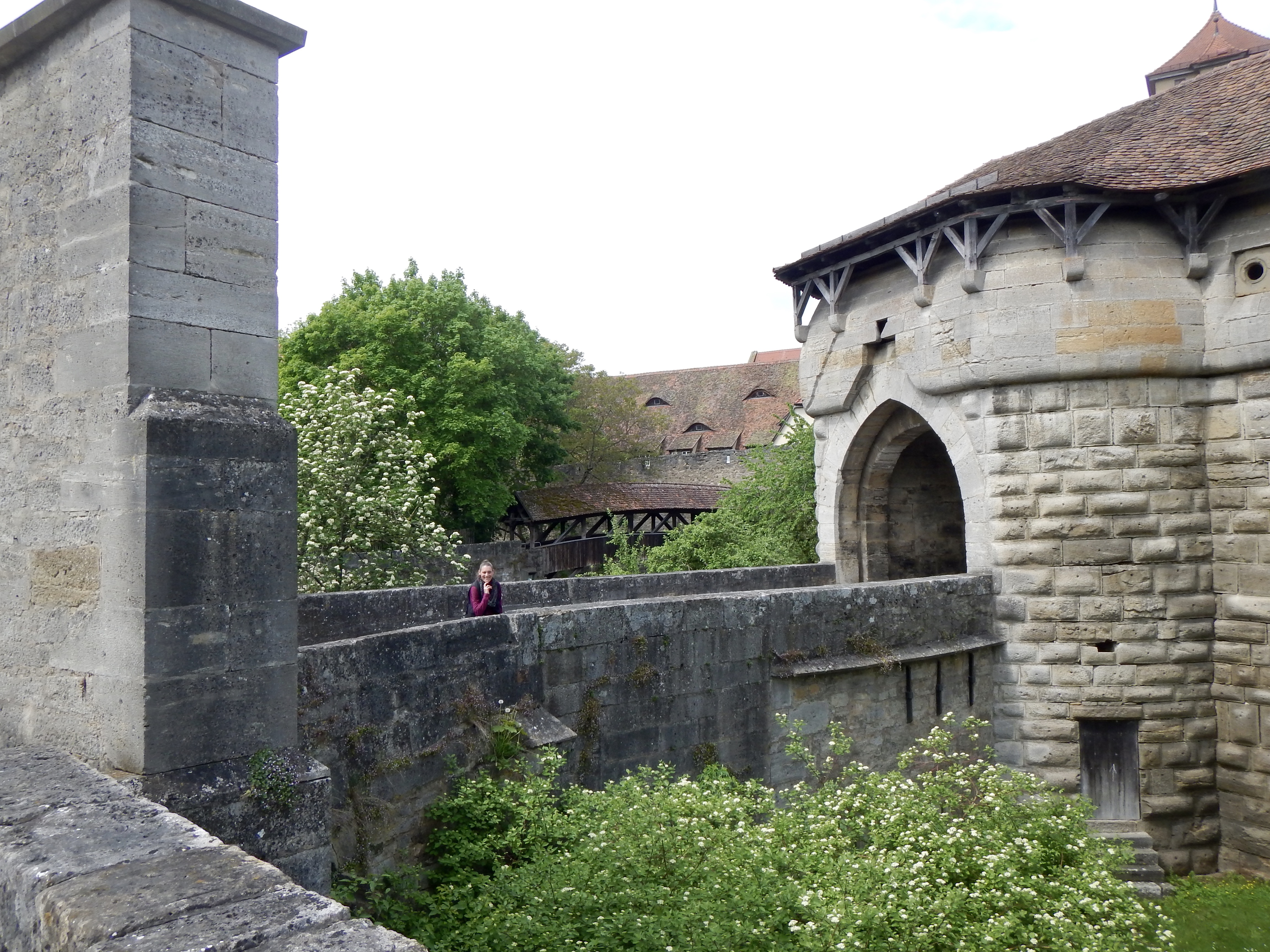
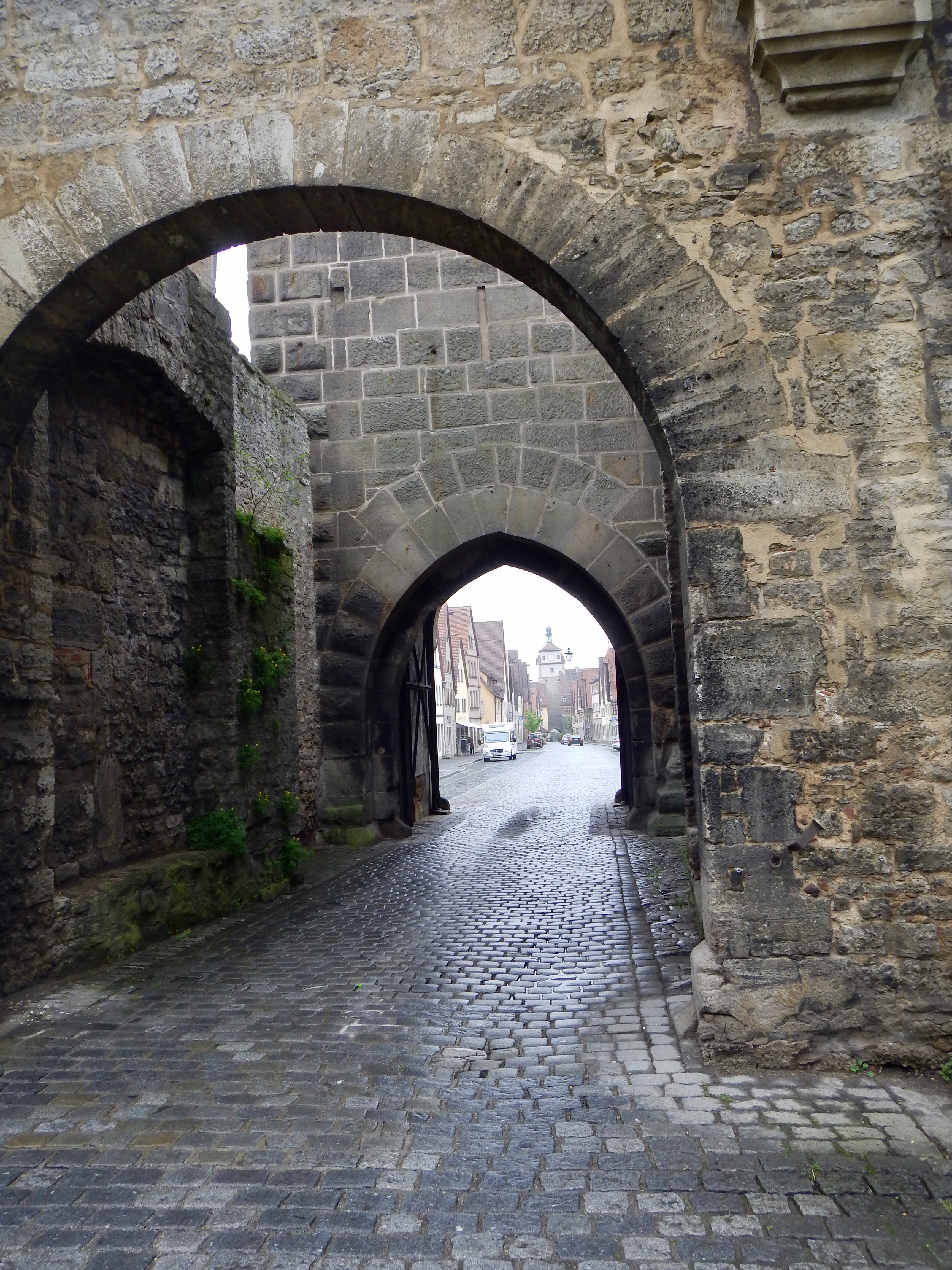
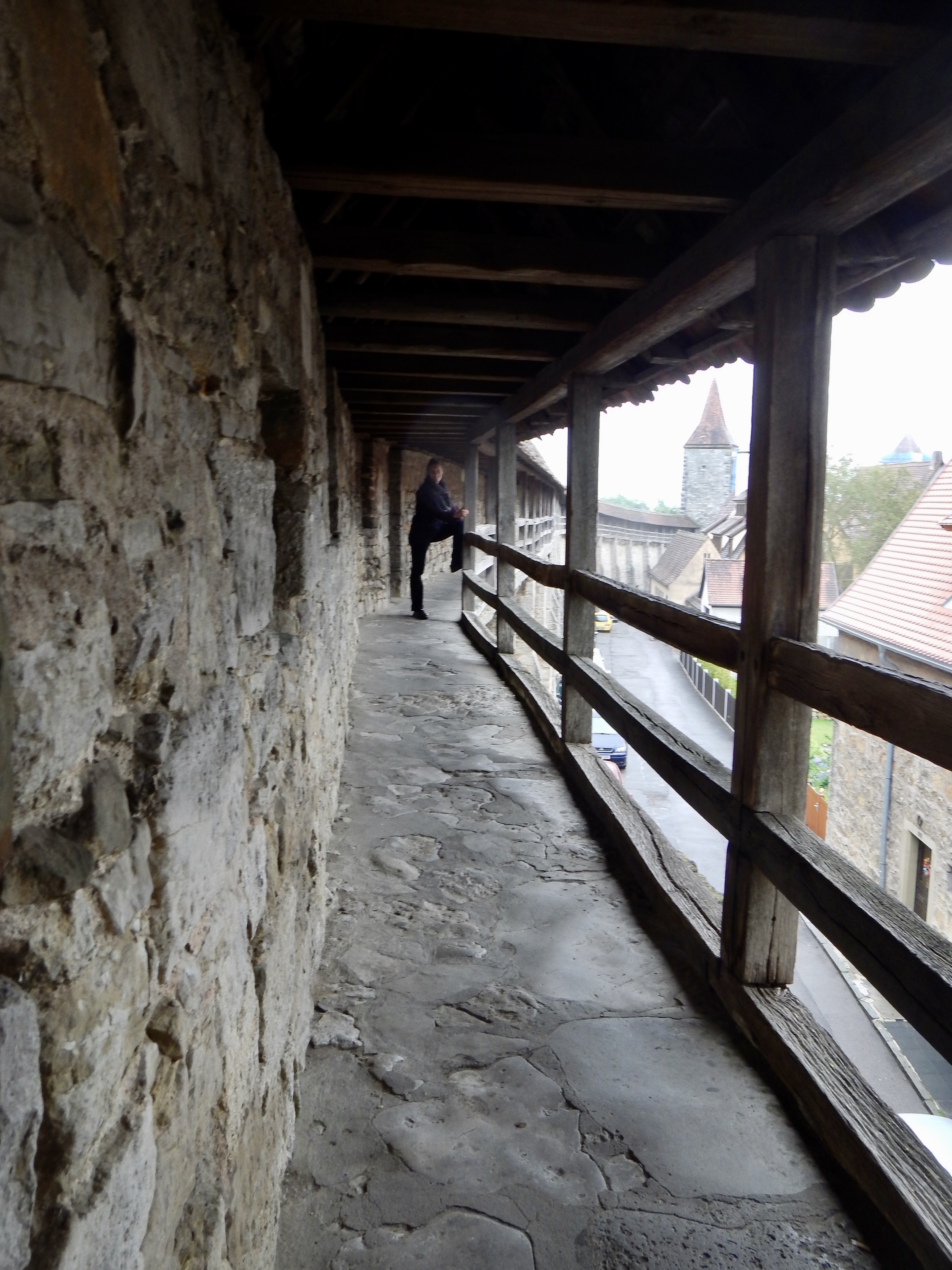
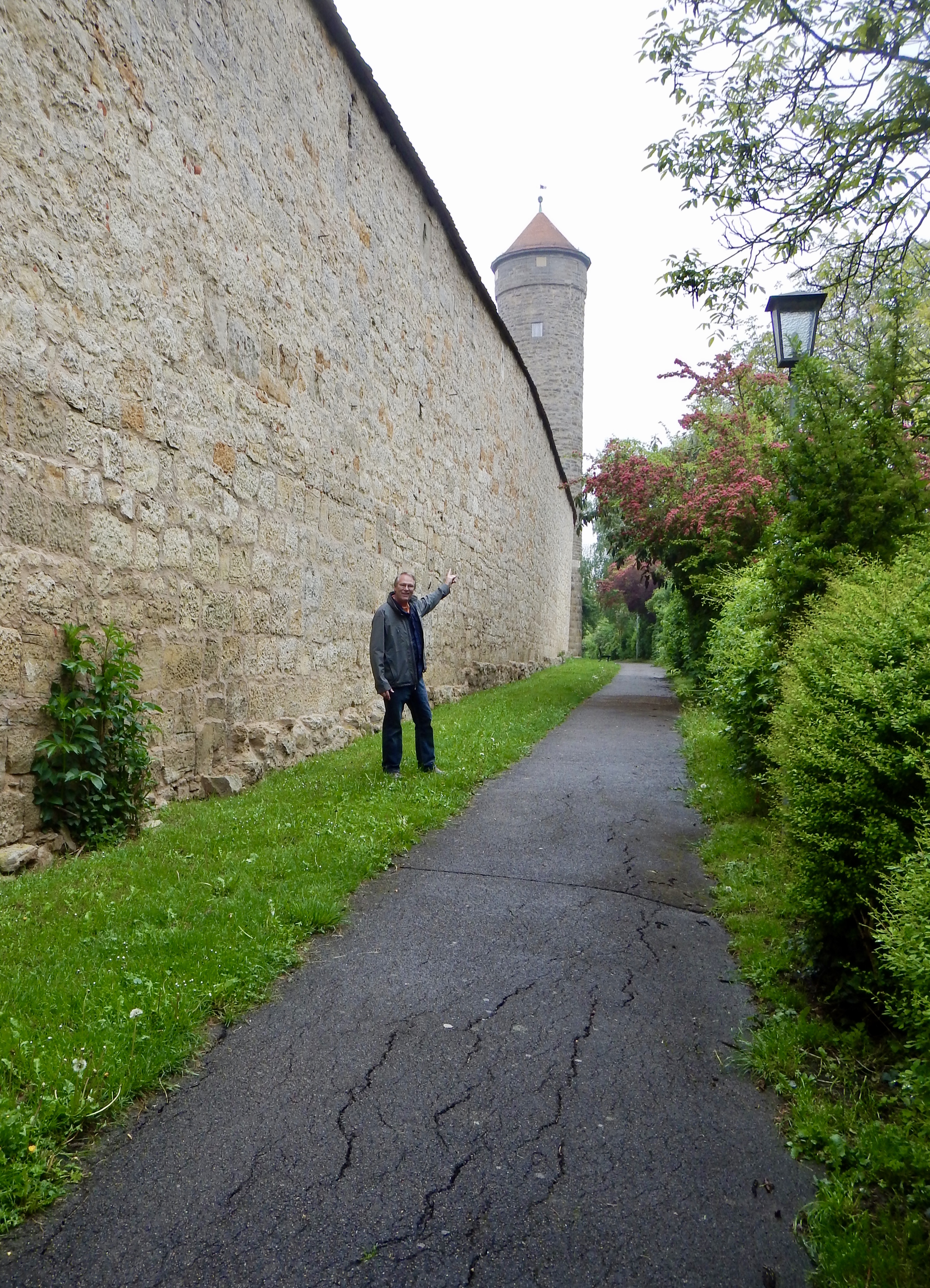
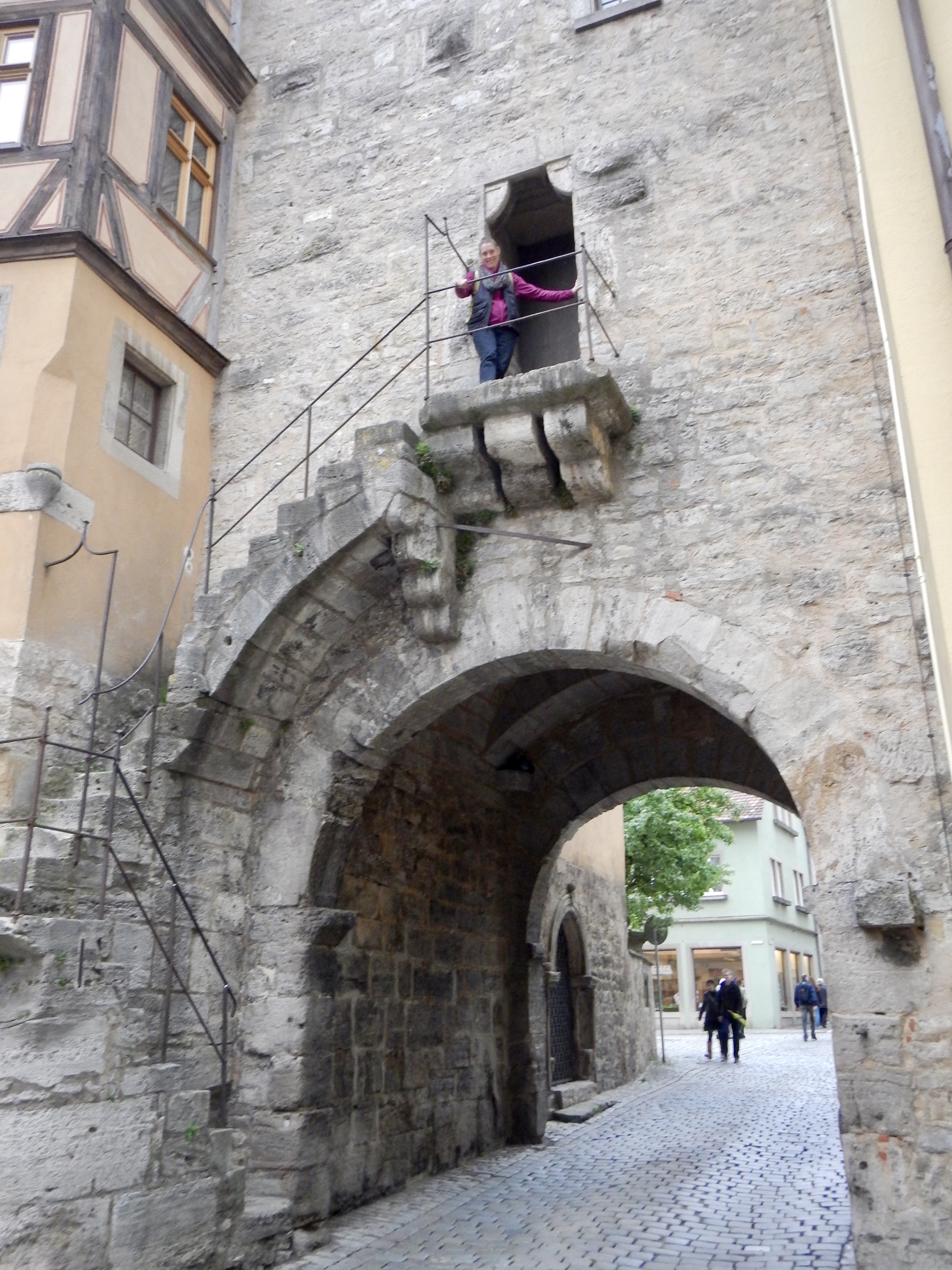
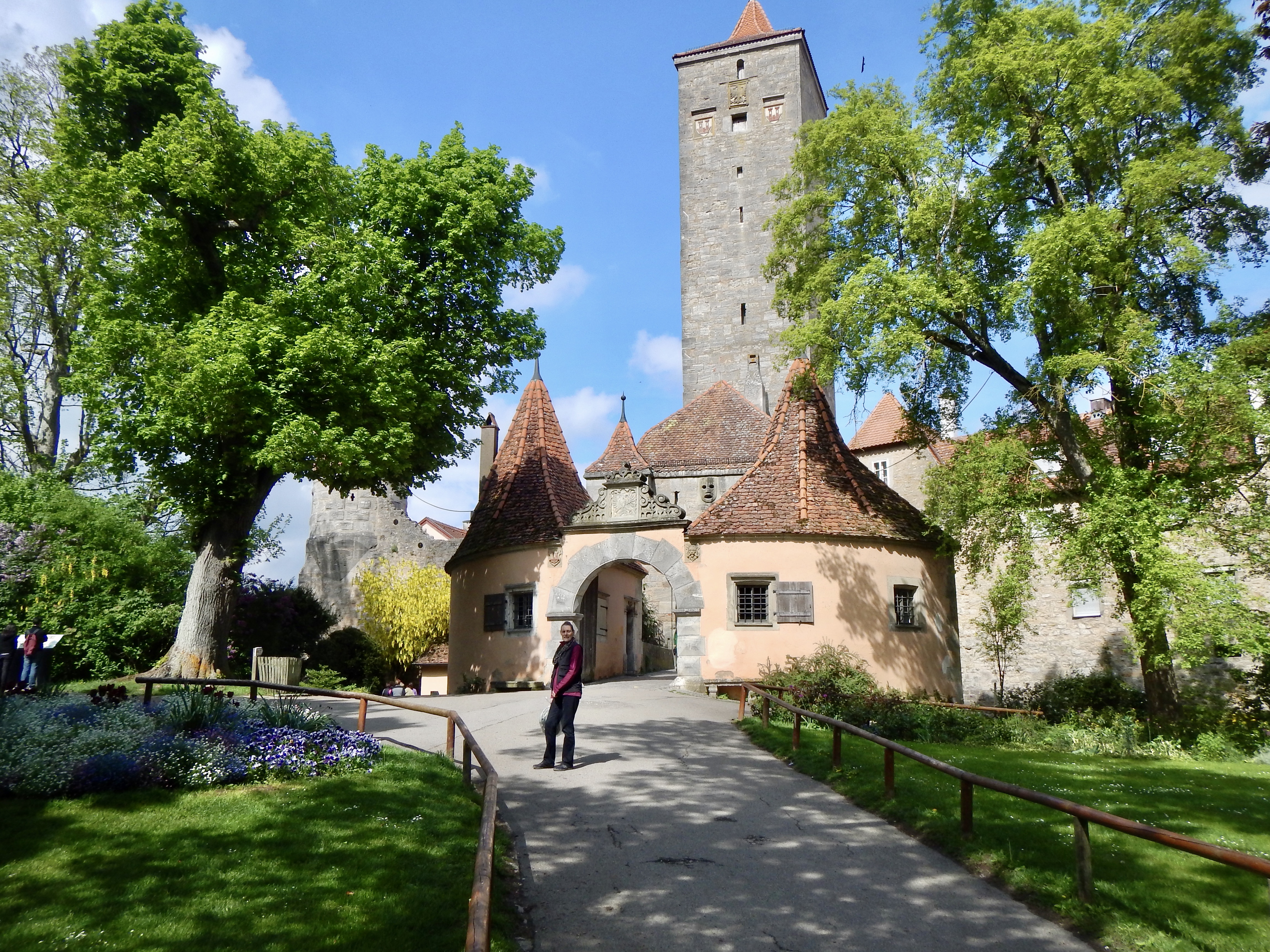
When we sailed into Germany from Sweden we landed at the Baltic Seaport of Sassnitz on the Island of Rugen. This north coast ferry port is only a stones through away from Prora, where you find another very interesting project by the Third Reich. Hitler decided he wanted a beach resort for the common worker, it was called a “Holiday Camp”. Like all of his plans, it’s massive, designed to house 20,000 at a time with a central social hall that could accommodate everyone. The building project was almost complete by the start of the war when the labour force was redeployed for the war effort. It had very limited use during the war but after the war it was used for displaced refugees and then for the Soviet and East German military. Since then it fell into major disrepair and only a short time ago some developers, realizing it’s potential, have been renovating the buildings into upper end beach condos, hotels and rental units. It really is a fantastic beachfront location and just a few kilometres down the way is the very clean and classy ocean resort town of Binz. Anyone interested in a long term real-estate investment opportunity on the Baltic Sea should take a close look at this one. In the attached photo of Margot standing next to the scale model you can get an idea of the actual size of this 4.5 Km long complex. We’ve really enjoyed this slow drive south through the German countryside with it’s beautiful lush green rolling hills that are dotted with picturesque farms, quaint towns, and tinny villages every few kilometres. Our travel pace has been rather slow considering we avoid the major autobahns in favour of the 2nd and 3rd level roads that tend to be much less stressful and offer a much better opportunity for us to see and experience all these wonderful places. One such place was Munster (The other Munster just south of Hamburg) where we found the German Panzer Tank Museum. 150 Tanks, guns and vehicles from the past 95 years were on display. The huge place was filled to the rafters with all kinds of rare and fascinating military machines and memorabilia. Margot gets full points for hanging in there for most of the day without any complaints (I actually think she enjoyed it too). As we headed south we spent some time exploring the old city of Wurzburg. With it’s dominating huge castle sitting high on a ridge overlooking the old town below, you can’t help but be impressed. We drove up to the castle, parked the RV in the castle moat and gave it a full tour including the very interesting museum inside. This beautiful city was seriously bombed just three weeks before the end of WW2 but it was rebuilt and still retains much of it’s original splendour. As we carried on south the next morning we decided to stop in for a coffee and quick look at the old medieval walled town of Rothenburg. We couldn’t leave it and ended up spending a wonderful day roaming about and exploring this fantastic place. If you have ever wondered what it would be like to have lived in the Middle Ages, come to the 10th century walled city of Rothenburg where you can walk along the defensive city wall, explore the many towers or get lost in the narrow cobble stone streets. You get the feeling at times that you’re on some kind of movie set for a Robin Hood sequel. This wonderfully preserved town is filled with great shops and restaurants, and did I mention the view of the valley below? Tonight we are near the German/French border in a small city called Karlsruhe and getting ourselves mentally prepared for the next big stop, a visit to the WW1 battlefield area of Verdun, France.
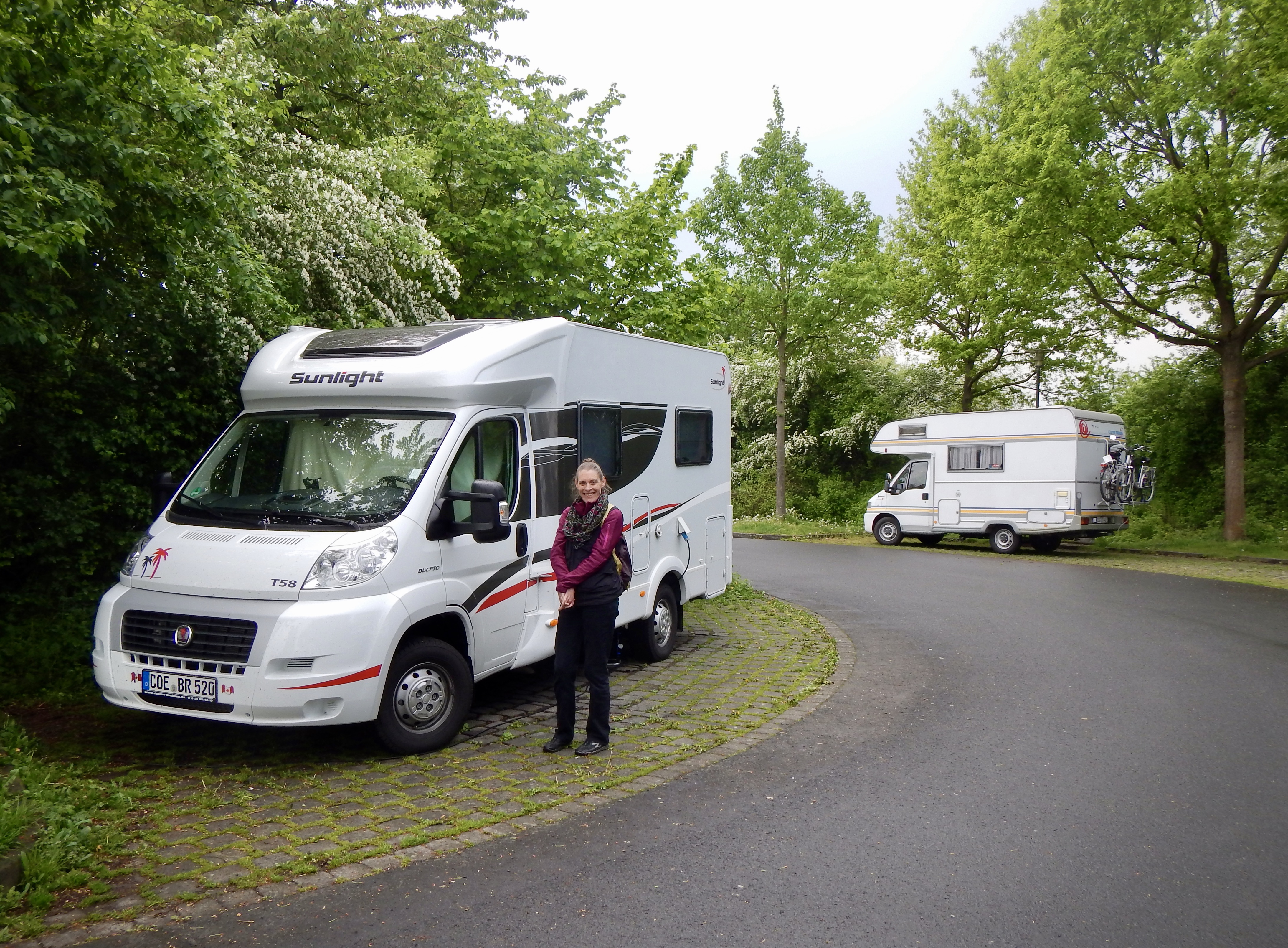
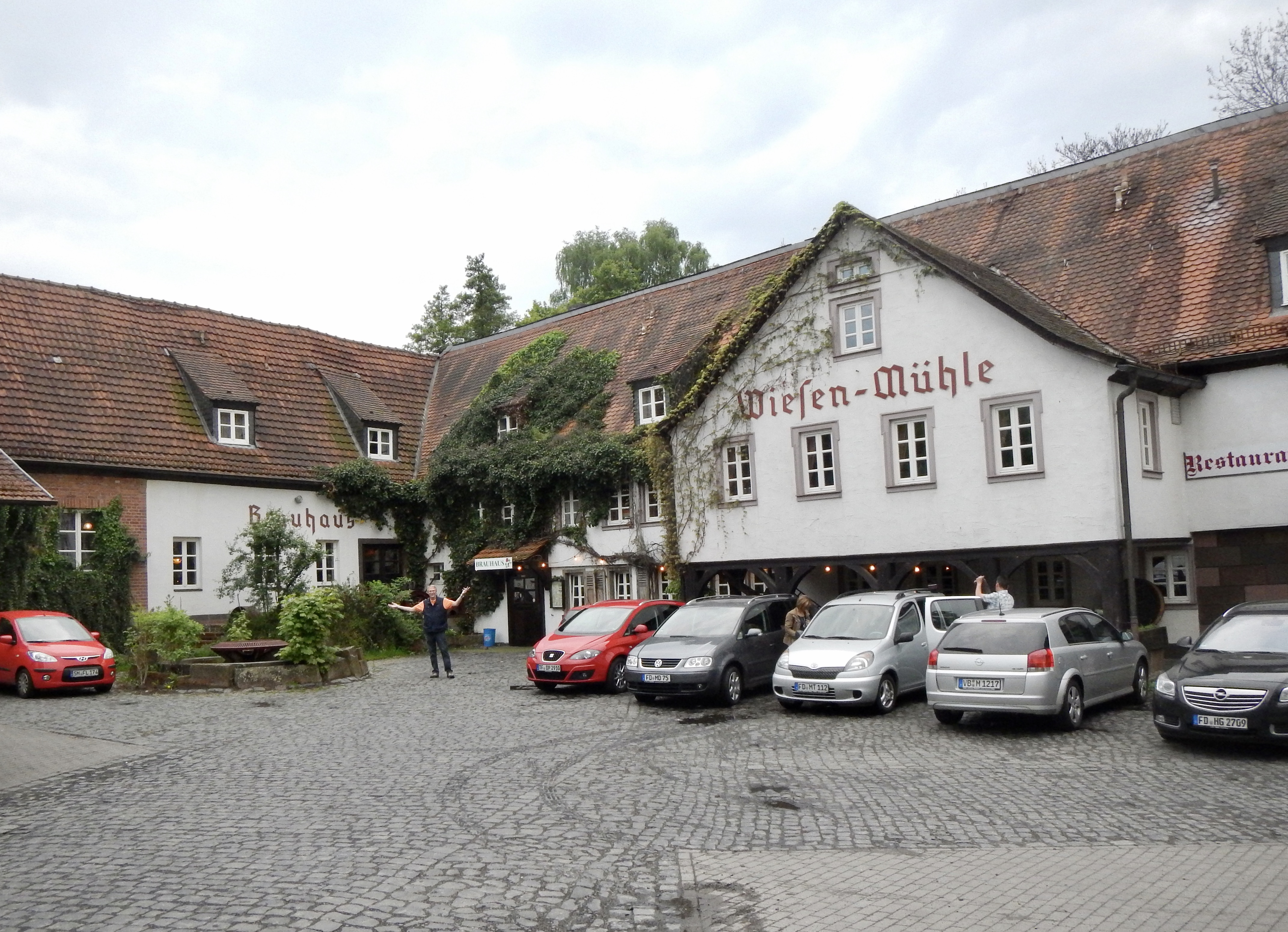
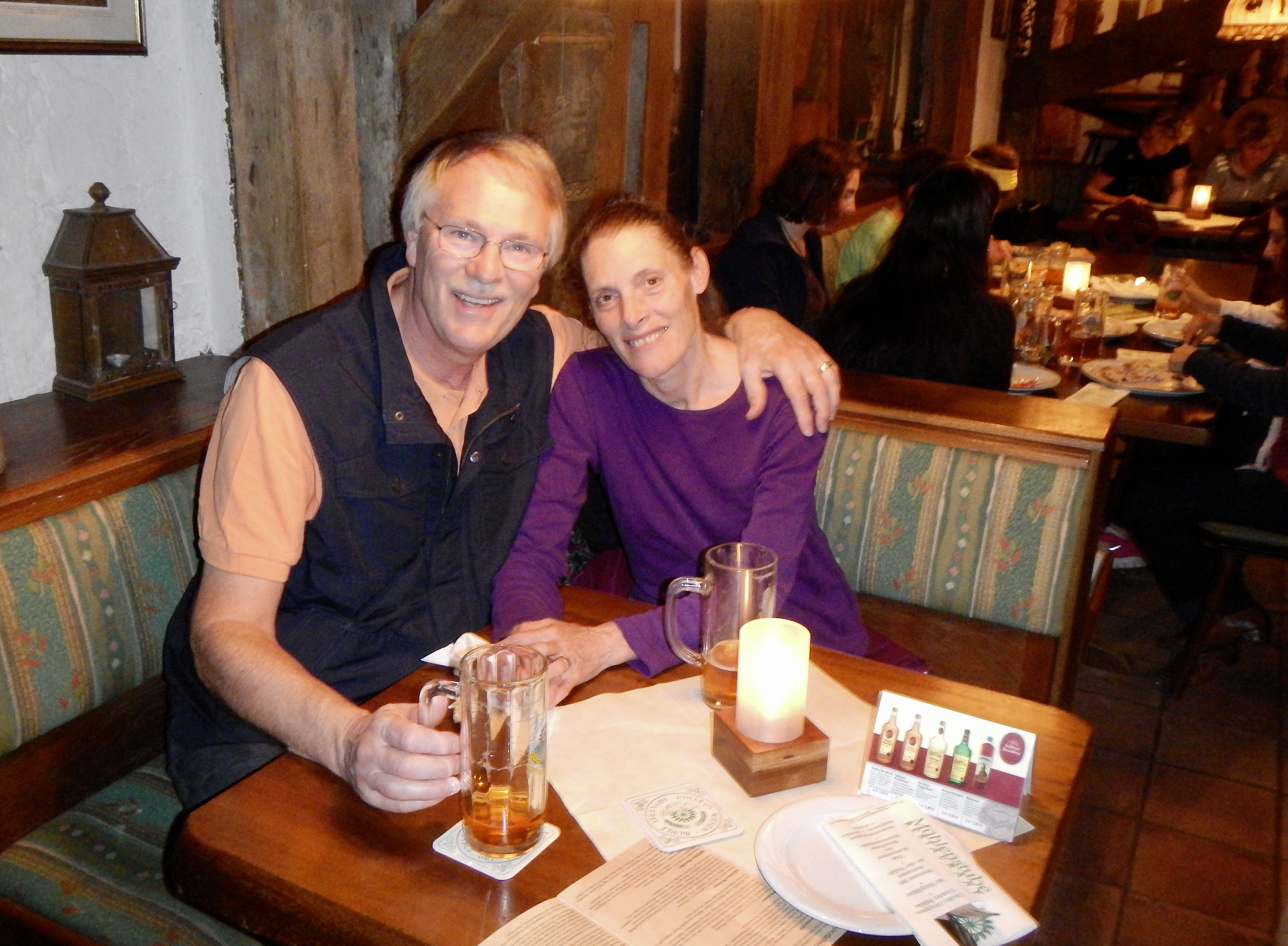
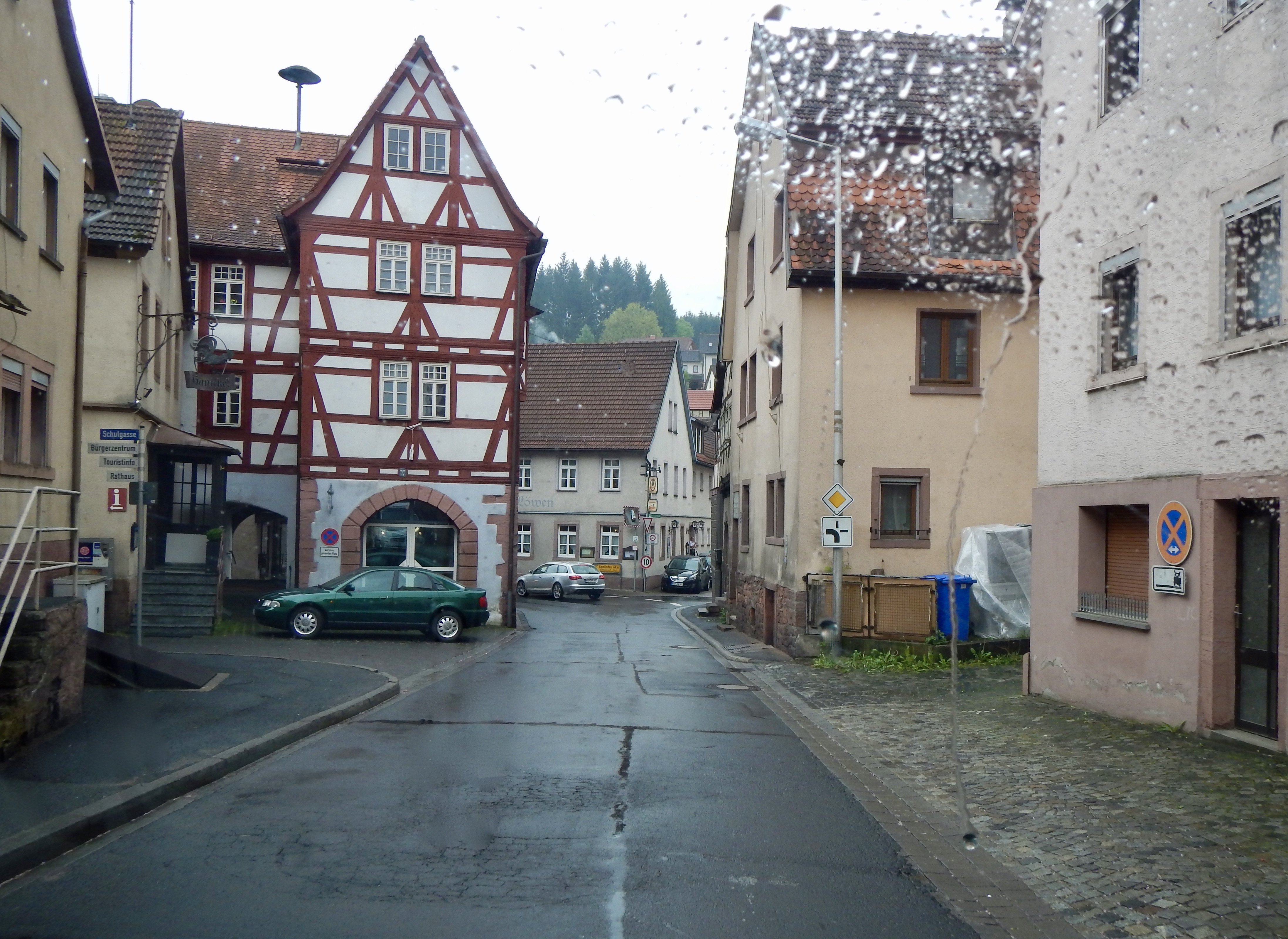
Beautiful German Baltic sea coastProra. Hitler’s massive “Holiday Camp” for the workersNow being renovated into high end beach hotels and condominiumsThis Nazi complex “Prora” consisted of 20,000 units and was 4.5 km’s in lengthTown pier at the resort town of BinzBinz is only a short walk from ProraBeautiful drivePanzer Tank MuseumWWII Panzer 38 (t) Light TankWWII German Heavy Tiger TankDriving SouthA basic Stelplatz along the wayNot too far from this amazing old water wheel and restaurant Hundreds of years of historyAnd still serving fantastic mealsThe Wurzburg CastleParking in the castle moatBeautiful views from a castle gardenOverlooking a second internal moatThe castle keepA lock on the “Main River”The streets of WurzburgEntering the walled medieval city of RothenburgThat’s BrumaRV parked on the street outside the gateKeeping watch on the wallRothenburg was one of Orville and Peg’s favourite places… Ours too!Inspecting a guard towerSee that tower… there’s no exit and if you were bad, they dropped into itCool stairsGreat courtyardOverlooking a beautiful lush valley










































 Brumablog