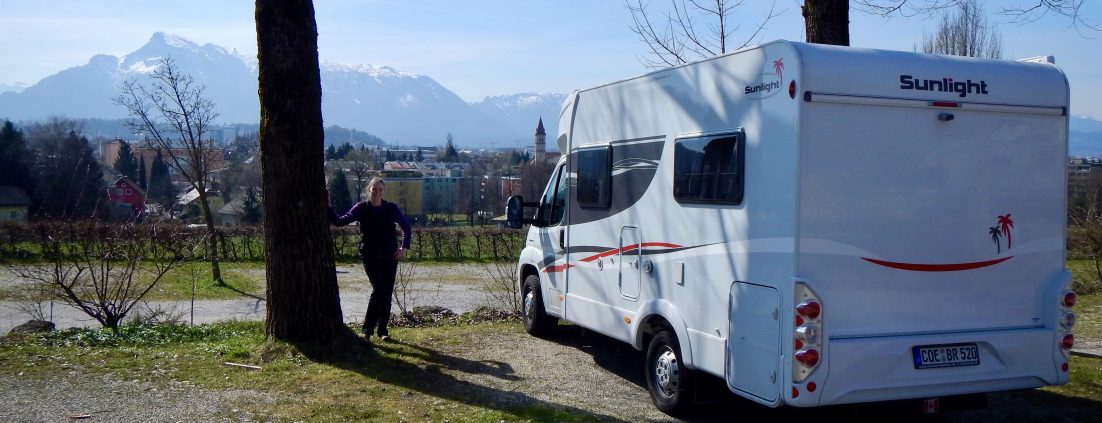
We started our trip with cool and wet weather but later it was the wind that completely took us by surprise. As we moved Southward the strong winds intensified dramatically and they lasted for about ten relentless days.
Our first significant stop after leaving the Netherlands was Mons, Belgium. The Canadians liberated Mons and it was here that the first shots of WWI were fired, and the last. In fact, the last soldier to die in the Great War was a Canadian named George Lawrence Price who was unfortunately shot dead two minutes before the ceasefire. Next was a repeat visit to the Vimy Ridge Memorial site where the wind gusts and driving rain were so strong that you could lean into them at about 45 degrees. Strangely, this really nasty weather seems quite appropriate in this setting. We were sure this second visit would be a relatively brief one but then we discovered the addition of a new interpretation centre, a 2018 Centennial addition, along with an interesting new tunnel tour. Our planned short but respectful visit was completely altered but, it was time well spent as we had almost forgotten how beautiful and emotionally stirring this monument is. I think it’s a place that every Canadian would benefit from seeing up close, in fact, some have argued that this is the spot that Canada became a nation. From Vimy Ridge we drove a short distance South into the heart of the Somme Valley. Ferocious fighting took place all along the Somme Valley in WWI as both sides “dug-in” and trench warfare became the norm. Nearby is the town of Wellington where the Wellington Tunnels are located. Here, from a few very old cave quarries, a massive network of tunnels, 20 kilometres in length, were hastily excavated for the purpose of a surprise attack. Those tunnels ran up too, and in some places beyond “no-man’s-land” to within feet of the enemy’s front line trenches. Prior to a massive allied assault in April 1917 (The same one that involved the Canadian’s attack on Vimy Ridge) 24,000 soldiers were crammed inside the Wellington tunnels awaiting the inevitable order. When it came, over 4,000 lives a day were lost during this five week battle. In this brutal war, successful forward achievement was usually measured in meters but with the overwhelming manpower and element of surprise, the progress of this operation was measured in kilometres and therefore making a huge impact on the final outcome of the war. This region is all about WWI and a short distance away we stopped at the Beaumont-Hamel Newfoundland “Caribou” Monument to pay tribute to some other Eastern Canadian heroes. The final WWI Monument that we visited was the massive Franco-British Memorial of Thiepval that is dedicated to 72,000 never recovered soldiers.
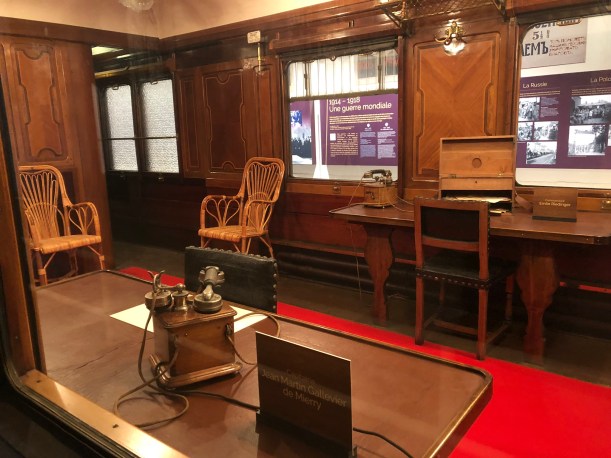
Leaving the Somme Valley behind we drove to a very interesting and secluded place that was hidden deep in the Compiegne forest where in 1918 two trains met on parallel tracks, one German and the other French. This is the exact location where the armistice was drafted and signed bringing about an end to WWI. There is however an interesting twist to this story, years later when Hitler forced France to surrender and sign an armistice in WWII, he recreated the entire WWI scene in the same forest location in the same railroad car on the same tracks but this time he added much pomp and ceremony for the propaganda machine back home. After the French dignitaries signed the document, he ordered much of the historic site destroyed and had the railway car brought back to Berlin to put on display for all his loyal nationalists to admire. Just as Berlin was about to fall… somehow the original railway car accidentally caught fire. Some parts survived but the railcar now on display at the famous site is a sister car that’s been reconditioned exactly as the original.
European military history is as fascinating as it is endless and no matter where you travel in Europe you’re never far from impressive structures and stories of inspiration, horror and surprise.
Before we arrived in Paris we made two interesting Château stops. One was a Middle Ages “Disney Land” looking Castle called Château De Pierrefonds and it was an impressive site sitting high on the ridge overlooking the town and valley below. This Castle has been used in a number of movies over the years and it’s images have also graced the pages of many books and comics as well. The other impressive Chateau was Domaine De Chantilly and yes, this is the origin of Chantilly Lace. The last owner of this cozy little country home was the Duke of Aumale; who would have been King of France if his father King Louis-Philippe had not been overthrown during the French Revolution. The Duke himself was one of the greatest collectors of his time and spent a fortune purchasing paintings, statues, books and many other rare items. His collection at Chantilly is second only in France to the Louvre in Paris. Lucky for the rest of us, when he died without heirs, he bequeathed his entire estate to all the people of France for them to enjoy in the wonderful setting of his home/museum. He also loved horses and he had almost 300 of them. To properly accommodate his four legged friends he built a “Grand Stable”. This palace-like stable is considered the finest in all of Europe and quite possibly the world. We watched an impressive demonstration here from the large centre domed ring. As you would expect, the surrounding race track, parks and other facilities are just as impressive.
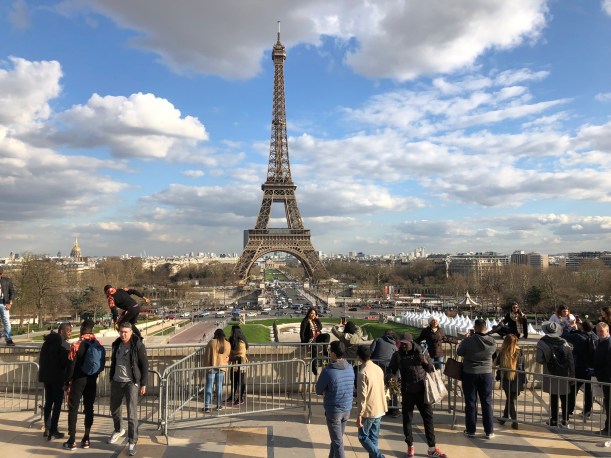
Our first day in Paris was spent grocery shopping and washing clothes. This relaxing down day was just what we needed because the next day we walked 16 kilometres through the centre of Paris past many of our favourite sites. We had no real desire to visit inside the famous sites again, it was just nice to stroll past them in an unhurried and relaxing way and just experience the Paris atmosphere… including the aftermath vibe and “Yellow Jacket” damage on the Champs-Élysées.
We’re now heading towards Southern Spain with a few interesting stops along the way that I’ll report on next. Hope all is well with everyone at home
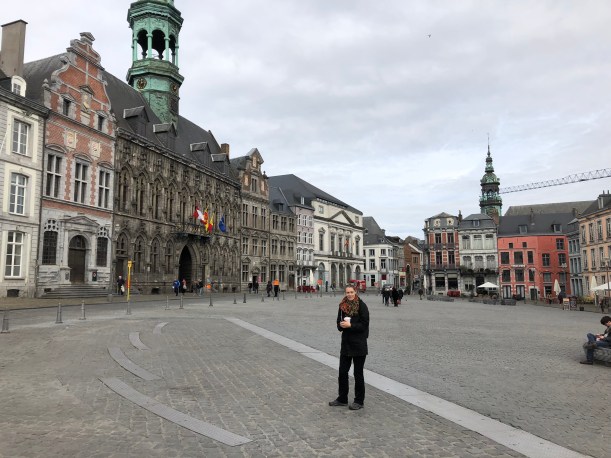
The Grand-Place of Mons
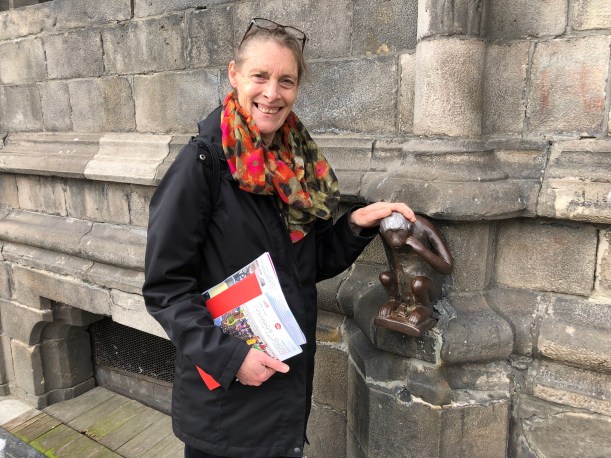
Rub the monkey’s head with your left hand for a week of good luck.
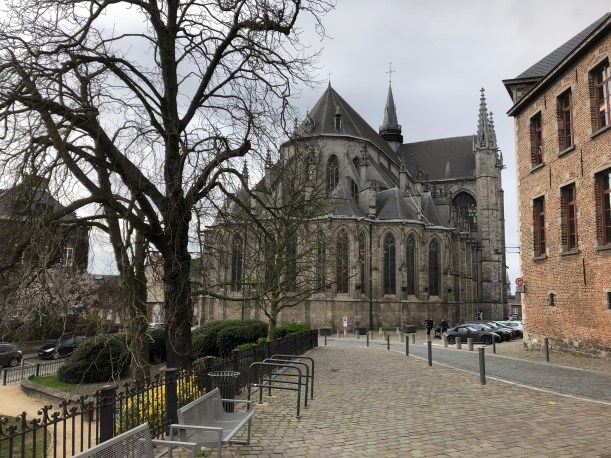
Beautiful Mons Church, Saint Waltrude Collegiate
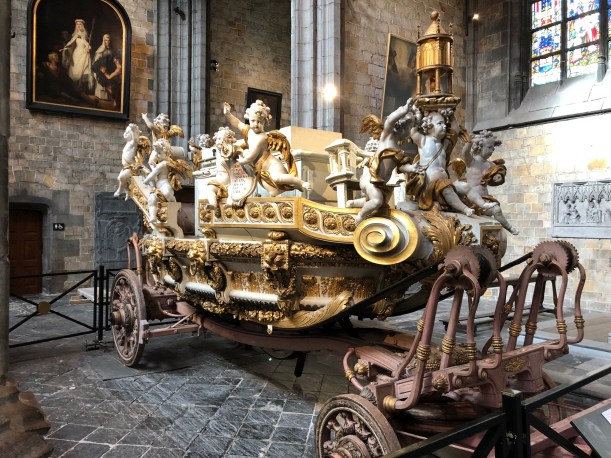
The Golden Carriage, inside the church
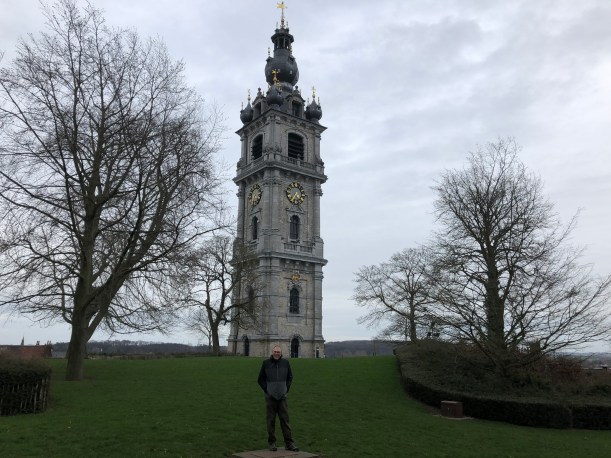
Belfry of Mons
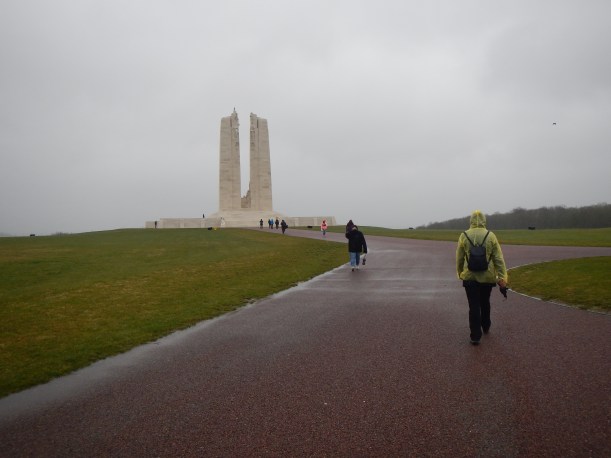
Vimy Ridge Memorial, approaching it from the back side
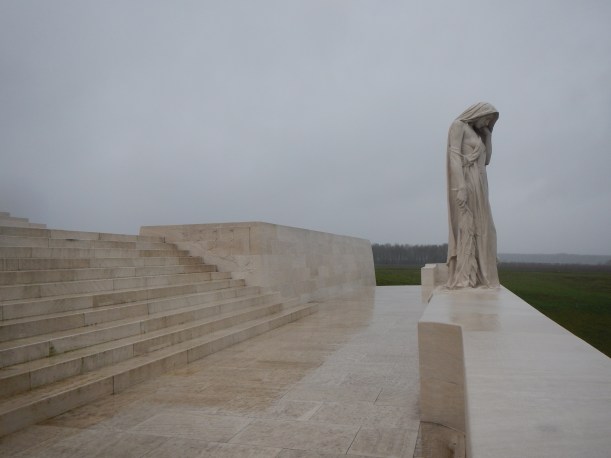
The Figure of Canada overlooking The Tomb
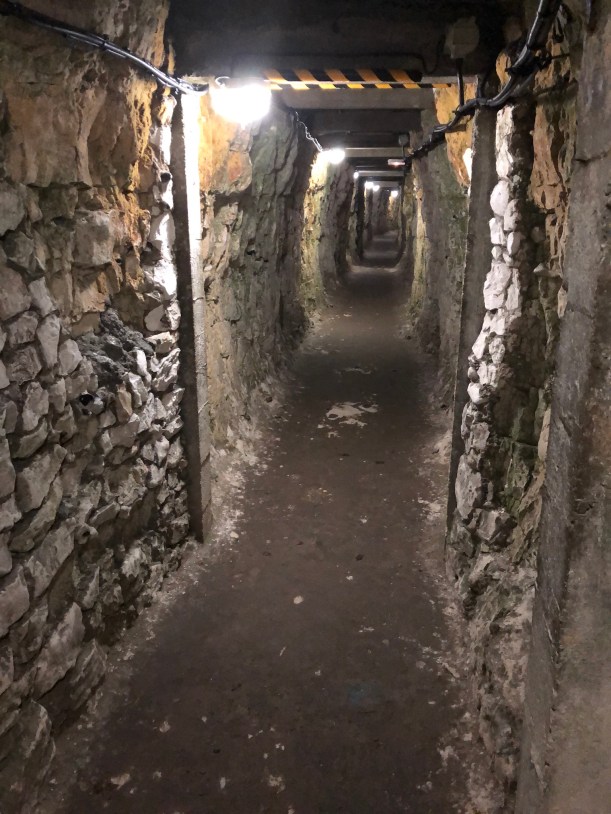
Grange Subway 1,230 metres long. One of 14 tunnelas at Vimy
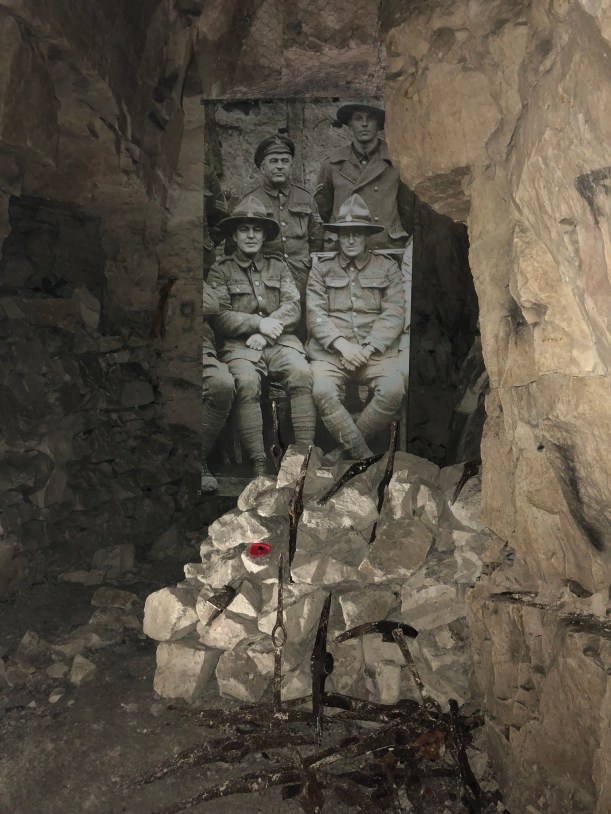
Wellington tunnels and some New Zealand miners
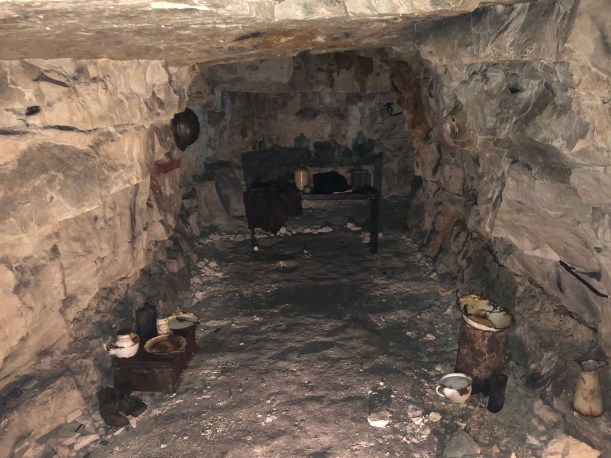
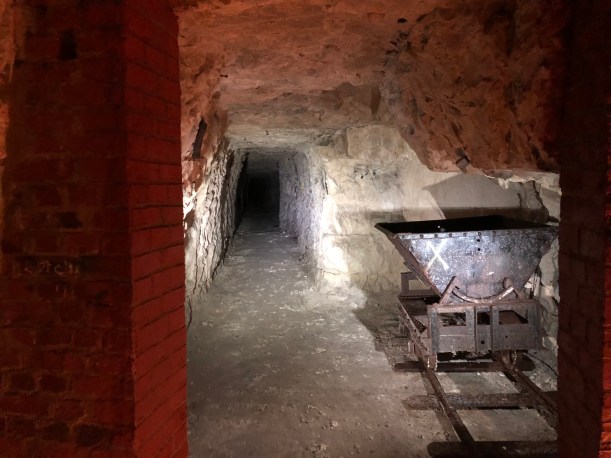
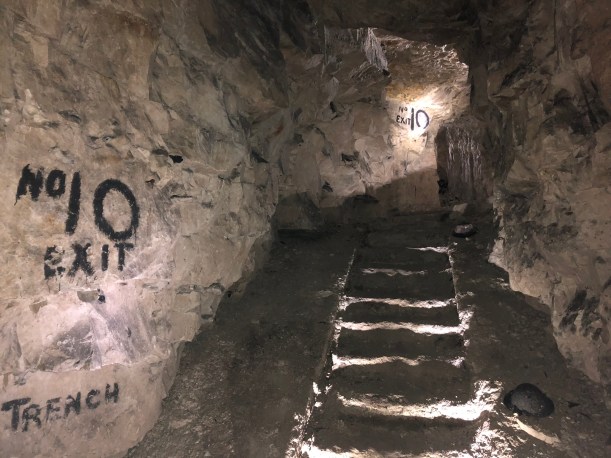
Thousands of soldiers ran up “Exit 10” stairway and directly into hostile machine gun fire.
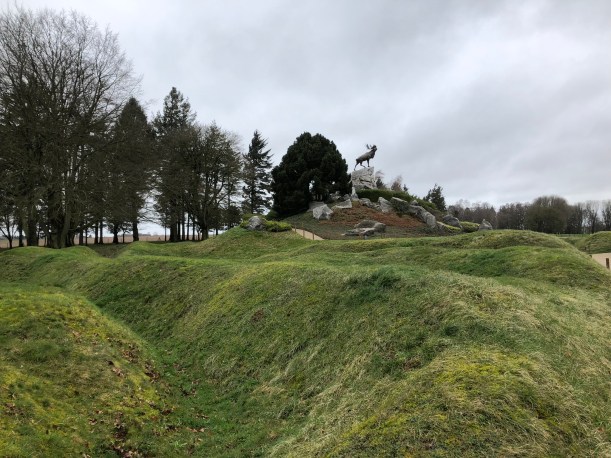
Beaumont-Hamel Newfoundland Memorial

A small part of the battlefield with trenches and shell holes still visible
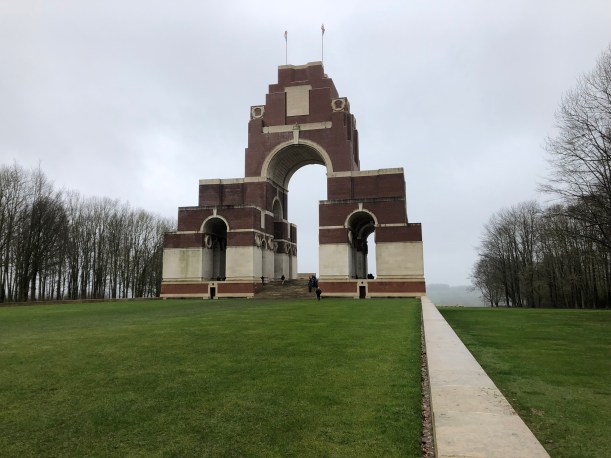
France-British Memorioal of Thiepval. 72,000 never recovered soldiers
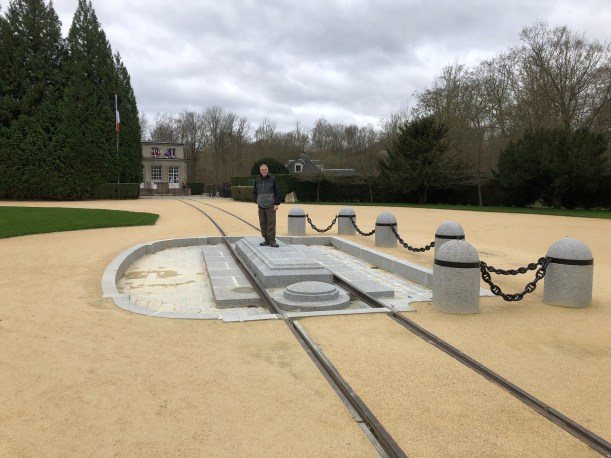
Armistices of 1918 and 1940

Forest of Compiegne

The railway car
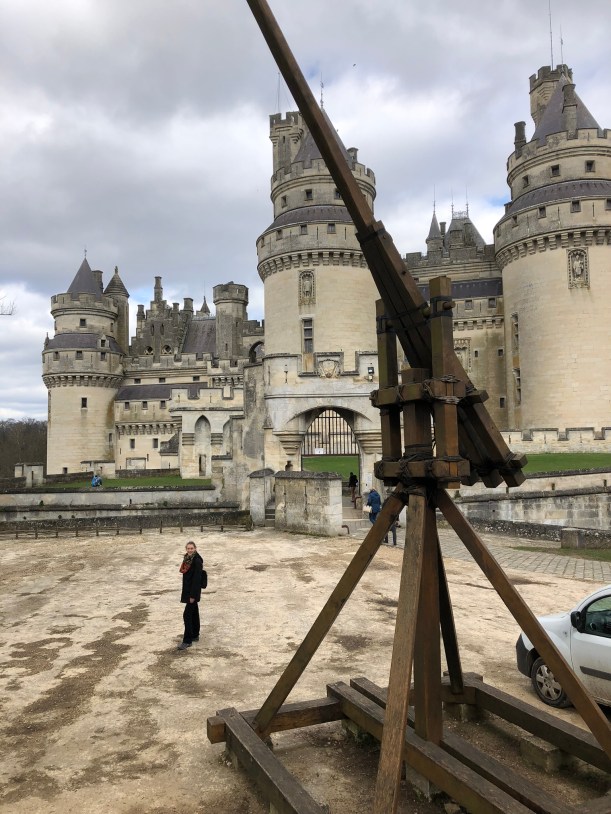
Chateau De Pierrefonds
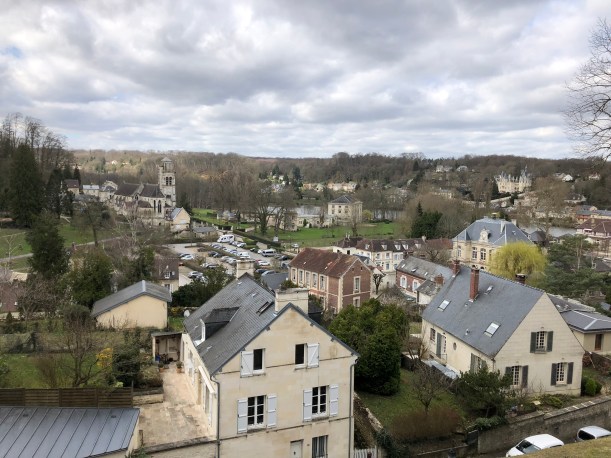
View from the Chateau entrance. Can you find our motorhome?
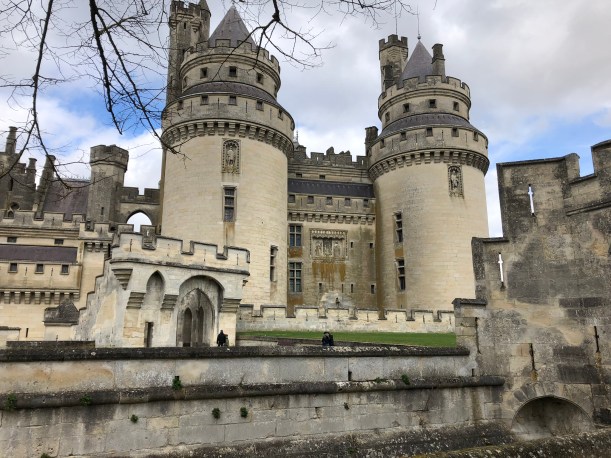
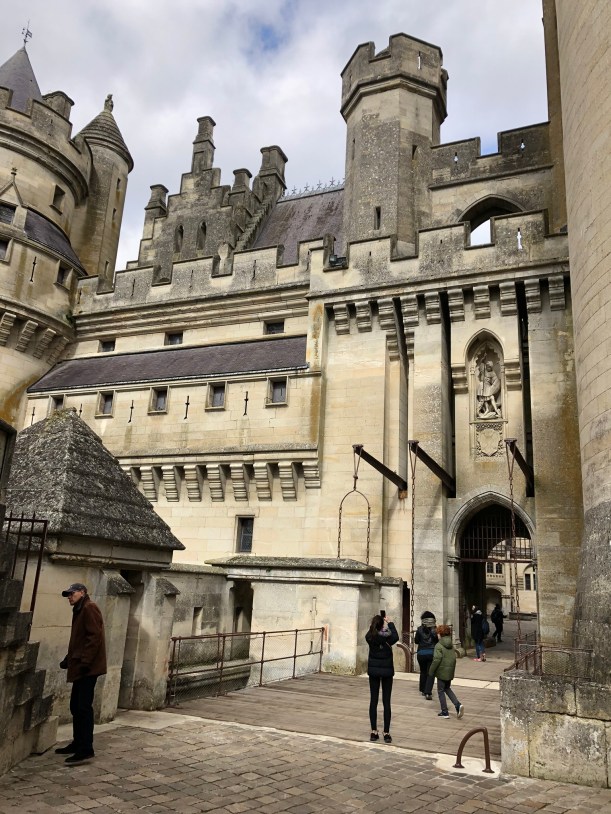
The draw bridge

The Worthies room with the Nine Worthies above the two fireplaces on the end wall
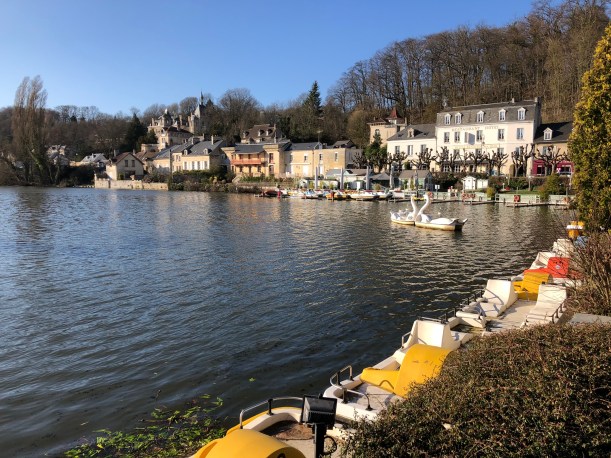
The Village of Pierrefonds

The Pierrefonds 1%
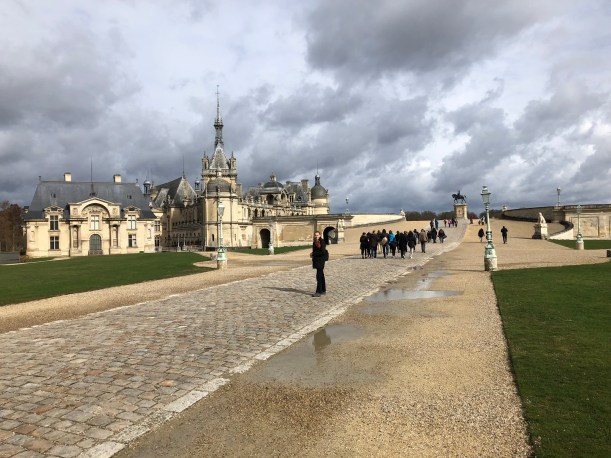
Chateau Chantilly
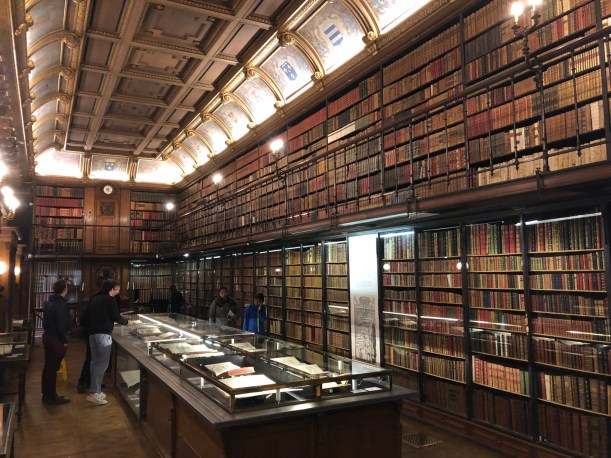
Part of the Duke’s rare book collection
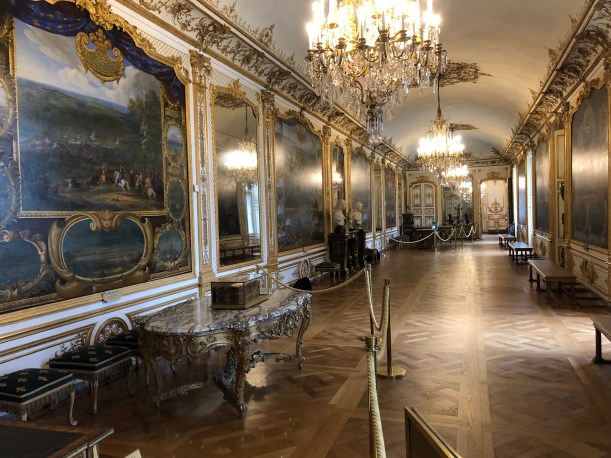
Art in the hallway
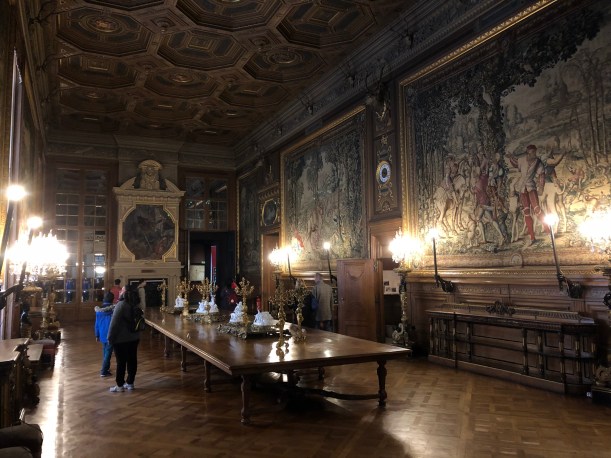
Tapestry in the dining room
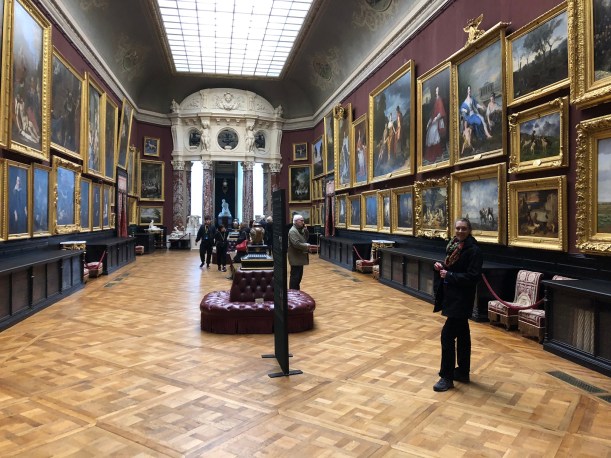
Rare art in the galleries
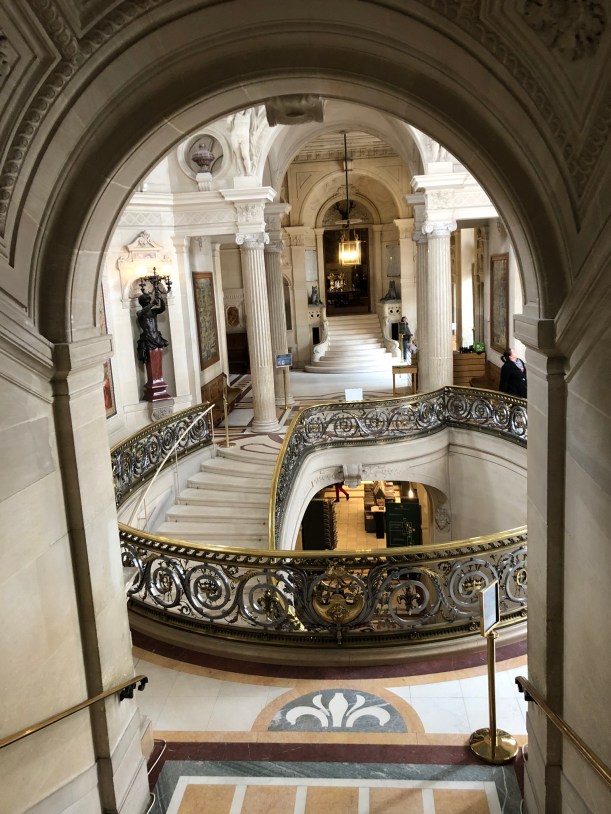
A nice cozy home

Chateau on the right and one half of the Grand Stable on the left
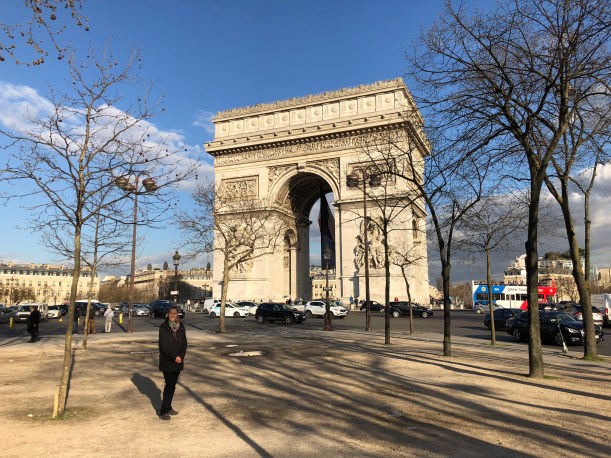
PARIS Arch De Triomphe
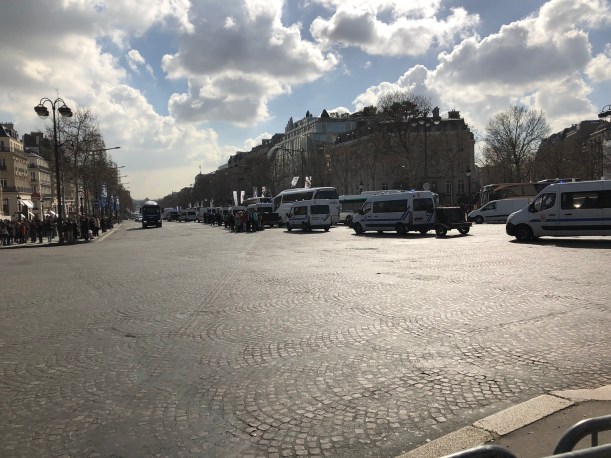
Champs-Élysées and 25 police vans on the move with 6 officers per van ready for any “Yellow Jacket” action
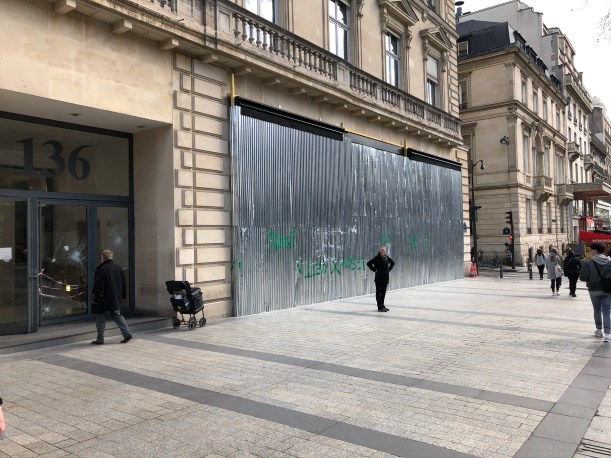
Damage from the Yellow Jacket protesters
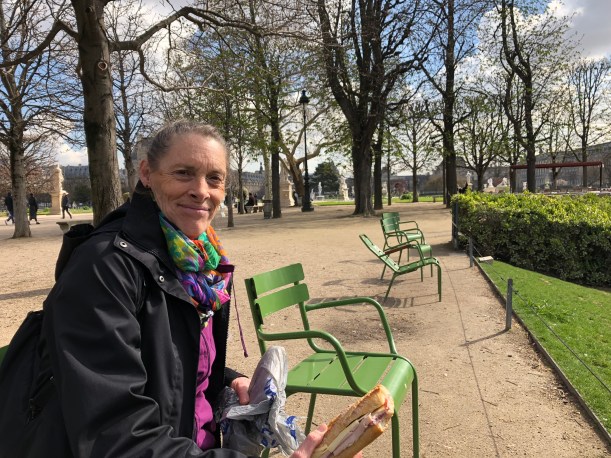
A snack near the Louvre
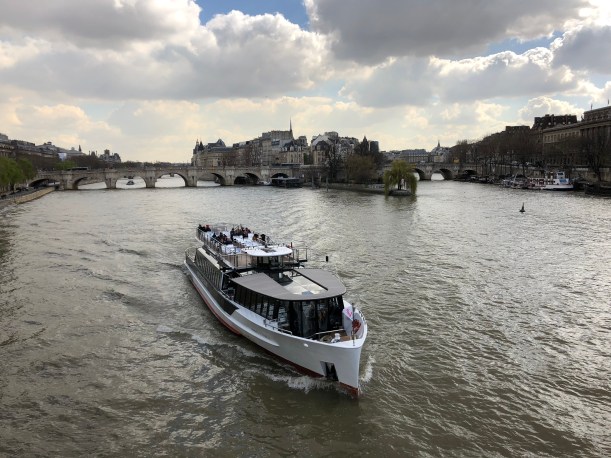
La Seine river
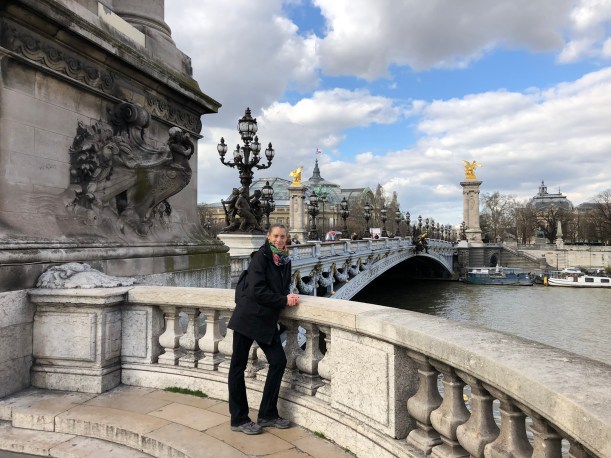
Such a beautiful city to walk
 Brumablog