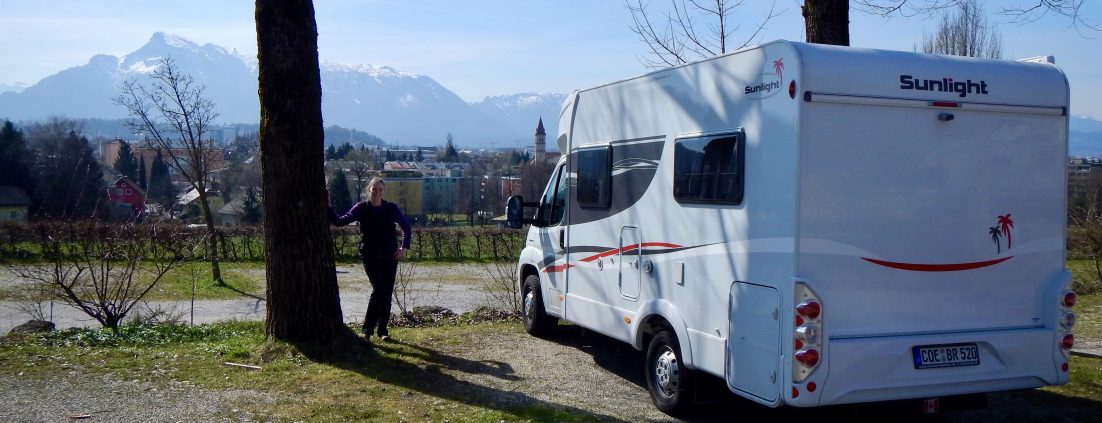
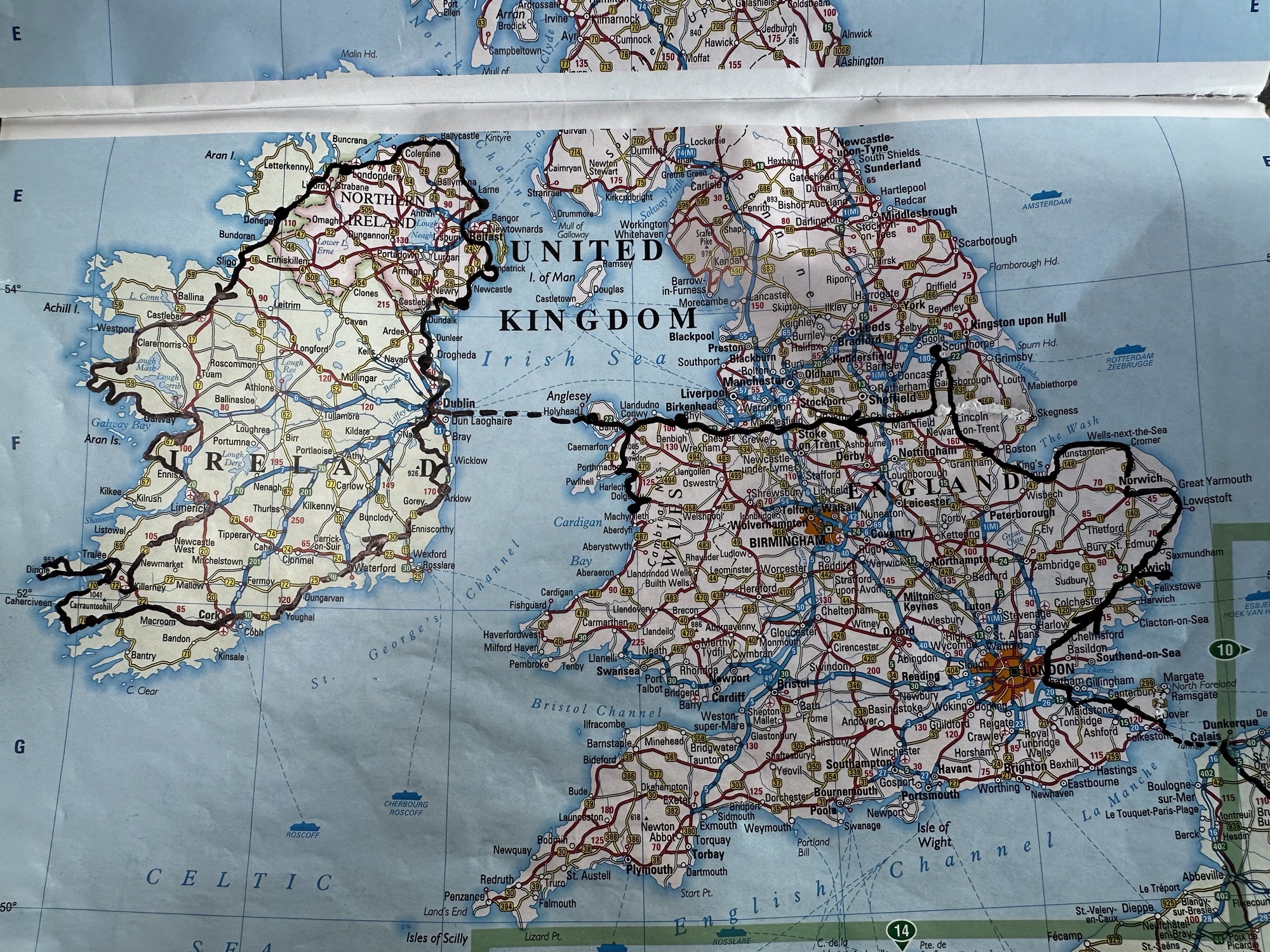
Our decision to make the long drive north for a quick visit to Ireland turned out to be a good one. The return drive was long and faster than our preferred pace of travel but we’ve really enjoyed the two weather perfect weeks we’ve had to circumnavigate this beautiful Island.
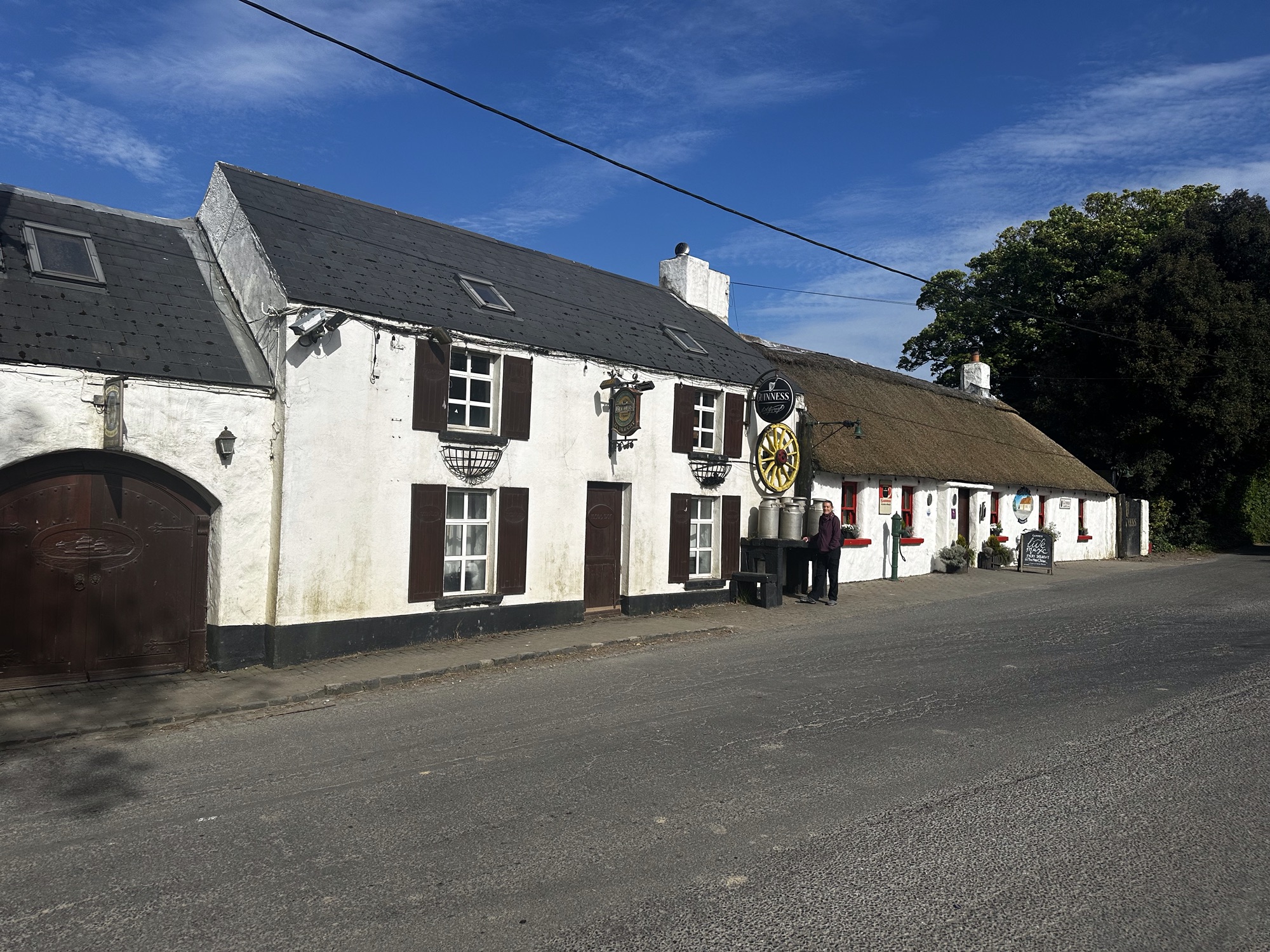
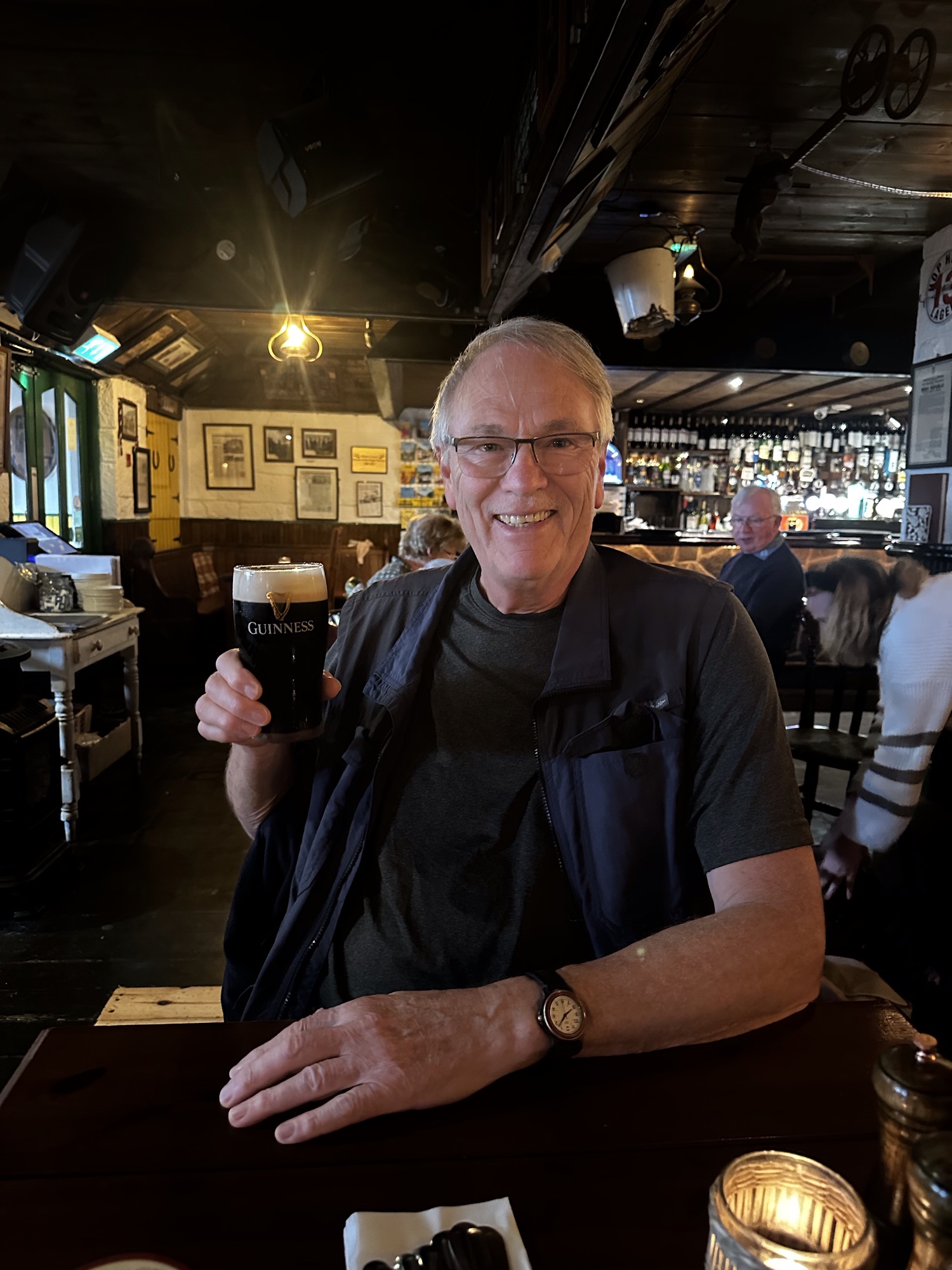
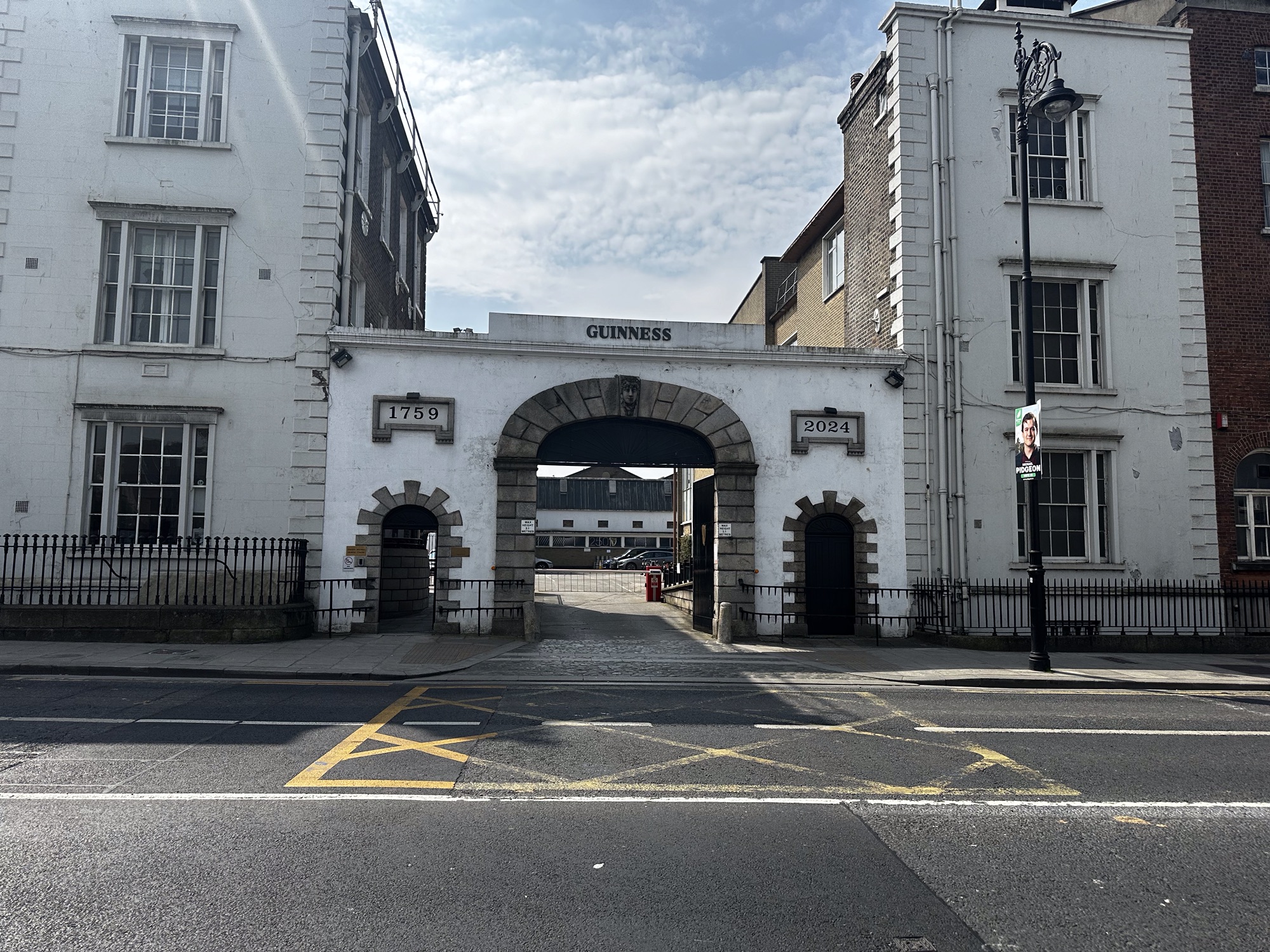
Our first night in Ireland was spent in a Stellplatz at the rear of a fantastic pub just north of Dublin called “MAN O’ WAR”. Established in 1595, it was a great setting to begin our Irish tour and enjoy our first Irish stew and genuine draft Guinness beer.
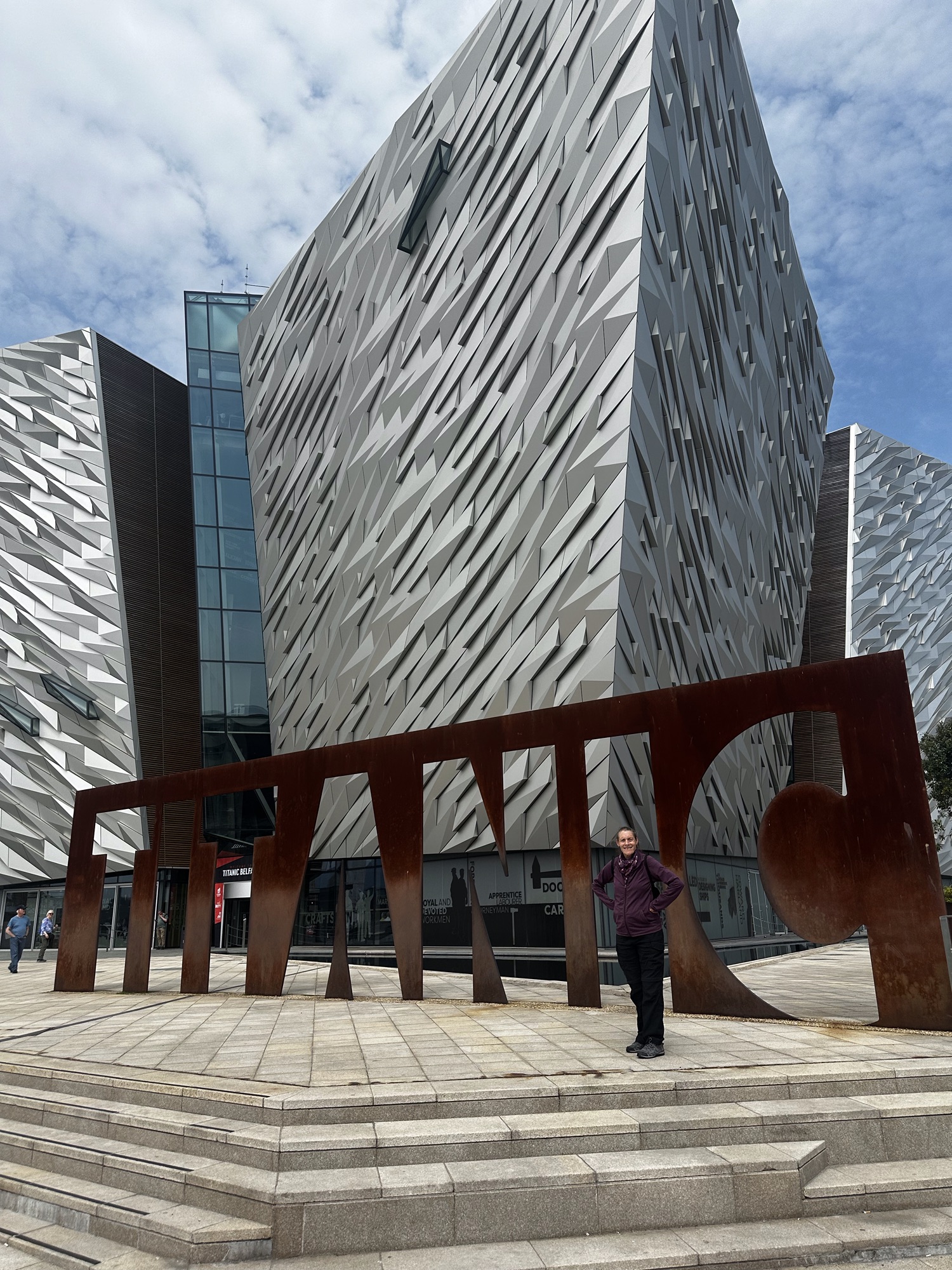
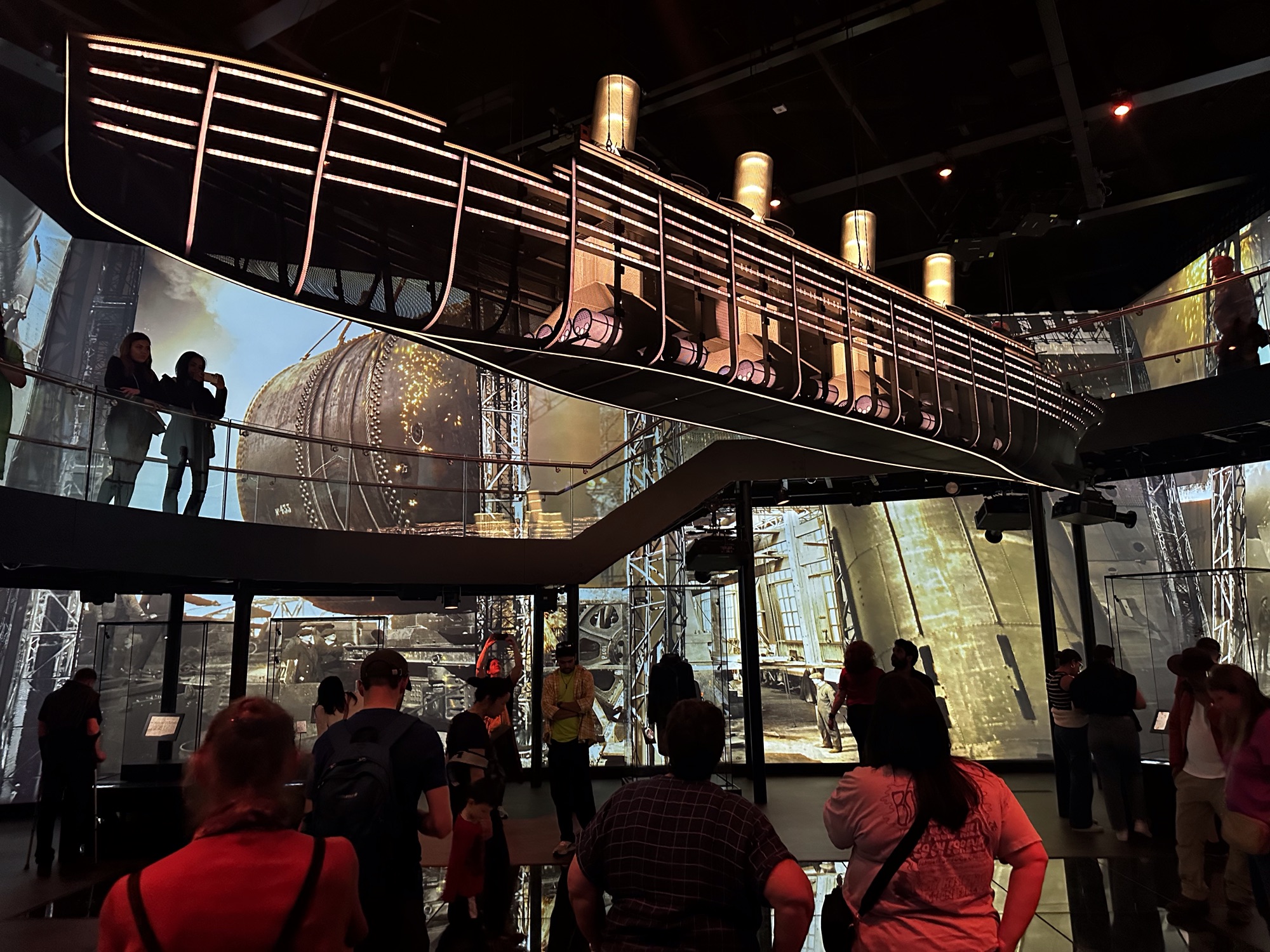
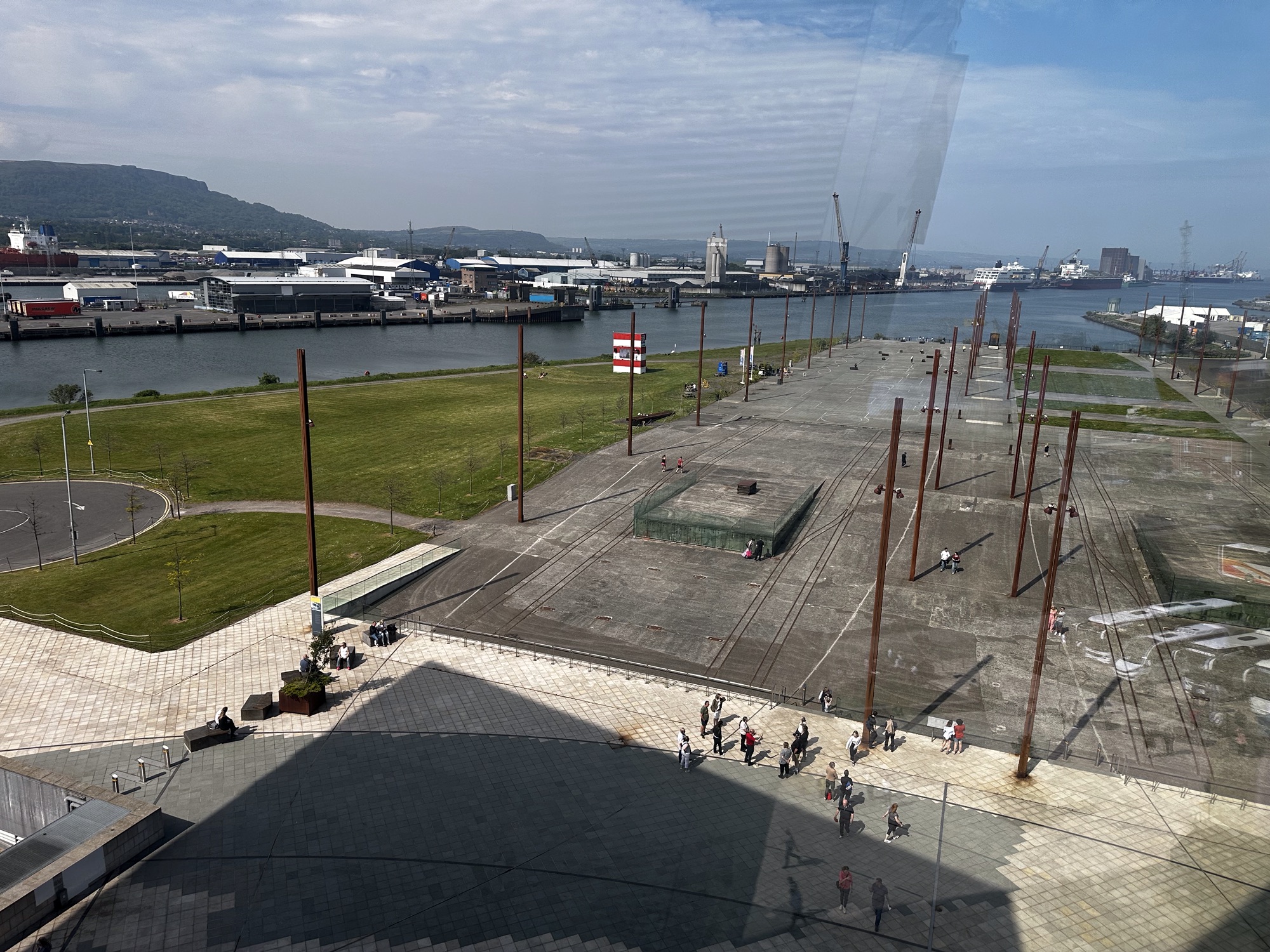
In Belfast, a visit to the new interactive “Titanic Experience” was much more impressive and interesting than expected. It covered the building of the ship by the “White Star” company, the tragic sinking in 1912 and the story of it’s rediscovery in 1985. This large interpretation centre is constructed in the same location that the Titanic was actually built giving the entire experience an added boost of reality.
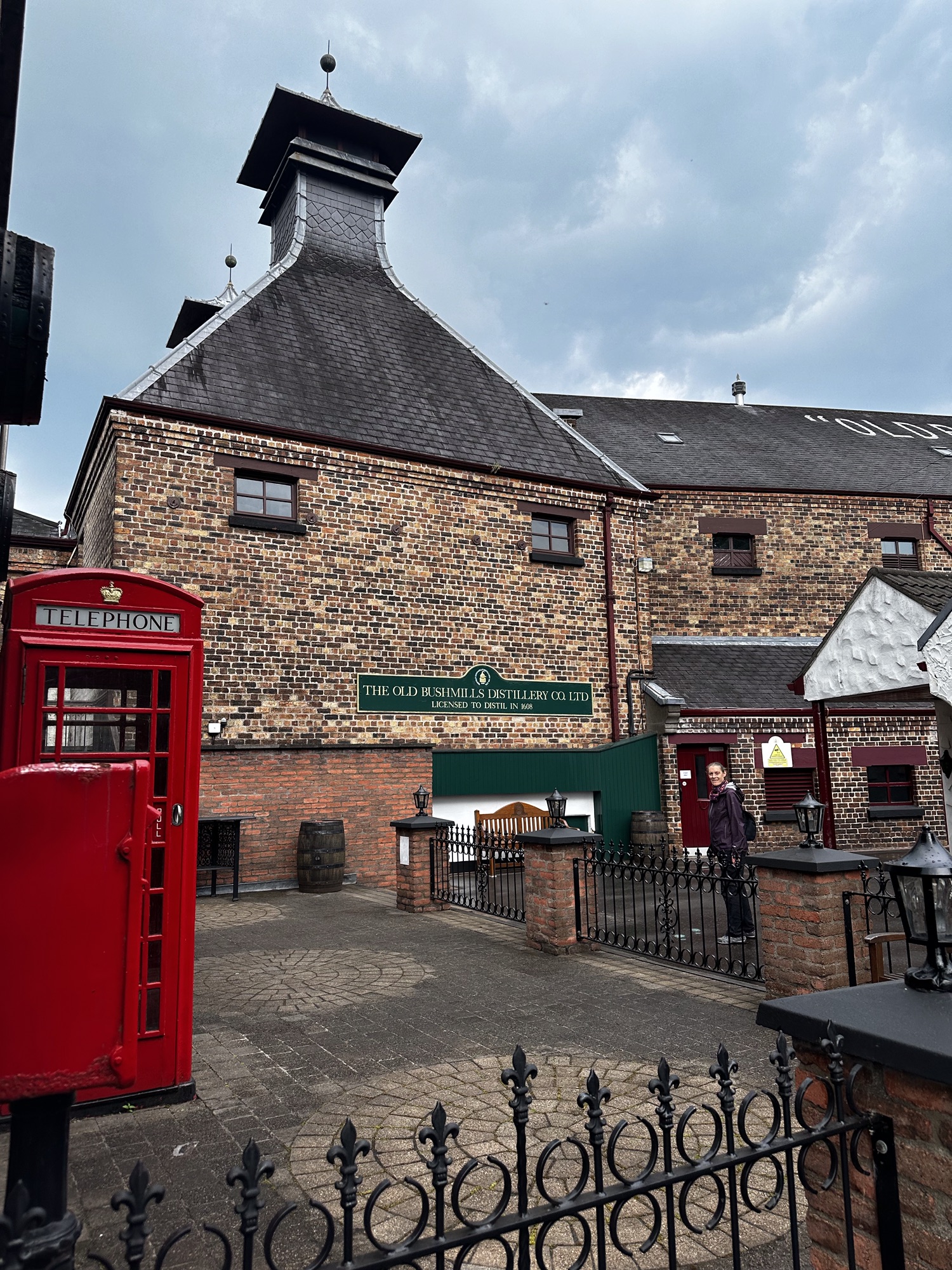
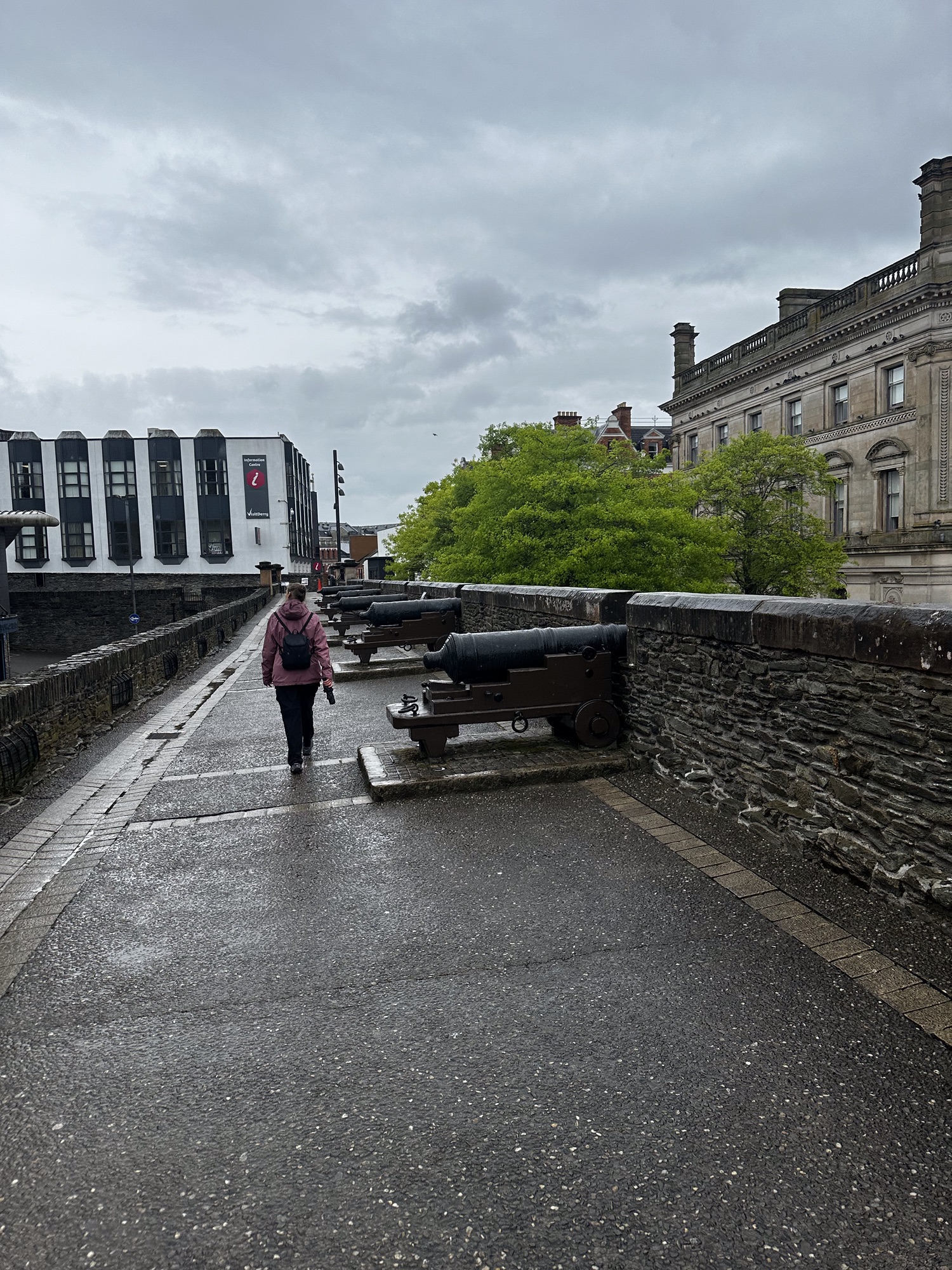
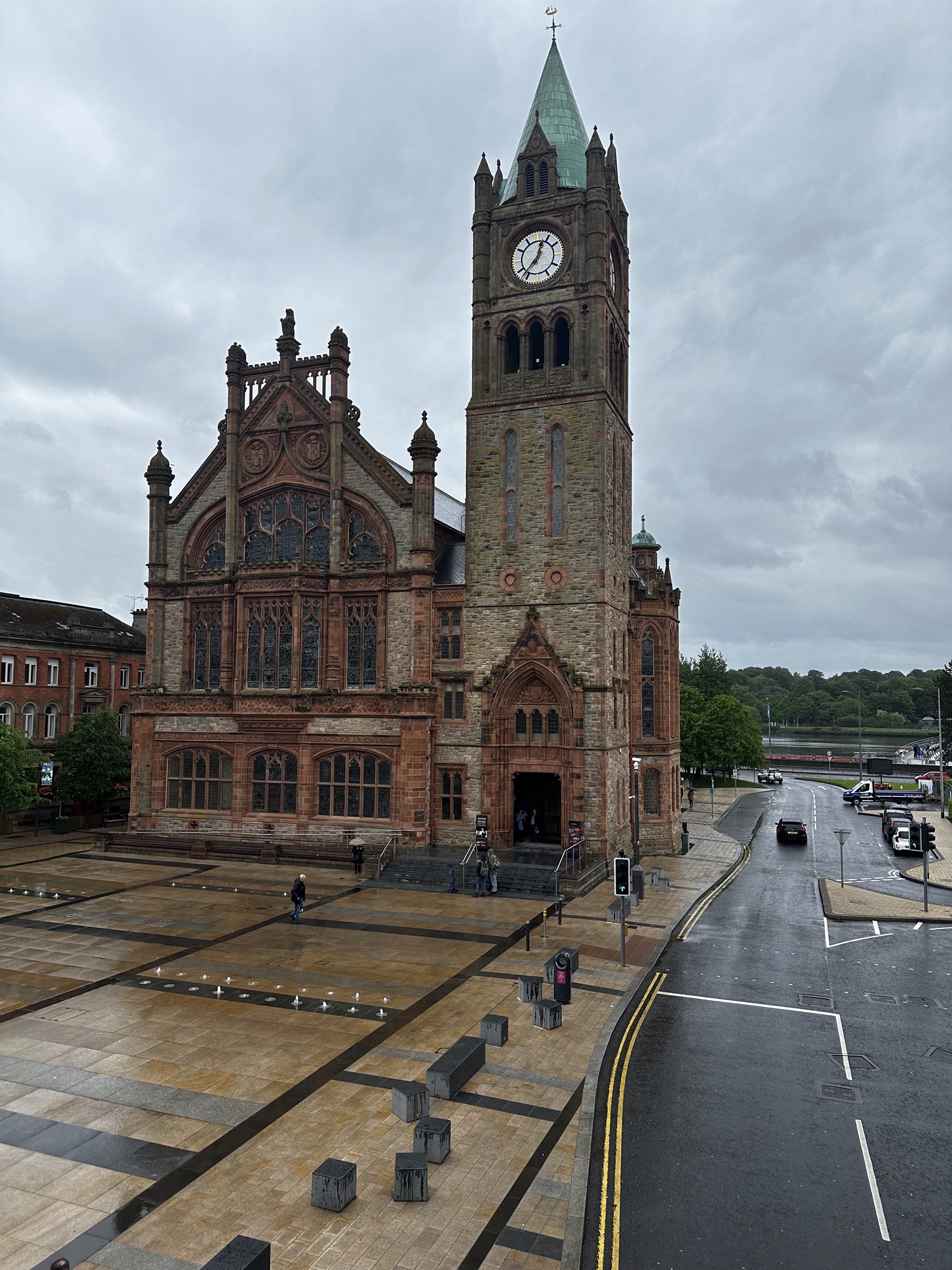
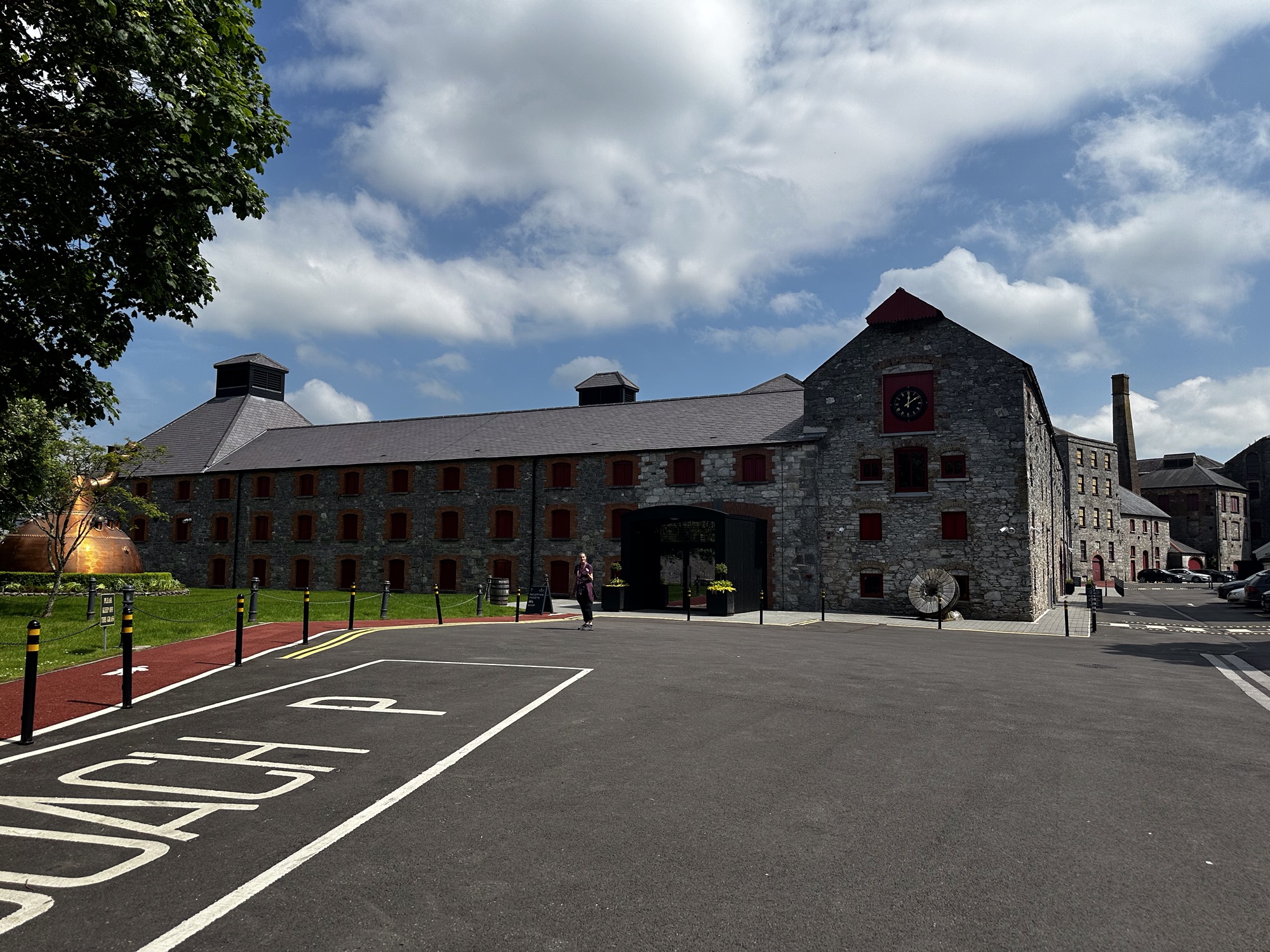
Londonderry, or “Derry”, was a very interesting place. We were impressed with the condition of the old walled city and the friendly nature of the people, the latter of which seemed in contrast to it’s divisive and violent past. As we strolled the area of where the “Bloody Sunday” riot took place in 1972 and visited the onsite museum we struggled with how such a tragic event could have happened amongst neighbours. We soon came to realize that the roots of the “Troubles” are very complex, date back hundreds of years and are not just religious in nature. Unfortunately, as we traveled about, we saw meaningful evidence of this continued division. Hopefully more time and more understanding will eventually smooth things over. On a happier note, we soon found ourselves exploring the first of three Irish Whiskey Distilleries (“Bushmills”) that someone we know well and trust completely, recommended. Very impressive, even for a beer fan.
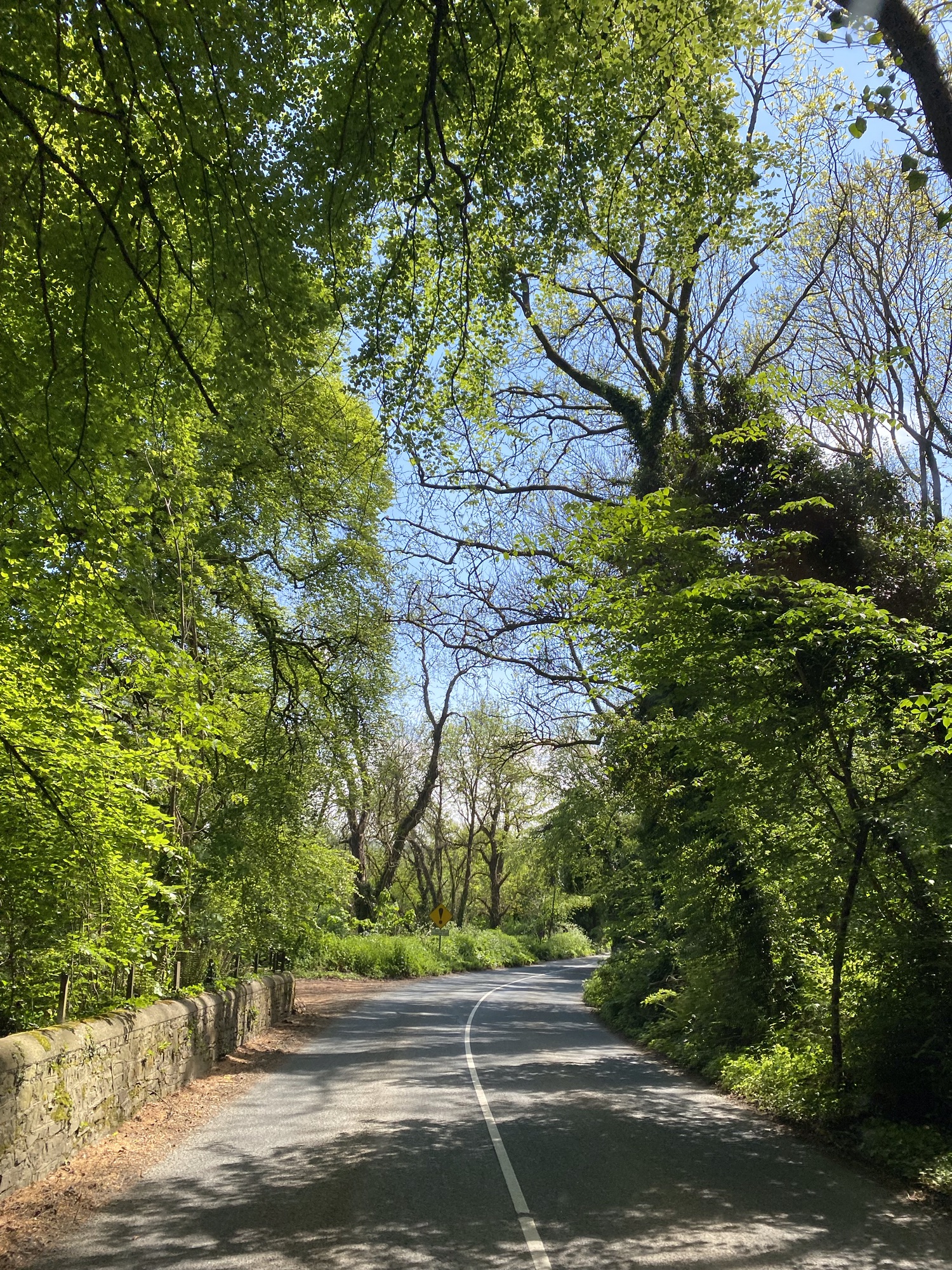
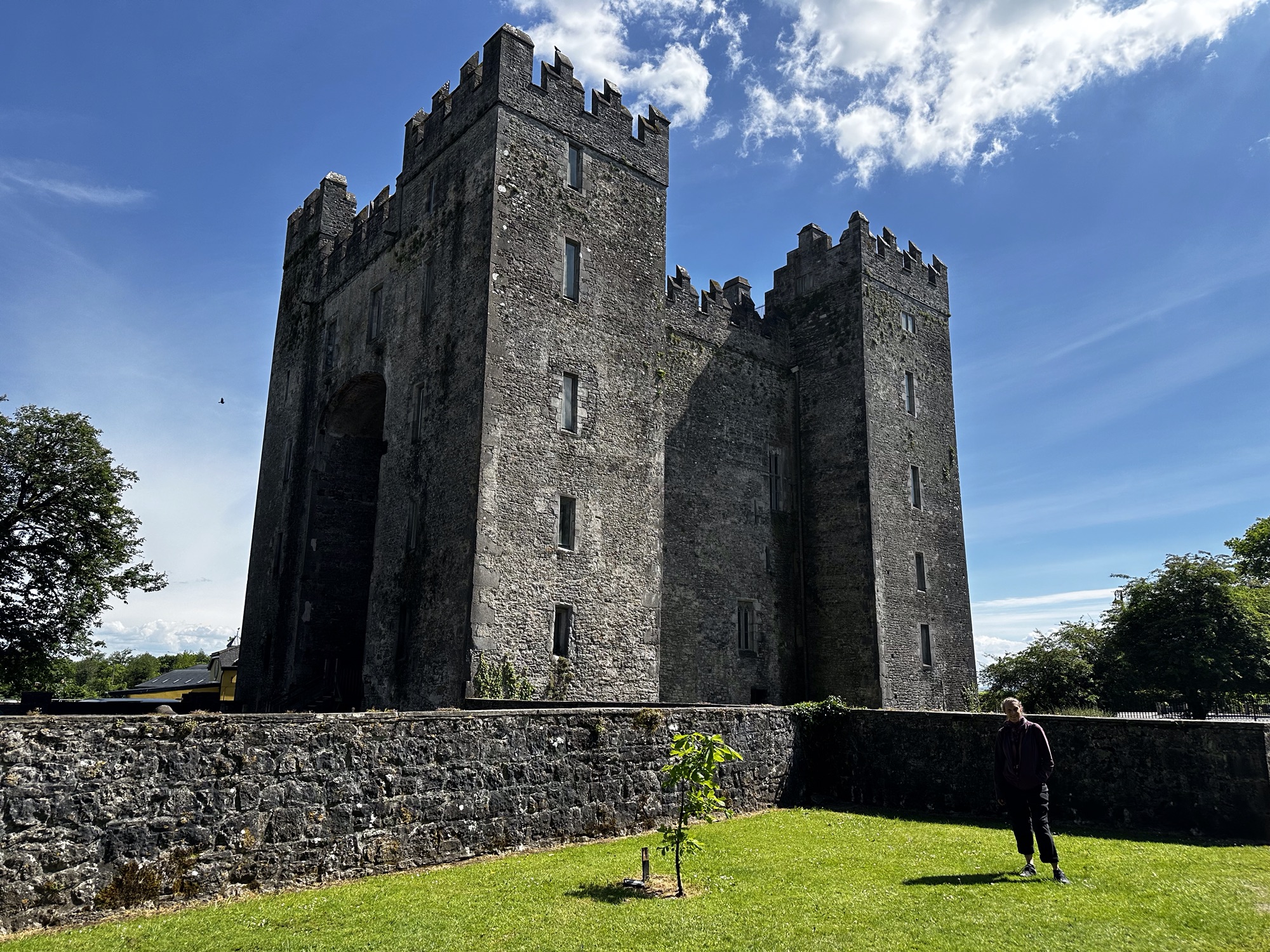
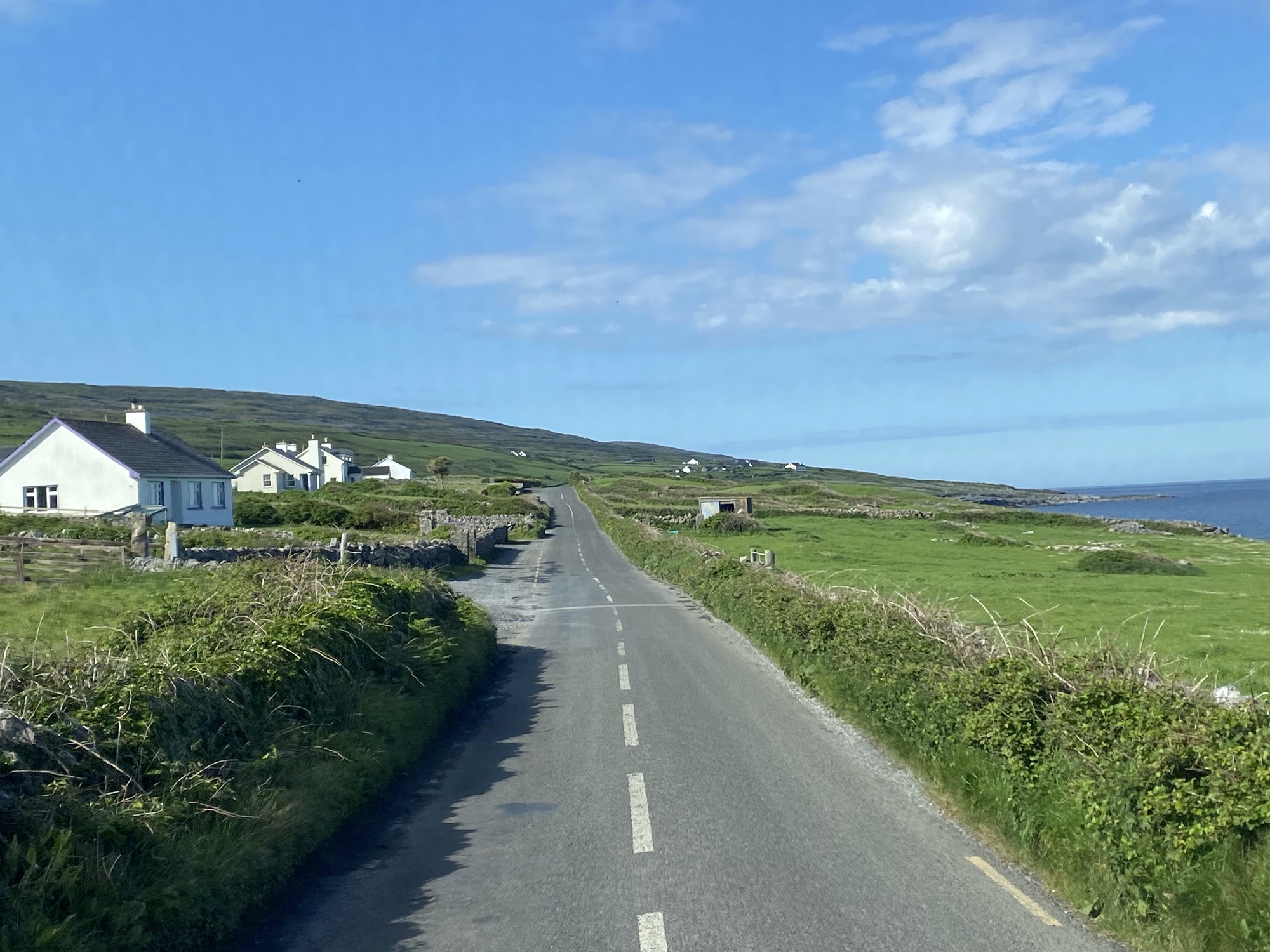
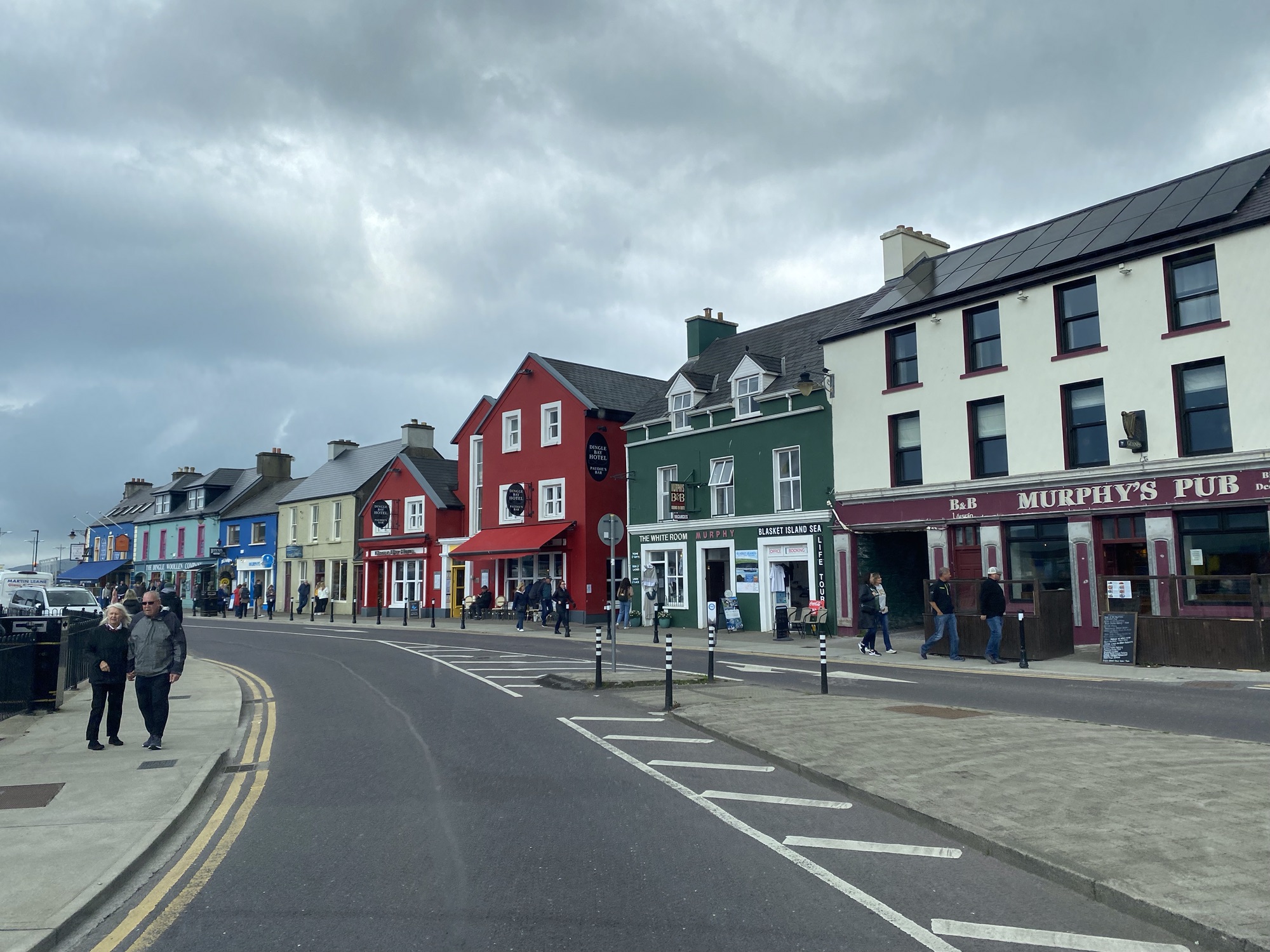
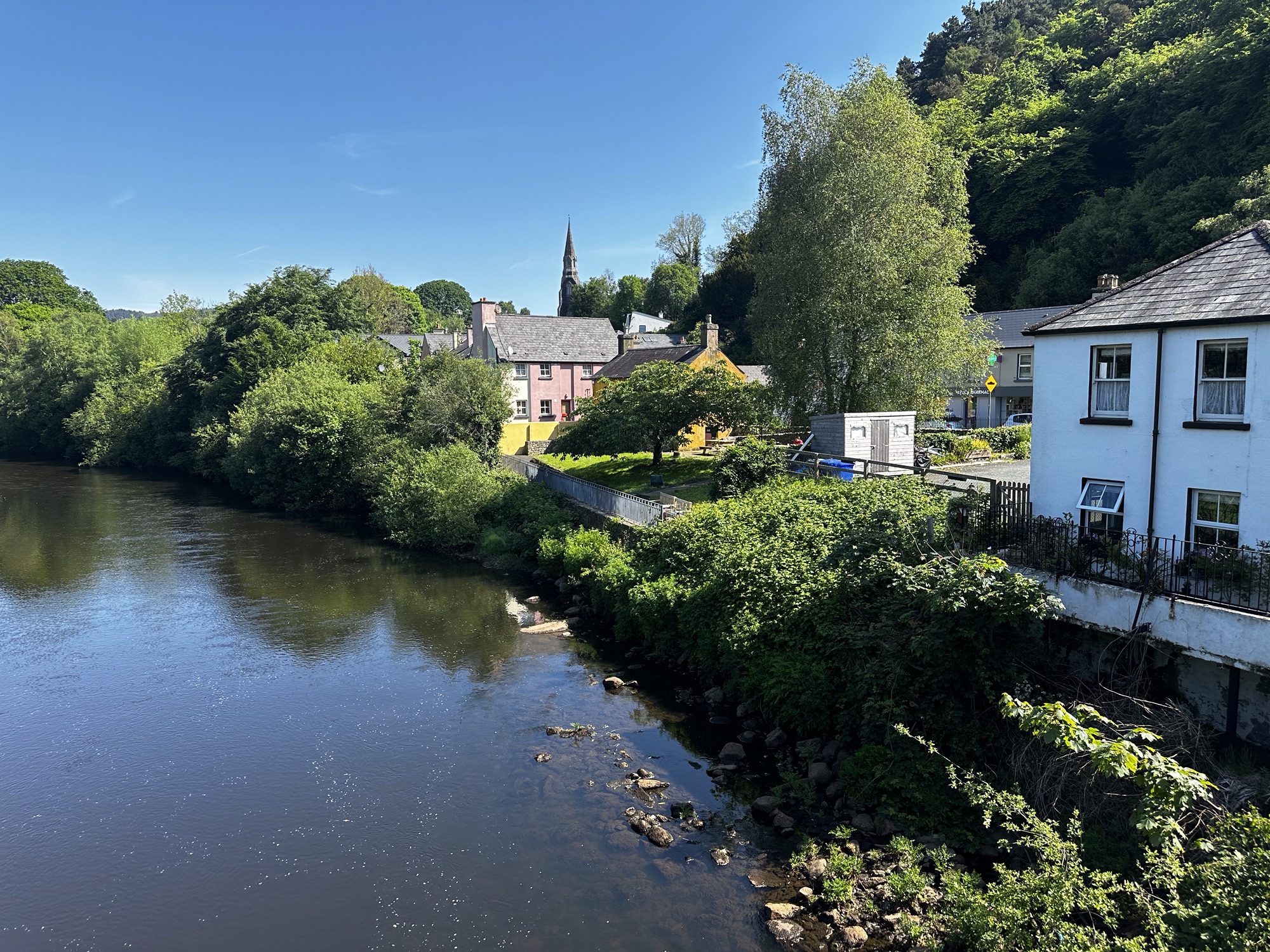
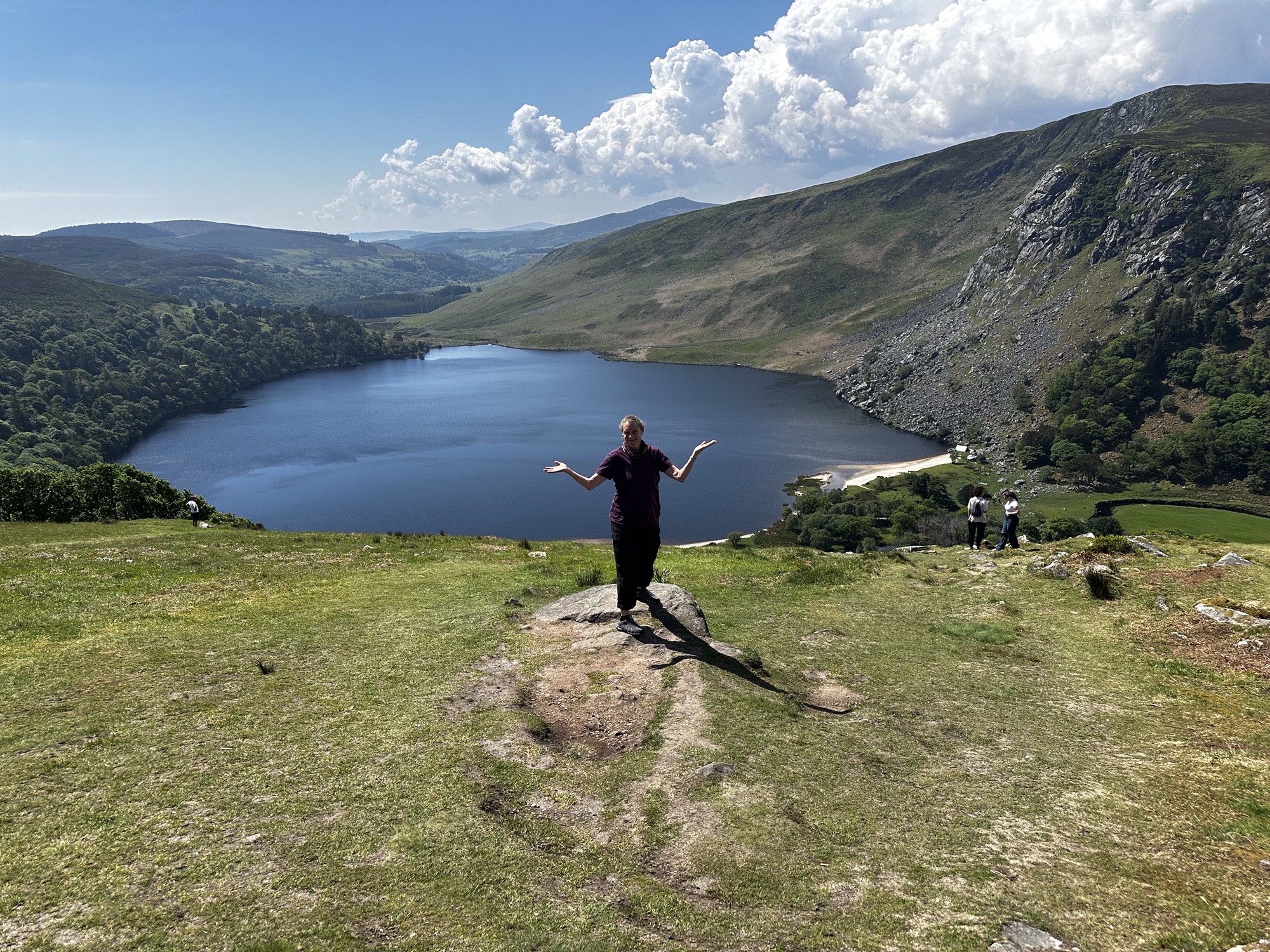
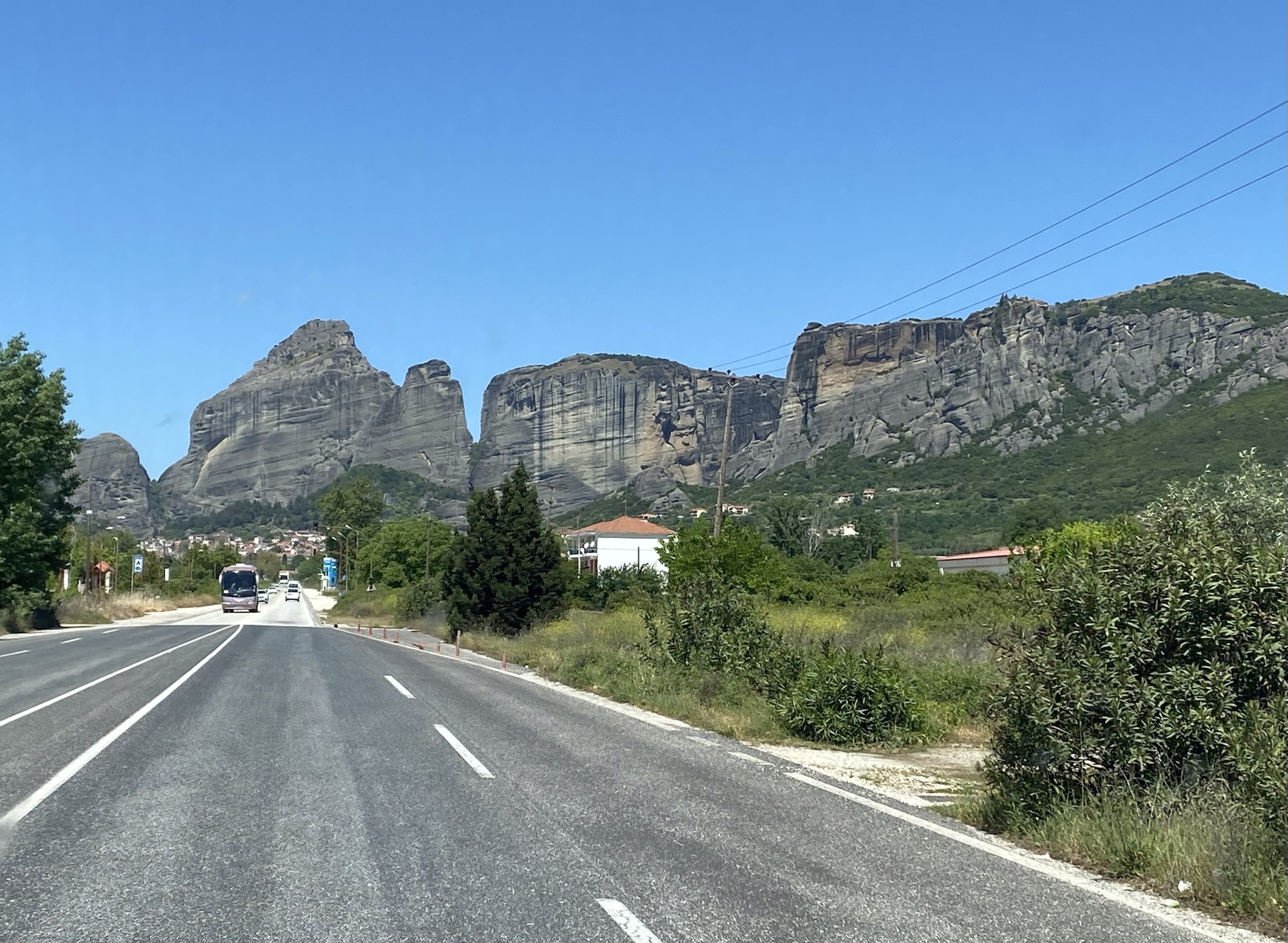
We do enjoy seeing the larger cities and all the major attractions that they possess, but honestly, we now enjoy the rural adventure as much (if not more) than the civic experience. The small towns, incredible landscapes, wonderful people and amazing things we’ve seen and done along the way have provided us with many of our top notch memories. As we drive along some of these winding roads with stunningly beautiful things to look at I often think that it’s like driving through a giant interactive art museum.
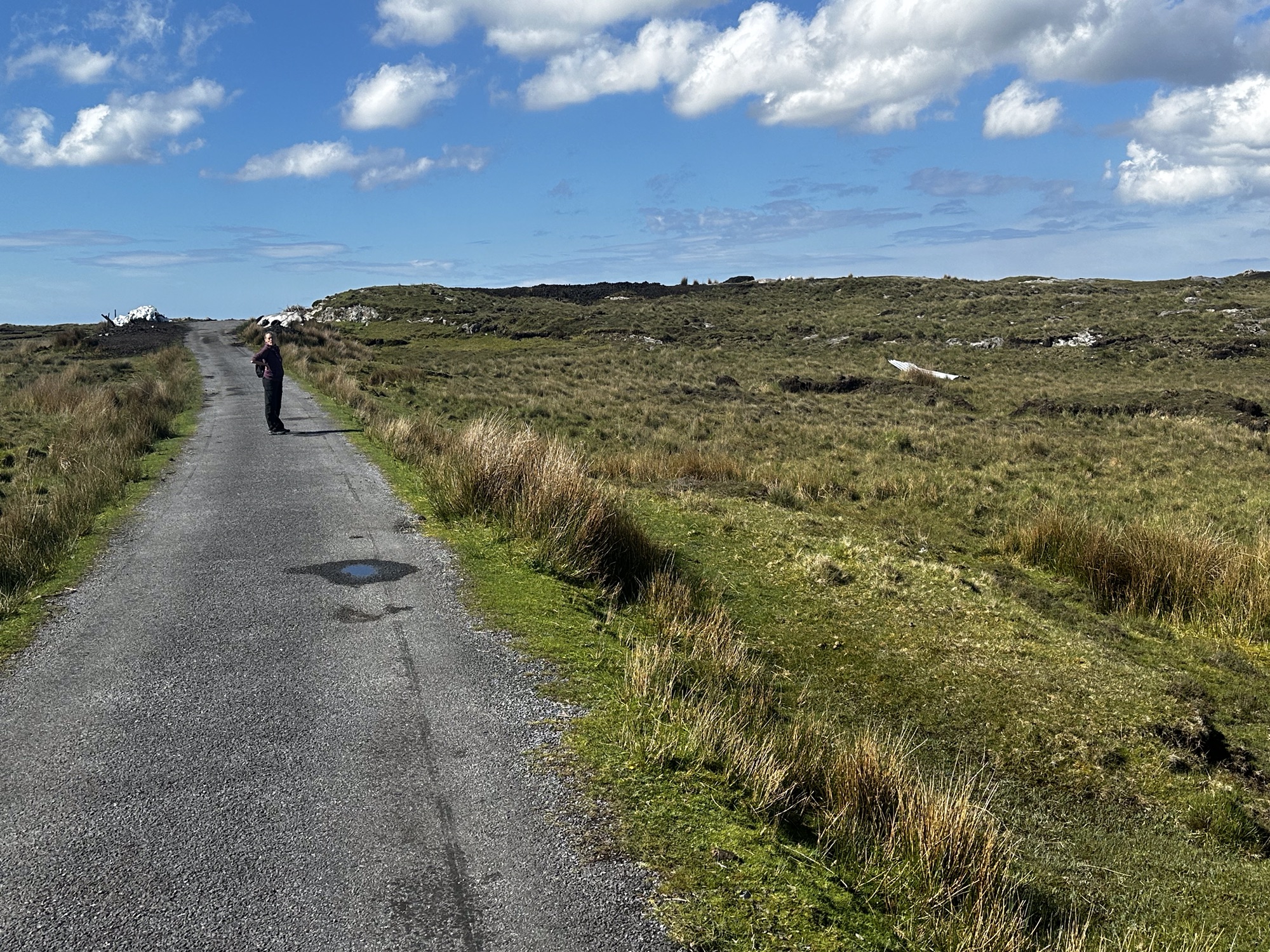
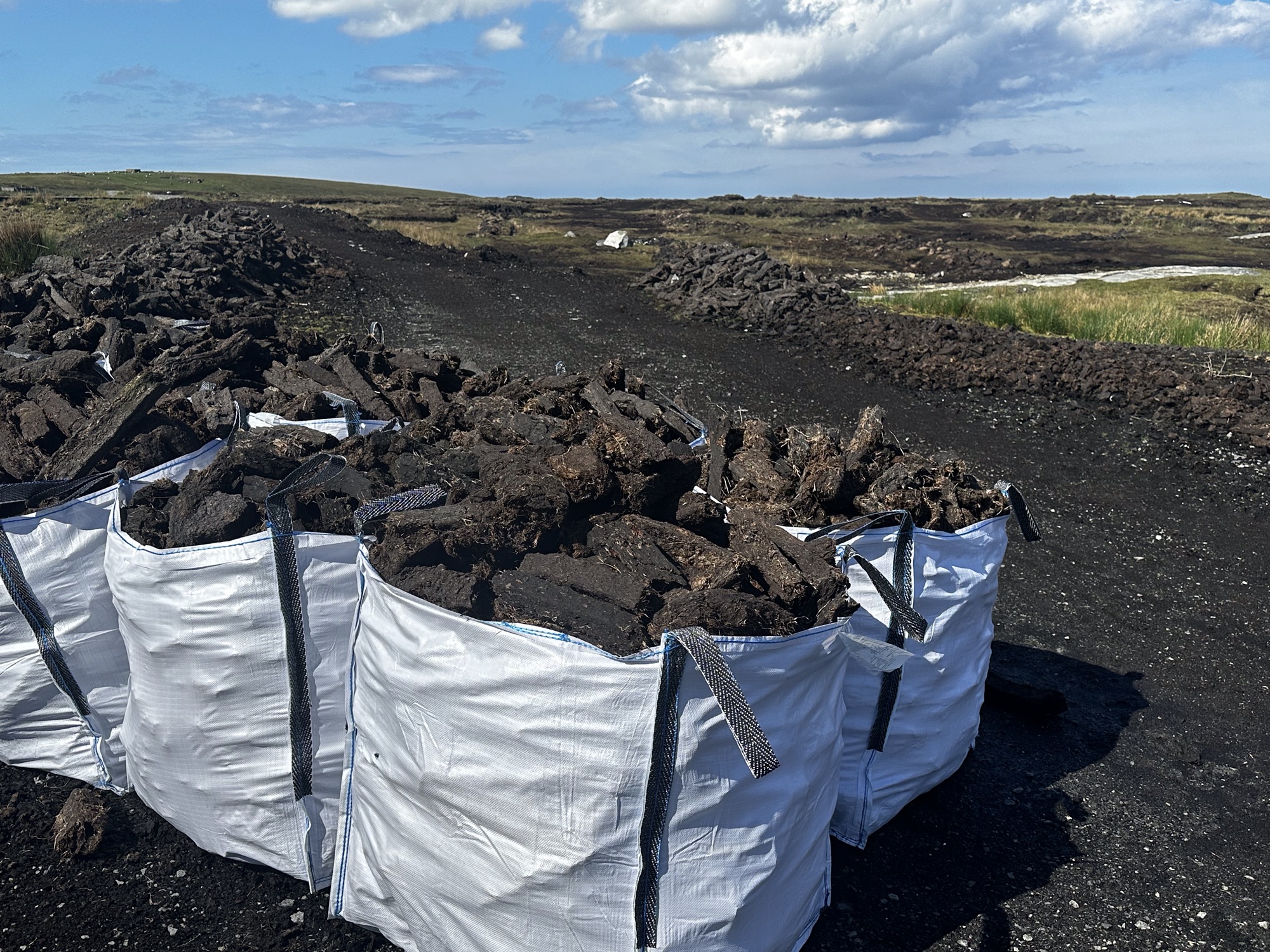
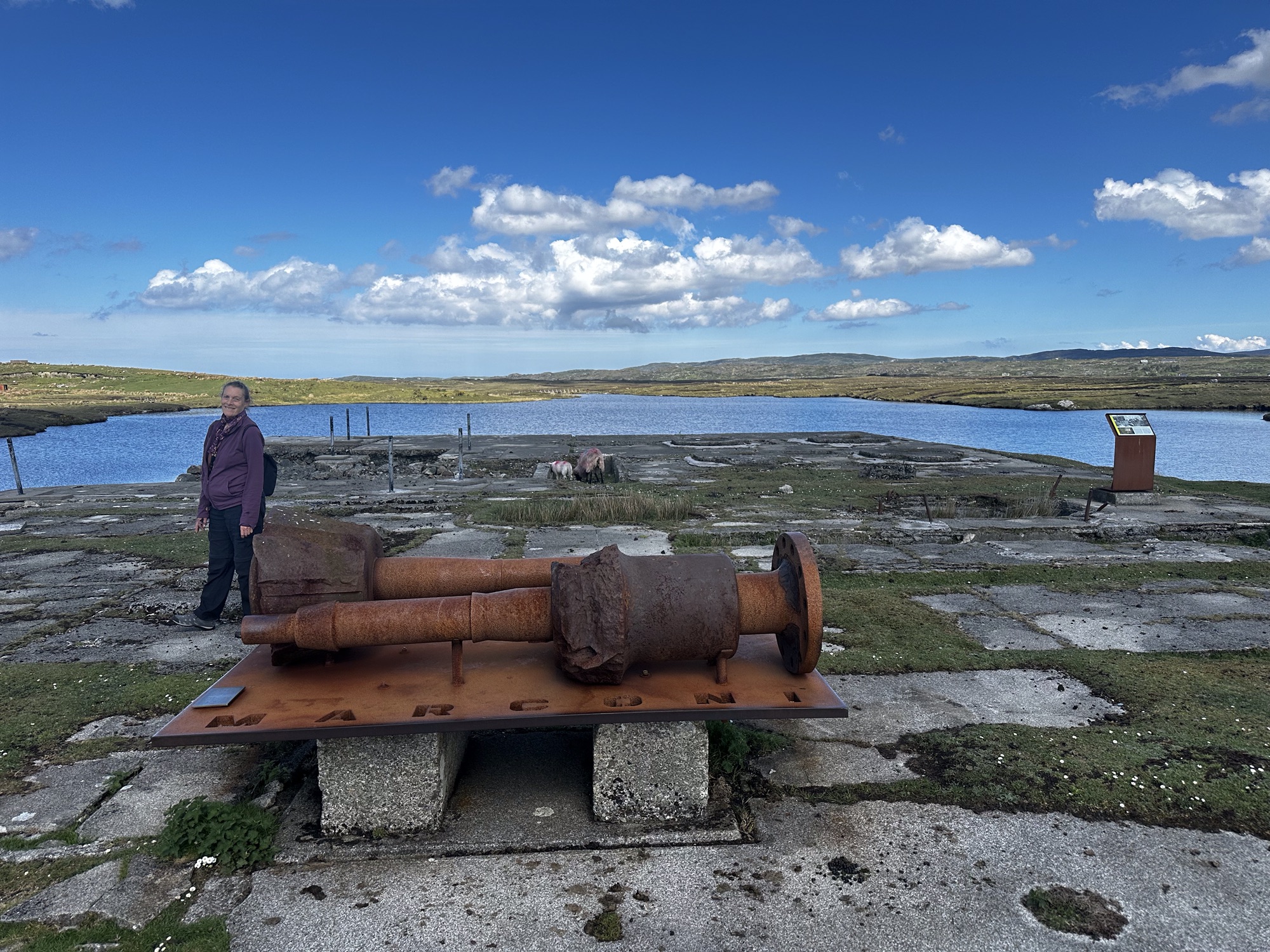
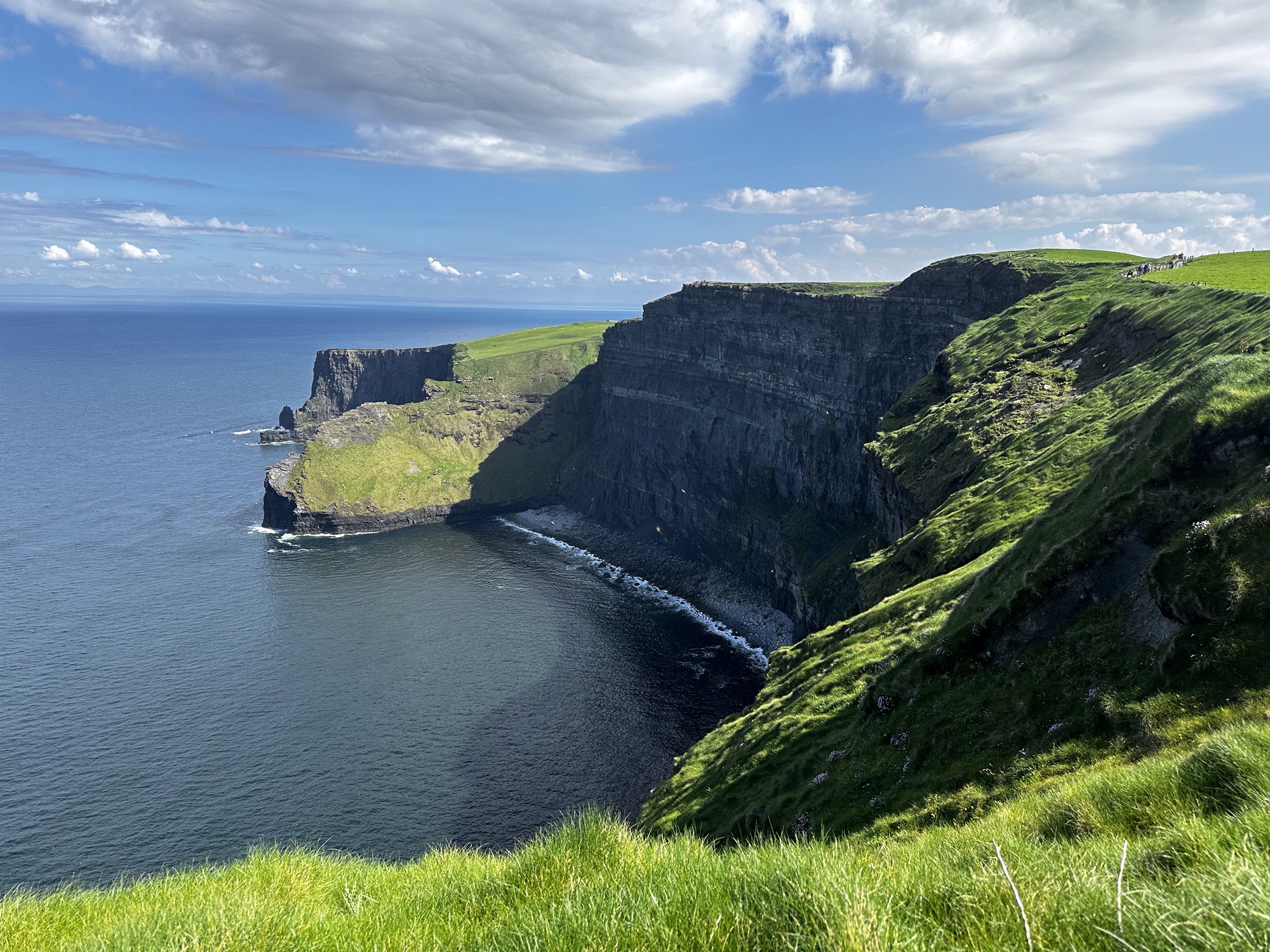
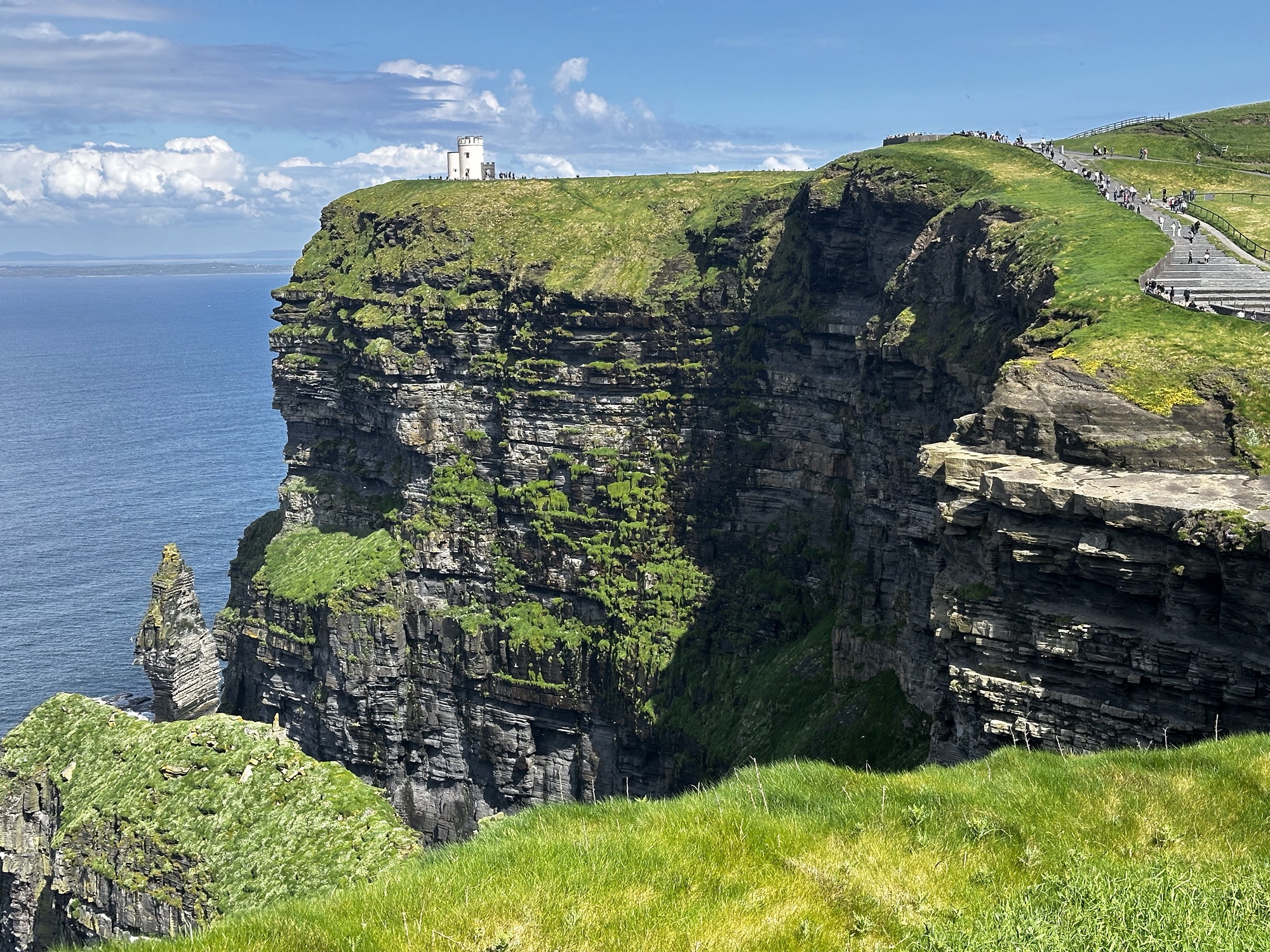
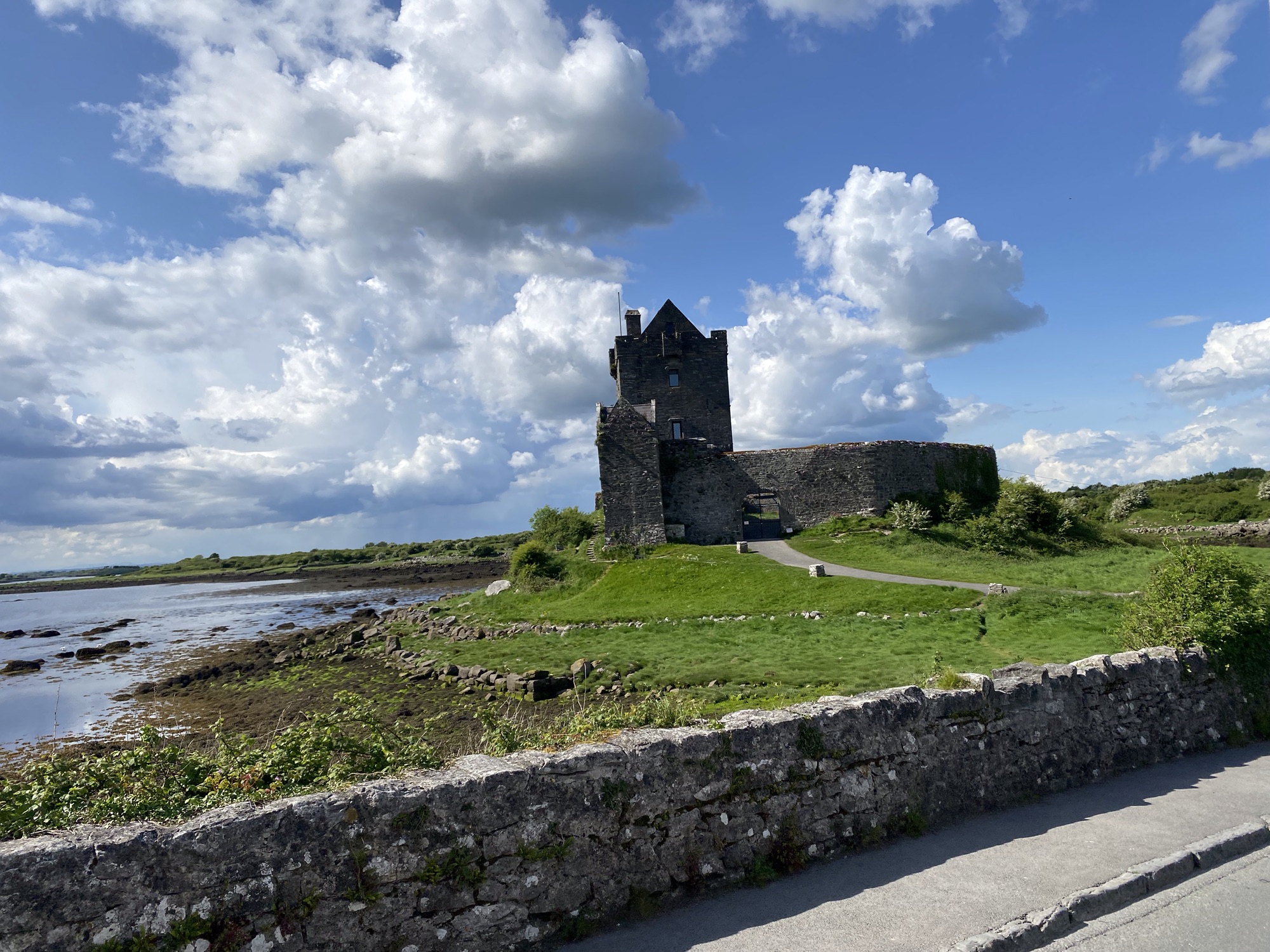
Circumnavigating Ireland is a good example of that rural traveling experience. We saw miles of amazing coastal landscape with significant historical and natural importance, sites such as the “Cliffs of Moher”. They’re the biggest tourist attraction in Ireland and draw a million and a half visitors a year to peer over the edge of those magnificent cliffs. We arrived on a slow day so there were only about thirty busses in the bus parking lot at any given time. The cliff’s are very impressive and definitely worth a visit. One of my favourite destinations, not as well known and definitely not as busy, was near Clifden, Ireland. This is the location of two incredible human accomplishments. In 1907, on a huge peat bog, inventor Guglielmo Marconi built his first commercial transatlantic wireless transmission station and this massive complex structure opened the door for modern long distance radio communication. Marconi is considered the father of wireless communication and this is where the telecommunications industry got it’s start.
As a little side note… Marconi had passage booked on the Titanic but changed his mind and sailed three days earlier on a different boat (Lusitania) because that boat had a better public stenographer. Later, Marconi was given credit, and recognition, for saving the lives of those rescued from the Titanic because it was his radio transmission station and technology that sent rescue ships to the aid of those 705 surviving Titanic passengers.
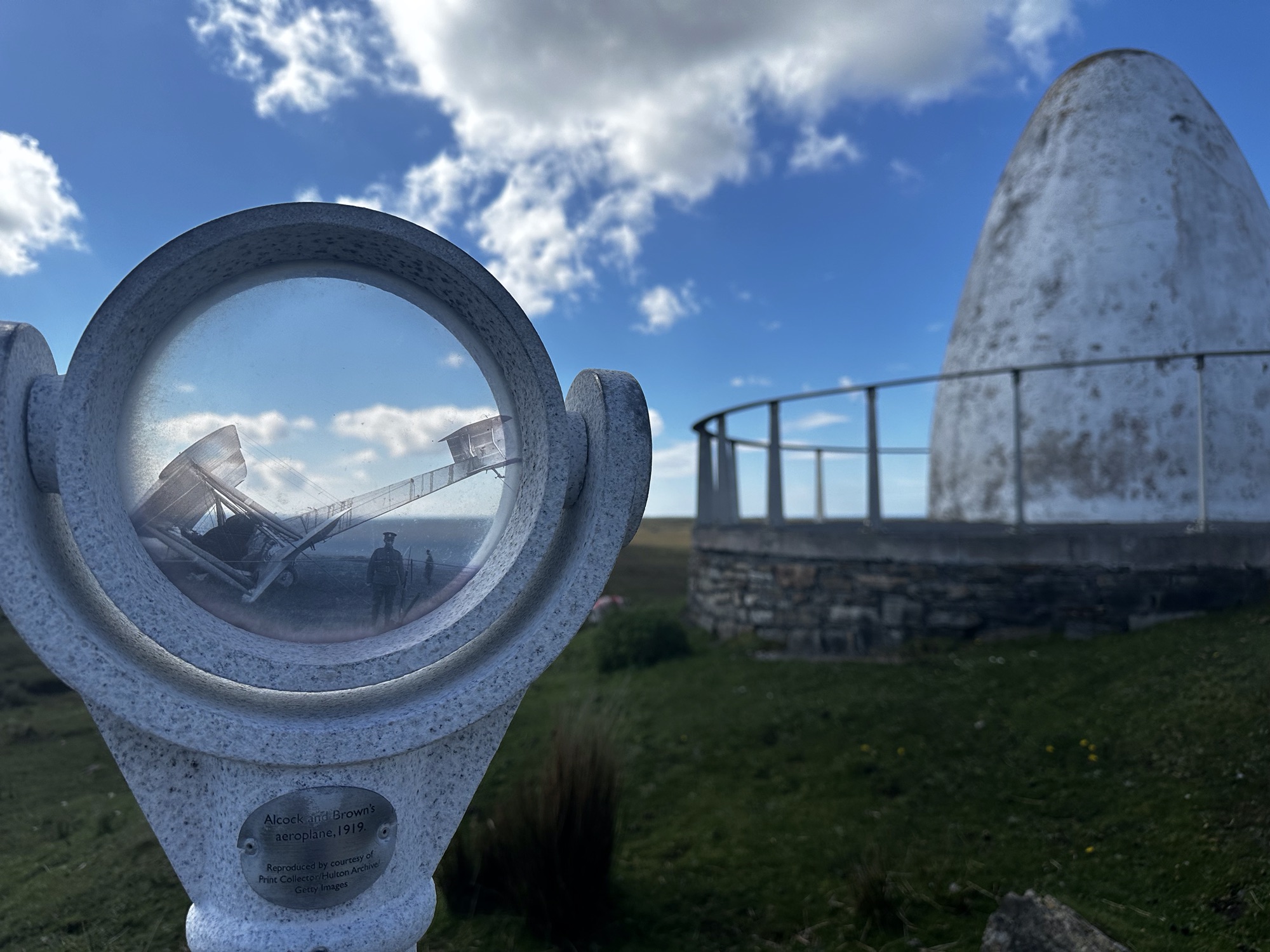
The second claim to fame for this historically famous and isolated peat bog near Clifden deals with the aviation industry. This is the actual landing location of the very first non-stop transatlantic flight. British aviators John Alcock and Arthur Brown landed (crashed) there biplane here in 1919 after a 72 hour transatlantic crossing from St. John’s Newfoundland. Just consider how far the aviation industry has come in only one hundred years.
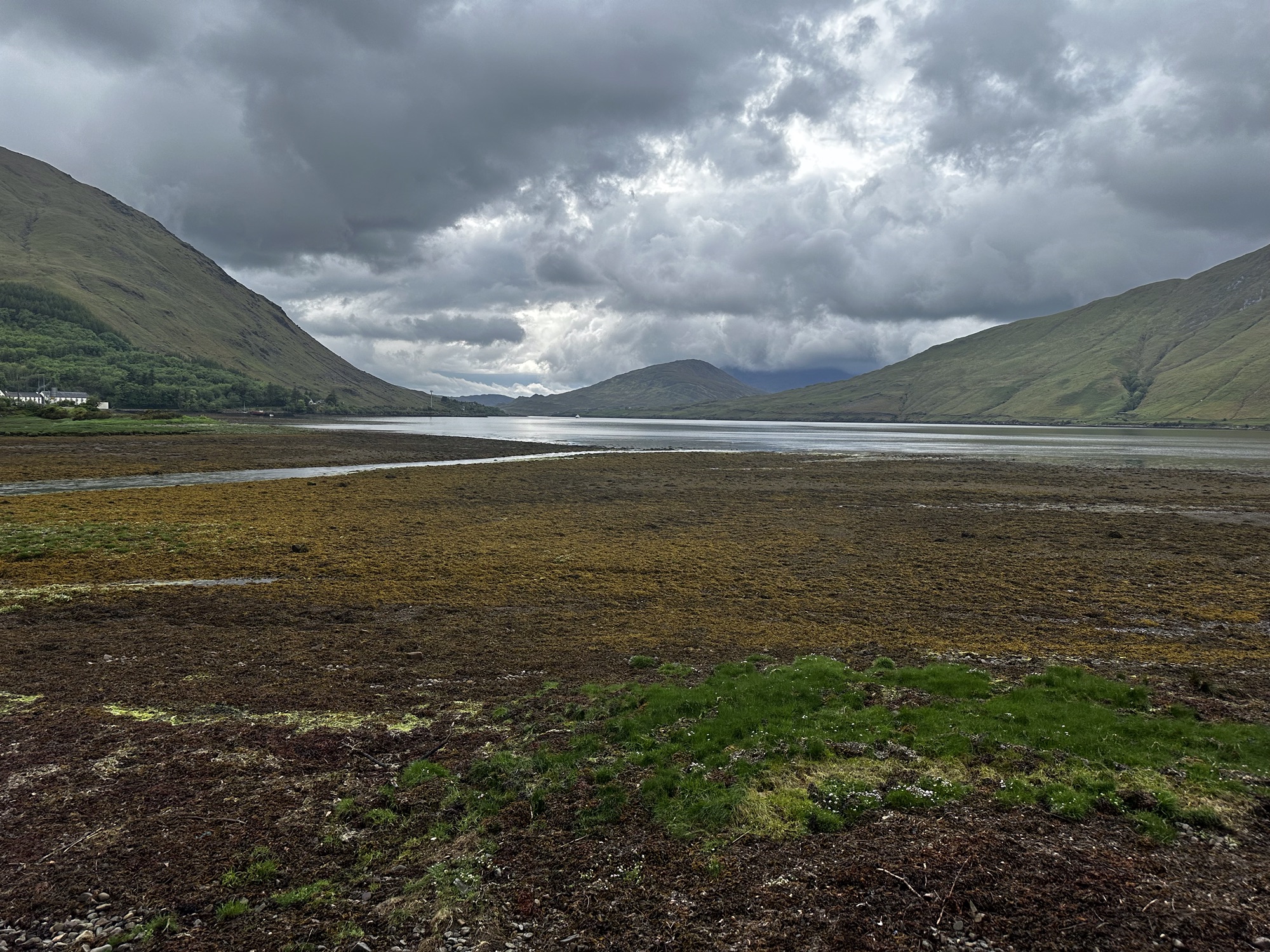
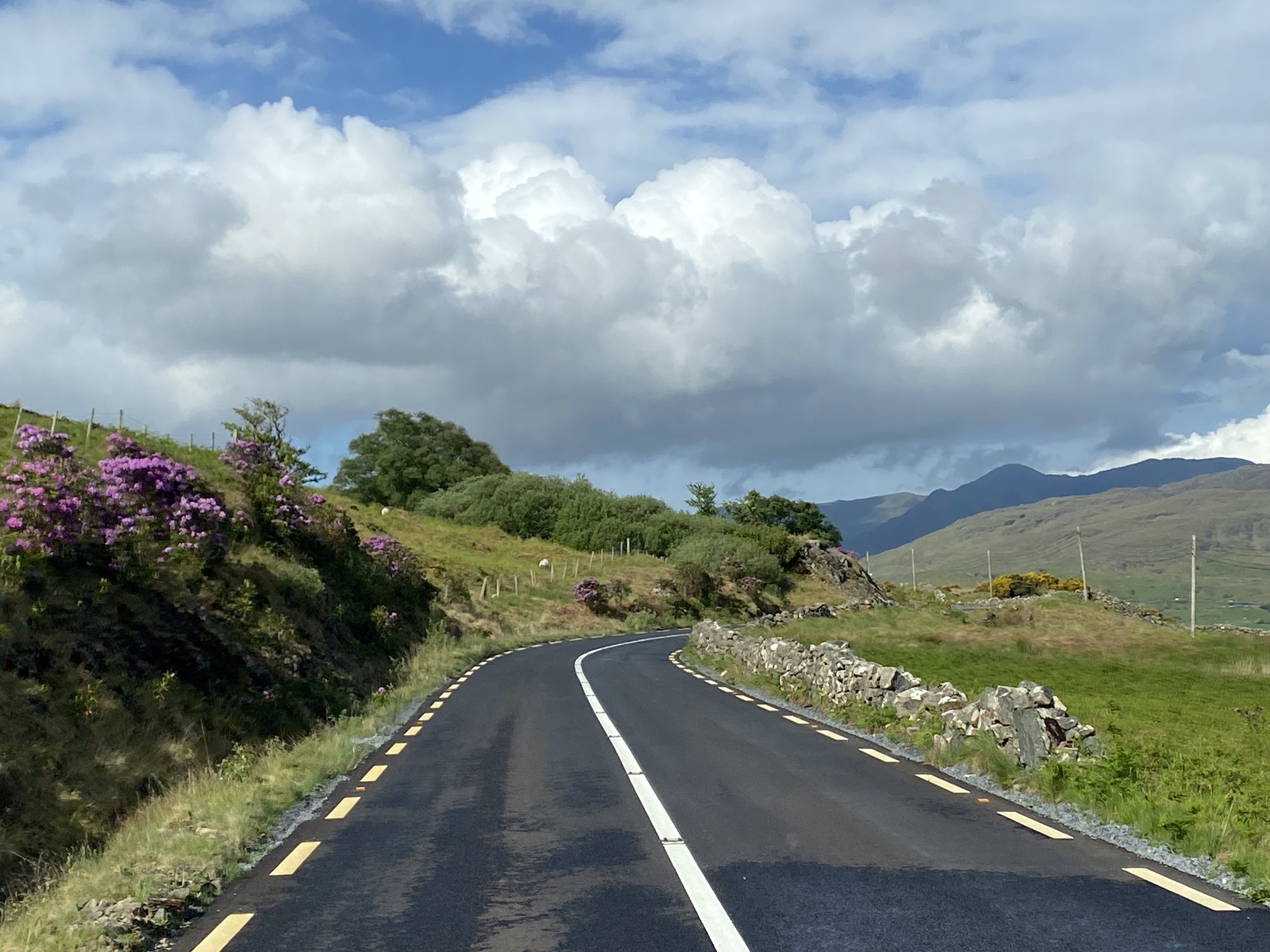
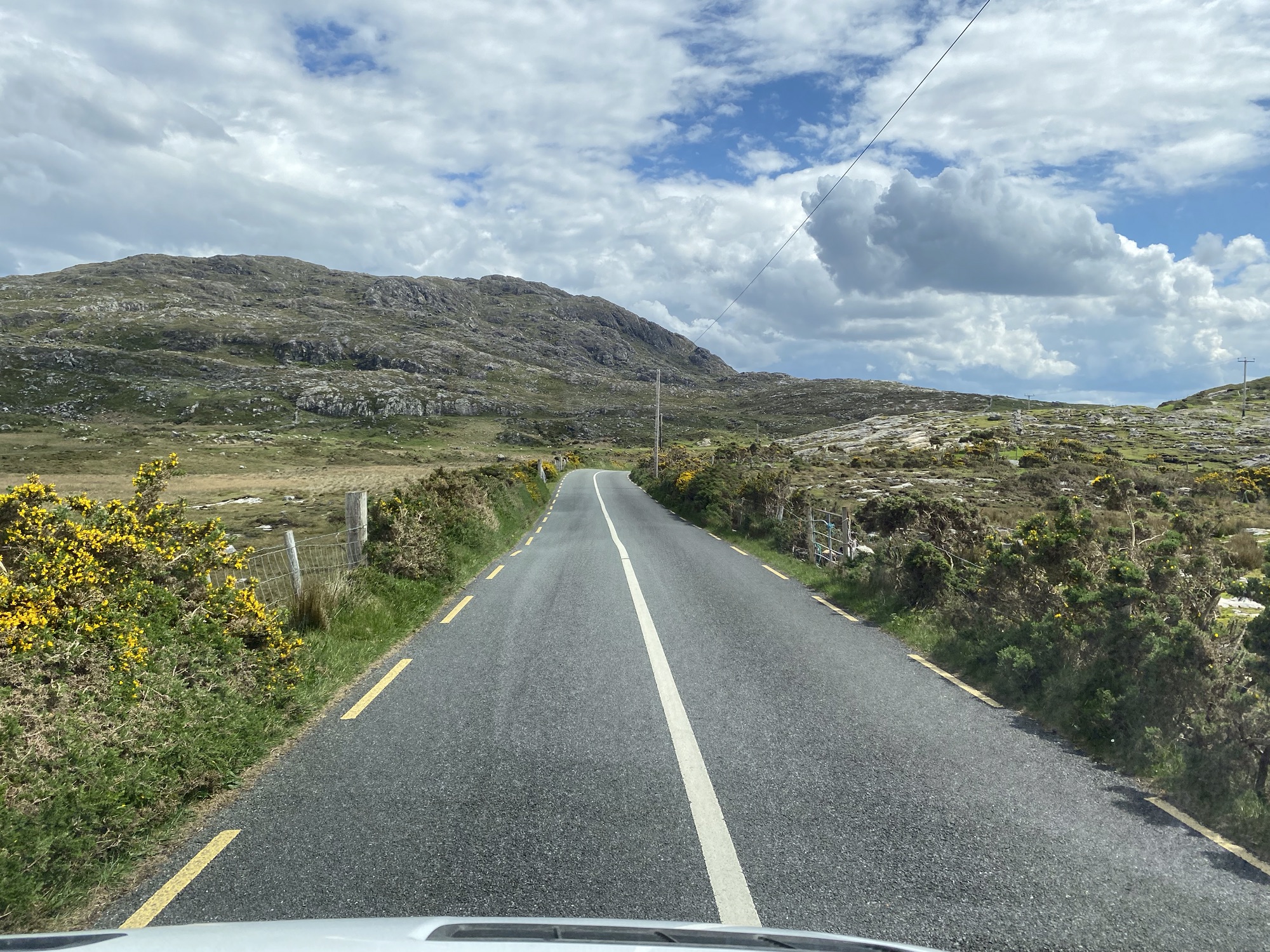
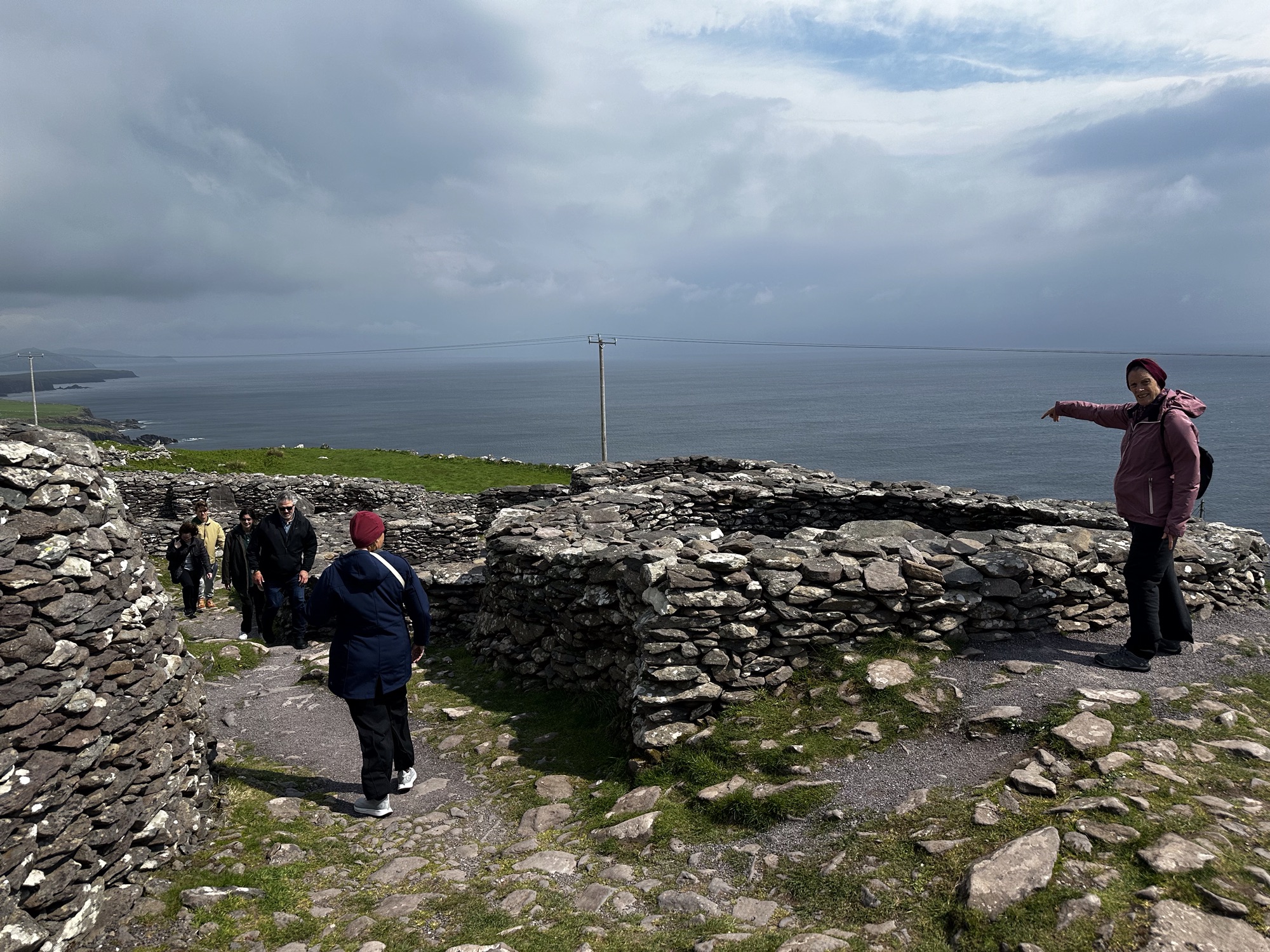
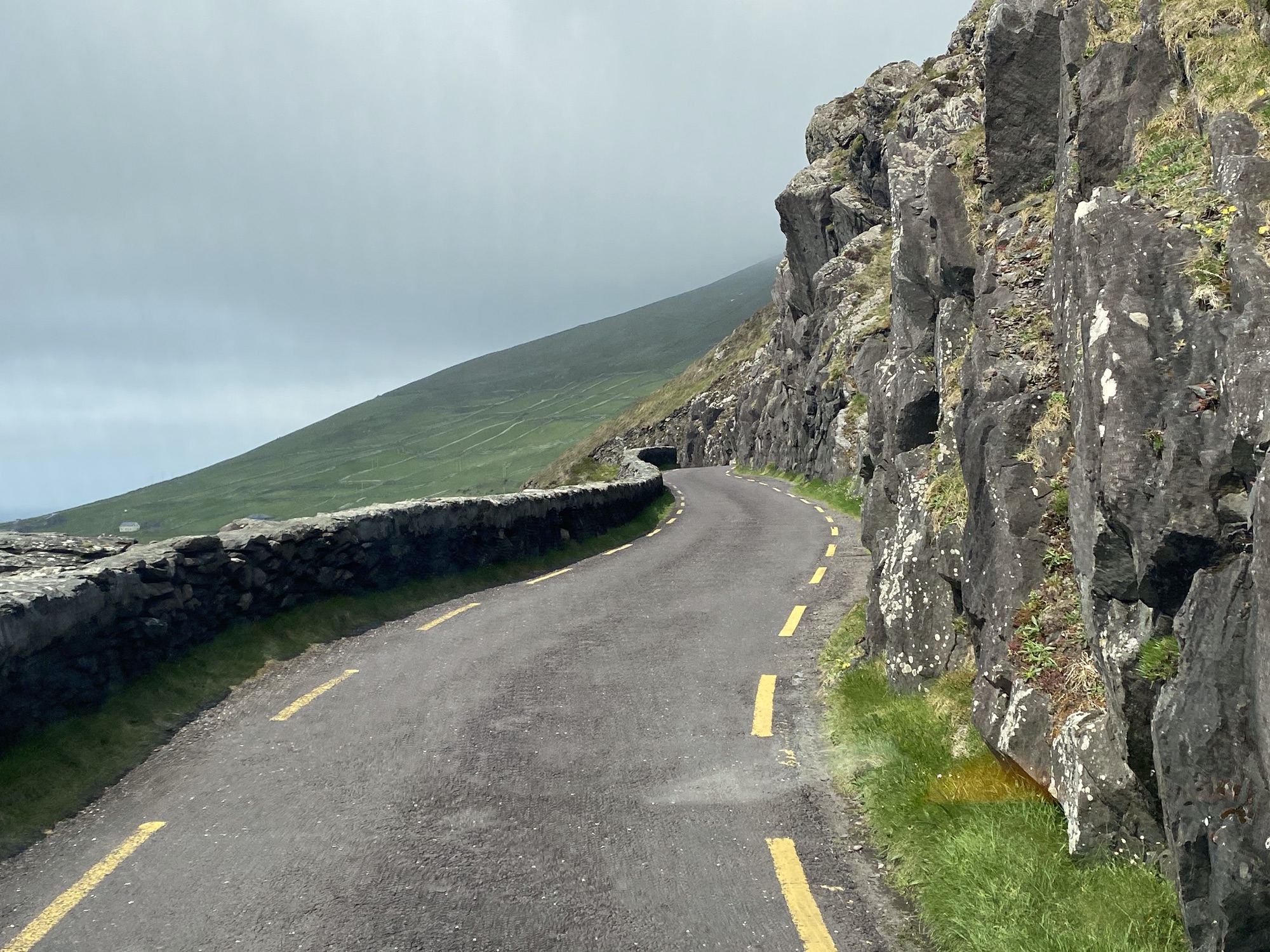
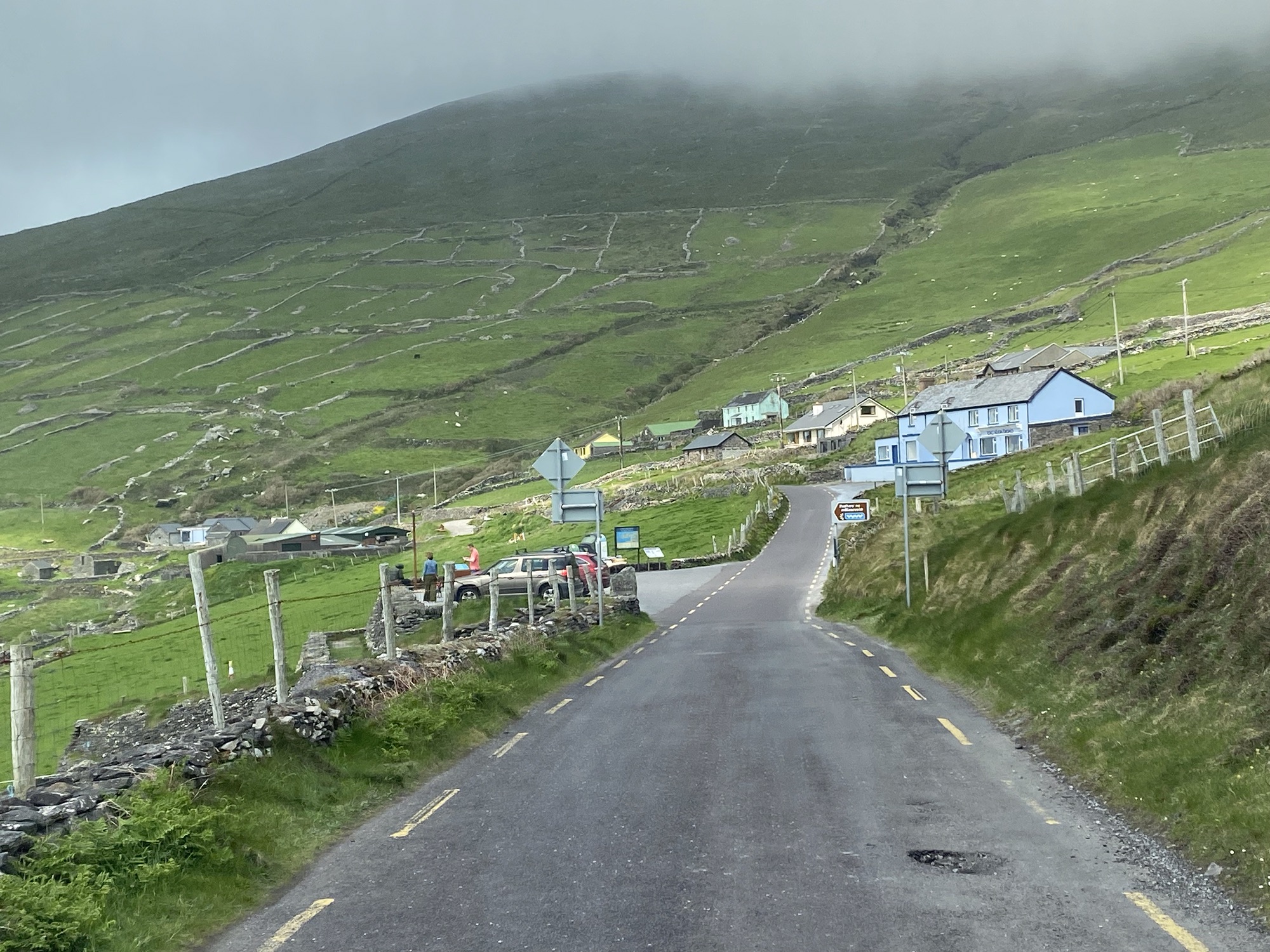
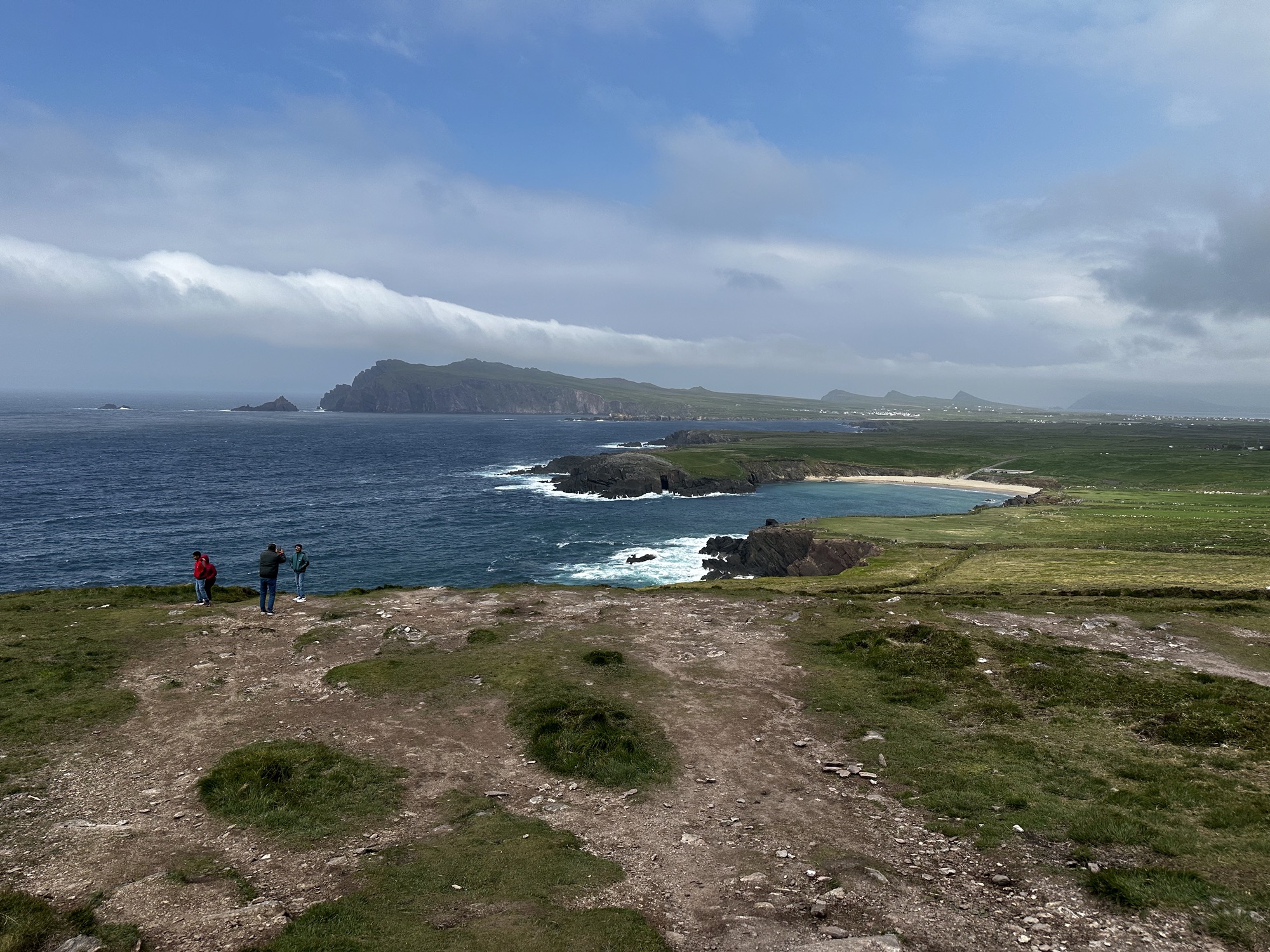
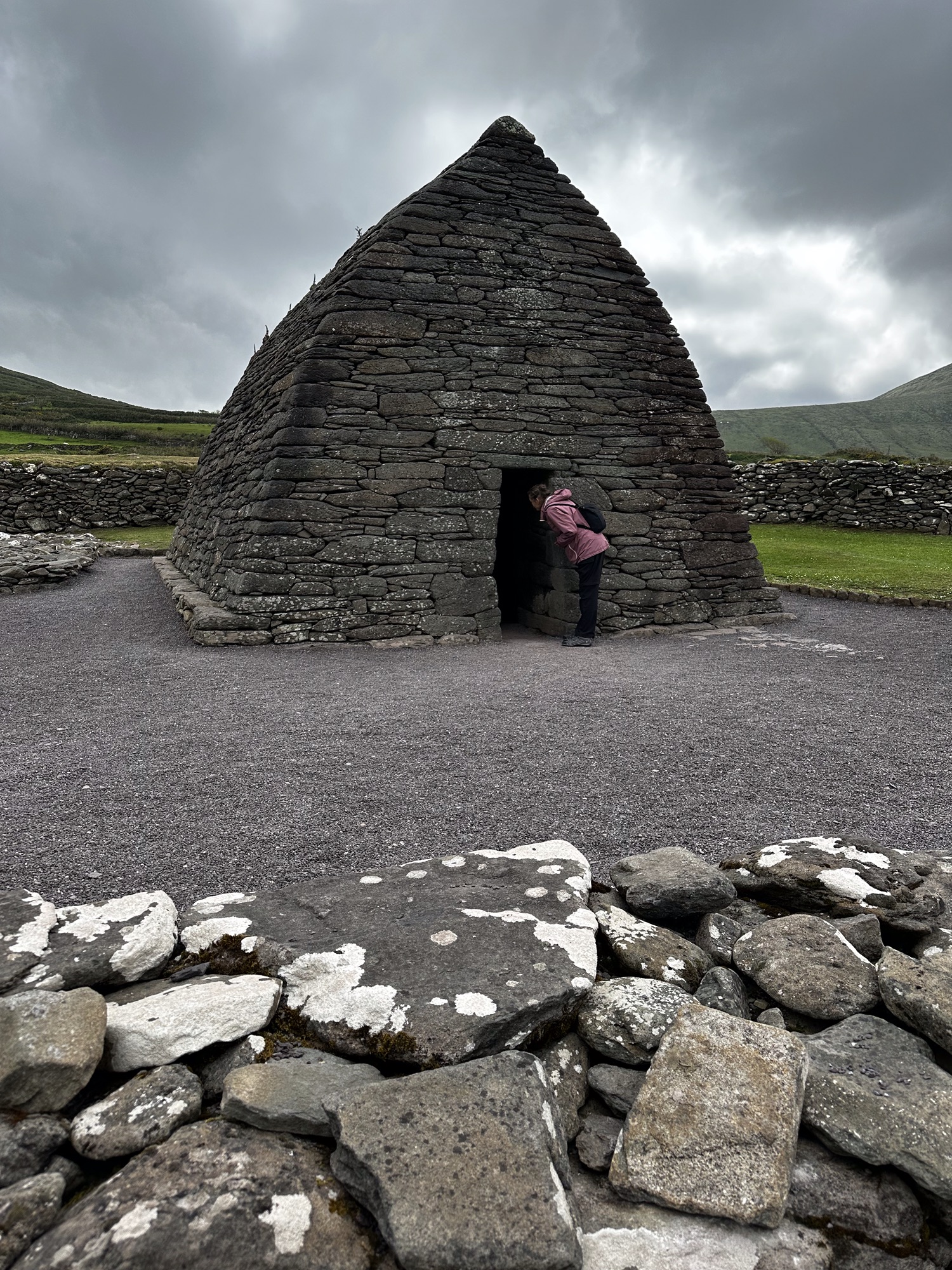
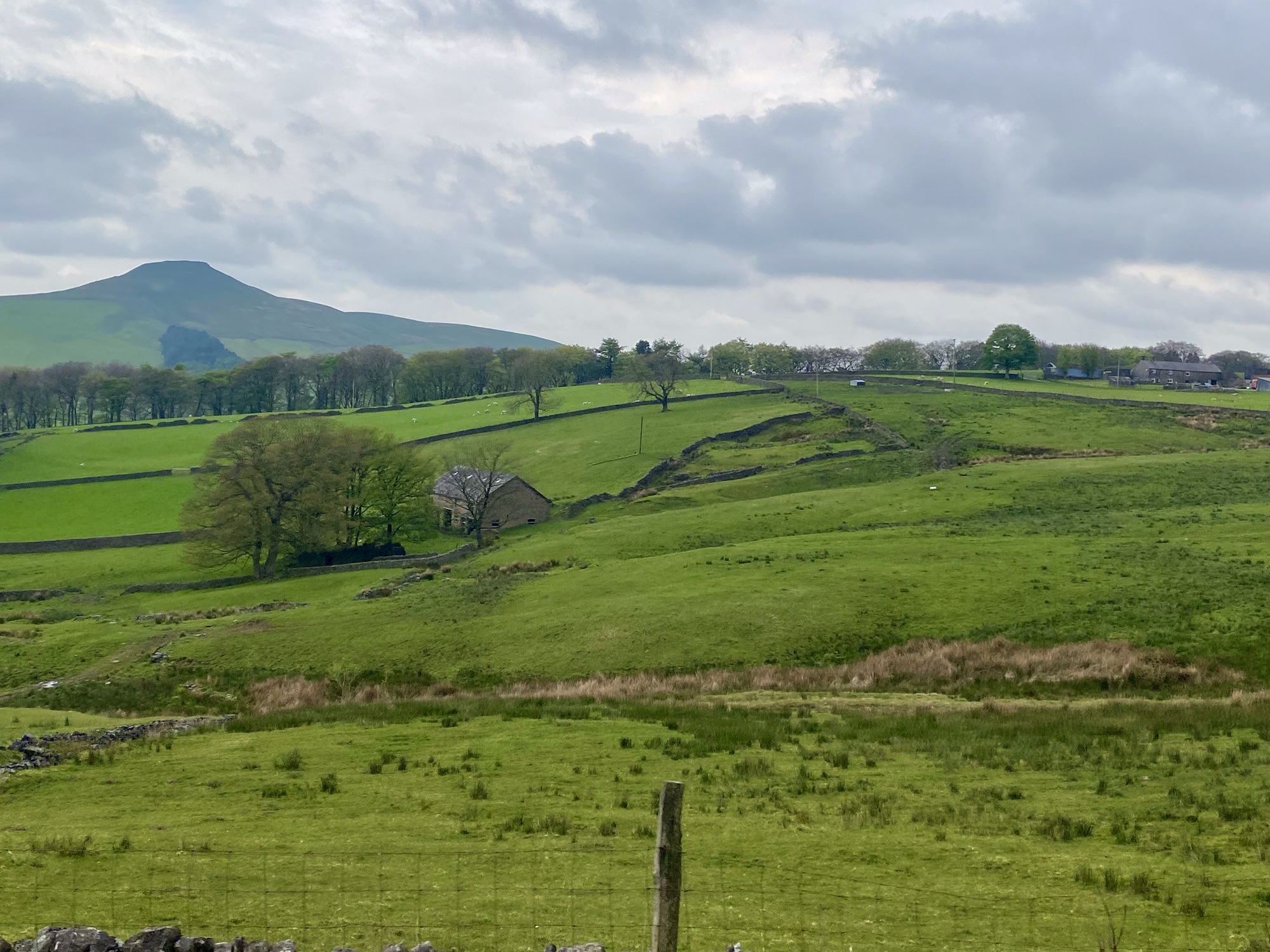
Green grass, rolling mountains, beautiful vistas, rugged stone fences and structures, wild ocean beaches, countless grazing sheep, wonderful little towns and terrific pubs make for a very poetic Irish statement. The “Ring of Kerry” has it all. What an amazing circle drive in Southern Ireland that is well worth the effort. The roads however can be a bit narrow at times and the saying “share the road” takes on a whole new meaning throughout Ireland but especially on the “Ring of Kerry”. Somehow with the help of folding mirrors, reverse gear, and WD40 everything worked quite smoothly for us but… I won’t mention the German motor-homer with poor spacial perception that took-out my passenger mirror reflector light with her mirror on a particularly tight squeeze.
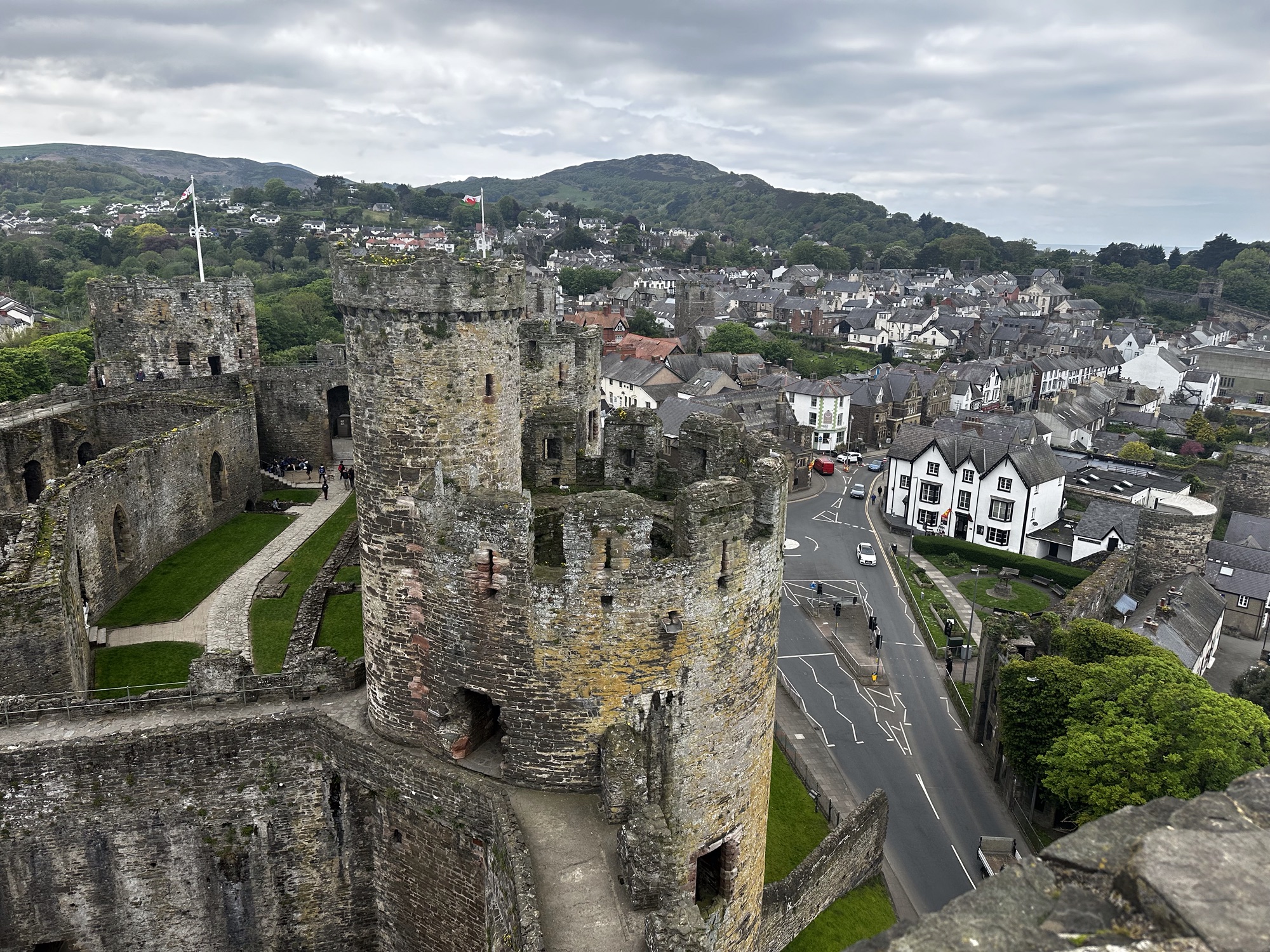
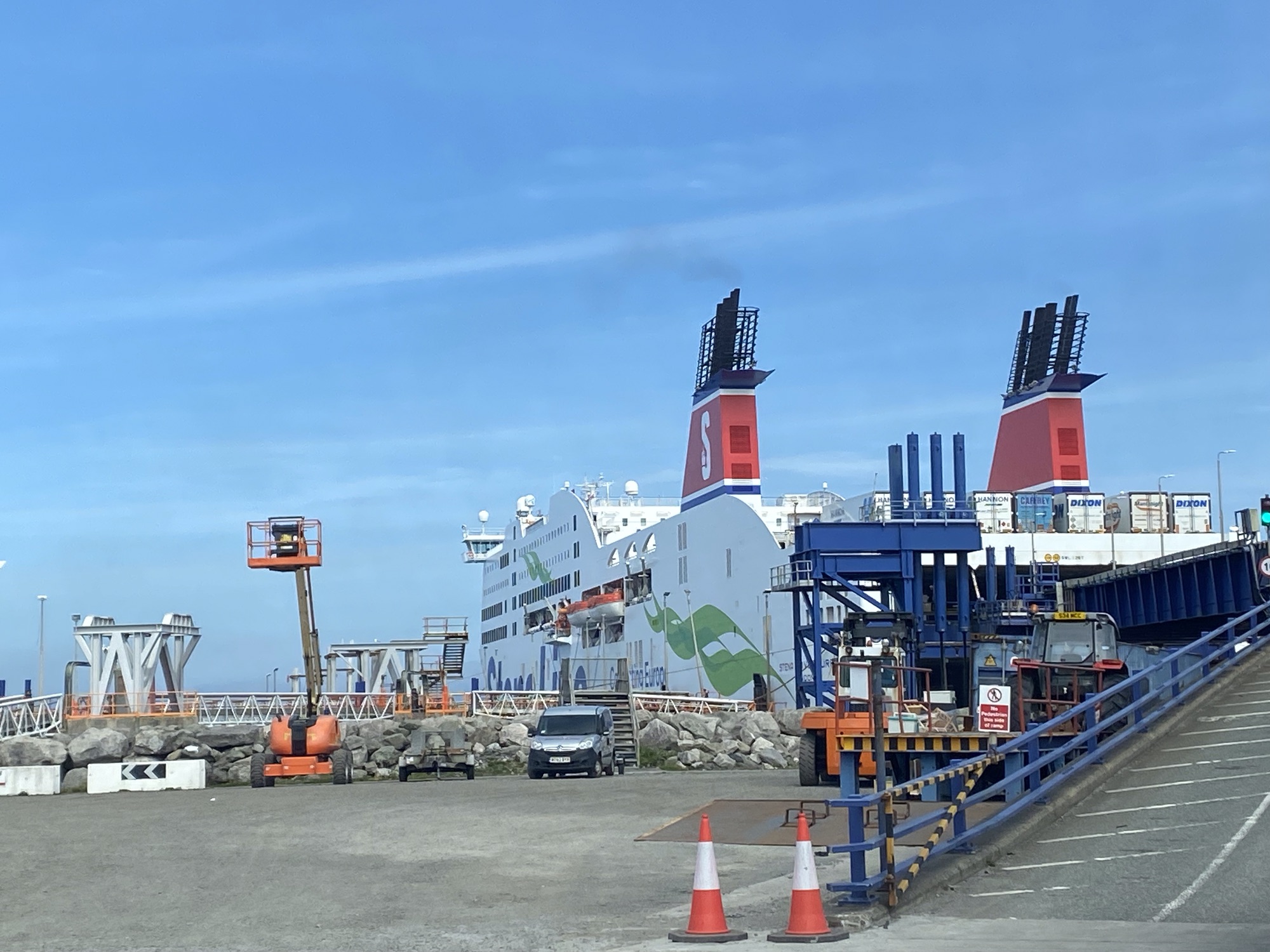
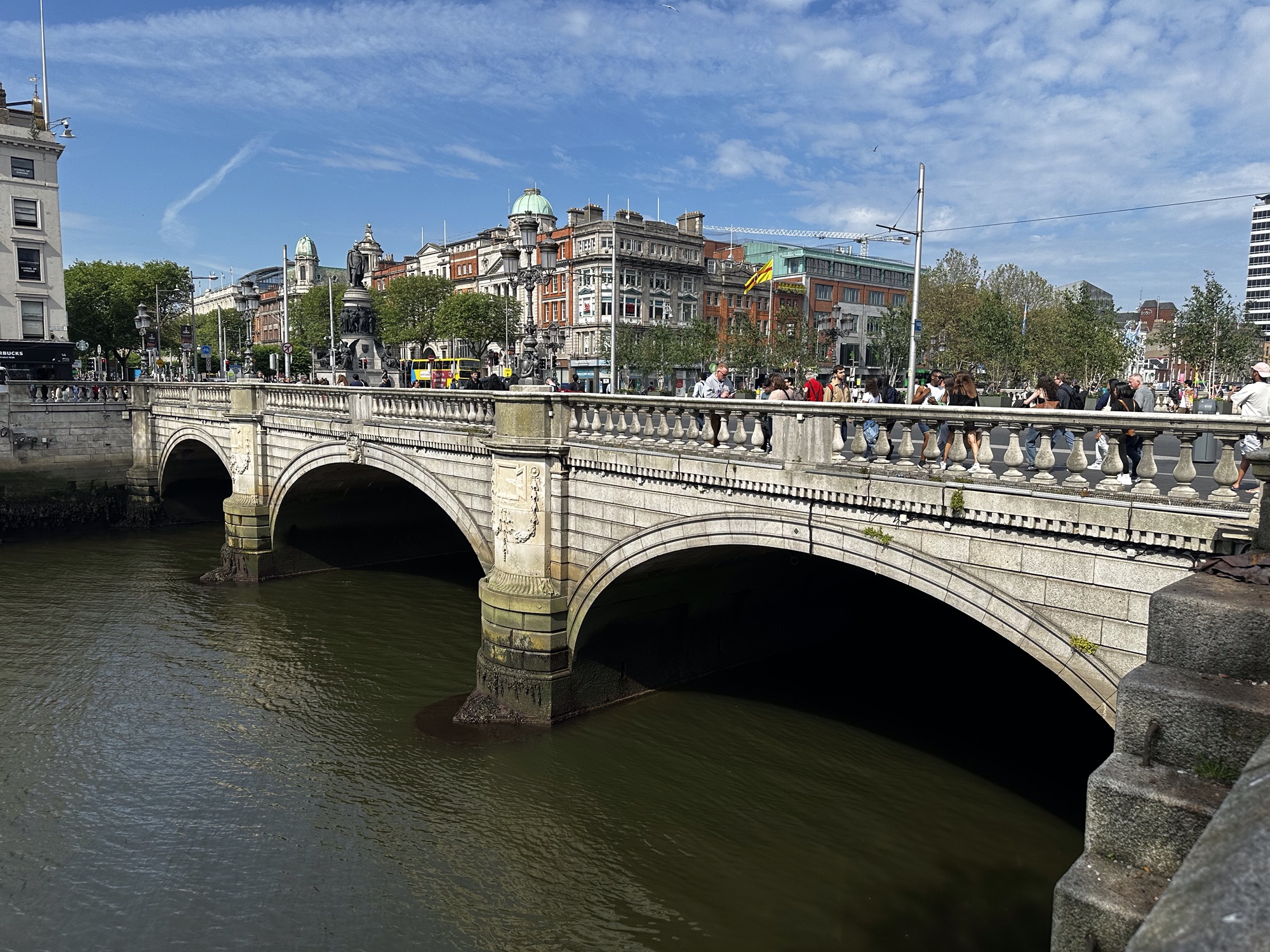
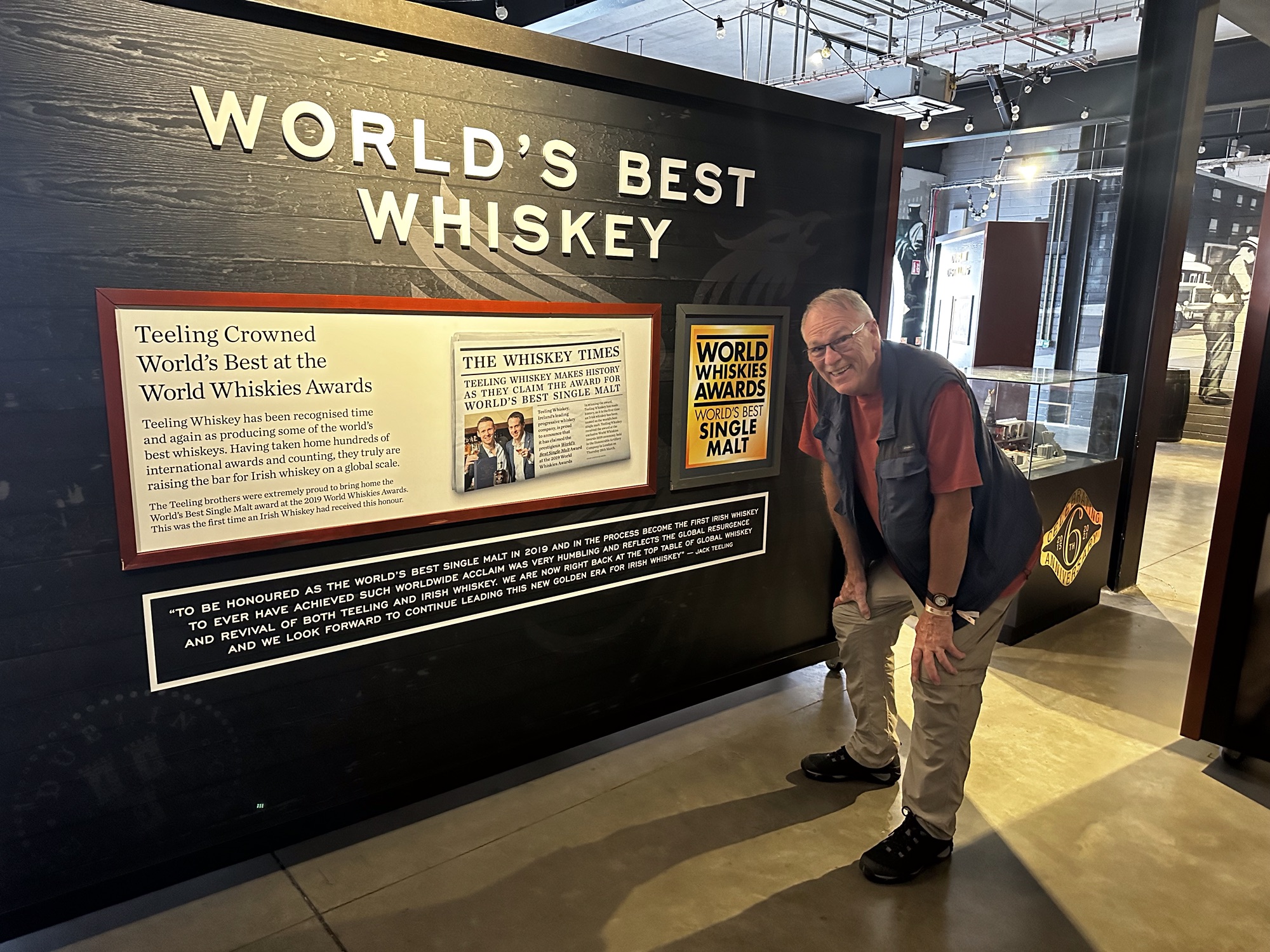
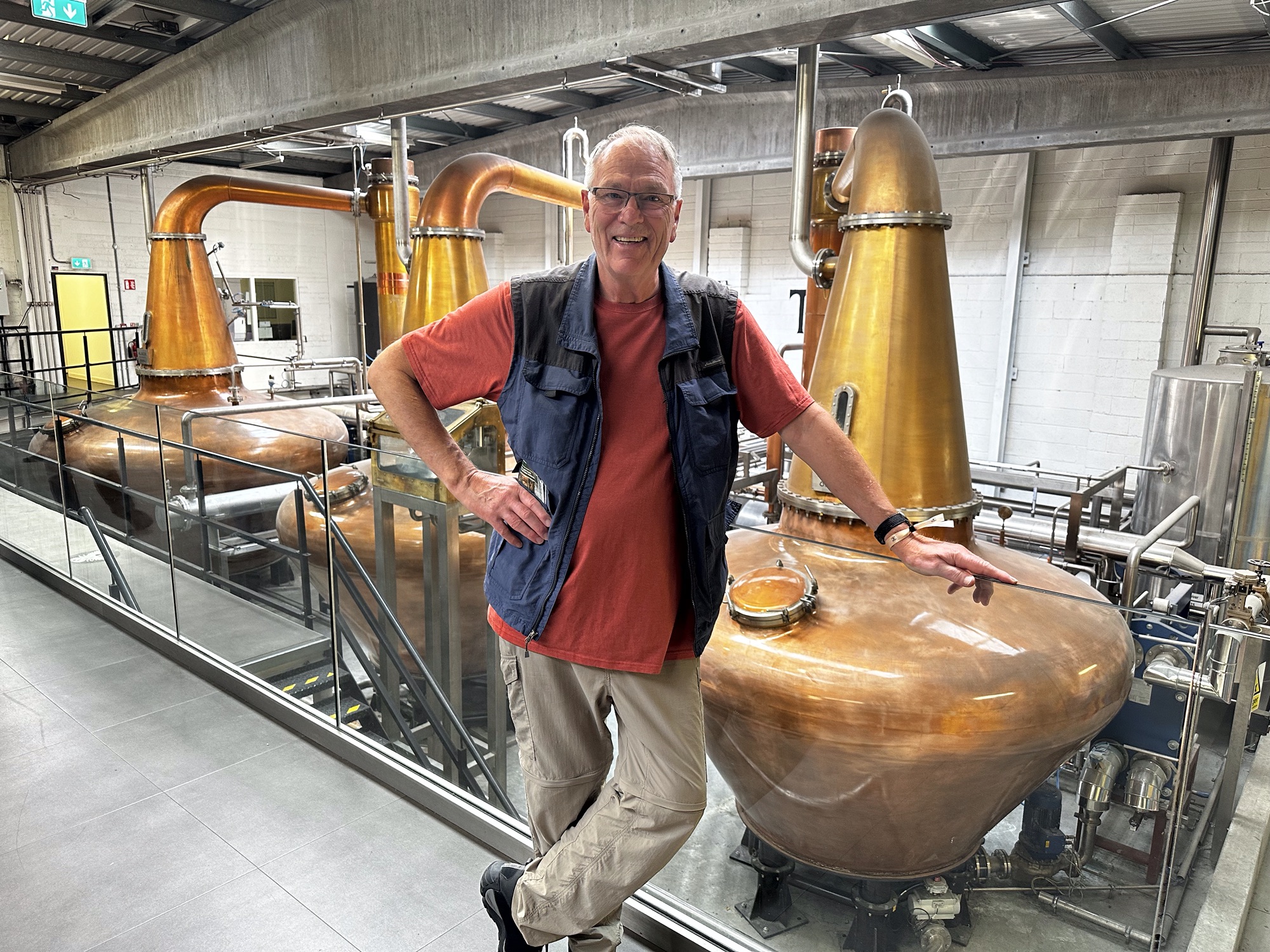
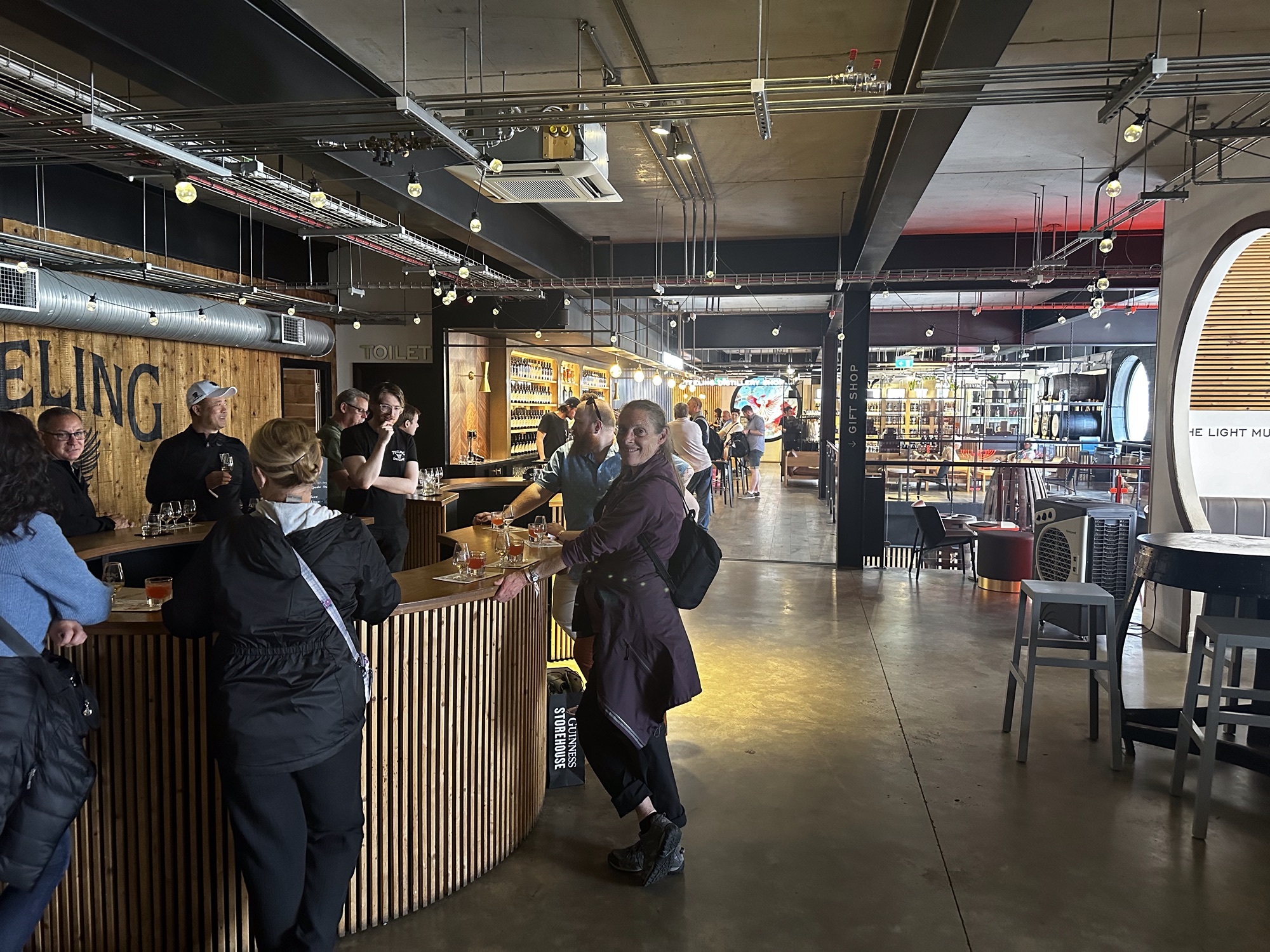
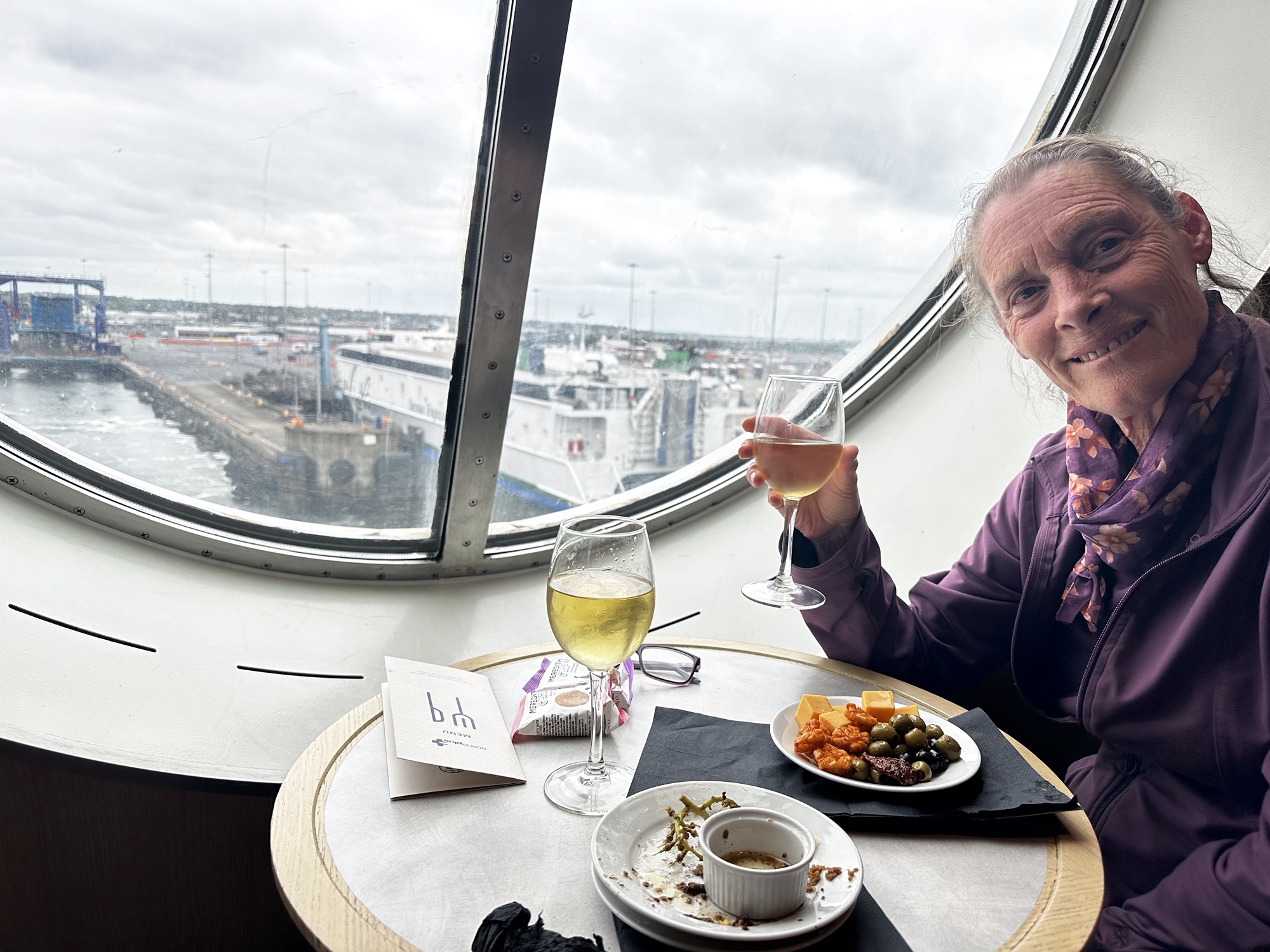
We sailed back to Wales after a nice look around Dublin and an enlightening visit to another recommended whiskey distillery called “Teeling”. Great whiskey for sure but if you’re planning a trip here, I highly recommend you plan your tour after eating a big lunch.
It’s hard to believe that our three month trip through six new countries is coming to an end and we’ll soon be back in Victoria. I must say that we’re getting excited about returning home and seeing our family, but before that happens, we have a few more things to see and do including catching up with our wonderful friends in the Netherlands.





 Brumablog