Brumablog

For Friends & Family


2 Comments

Fun and Excitement in the Swiss Alps

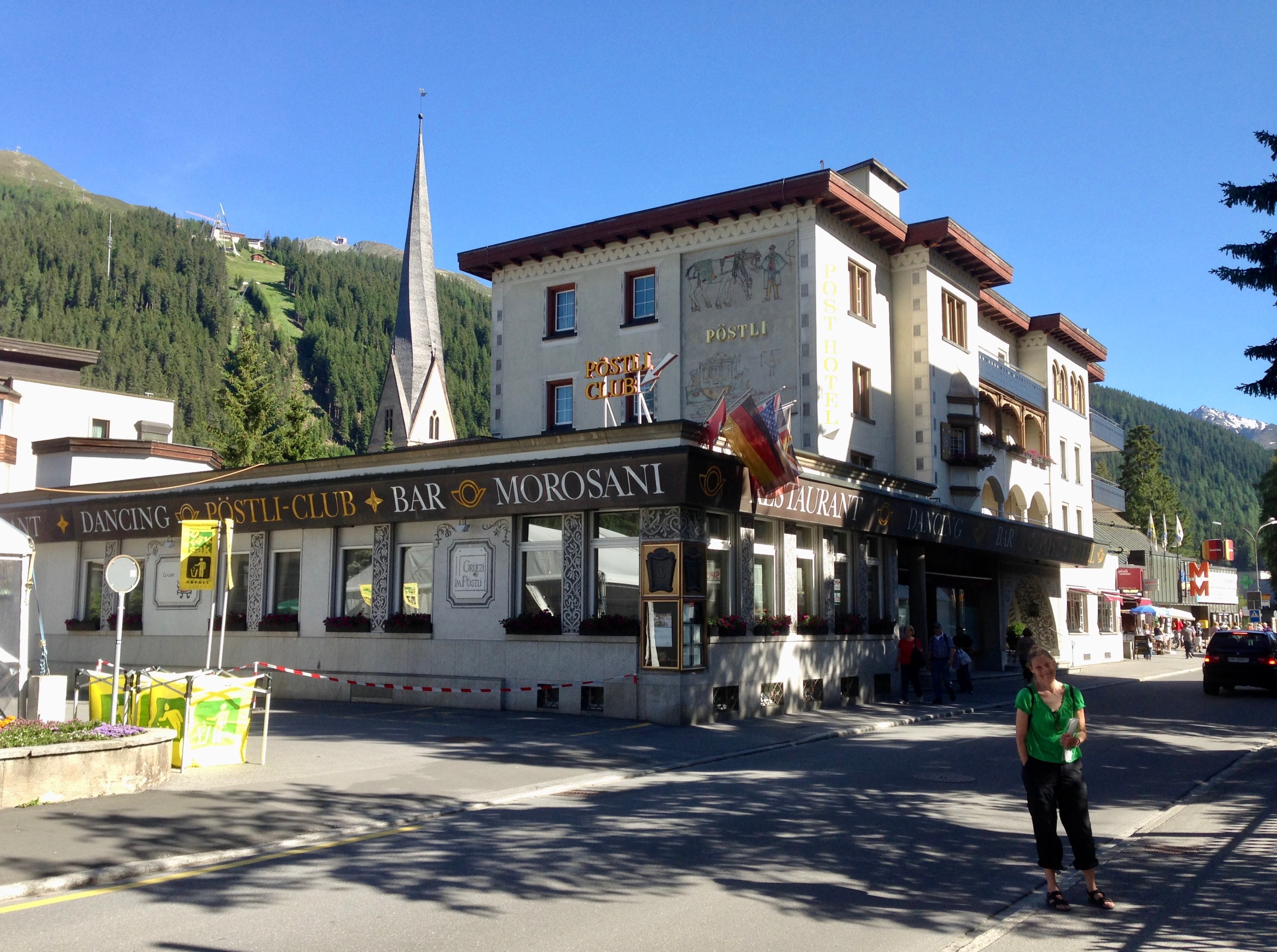
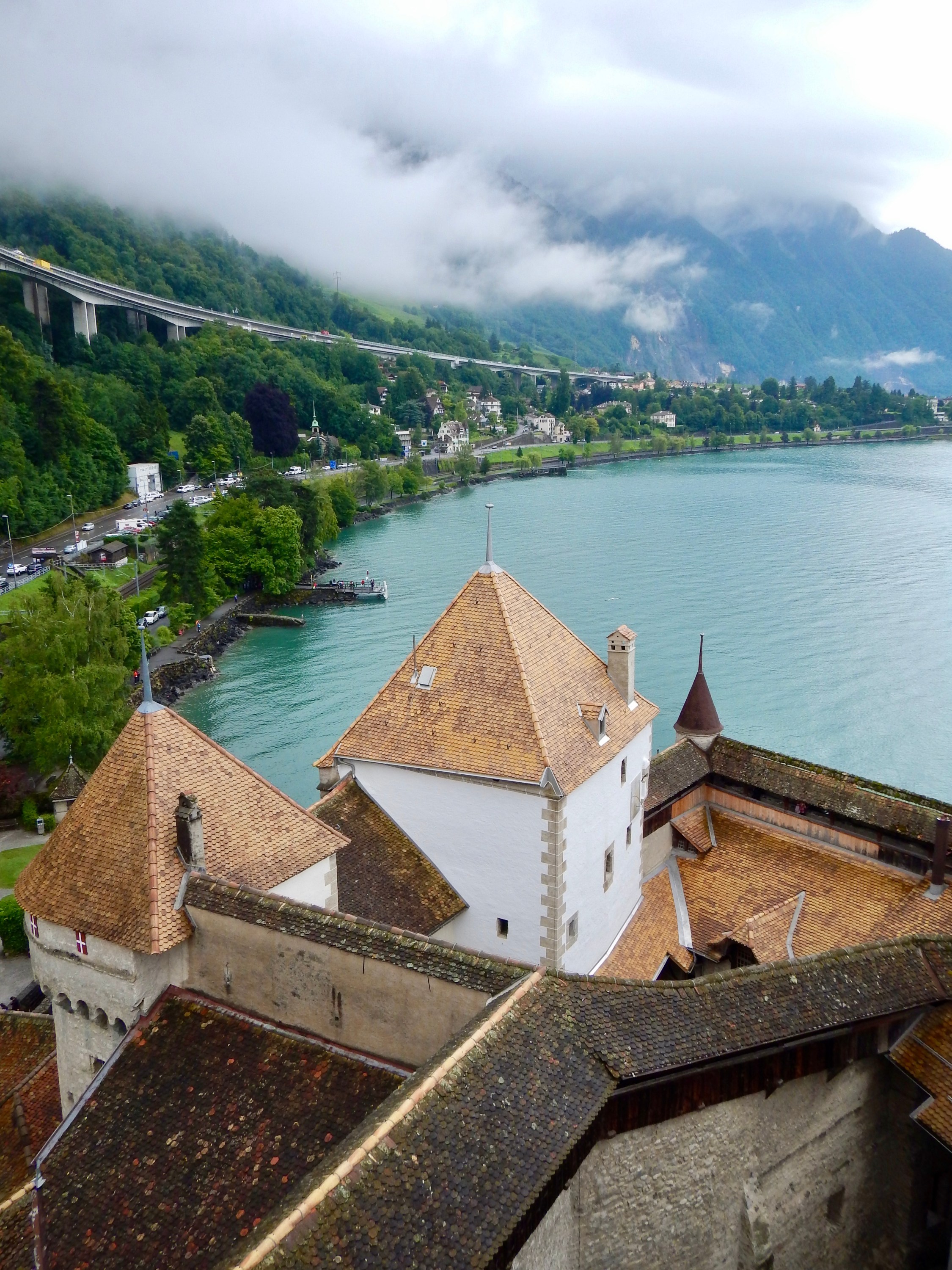
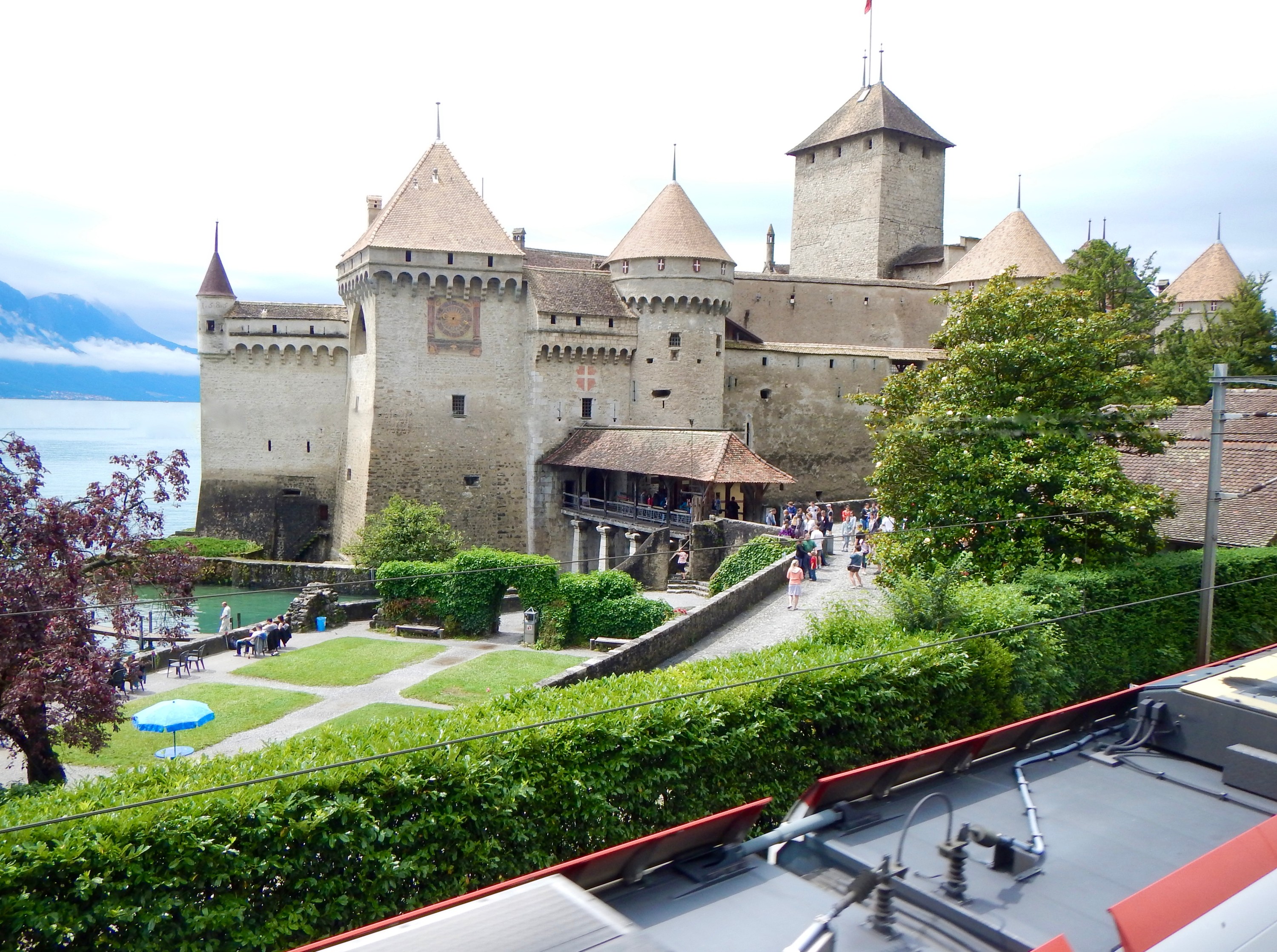
Despite major amounts of rain lately, you might say that Switzerland has been a highlight for us. Continual breathtaking alpine panoramas with lush green slopes looking more like groomed parks than typical farm fields. Quaint villages sprinkled about between immaculate lakeside cities like Geneva, Lucerne, Zurich, Bern, Montreux (with its amazing medieval castle “Chateau de Chillon) and Lausanne (the IOC Olympic Capital) all add up to one impressive and very beautiful country.  The Swiss people are friendly and helpful and we have been treated wonderfully. The only downside so far has been the inflated cost of just about everything and the somewhat limited camping availability compared to neighbouring countries. We were told the minimum hourly wage in Switzerland is very high and that’s why a simple cup of coffee at Starbucks can cost about $8 with a pizza and beer for two costing about $100 Canadian. We tend to eat at the motorhome as much as we can and shop the supermarkets for our culinary inspiration. Margot has done a fantastic job of learning to cook a variety of interesting and tasty dishes in the limited motorhome space. Campground choice has been limited and sometimes nonexistent, like in Basal and Davos. The famous ski resort village of Davos has special meaning to me as this is the town I worked in for a part of the winter of 1972 at the Davoserhof Hotel. So I was a bit disappointed that I couldn’t spend more time showing Margot around because of the limited camping issue. Sneaky street camping was not even a remote possible considering the preparations that were under way for the yodelling contest. Now you may be thinking “Big Deal!”… and you’d be right. This small alpine town, in two days time, was about to host 10,000 yodellers from around the world and 100,000+ supporting spectators. You can imagine the temporary infrastructure going up to handle all this and the resulting organized chaos in the streets as we drove into the village. Parking was tough but camping was impossible so we headed over the mountain to Klosters where Bert had worked (and learned to ski like a pro) hoping, but unfortunately not finding, a place to camp.  We had to quickly move on before darkness so it looks like a return visit to Davos/Klosters is now on our bucket list.

Road Ramble:

Since my first ramble stated off on the topic of “Safety”, I can’t think of a better topic than “Health” for my second one. We were in a Zurich and it was late, about 1:00am and a large group of us campers were sitting in a  designated viewing area beside the lake watching the World Cup Soccer “shoot-out” between Holland and Argentina on three big televisions placed on posts in the water. To expedite my late trip to bed, I grabbed my floss, and while watching the soccer action, I began the mindless task. Bad safety judgement on my part; as the intensity of action on the screen grew, so did my flossing, Just as the Dutch scored the winning goal, I felt that awful sensation of a rough tooth from under a now missing dental cap. Margot grabbed a flashlight and we scoured the grass for my dental work to no avail. I went to bed excited for Holland and ticked about my tooth. It must have been a good balance because I slept well and when I awoke, I give the ground search one more try in the brilliant sunlight. After a few minutes of working a strategic “search grid”, I amazingly found my tiny white “cap” nestled in the grass about ten feet away from where I was sitting (Wow!). We were told that dental work in Switzerland was very expensive so we decided to drive back into Germany where we found a very kind dentist.  He actually specialized in tooth implants but after hearing my sad story he took pity and invited me into his chair. He was a pro… Zip-Zap! he had everything back to normal and we were on our way with a dental bill of only 46 Euros. Considering our free Stellplatz for the night and a cheap diesel “filled-up”, we actually broke even on the ordeal. Yes, It’s a happy ending to this frightening story, but I end with this dental safety warning to all of you… do not floss your teeth while watching horror movies or gripping sporting events.

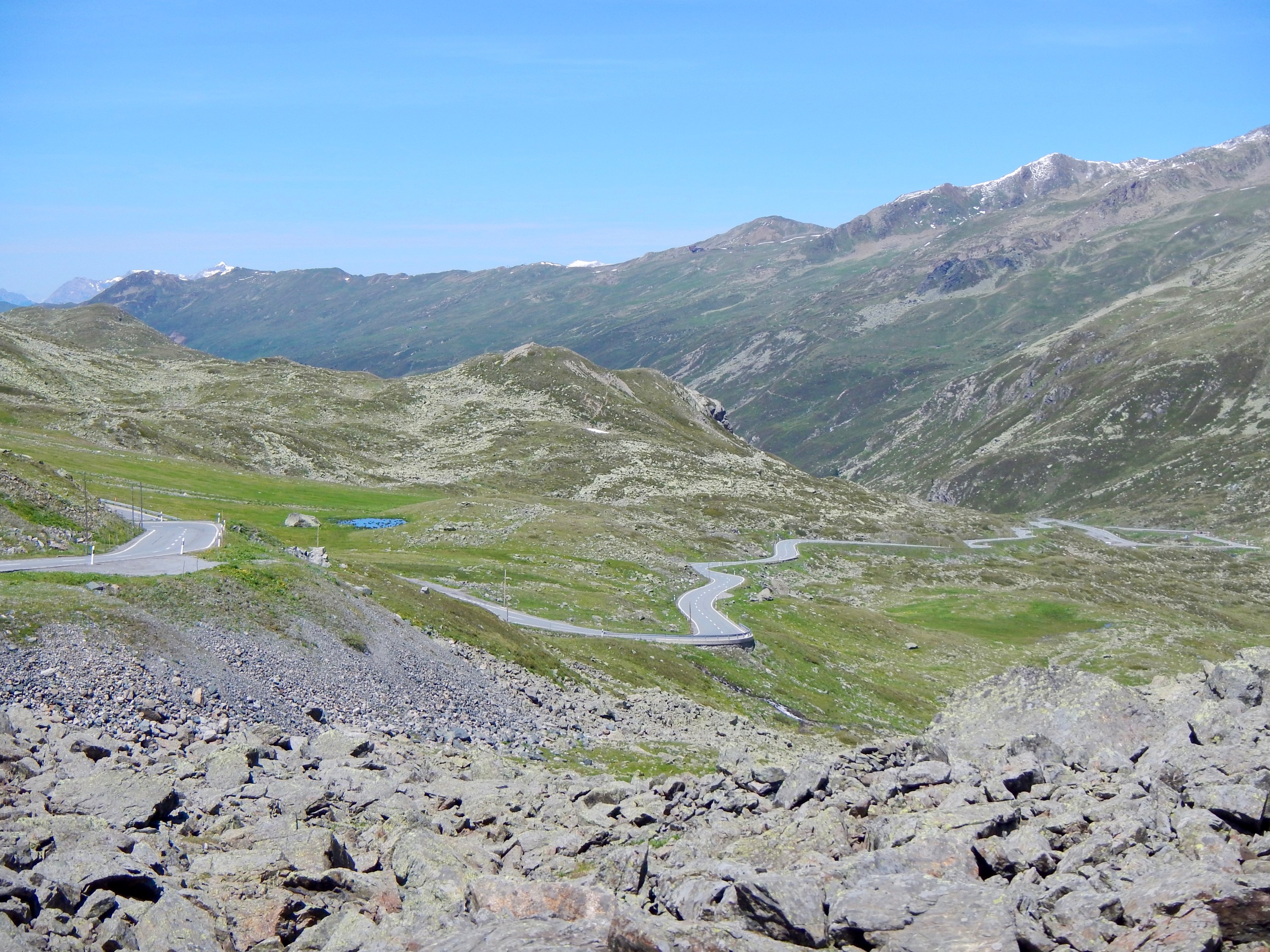
Entering Spectacular Switzerland
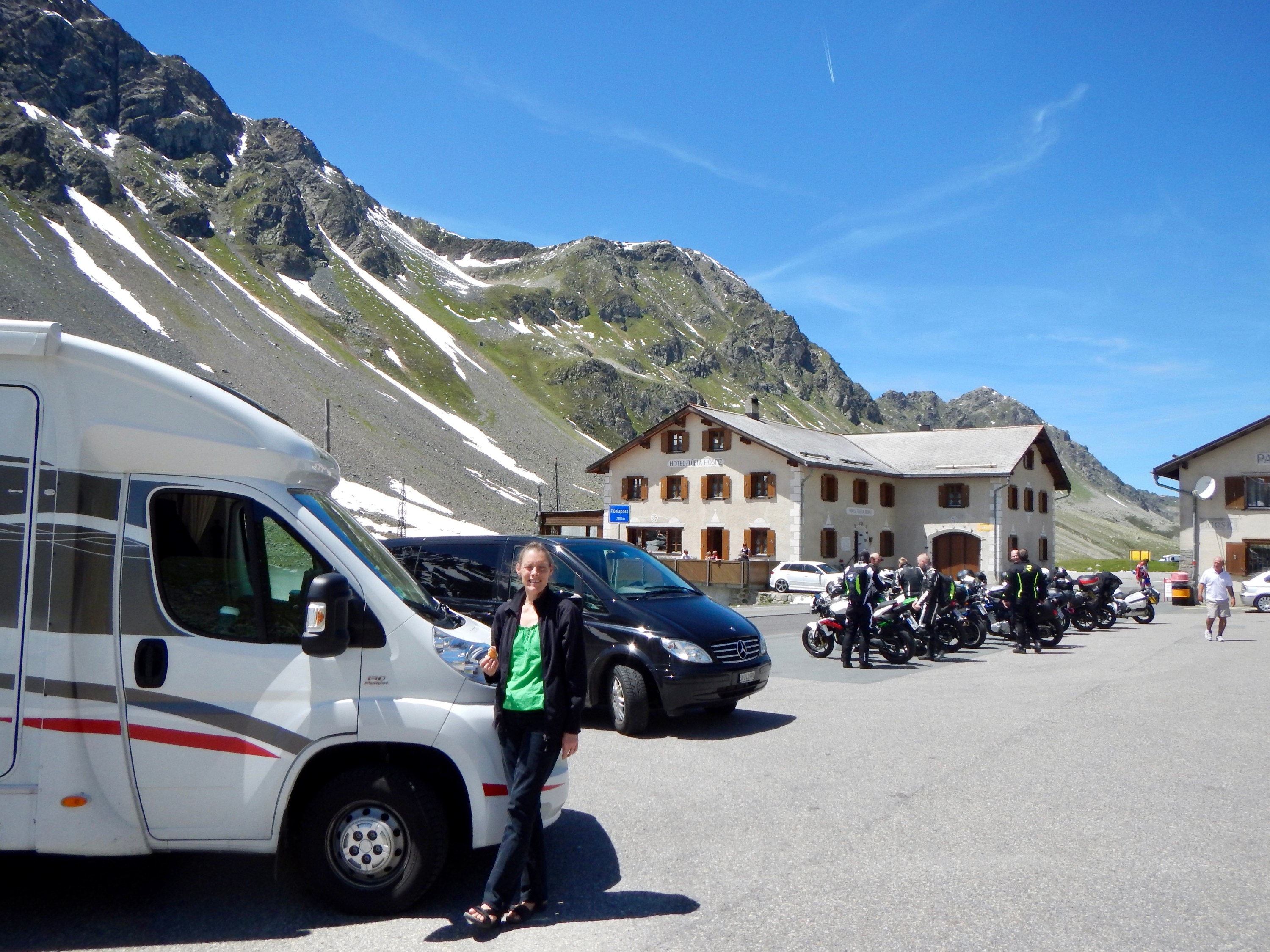
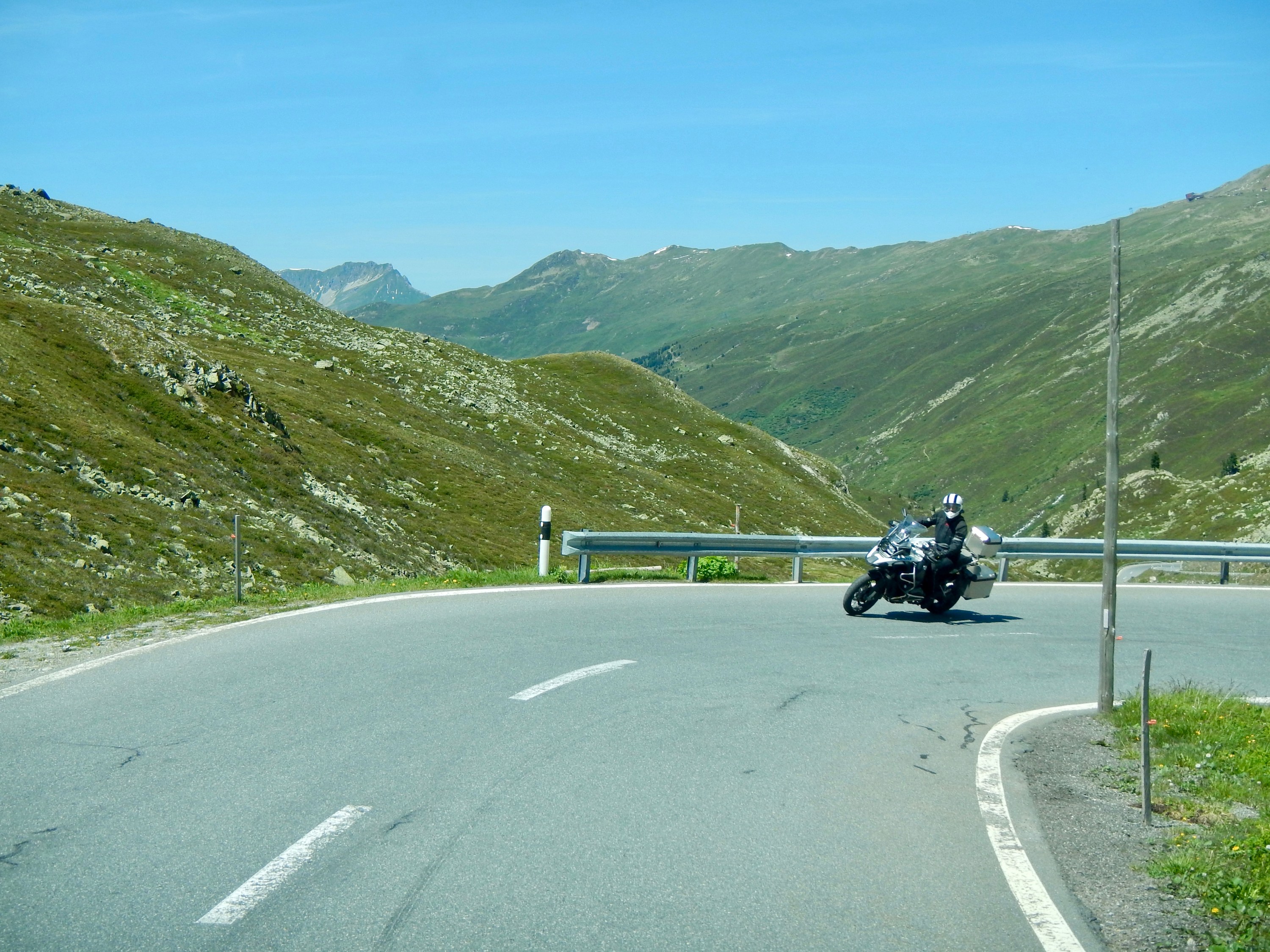
Driving over Fluela Pass just East of Davos
Stopping at the summit to admire the natural Swiss beauty… and the motorcycles too
Motorcycle Utopia!
Davos… was my winter home in 1972
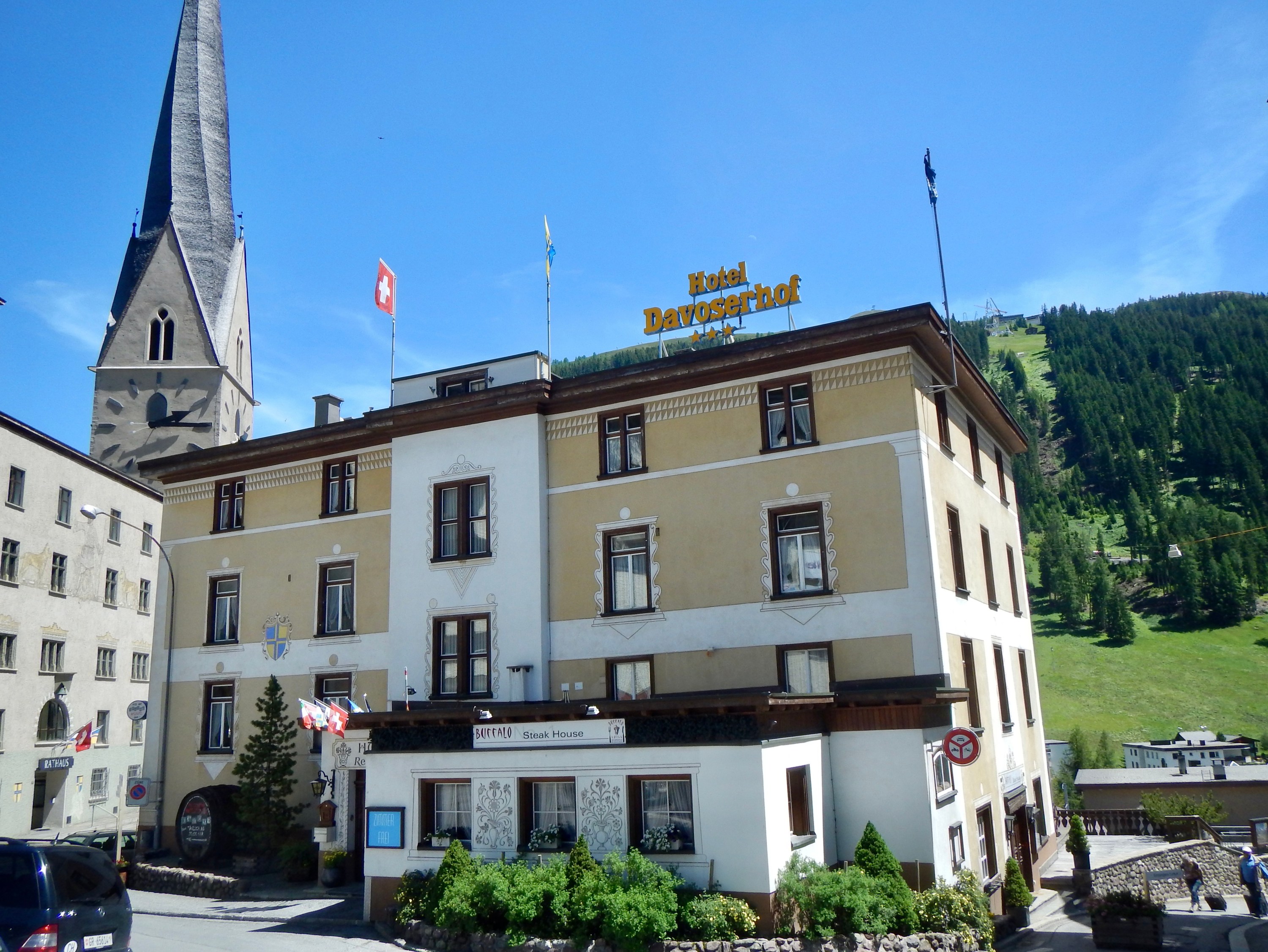
My Hotel Davoserhof with the fantastic “Jacobshorne Ski Resort” directly behind… and above!
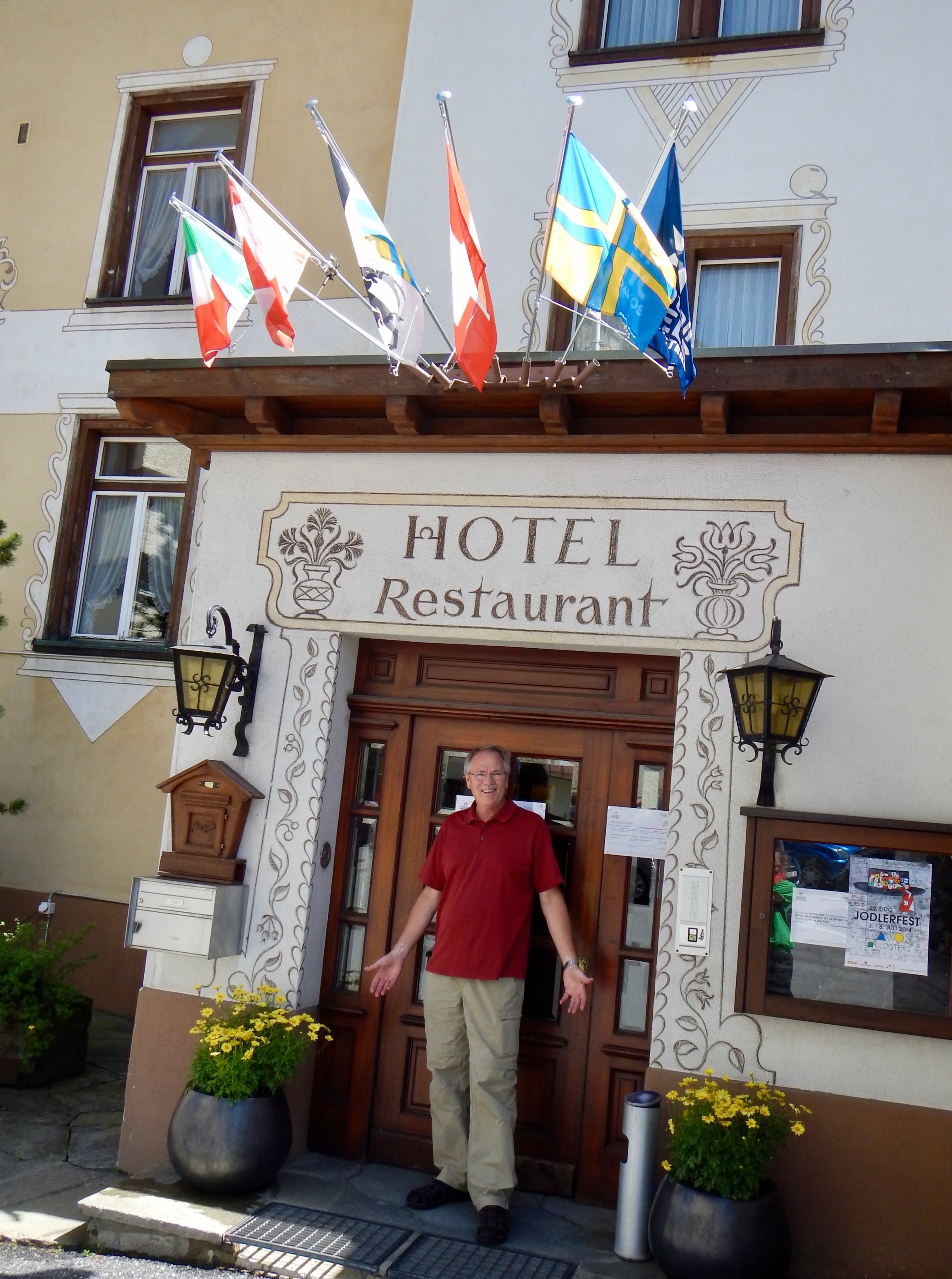
Davoserhof restaurant where I worked six days a week with time off for skiing, everyday
The original 500 year old Davoserhof Hotel was my winter home
And, the “Postly Club” a few doors down the street was a great place to hang-out on weekends
Parked outside the train station in Klosters near where Bert worked and skied the winter away
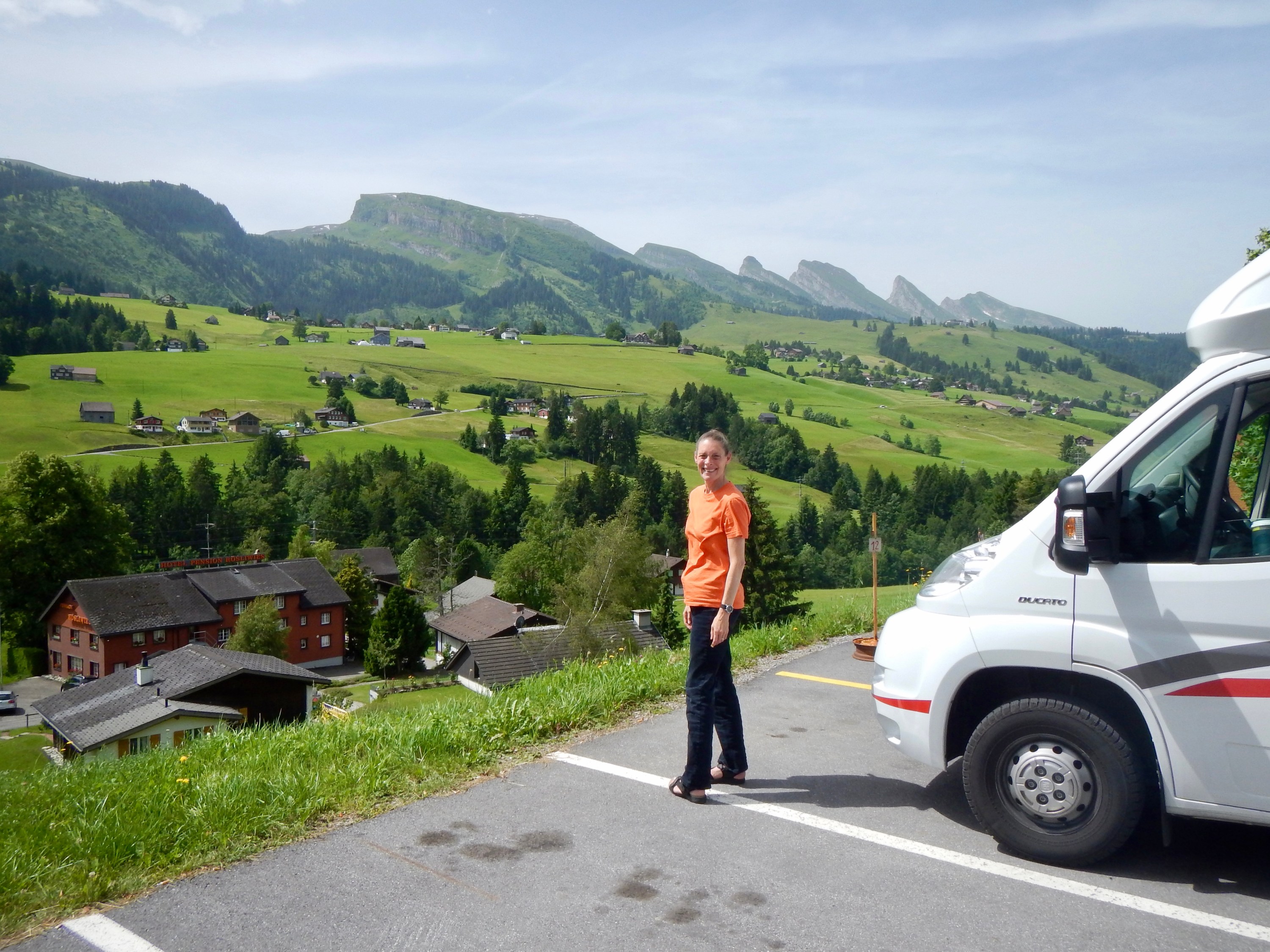
Fantastic panoramic views around every mountain corner
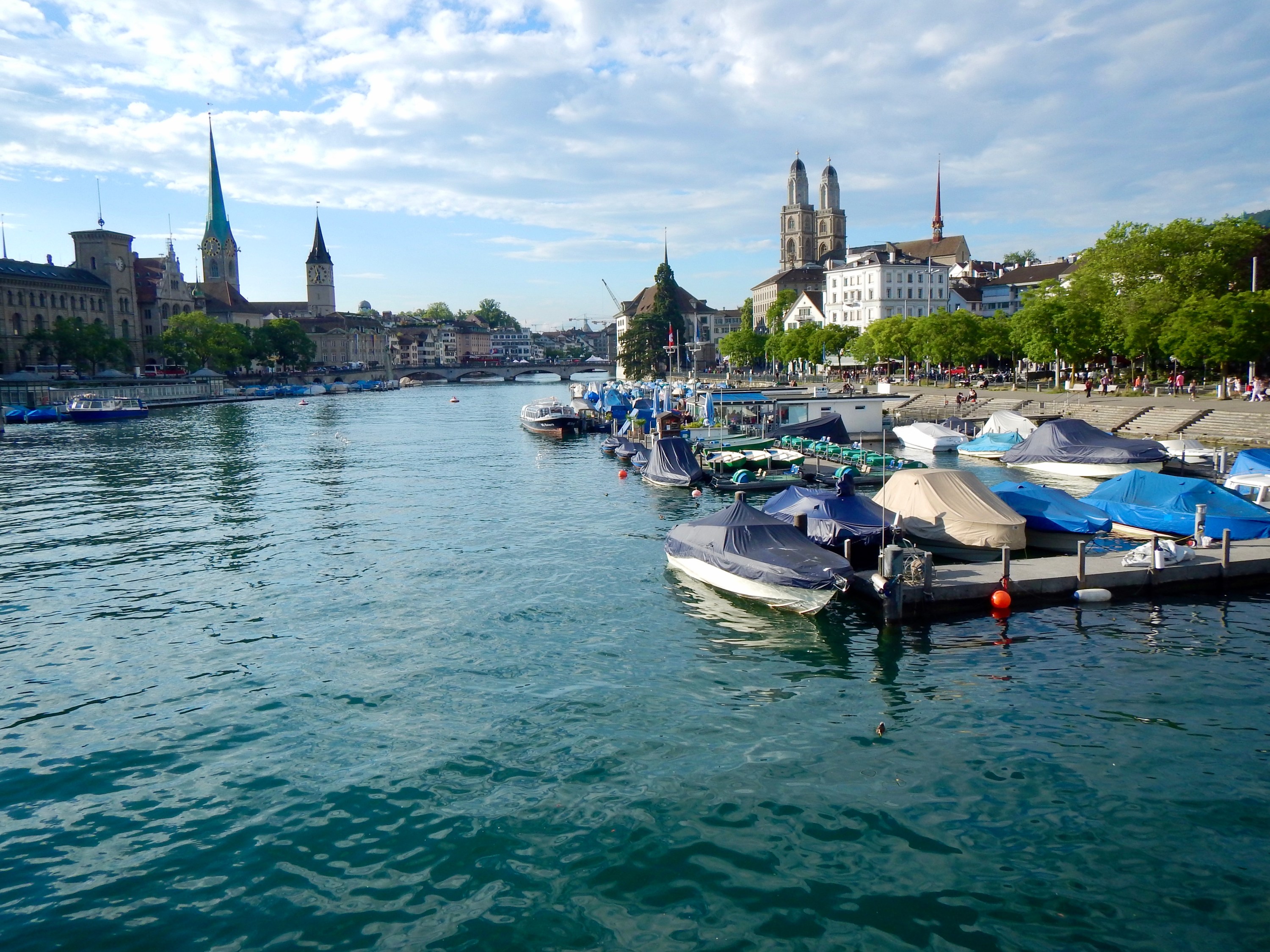
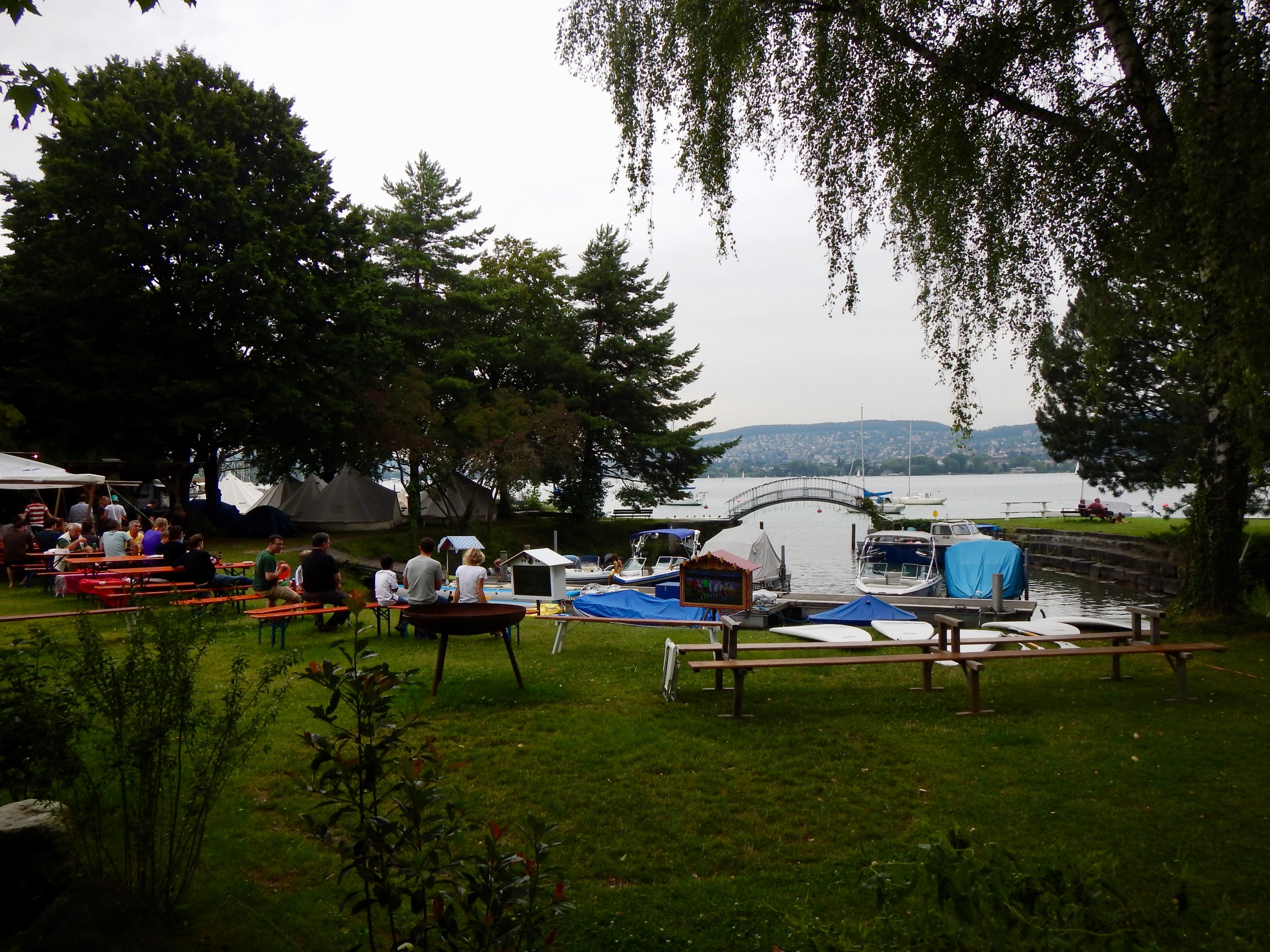
The beautiful lakefront of Zurich
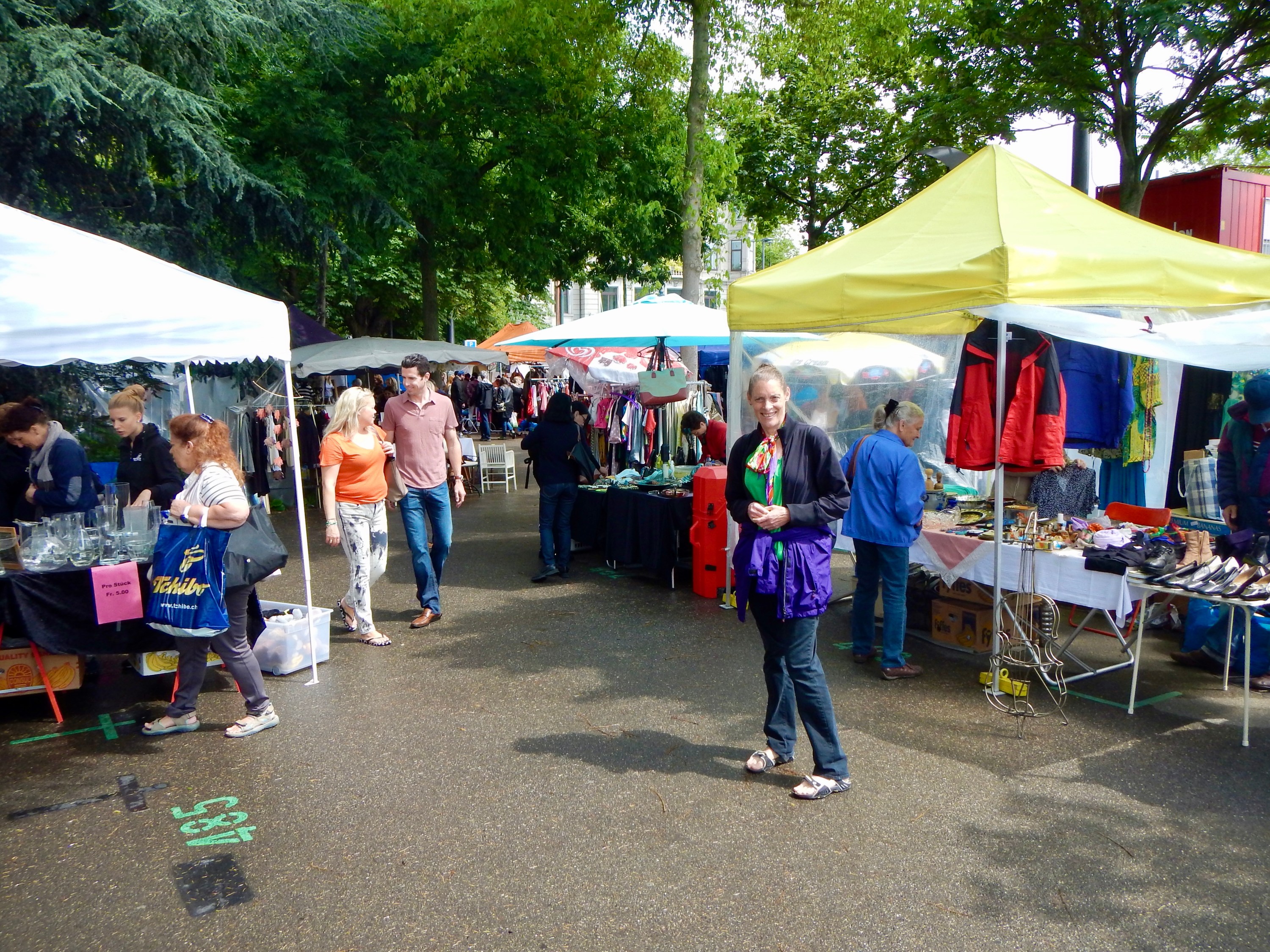
Another fun market to explore
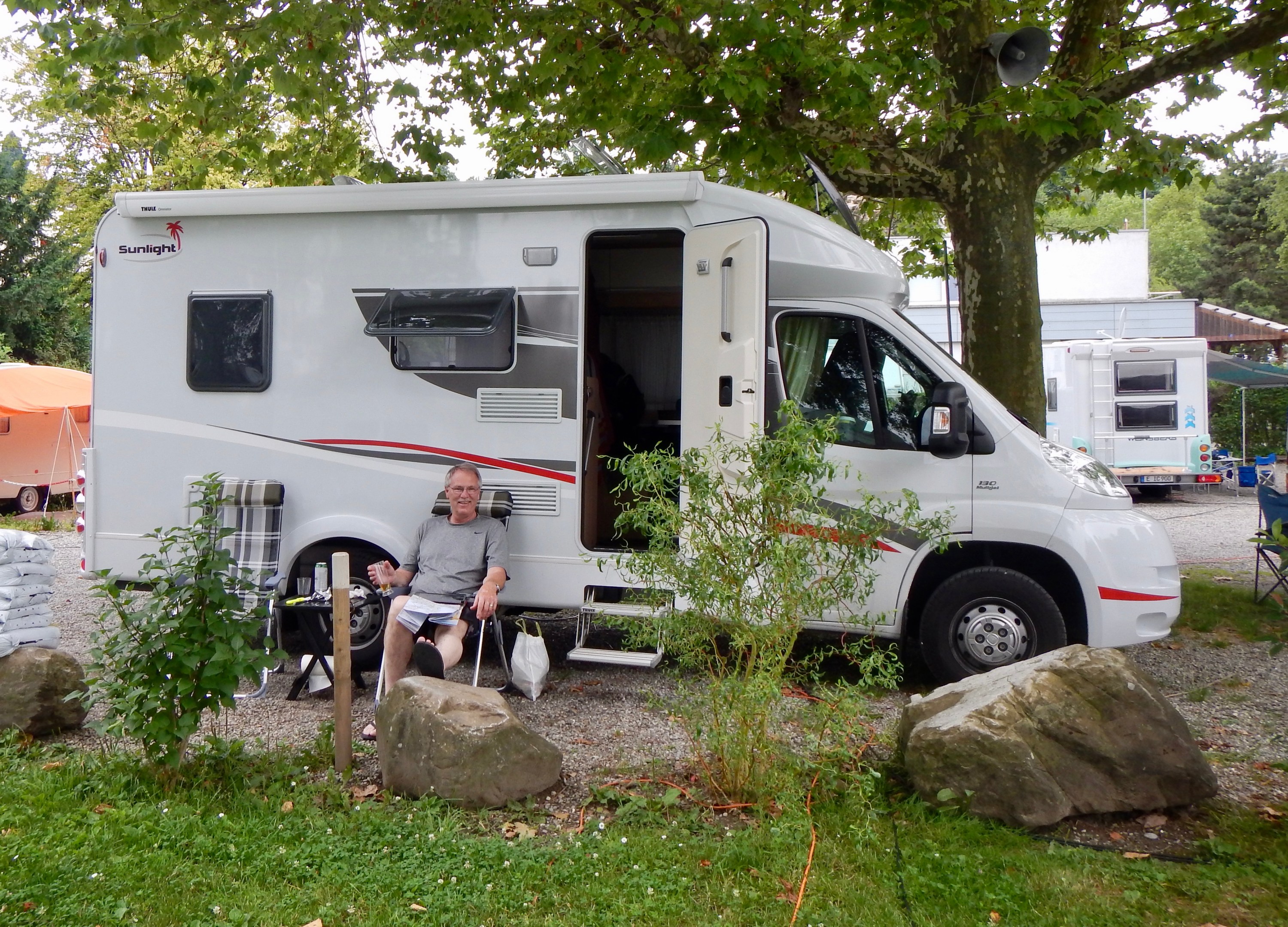
Happy hour at the campground
Watched Holland win the world cup of soccer here, as I “Fla-lost” my dental cap into the grass
So… from our tranquil Zurich campground, a quick dental detour to Germany; then onward to Lucerne!
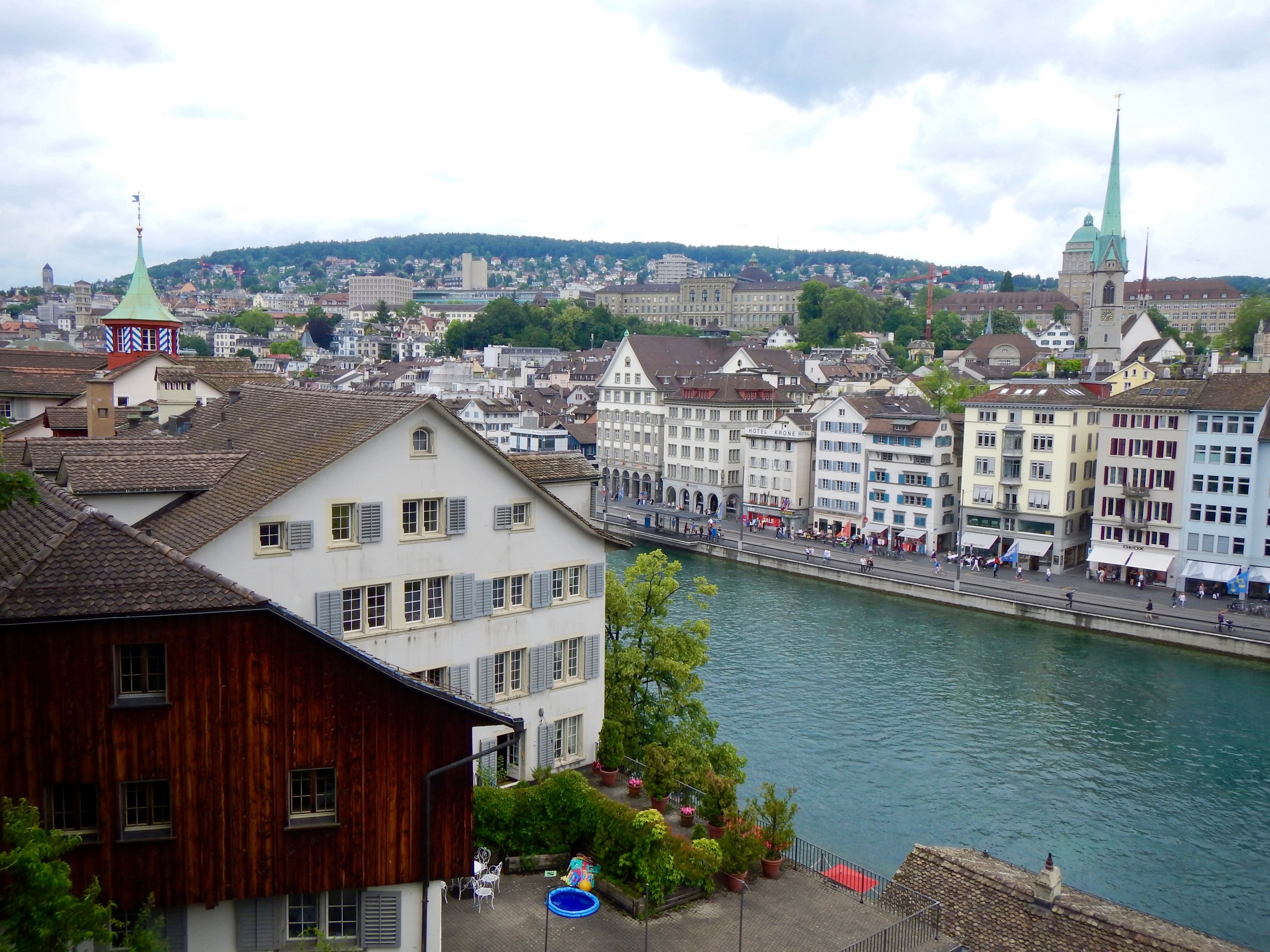
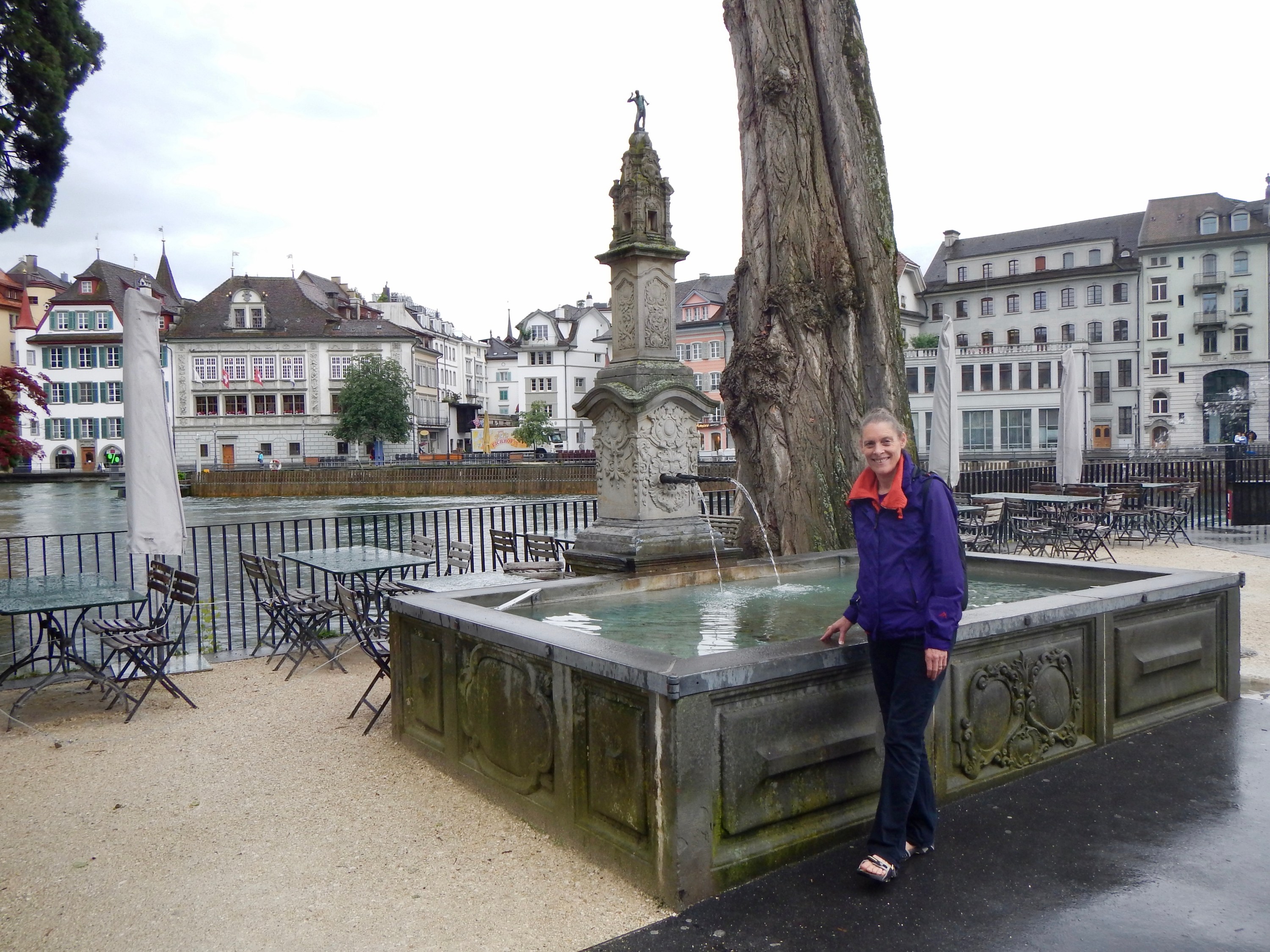
Looking down on a beautiful Lucerne canal from a little neighbourhood park
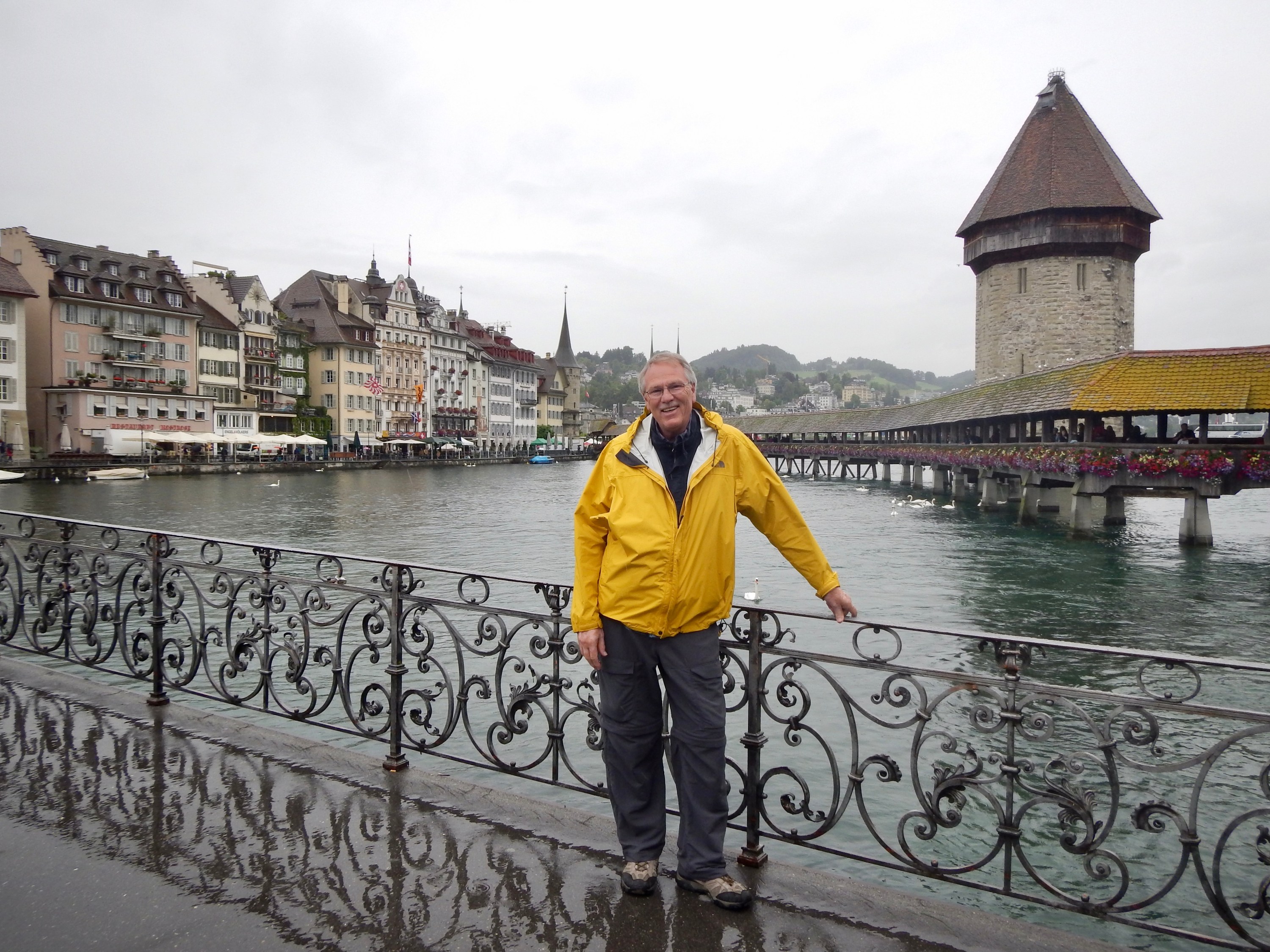
The famous “Chapel Bridge” in Lucerne. It’s the oldest wooden covered bridge in Europe
Built in 1360, it’s the oldest truss bridge in the world. A perfect place to escape a rain shower
We loved strolling through the beautiful streets of Lucerne
Plenty of magnificent artwork around… according to Margot
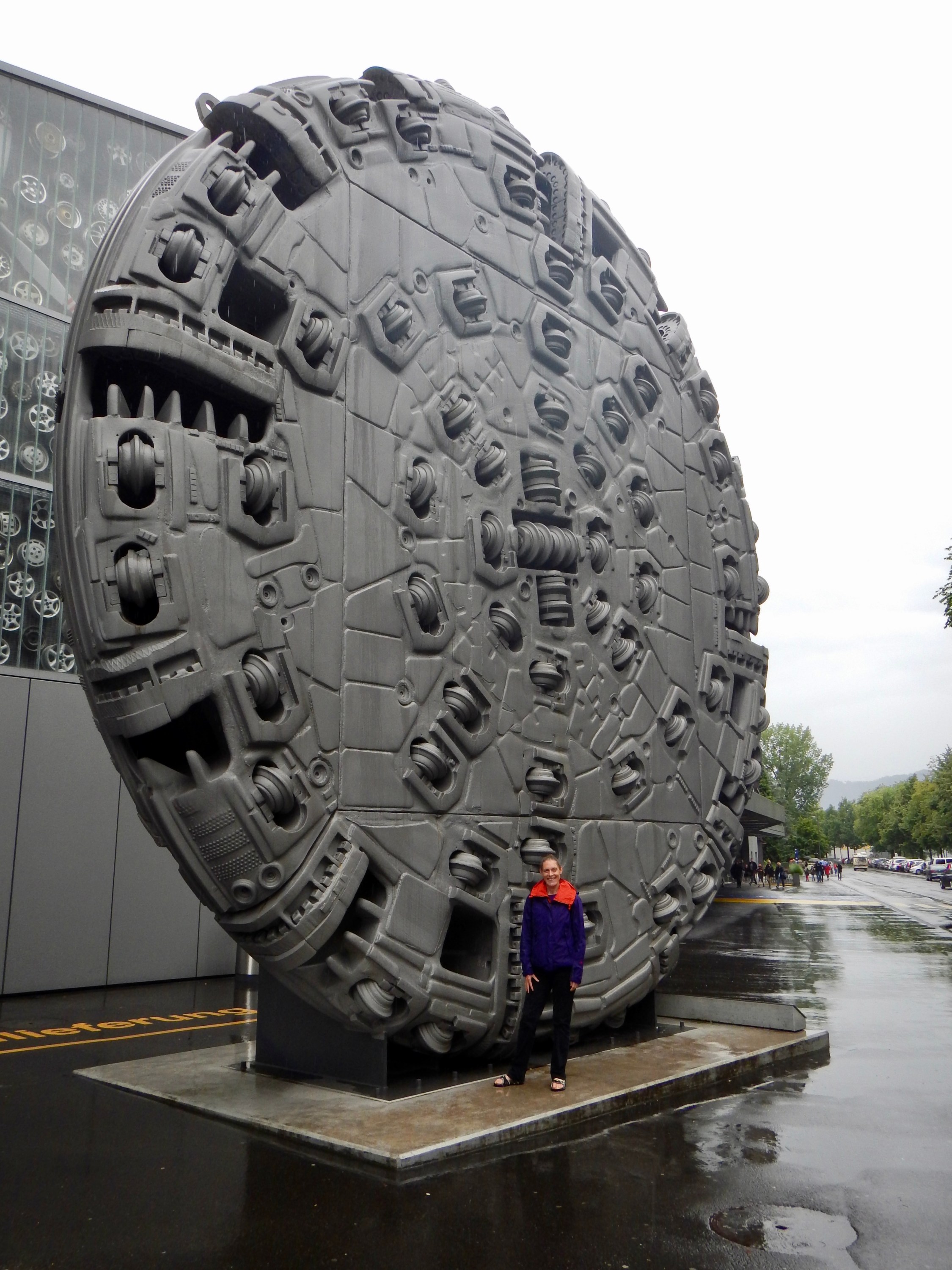
A large “Tunnelling Mole” outside the “Transportation Museum” – beside our campground
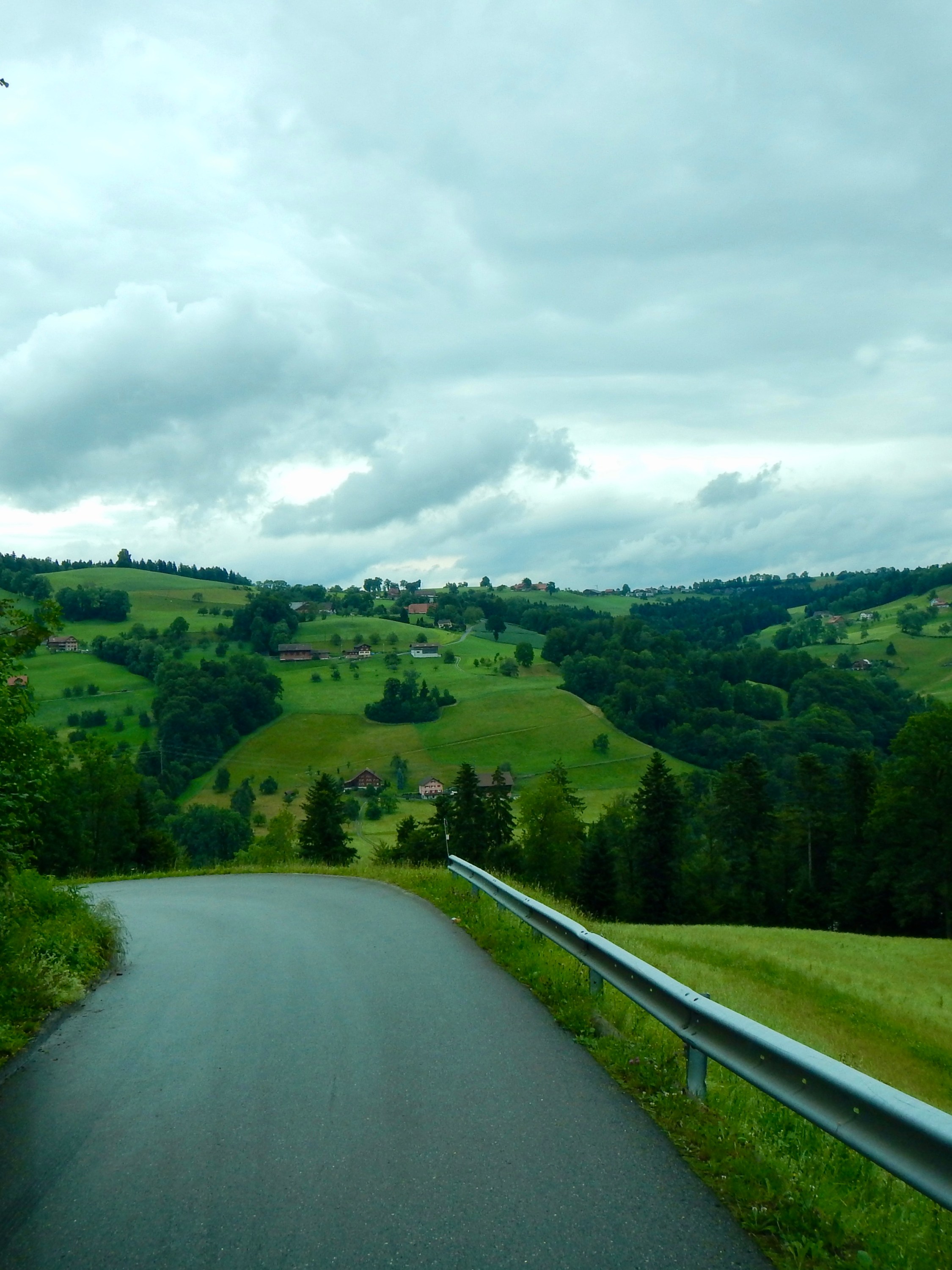
Small beautifully groomed farms puzzled together forming a quaint and parklike landscape
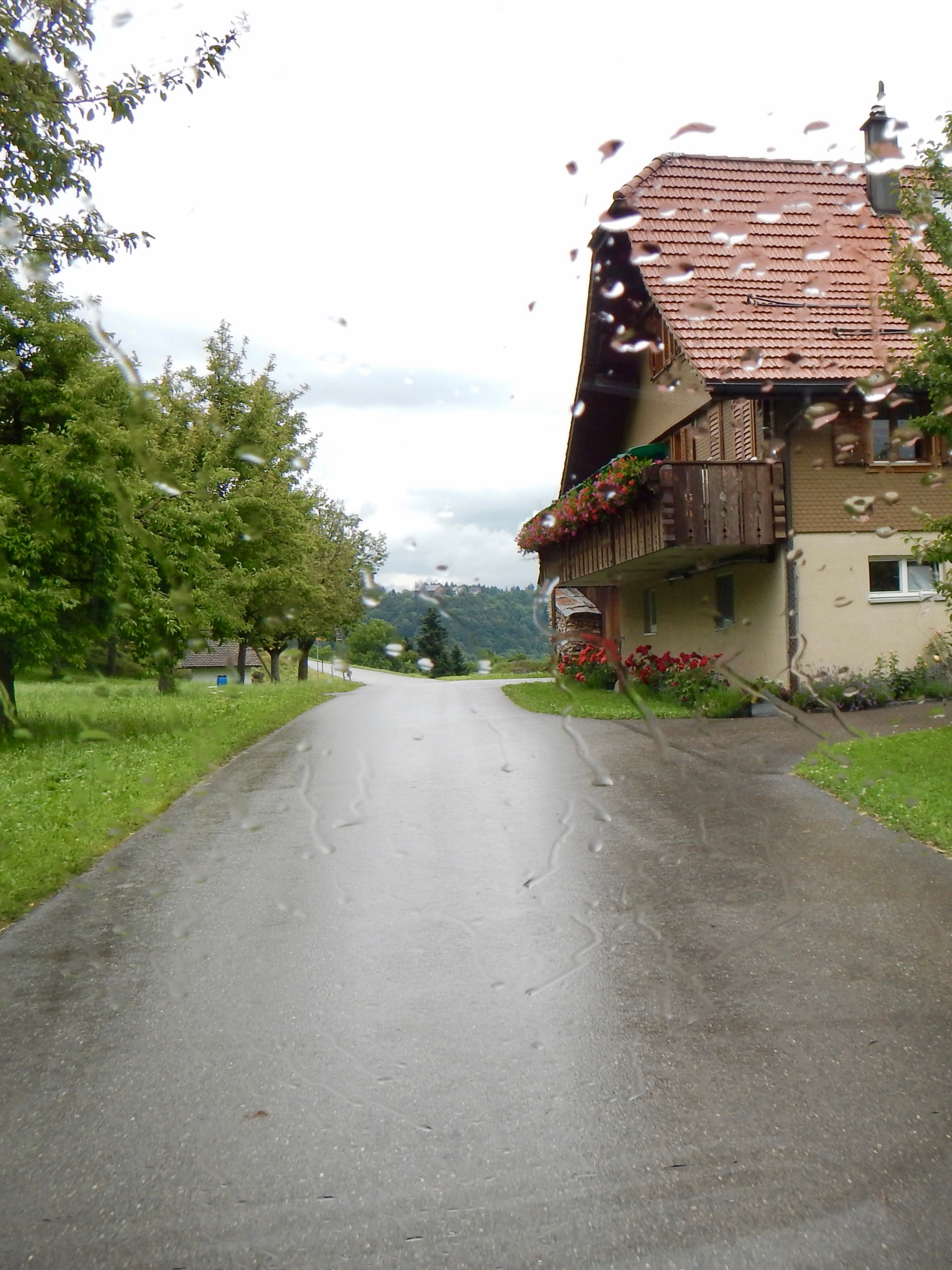
Driving along a typical back road that ran directly through this well kept farmyard
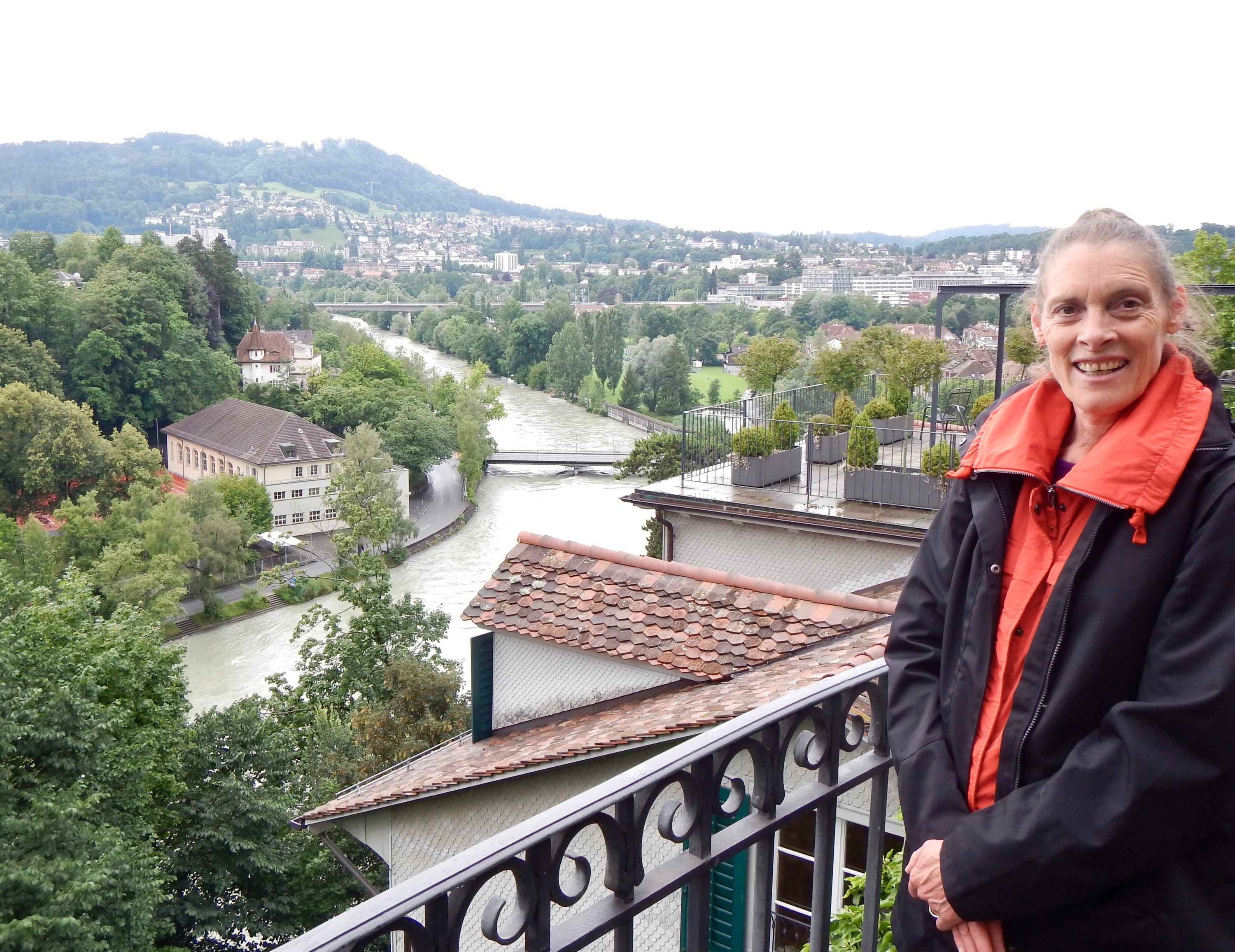
Overlooking the river Aare from “old town” Bern
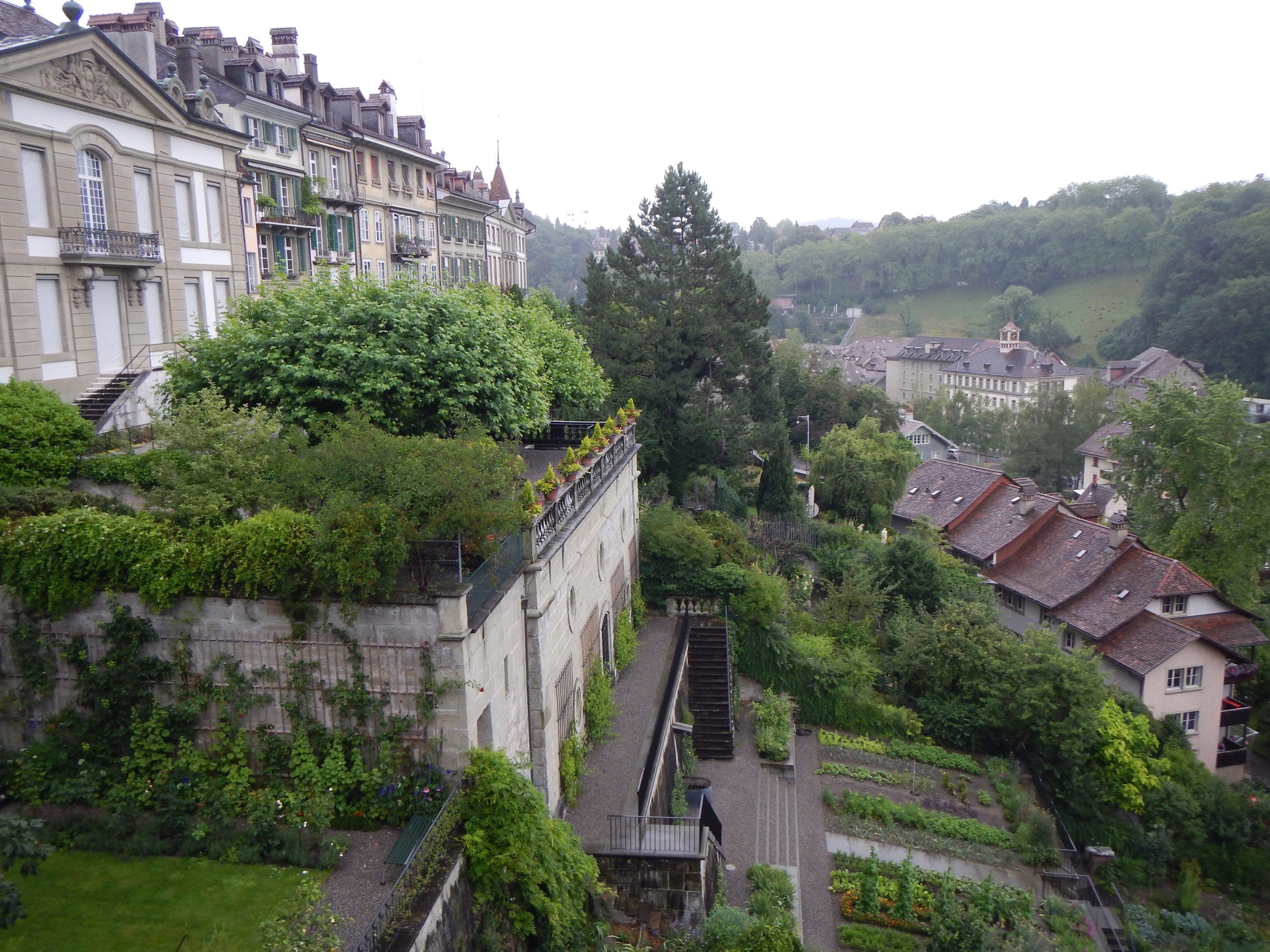
Beautiful multi level gardens to the rear of some magnificent mansions
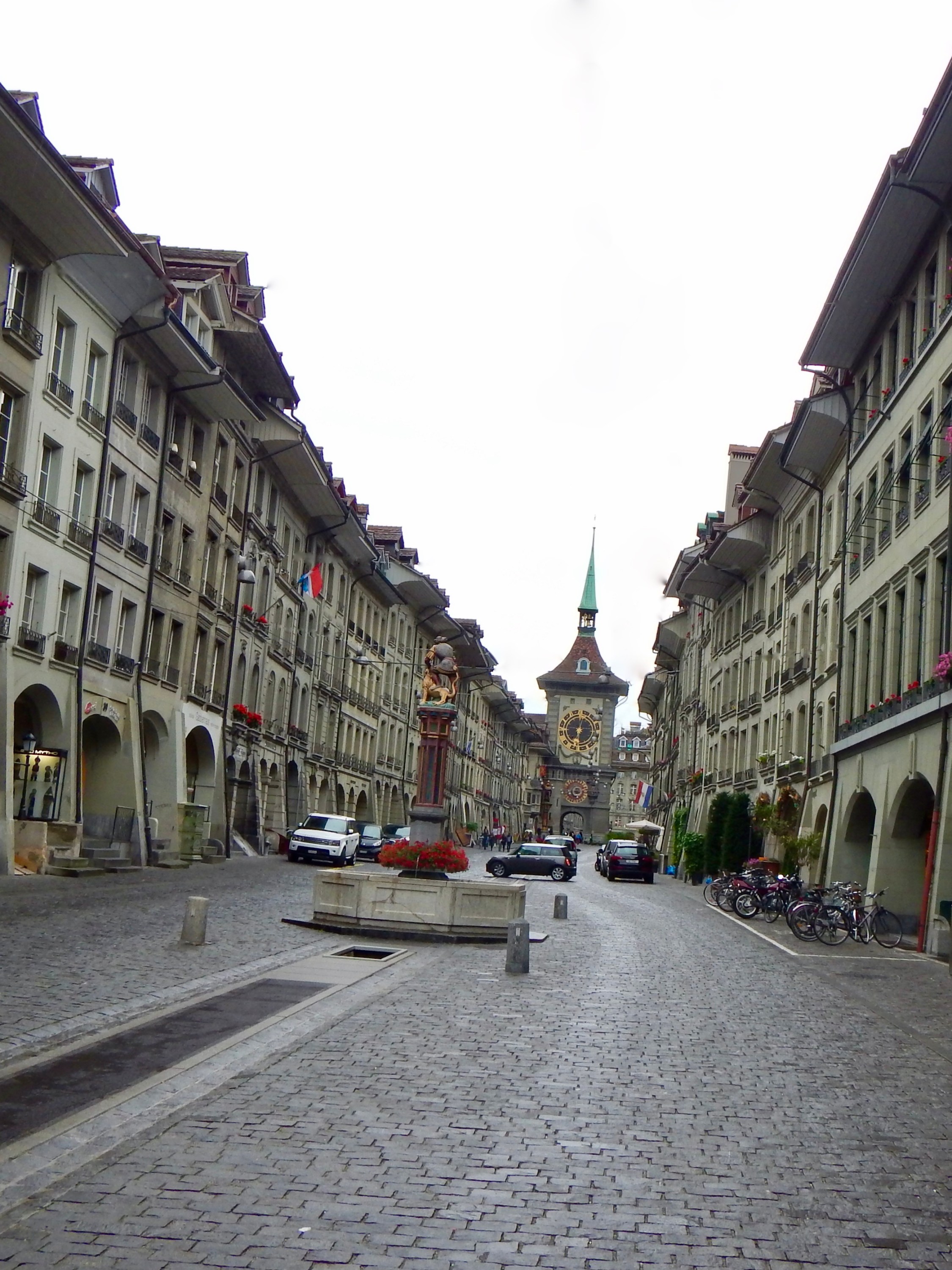
Western gate with its extraordinary 1530 clock tower. Albert Einstein’s family home on the left
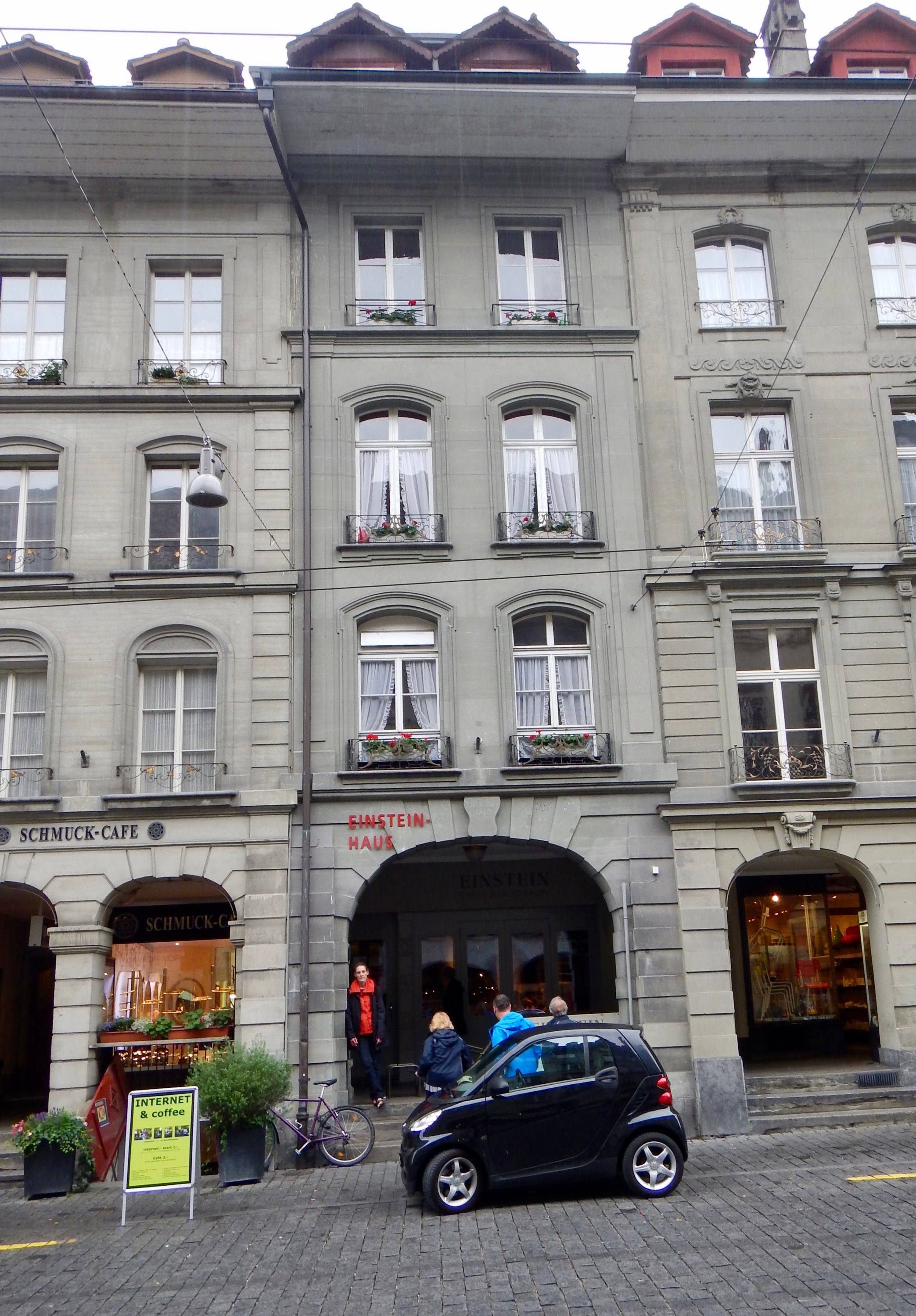
Einstein wrote his Annus Mirabilis papers here changing how we understand the universe (E=mc2). That must be his “Smart Car” out front
Montreux is at the east end of Lake Geneva. Famous for it’s Jazz Festival every July
And, Château de Chillon. The incredibly interesting offshore medieval island castle
It’s roots date back to Roman times and this was Margot’s dad‘s (Gramps) favourite castle
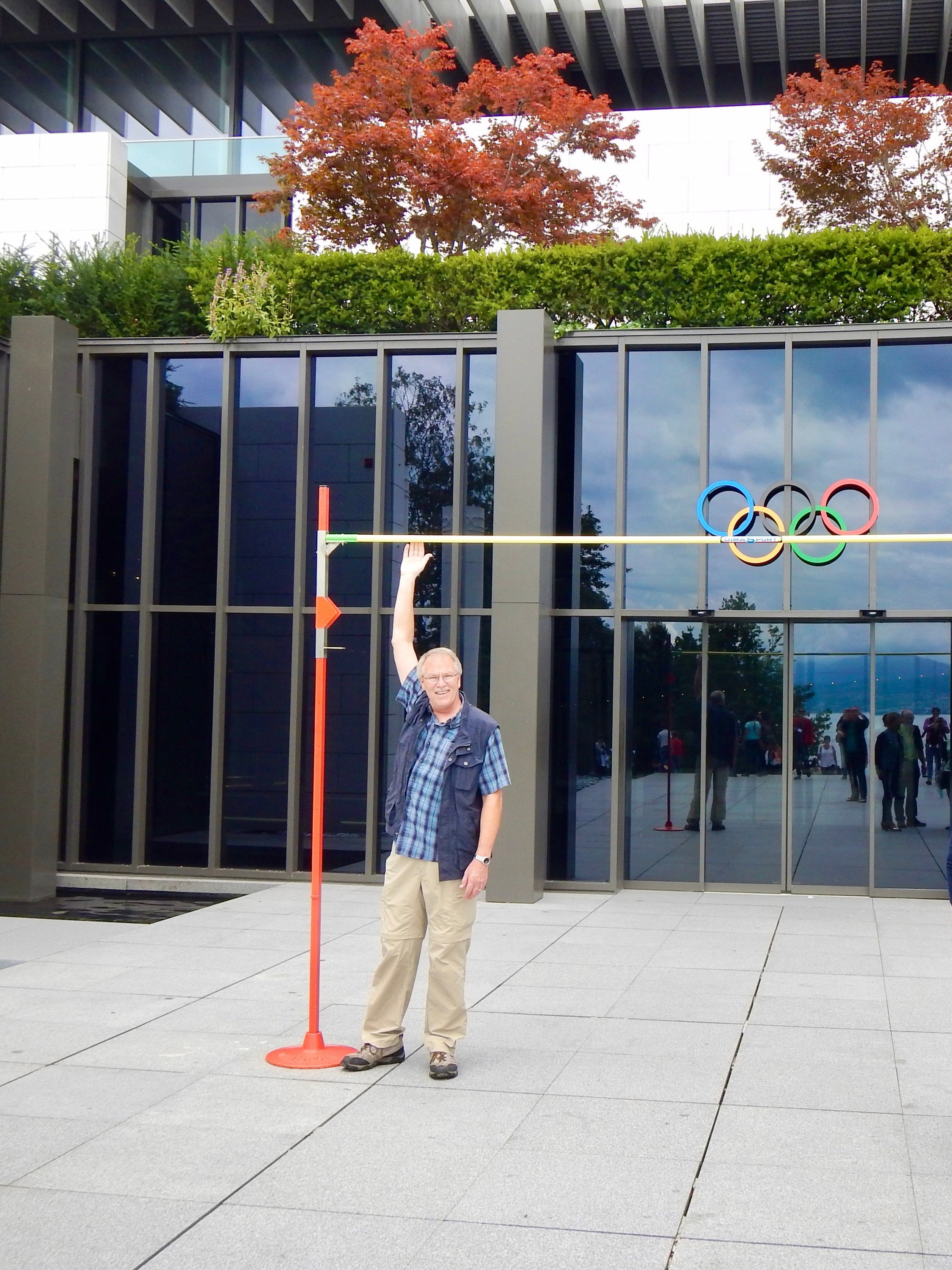
Olympic Committee Headquarters and Museum in Lausanne. “Faster- Higher-Stronger”
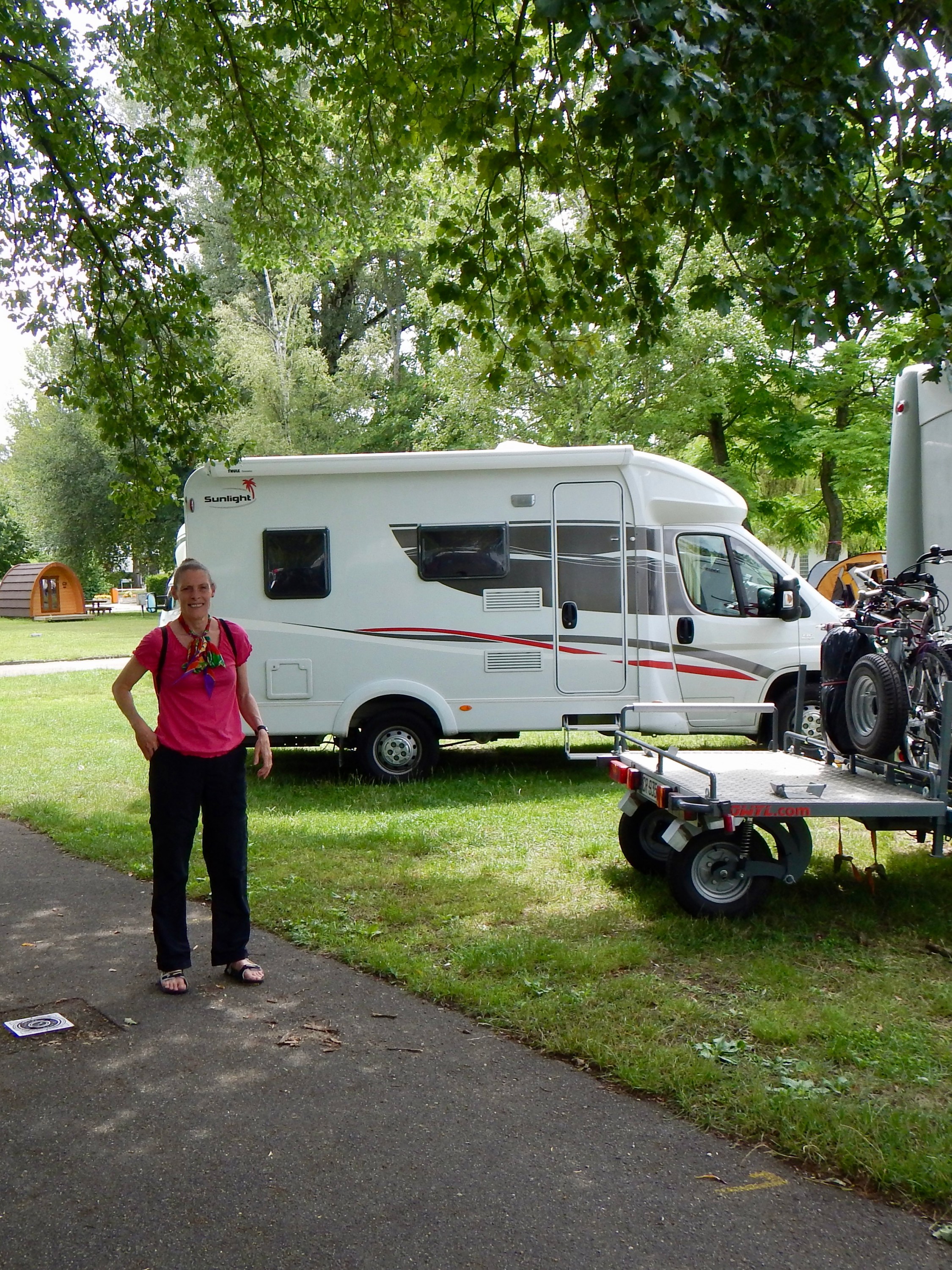
Our campground in Geneva. Admiring our neighbour’s nice motorcycle trailer
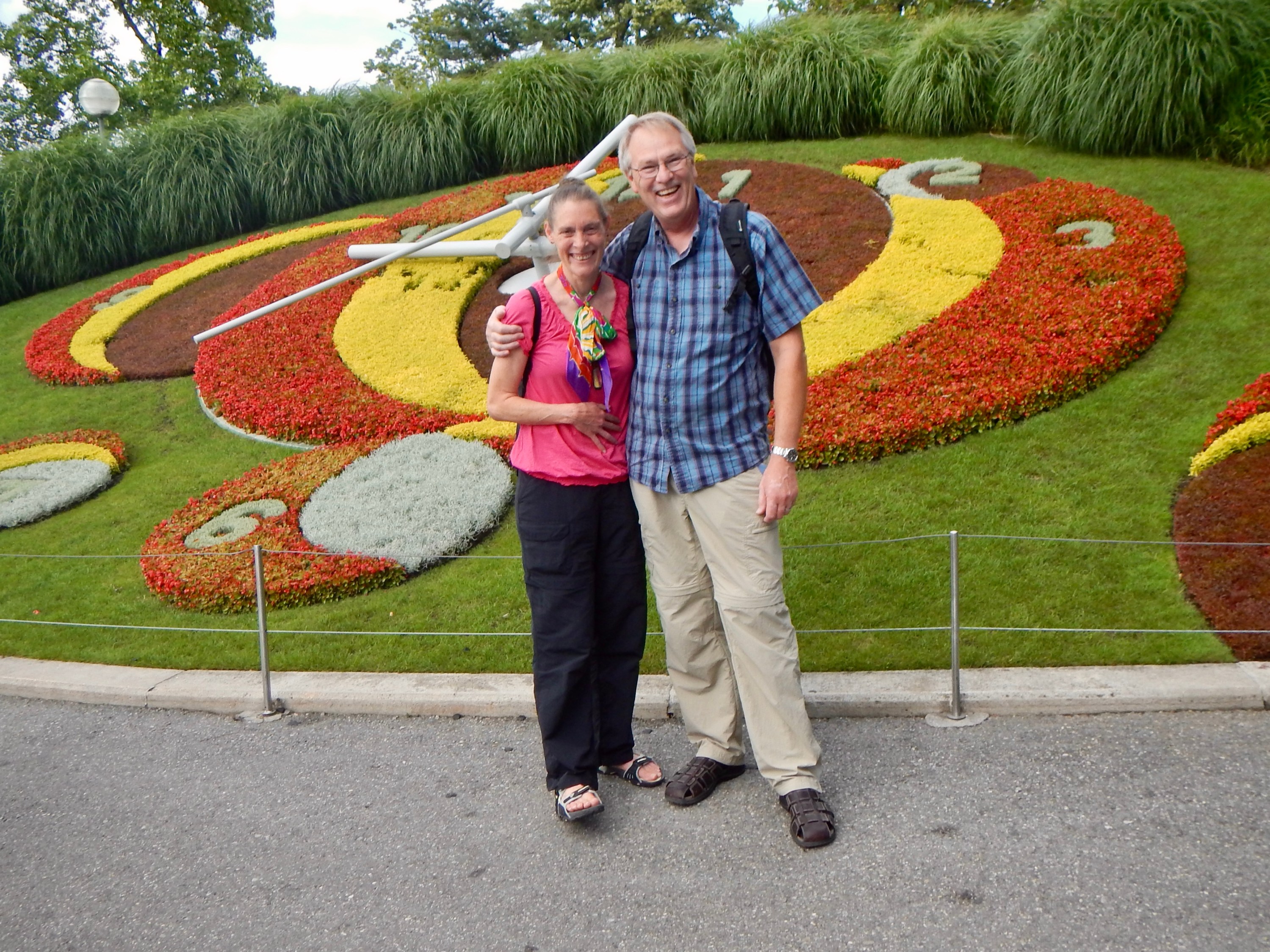
Right on time in Geneva, Switzerland


1 Comment

Bavaria and “Road Ramble”

The original intent of Bruma Blog was twofold, first to keep family and friends informed as to our whereabouts and secondly to function as our travel diary. This second objective may explain the somewhat excessive use of photos and some particularly unique descriptions.  I’ve been asked however to include some other travel related experiences, tips and trivia to the blog. Therefore, l’d like to introduce “Road Ramble”. I’ll try to include Road Ramble at the end of some blogs and thrill you with completely unrelated, unorganized and random thoughts of our day to day motor-homing experiences. Margot tells me she has lots of them… and I know she’s anxious to share them. As for any “nuts and bolts” content regarding in-depth information on specific topics like “electronics”, I’ll prepare a specific blog sometime in the future to address such details.

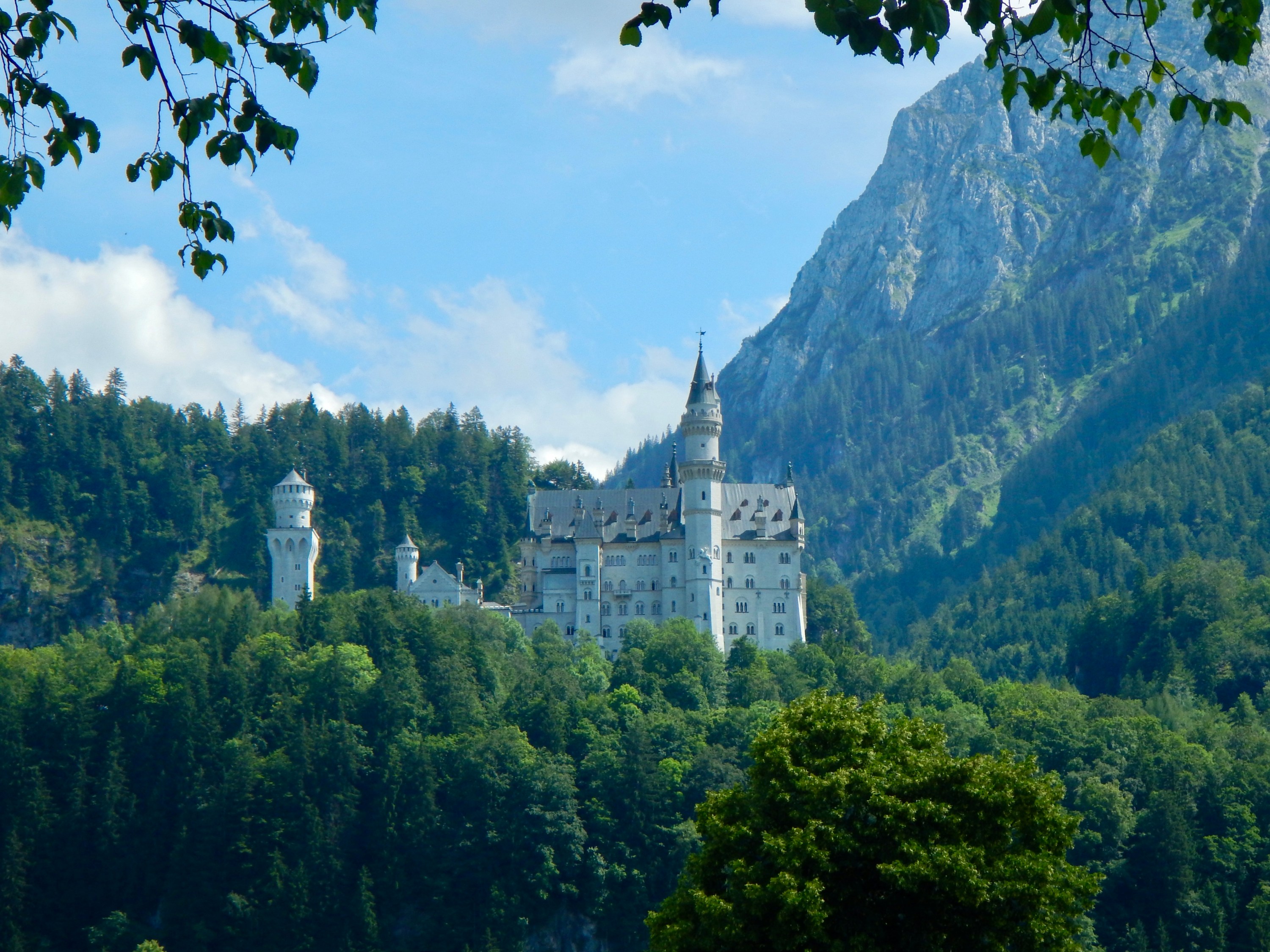
Road Ramble #1 – No better way to start a ramble than with safety. Personal safety and security is always a concern for us as we travel about and we tend to be very cautious in handling ourselves as well as our cards, cash, and documents. So you can imagine how disappointingly surprised we were when I became the victim of a “Pick-Pocketer” at Neuschwanstein Castle in Bavaria. Waiting innocently in the rain for our tour to begin, we took shelter under an awning with a small group of tourist looking types. Taking a second closer look, I did notice a few guys in the pack that didn’t really fit the “Rick Steves” image of a tourist and instinctively put my hand inside my left pocket to cover my iPhone. Our tour completed and just as we were leaving I reached into my right pocket to pull out my change purse but it was gone! Having used it for a coffee purchase just prior to the start of our tour, I immediately new what had happened. Those socially defective, but talented thieves, were so fast and smooth I had no indication of being robbed…  and then they vanished like ghosts. Luckily for us it was only my small sized change purse containing cash-only that they got as we keep all  our high value items under much tighter “Money Belt” control. Never the less, they earned about a hundred dollars for their devilish deed that day and we got a relatively mild reminder of how important it is to be constantly diligent of potential opportunities for these professional crooks to exercise their skills.
After that experience maybe I’m the wrong guy to be giving advice on travel security but, what we have found works well is a good quality money belt for additional cash, credit card, drivers licence, passport and any important documents. For daily expenses we carry in our pockets a small change purse loaded with adequate cash to cover the basics for the day’s outing and that was usually between 50 and 100 Euros. Essentially, this “cash only” purse becomes a sacrificial target – in a pinch… so to speak. For all the other “stuff” we carry around, like iPhones and camera, the best security solution is a good travel vest or cargo pants with secure pockets that require some sort of physical manipulation to open. Like this fashion or not, you’ll probably see us wearing both of these stylish accessories in the future. 
As an interesting side note, we’ve discovered that cash is definitely the preferred method of local commerce and often the only method of payment, as credit cards are not accepted in many smaller establishments. We find ourselves therefore having to carry more cash then we normally would and not feeling very comfortable about that. Of the two cards we use, Visa is accepted most often and American Express is rarely accepted (Master Card also seems popular). Gas stations often accept credit cards but some of them only with a higher than cash fuel charge. Our bank cards at the ATM cash machines worked well with only minimal service charge at our own bank affiliated Euro banks. Other independent banks charged various amounts more for their service charges.
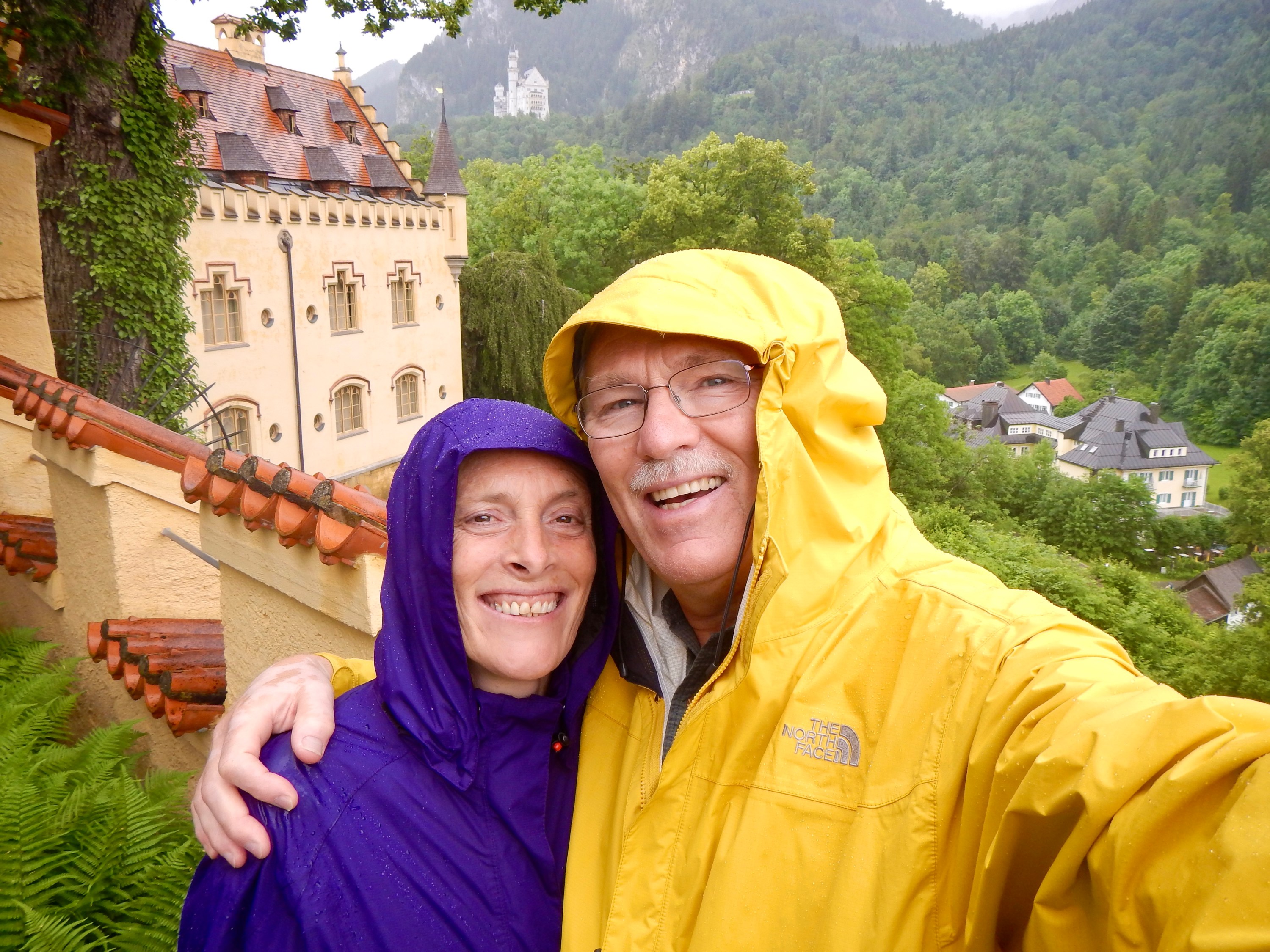
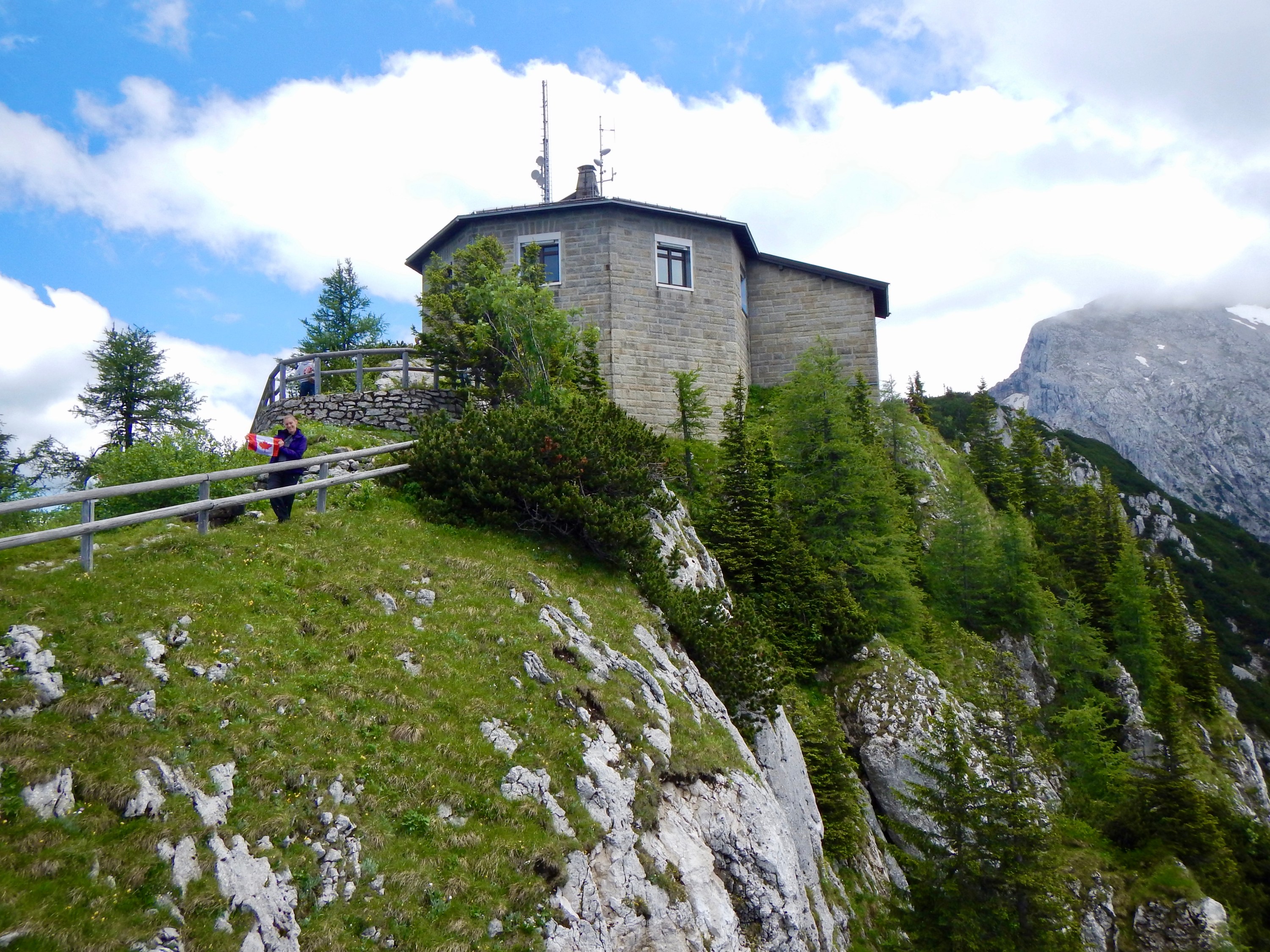
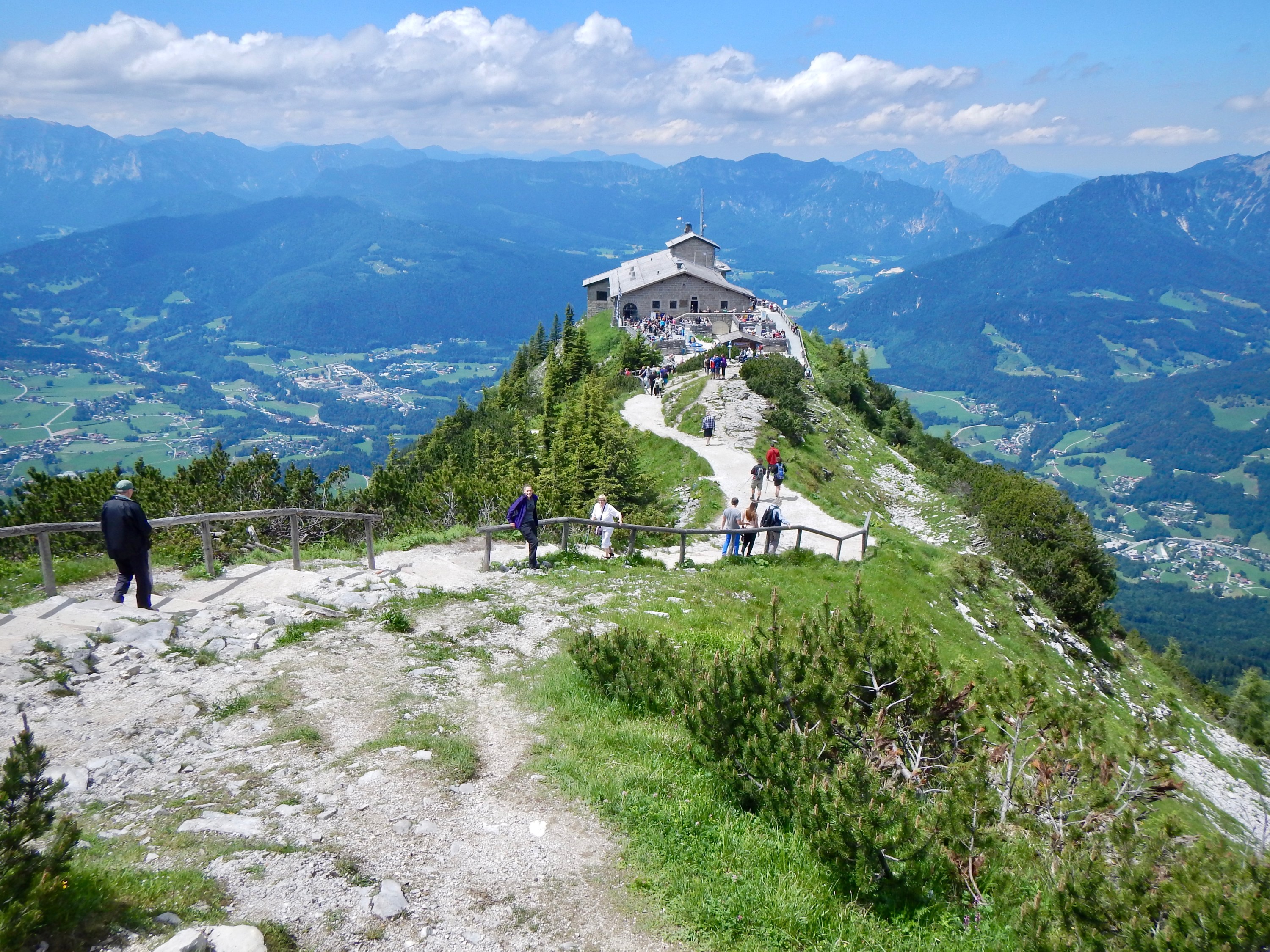
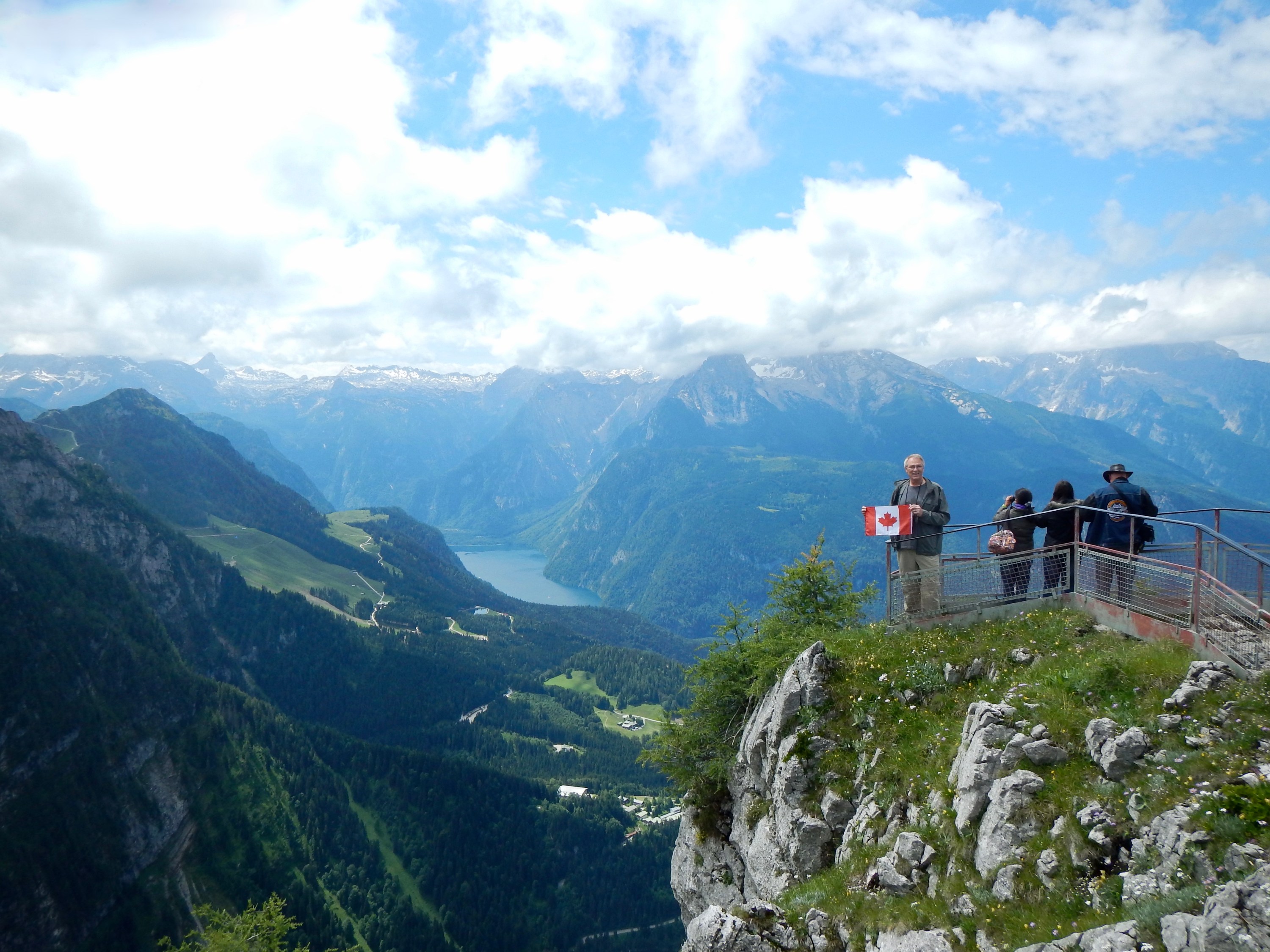
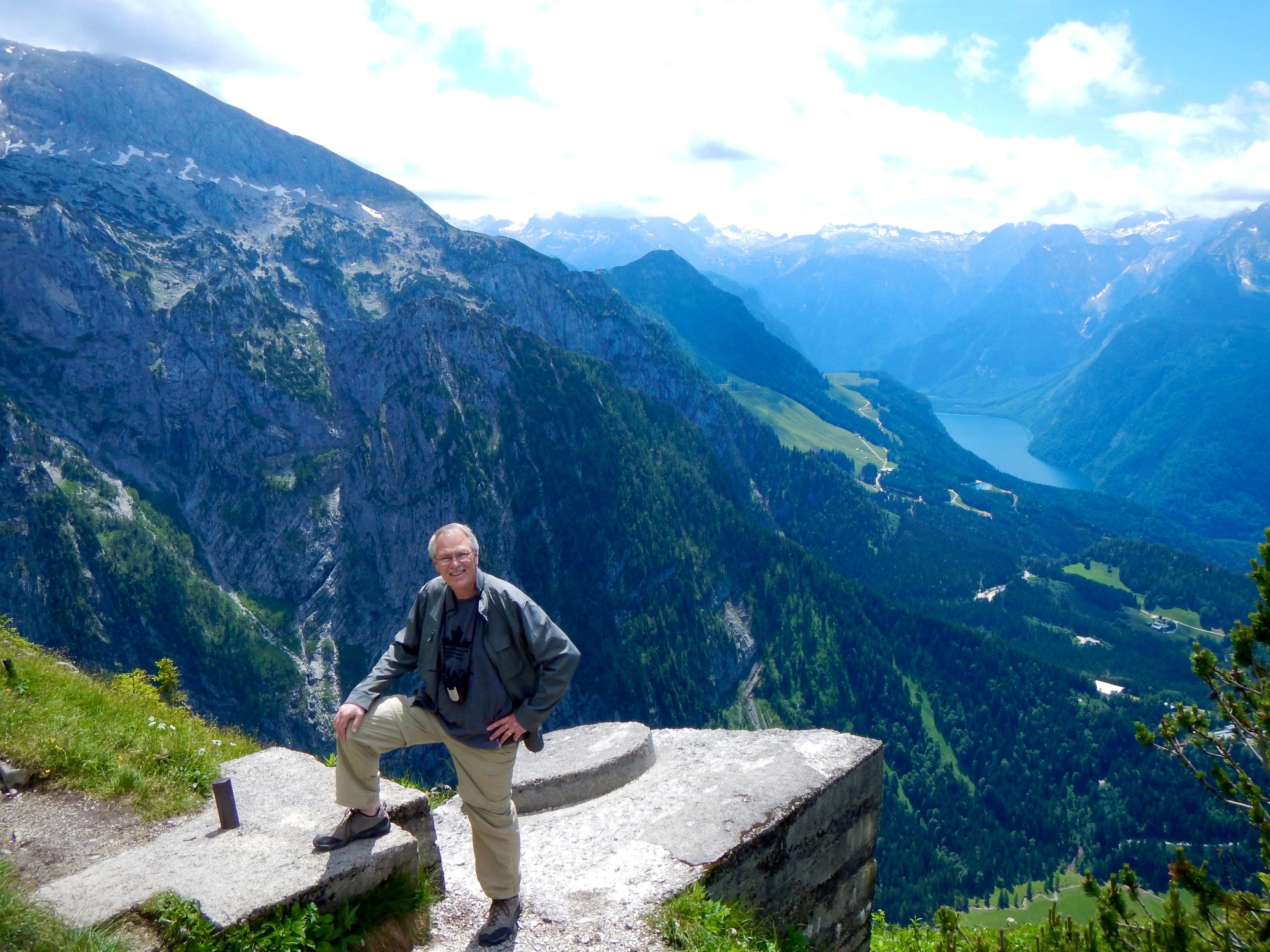
Below, I’ve added some pictures of our trek through Bavaria as we head towards Switzerland. Starting with photos of the famous Neuschwanstein Castle near Fussen and ending them at Hitler’s infamous, but beautiful, “Eagle’s Nest” near Berchtesgaden, Germany on “Canada Day”. 

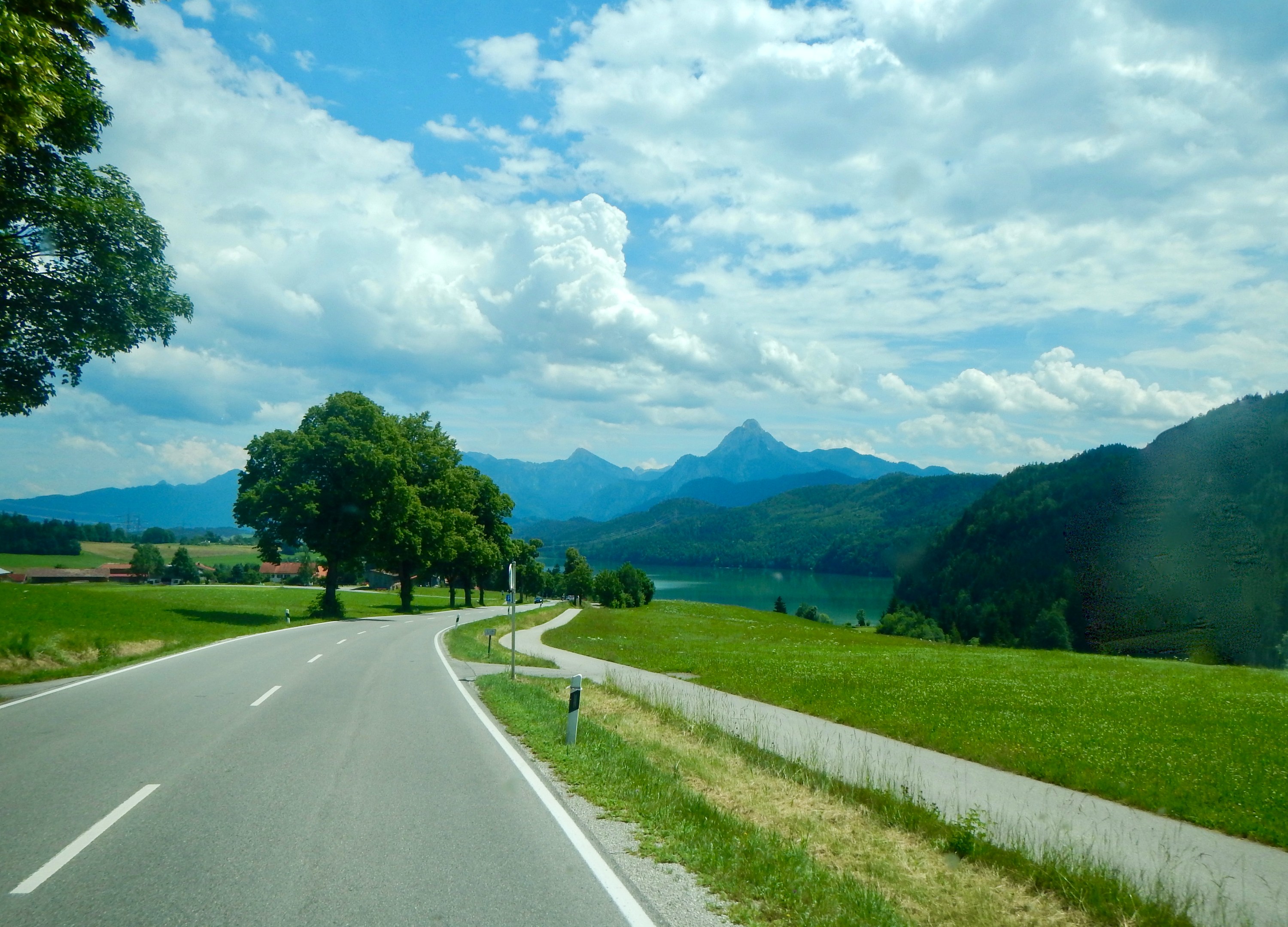
Approaching the town of Fussen in Bavaria
King Ludwig II’s Neuschwanstein Castle
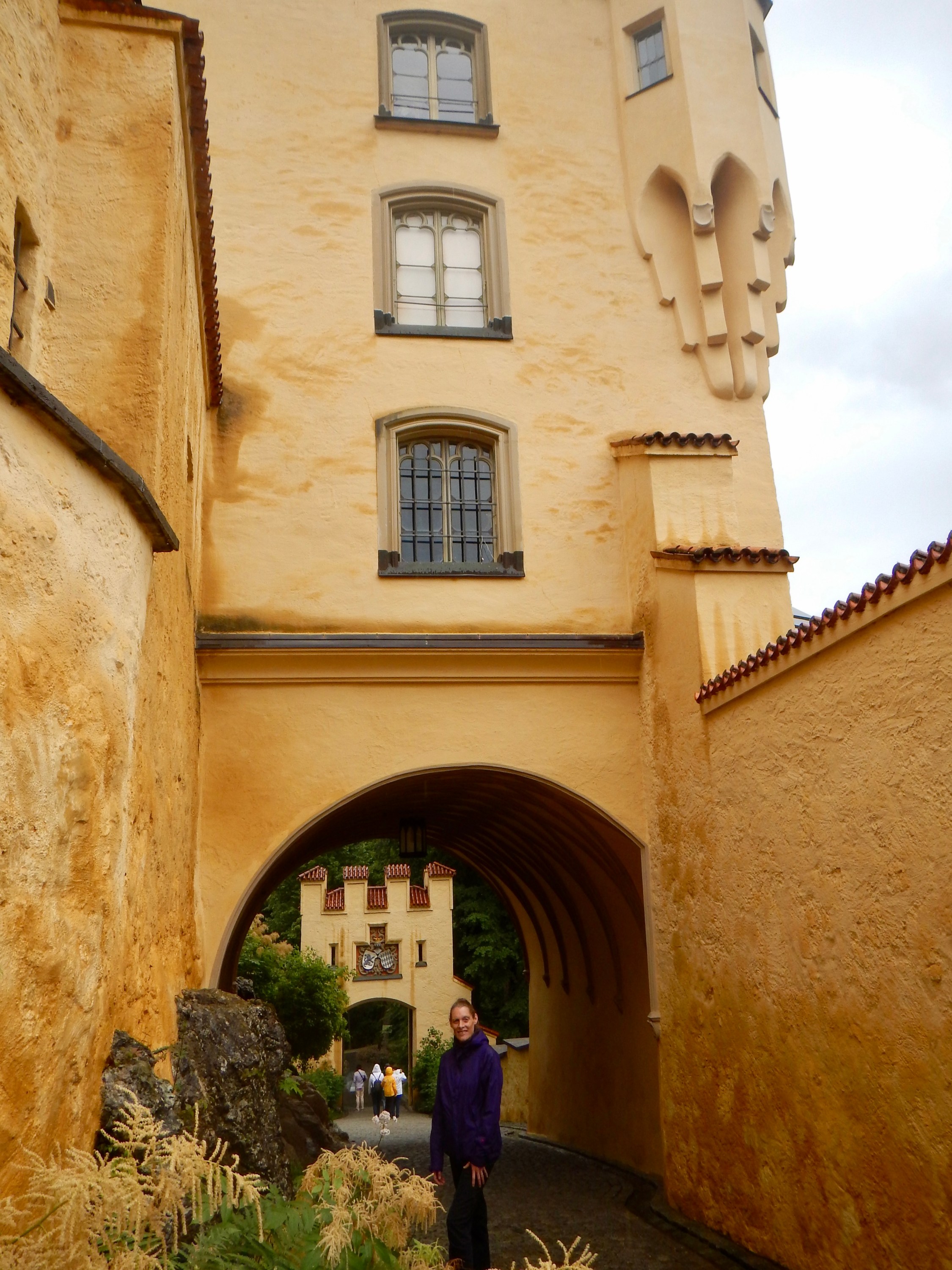
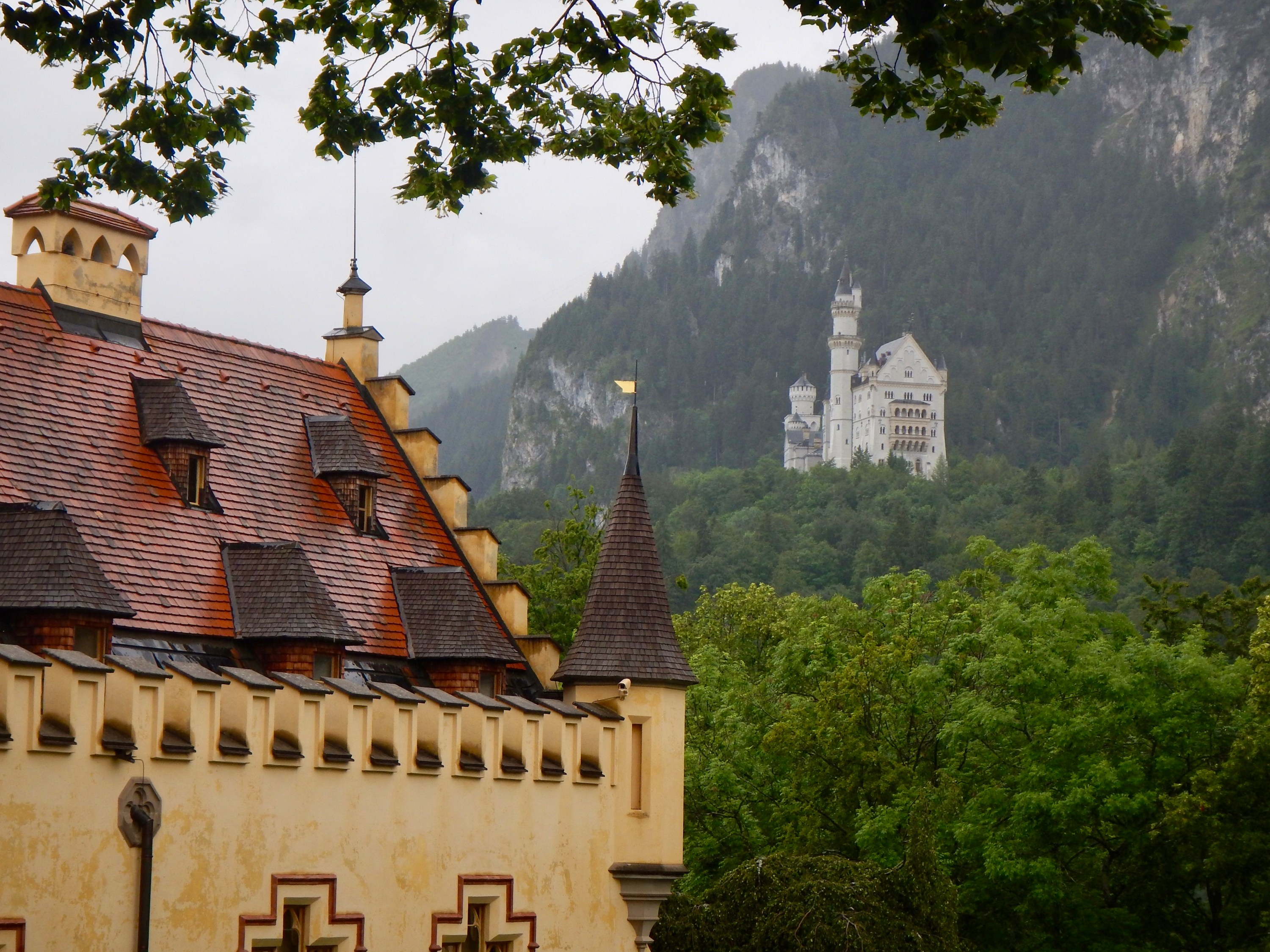
Just next door… King Maximilian II’s Hohenschwangau Castle. (Ludwigs father)
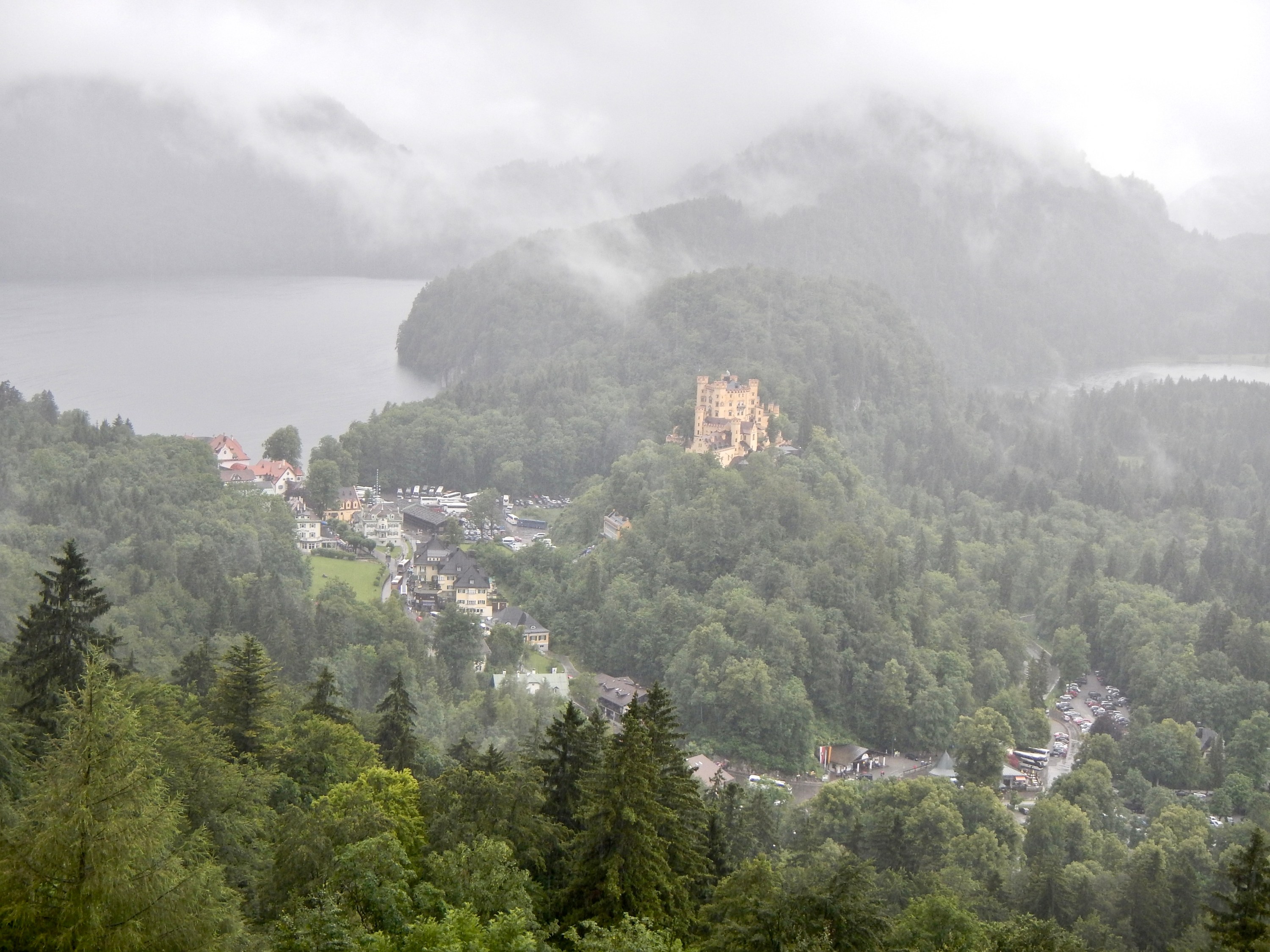
From a Hohenschwangau Castle garden you can see Neuschwanstein Castle on the hill above
I wonder if that “pick pocketer” was wearing purple… hmmmm
The original fortress here dates back to the 12th Century
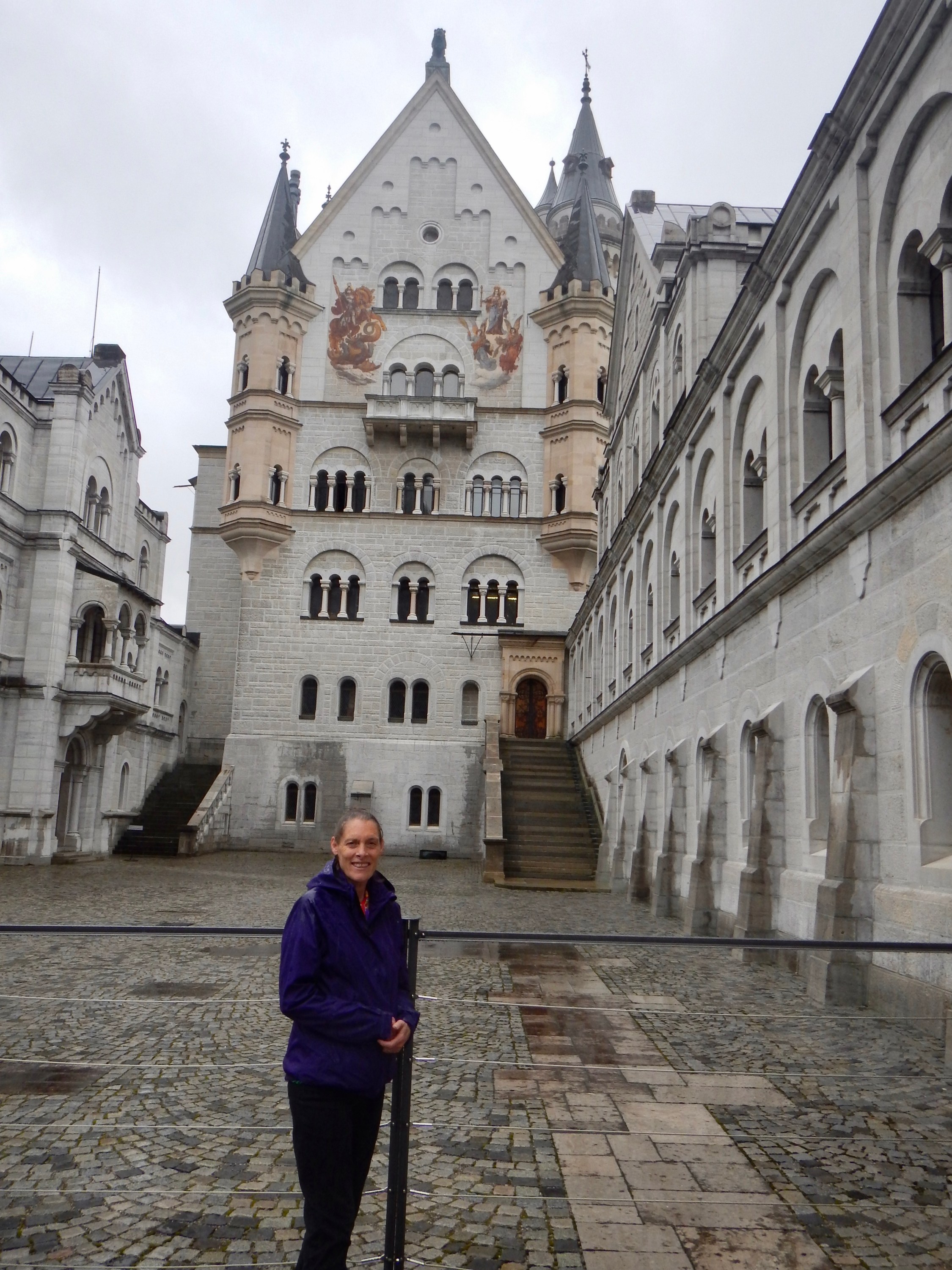
The inner courtyard of Neuschwanstein Castle.  Walt Disney found inspiration here
Looking down on his father’s Castle from Ludwig’s “new” Neuschwanstein Castle
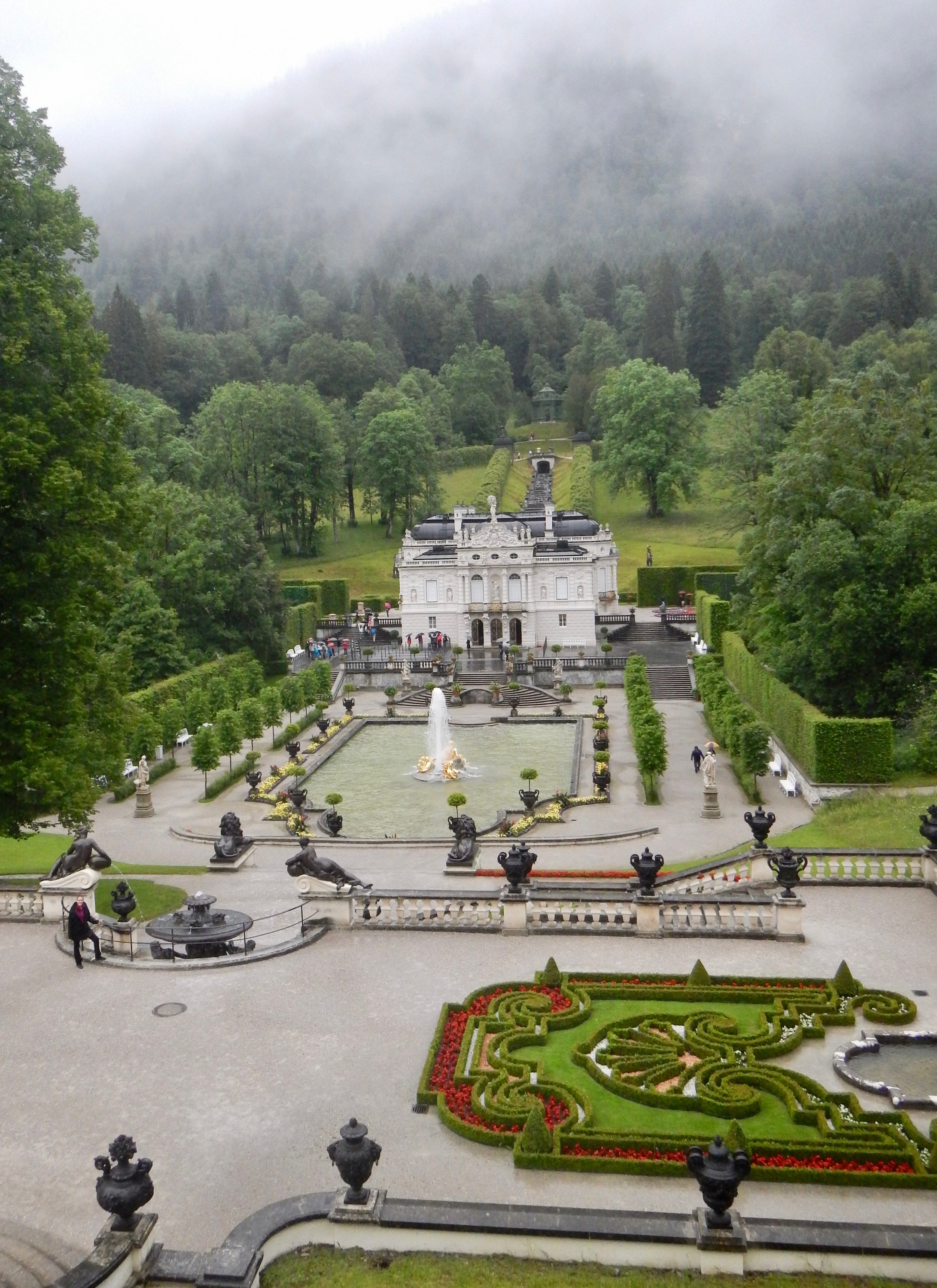
Not far away, the Linderhof Summer Palace, another one of “Mad” King Ludwig’s treasures
A German “Maypole”… for locals to dance around on May 1st
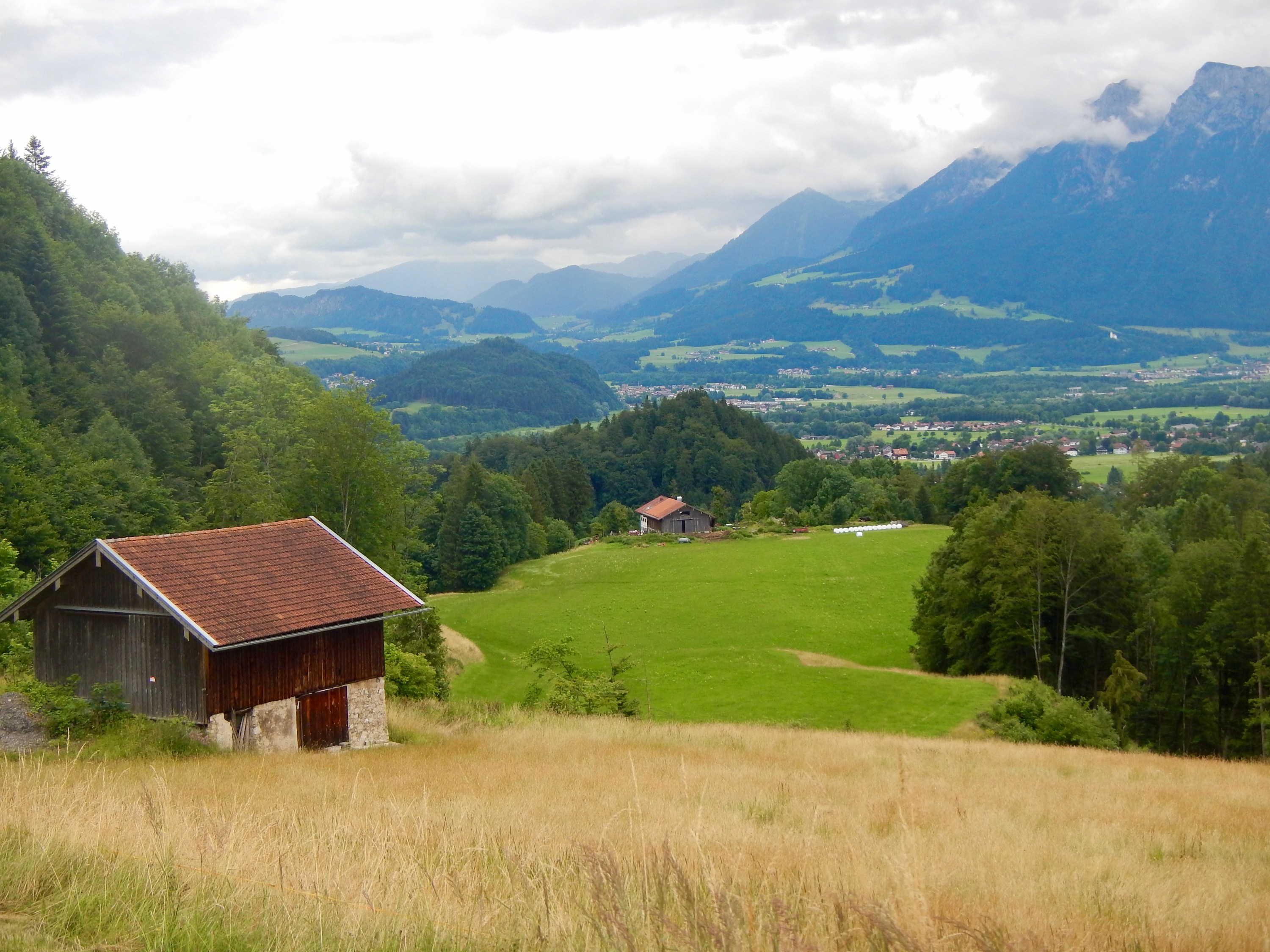
Strikingly beautiful Bavaria
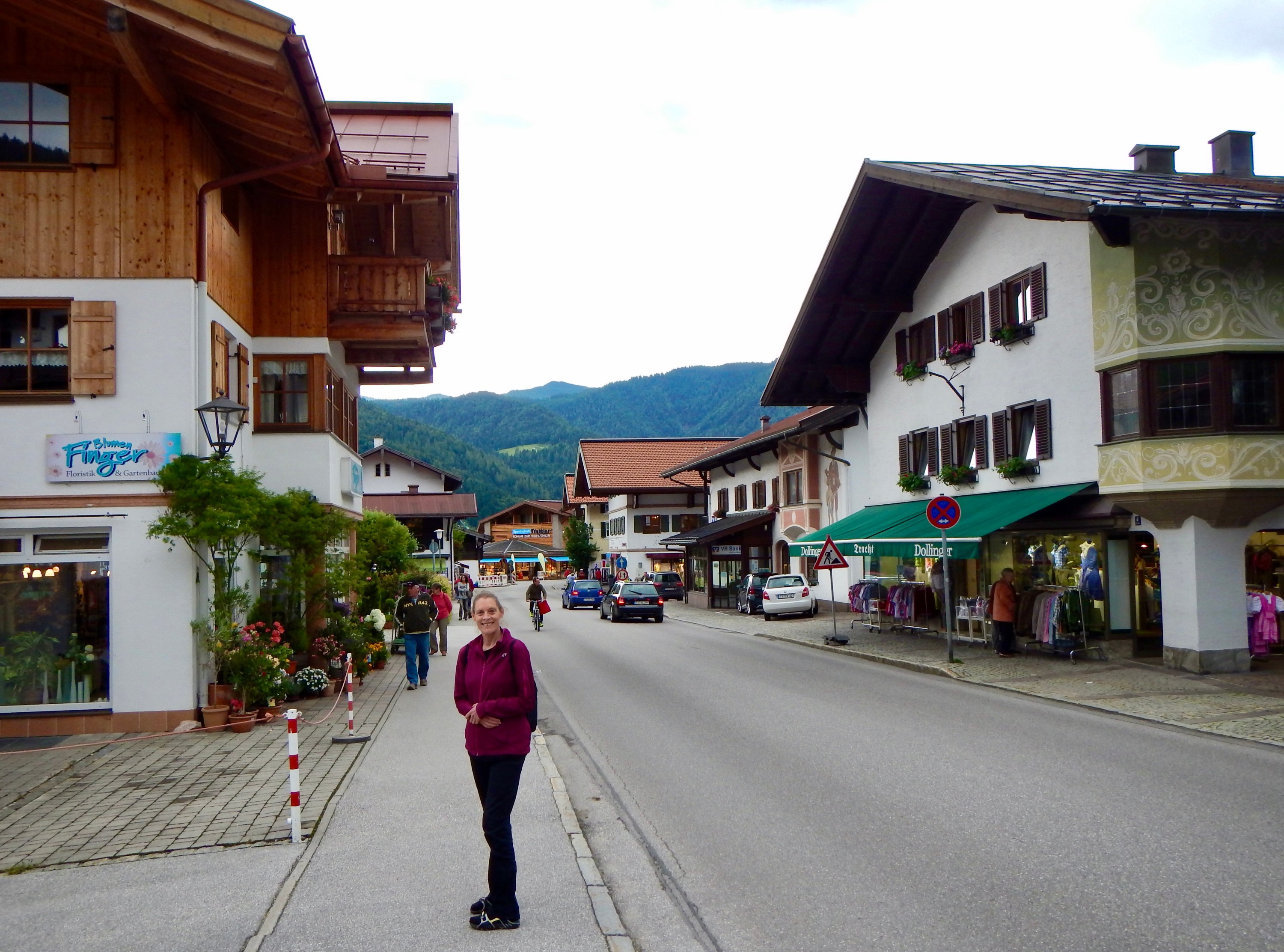
Exploring a small Bavarian town centre
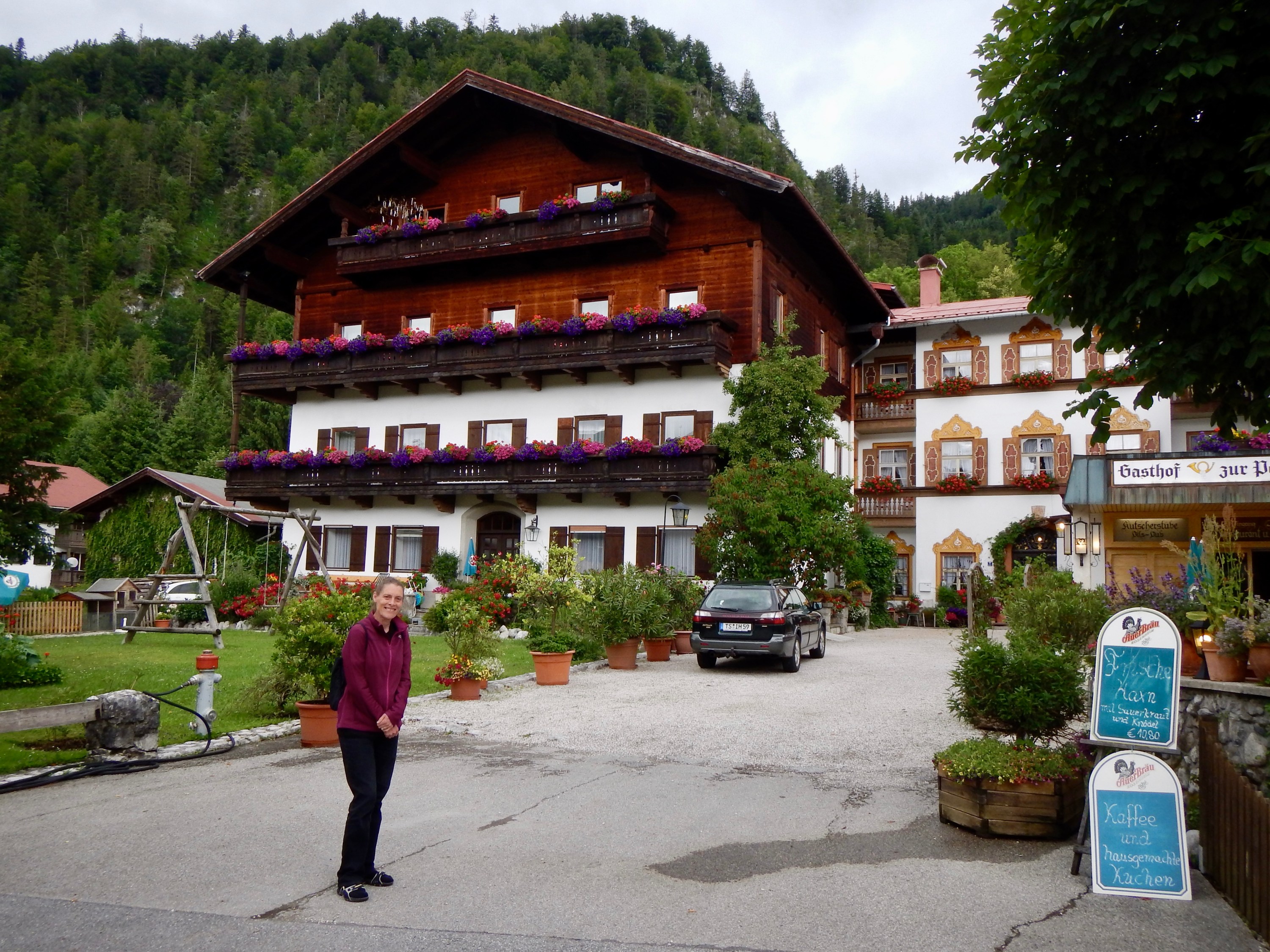
A local Hotel
The repurposed SS guardhouse at the road entrance to Hitler’s Eagle’s Nest
A very narrow one-way mountain road to Hitler’s elevator. No public vehicles allowed
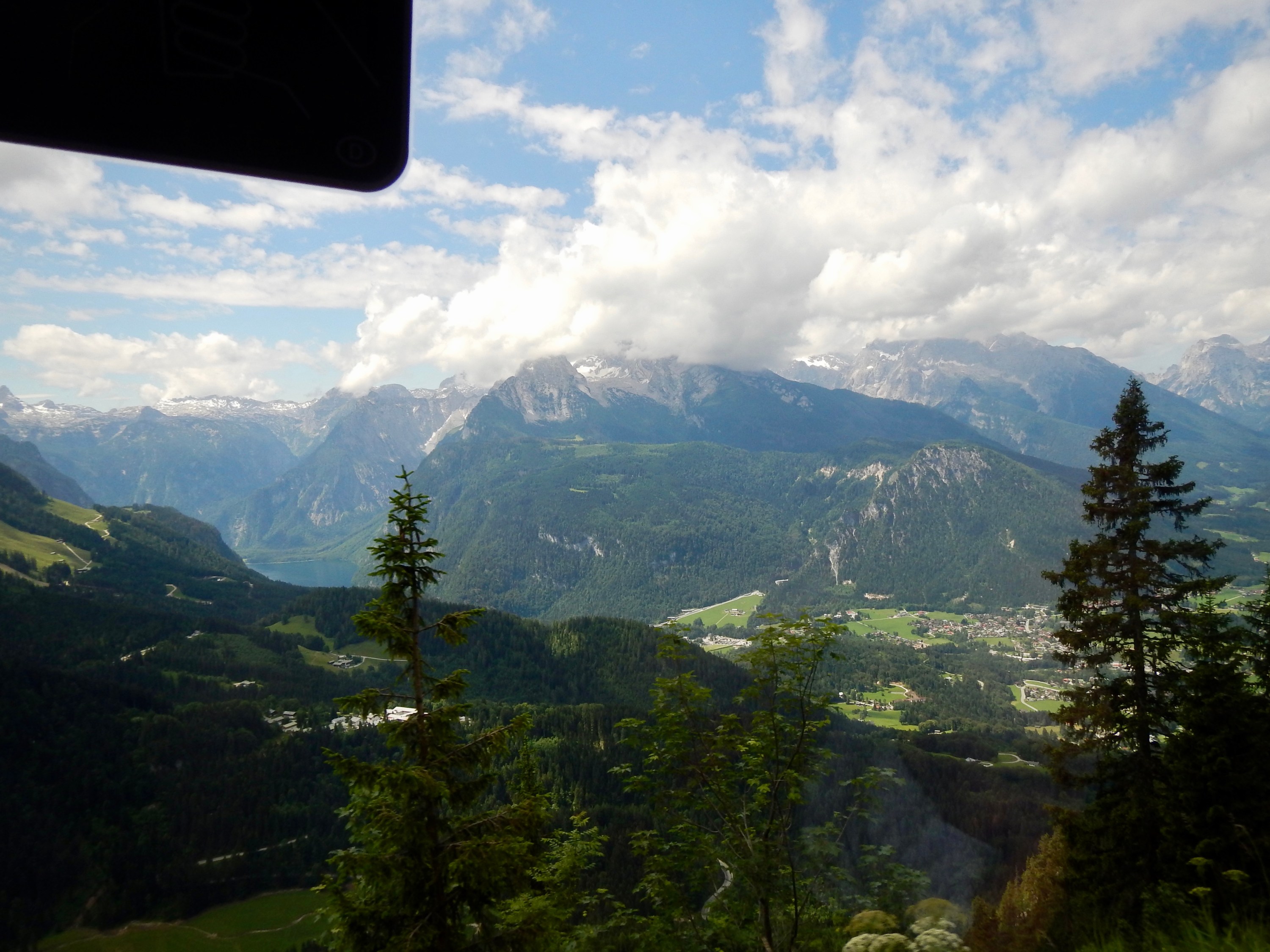
Breathtaking views even from the bus window
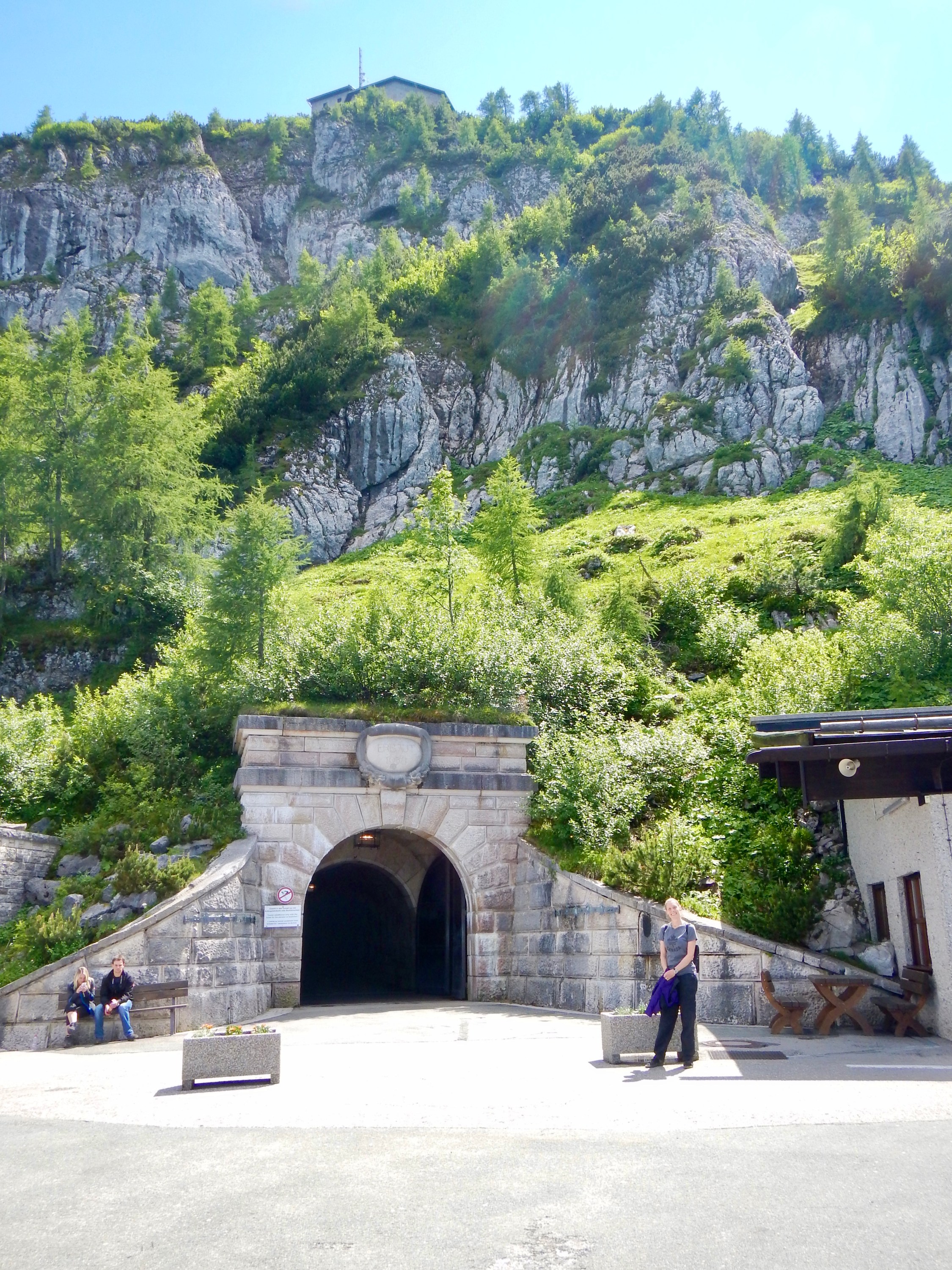
Tunnel entrance leading to Hitler’s private elevator
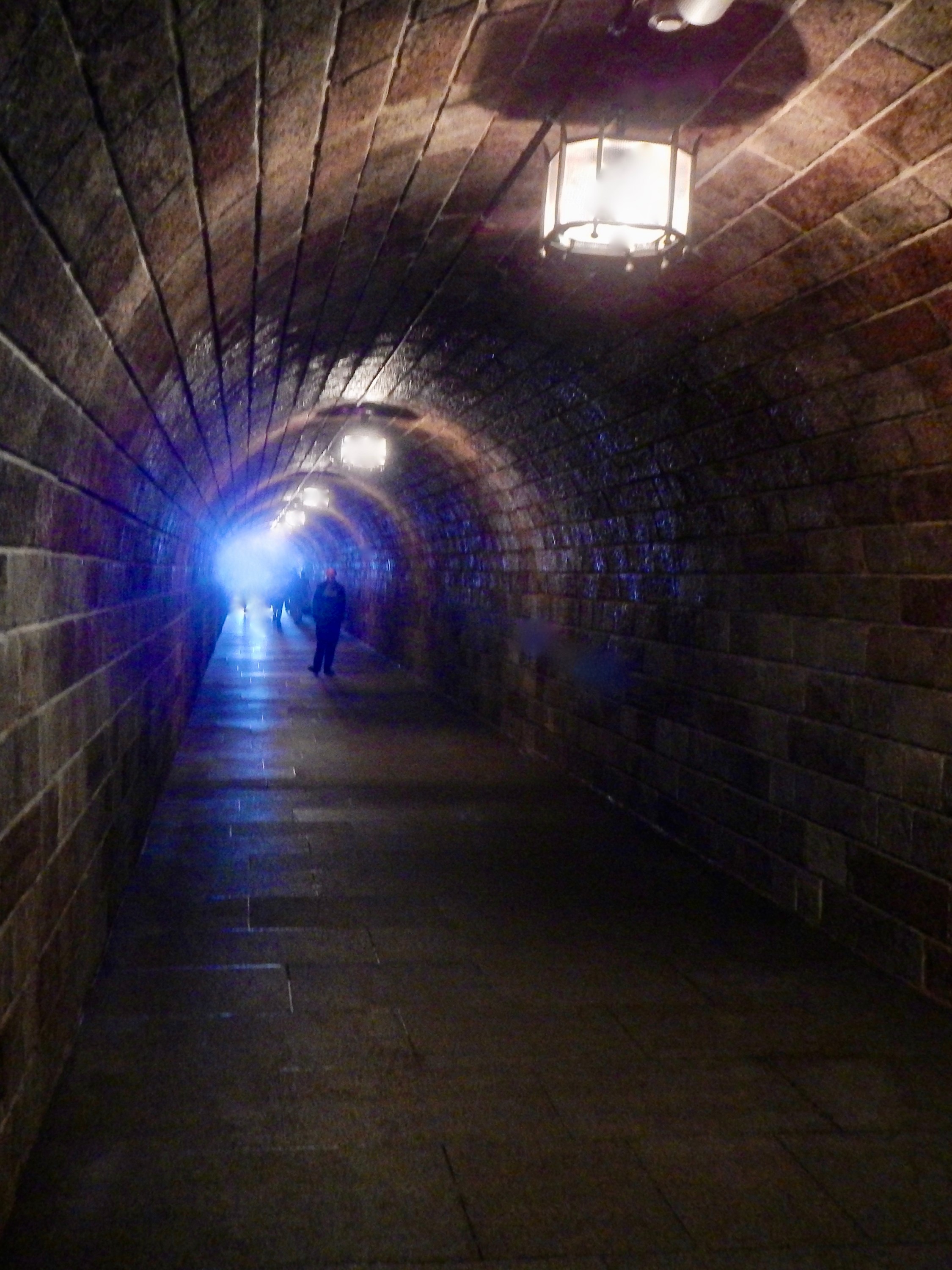
Inside the underground passage to the Kehlsteinhaus elevator and looking out… Hi Margot!
Hitler’s infamous Kehlsteinhaus
Incredible, dramatic and spectacular setting
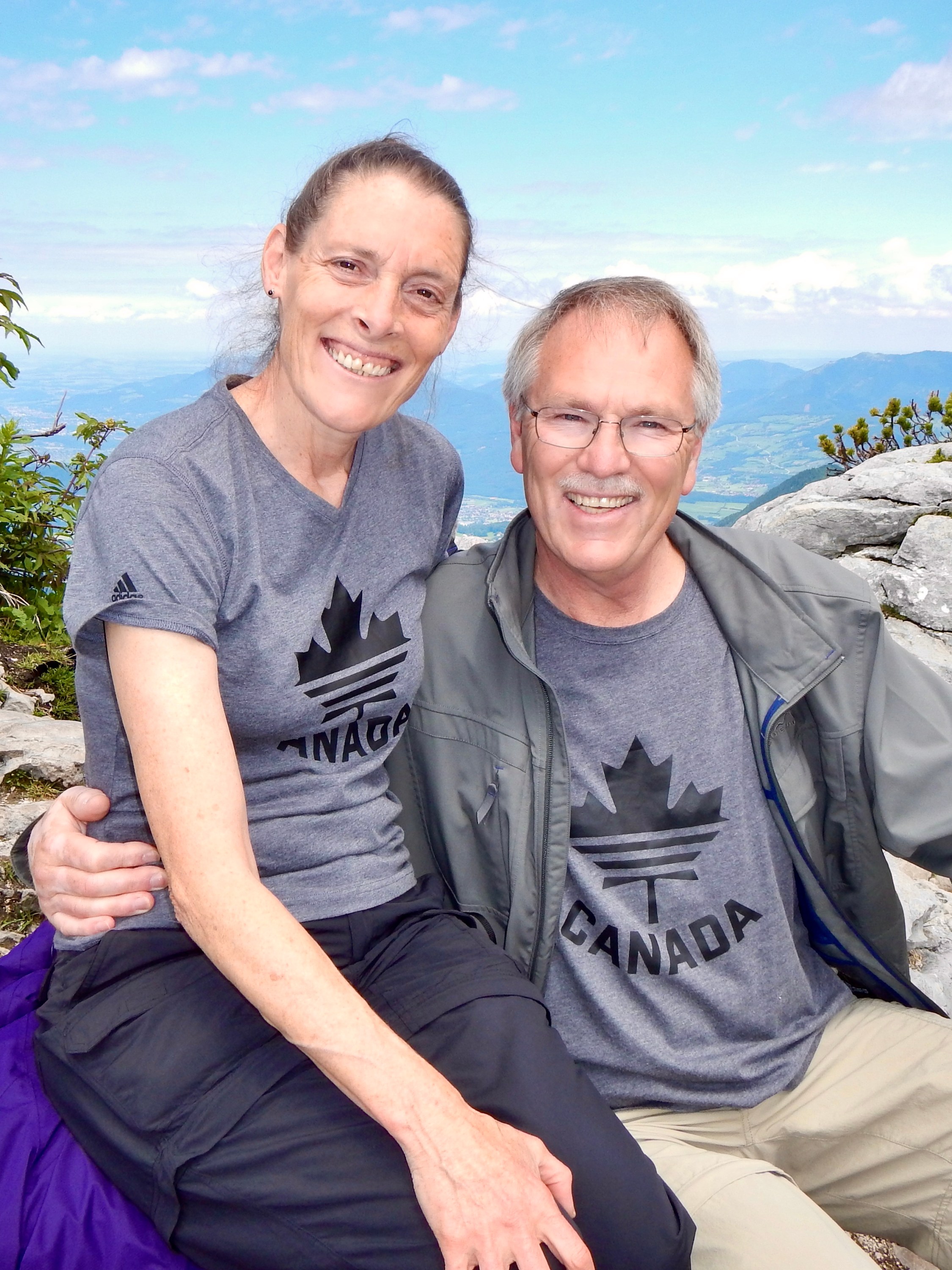
Sharing our pride from the top of the Alps… What a view!
Happy Birthday Canada!
The surviving base of a decommissioned anti aircraft gun
Hitler’s patio for entertaining and impressing dignitaries is now an impressive public cafe
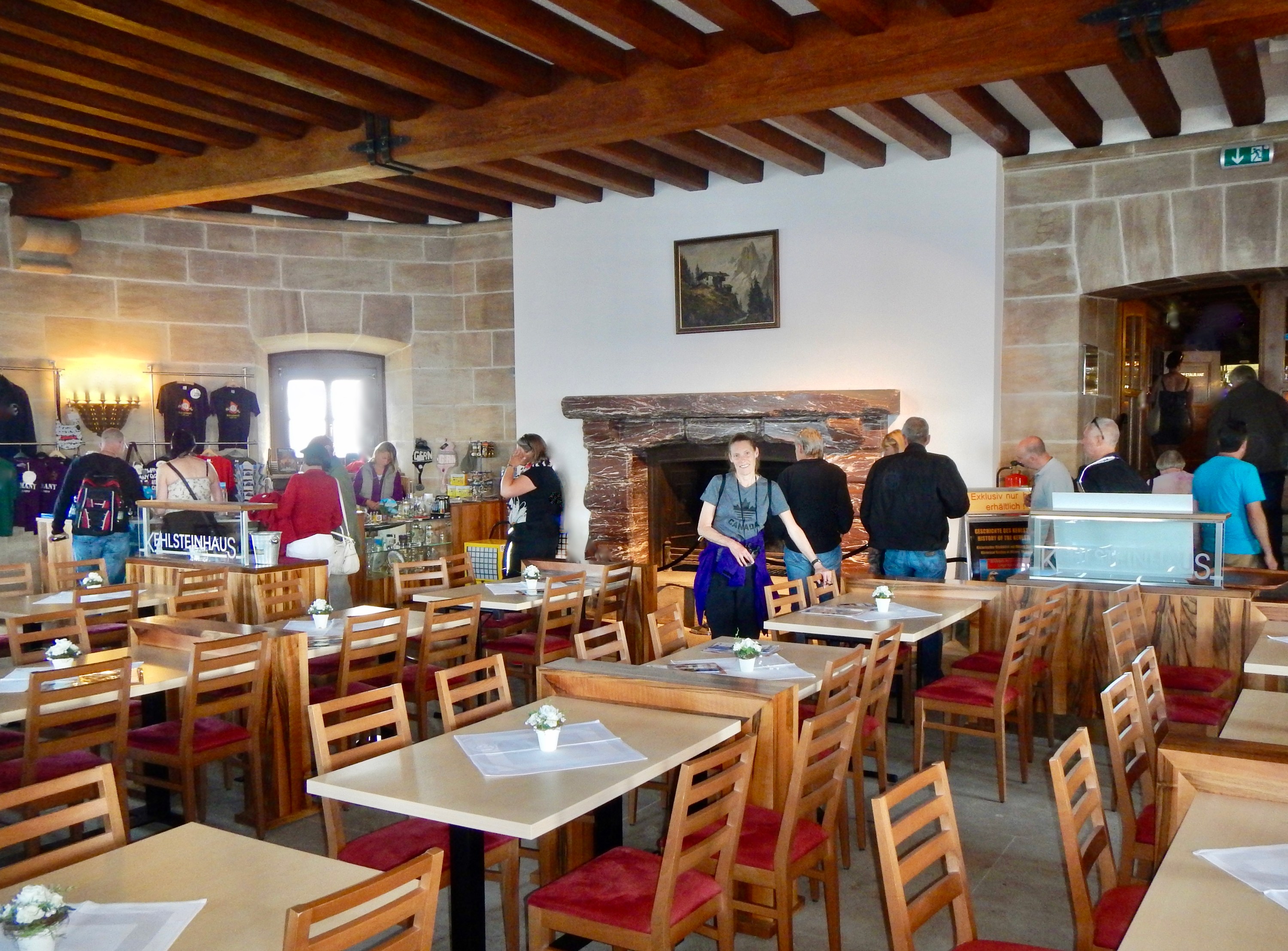
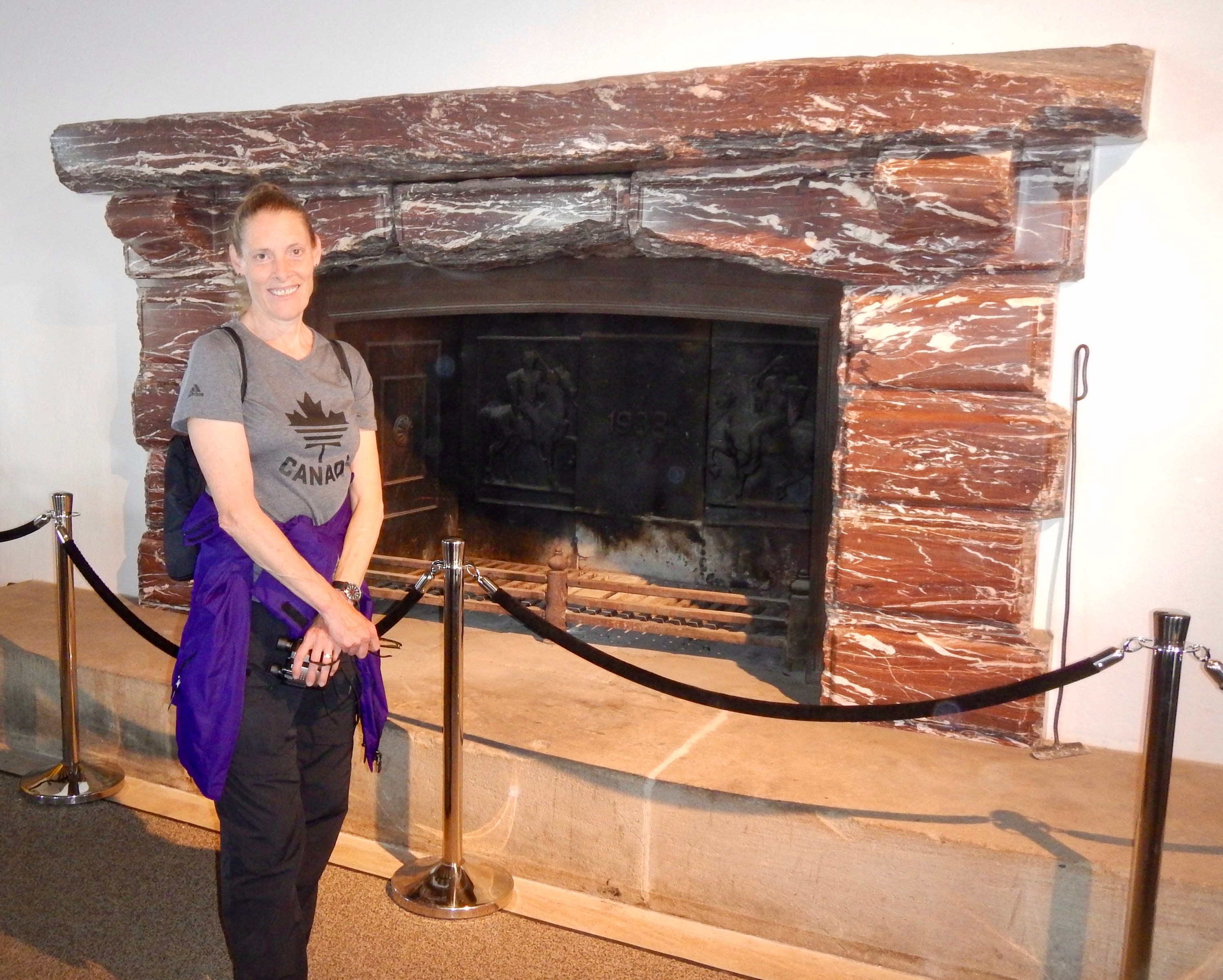
The main Kehlsteinhaus entertainment room and it’s fireplace… A gift from Mussolini
Note the damage to the fireplace marble caused by Allied soldier’s chipping out souvenirs
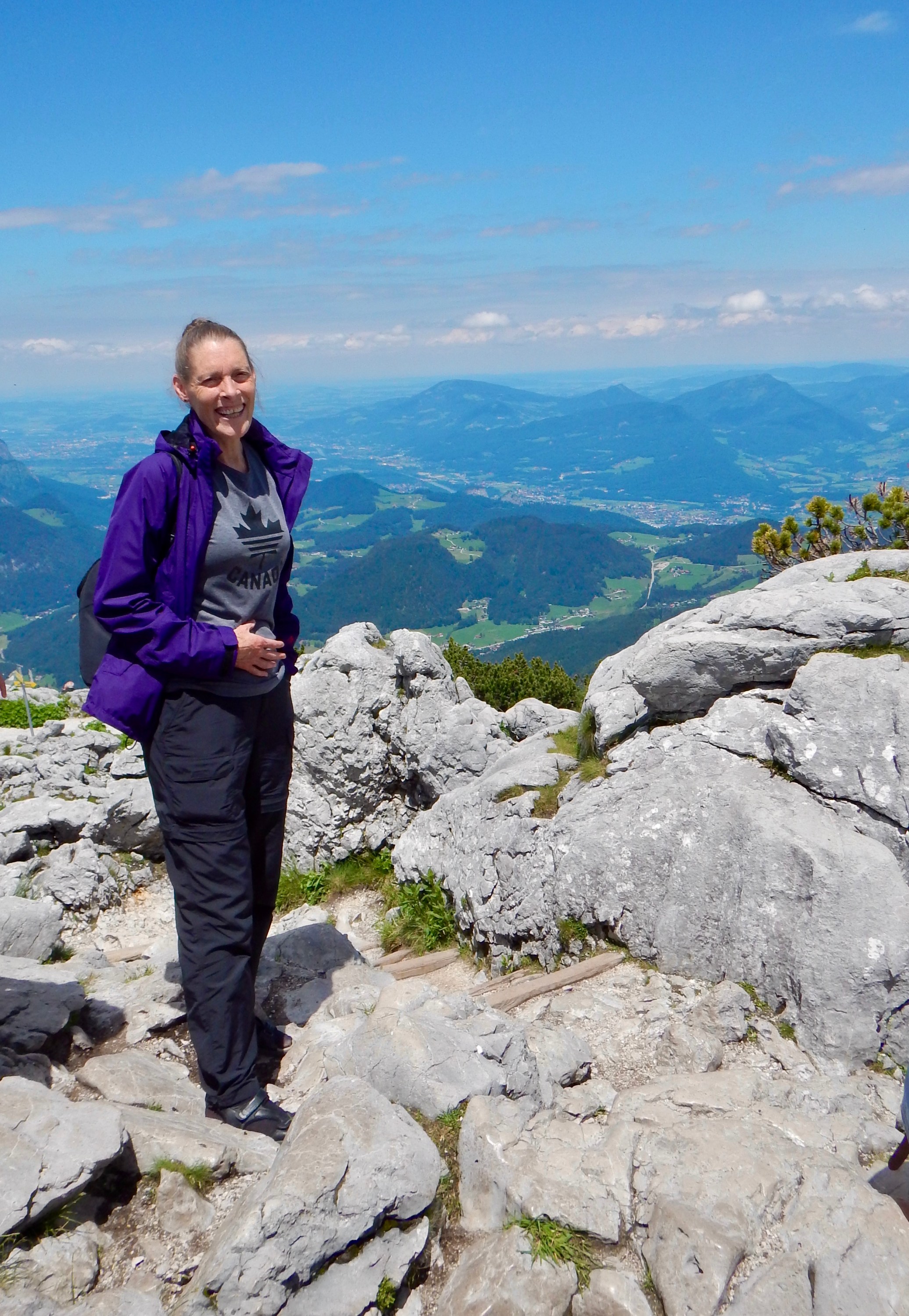
Looking North towards the city of Salzburg, 20 kilometres away
A perfect, memorable “Canada Day” in Germany


3 Comments

Beautiful Black Forest

I didn’t plan on preparing a blog post this morning but for some strange reason the wifi connection here at our stelpllatz is working exceptionally well so before racing off to visit the famous Neuschwanstein Palace (Located Southwest of Munich), I decided to quickly piece together this photo-blog update. questionable and unreliable wifi connections continue to be a challenge for us so we try and take advantage to the good connections when we can. Doing everything on an iPad also adds a little extra complexity to the blogging experience  

Here’s a quick overview of our last few days. We left Paris and made a stop at Fontainebleau Palace to visit Napoleons favourite home. It was quite impressive and well worth the days visit. We then drove onward to Nancy, France which turned out to be one of the nicest little cities that we’ve visited so far. Nightly they put on a spectacular light show inside what’s considered to be one of the most impressive central square in Europe, and from our limited experience, we could agree. The animated laser-light and sound show is projected onto five grand buildings that frame the square and from under the night sky it was a really great experience. We had a nice look around the wonderful city of  Strasbourg but unfortunately our time here was marred by an all-night “Rap-driven-Rave” just outside our campground that almost drove us crazy.  Anxious to move on, we turned our attention South towards the Alps and in doing so we realized our opportunity to explore the beautiful Black Forest region and popular Lake Constance area.  From this Neuschwanstein stellplatz we’ll continue our drive East along the German (Bavarian) Austrian border, and then we’ll turn 180 degrees and drive West again through Austria to Innsbruck and then on into Switzerland. As we do move along, I’m hoping for more of this reliable wifi to help keep our travel progress posted. Wishing everyone a warm and wonderful Canada day.

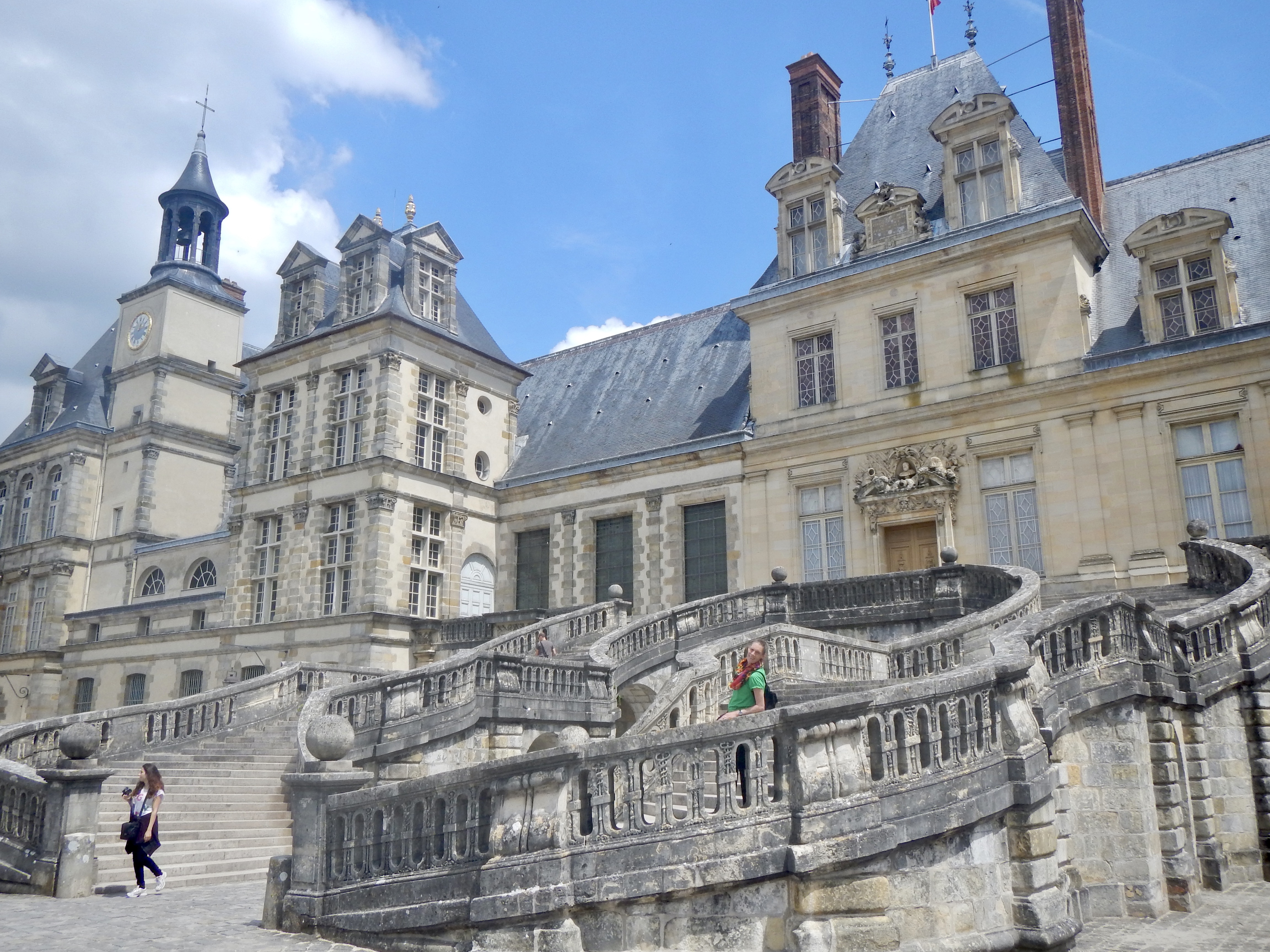
Fontainebleau Palace – “Courtyard of Honour” where Napoleon gave his emotional farewell speech to the Old Guard soldiers
The grand front steps of Fontainebleau
Fontainebleau was a favourite Chateau of many France Royals
Gallery of Diana (The Goddess) – Built by Henry IV for his Queen to promenade in
Napoleon’s Throne Room
Our great stellplatz in Nancy that was a five minute walk from the amazing Town Square
Part of the Town Square in Nancy where that fantastic “laser-light show” takes place
Just another little countryside French Chateau on our way to Strasbourg
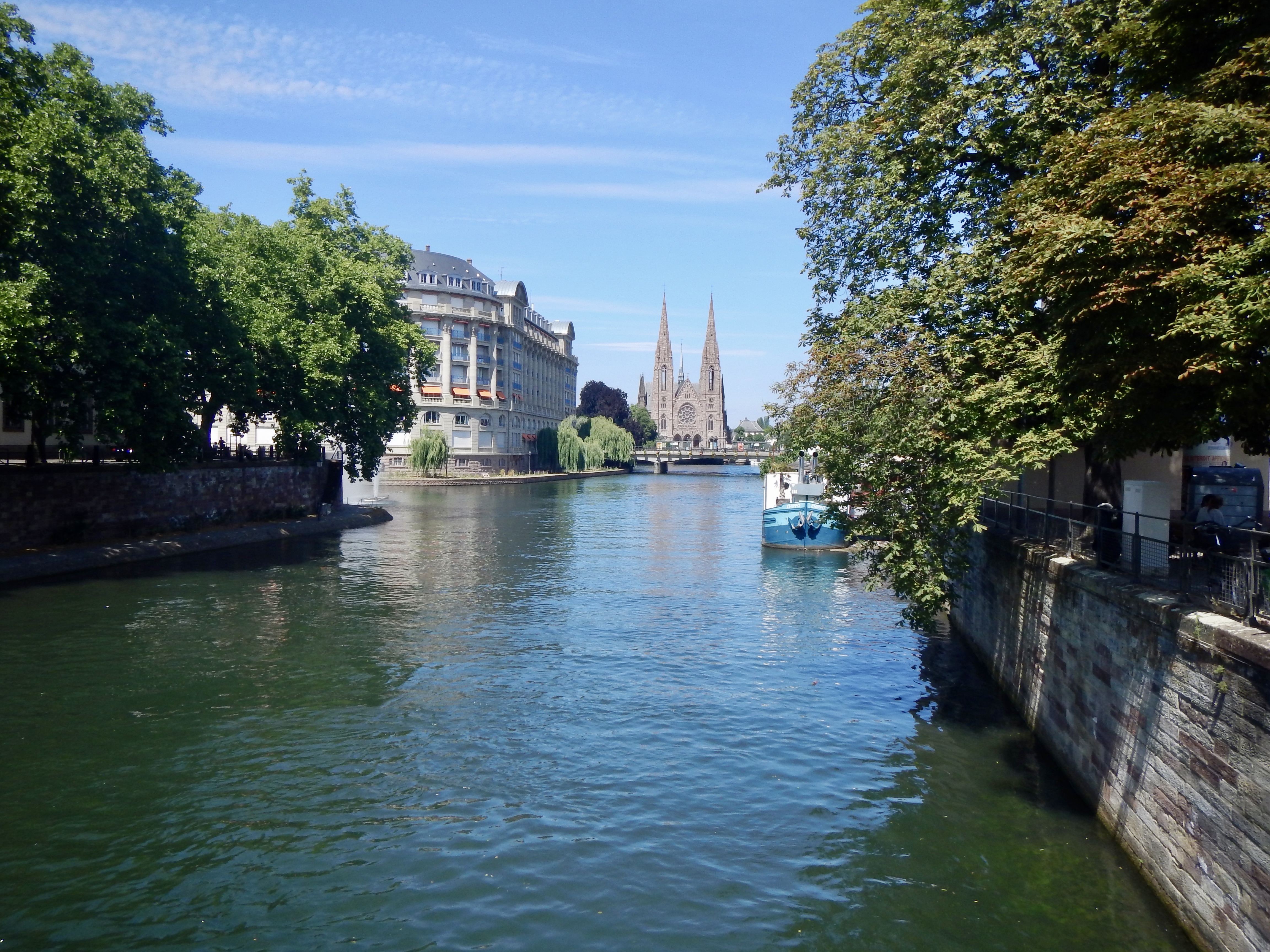
Beautiful Strasbourg
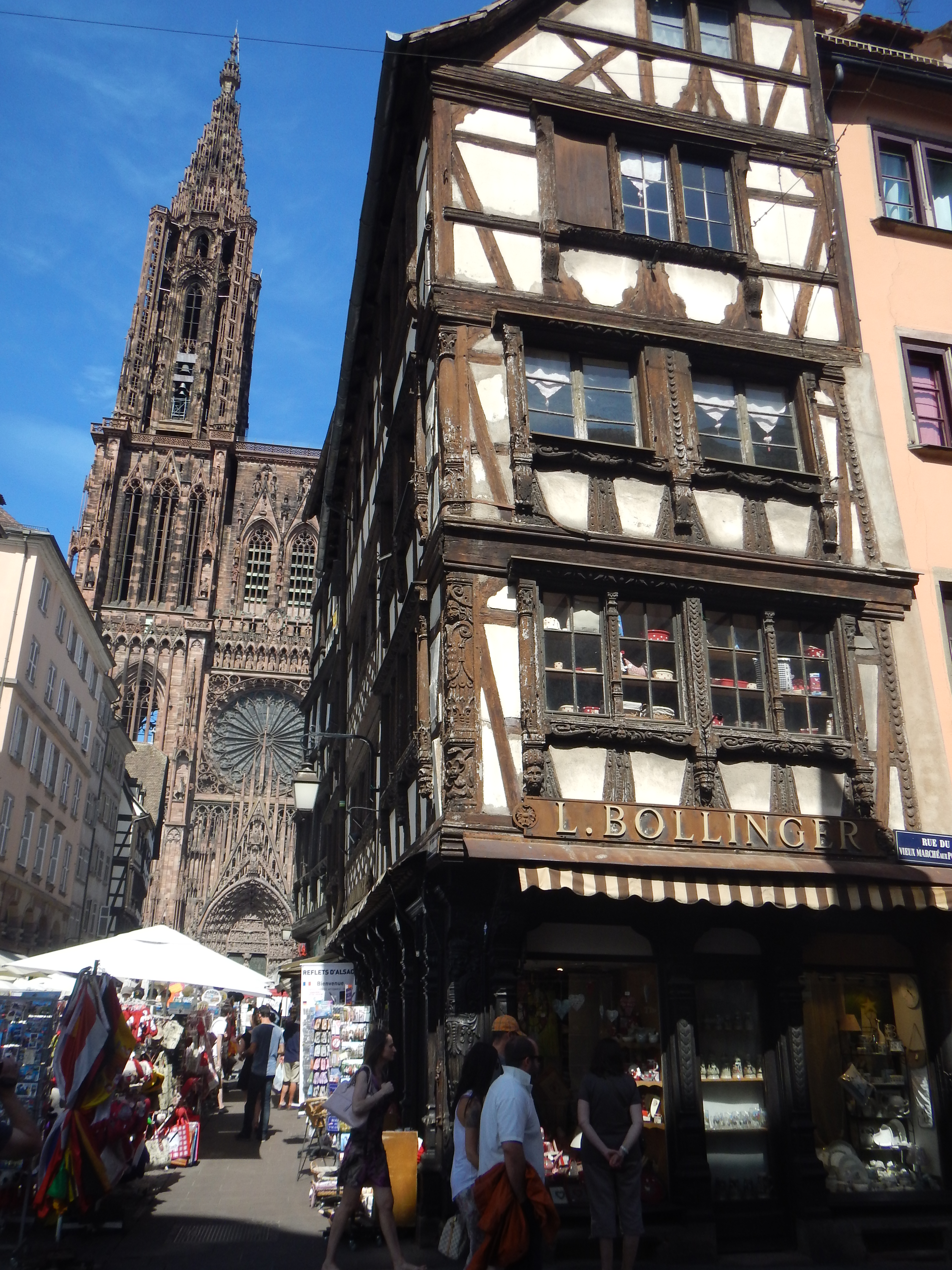
Wonderful medieval timber building framed by the fantastic 1224 Strasbourg Cathedral
The impressive Astronomical Clock – one of the largest in the world
Charming and tranquil Strasbourg – In such contrast to the “Rapping-Rave” of last night
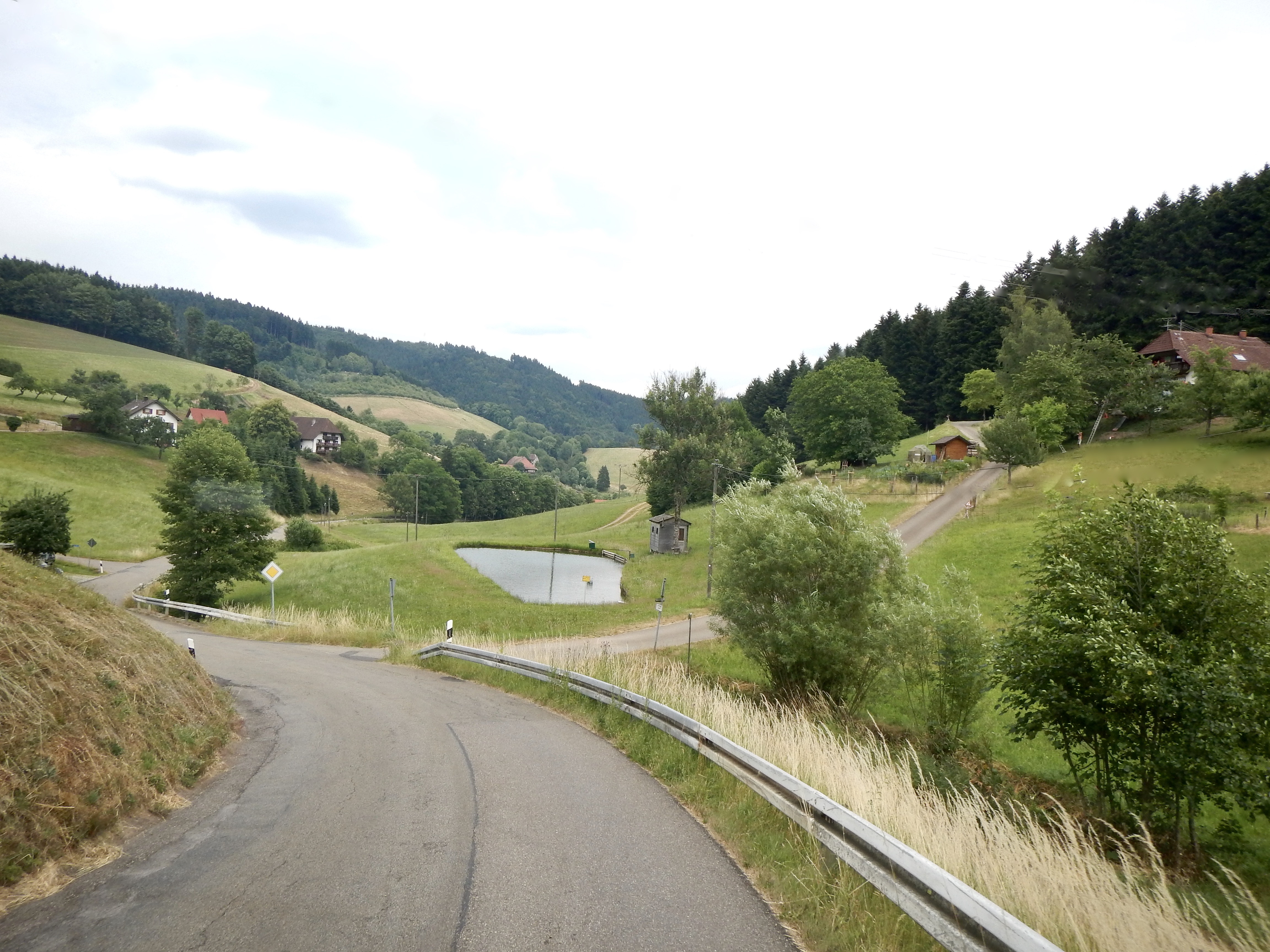
Driving South into the Black Forest region
A rather large Cuckoo Clock just outside of Triberg
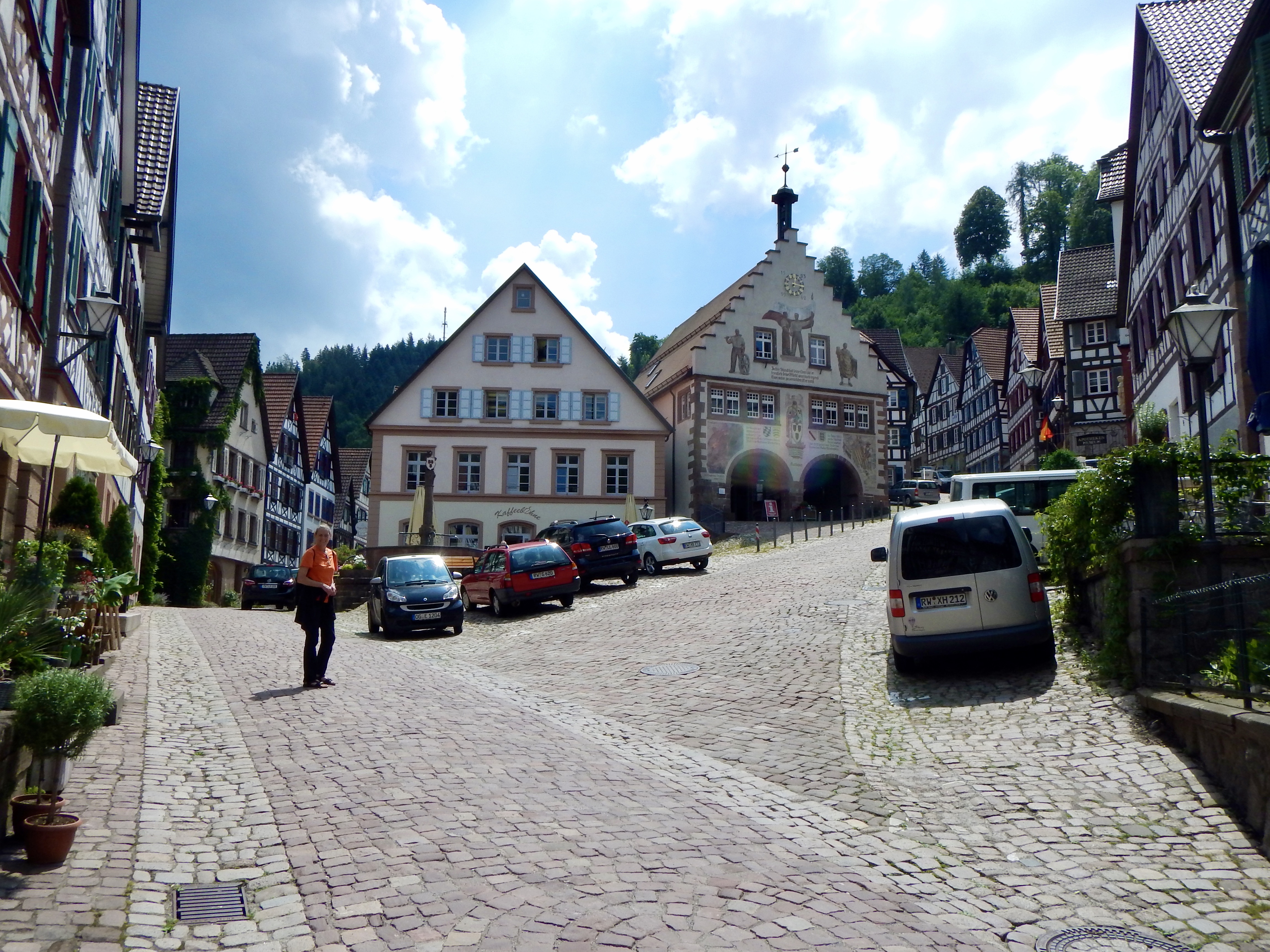
The wondrous little village of Schiltach
So beautiful and serene
We agree that this is one of our favourite places, and memories
Like we were living inside a fairy tale
Real “Black Forest Cake” from Triberg where it was first conceived
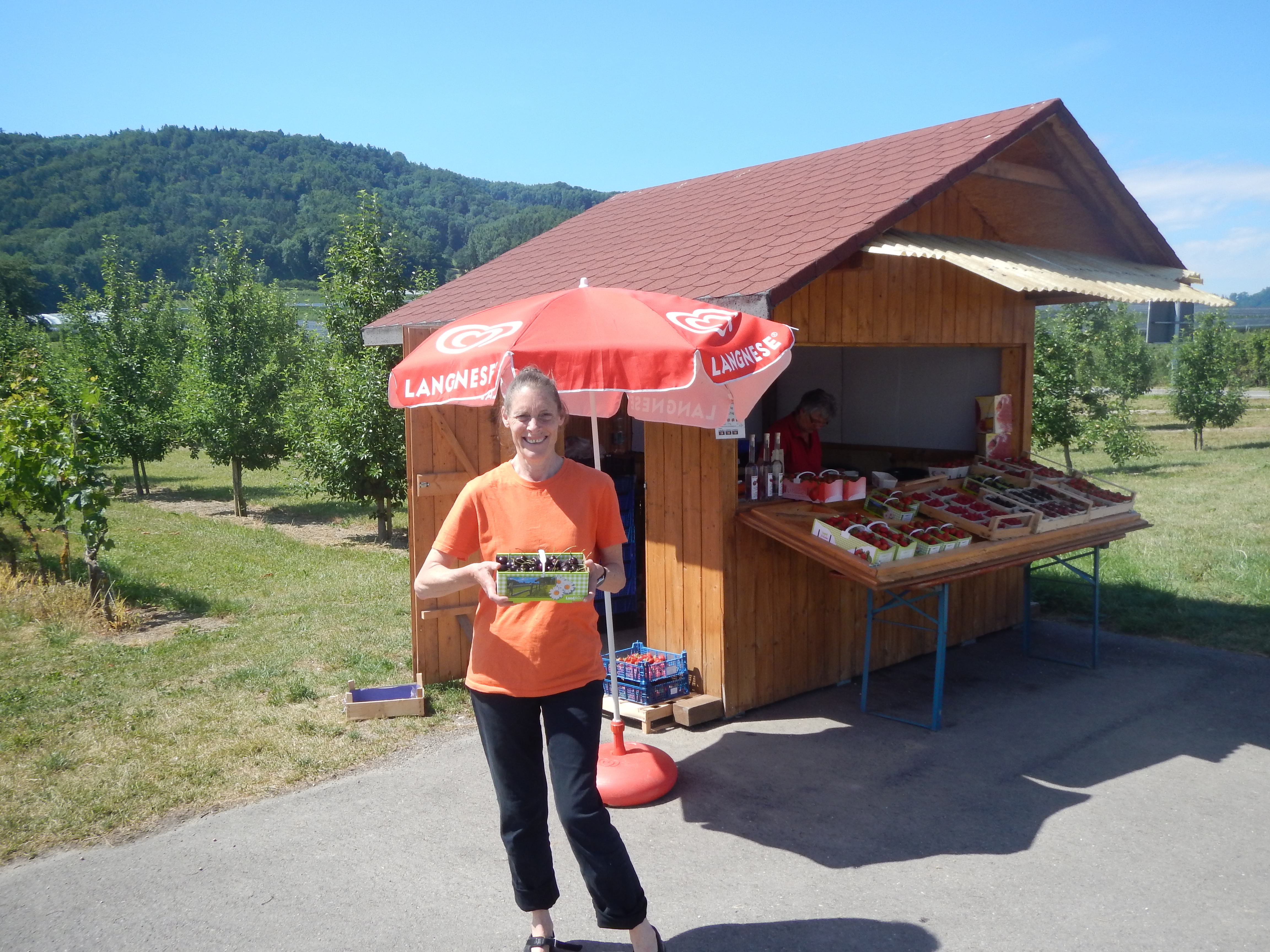
New cherries!
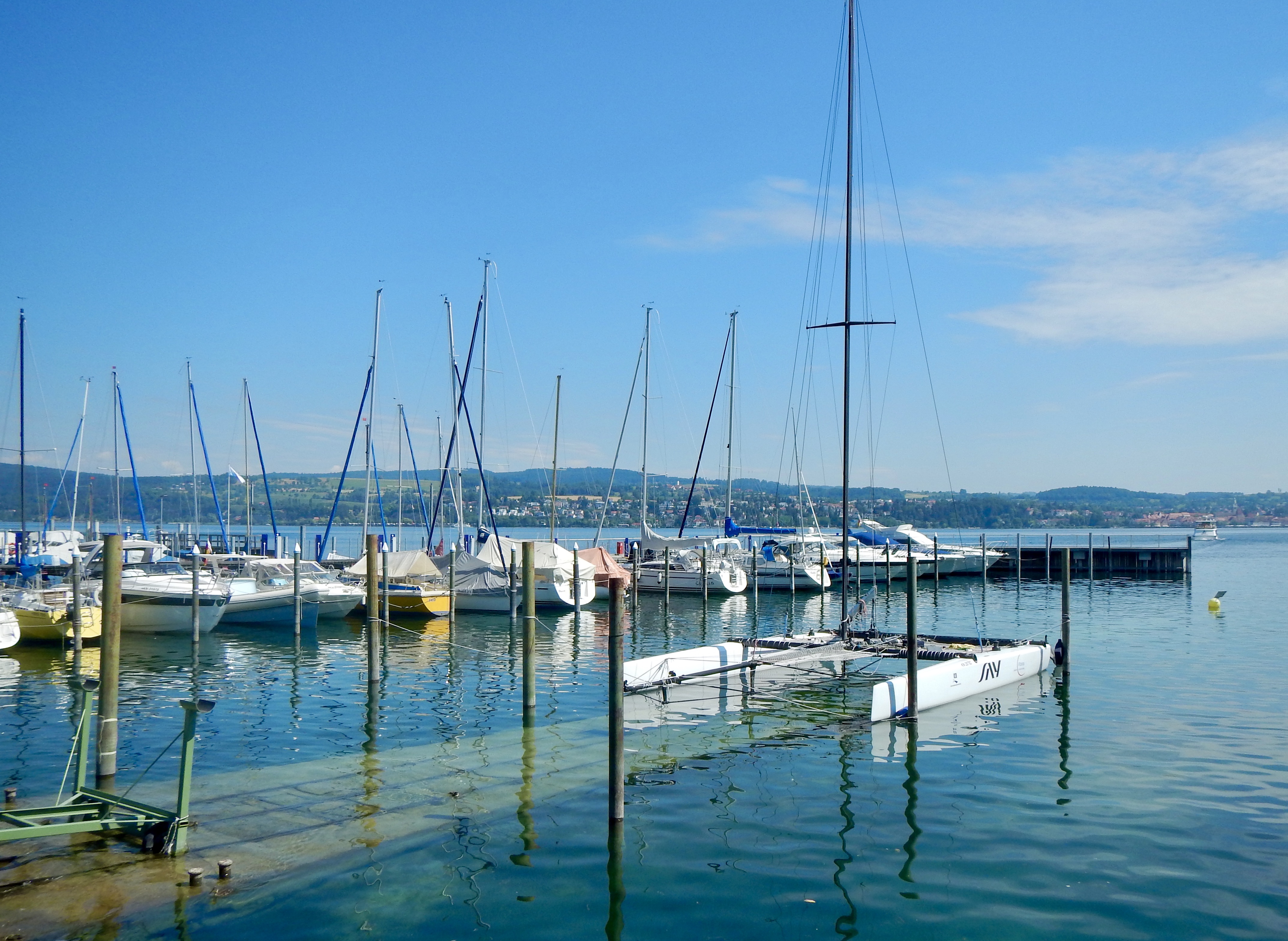
Our campground marina on lake Constance
Trying hard to absorb the spectacular beauty of this entire region
Encircled by stunning views as we enter into Bavaria


6 Comments

PARIS!

Our impression of Paris is apparently linked to the clock because the longer we spend here the more infatuated with the city we become. We had a similar kind of experience with our visit to New York but in a head-to-head competition, we both agree, Paris wins. Paris is incredibly beautiful with all its wonderfully grand architecture woven into such an amazing history dating back to the Roman occupation and before. The Seine river winds its way through the old city providing a platform for beautiful bridges that connect ornate architecture on both banks while providing a social and commercial highway for all kinds of transport. Lucky for us our great campsite in “Boulogne Park” was overlooking the Seine river and it was an easy commute to central Paris. As you explore iconic buildings and structures like the overwhelmingly impressive Louvre, unbelievable Versailles, amazing Cathedrals like Notre-Dame and monuments like the Eiffel Tower and Arc De Triumph, you can’t help but think of how much of this was built for the sheer pleasure and entertainment of a small and privileged group. At first it seems so unjust and unreasonable but, in a poetic twist of fate, it’s now the average citizen that has access to all this splendour and the treasures within. I doubt it was part of the original Royal intent to create such a lucrative tourist industry that would continually employ so many Parisians. I’m sure a good argument could be made for what a wonderful job they did in support of the French culture and it’s economy. Too bad Louis XVI and Marie-Antoinette couldn’t have used this line of defence to save themselves from the guillotine in 1793 after the French Revolution.
Personally, I think some of the best “free” entertainment in Paris is in the streets. My first traffic impression was that these drivers are the worst and most dangerous I’ve ever seen, but after a few days of careful observation, I’ve come to a complete opposite conclusion. This is truly a case of Darwinian Law… “poor drivers will parish” only the best will survive on these streets. Especially impressive to me are the kamikaze scooter and motorcycle drivers that split and swerve through traffic at alarming speeds with only inches between themselves and buses, cars, buildings and pedestrians. I’m sure some of the impressive young women weaving there Vespas between moving targets as they ride to work all dressed up with high heels and brief cases could teach me a few tricks about riding in this crazy and chaotic traffic.
We’ve really enjoyed our time in Paris with it’s abundance of fantastic parks, sidewalk bistros, beautiful boulevards, impressive shops, buildings, and monuments. Parisians themselves have been very friendly and helpful and we’re now feeling a little sad about leaving all this behind just as we’ve entered that “comfort zone”. This truly is an amazing city that everyone should have the opportunity to experience at least once. But, I must say, after two weeks in Paris and countless kilometres of walking the highway is now calling and we’re setting our sights high… onward and upward towards the Swiss Alps.
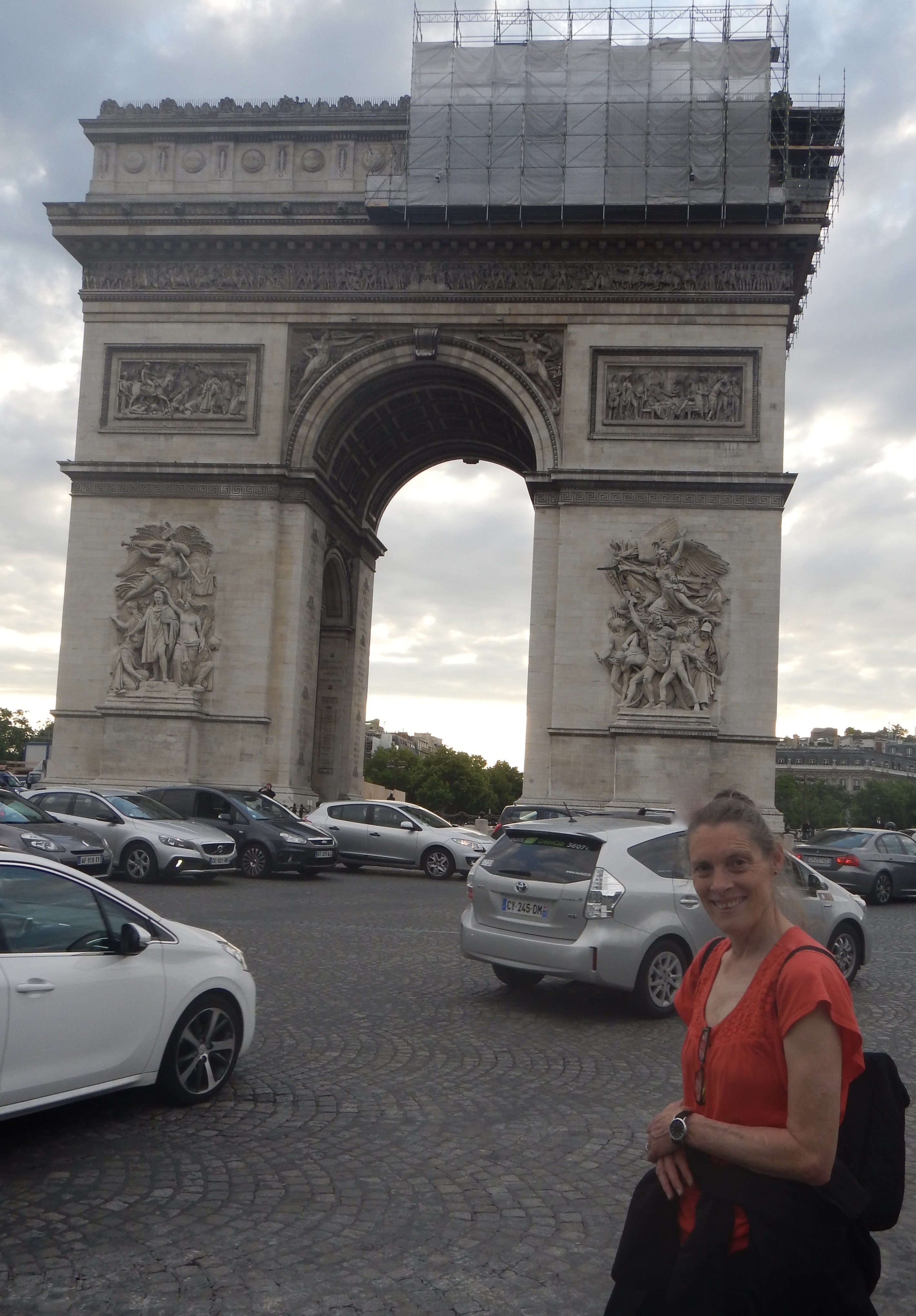
I Love Paris!
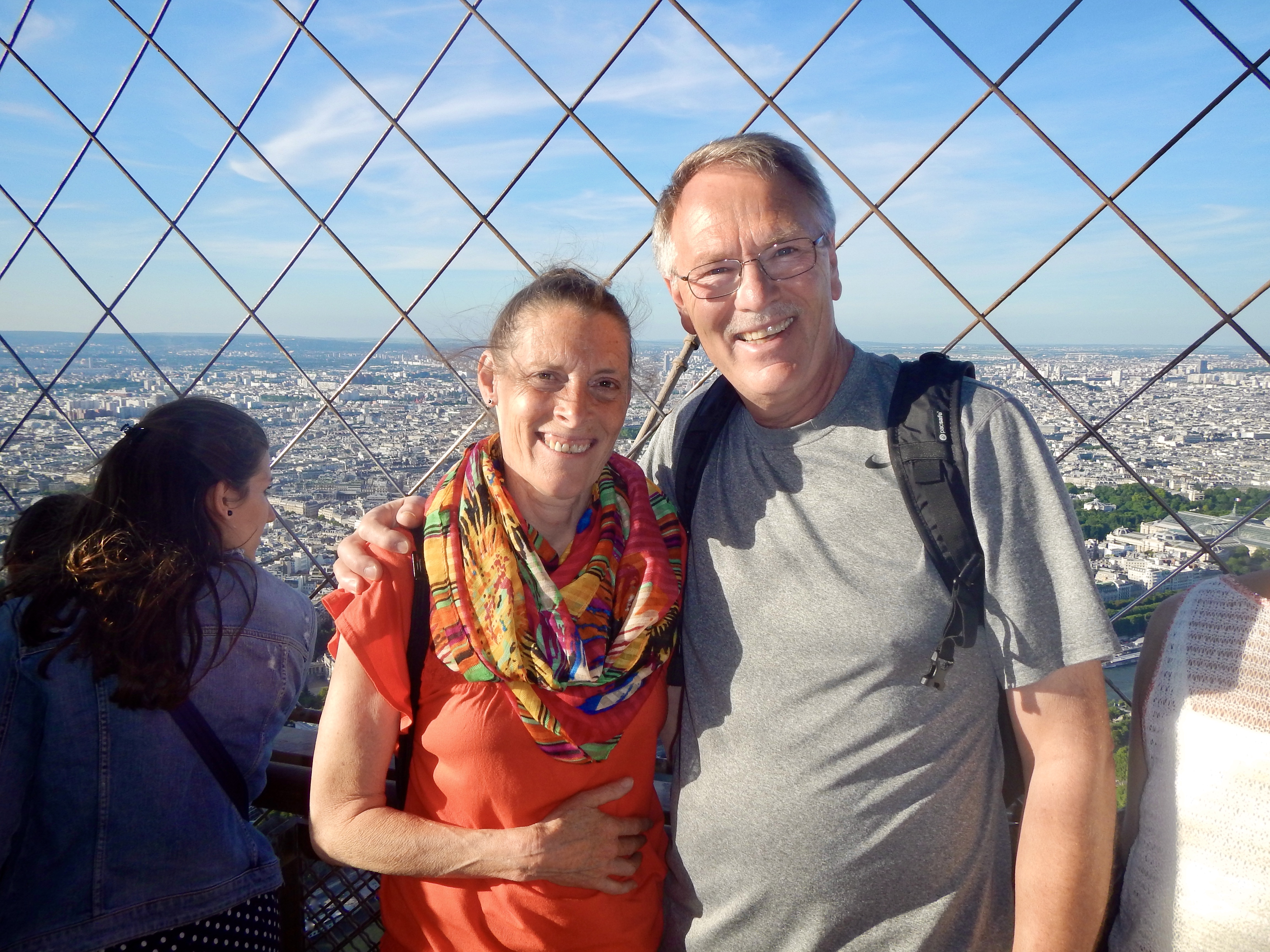
Atop the Eiffel Tower
With Paris below
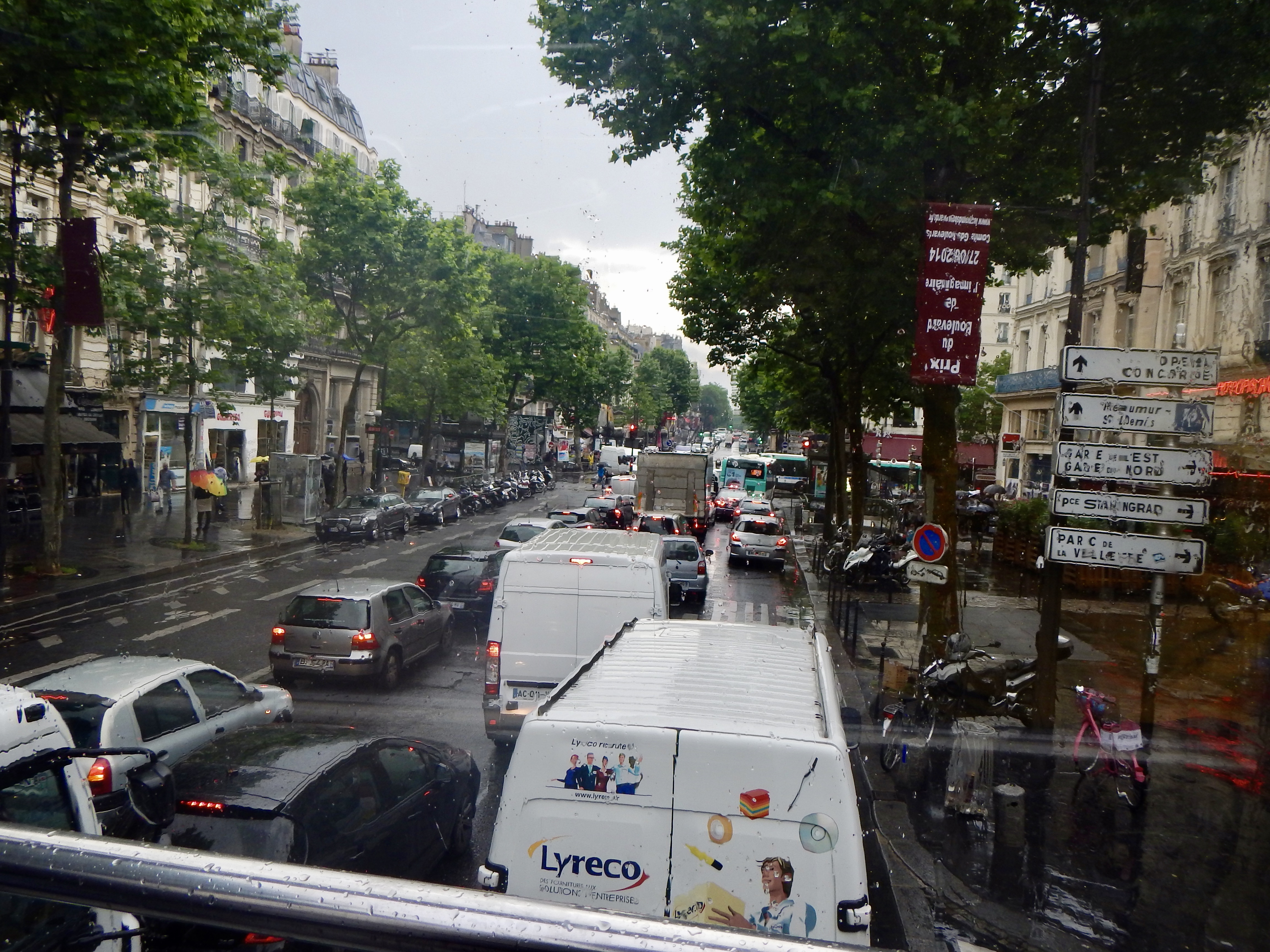
Our wet “Hop-on-Hop-off” origination to Paris
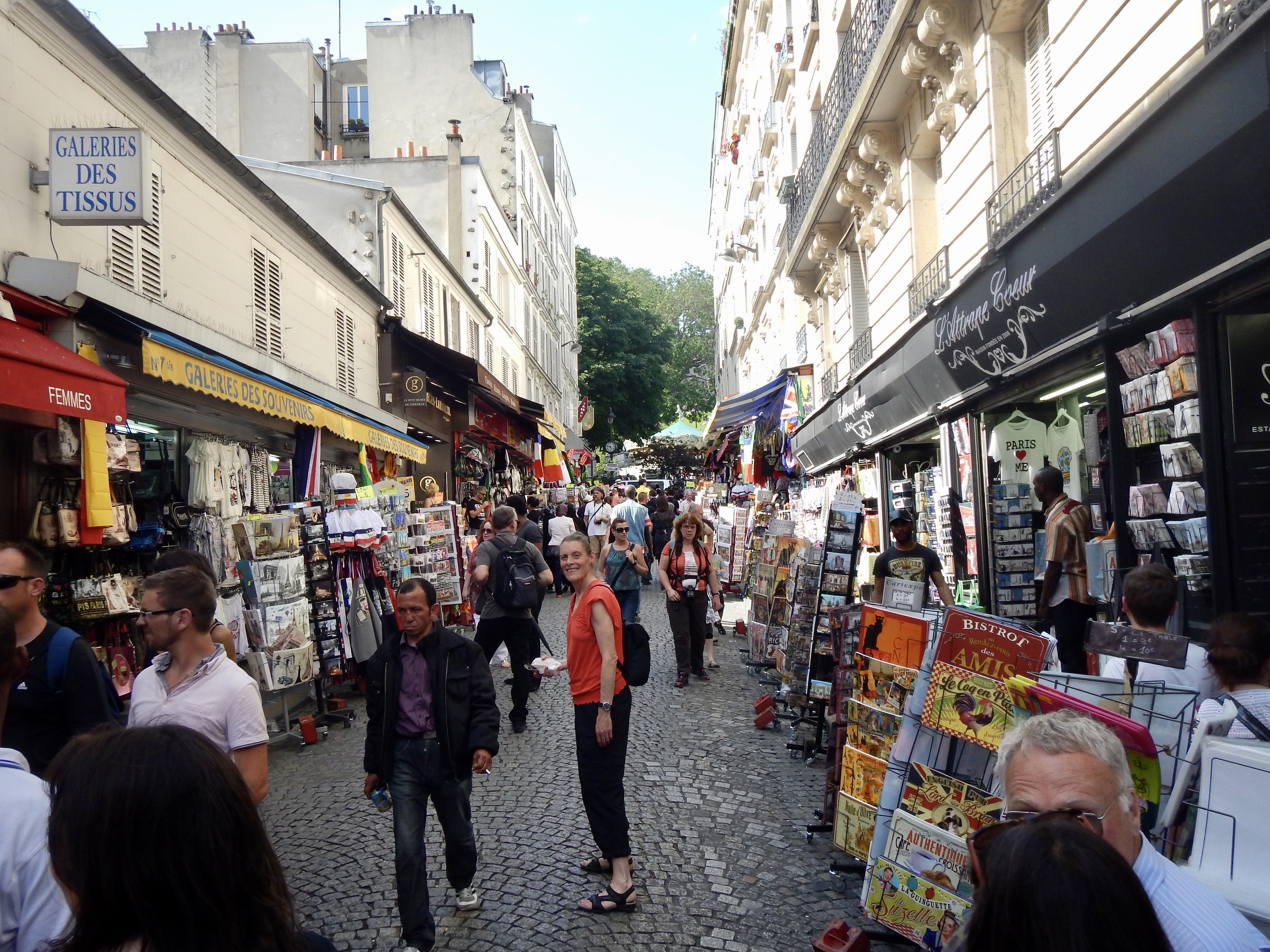
Such a lively “Buzz” to the streets
And countless interesting little shops to search through
Sacre-Coeur Basilica – On the summit of butte Montmartre the highest point in Paris
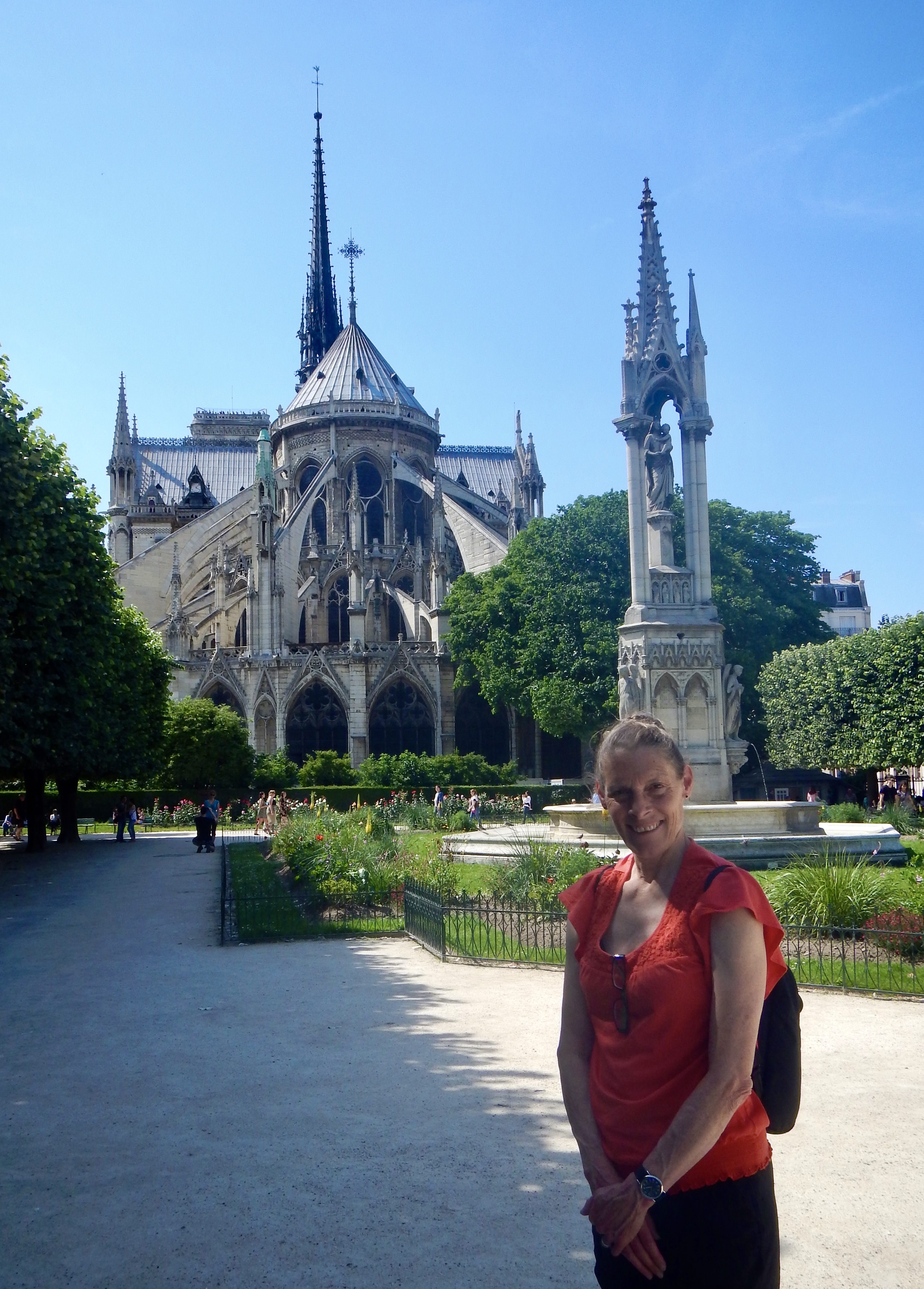
Cathedral Notre-Dame (Our Lady of Paris) – Construction began in 1160 and took 100 years
Rear of the medieval Gothic cathedral showing it’s famous spire and flying buttress
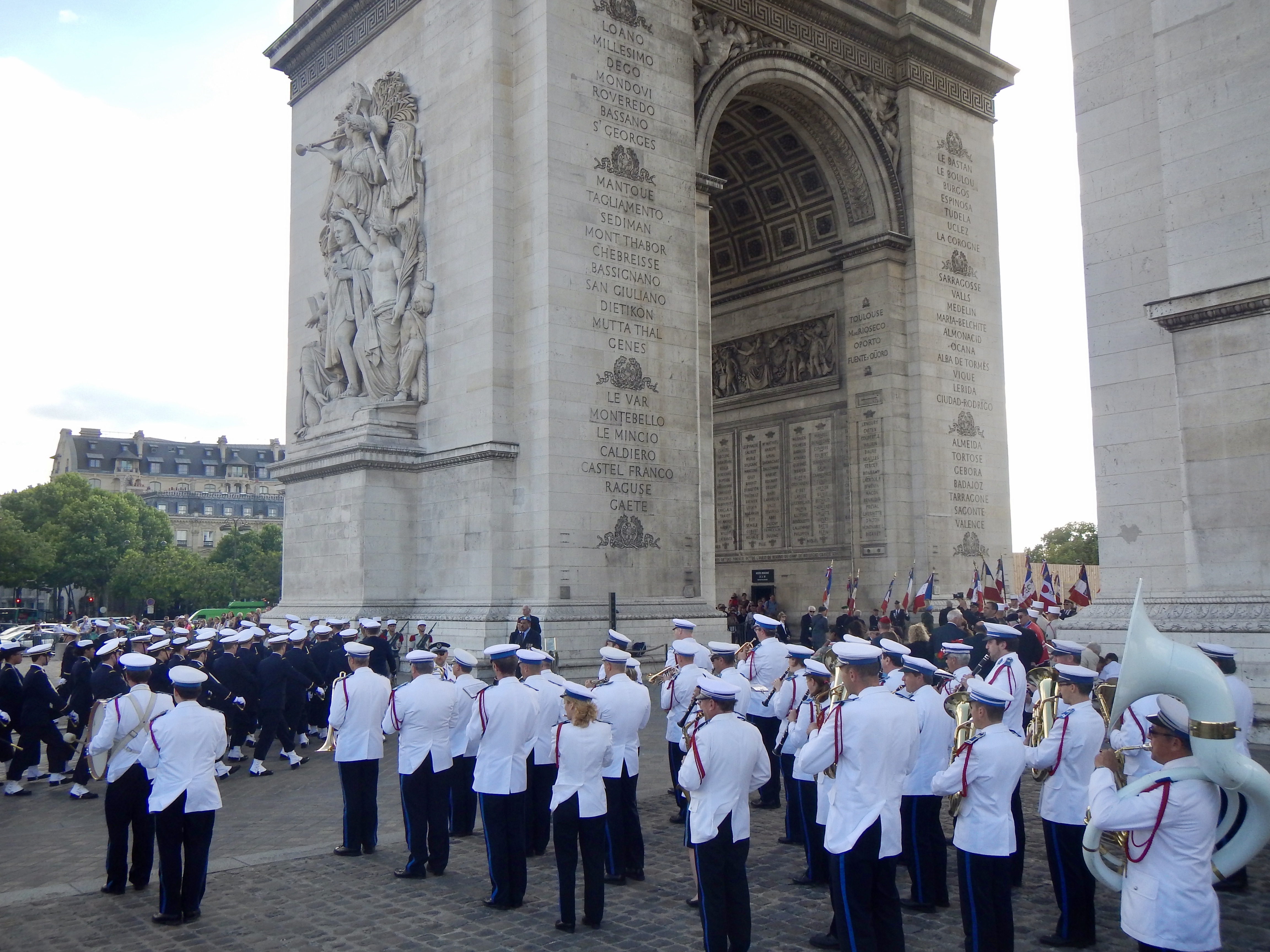
Arc de Tromphe – Built to honour soldiers of the French Revolution and Napoleonic Wars
Here also lies the Tomb of the Unknown Soldier from WWI
Looking East along Champs-Elysees towards the Louvre
Walking into the Latin Quarter of Paris
Hotel de Ville, Paris (City Hall)
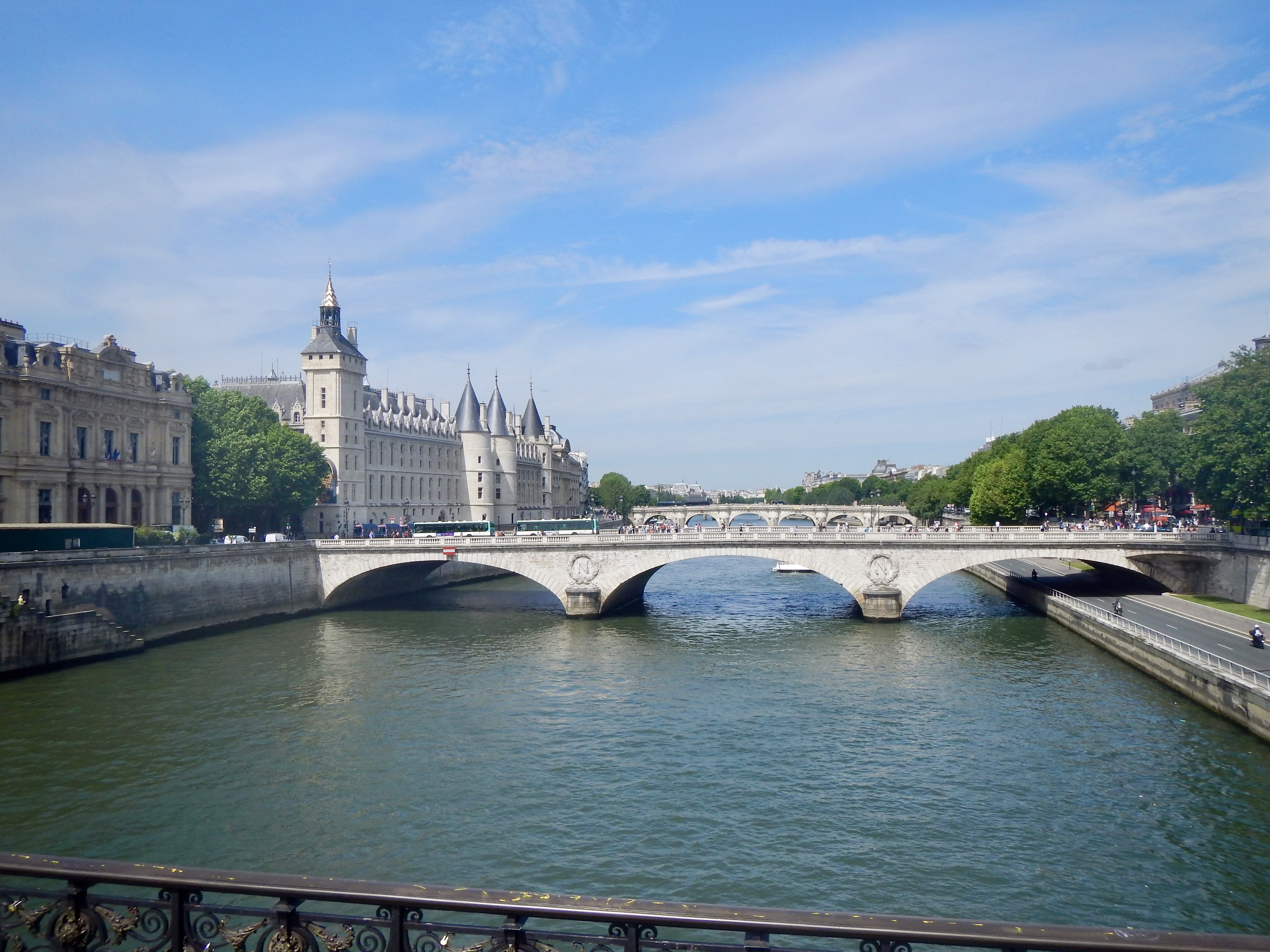
So many beautiful bridges across the Seine
Front entrance to the Louvre
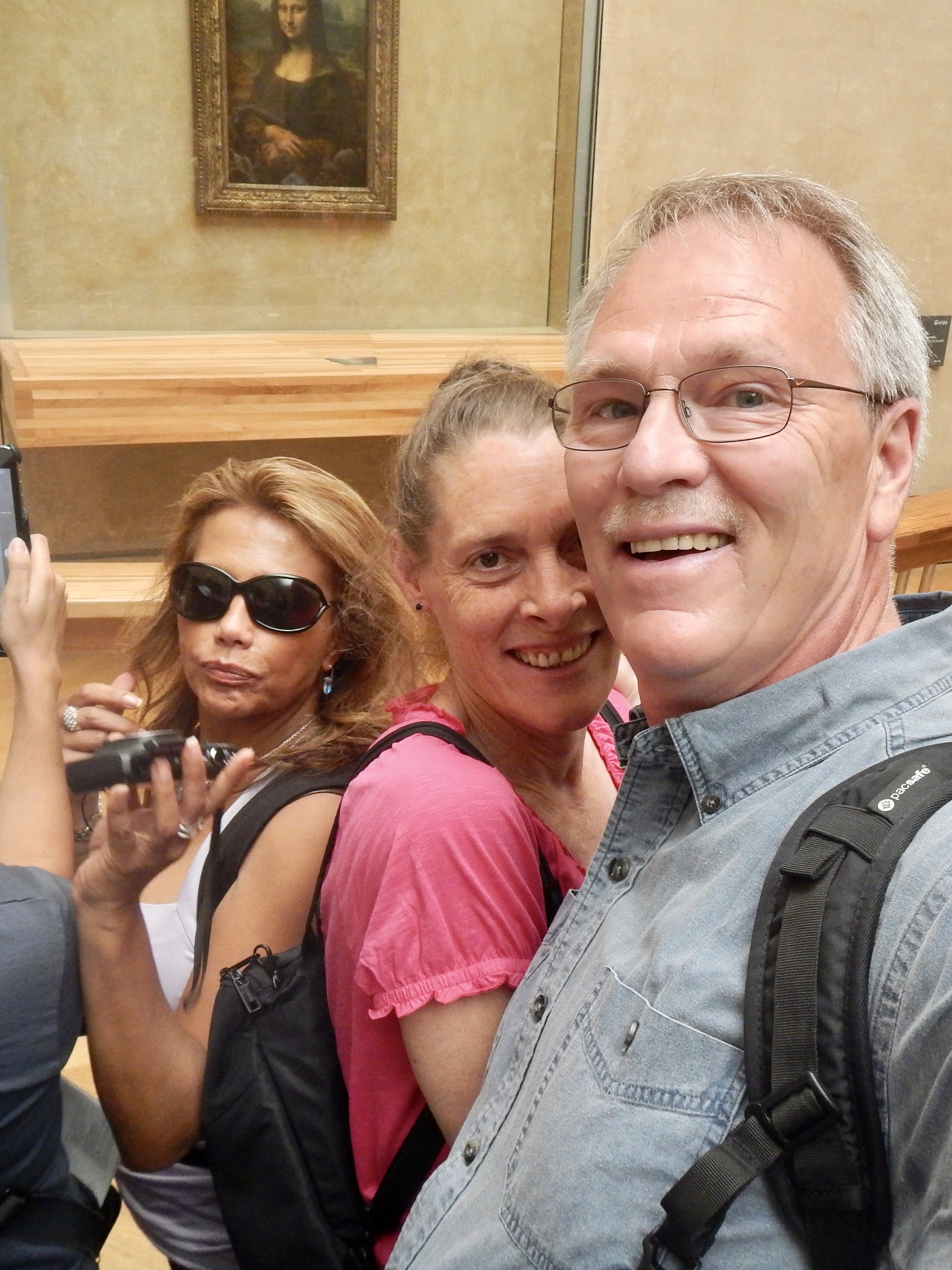
Visiting Mona Lisa… with a large and intimate group of strangers
The “Nymph With The Scorpion” By Lorenzo Bartolini
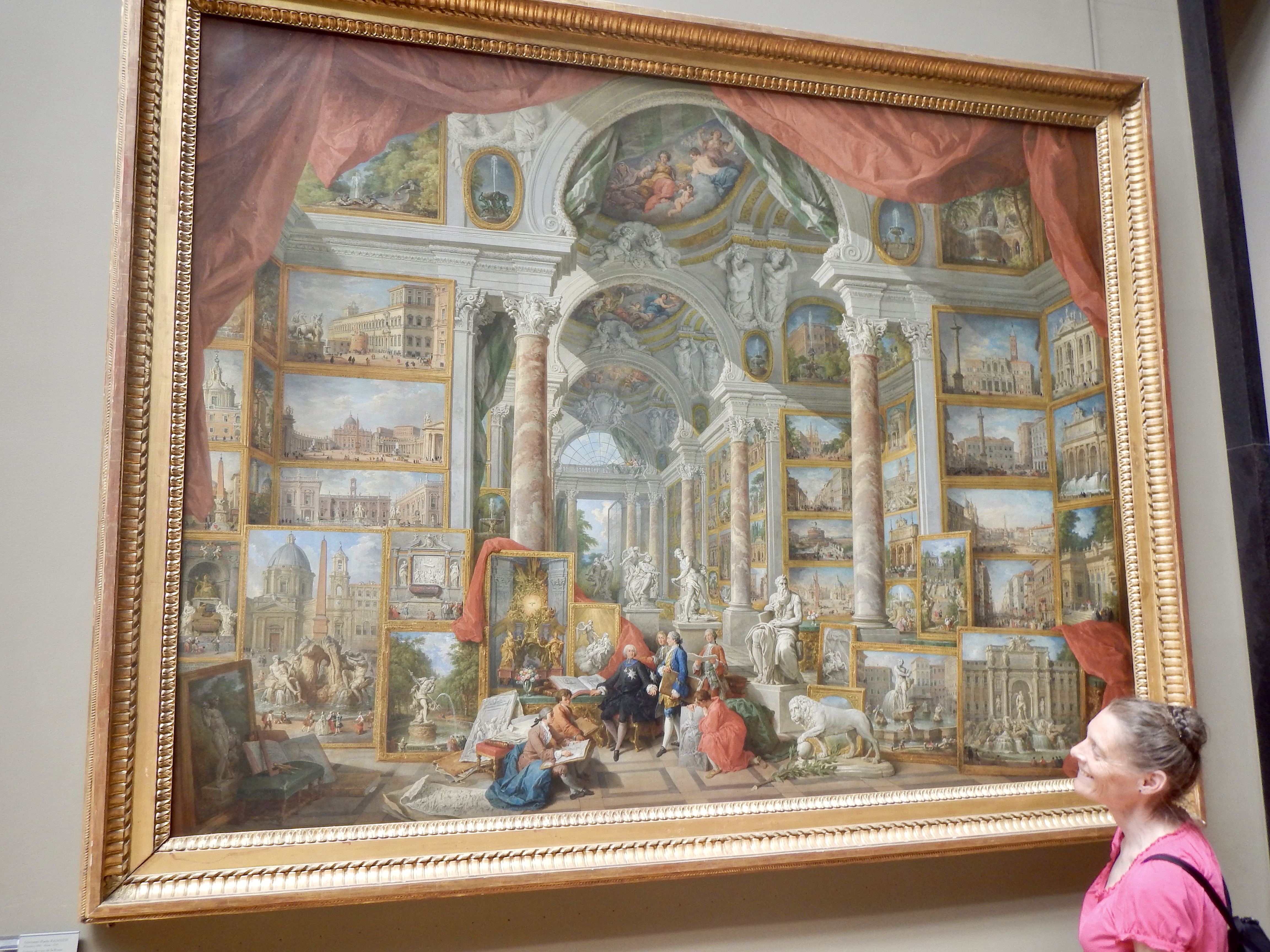
So many amazing paintings
La Venus de Milo
Interesting places around every corner
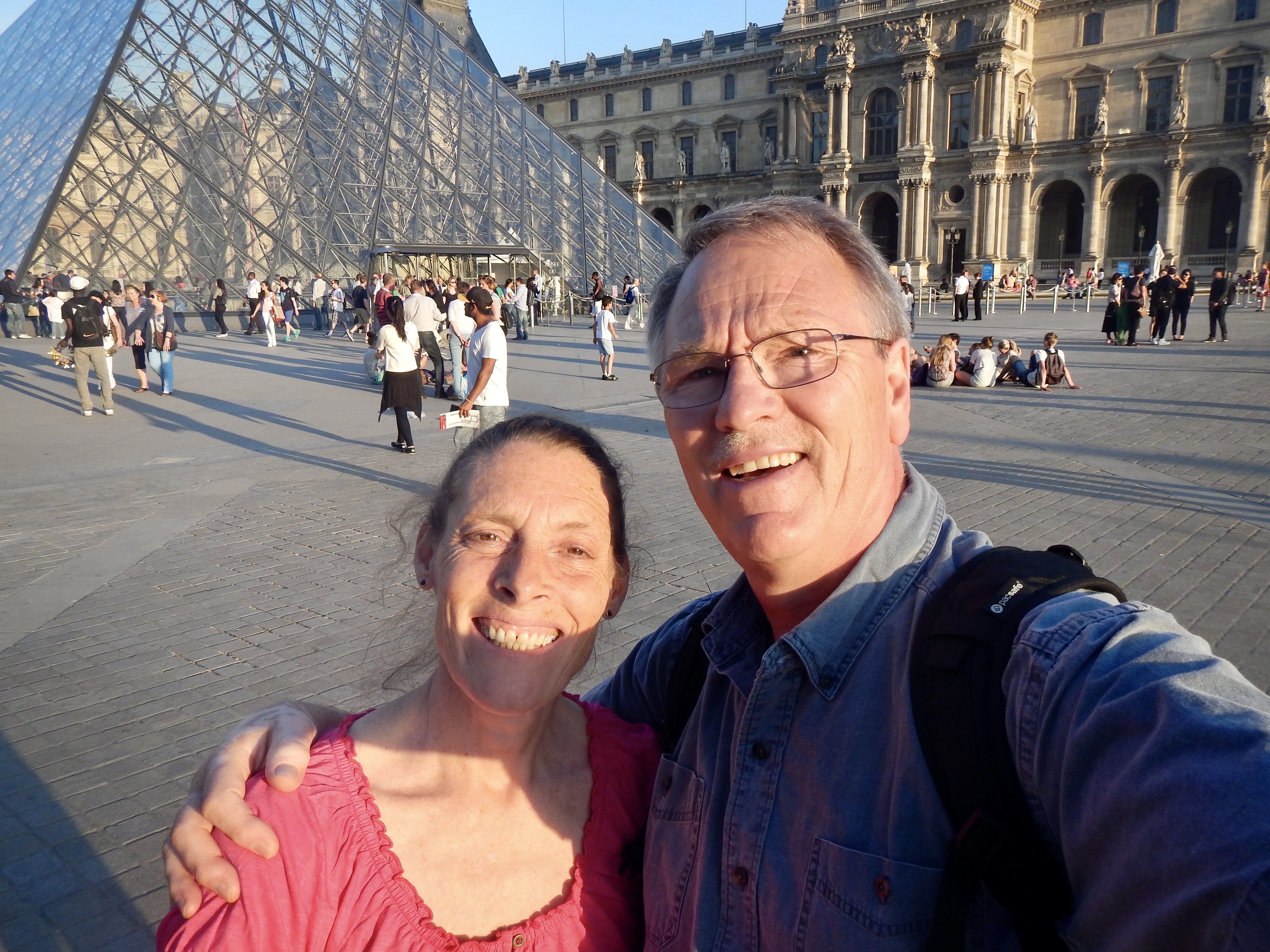
My favourite picture of Margot and I in Paris… such a wonderful day
The Eiffel Tower never gets tiring. This view from atop Trocadero Gardens
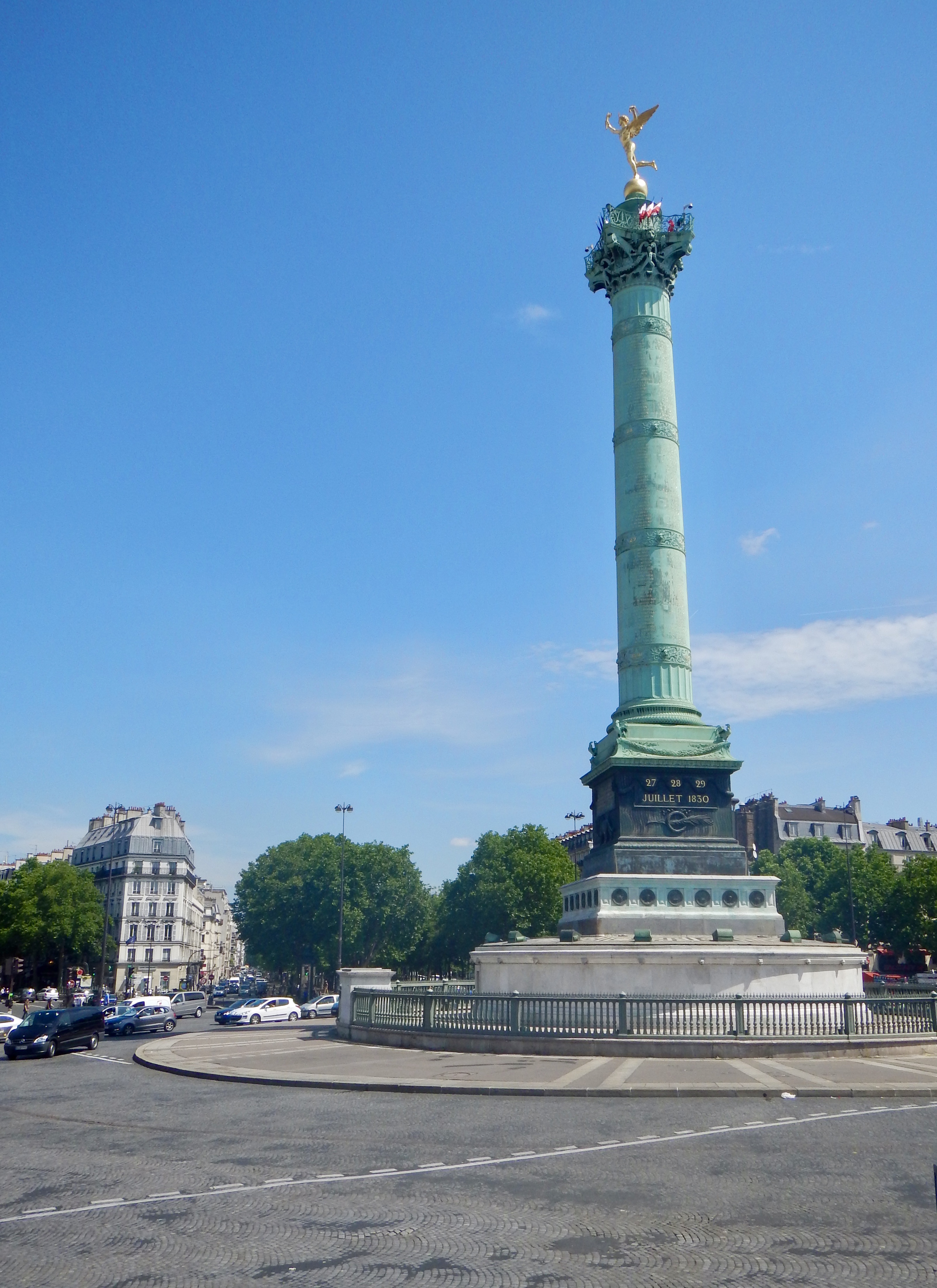
Place de la Bastille – A column commemorating the French Revolution where the prison once stood
We walked countless miles through Paris and never tired of it’s beauty
From de la Concorde looking west along the Champs-Elysees to the Arc de Triomphe
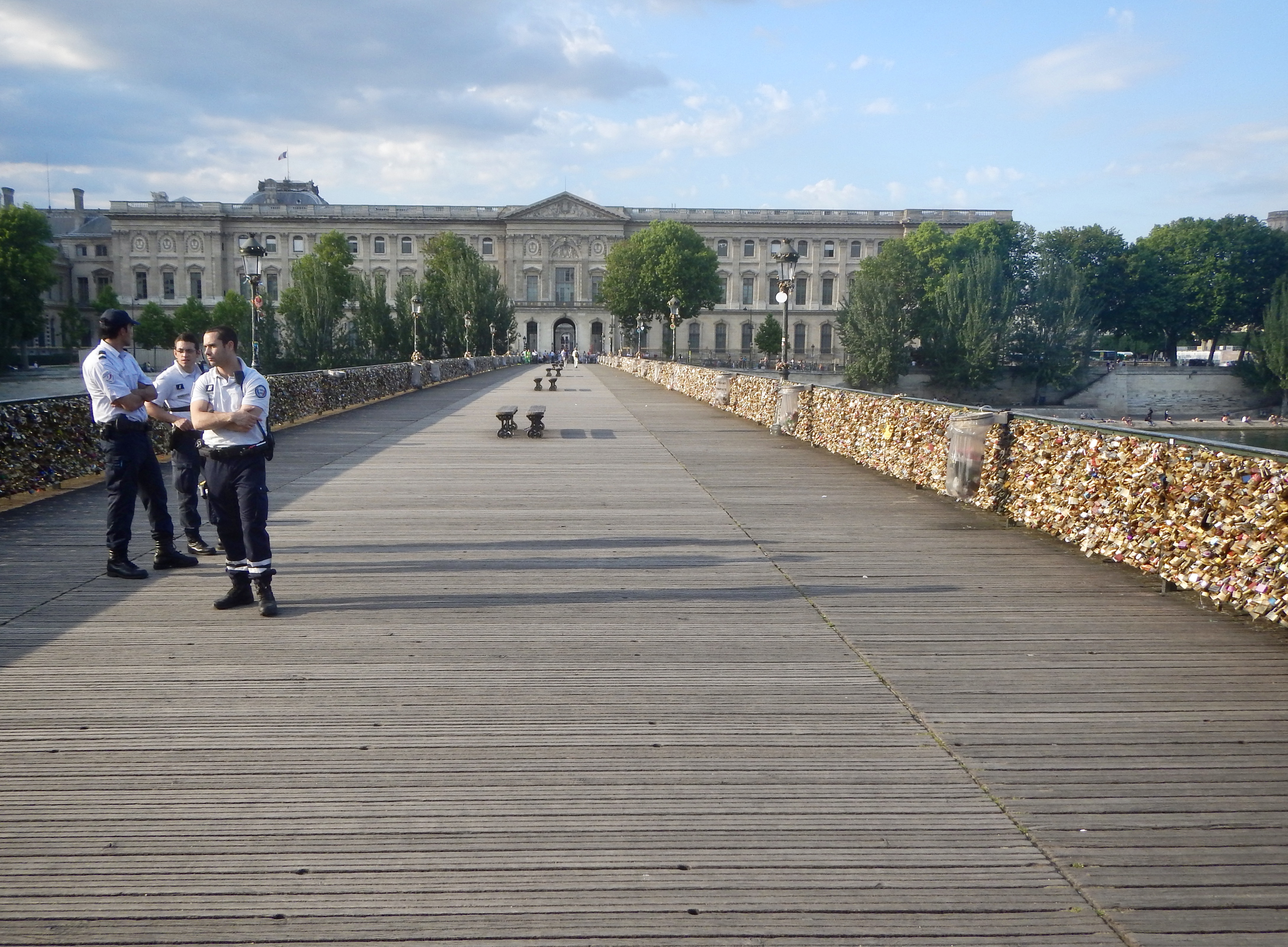
Pedestrian bridge closed because of a collapsing danger due to the added weight of “Love Locks”
Our impressive campground on the Seine river just a short distance from central Paris
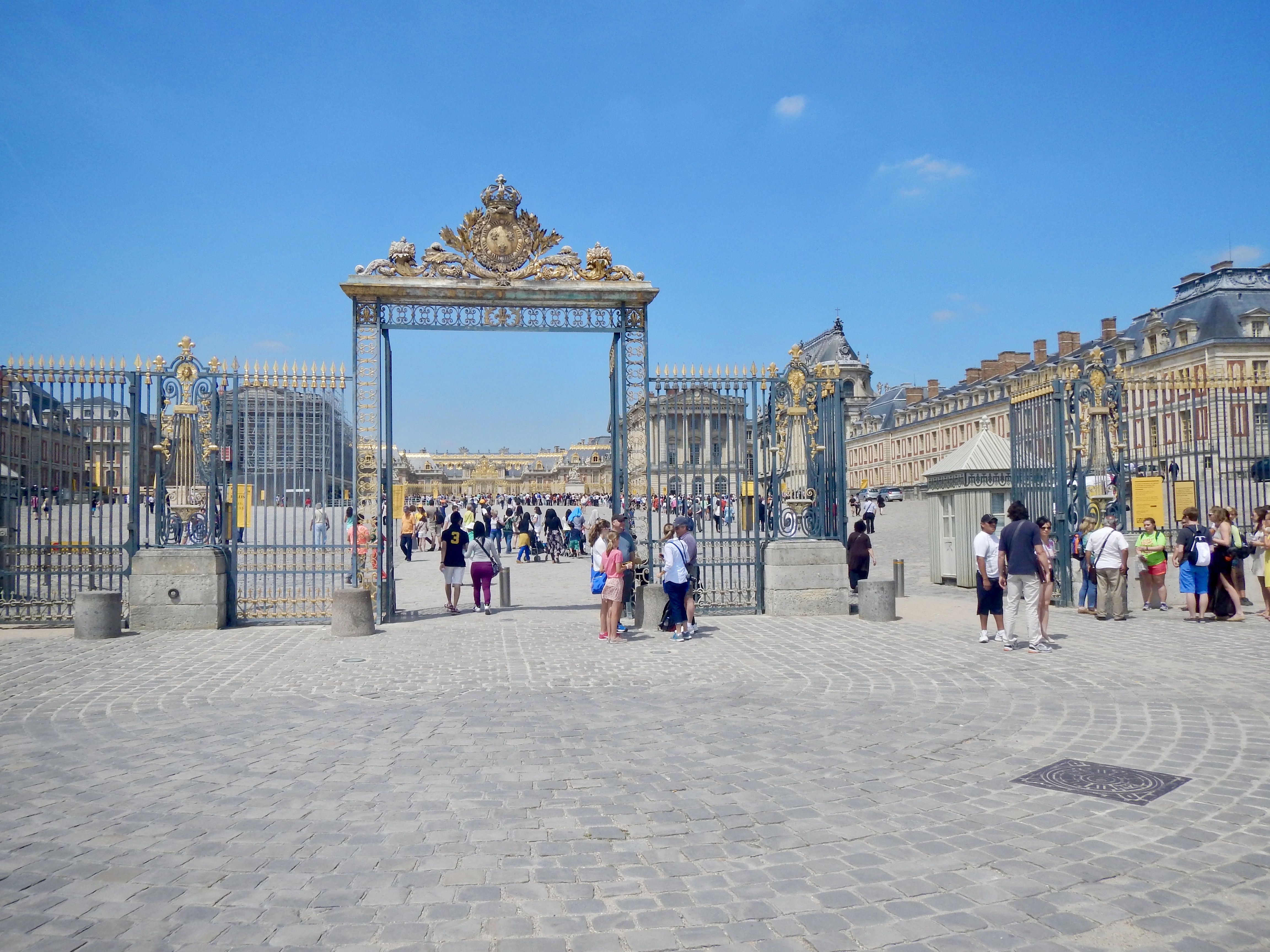
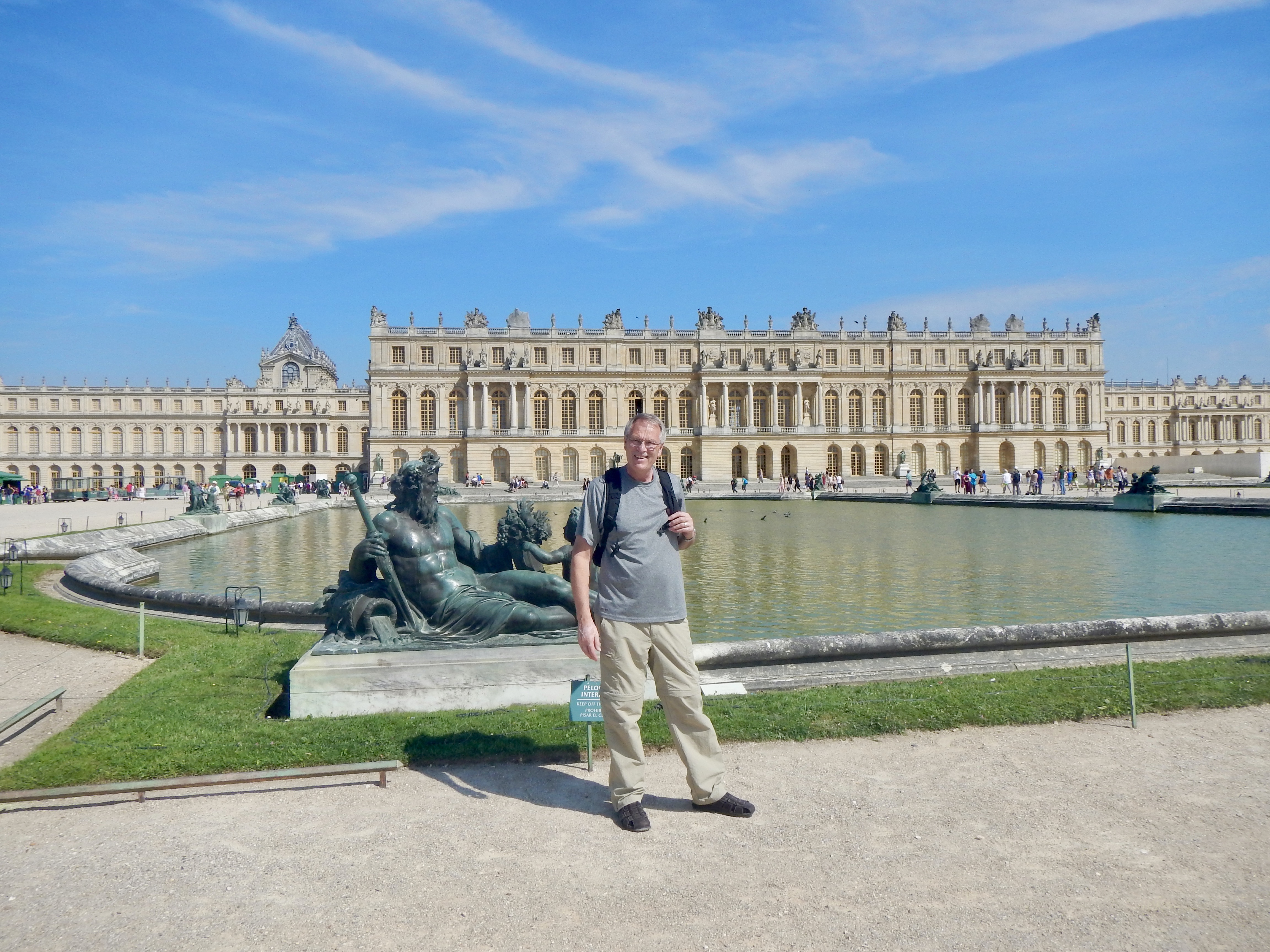
Chateau de Versailles – The front entrance gate to the Palace
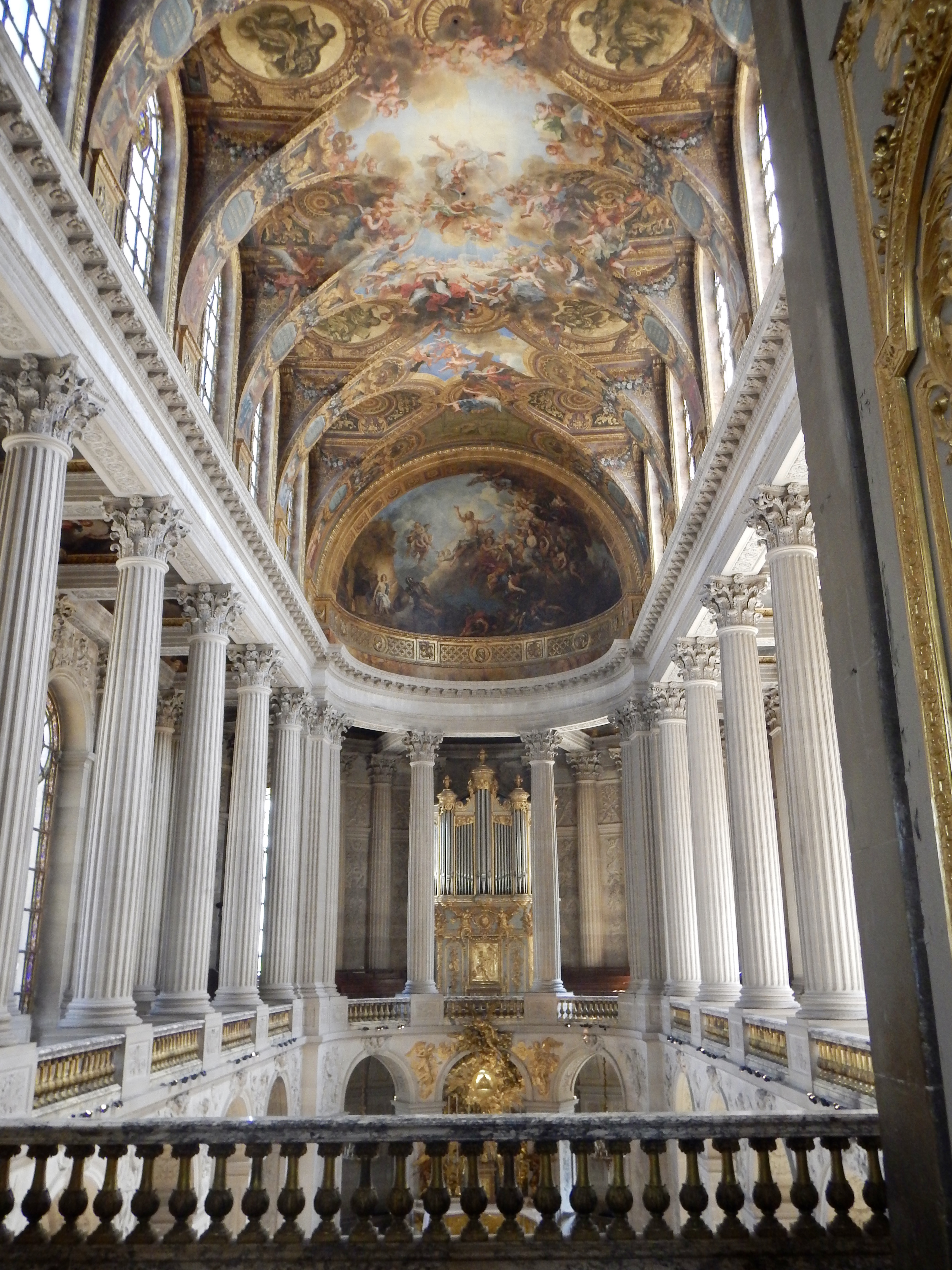
Arguably the most spectacular Palace in the world
A real King sized bed!
All ready for a small dinner party
The stunning “Hall of Mirrors”
Exploring the back yard…
And more backyard
All that Royal visiting makes one hungry and thirsty!
This is not the movie set… it’s the real Moulin Rouge
Every once and awhile the traffic actually stops for a moment
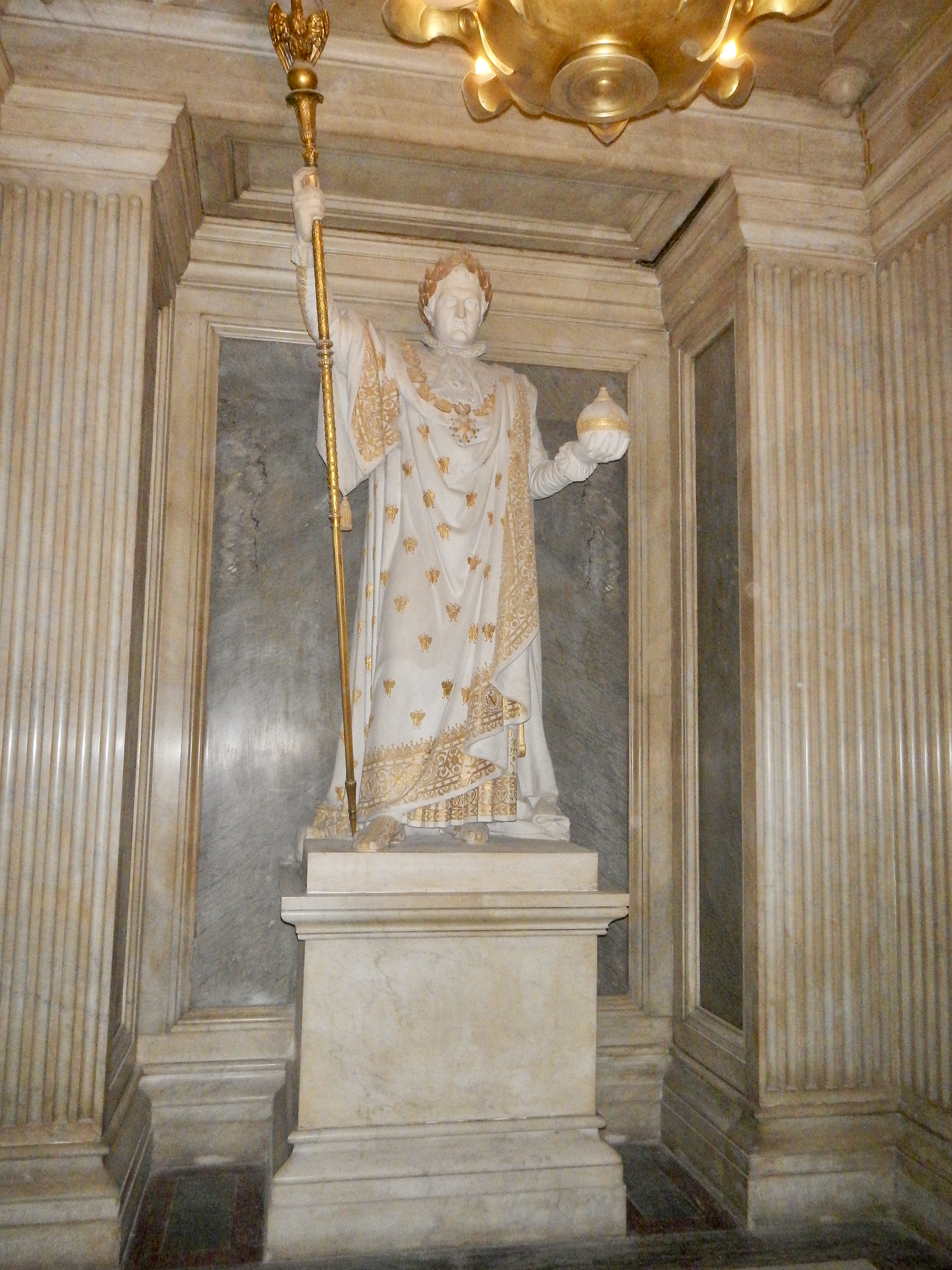
Napoleon’s Tomb
Guess who?
Napoleon’s final resting place
Paris was magnificent and hard to leave behind… we will return!


2 Comments

The Lavish Chateaus!

After visiting a few truly magnificent chateaus along the “Loire River Valley” we developed an understanding of what it was that ignited the French Revolution in 1789. The splendour of Chateau’s like Chenonceau and Chambord is stunningly outrageous compared to the average lifestyle of the time. Some of these outstanding Palaces were utilized as mere recreational properties for important things like hunting, and providing a home for the mistress. Many Chateaus of all sizes dot the countryside and some are still privately owned. The upside of this extravagance is now everyone has an opportunity to wander through these splendid places and imagine what life as a Royal was like in the 14th – 18th centuries. It is however difficult to understand the “who’s-who” in the family trees and how they’re all interconnected over time and distance. Do you know how many Royal Henry, Louie’s, Anne’s and Elisabeth’s there are? Contrasting the spectacular palaces are a vast number of old caves built into the sides of the cliffs and used for farm and residential purposes. Some of these caves are very valuable now and have been converted into very unique  and modern homes (and businesses). Driving the back roads in France can occasionally be a challenging experience considering the narrow lanes with no shoulders and lots of large trucks.  Small roads can quickly turn into smaller roads and then into one-at-a-time lanes with an assortment of traffic obstacles like an old house protruding into the roadway. And circles!… how many circles can you fit into one kilometre? Lucky for us, the drivers in Northern Europe are generally very skilled and predictable with the exception of a few overly aggressive lunatics. But, having spent some time driving a motorcycle in Calgary traffic, a motorhome on French back roads is relaxing. And now onto Paris! One last thing… today we’re thinking of Kristin and Danny who are in Bali getting married. Kristen and Erik are at their side and our thoughts are with you all. Congratulations! and best wishes to the bride and groom.

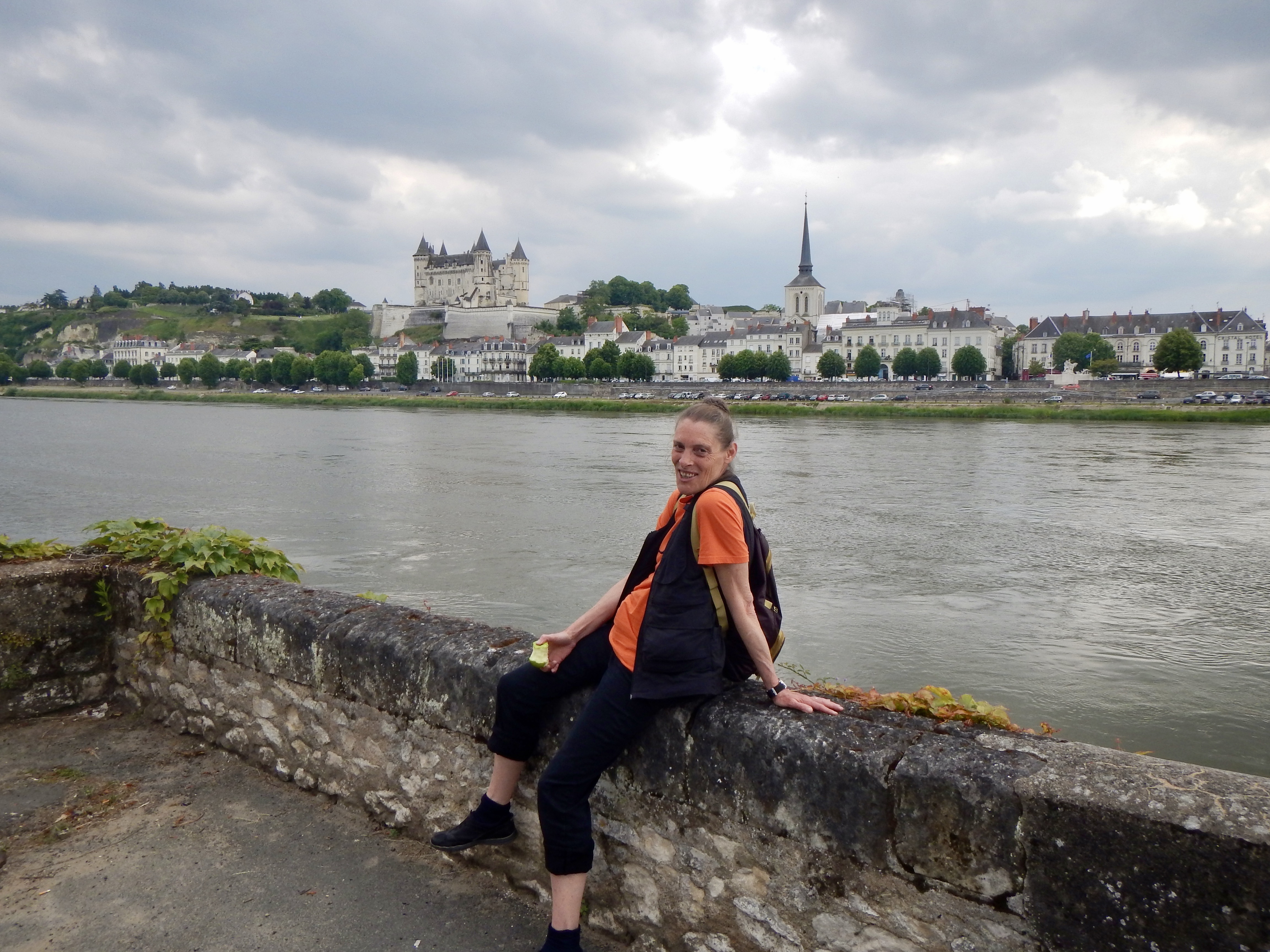
Chateau de Saumur from our campground
The beautiful Chateau overlooking the town of Saumur and the Loire river
Fontevraud Abbey – The Church
Inside view of the church nave
Grand Moutier cloister
The cloister galleries
The Byzantine kitchen smokehouse to make smoked salmon
Some Loire valley cave homes (troglodyte)
Nice driveway!
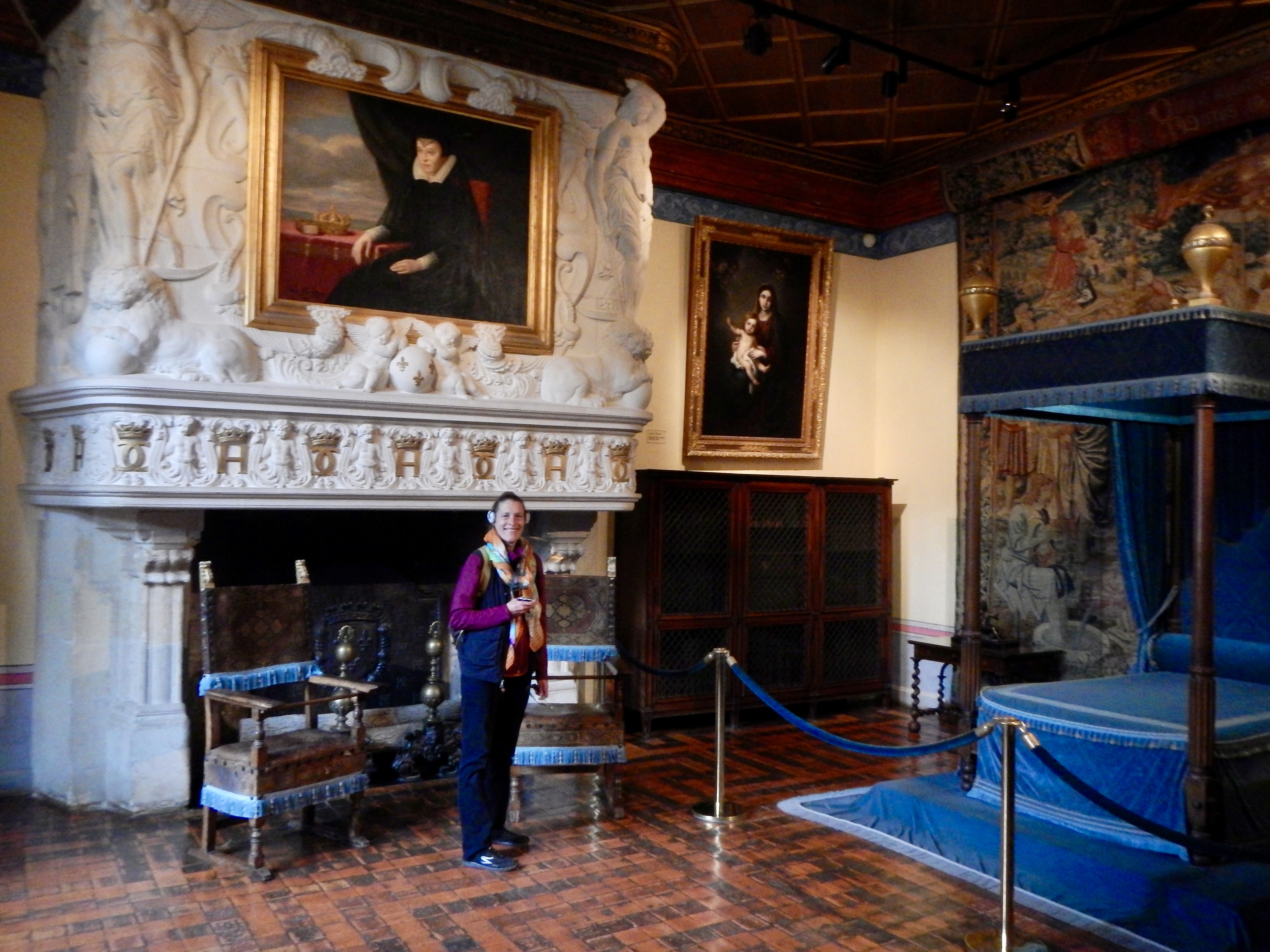
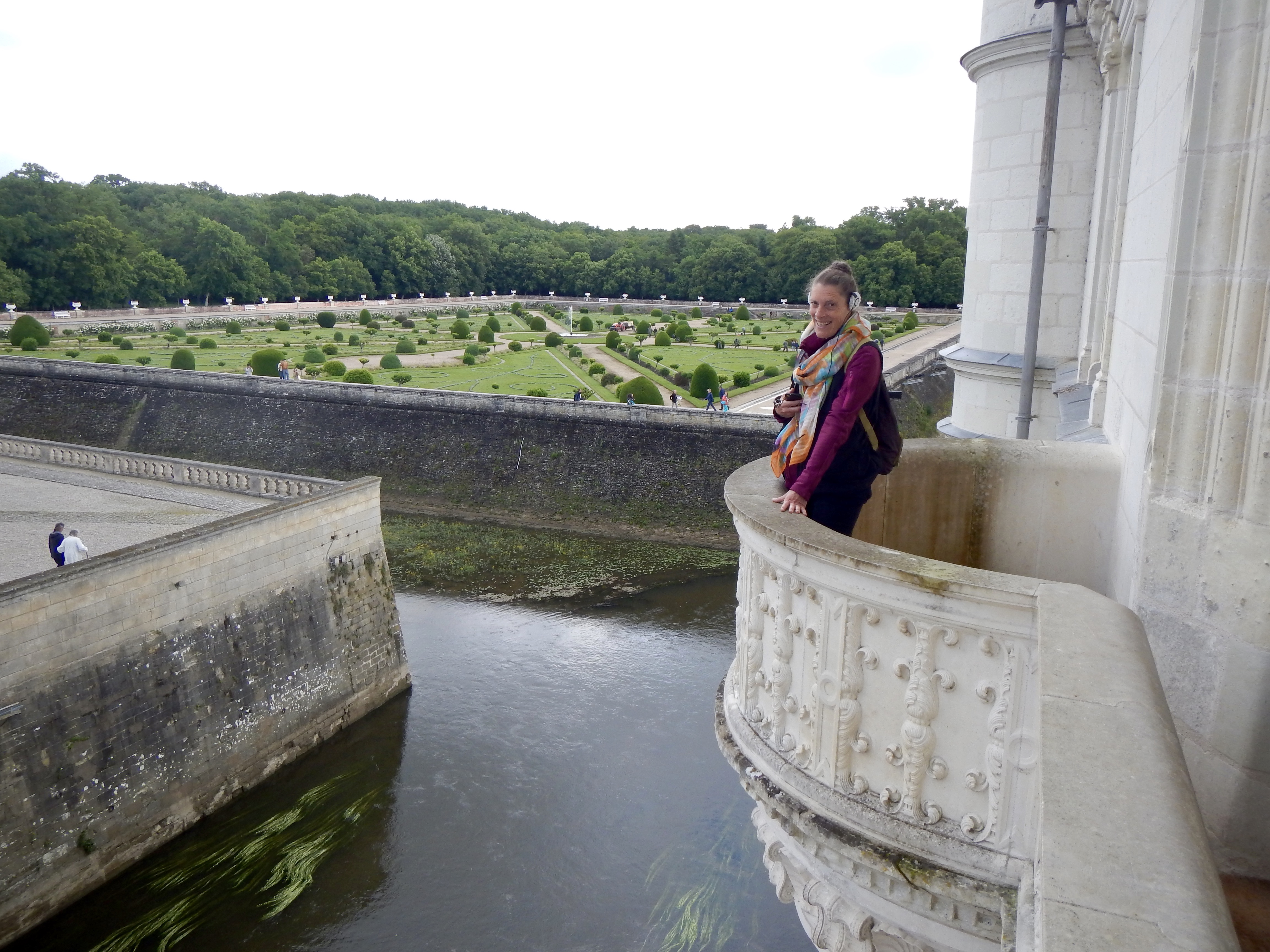
The beautiful Chateau de Chenonceau built over the river Cher
Chateau hall spanning the river
A small basic fireplace to keep you warm at night
Overlooking some of the back yard
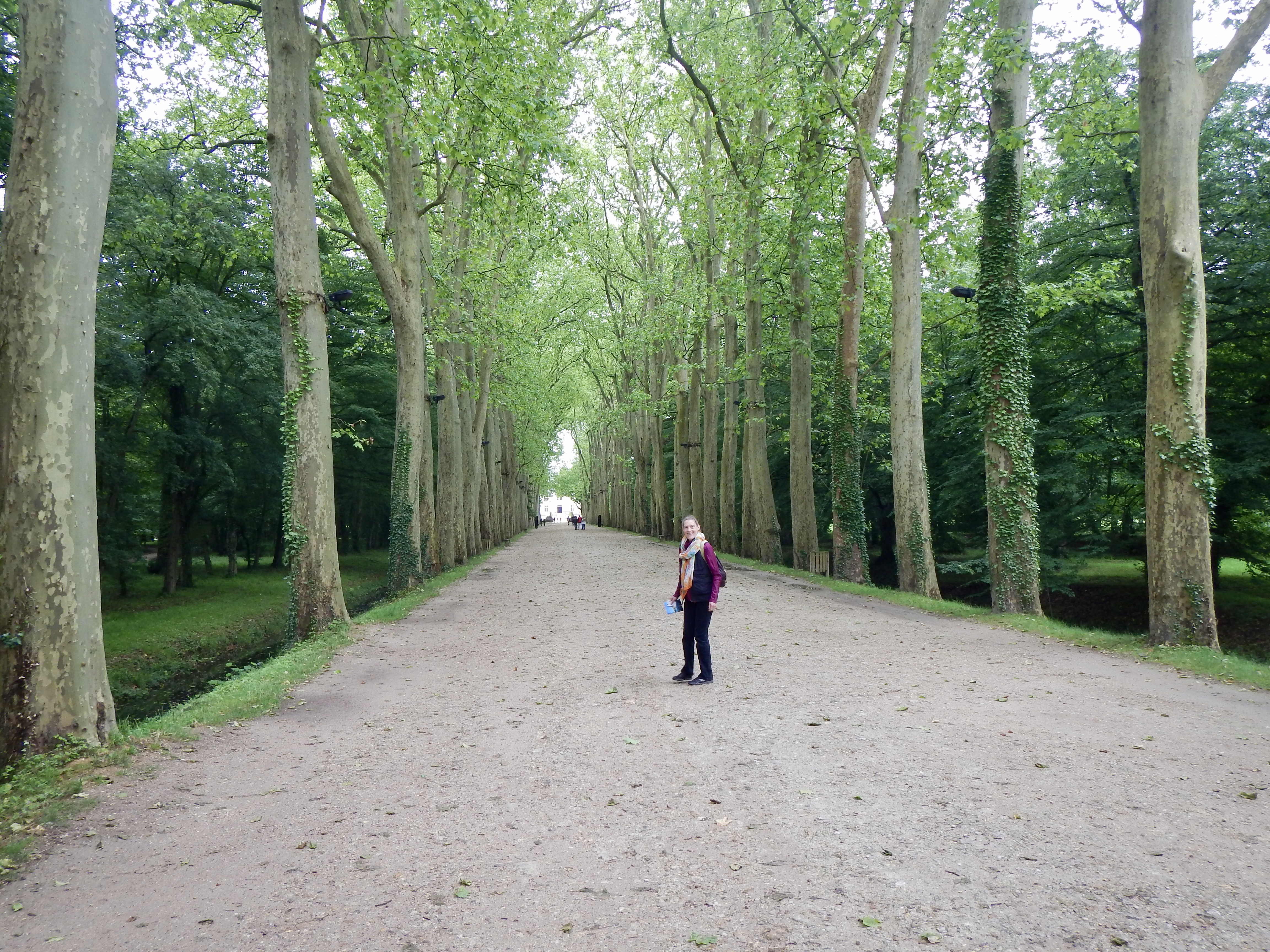
More of the parklike driveway into the Chateau
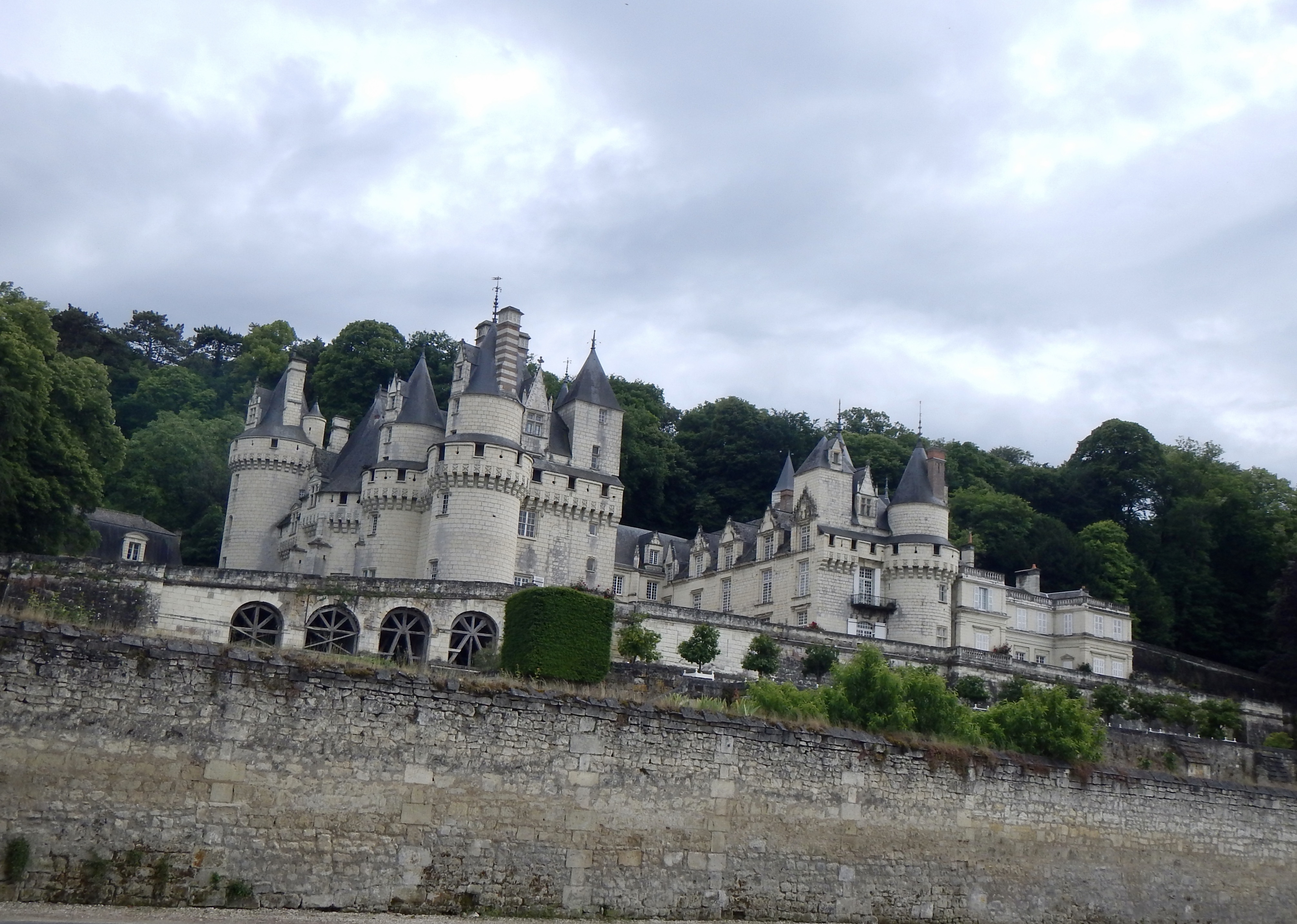
Chateau Chinon – Of “Sleeping Beauty” fame and meeting place of Joan of Arc
Spectacular Chateau de Chambord – Front entrance
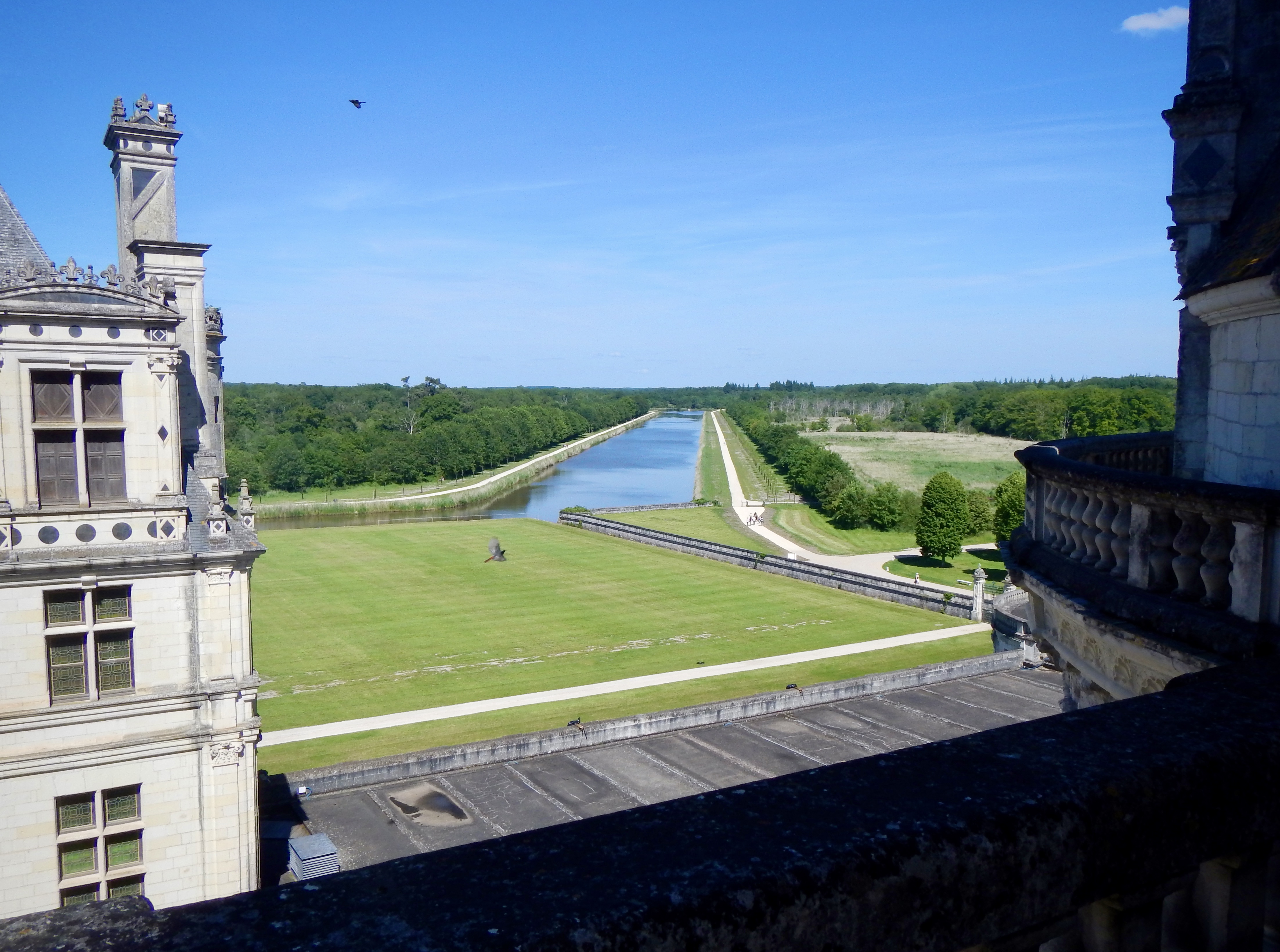
Backside of the 440 room Chateau looking out at it’s 5,500 hectares of parklike property
A favourite destination of Louis XIV (the “Sun King”)
Amazing architectural detail throughout the Chateau
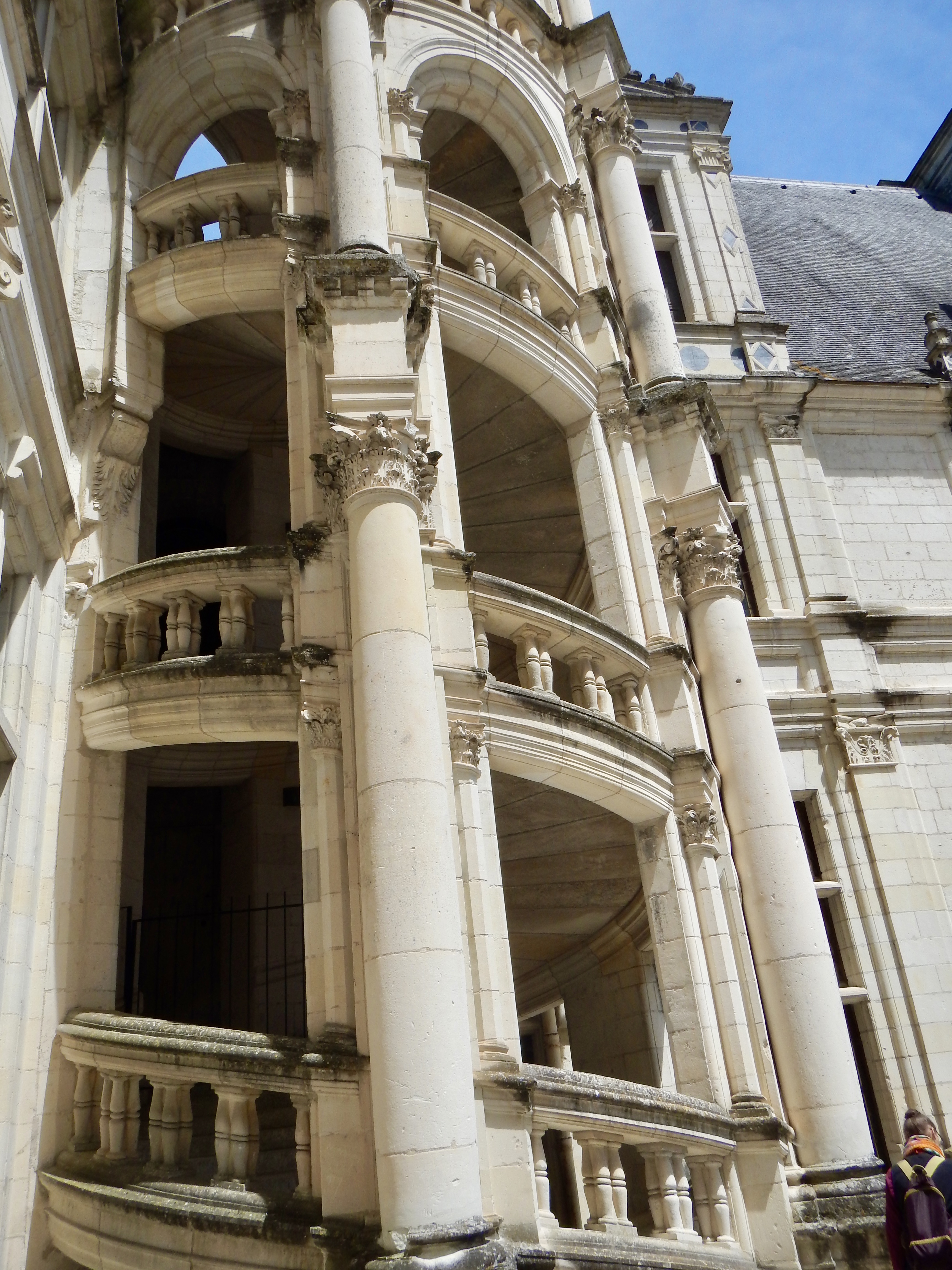
The brilliant “Double-Helix-Staircase” (like DNA) designed by Leonardo da Vinci
You can ascend on one side without meeting those who are descending on the other side
A nice way to travel in 1540
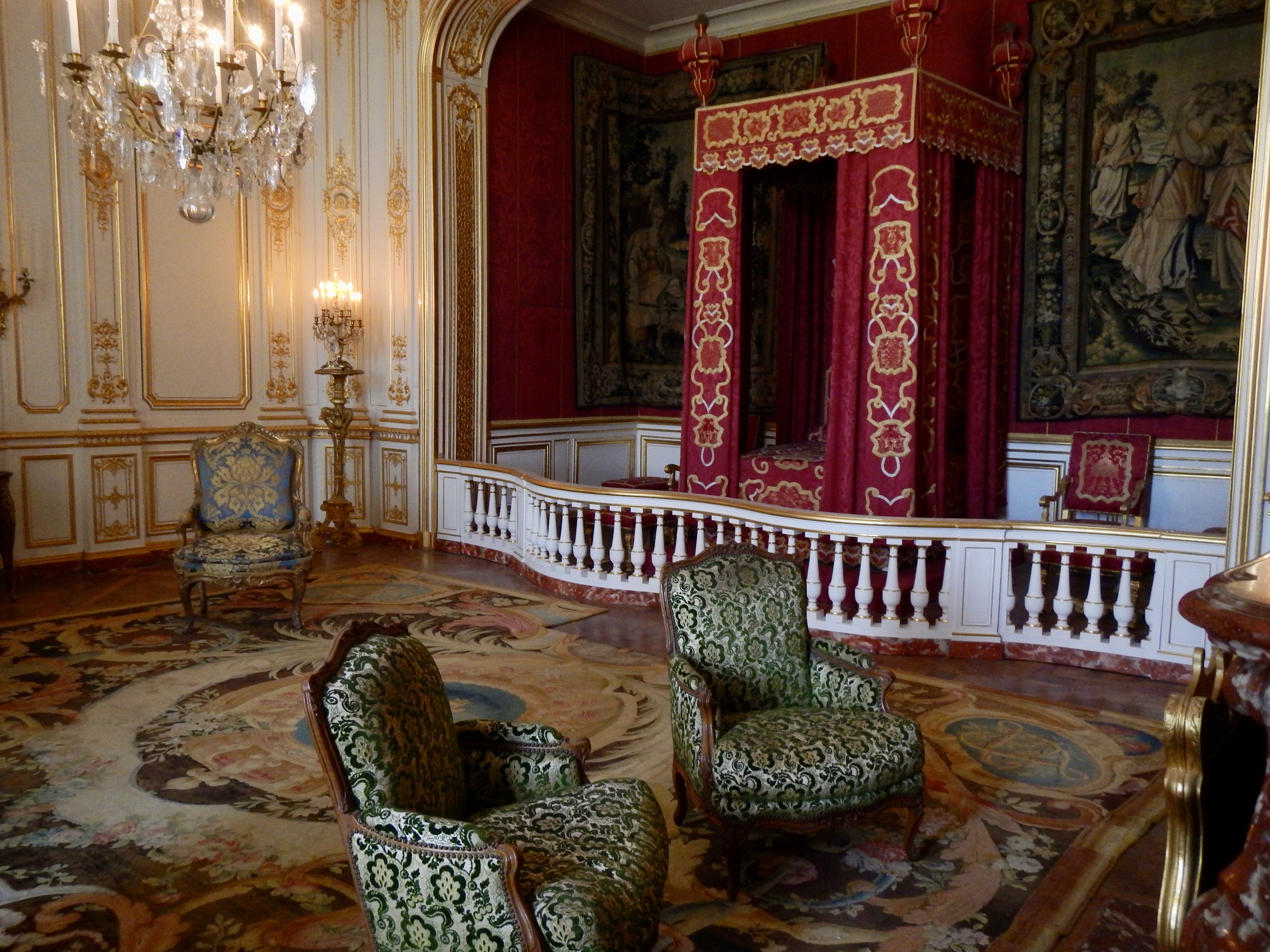
A bedroom fit for a King
A favoured hunting chateau for the Royals
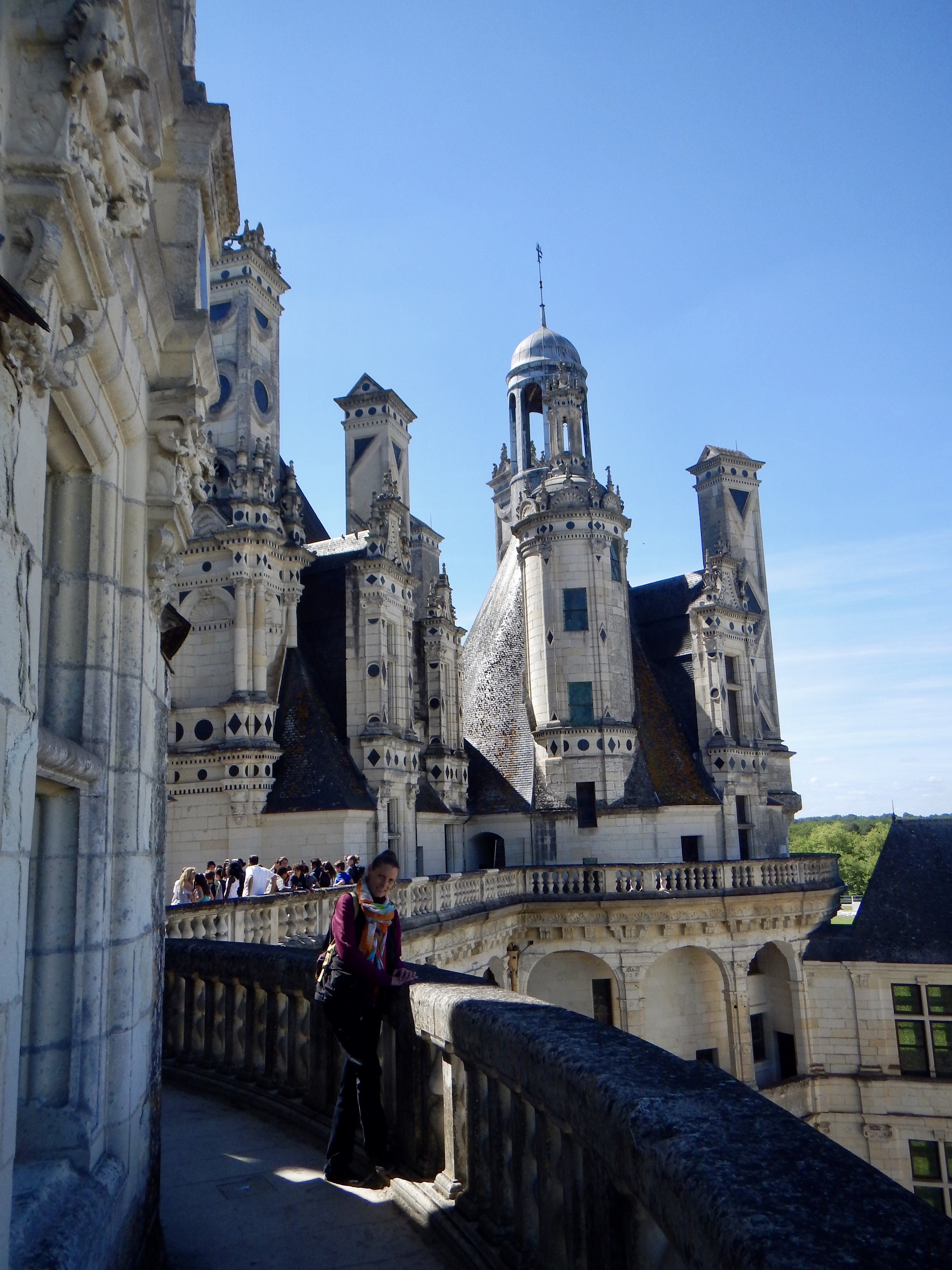
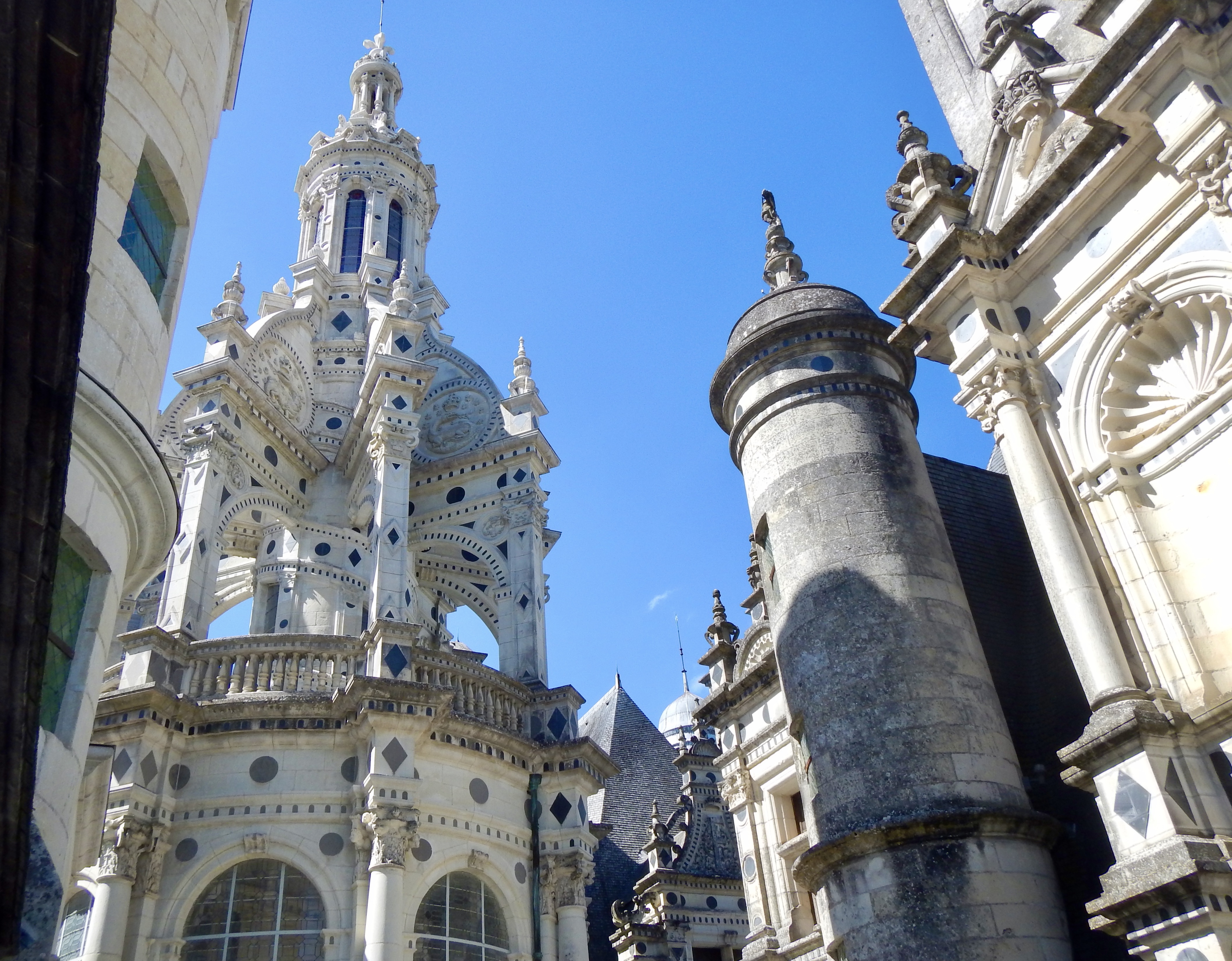
Part of the elaborate and magnificent roofline
Stunning towers and turrets overlooking a beautiful landscape
Chambord grounds are encircled by A 32 kilometre wall (longest in France) with six gates


1 Comment

From Normandy to Brittany!

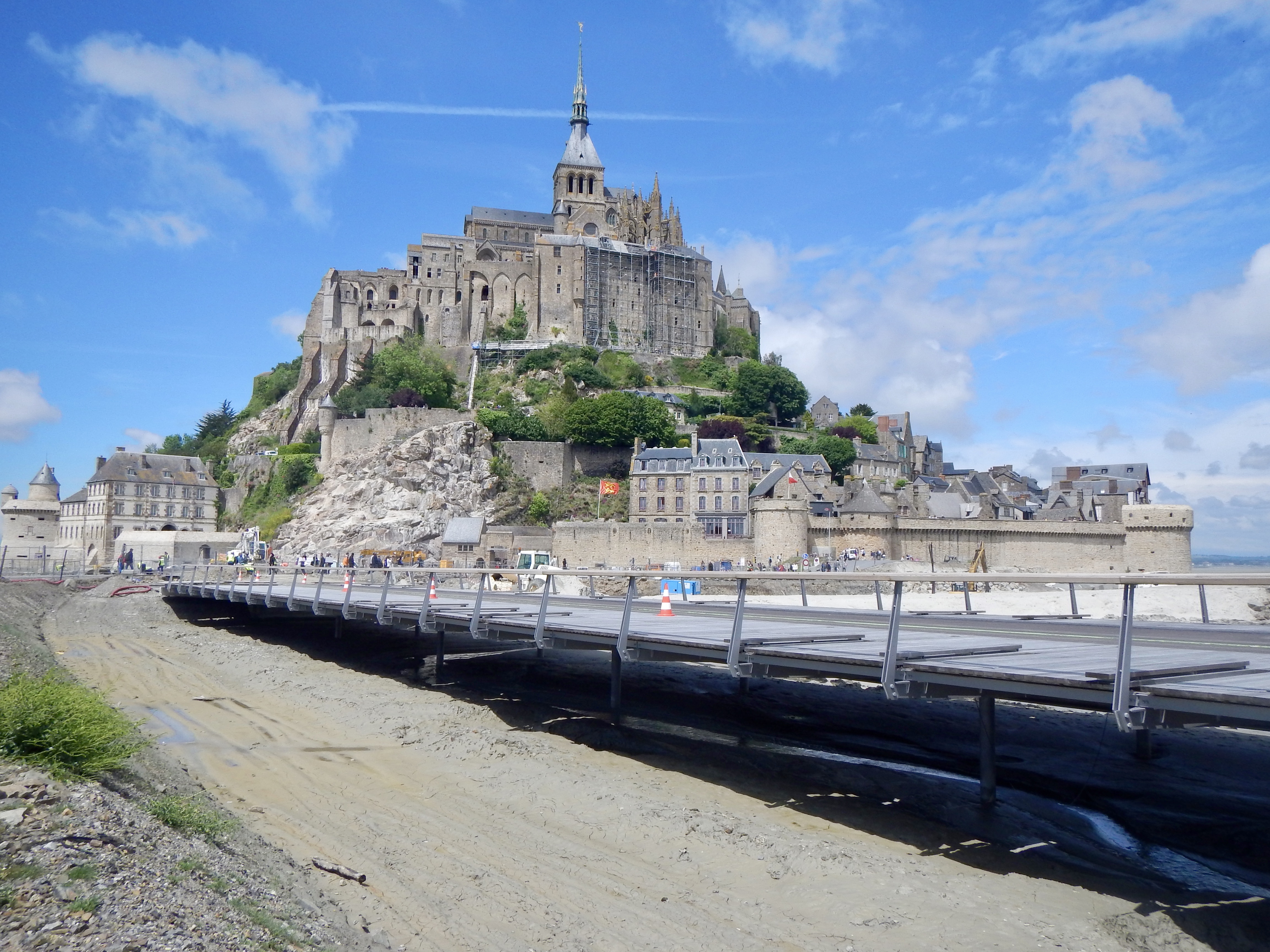
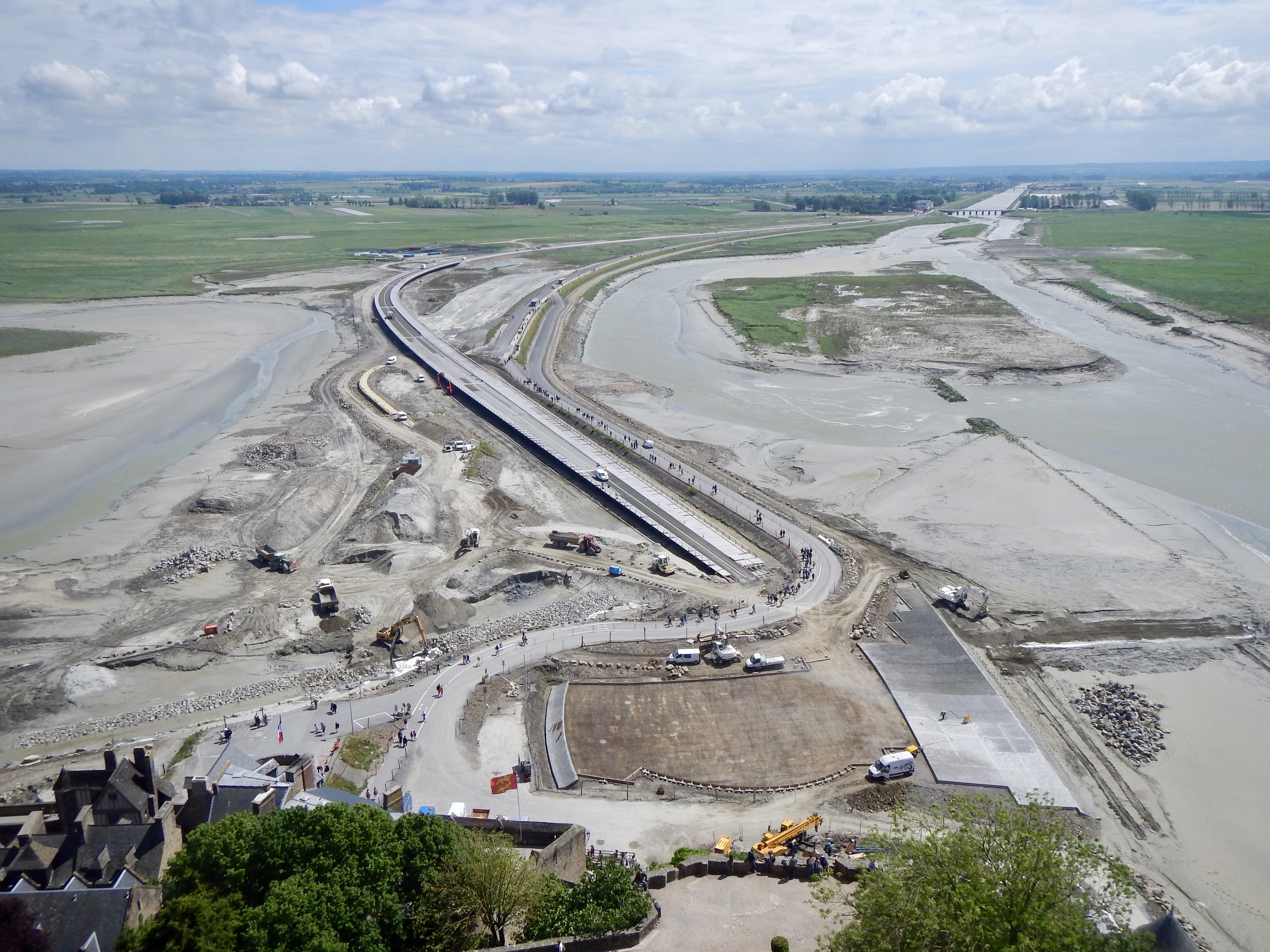
What a grand entrance we had to Brittany.  “Le Mont St. Michel” made for one spectacular and dramatic first act. As you approach this tiny fortified medieval island treasure it looks like the backdrop for some kind of stage production but as you get closer to the rock it becomes clear you’re in for something much more special. St Michel is an island at high tide, at low tide it has many kilometres of sandy beach in front of it. We witnessed much of the fascinating “flood” tide from the “high-altitude” courtyard of the magnificent pre 11th century gothic Abby. To reach the Abby you must walk and climb “the Pilgrims Walk” through the narrow winding streets of the medieval village below it. This place is truly fascinating but an element of commercialism has crept in and taken away from the romantic atmosphere somewhat. Not surprising considering this medieval attraction draws millions every year. Its massive parking lot was only about 20% full during our visit and the place seemed quite busy so we can’t even imagine what it would look like during peak season with a full parking lot. Construction on a new connecting bridge to the island is almost complete and when finished it will replace the old land causeway restoring the eco system and provide better access to the Island.  Not far away is the important ancient port city of St Malo. This was the home of Jacques Cartier and it was from here that he sailed West to not only discover Canada (first to map the St. Lawrence River) but to give us our name as well. There is a nice park and statue marking the significance of all this but strangely it’s lacking any Canadian flags and we couldn’t quite understand that, but we did find Jacques resting tomb in the local Cathedral.
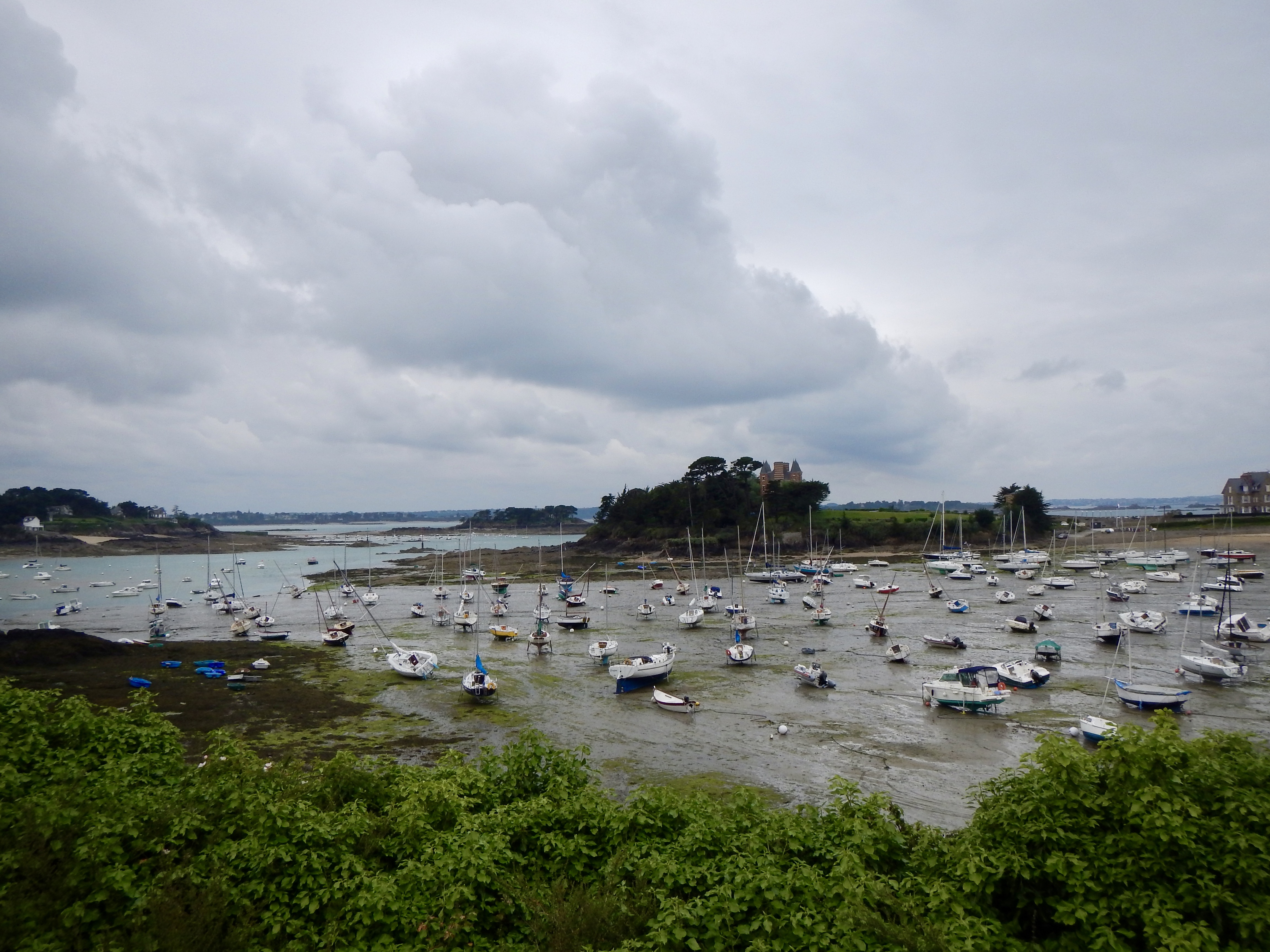
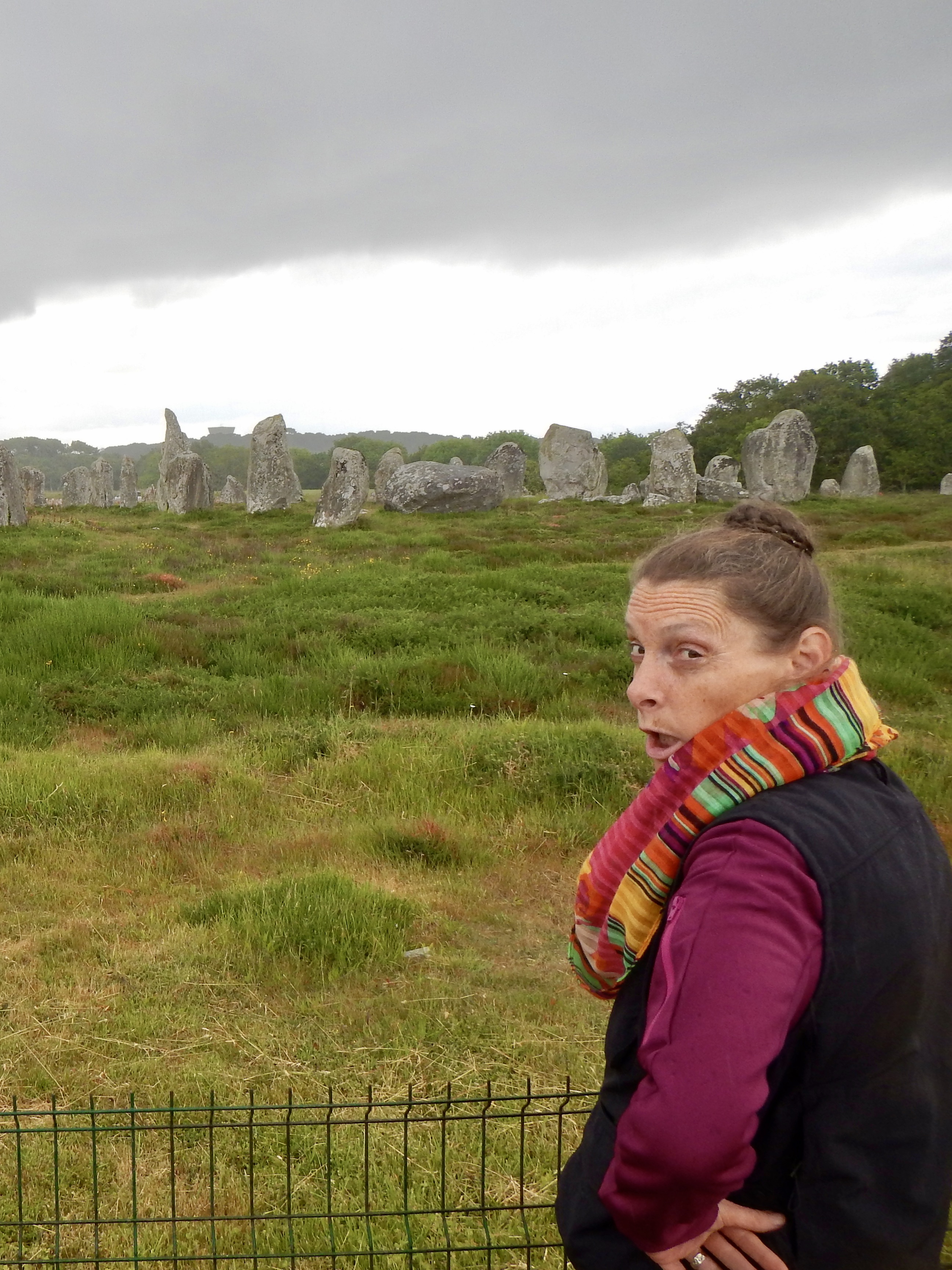
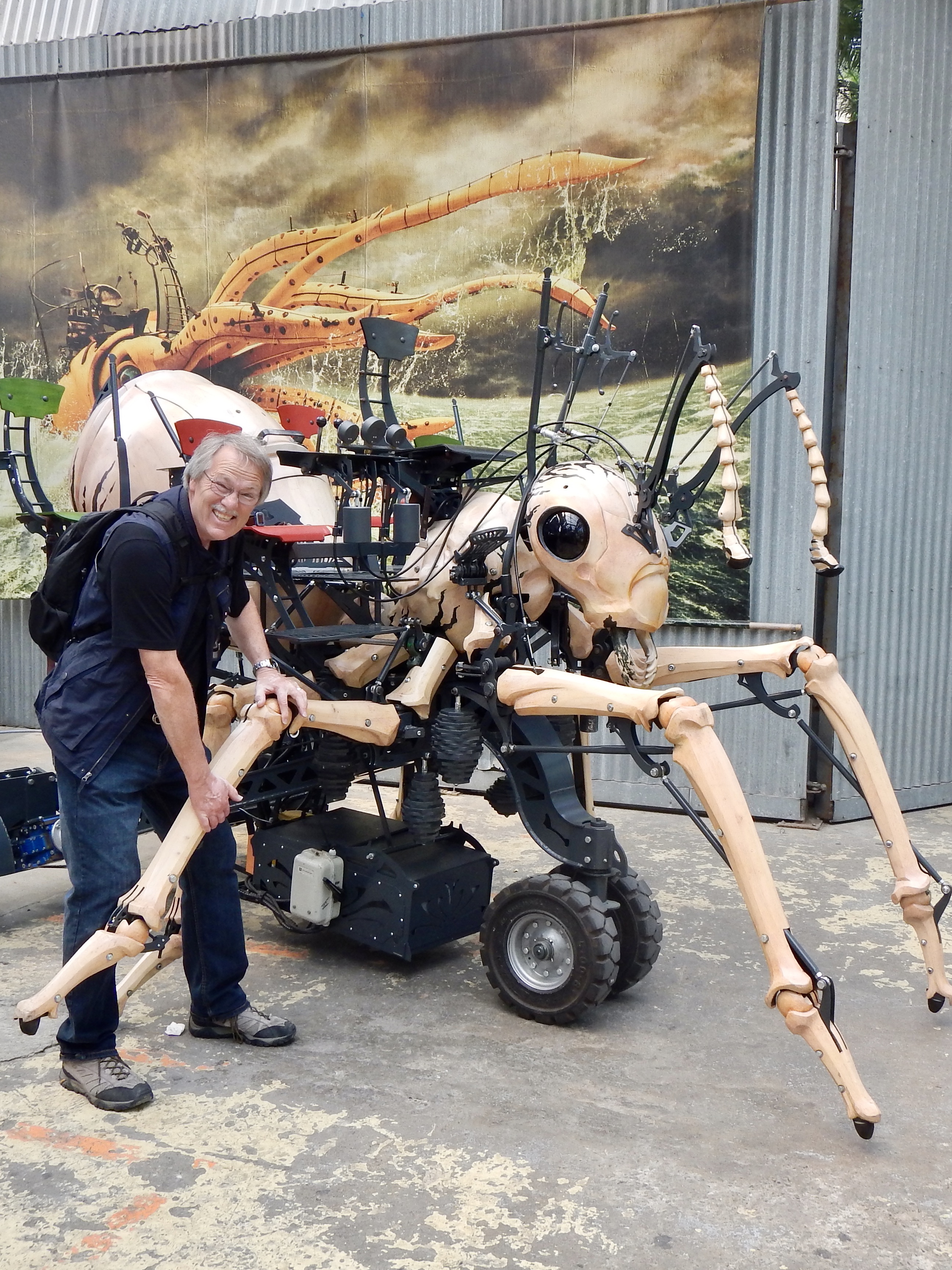
On the west coast of France we visited a “Rockin” little town called Carnac. This place is world famous for it’s 3,000 (planted?) rock boulders. It’s said that these large (some very large) rocks were placed in long straight rows around 4,000+ BC and they are still confusing the experts much like Stone Hedge in England (I wonder how one determines how long a rock has sat in one place for?). As you can see from the picture, Margot thinks it’s all a hoax (Wink!). On we drove to the beautiful port city of Nantes. Located inland on the Loire river this place was once the capital of Brittany until Anne, the daughter of Francois II was obligated to marry two French Kings (at different times!) and in so doing, united forever Brittany to France. We spent the better part of a day going through Anne’s castle museum. This port city has a rich history including ship building, military, fishing and import/export that included the slave trade. Today much of the industrial ship building business has shut down but a few years ago a very interesting new business popped up in it’s place. It’s sort of like a “If you build it… they will come” story. In some of the old ship building sheds, groups of skilled visionaries, craftsmen and engineers started to build “Machines”. What are machines you ask… BIG moving creatures that are paraded about on the old ship assembly grounds. They draw thousands of fans from all over the world to see this stuff and even ride on these incredible mechanical marvels. By the way,  this has all evolved in the old neighbourhood of the famous si-fi author Jules Verne… wonder if there’s a connection?  Erik, you’d be very impressed with the quality of engineering. This weekend is a “Machine” festival and new machines will be officially added to the collection with a big city parade . It really is a cool thing to see (especially for an old Tech Ed teacher) but when you see some of the grand future plans they have in mind you realize this gallery will soon be a mega tourist attraction. Tomorrow we head “up-stream” to explore the chateau loaded Loire River estates on our way towards Paris.

Approaching Le Mont St. Michel
Bold and dramatic and forever memorable
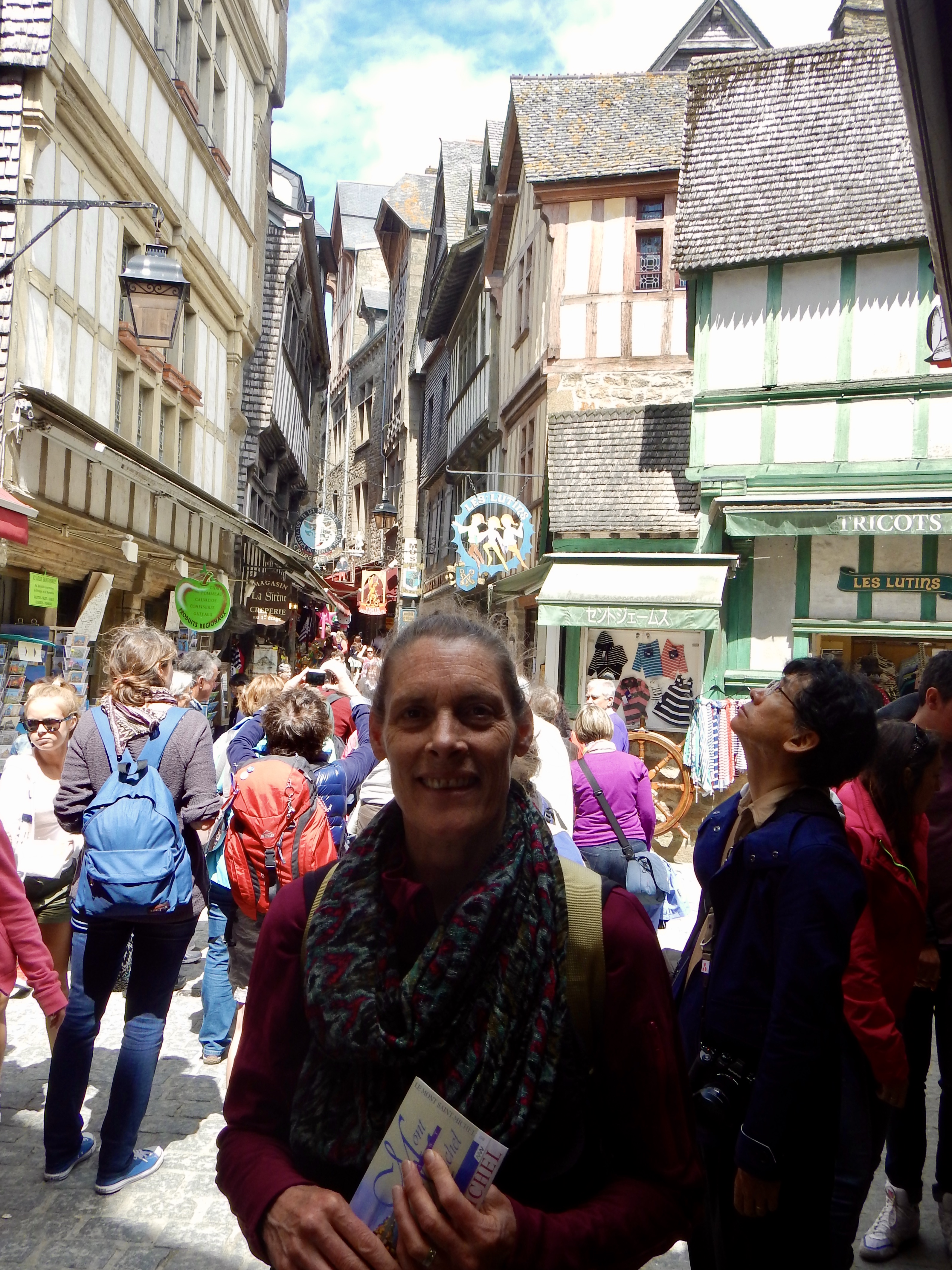
On the “Pilgrims Walk” through the medieval village below the Abby
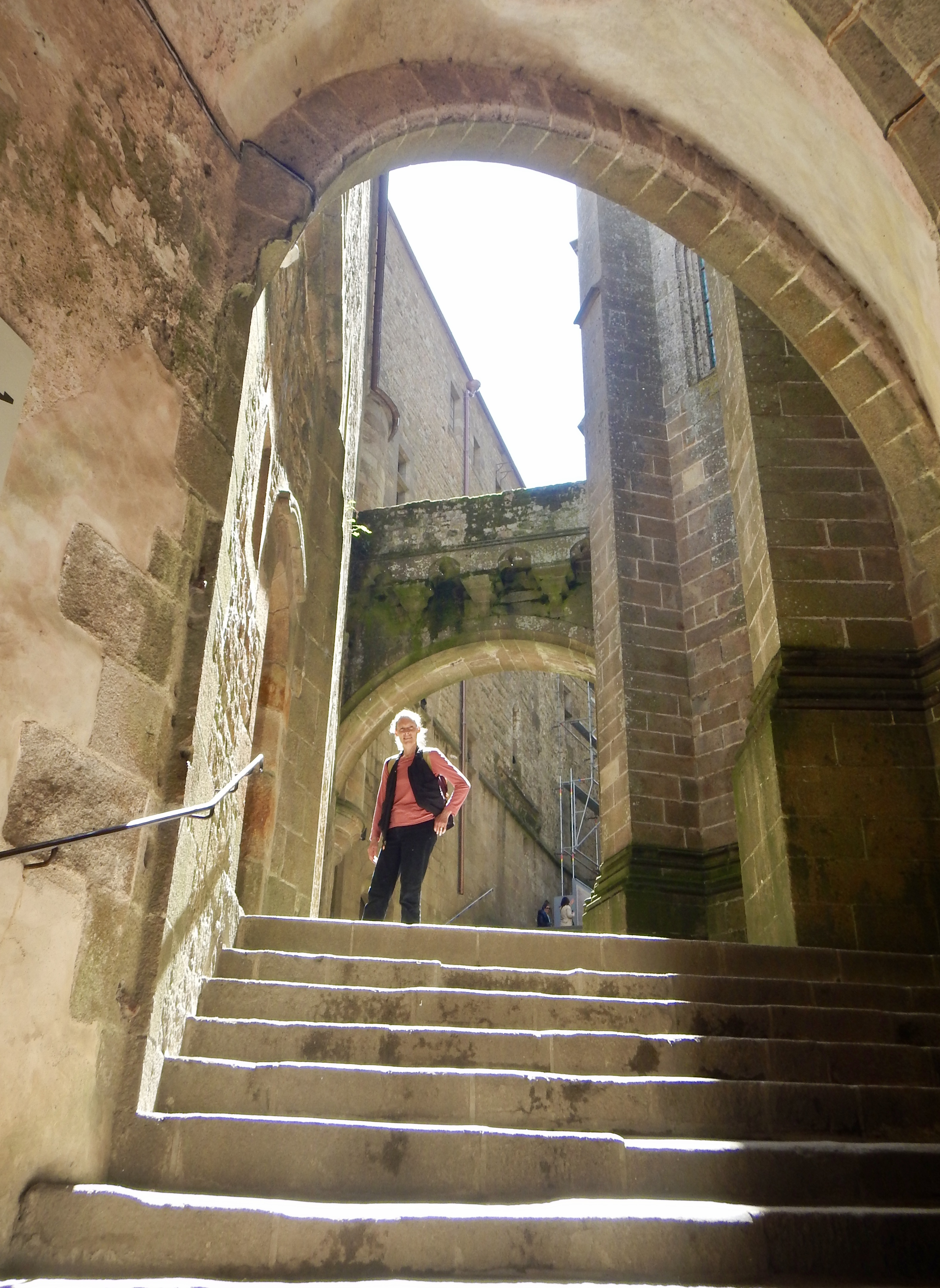
Up and up we go
What interesting stories these streets and passages could tell
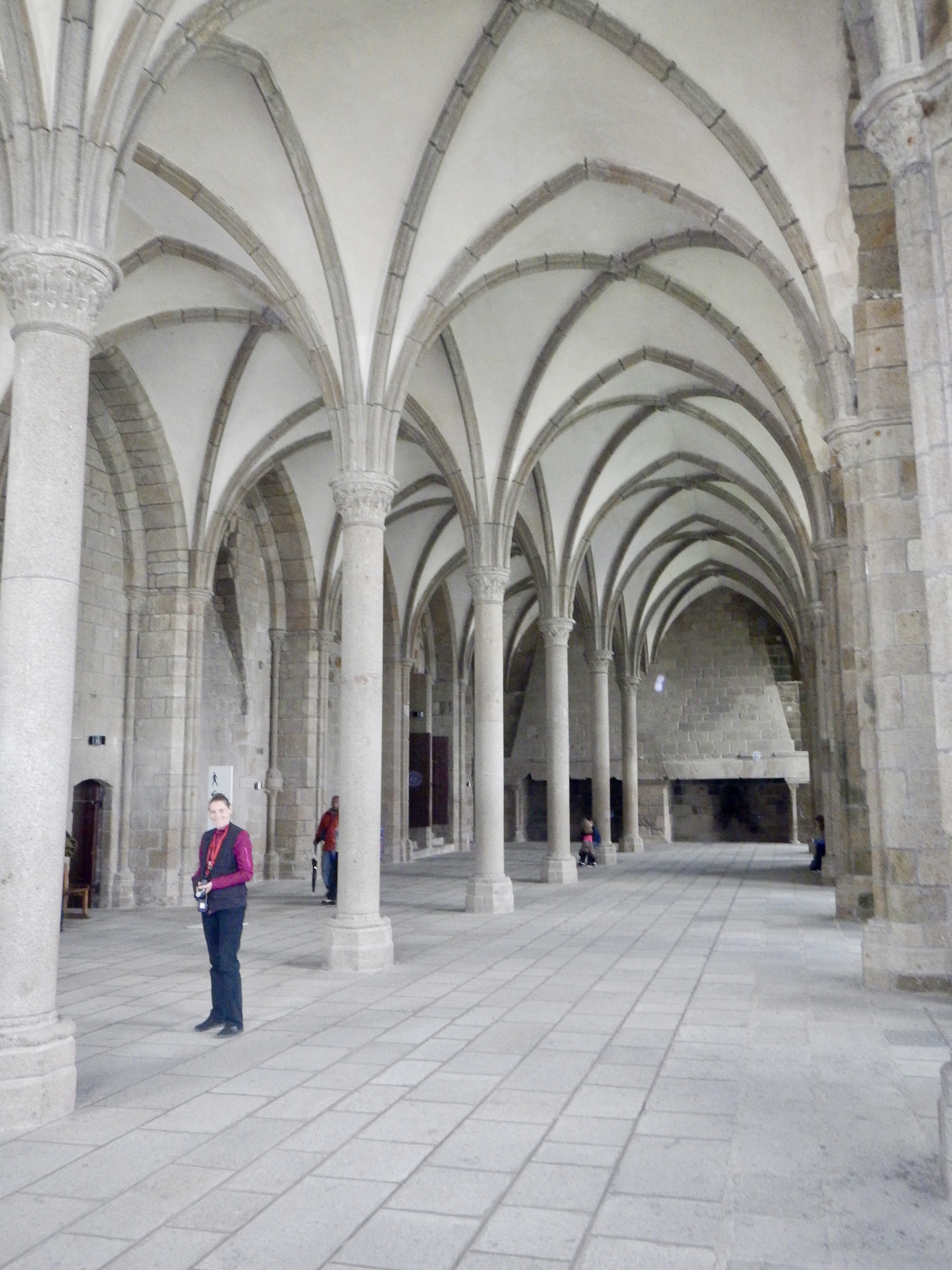
The Abby dining hall with two huge fireplaces to keep it warm
Construction of the new eco-friendly causeway to the Island
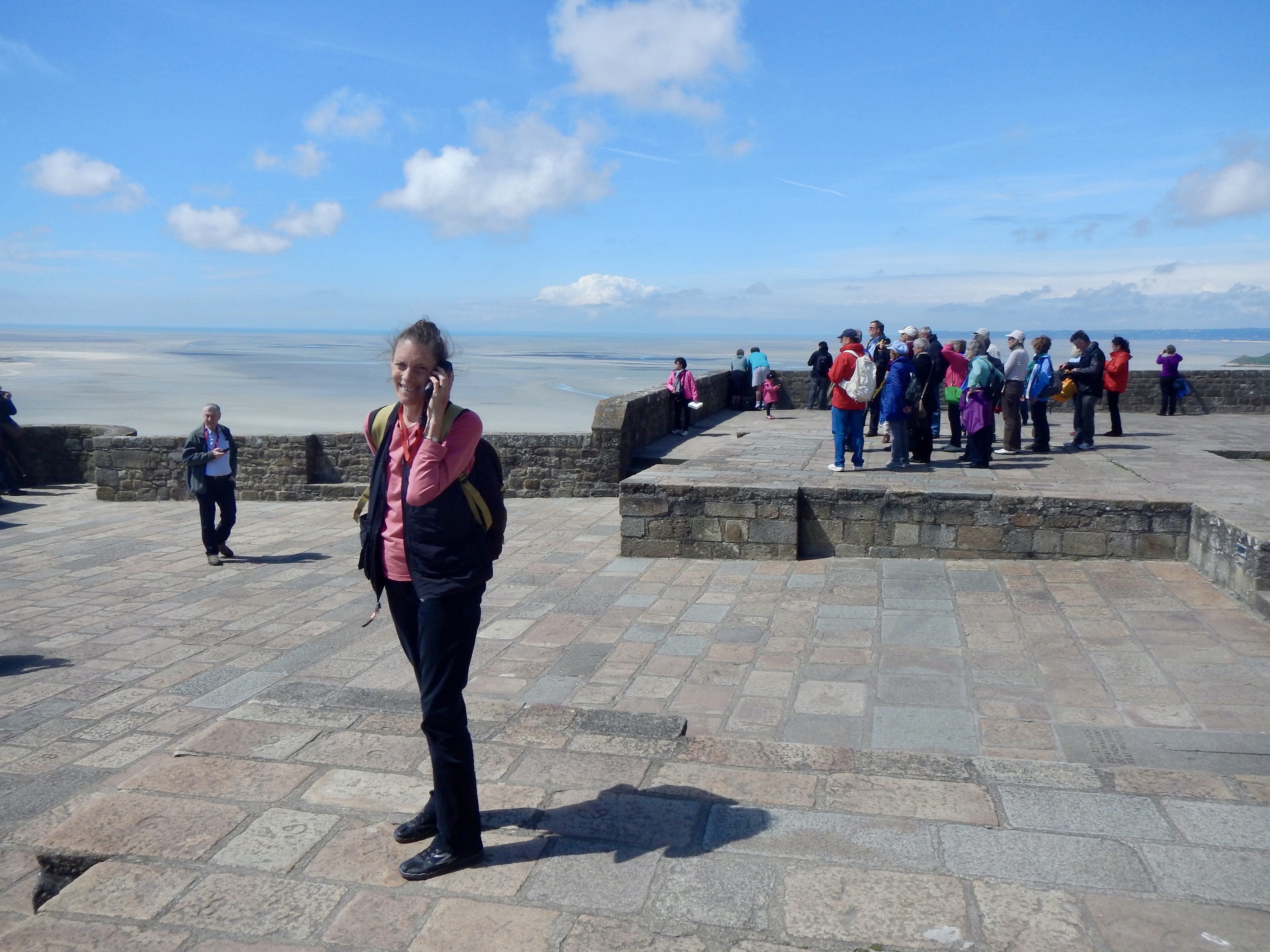
Breathtaking views in all directions
Kilometres of beautiful sandy beach at low tide. Well worth watching the tide change
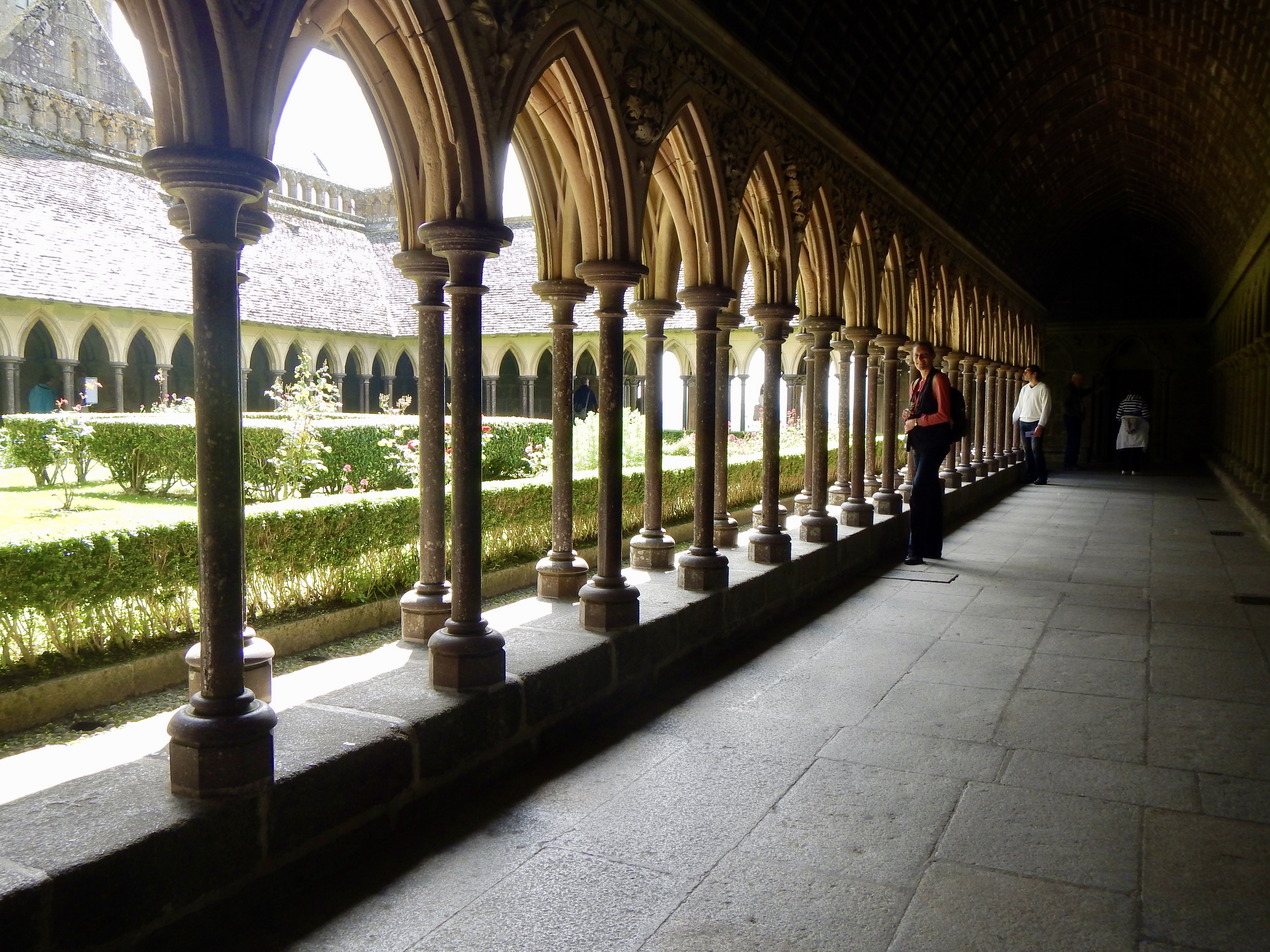
The Abby’s courtyard and vestibule
Nice place to stretch our legs and admire a local neighbourhood
St. Malo – Home of Jacques Cartier
From this port in 1534 Cartier sailed West to explore the new world
Jacques Cartier Monument Park – Cartier discovered Canada and gave us our name
That little fortress would be his last view of France before sailing into the St. Lawrence
Low tide on the Brittany Coast
The “Carnac stones” – Like Stonehenge, continue to mystify the experts
Rows and rows of more then 3,000 prehistoric granite stones in an upright position
A fabled Roman Legion standing in straight lines – Turned into stone by Merlin the wizard
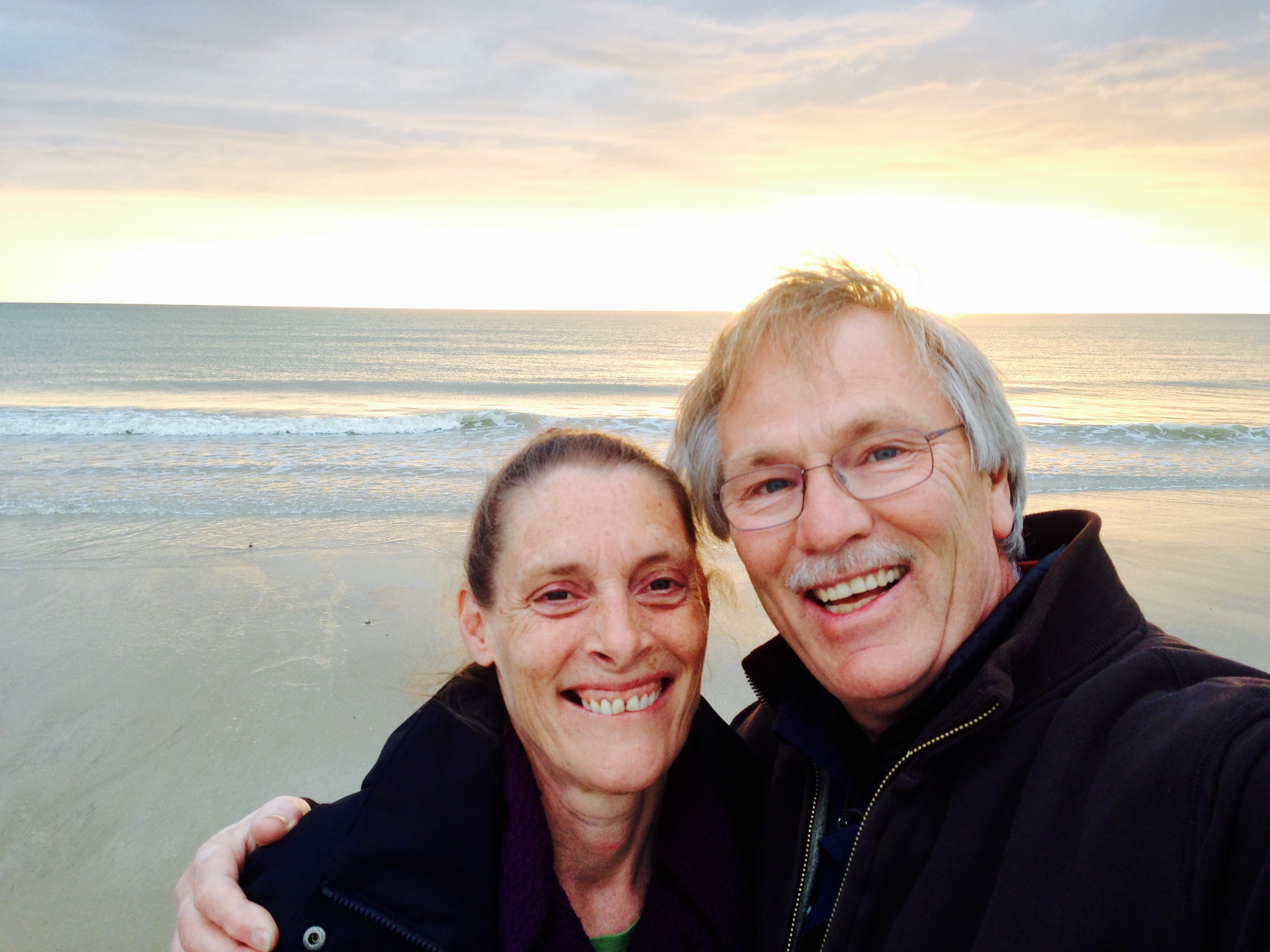
We’re looking a little camper shabby… but we’re sure having fun!
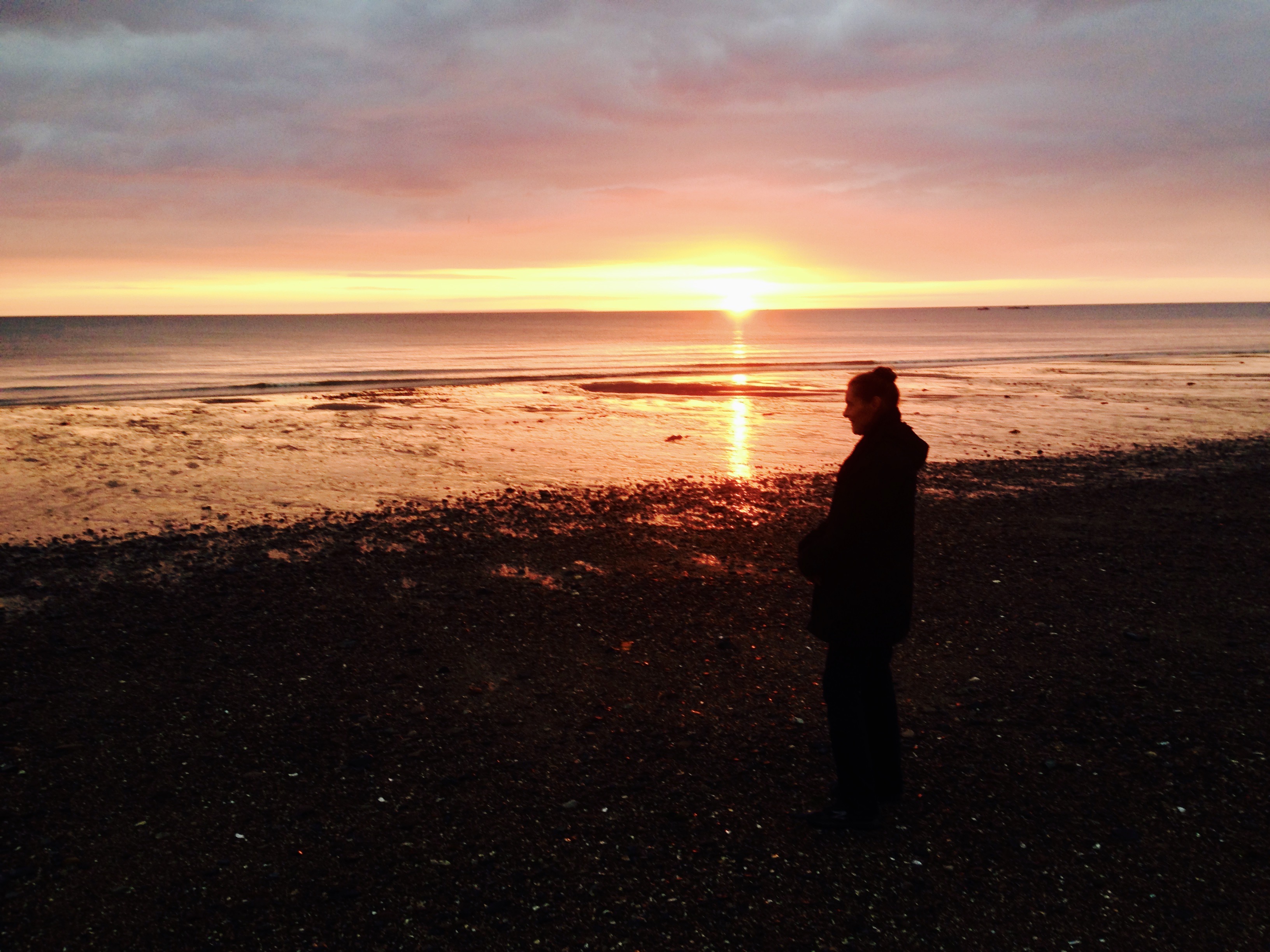
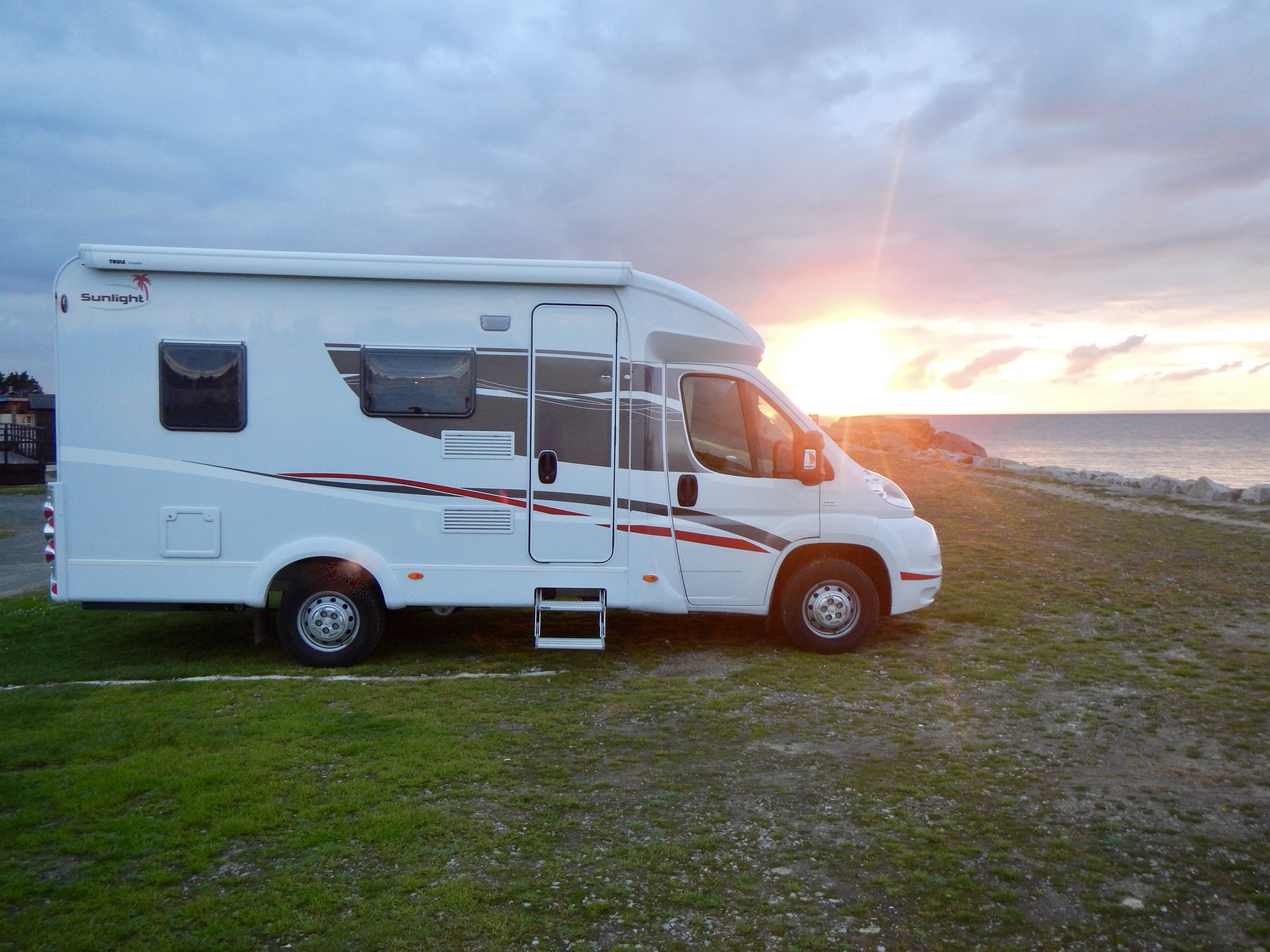
A beautiful sunset looking West over the Atlantic towards Canada
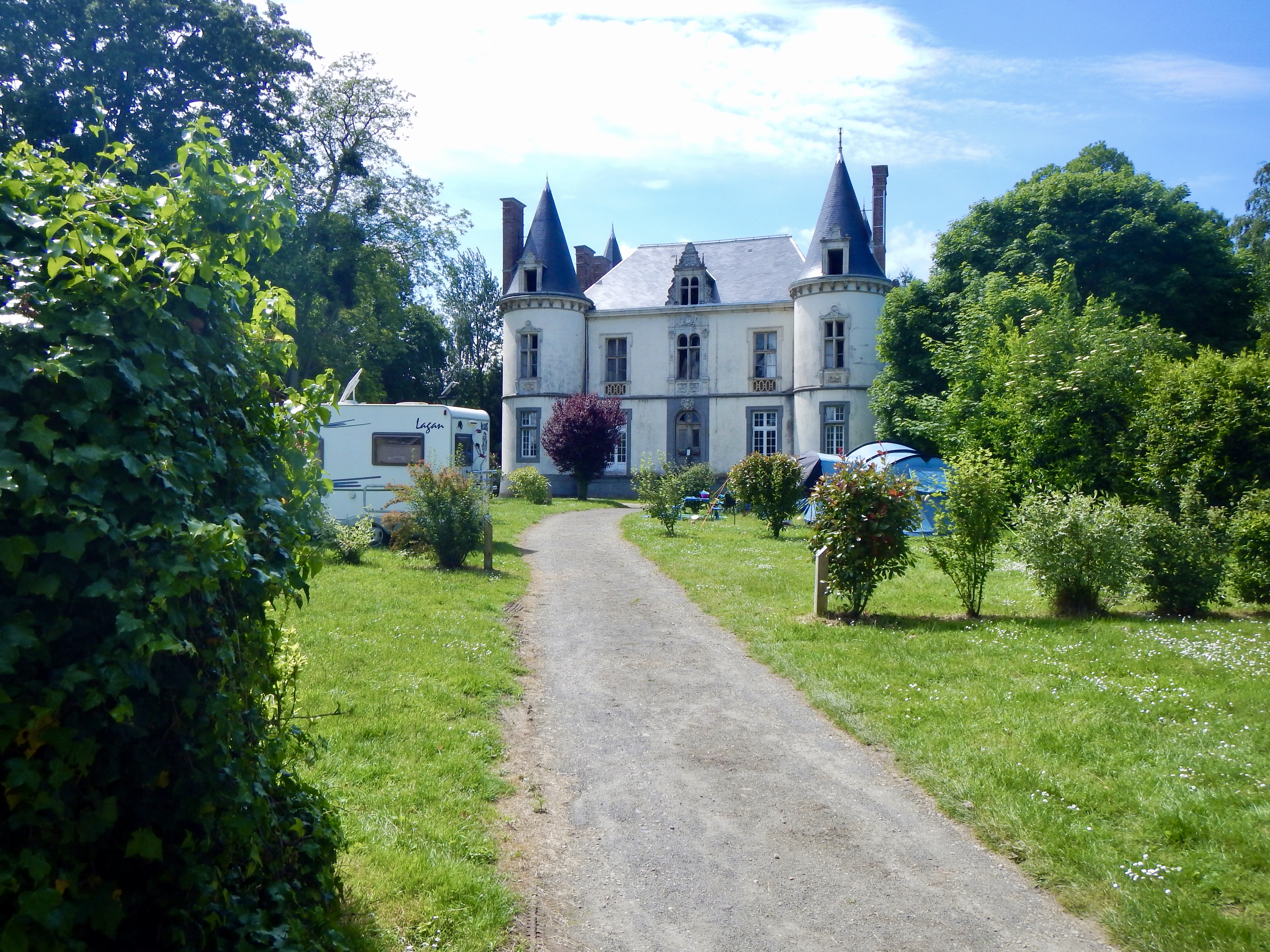
Chateau camping at it’s best
With a great pool all to ourselves
A delicious and nutritious “Marma-Ritto” meal to end our fun day
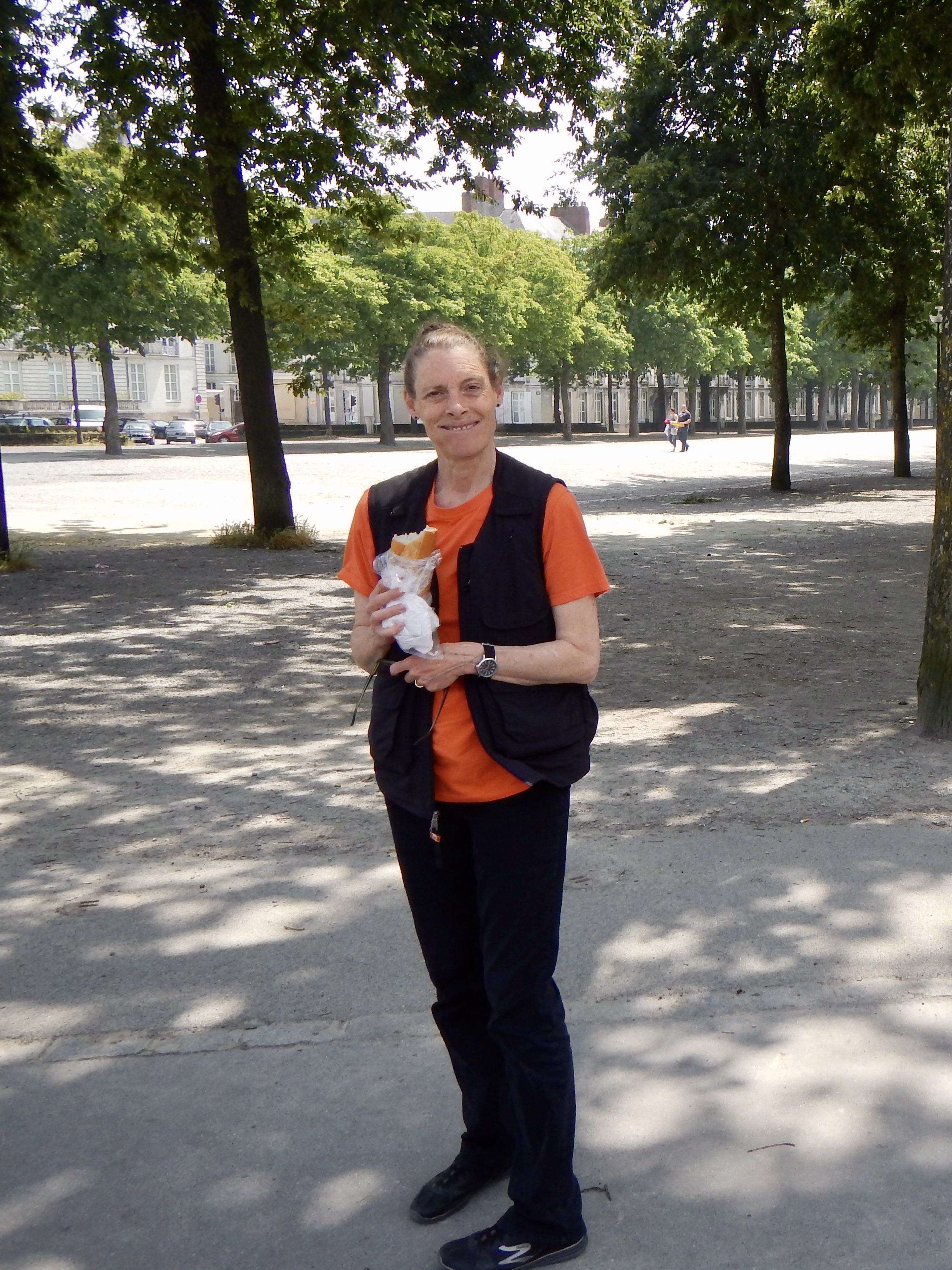
French bread is awesome… and that sandwich looks sooo familiar!
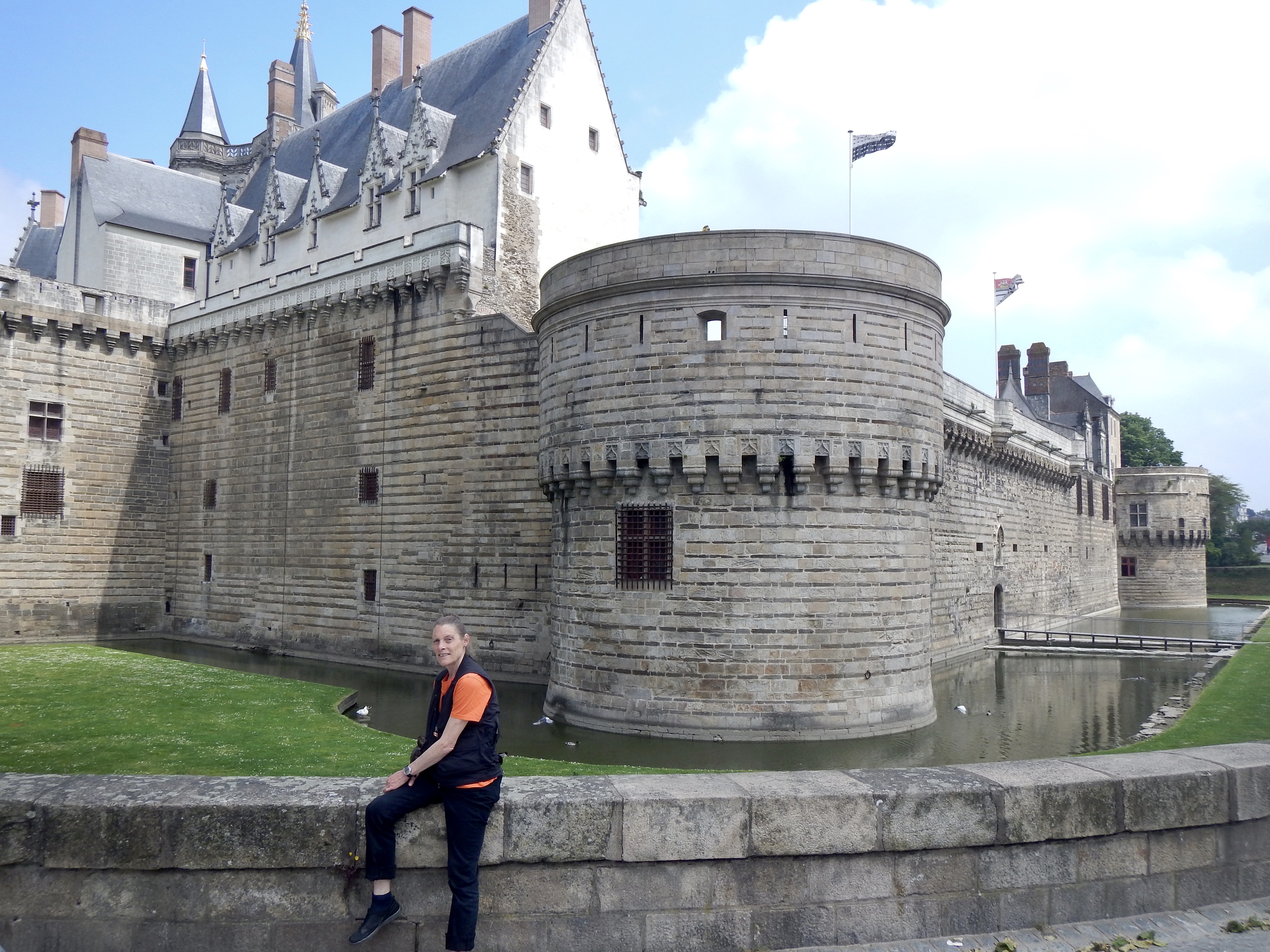
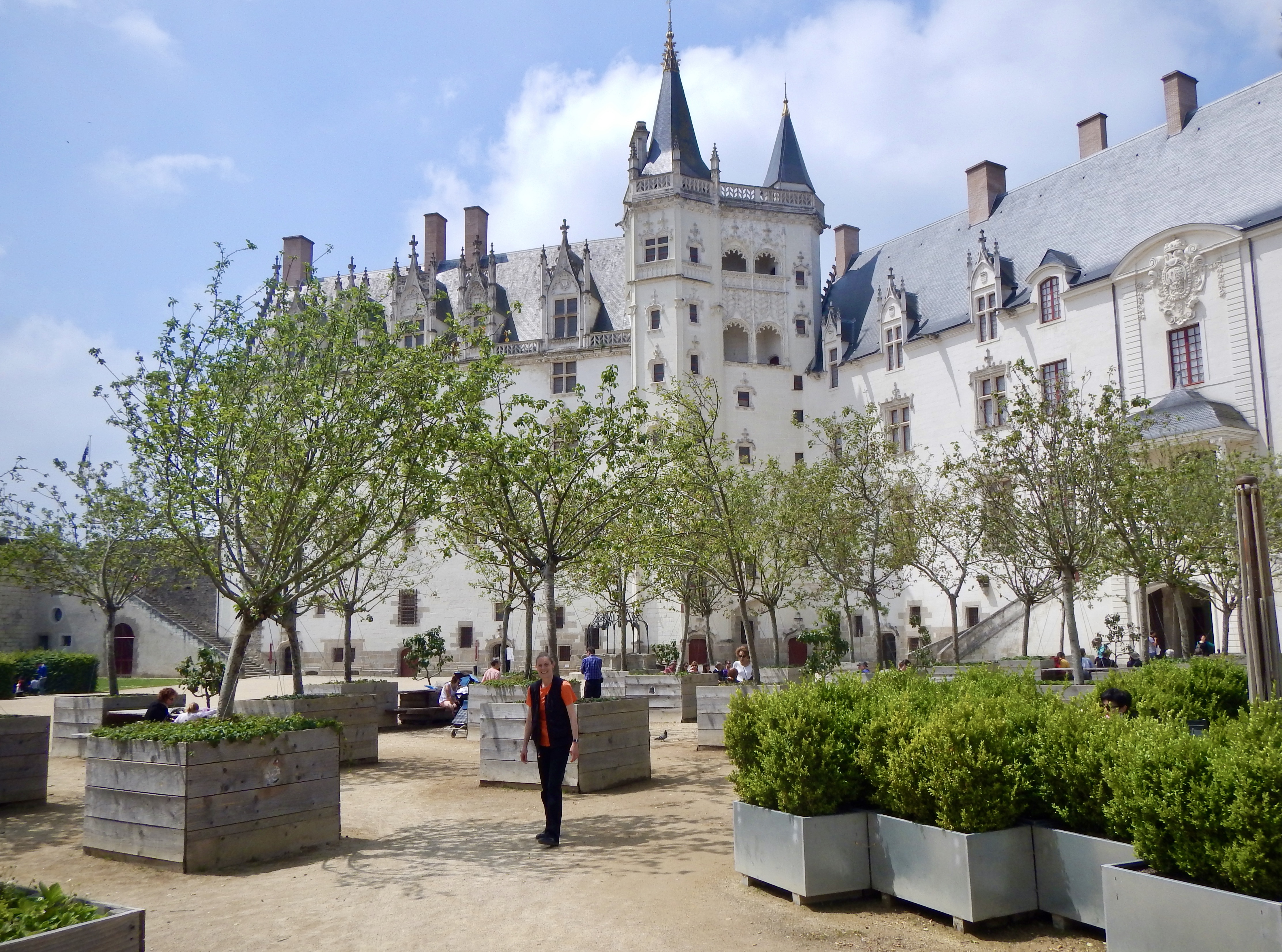
Nantes, France – Chateau des Ducs de Bretagne – Home of Brittany Dukes for over 300 years
The Castle was built in 1207 and operated as the seat of the province of Brittany until 1941
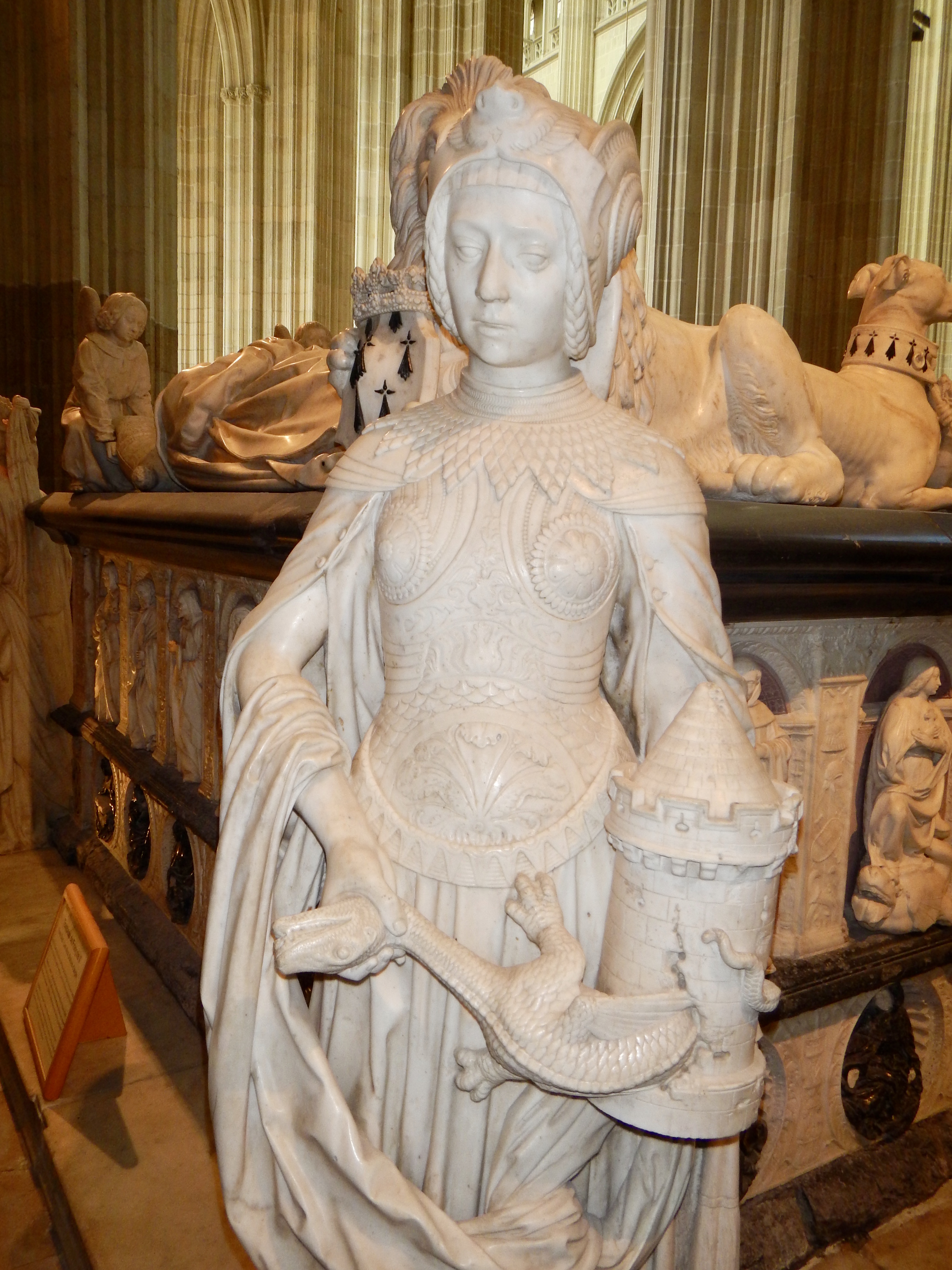
Do you think this could be the Dragon Queen from “The Game of Thrones” ?
I love these magnificent Cathedral doors… I wonder how old they are?
The world’s first modern department store
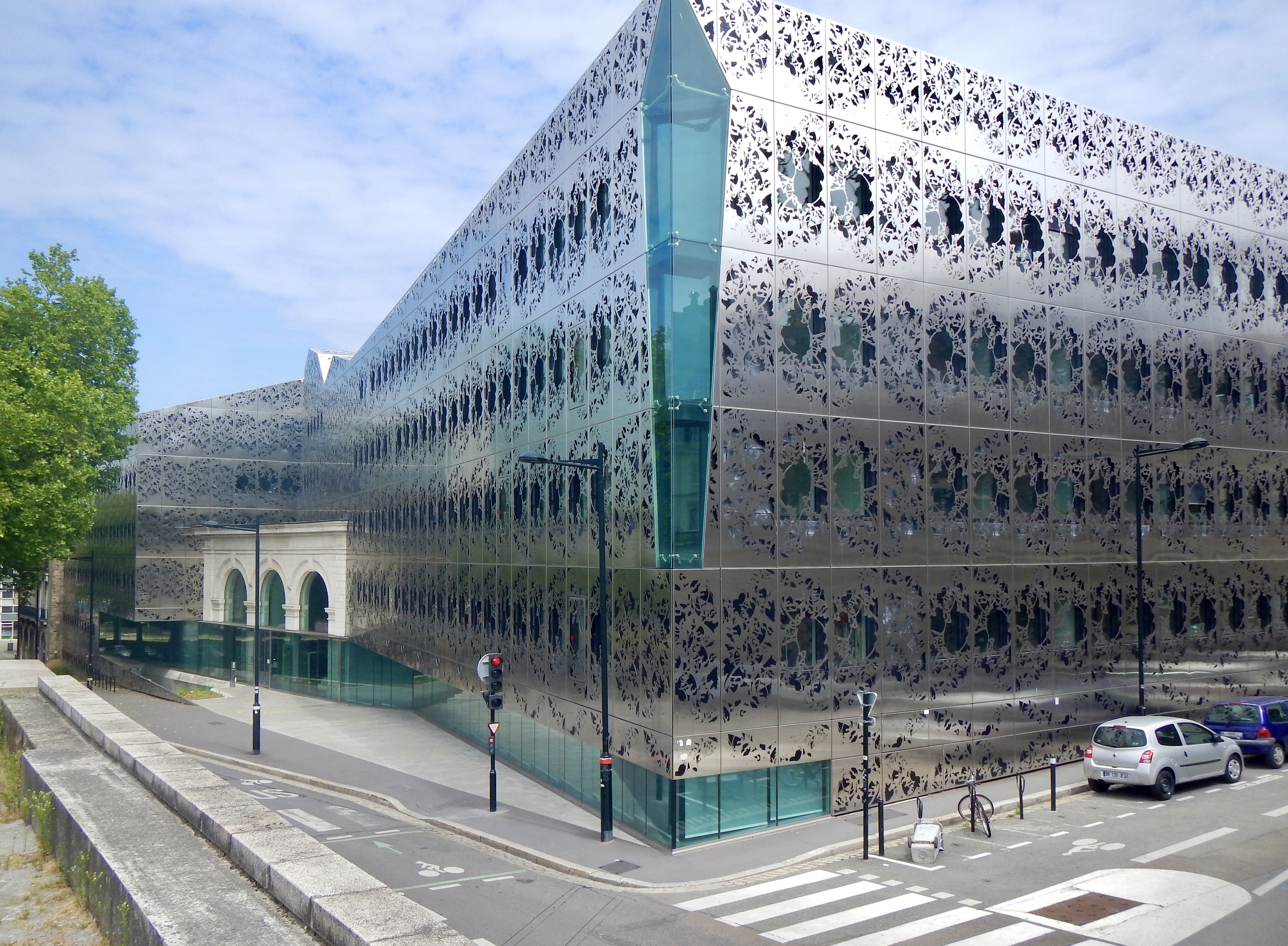
Not all the architecture in Nantes is old… This building was strikingly impressive
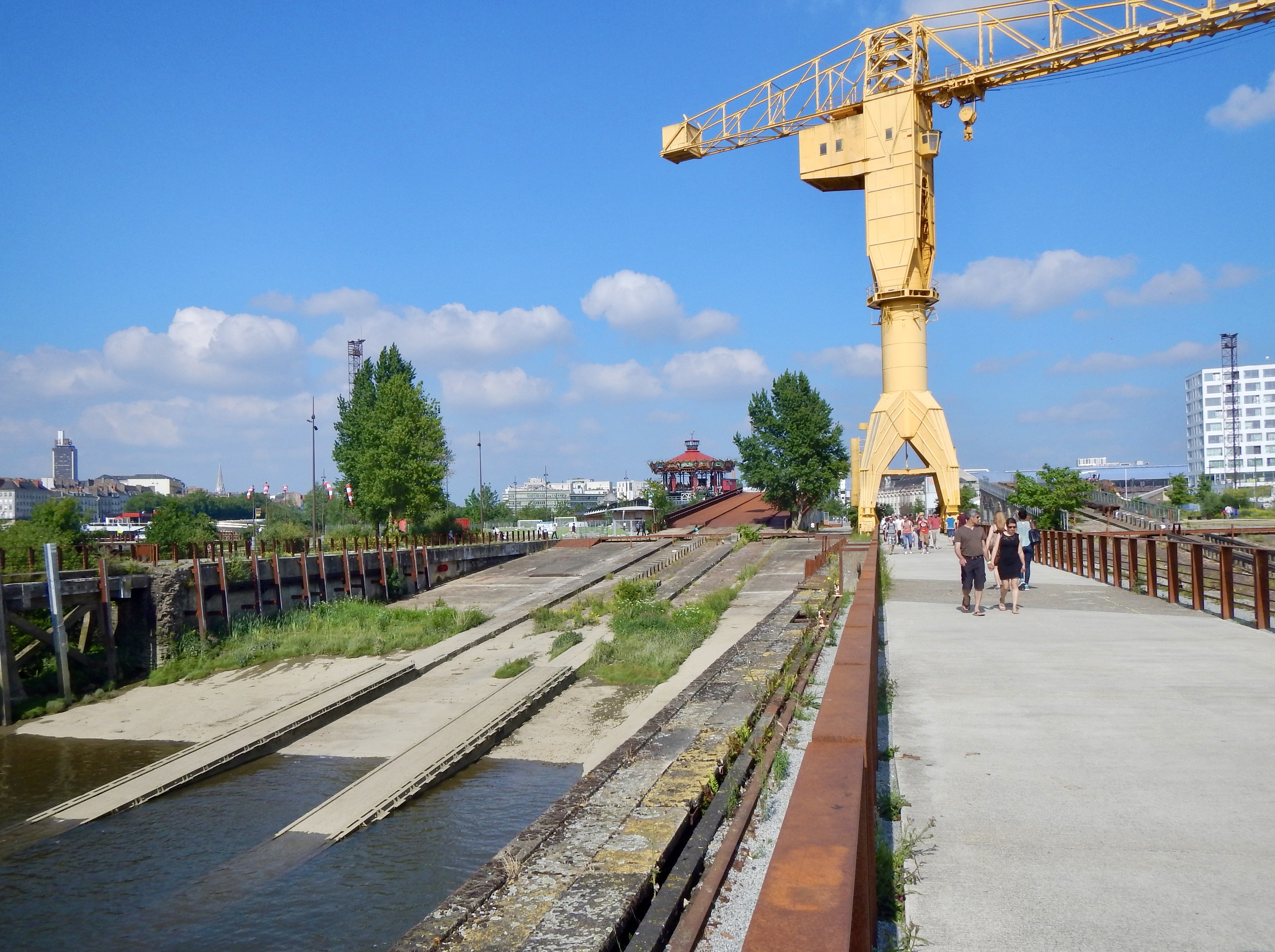
The fantasy “Machines of Nantes” are built at this huge former shipyard
Grand Machines are conceived and constructed in the old workshops and warehouses
Virtually all the Machines can be driven and are interactive in some way
Margot really wanted to fly this bird… Not!
Kids loved riding on this elephant
And playing with it outdoors… is Margot looking nervous?
Leaving Nantes and driving Eastward toward Paris along the famous Loire River Valley
A visual map of our drive through Normandy and Brittany


3 Comments

Operation Overlord (D-Day)

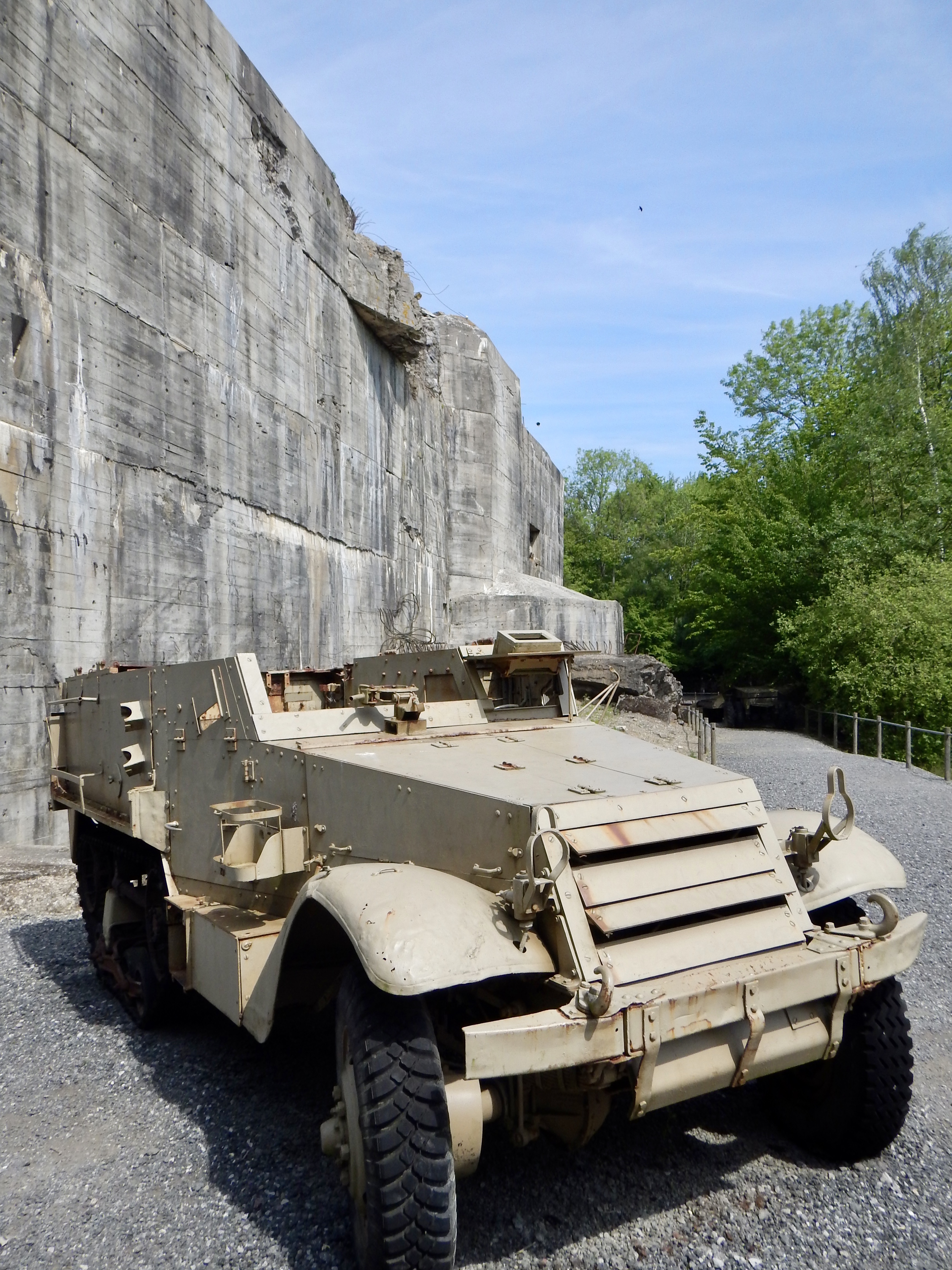
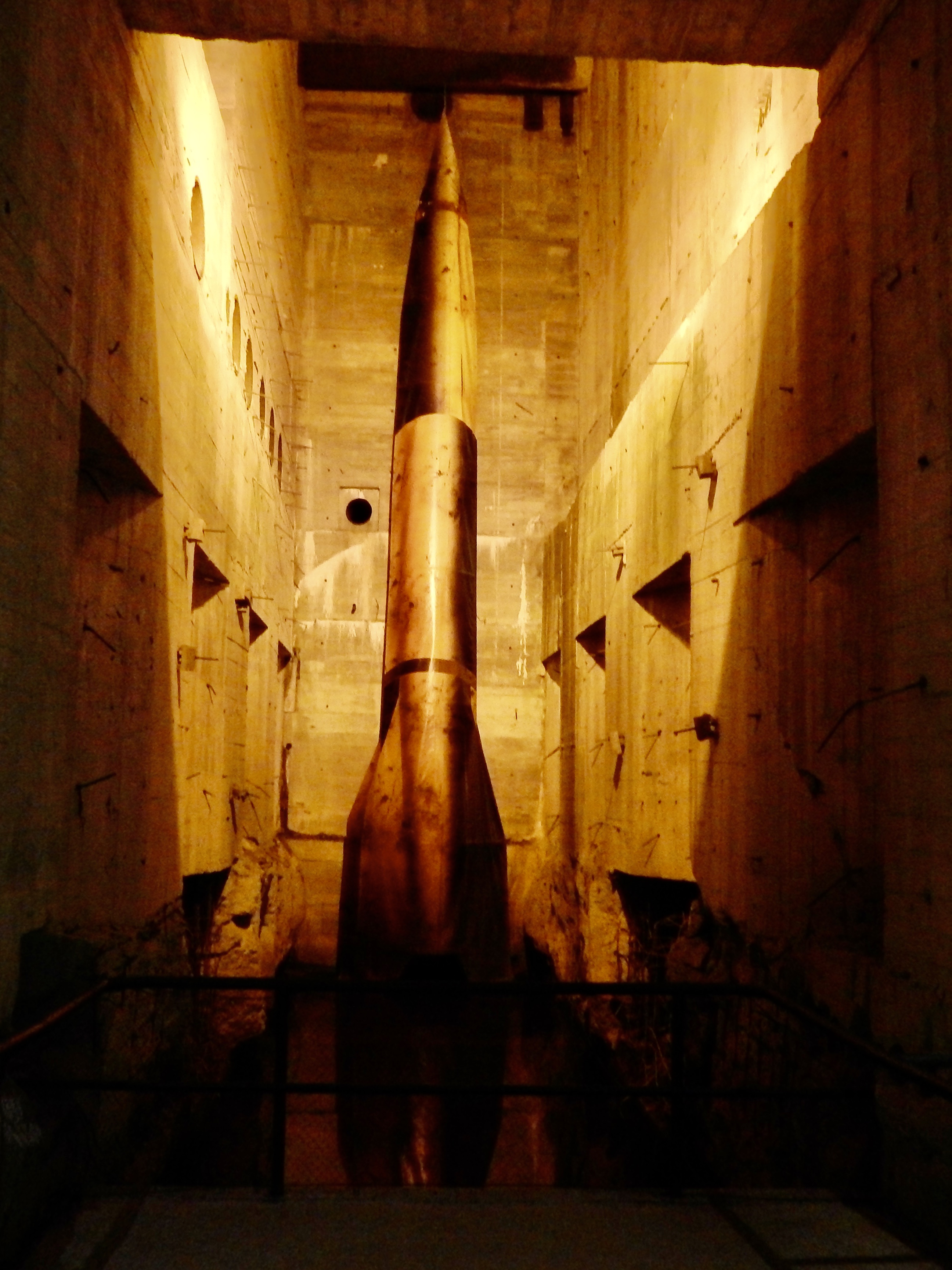
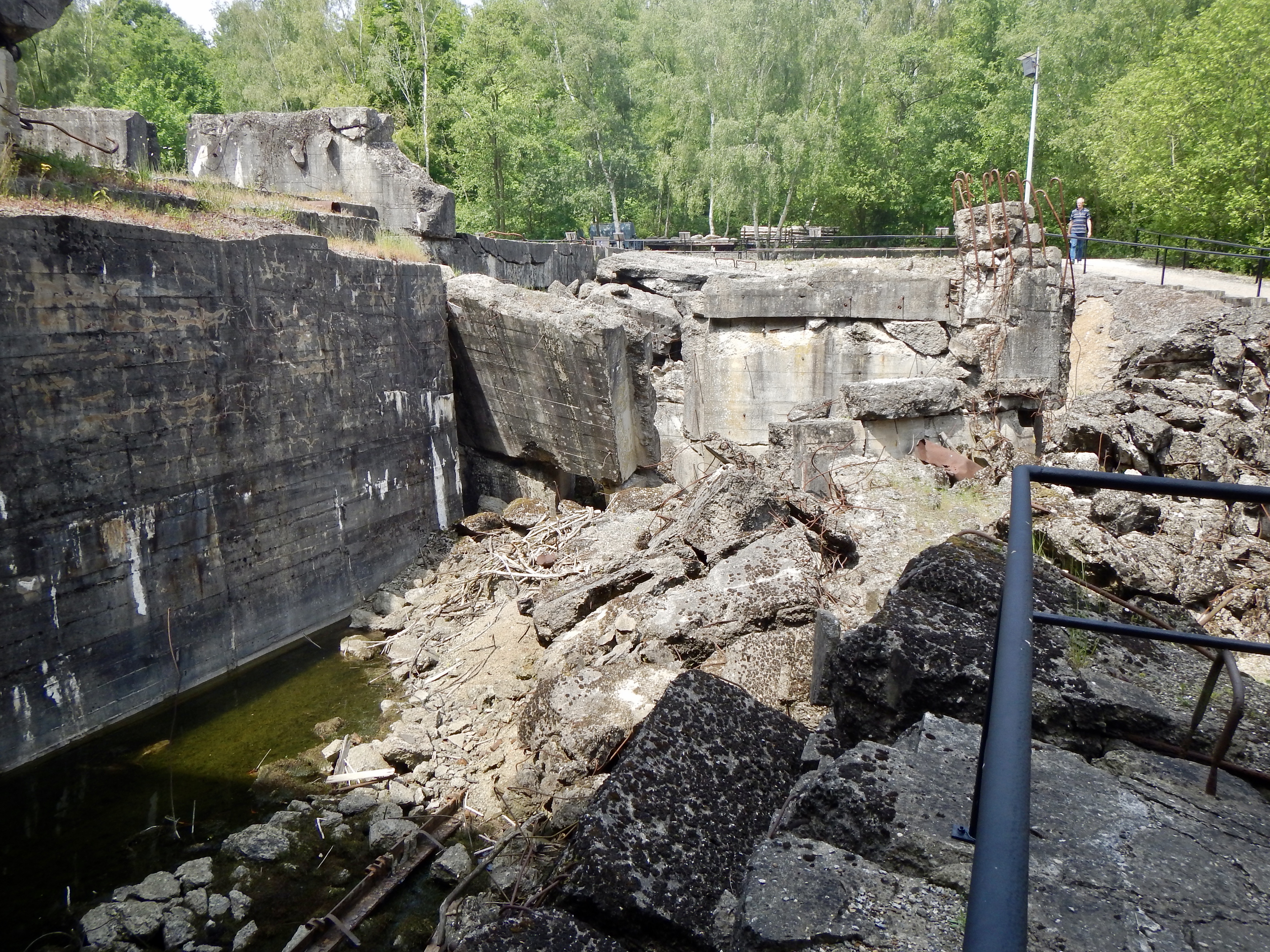
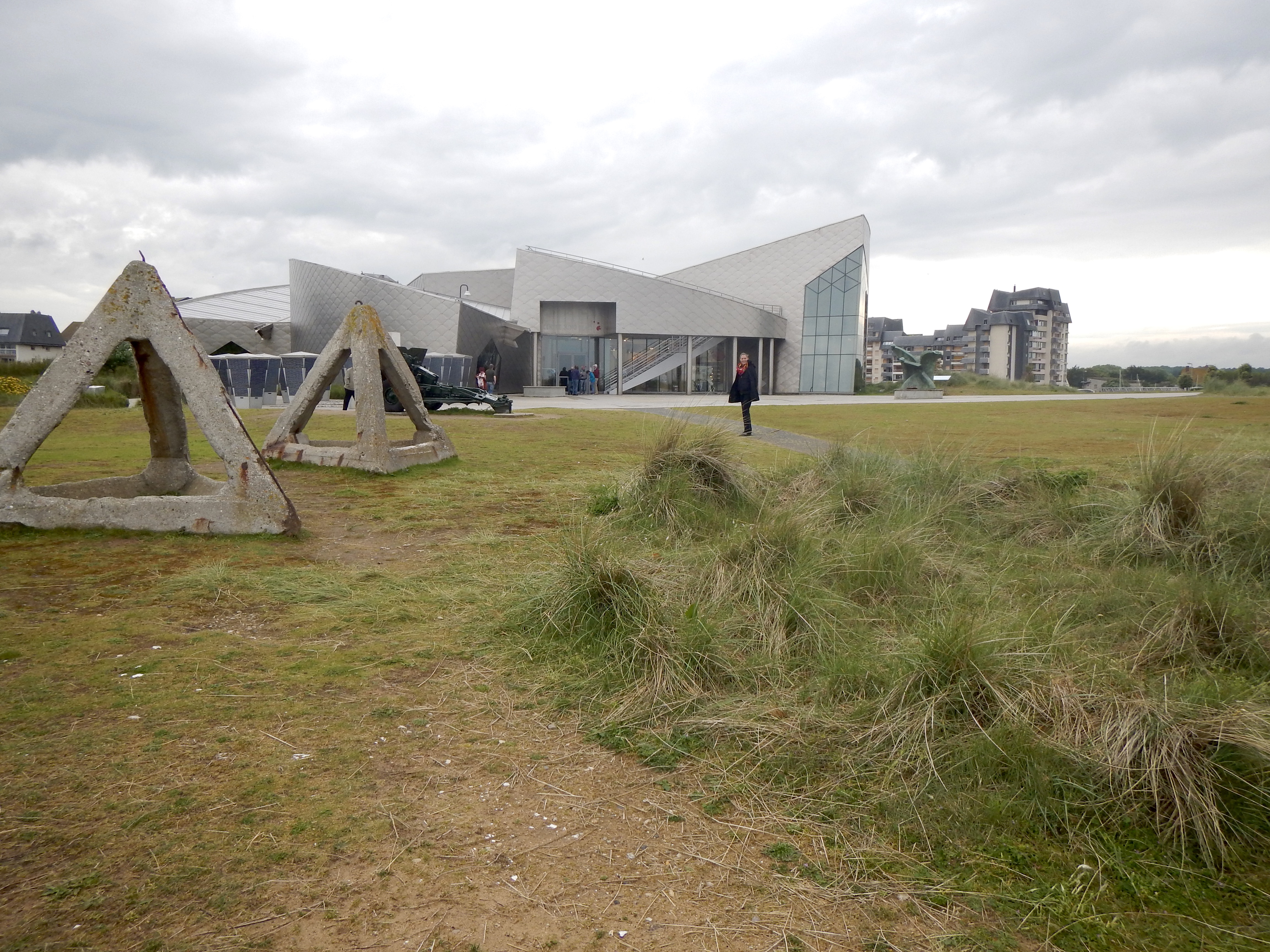
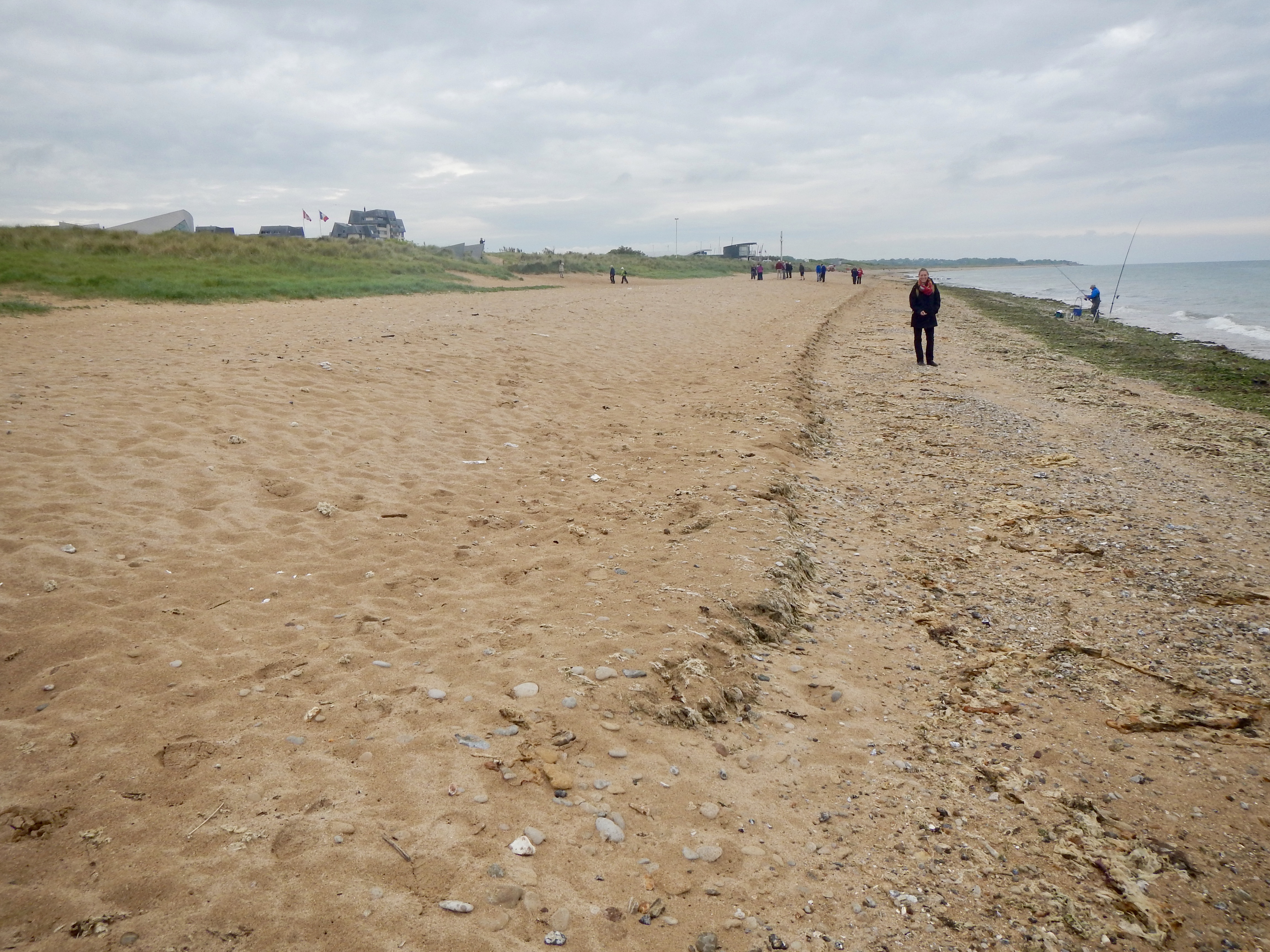
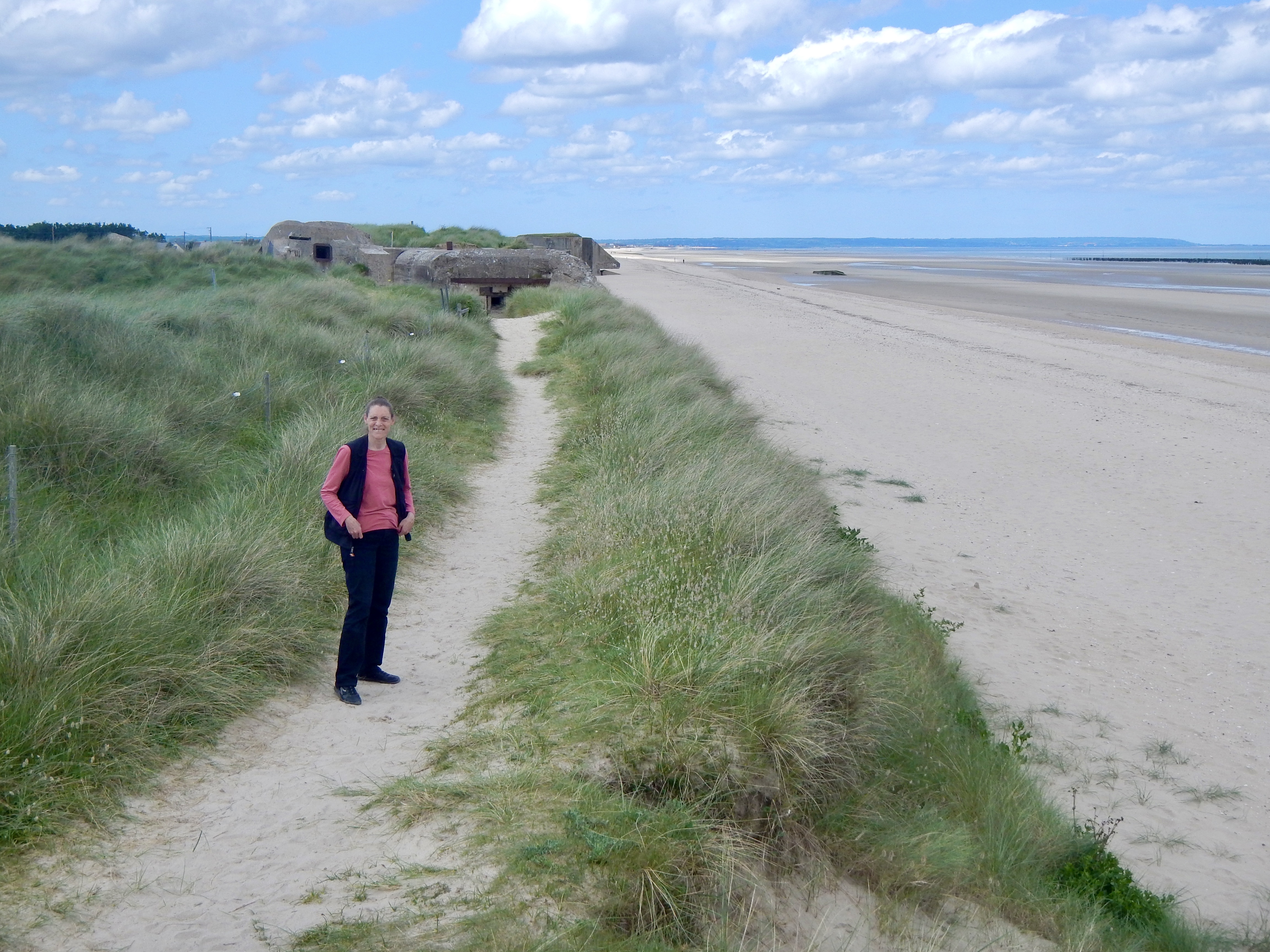
45 km’s from the Normandy Coast we toured the most amazing relic of WWII, a massive top secret German V2 rocket bunker facility. This “movie-like” complex was intended to be a main rocket assembly and launching base that would ultimately be capable of launching 36 devastating missiles a day to virtually any part of England. The German V2 rockets were so advanced that years later it was this captured technology that lead to the successful American space program. Thankfully Hitler never got the chance to get this place completely operational. From arial photographs in 1944 Allies knew that something big was under way here so they decided to bomb it and set the program back long enough for the Operation Overlord to render it ineffective. Exploring this massive structure with it’s 13 foot thick steel reinforced ceiling and huge rocket assembly chambers was a surreal experience. We had to keep reminding ourselves that all this was painfully real and not some movie set from Hollywood. The entire coastline is dominated by items related to the biggest military operation ever undertaken and we saw so many Canadian, US and British flags flying as a message of appreciation. I’m sure that much of the flag waving had something to do with the 70th anniversary of D-Day on June 6 and the expected visit of many dignitaries. The shear size and scope of the D-Day operation has truly left us in awe and no pictures, movies or stories can ever come close to providing an accurate perspective of this landing. We’ve spent the last four days moving from the beaches of Sword, Juno (Canadian), Gold, Omaha and Utah and with the help of excellent interpretation centres we have gained a much better appreciation of the logistics and human sacrifice required of the Allied forces to challenge the Nazi defences and get a foothold in Europe. In contrast to all the imposing military structures we were struck by how beautiful Normandy is with its lush green countryside and dramatic coastline. Moving along, we now have the Loire Valley in our sights.

Like a Hollywood movie set
A 14 metre (46ft) V2 Rocket inside one of the bunker preparation bays
A small section of the damaged complex
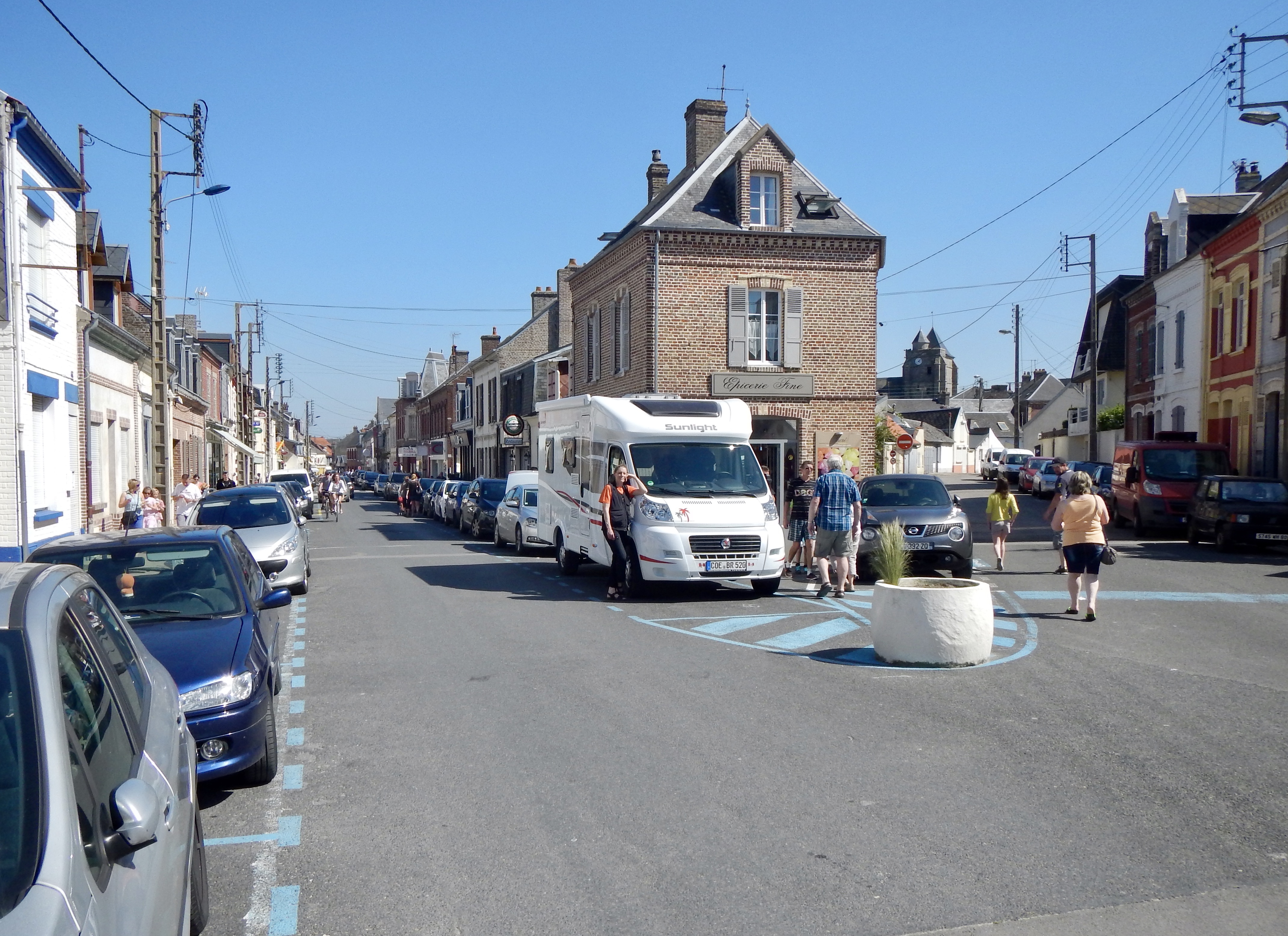
Sometimes it was hard to find good street parking
France hero Joan of Arc was imprisoned here prior to her being “burned at the stake”
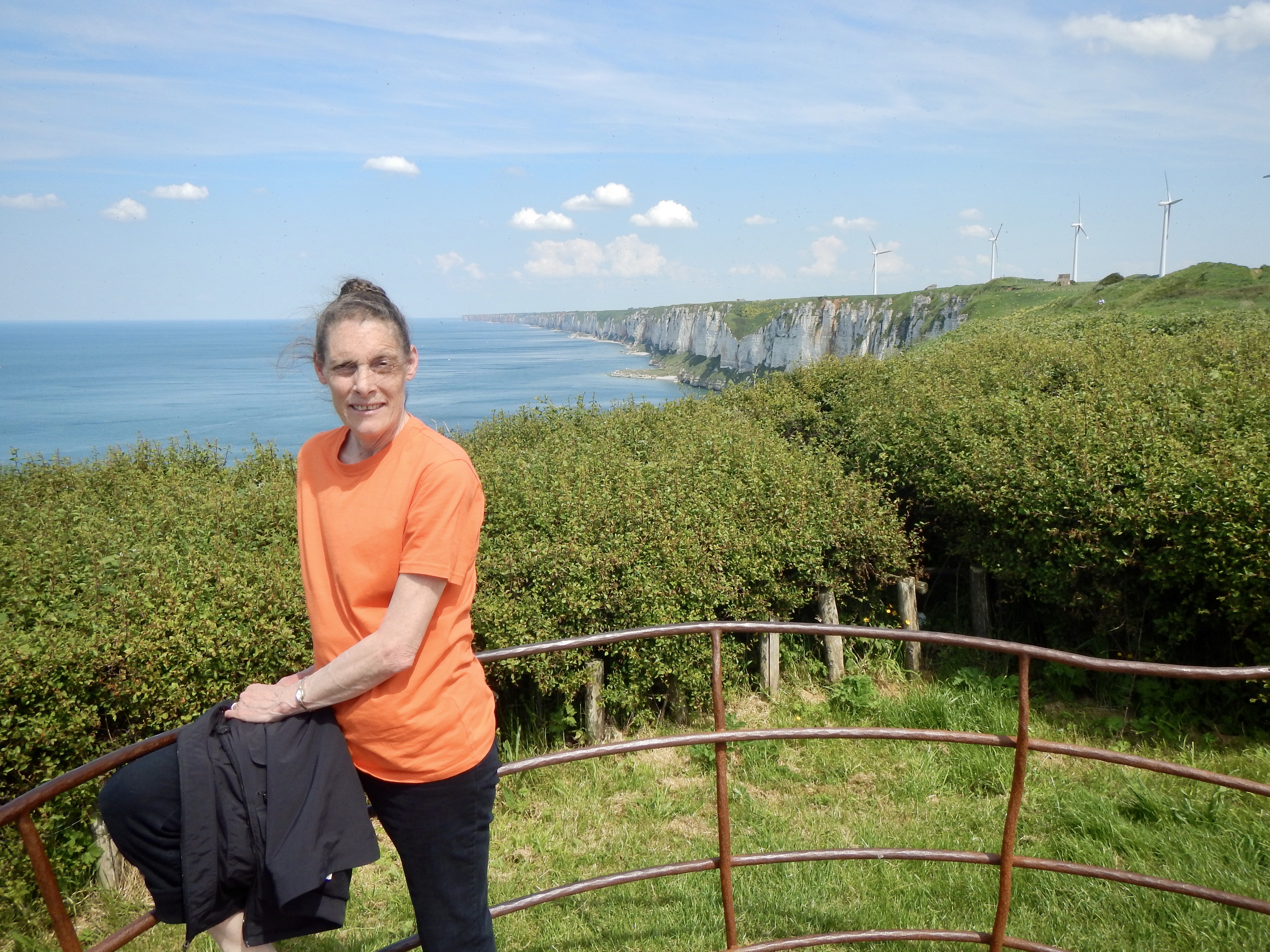
The “White Chalk Cliffs of Normandy”
Overlooking Dieppe’s outer harbour and “Red” beach
Some of the beautiful Normandy countryside
Not all of Normandy is over-shadowed by WWII history
The streets of Le Havre
The wonderful old Le Havre inner harbour
Canadian “D-Day” interpretative centre on Juno Beach
Juno Beach
A Canadian Memorial War Cemetery
The Memorial Museum in Caen
Our basic Stelplatz in Le Havre was only a short walk from town
Utah Beach
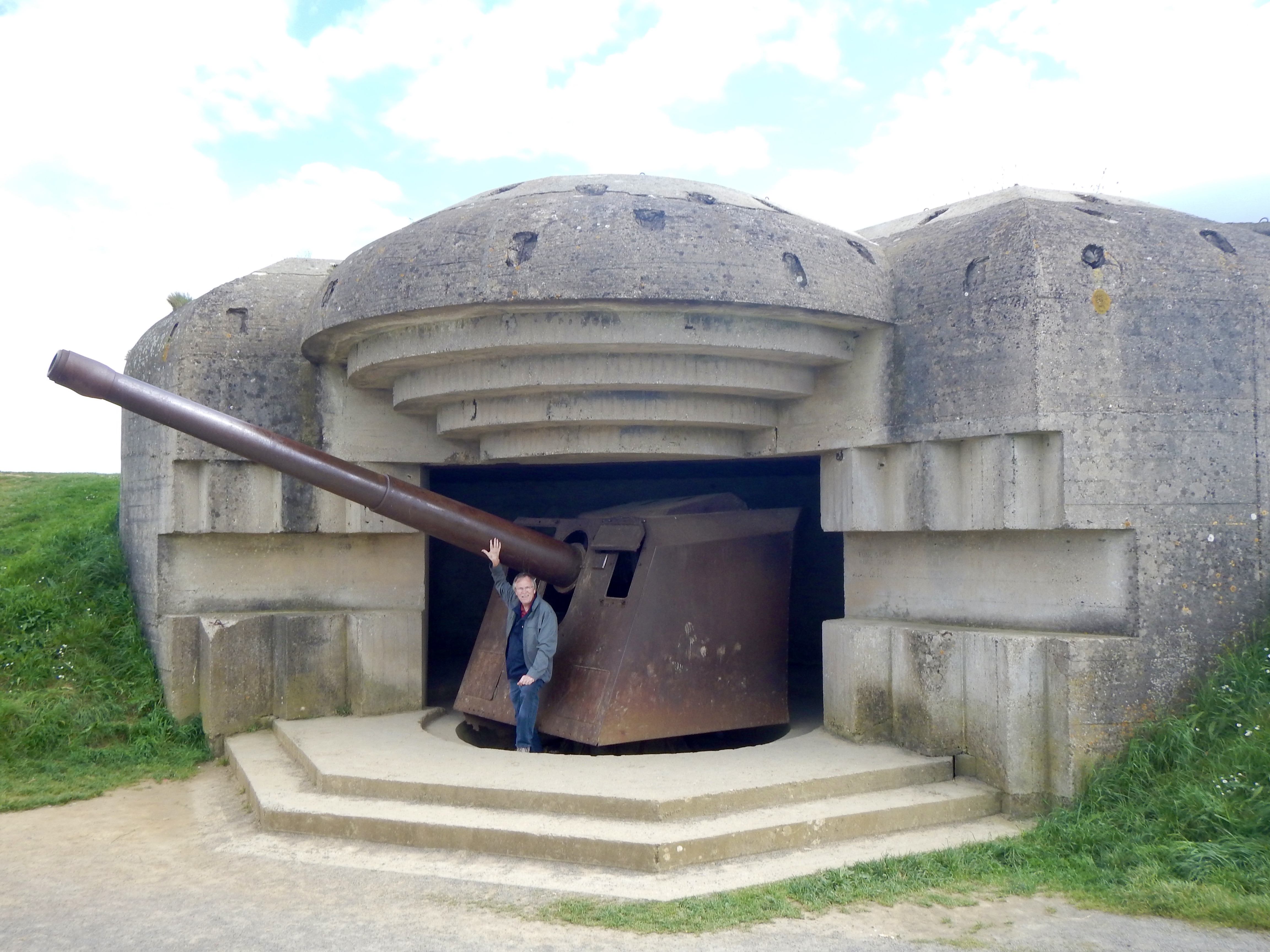
Longues-sur-Mar Battery at Gold Beach
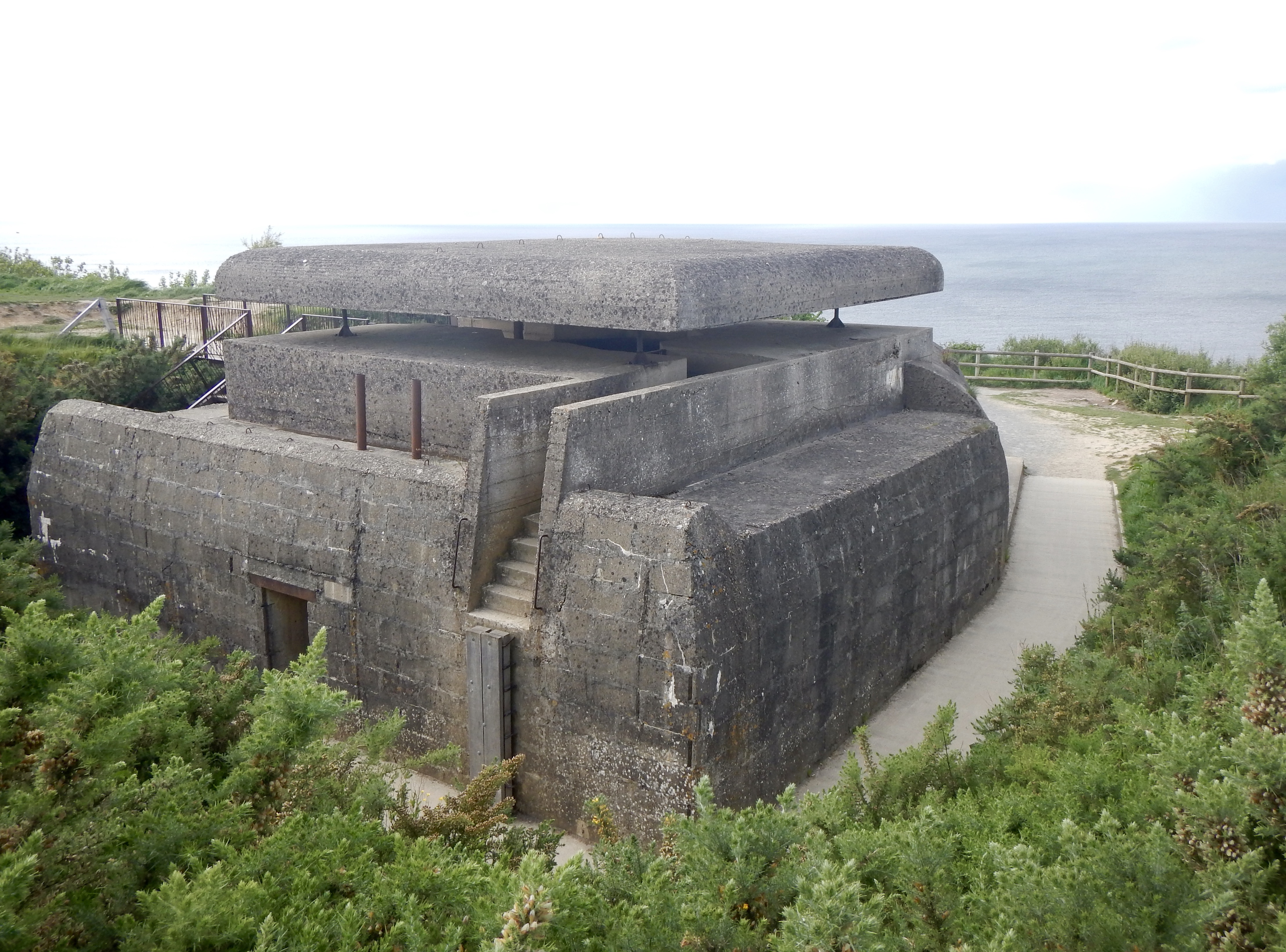
Seemingly endless components of the Nazi’s “Atlantic Wall”
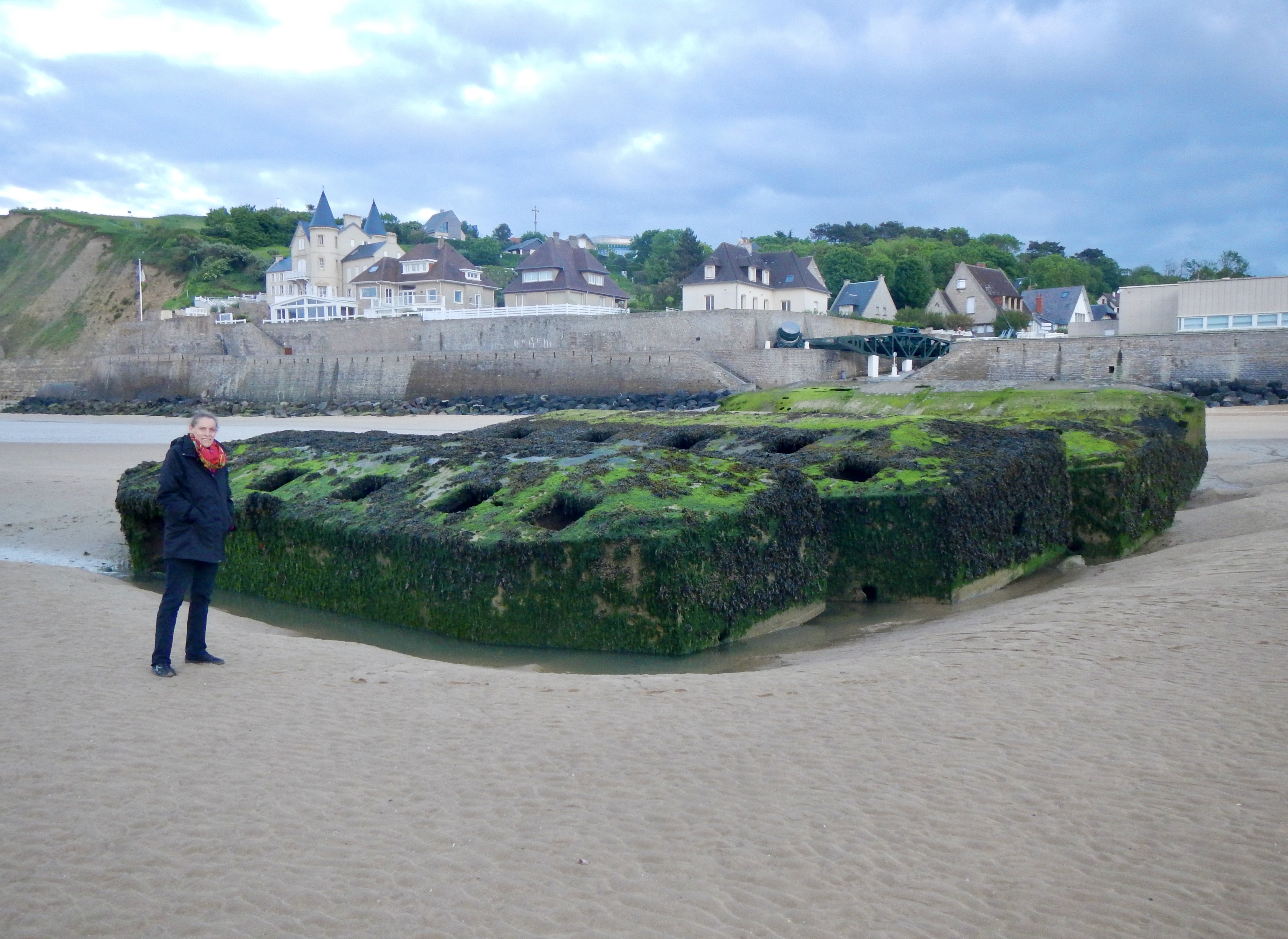
Floats from one of the two gigantic temporary Allied supply piers
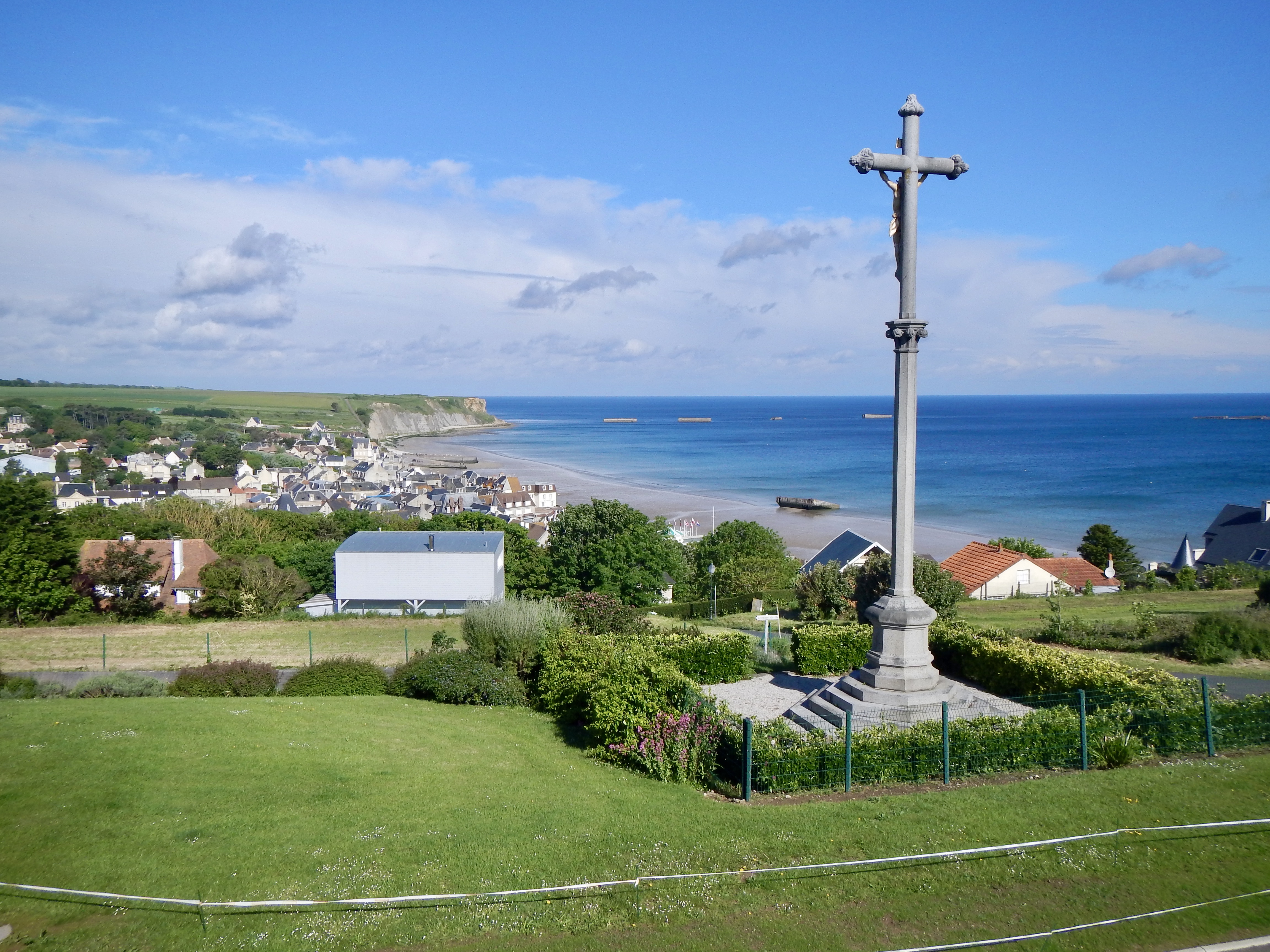
Much of the “Mulberry B” pier is still visible on Gold Beach at low tide
Omaha Beach
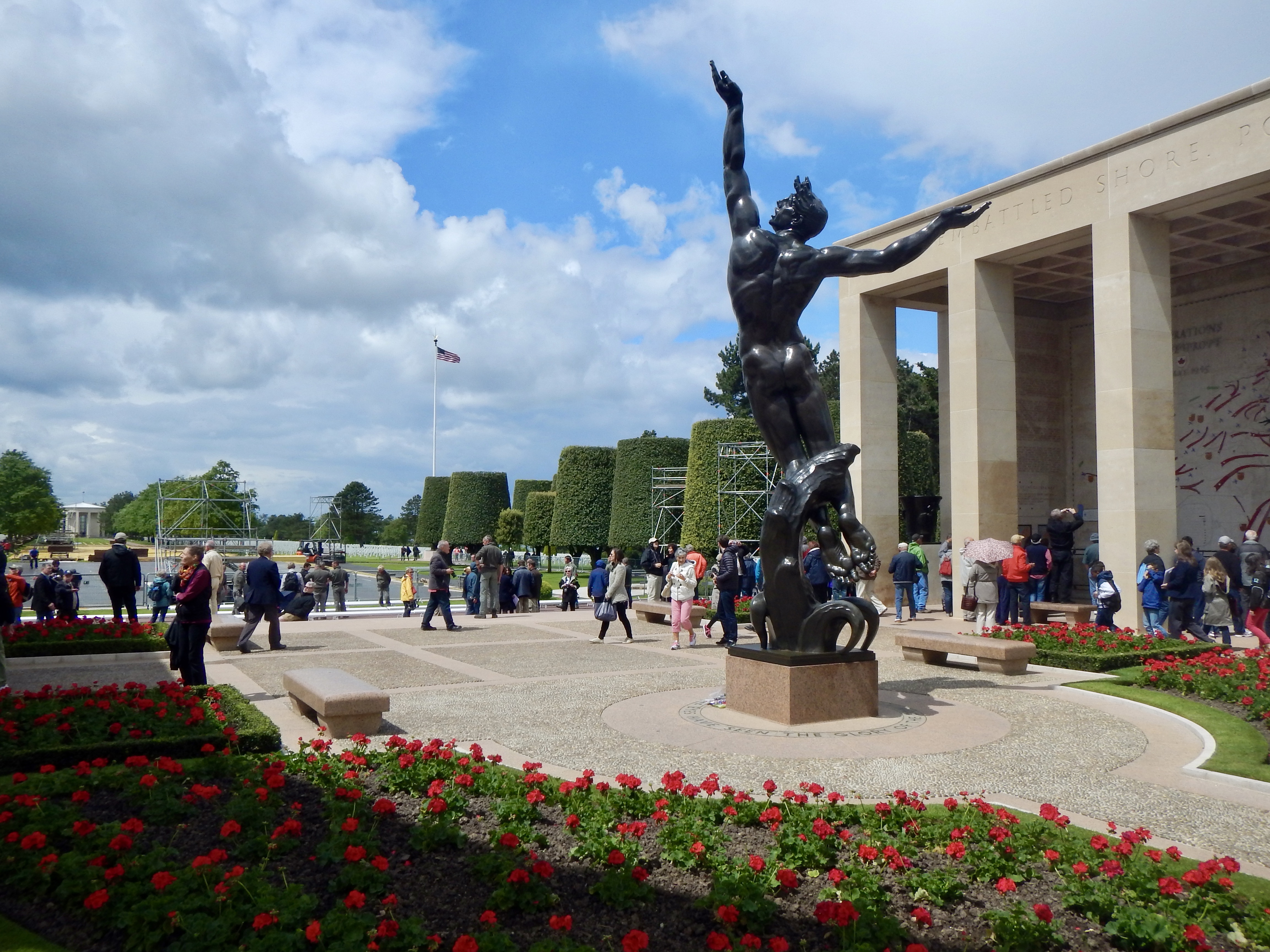
The Normandy American Cemetery overlooking Omaha Beach
Days before President Obama’s visit commemorating the 70th anniversary of D-Day
A Nazi gun battery at the infamous “Pointe du Hoc” monument
Waterfront camping on the Coast of Brittany
A tranquil end to our “Operation Overlord” (D-Day) memorial tour


5 Comments

In Flanders Fields

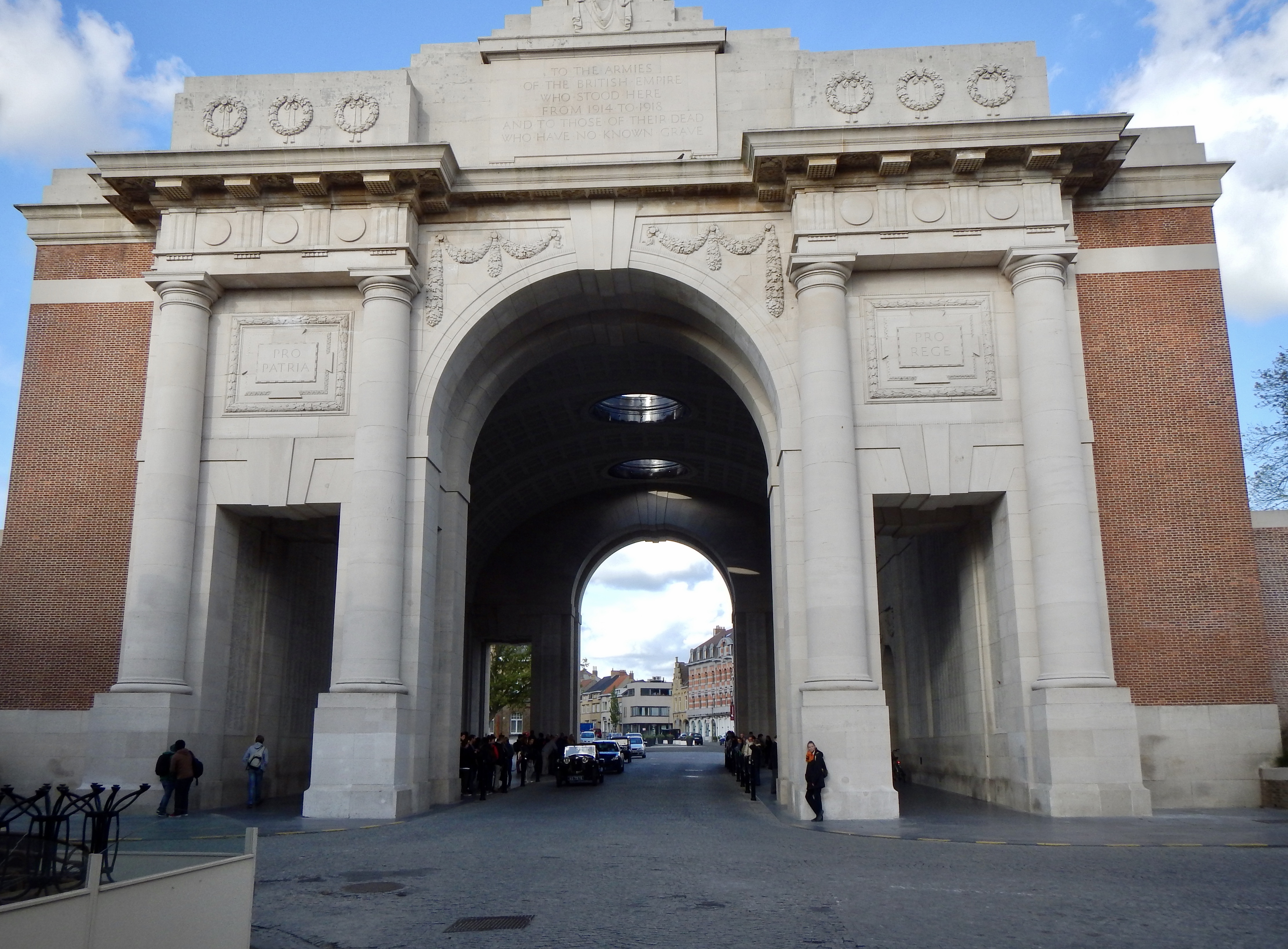
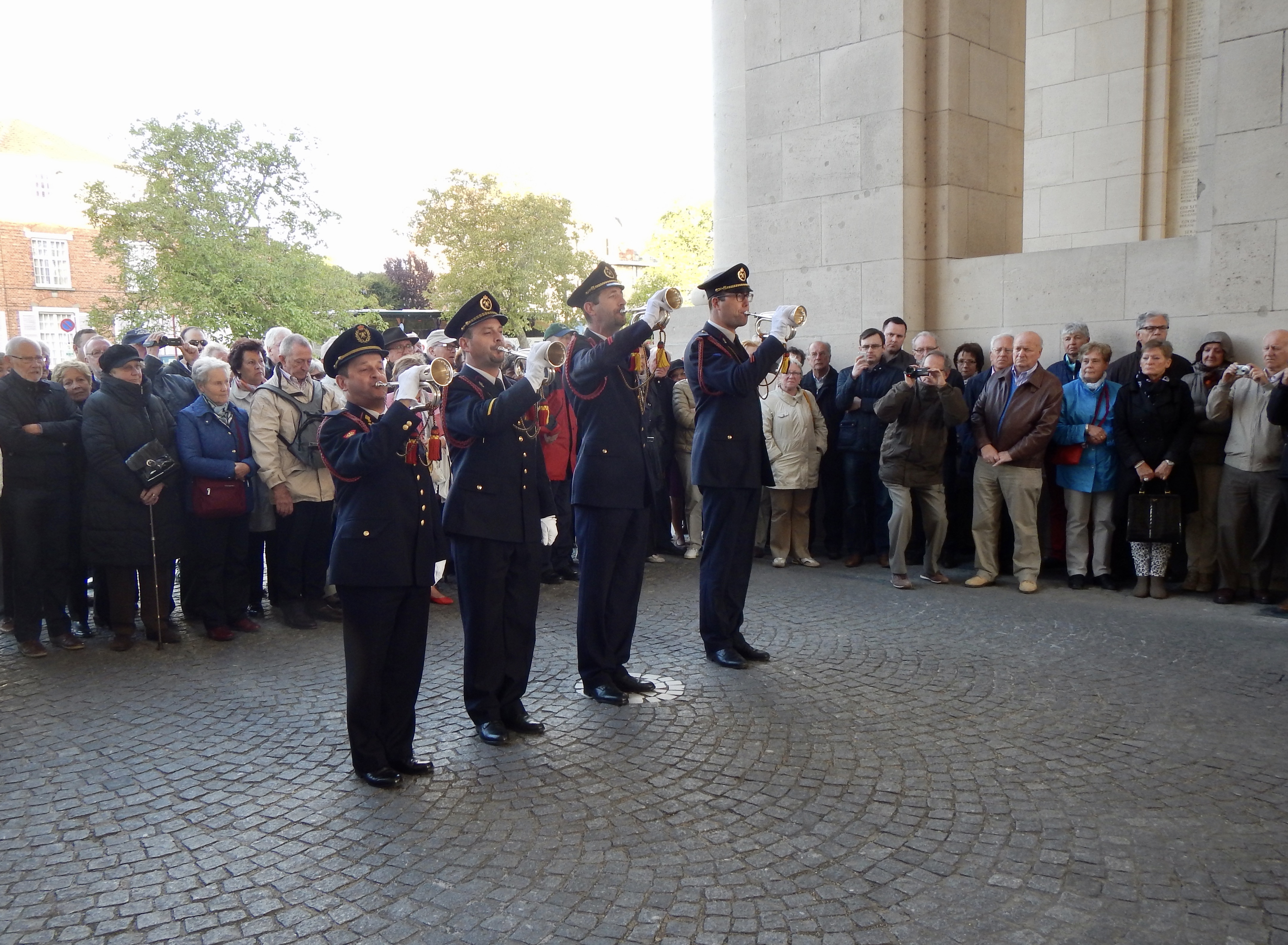
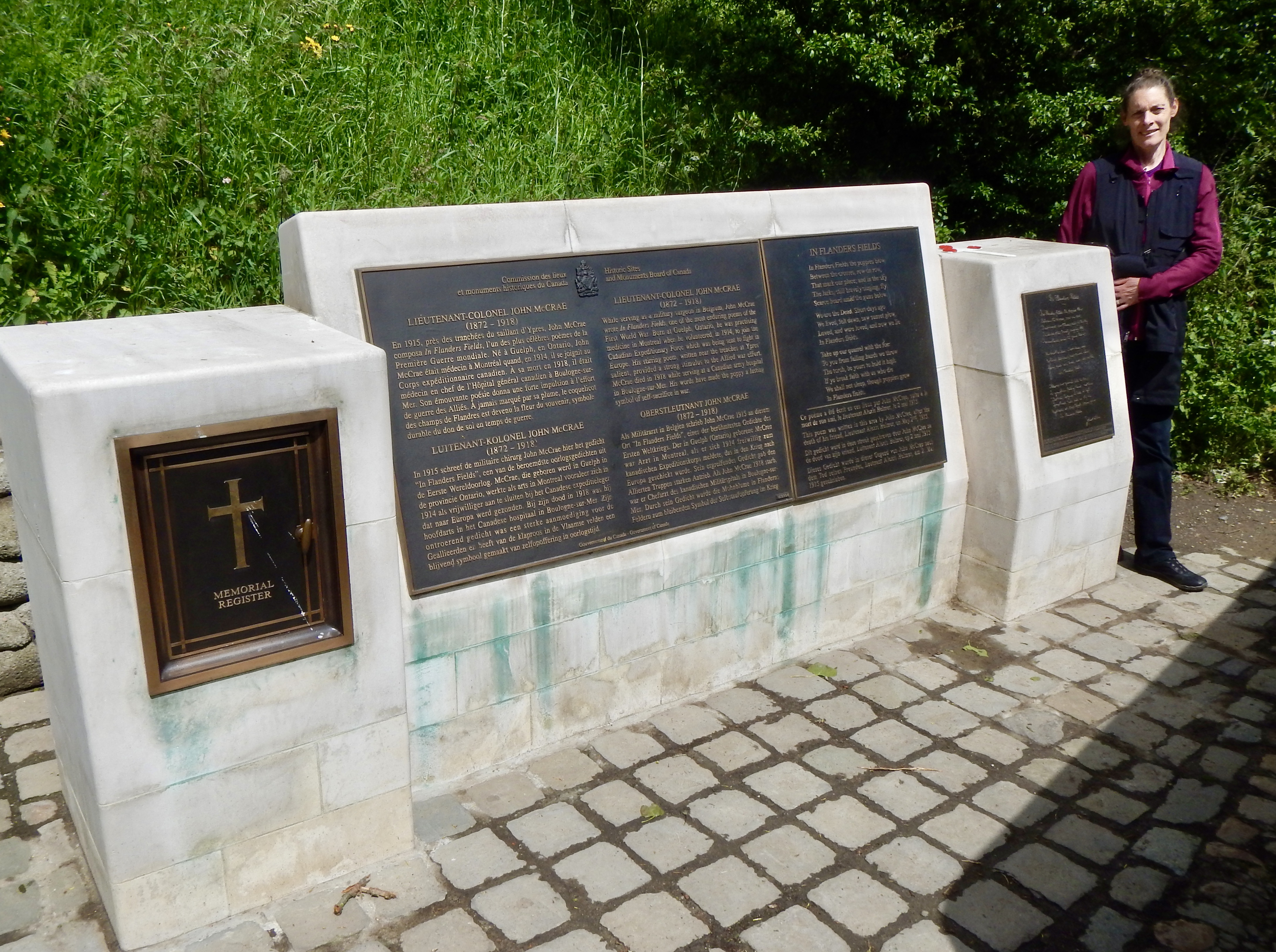
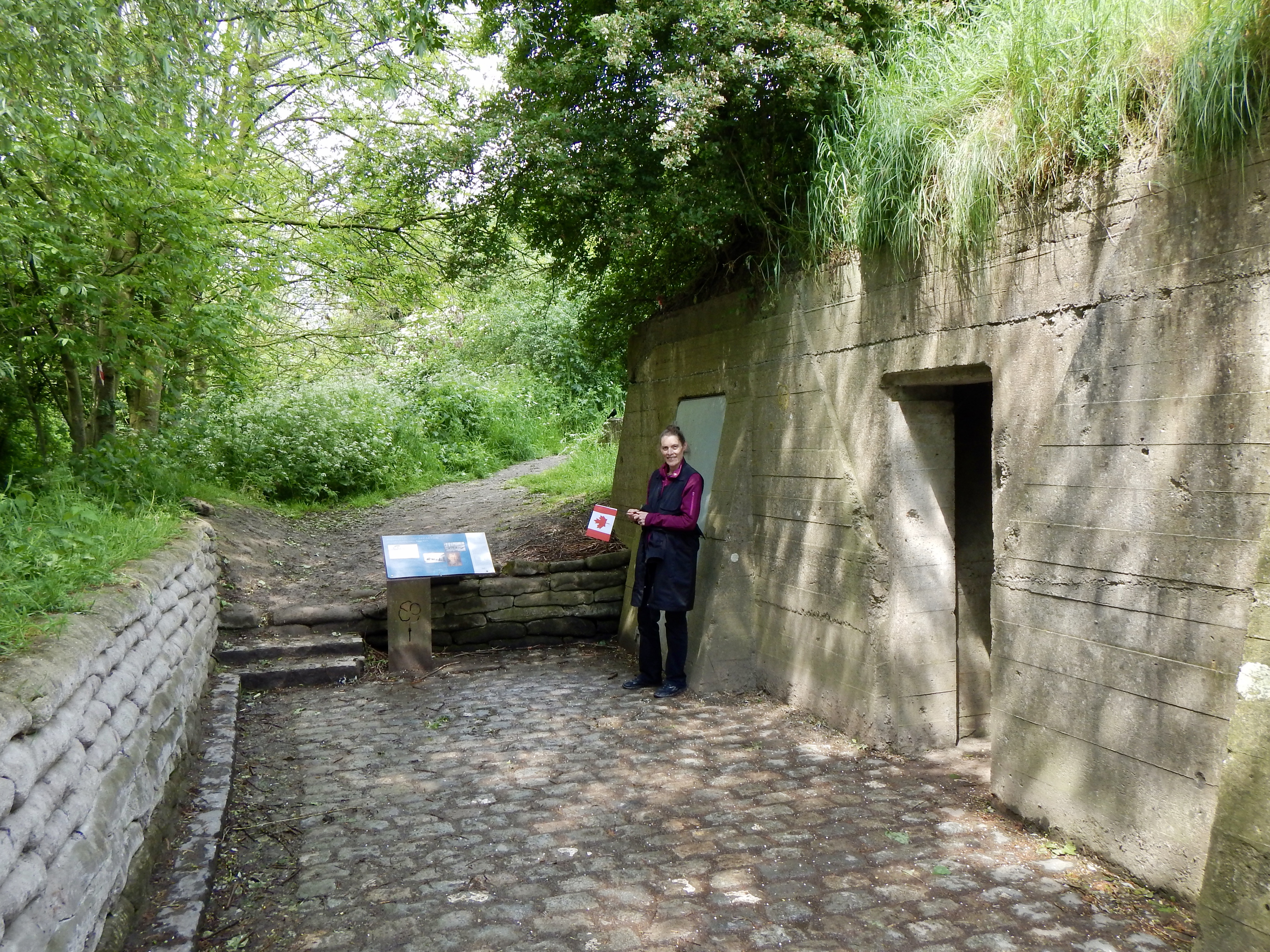
We wanted to visit Ypers, Belgium and pay our respects to the fallen Canadian troops of WWI, visit the location where John McCrae wrote his poem “In Flanders Fields”, and see the town of Passchendaele where Canada suffered 16,000 casualties in 1917. We thought it would be a fairly quick visit and then we’d move on to the Vimy Ridge memorial not far away in France, Days later and we’re leaving this fascinating area with still more to see and do. We were under the false impression that “Flanders Fields” was one large military memorial site but learned that “Flanders” is a large region of Belgium and France and the “Fields” of Flanders are the locations of a thousand plus “Field Hospitals” where only the military graveyards now survive. One could spend weeks here trying to absorb it all but in fact, it doesn’t take that much effort to get an impression of just how incredibly massive and brutal this war was. We’ve also learned about a lesser known component of the war that took place underneath the front line trenches that incorporated about 3000 km’s of tunnels dug by thousands of underground workers. The tunnel mines (on both sides) were very effective and successful in causing extreme damage and high numbers of casualties. This is really a fascinating story that we were fortunate to learn about from a local expert. We stopped in at a pub next to “Polygon Wood” (A major battleground that claimed some 50,000+ men and saw one of the biggest air battles of the war) and met Johan Vandewalle who grew up across the road from this well preserved site. Johan has a background in mining and developed an interest in WW1 tunnel warfare and over time, has become an “amateur expert” on the subject. He has contributed to a number of books (We purchased “Beneath Flanders Fields” – The Tunnellers’ War 1914-18) and has been involved with the production of a number of respectable TV documentaries as well. He regularly explores these dark and very dangerous tunnels and has been responsible for locating missing soldiers, finding many unexploded artifacts, and verifying significant historical information. In 2007 his important efforts helped discover 5 Australian soldiers that were subsequently reunited with family members from Australia and now have proper burial plots in the Polygon Wood Cemetery. Johan is a real character doing very important work and he’s filled with impressive stories that we enjoyed even more than the great Belgium beer. Good thing we had a perfect camping spot out back of his “Cafe De Dreve”. If you’re interested you should Google Johan Vandewalle. We discovered there’s still a significant amount of recognition and admiration in this area for the Canadian contribution to the war effort and we did feel proud wearing our Maple Leaf.  Ypers was beautifully reconstructed and you would never guess now that in 1917 it looked like a moonscape. Since 1928 every evening at 8:00pm “The Last Post” is played under the impressive Menin Gate Memorial commemorating those that have no known grave and daily it draws huge crowds. The town of Passchendaele was much smaller but the area has great significance considering over half a million soldiers died in this area in just 100 days to gain eight kilometres of mud. In fact innocent people are still dying, like the two farmers that were killed a few months ago after ploughing up a live bomb. The “Belgian Bomb Disposal Service” still destroys an average of 150 tonnes of ordnance, including gas shells, per year. No wonder many areas are set aside for grazing sheep only. Walking through the beautiful tranquil forest of Polygon Wood, it all seems so pointless and unimaginable, yet it really did happen, and 100 years later it’s still dominating in every way. Onward to the Normandy Coast and a look at the famous beaches on the 70th anniversary of D-Day

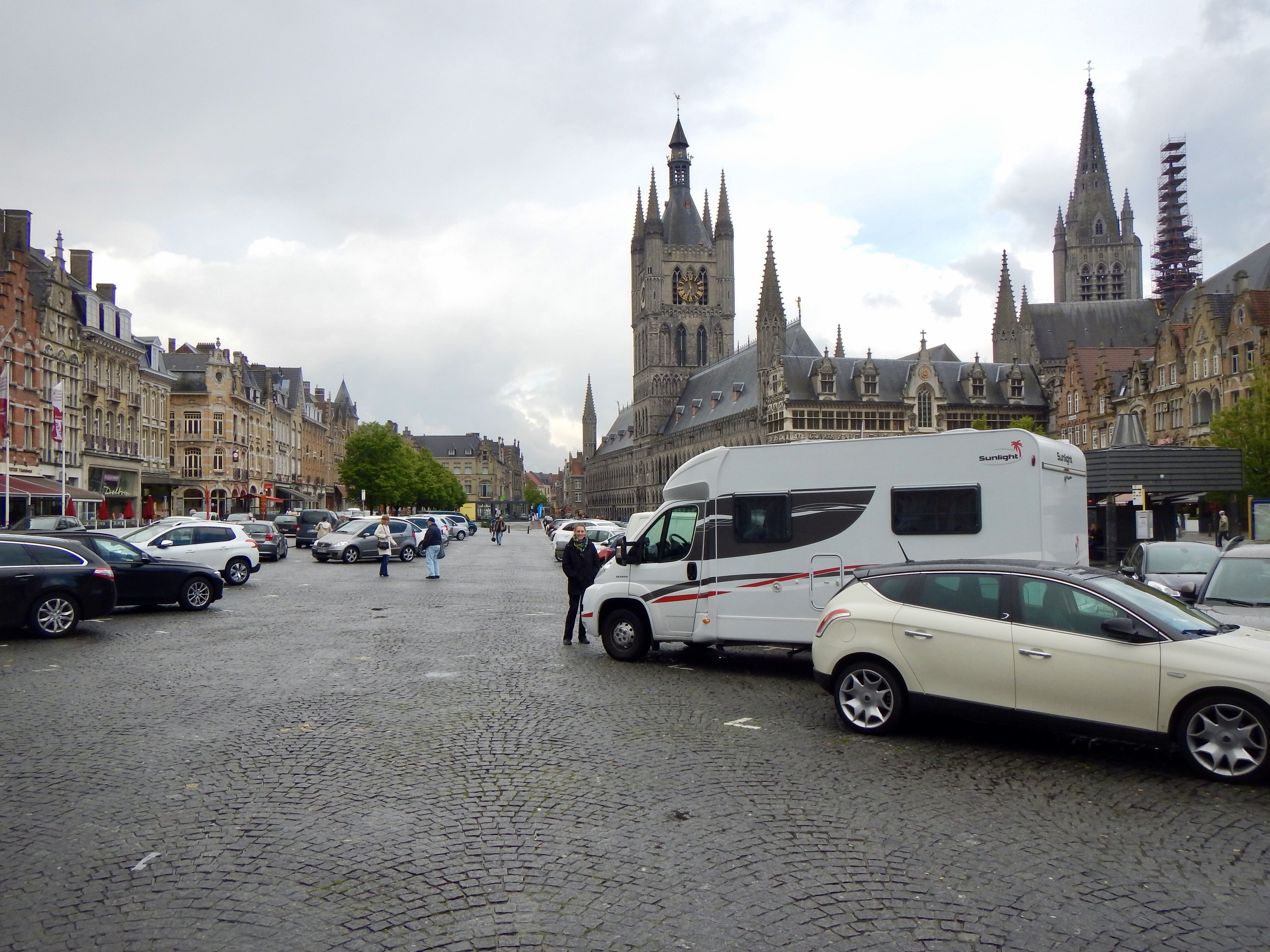
Ypers, Belgium – Town Square
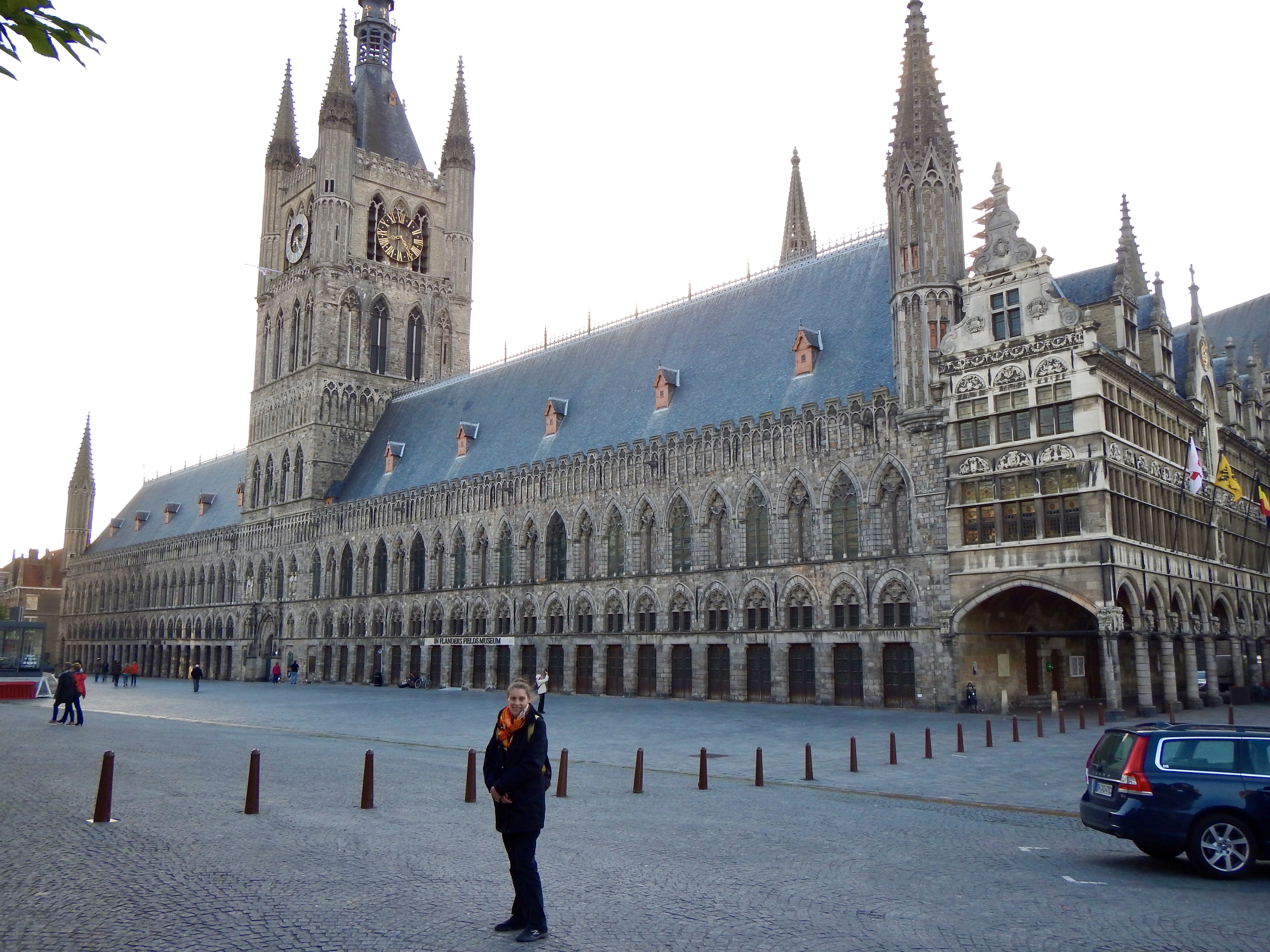
“In Flanders Fields Museum” in Ypers
The “Menin Gate Memorial”
The “last Post” is played daily since 1928 to hundreds of witnesses every sunset
Remembrance day is everyday at the Menin Gate
Canadian John McCrae’s Poem “In Flanders Fields”
A fitting monument to the man
The location John McCrae wrote “In Flanders Fields”
St. Julien Memorial. Here, Canadians withstood the first German gas attacks
April 22-24 1915 – 2,000 fell and lie buried nearby. As we stood here a Canadian F18 fighter jet flew low over us and dipped it’s wing… wow!
“Passchendaele Hill” overlooking the town
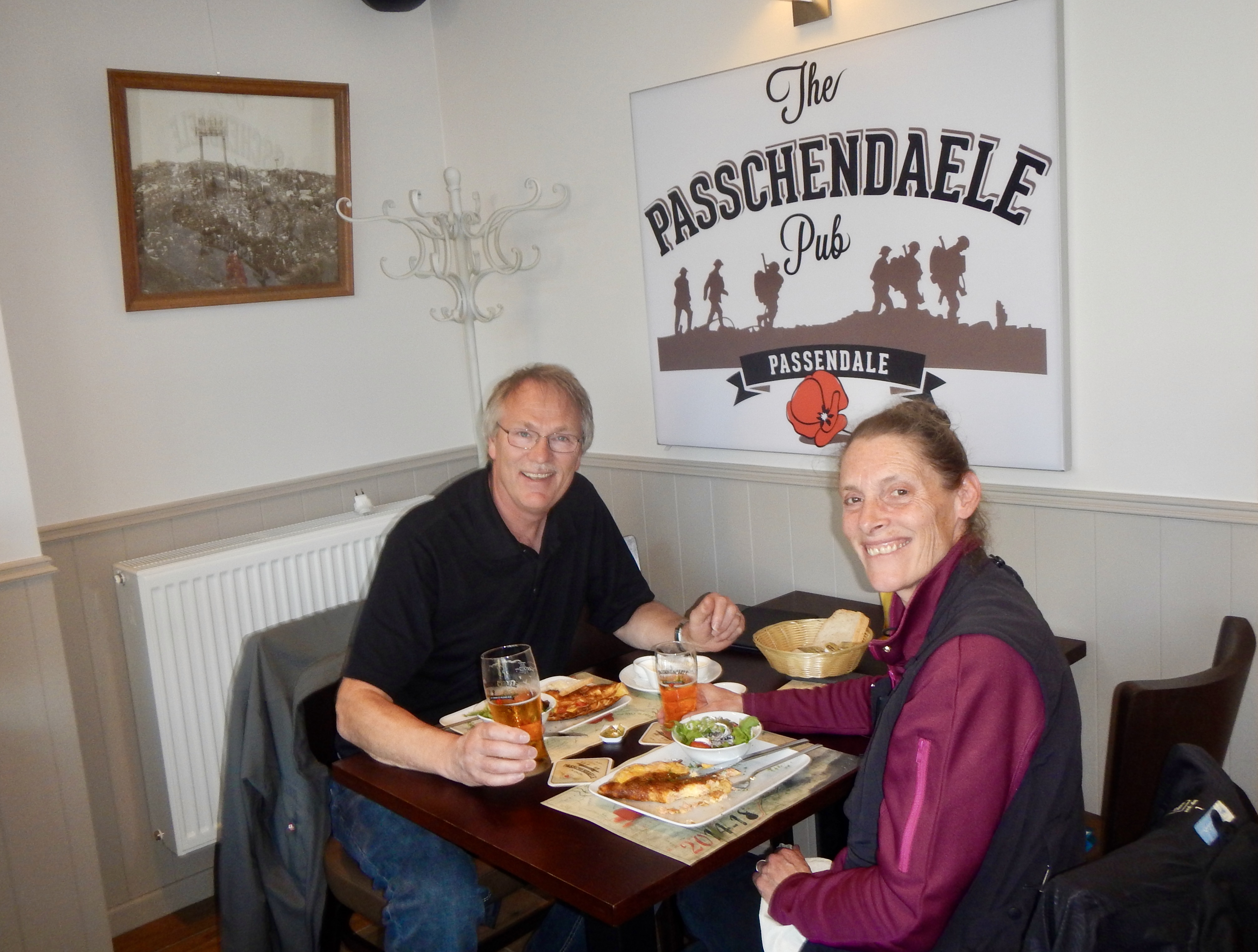
We were treated like royalty in this pub
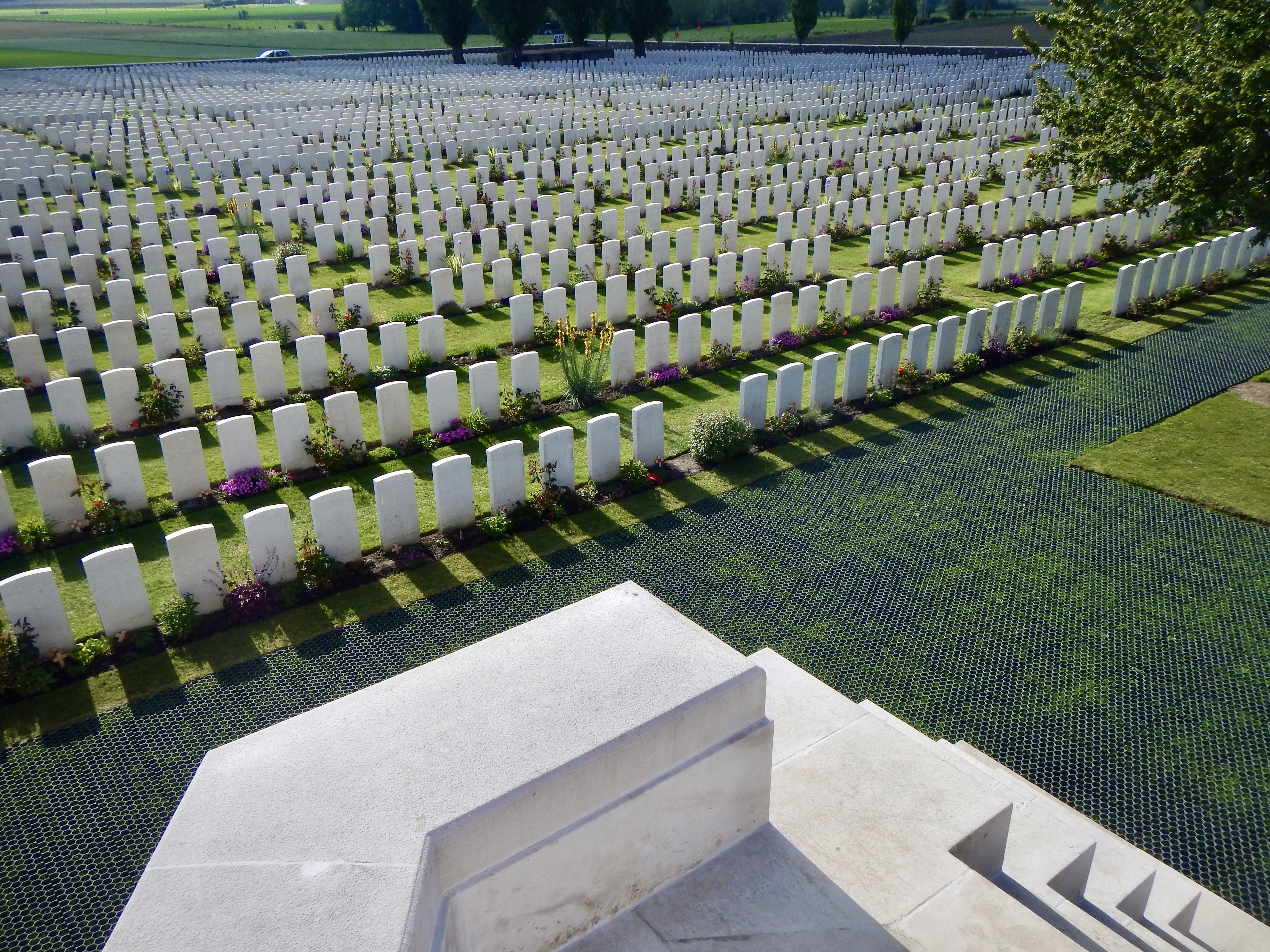
One of a thousand Commonwealth graveyards
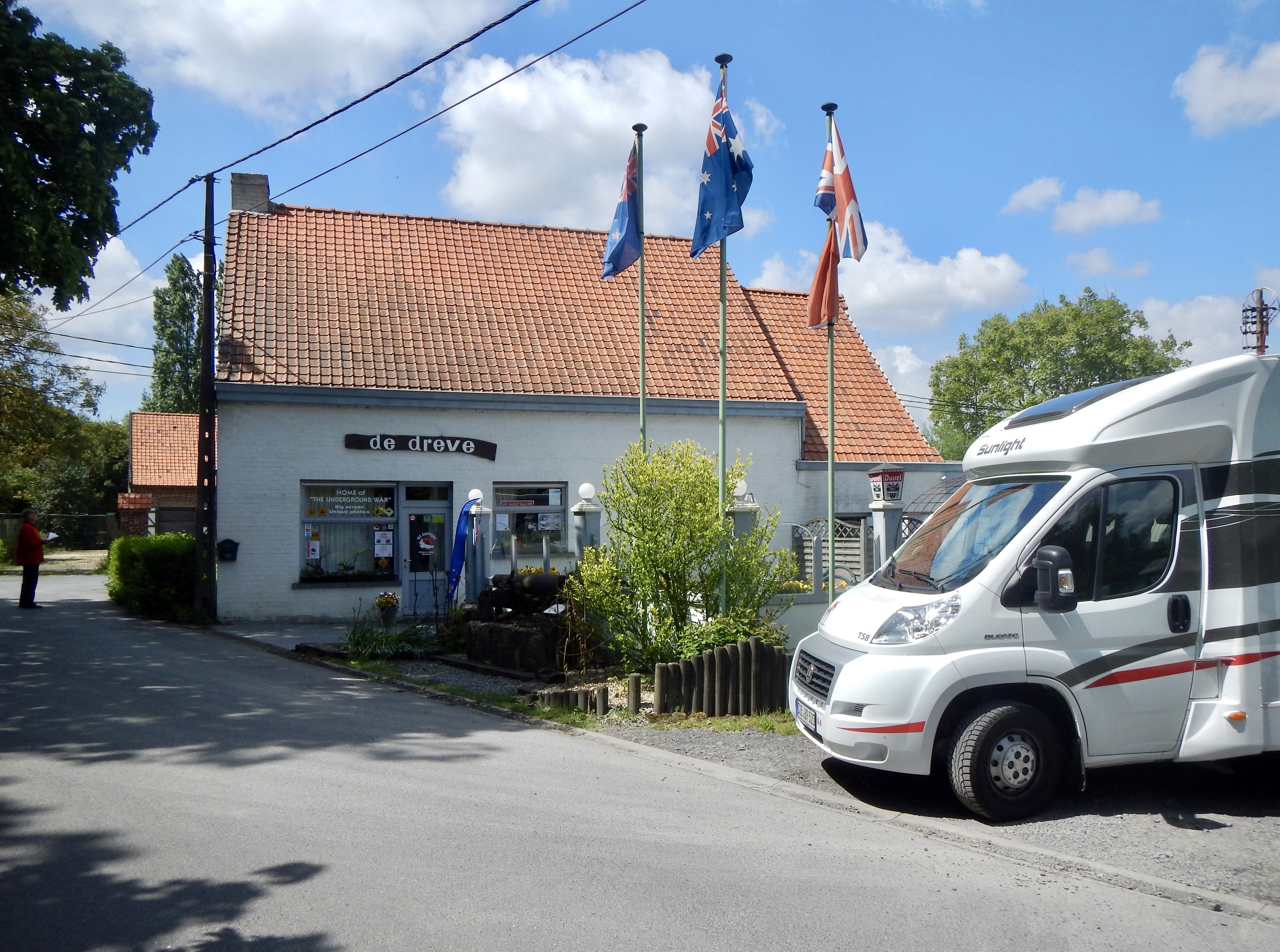
“Cafe De Dreve” Leaving our camping spot across the street from “Polygon Wood”
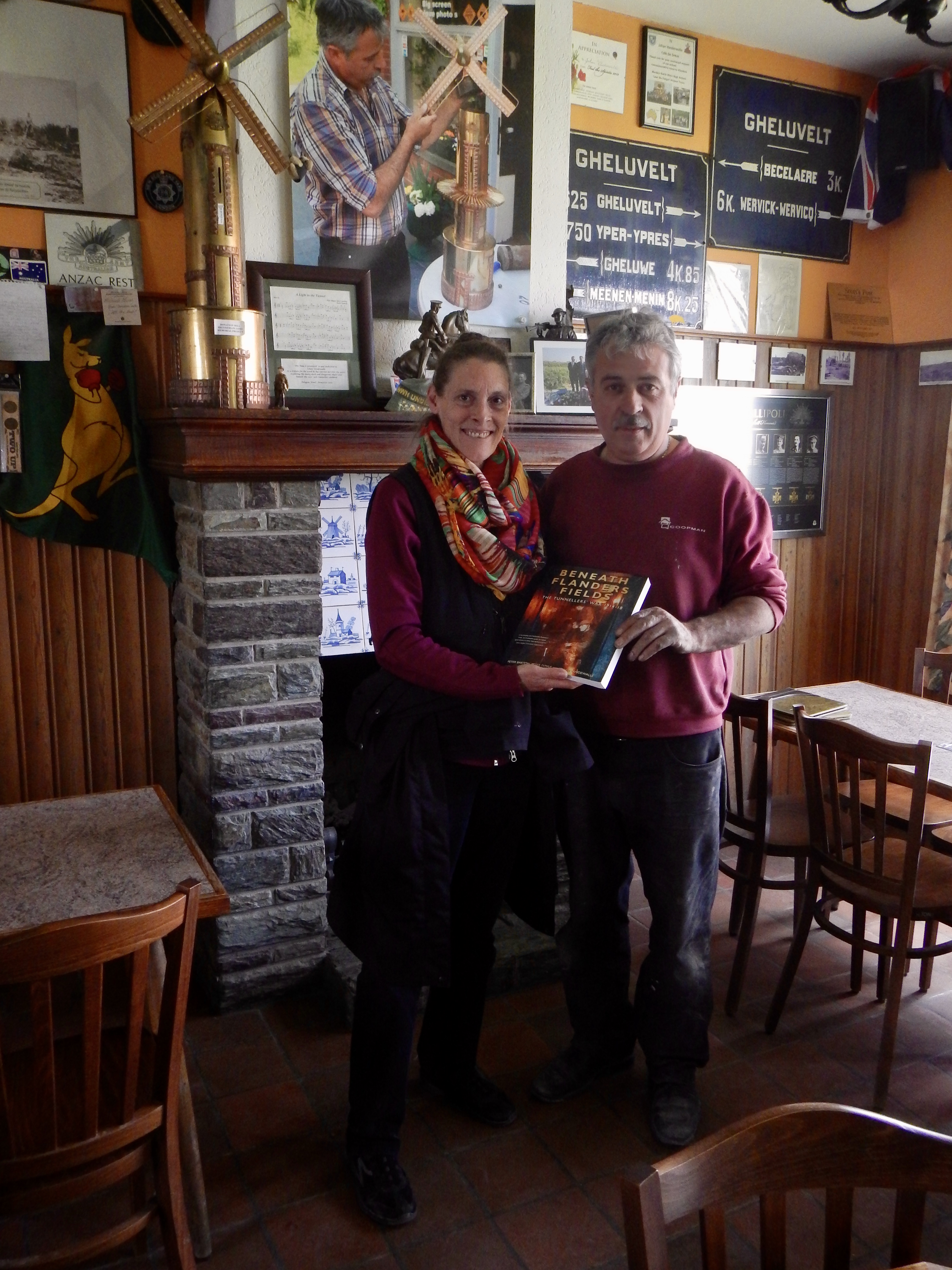
Amazing Johan Vandewalle with his book “Beneath Flanders Fields”
The front line trenches incorporated 3000 km of tunnels
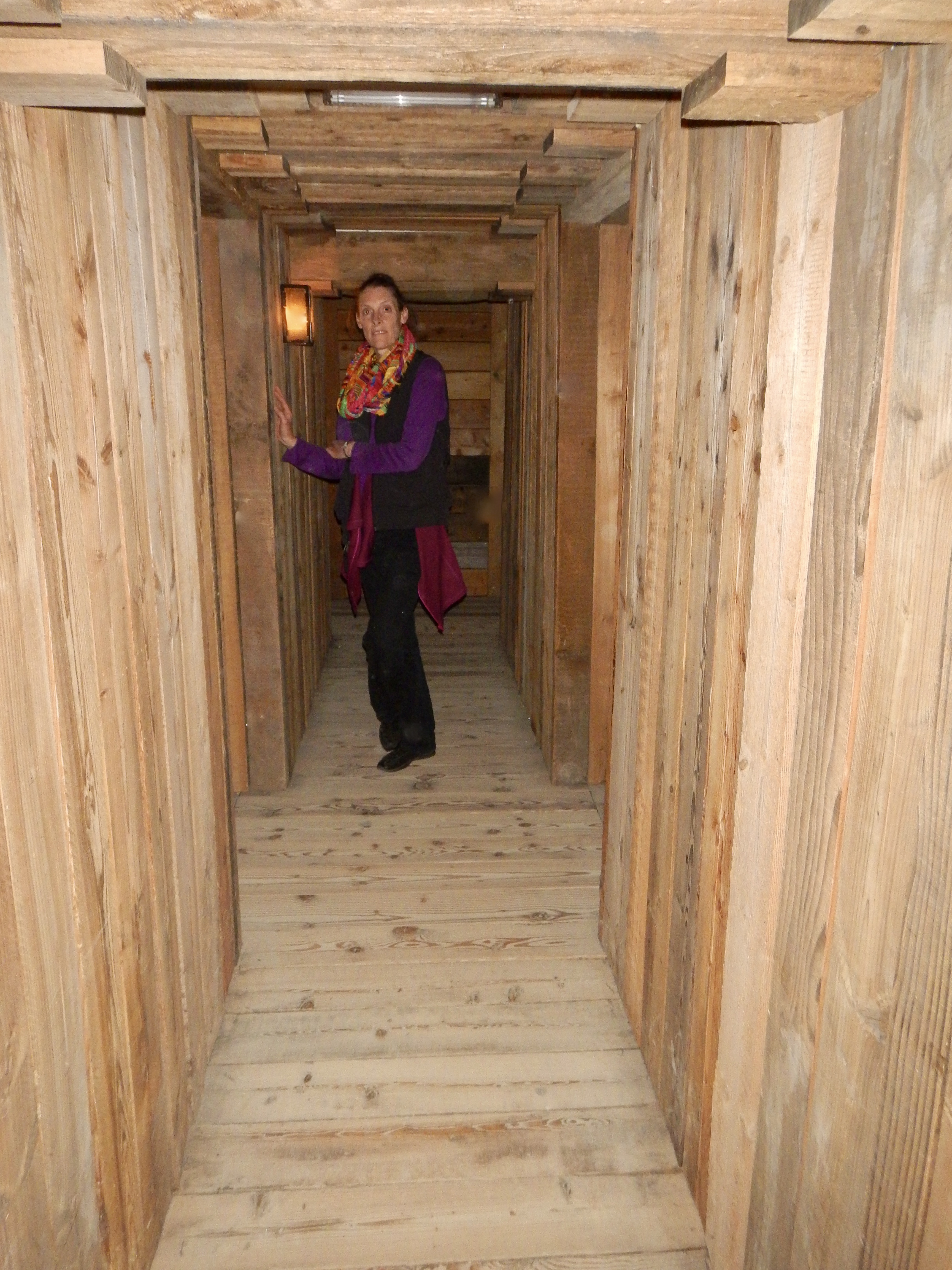
Scotty’s Bunker” in the Polygon Wood Battlefield
This was an Australian zone but many Canadians fought side-by-side
Five lost Australian soldiers found by Johan Vandewalle and reunited with family
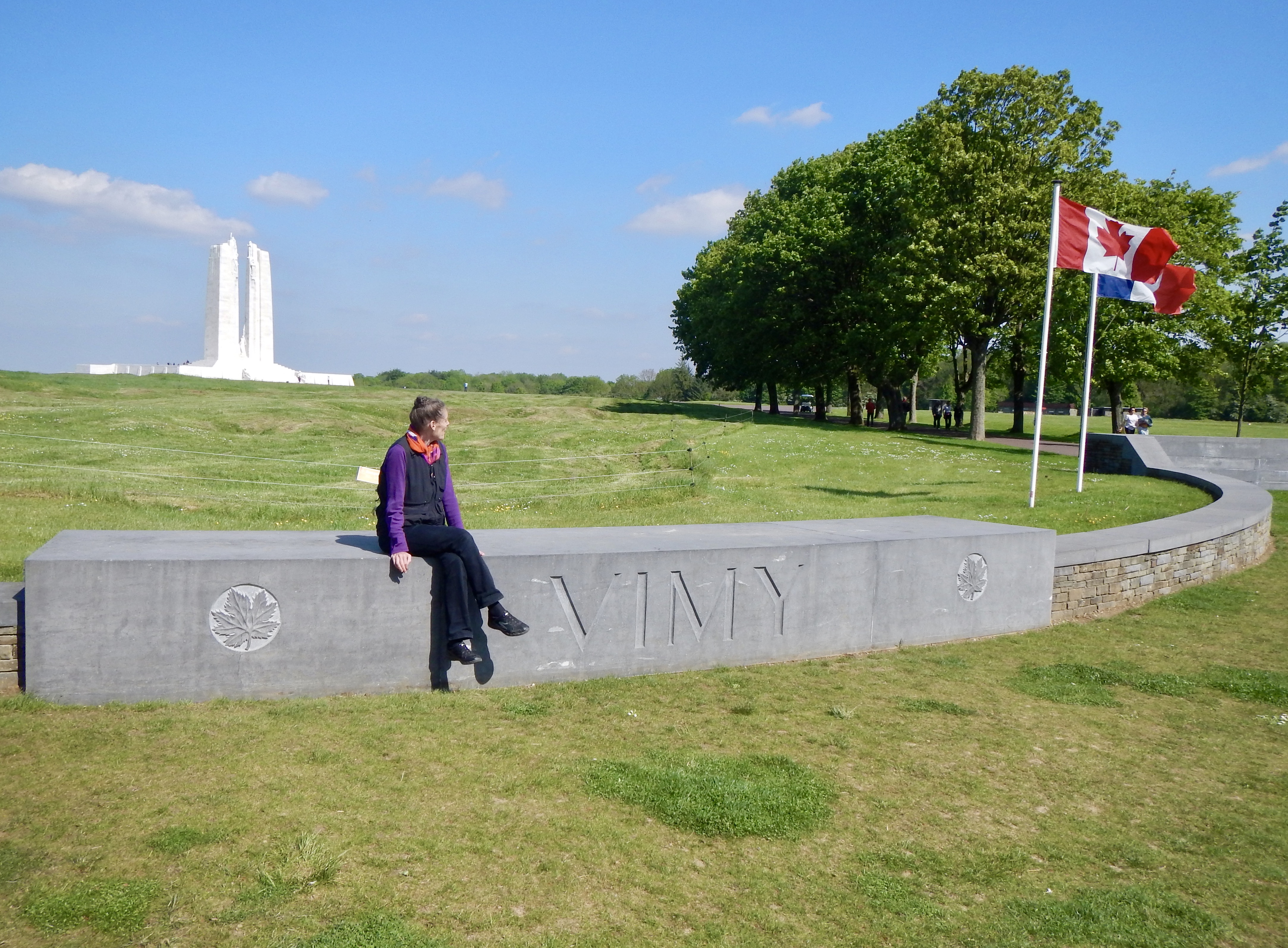
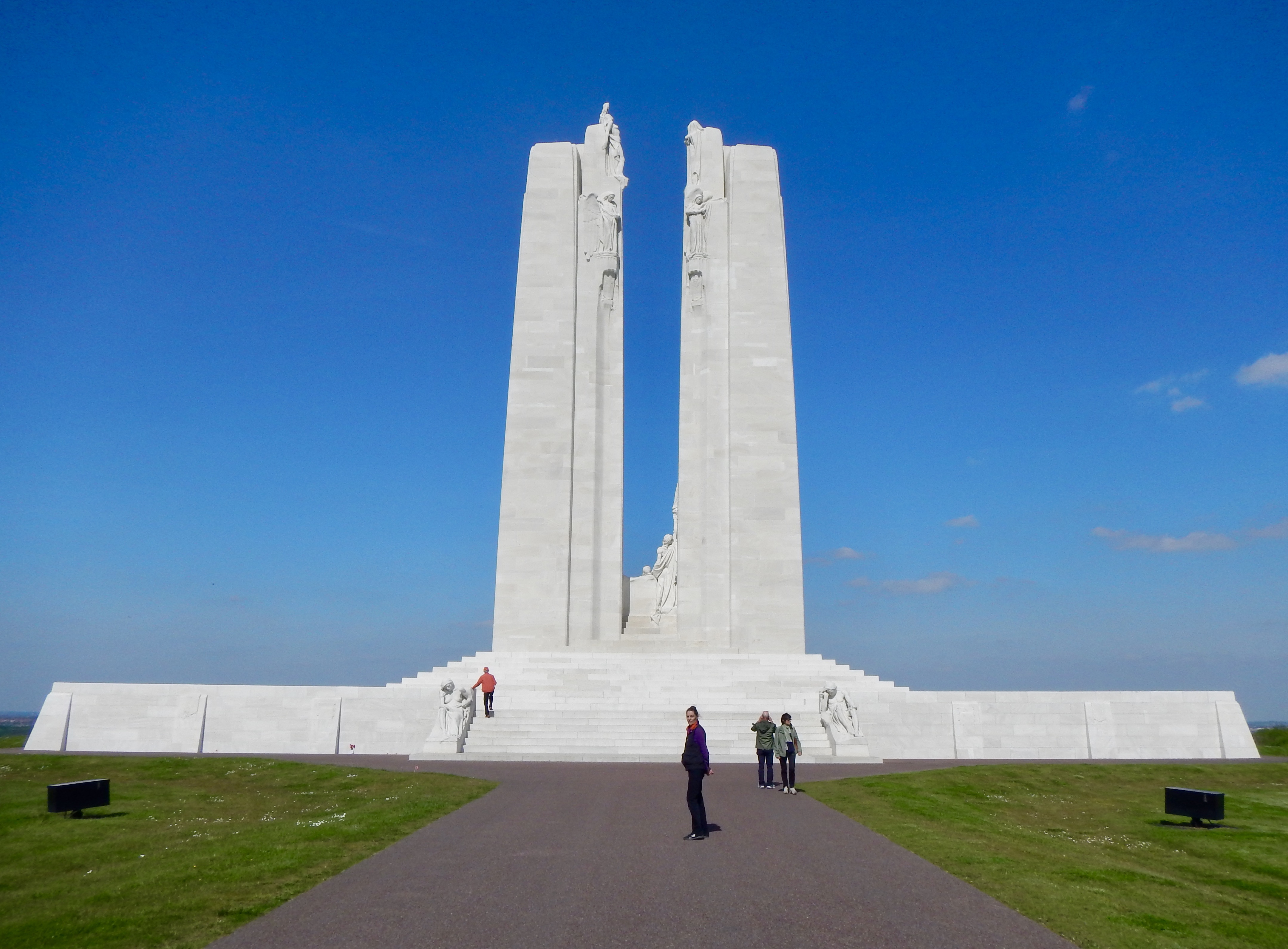
Vimy Ridge” – Where Canada became a “Nation
So impressive
And moving
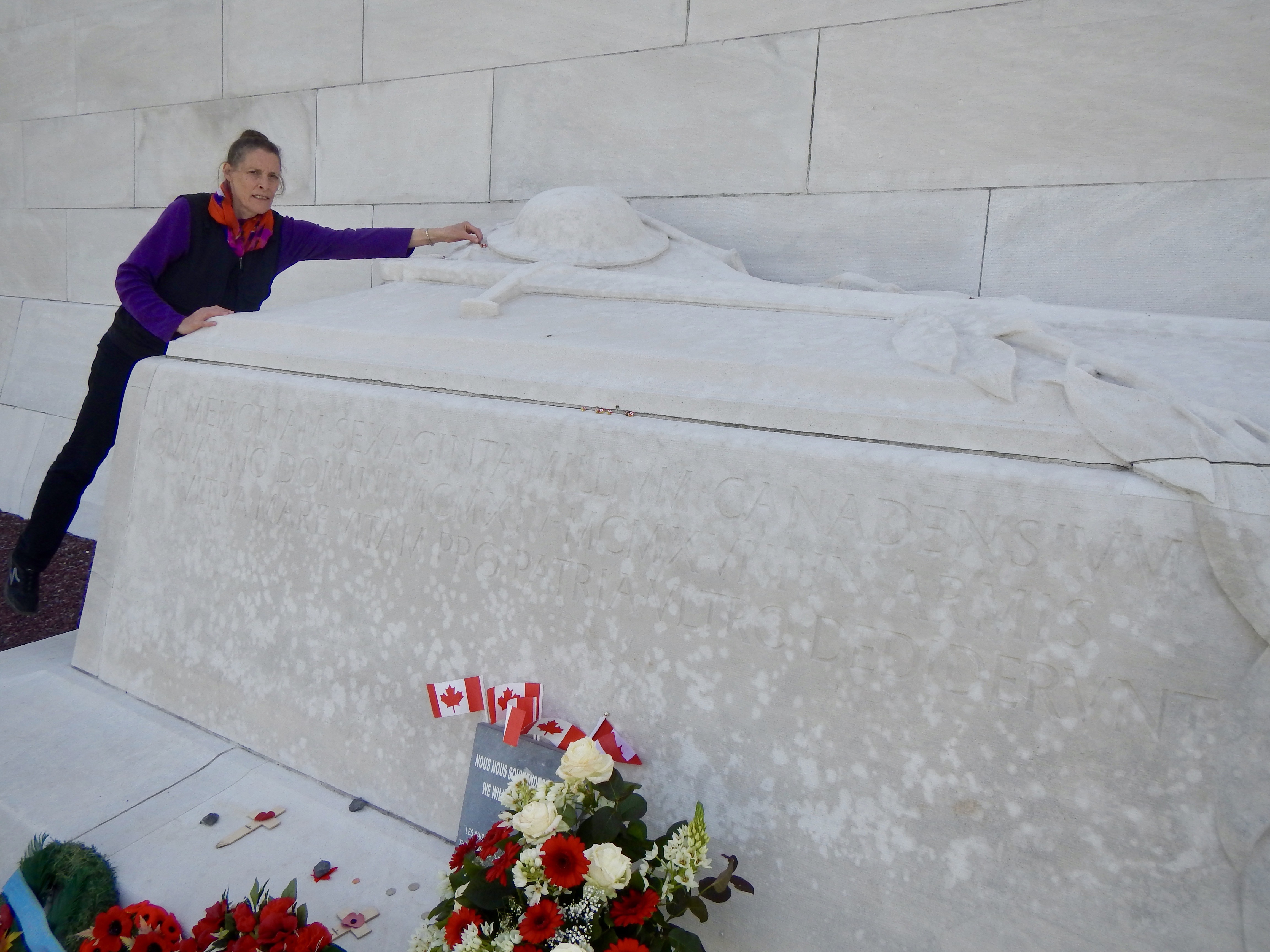
Saying “Thank You” to the unknown solider with a Canadian flag and Lapel pin
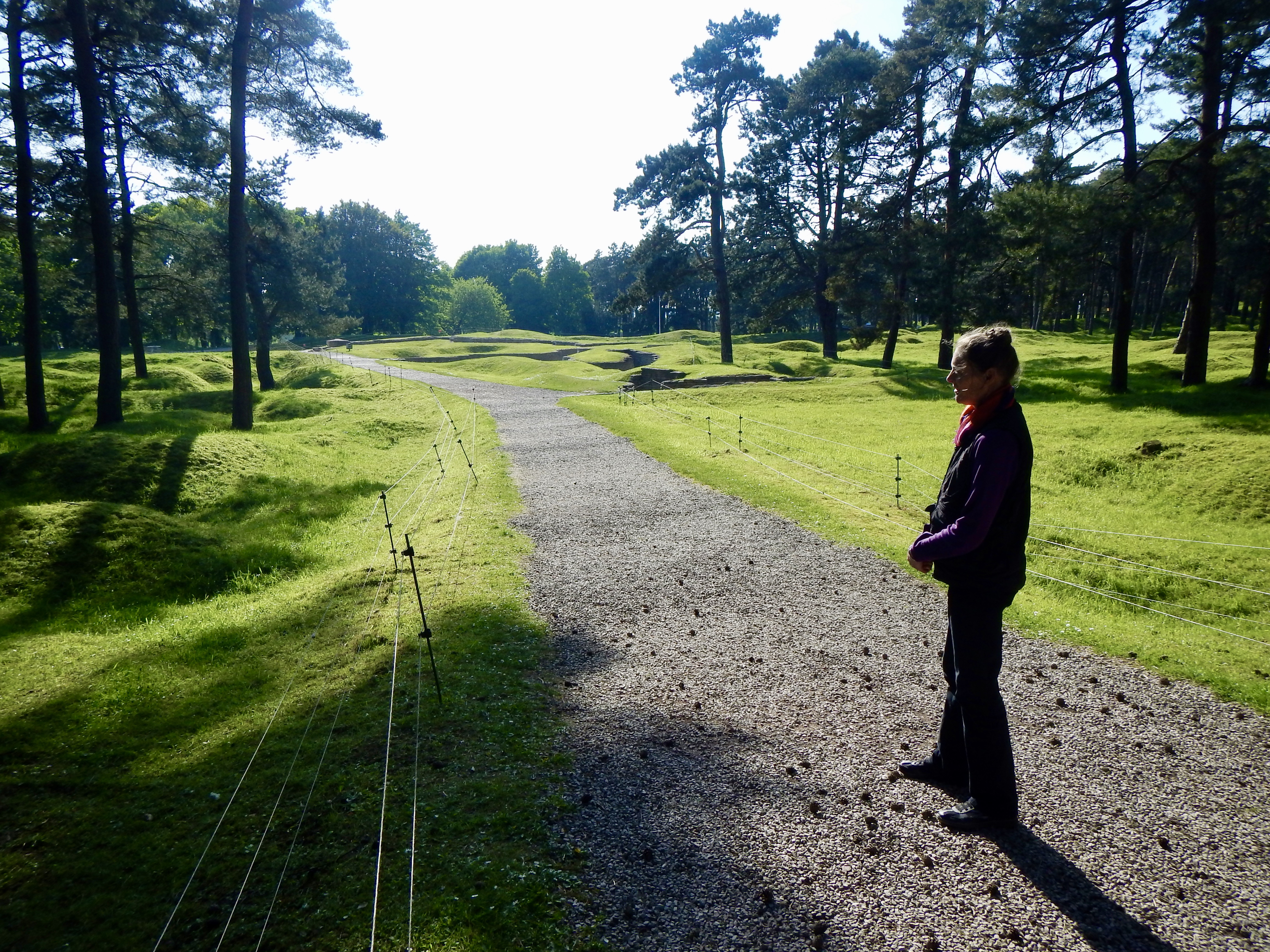
It’s still explosively dangerous to wander off the marked pathways
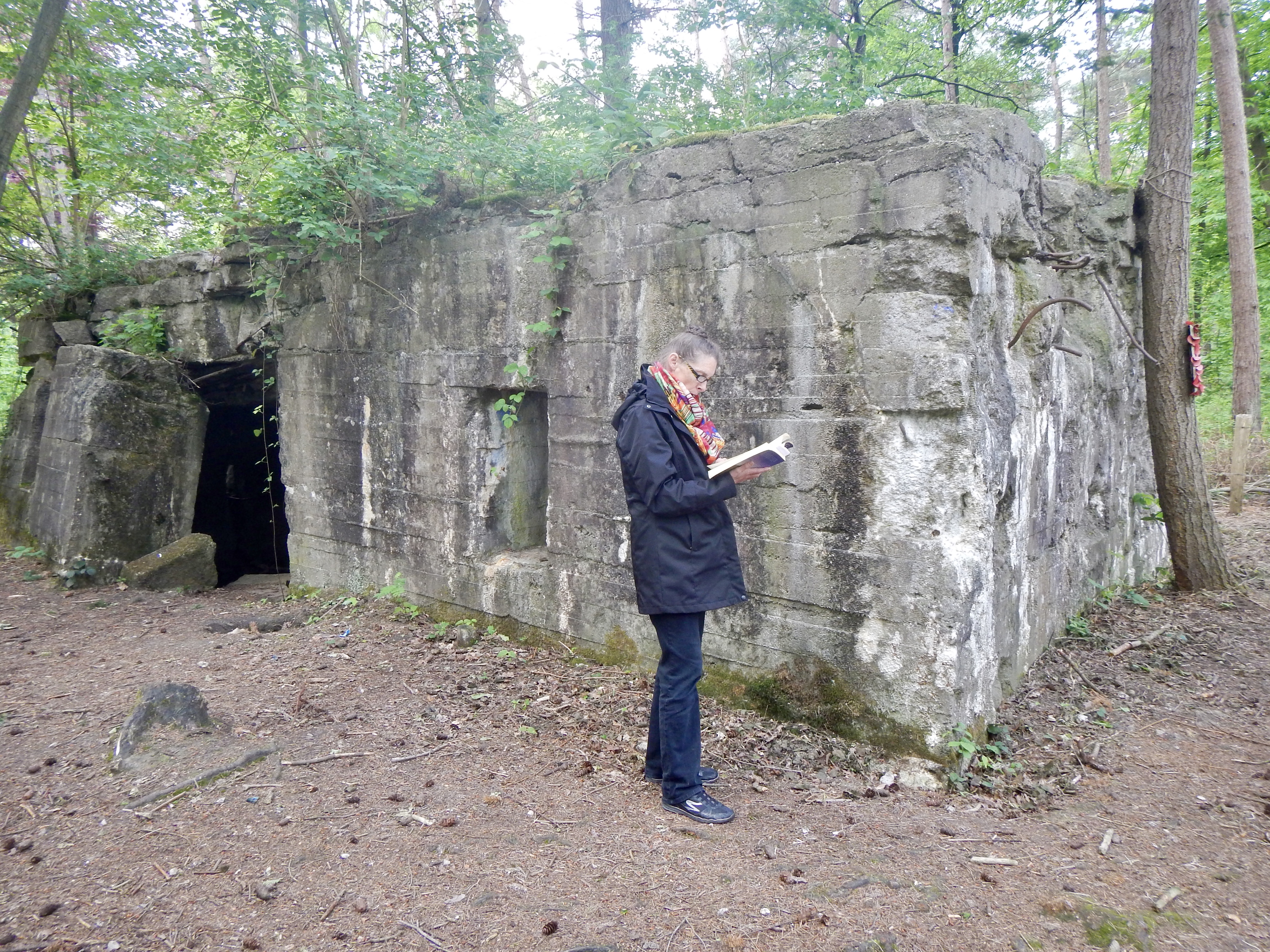
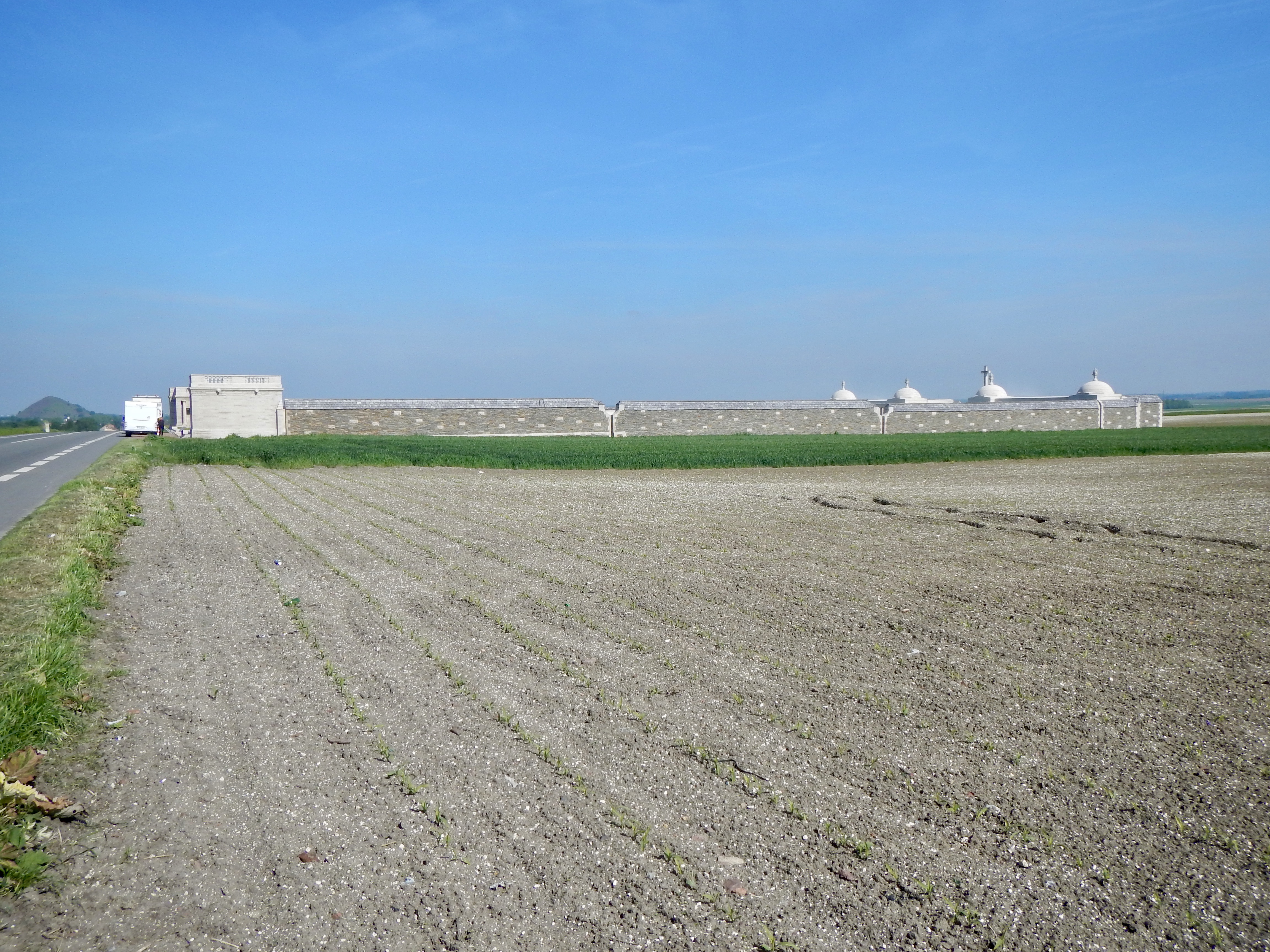
Commonwealth cemetery in a French farm-field that’s still littered with bone and bullets
Unknown connection to this J. Reid, but a feeling of loss anyway
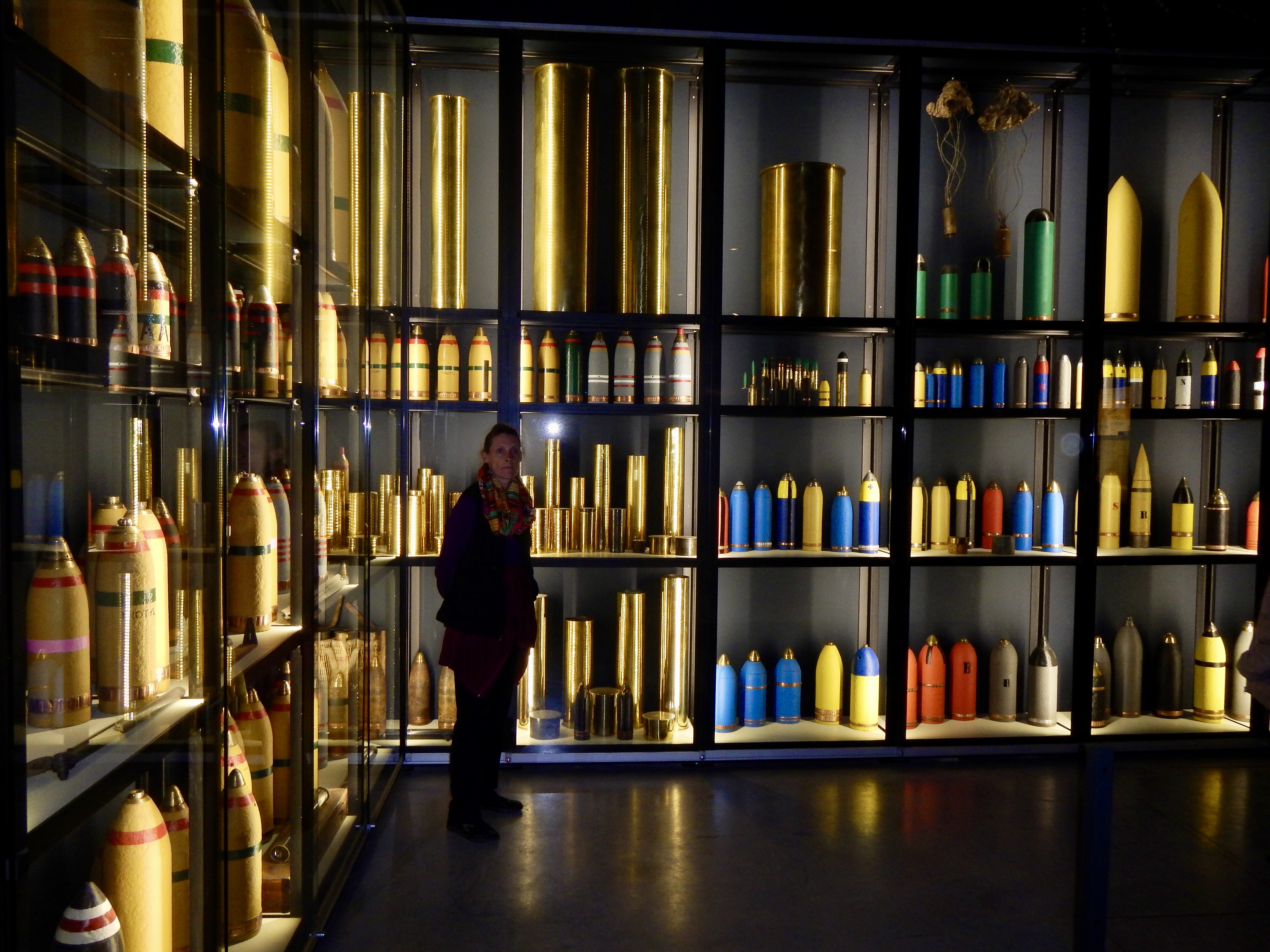
These deadly shells from WWI look strangely ornamental
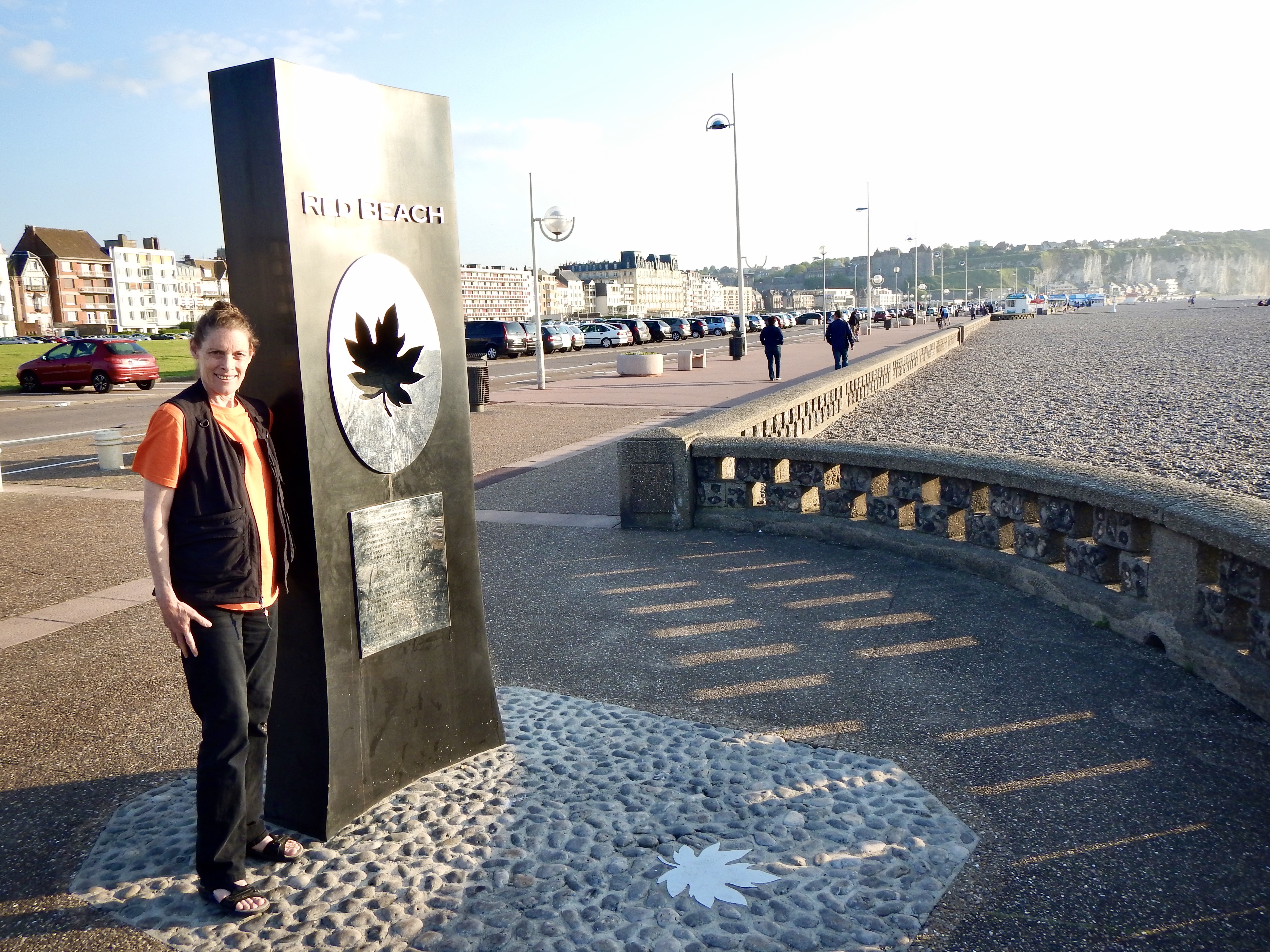
Dieppe, France 1942. Canadian led assault on this “Red Beach” failed at great human cost
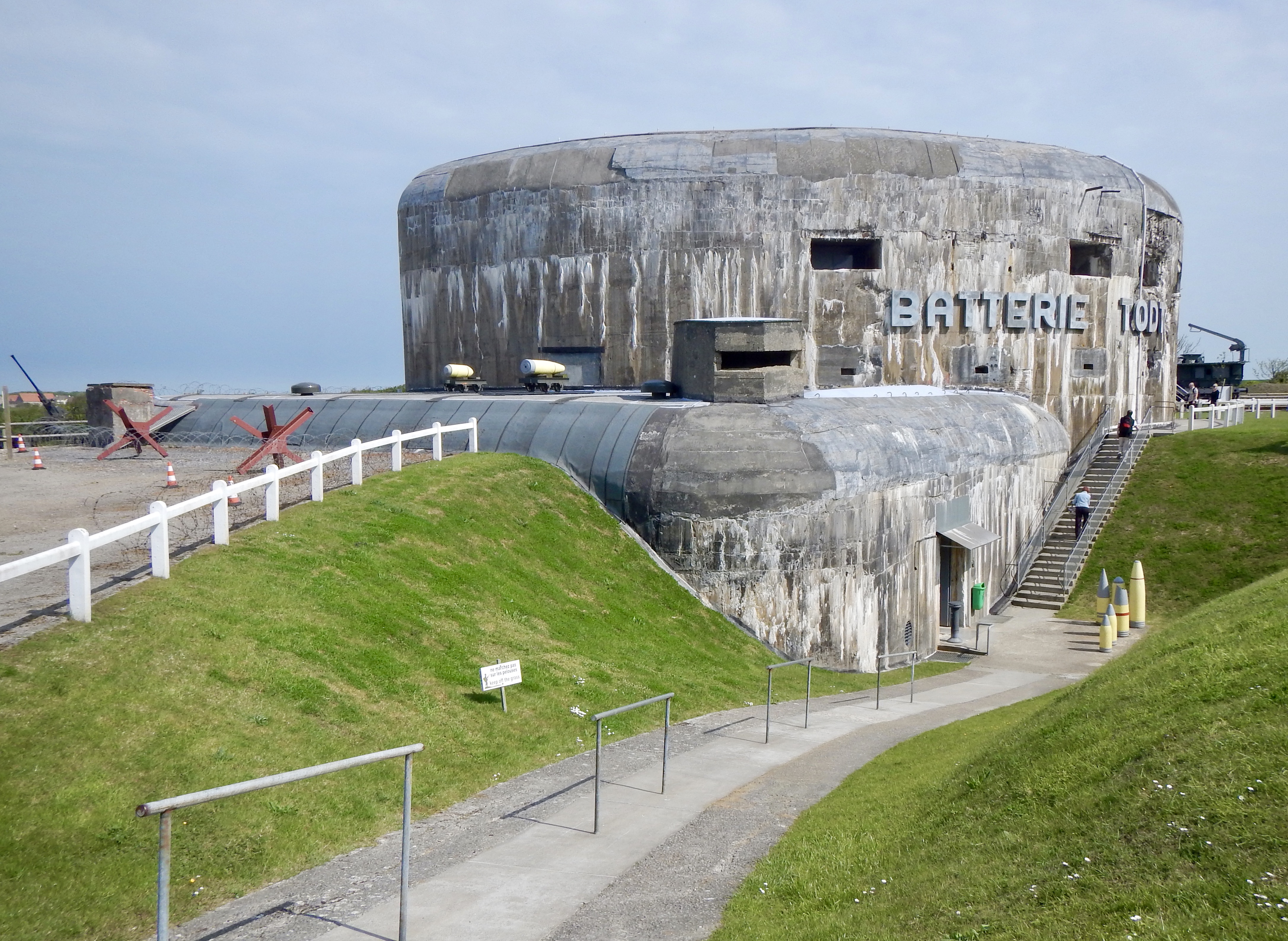
Back entrance to the huge Nazi “Todd Battery Gun” on the Normandy Coast
Chilling V2 Rocket Site that launched devastating missiles into the heart of London
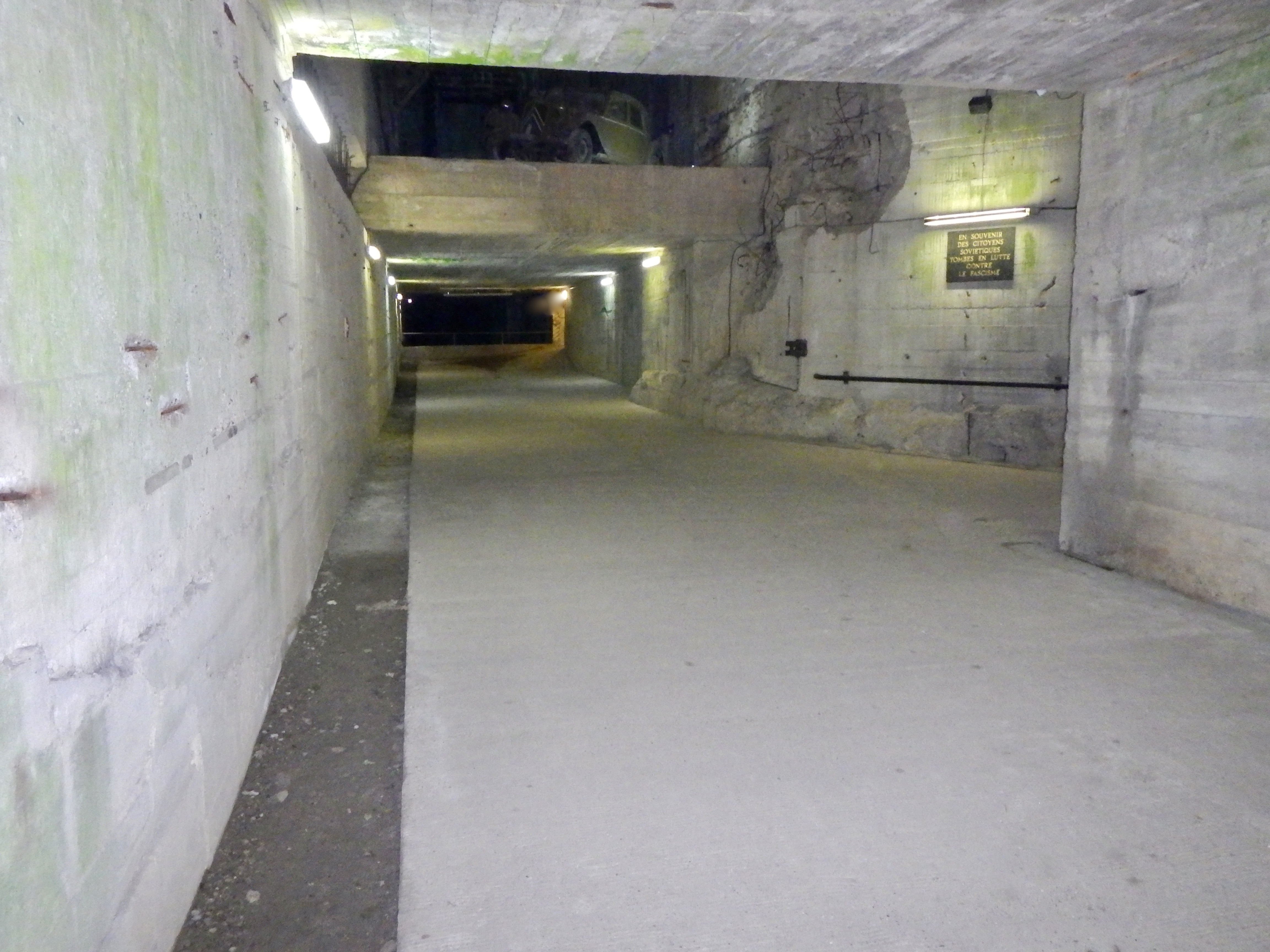
The surreal innards of the fortified rocket facility
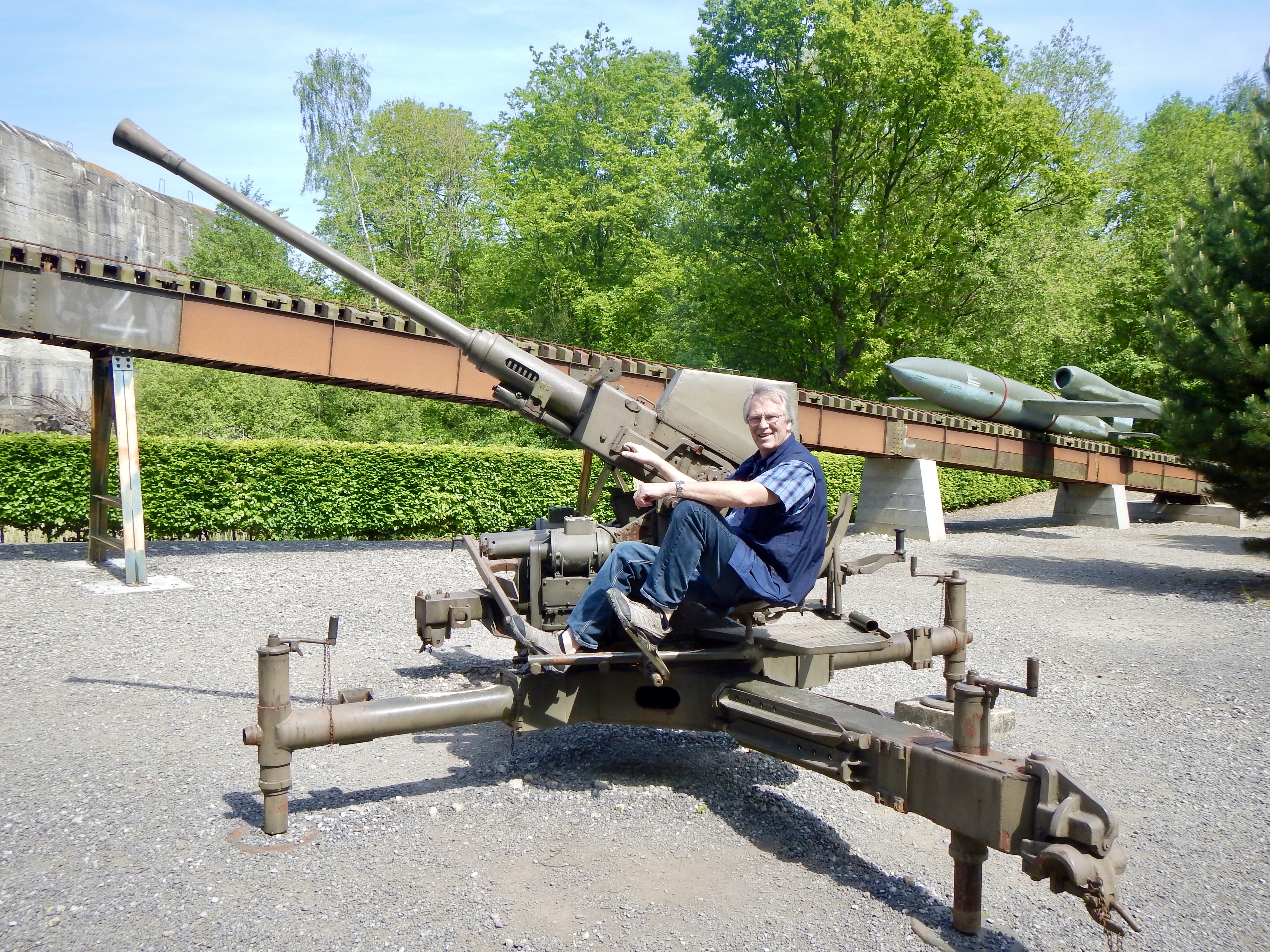
Deadly tools of war are now treated like toys


1 Comment

Brugge to Oostende, Belgium

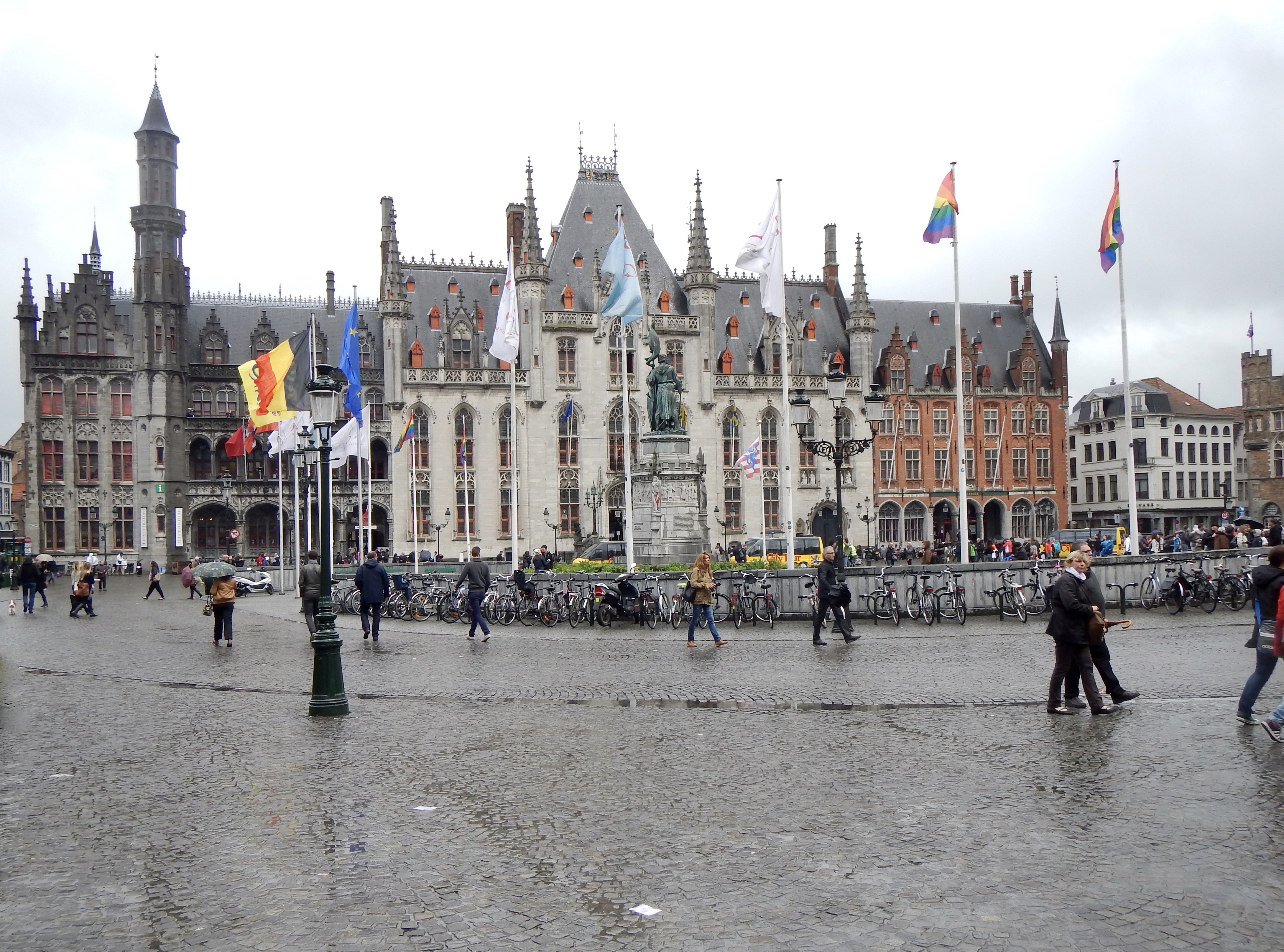
Brugge Market
Brugge’s main town square
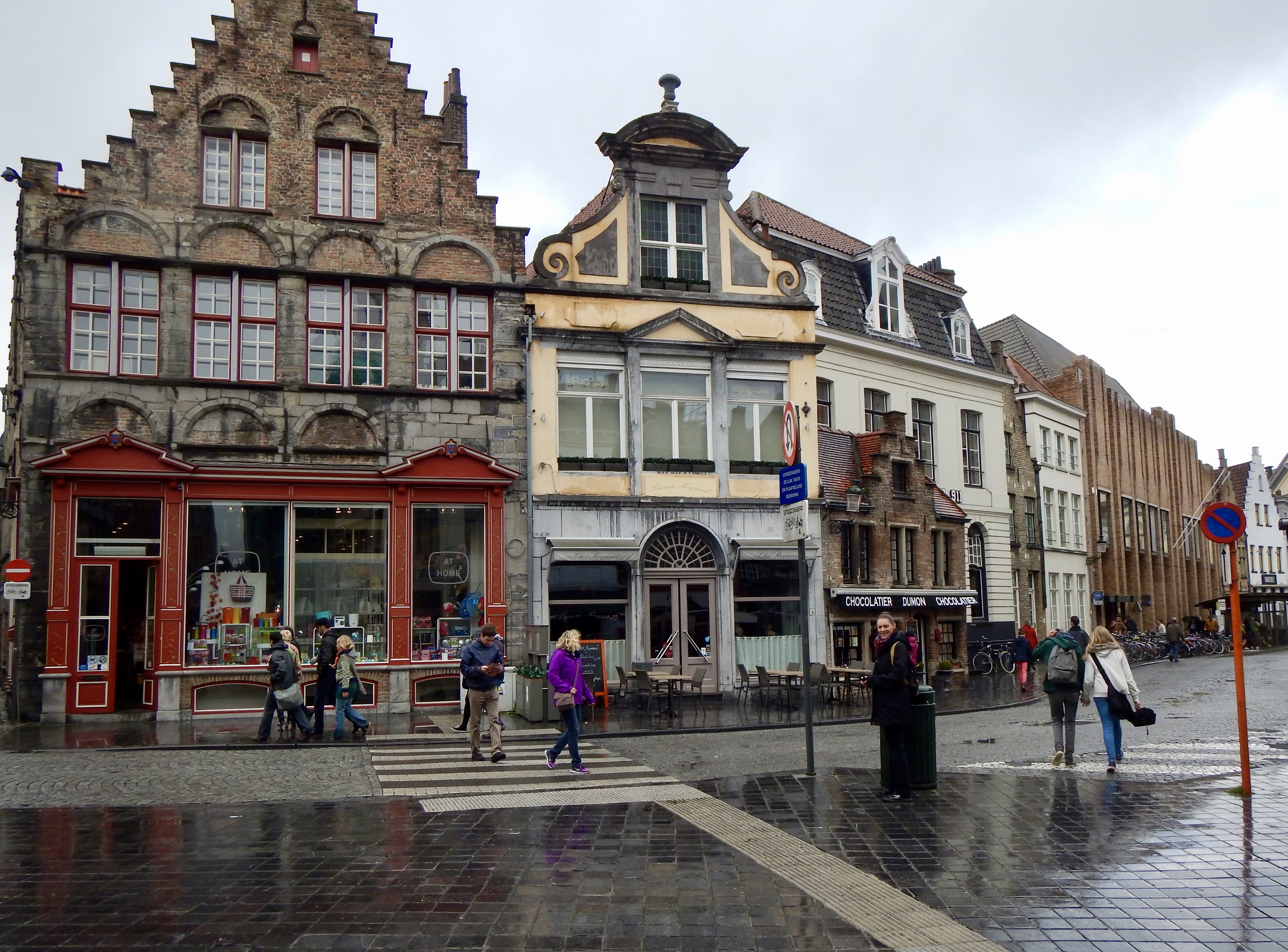
Lovely streets to wander in…
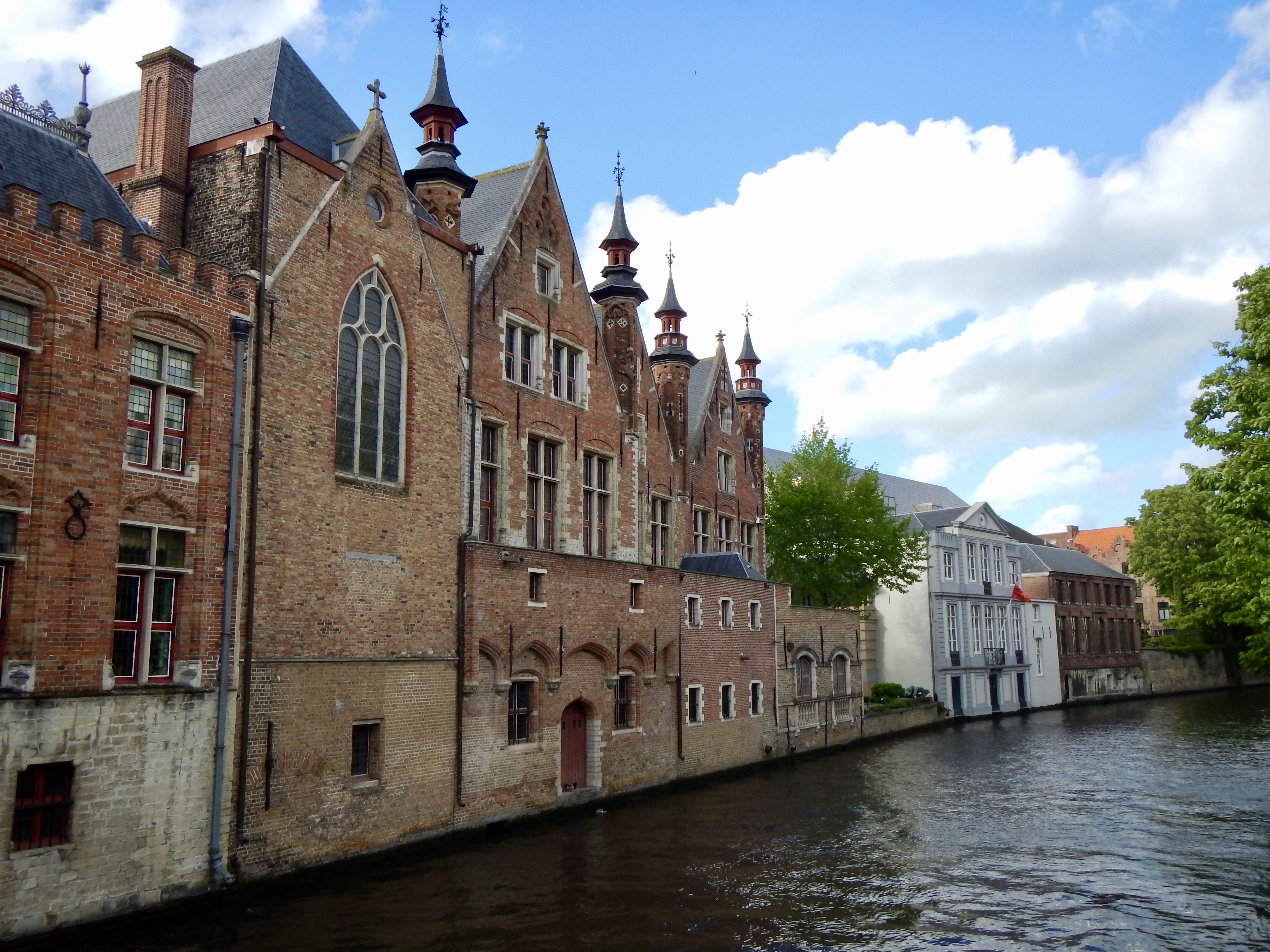
Canals too
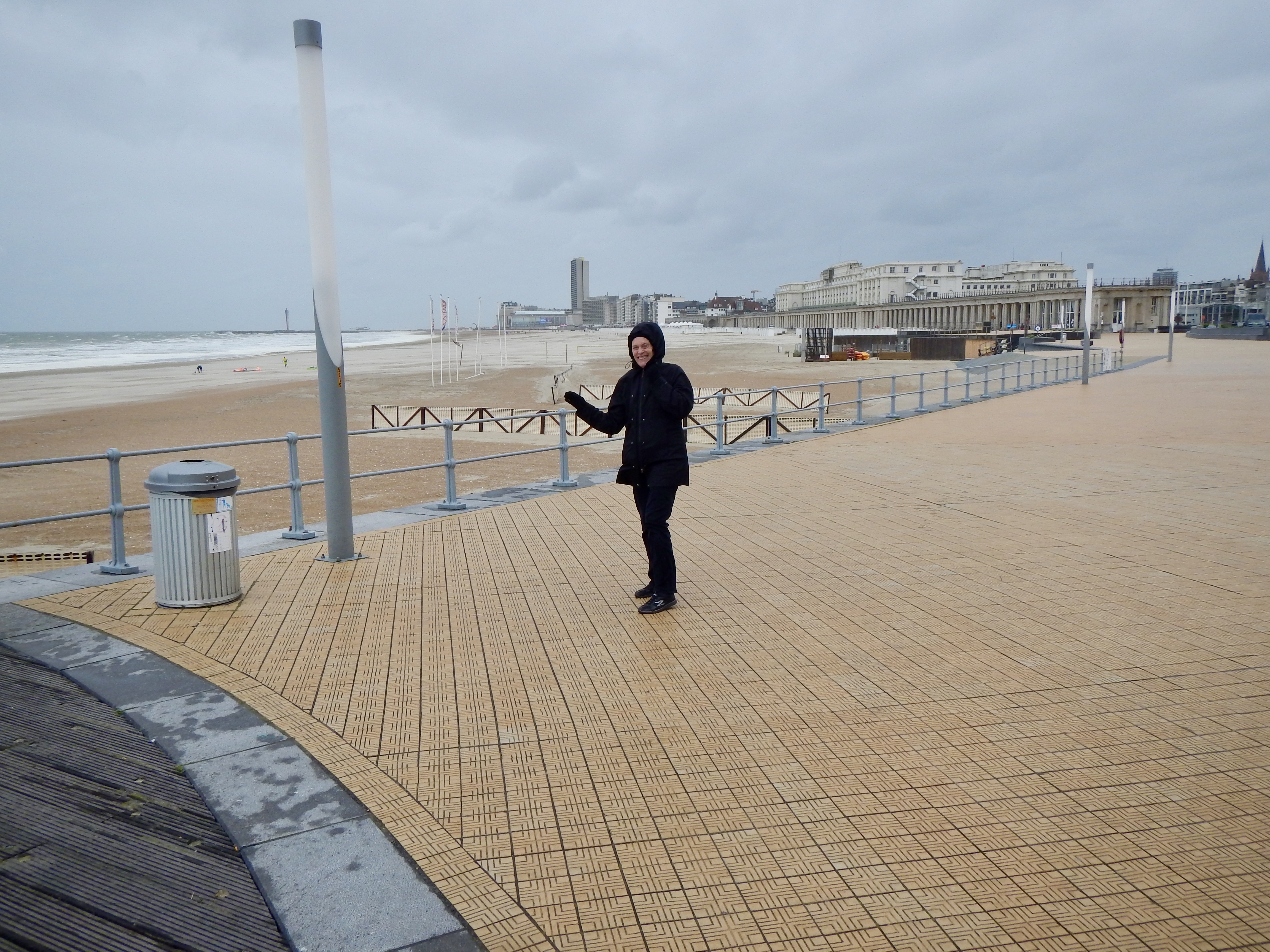
A very short drive to Oostende on the stormy English Channel
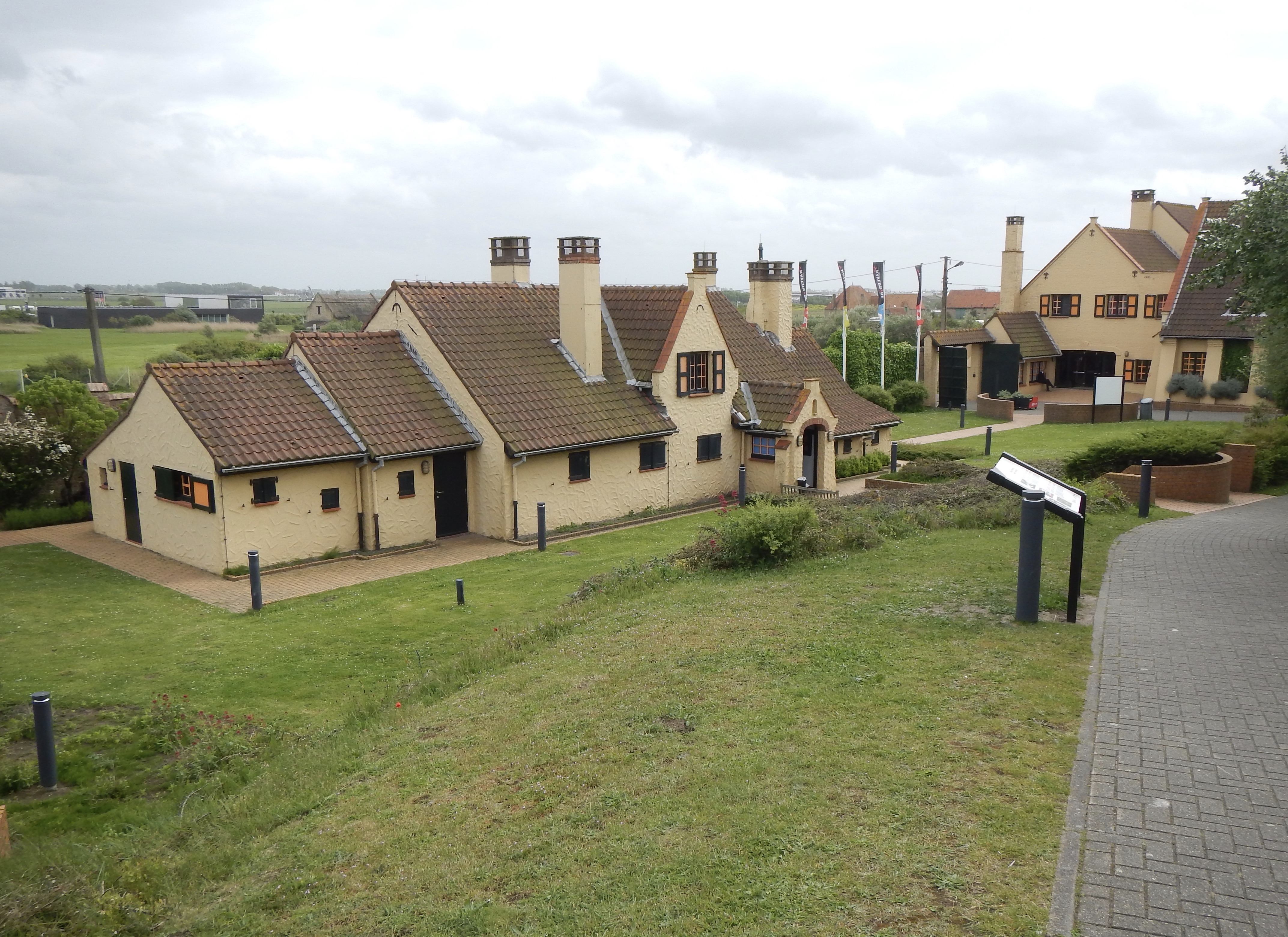
Belgium’s Prince Charles lived in this modest coastal cottage until the Nazi’s confiscated it
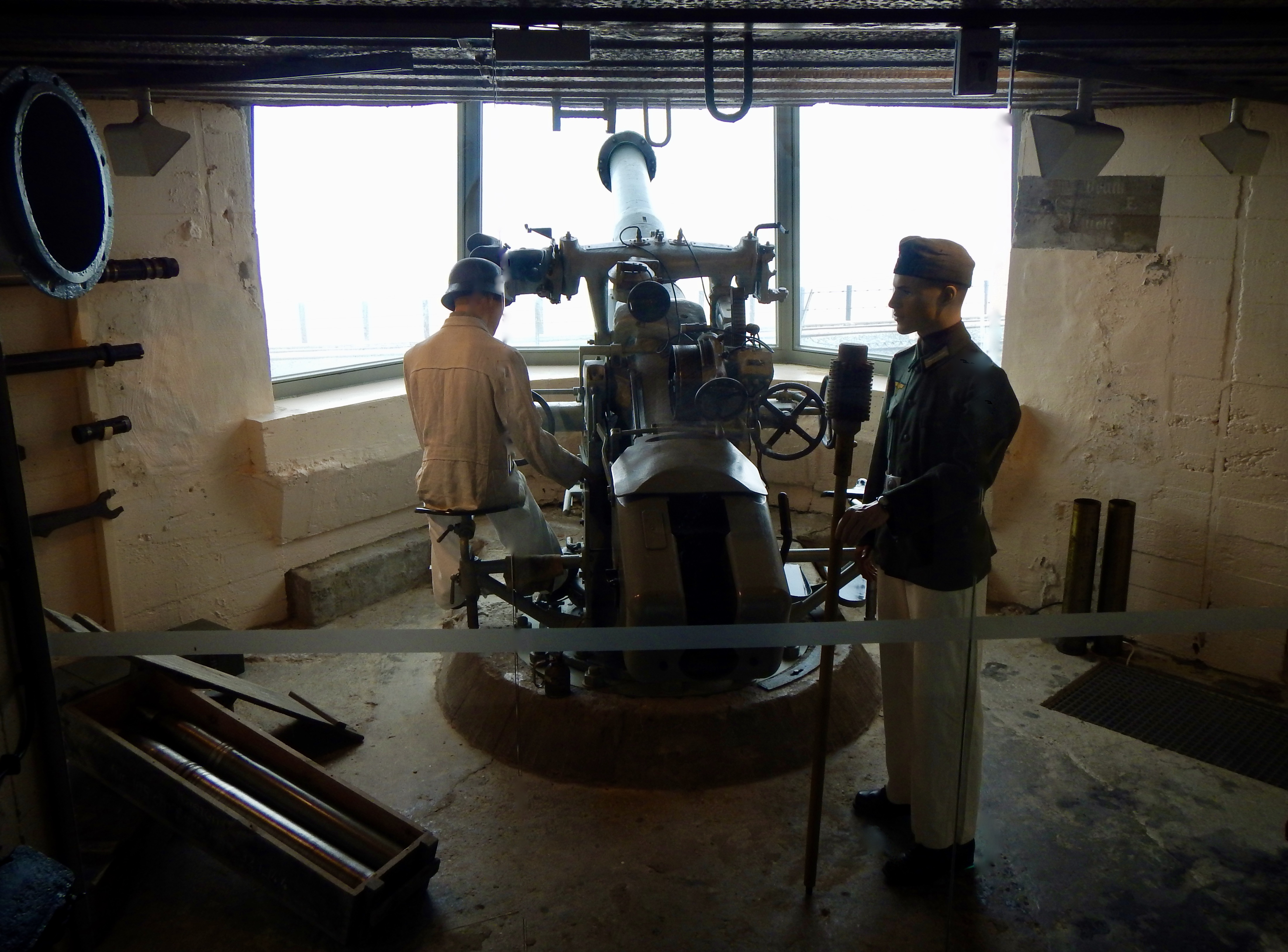
The Cottage became a command centre for this part of Rommel’s “Atlantic Wall”
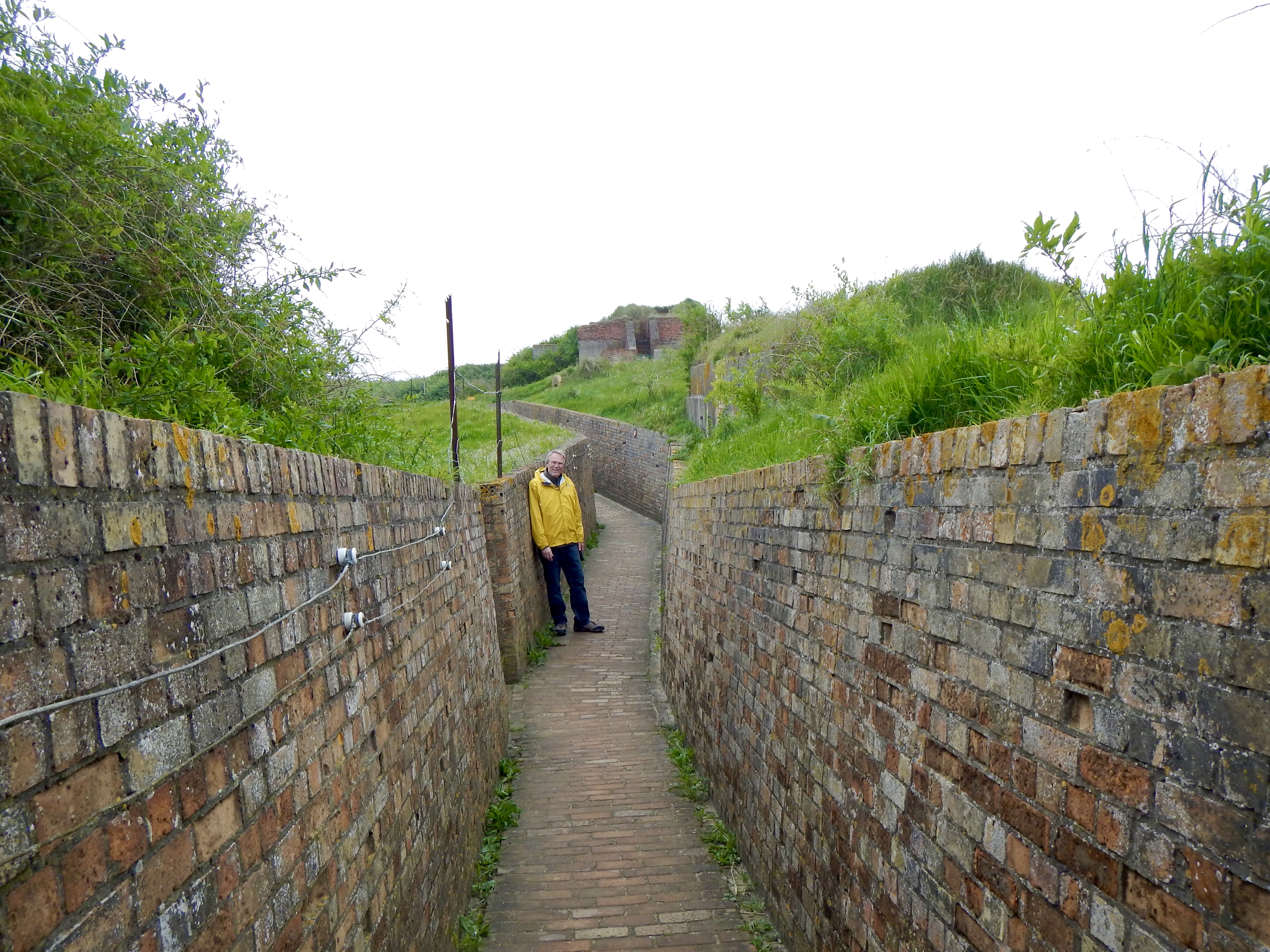
The Atlantic Wall was a massive coastal fortification and defensive structure circling Europe
This is the only remaining section of the wall that has been preserved in it’s original state


2 Comments

Verdun and Waterloo

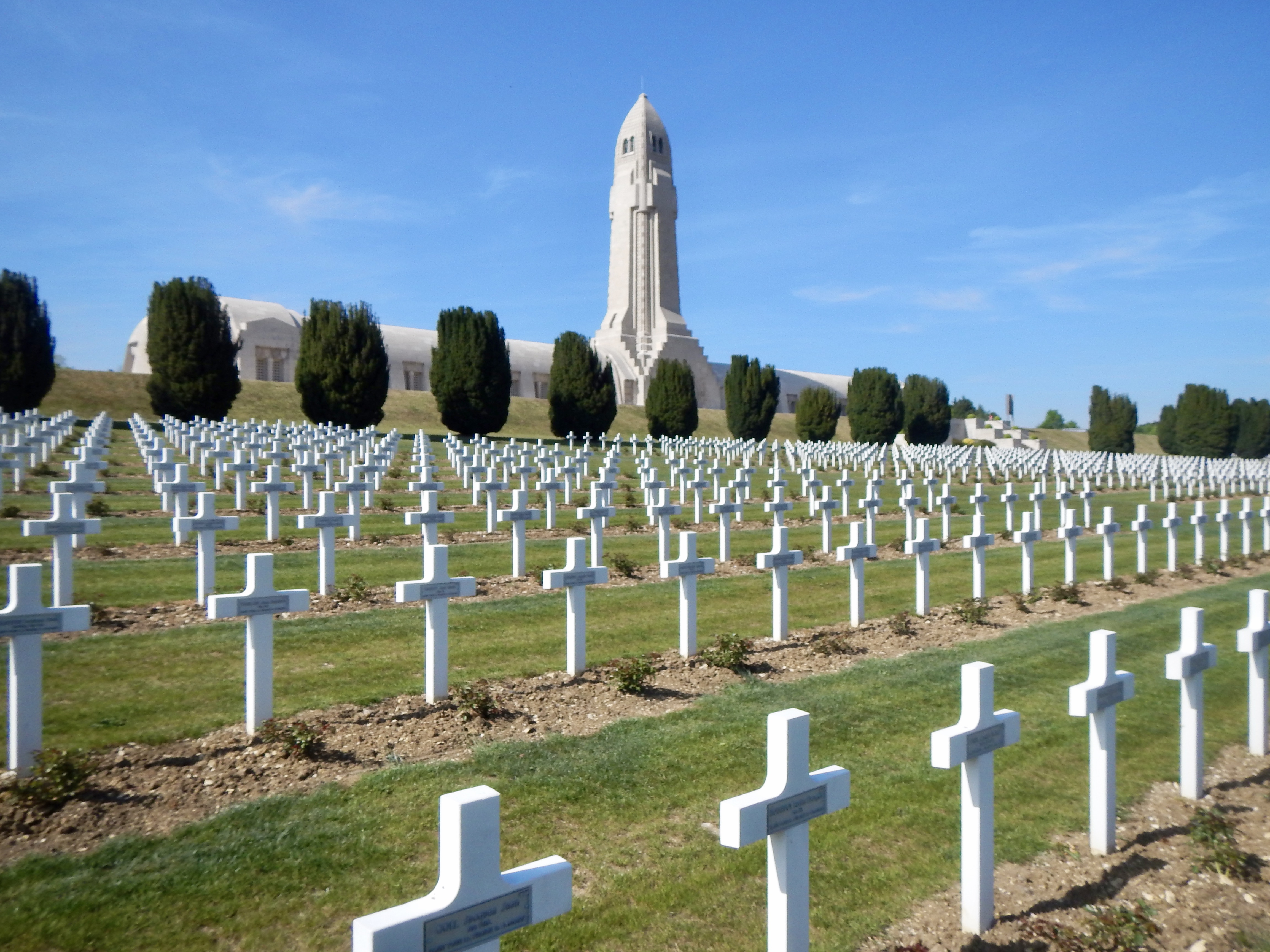
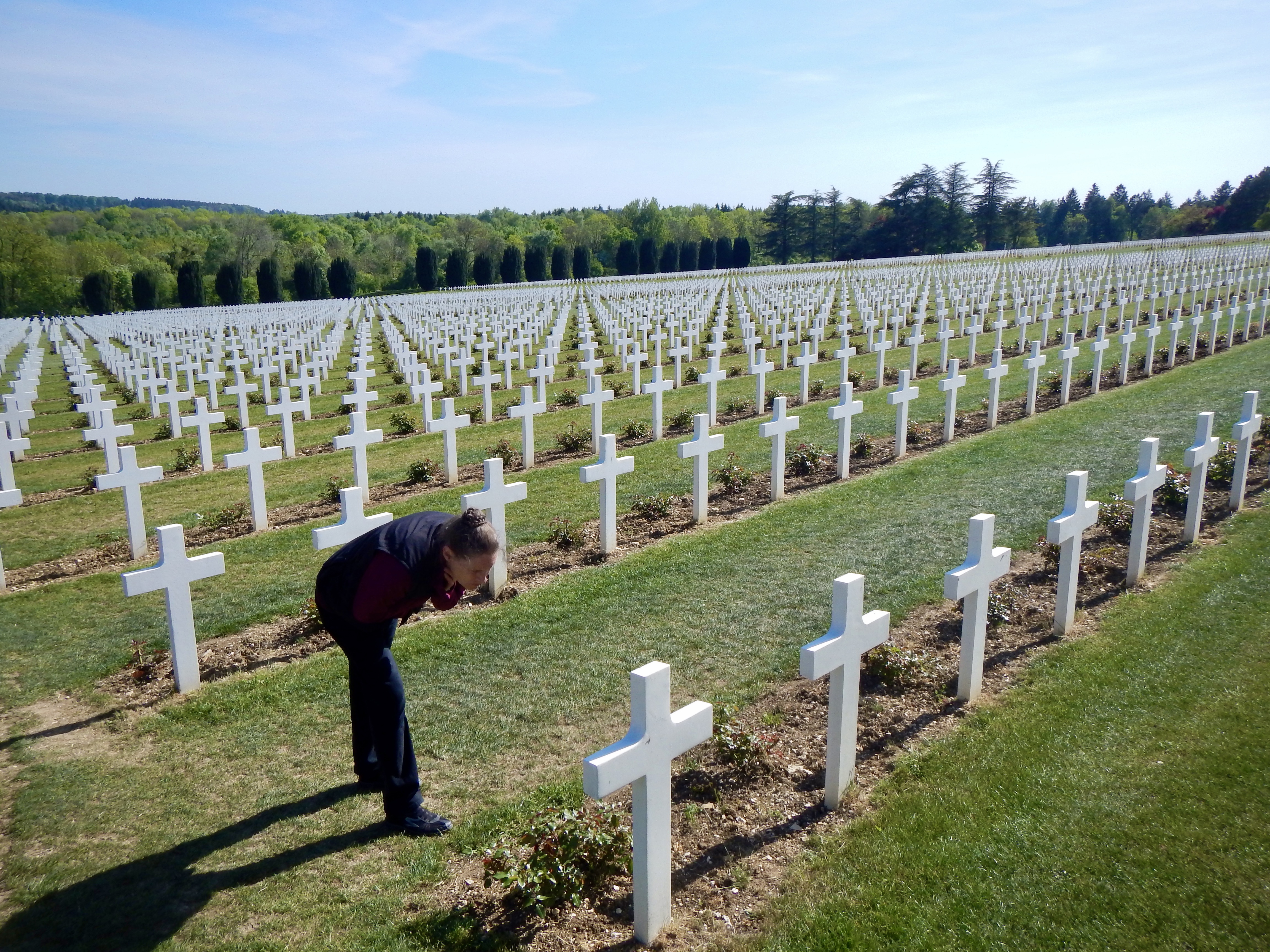
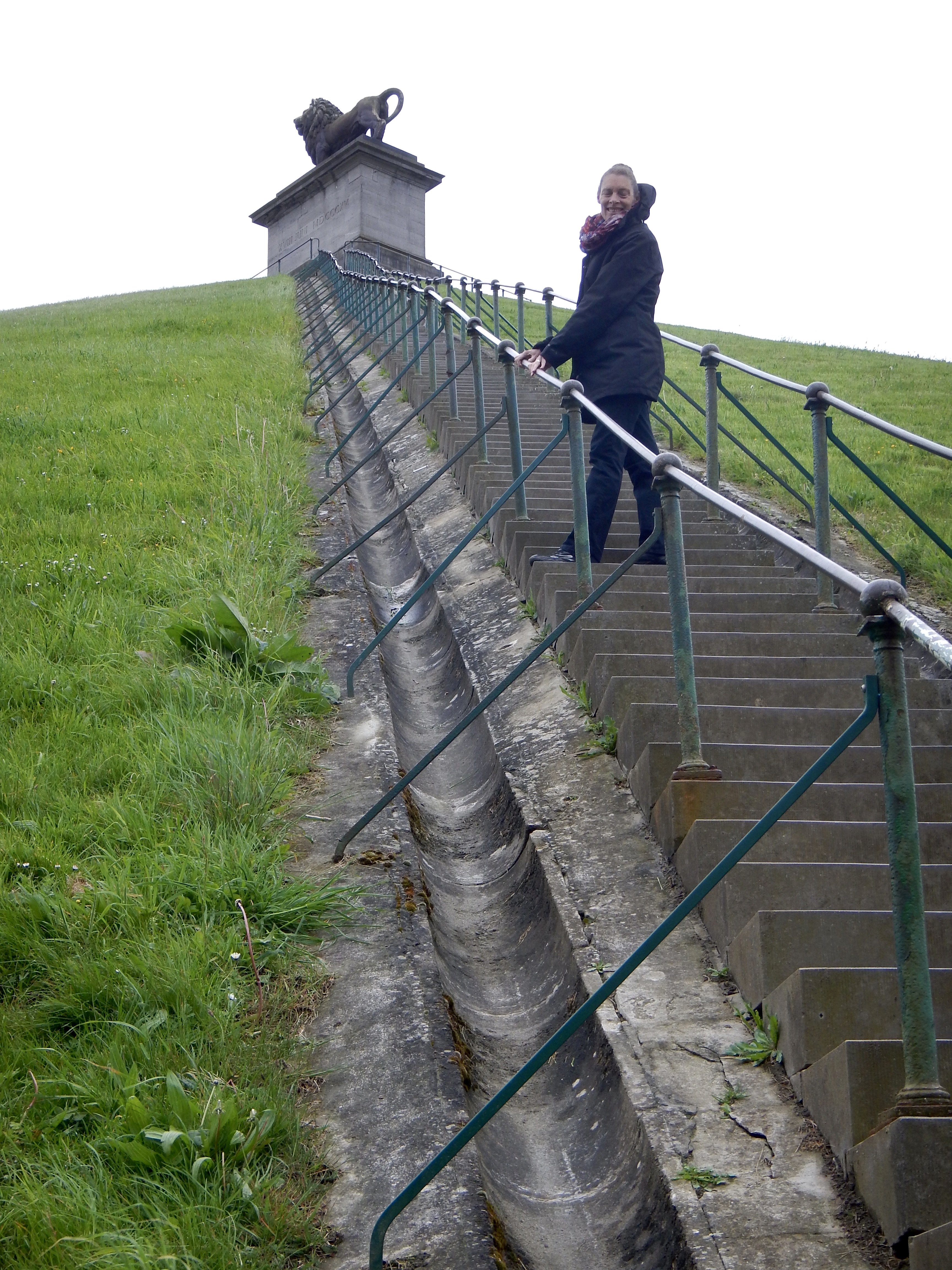
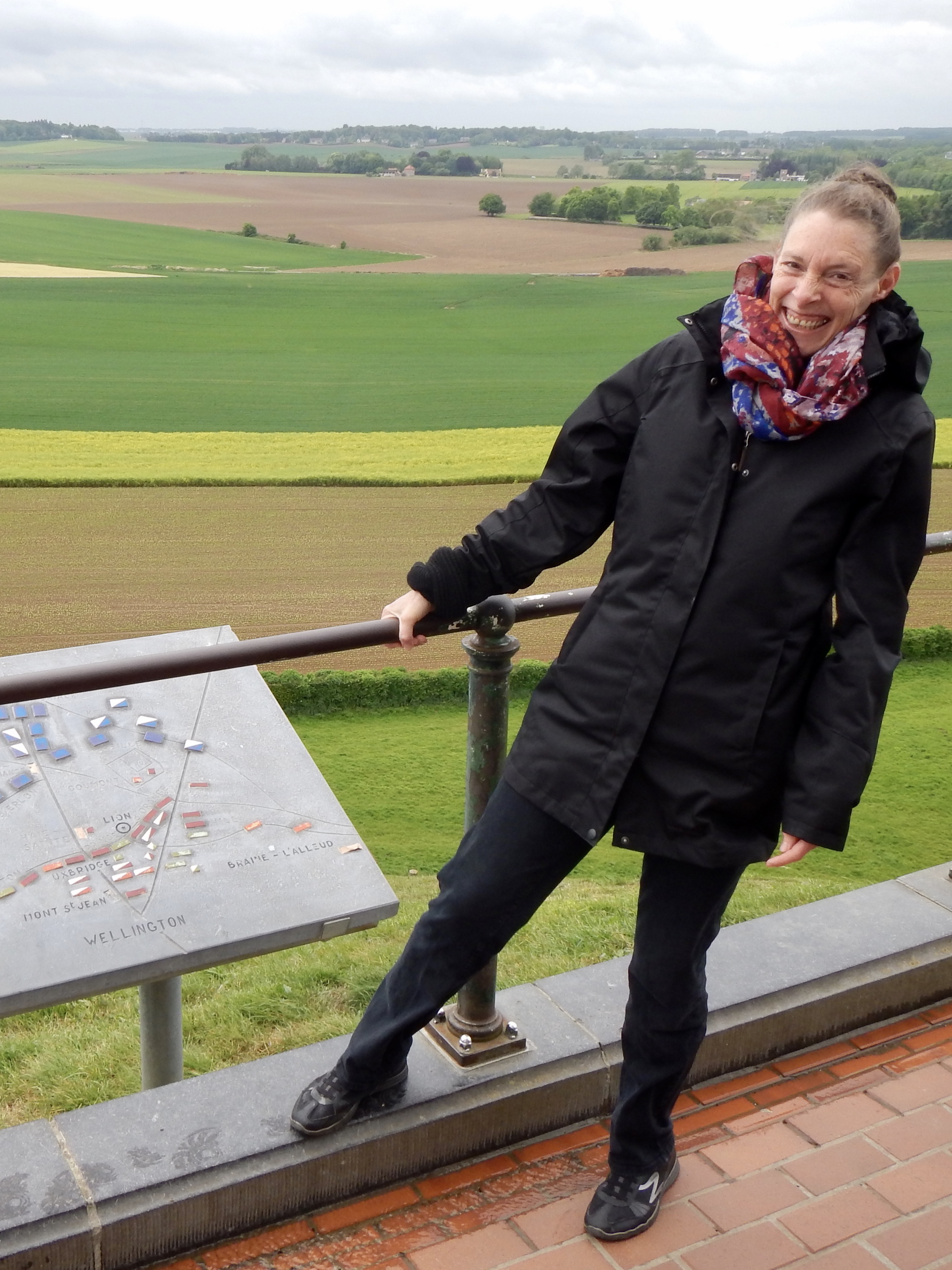
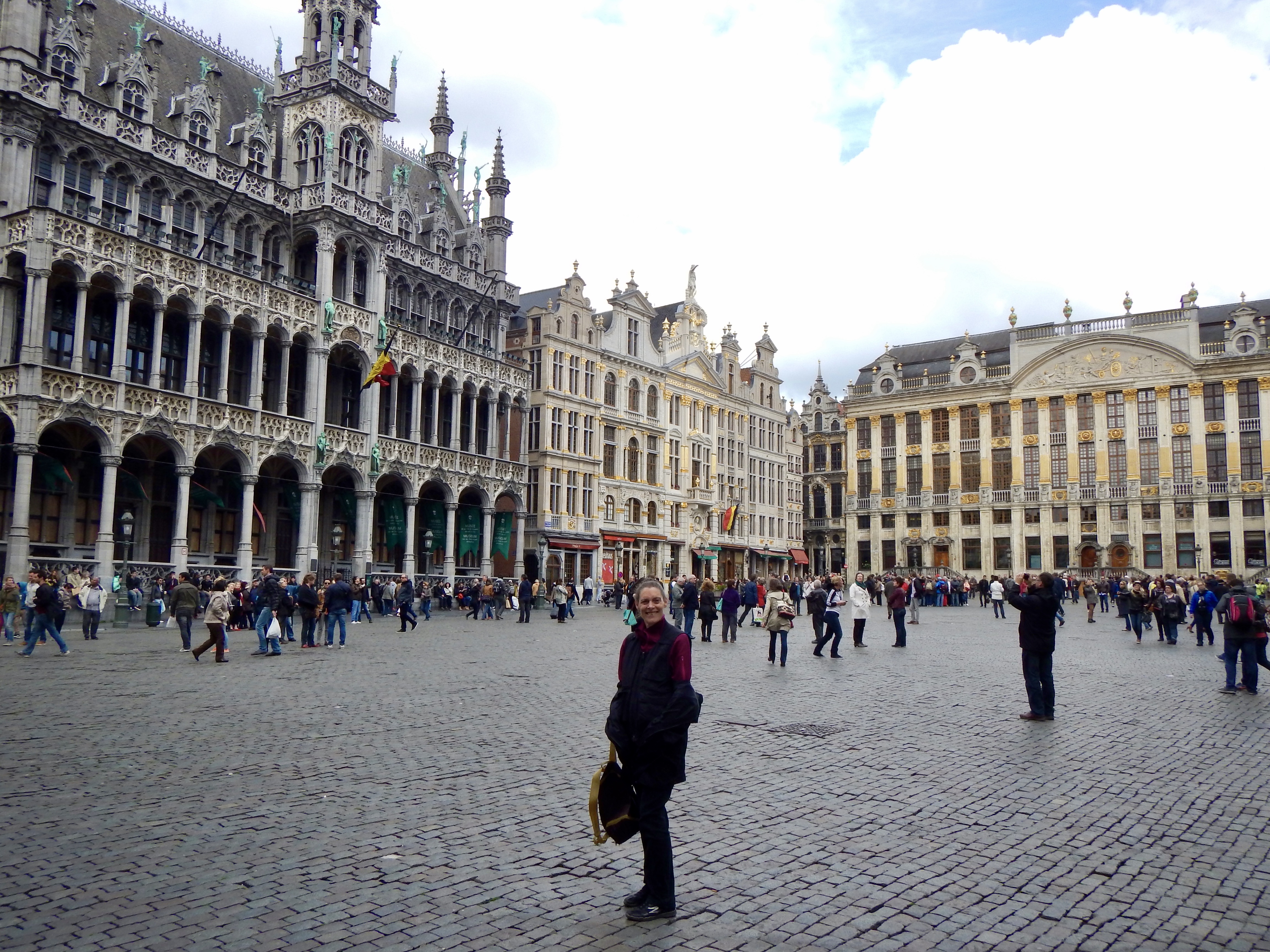
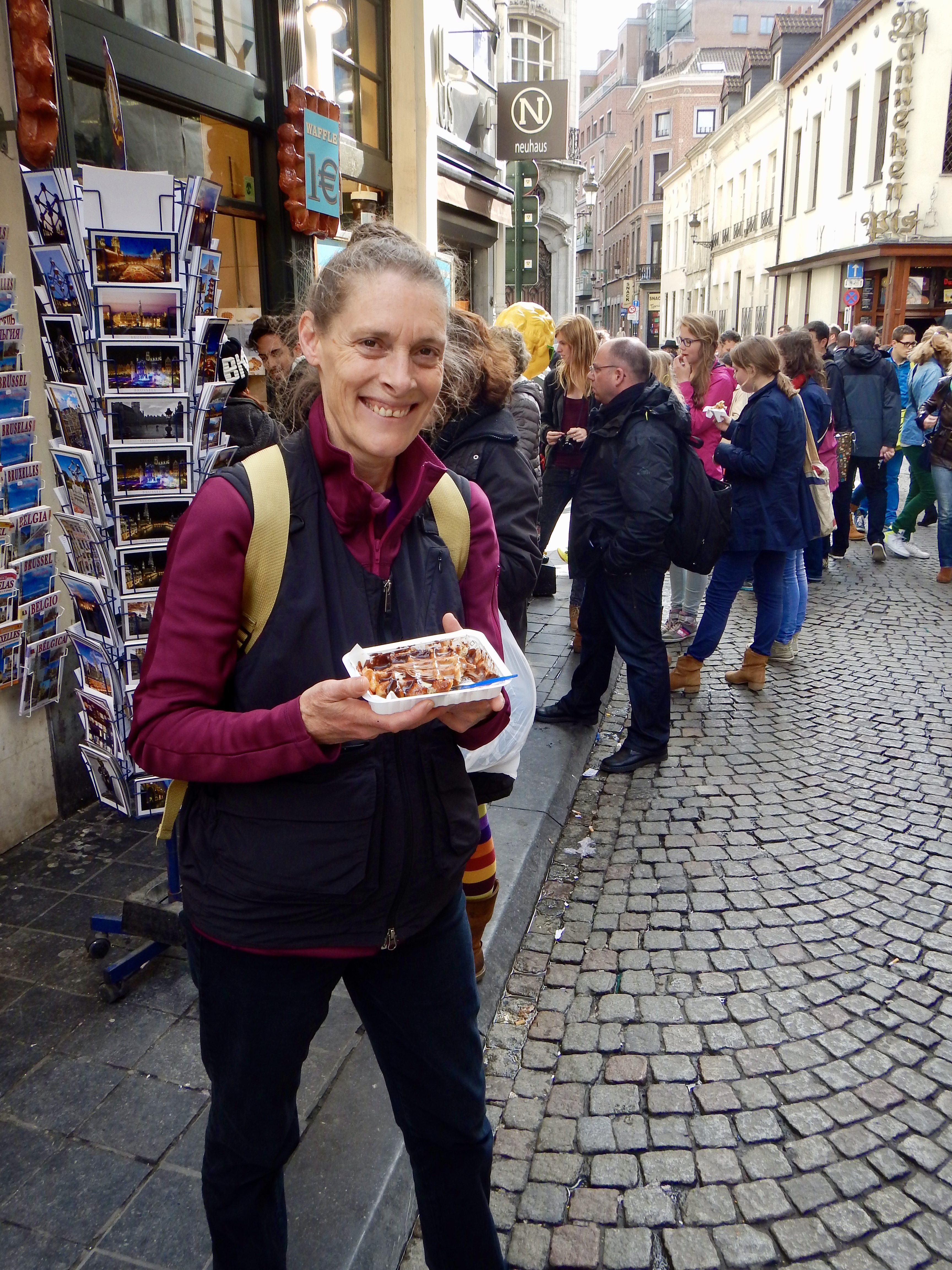
Seeing Verdun in 1972 provided forty years worth of focus for every November 11, seeing it a second time will provide forty more. The powerful and somber impact of this sacred ground has came at the expense of over 200,000 dead soldiers and 400,000 wounded in less then ten months. Walking around this crater-filled park-like setting of battlefields you could easily be fooled into thinking it was part of a landscapers design. Broken and twisted remains of military defences are scattered everywhere and tombstones mark where towns once stood. 100 years later and you can still feel the pain. On our way to Verdun we spent a day in Metz, France which turned out to be a lot more interesting than I remembered it from 1972 when Bert and I spent a week in the back lot of a VW dealership having a new Van engine installed.  Luxembourg City is a short drive from Verdun and it was a great place to spend a day just walking about. We found a really good campground and managed to get some domestic things accomplished. We crossed into Belgium and stopped at the” Waterloo Battlefield Monument”. Strangely our camping books did not list any campgrounds in Belgium so we inquired at the restaurant. The fellow pointed to a park like setting out back and suggested we stay there.  We did, and what a great spot under the tall chestnut trees. Just a short hop away were the 226 steps that ascend to the top of the monument made from battlefield soil. The Lion on top looks out over Napoleon’s final battlefield and guards a new Europe. Over 300,000 soldiers fought here and changed Europe forever. Lit up at night, It’s a very impressive sight from the RV window. Off to Brussels for some famous French-fries and waffles then onward to visit “Venus-of-the-north”… Brugge.

WWI Verdun Memorial – Building contains the remains of more than 100,000 soldiers
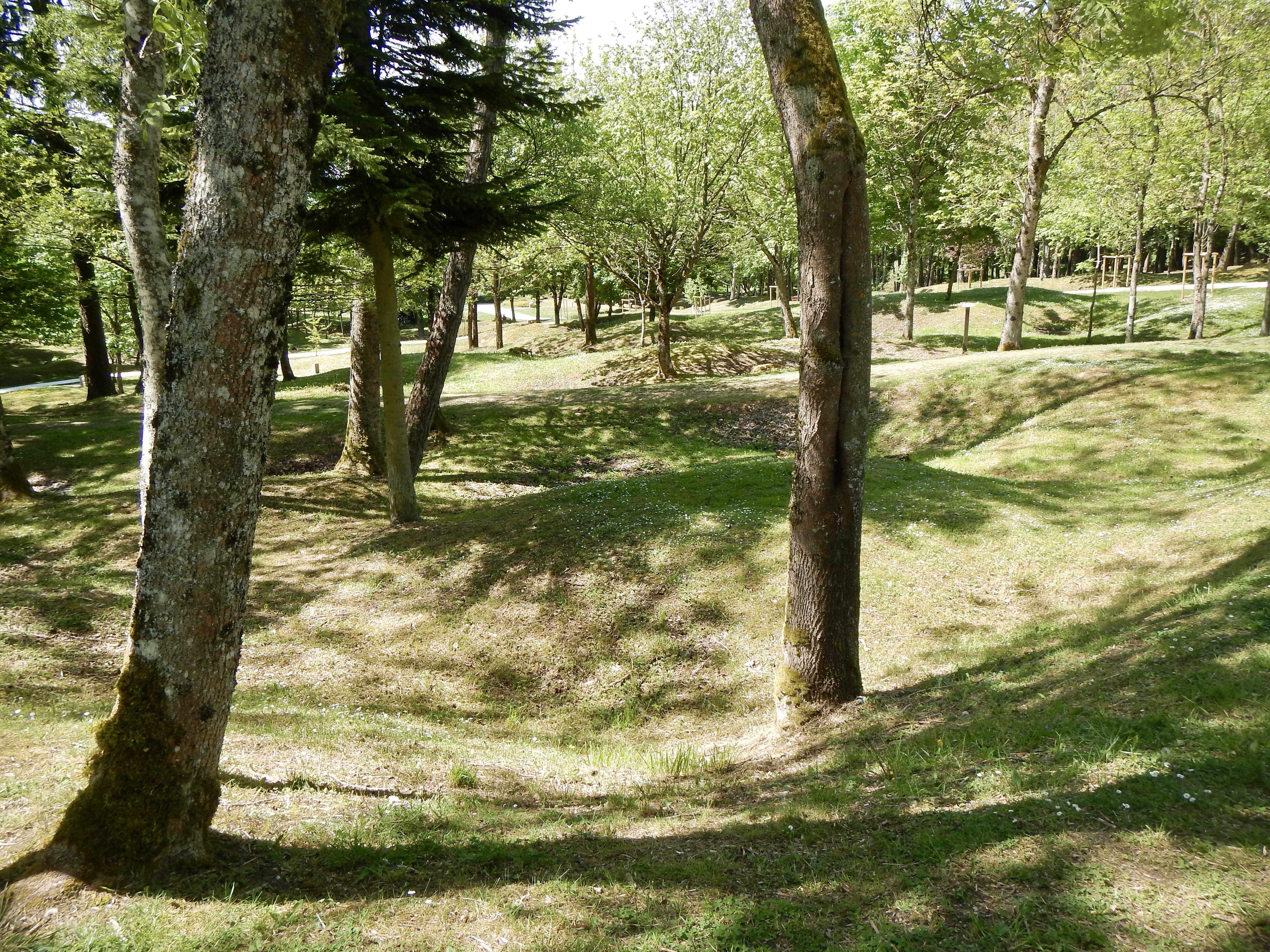
Park-like setting complete with bomb craters
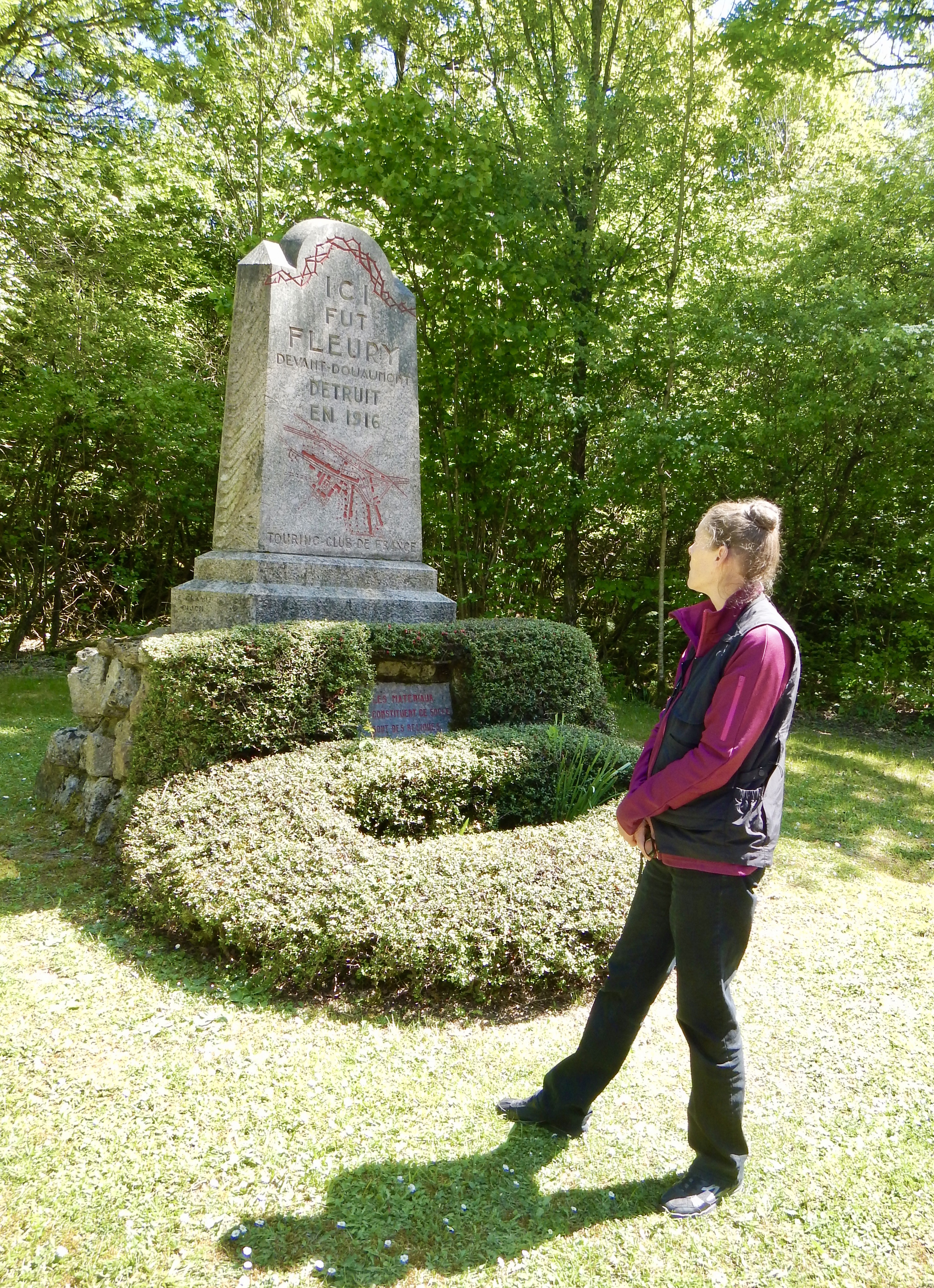
This was once a town
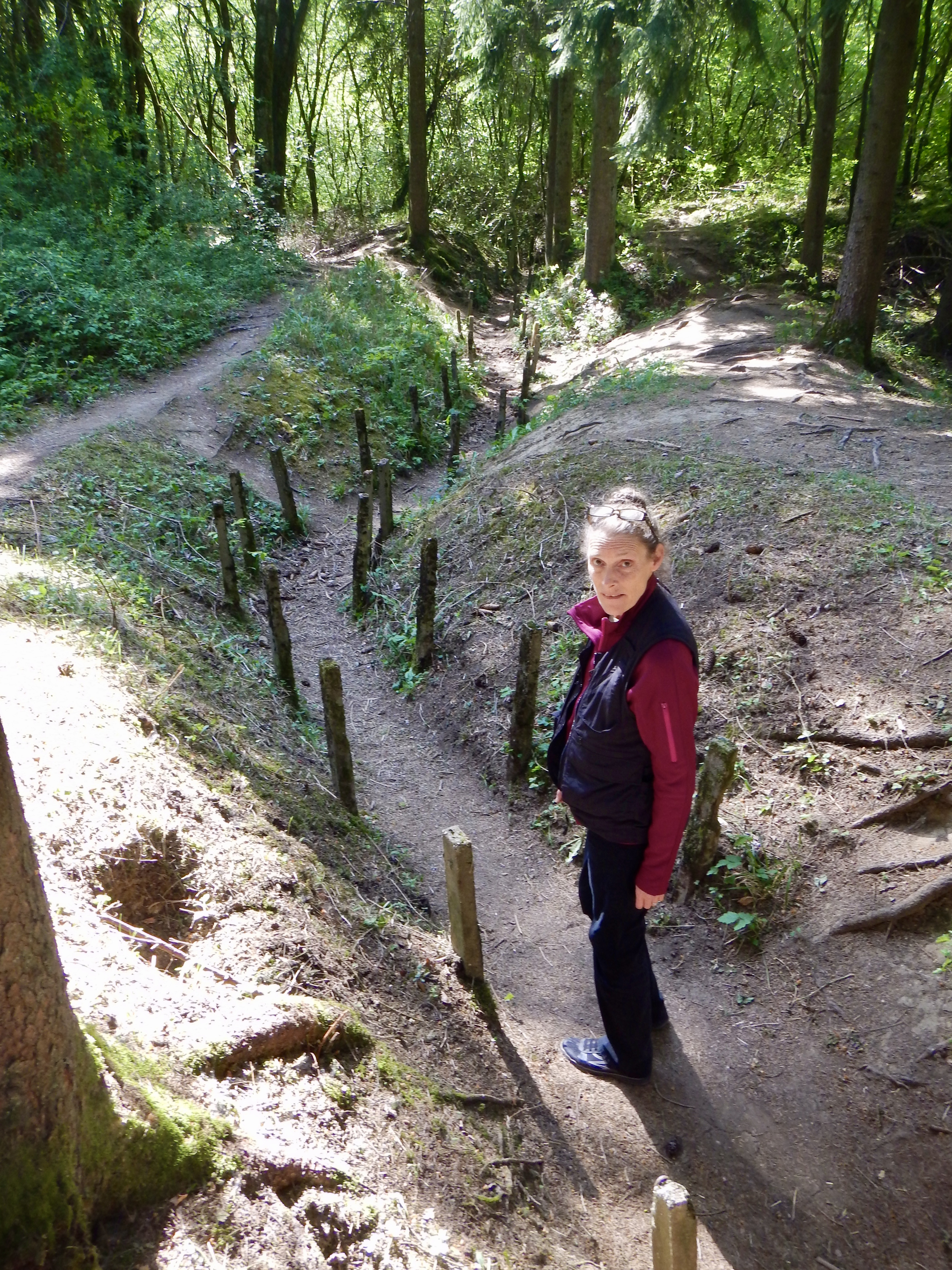
Some old trenches
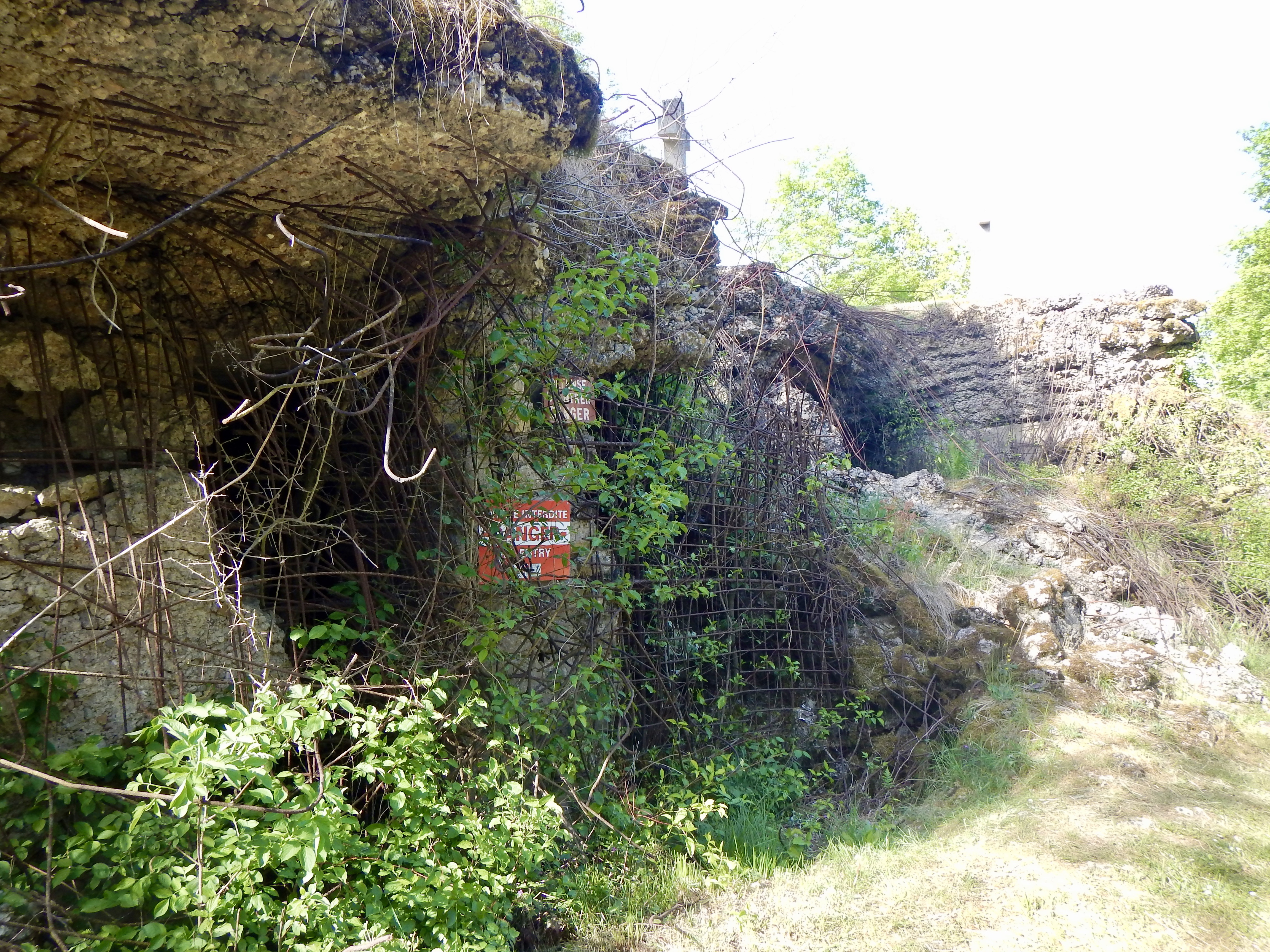
Broken and twisted remains of some military defences
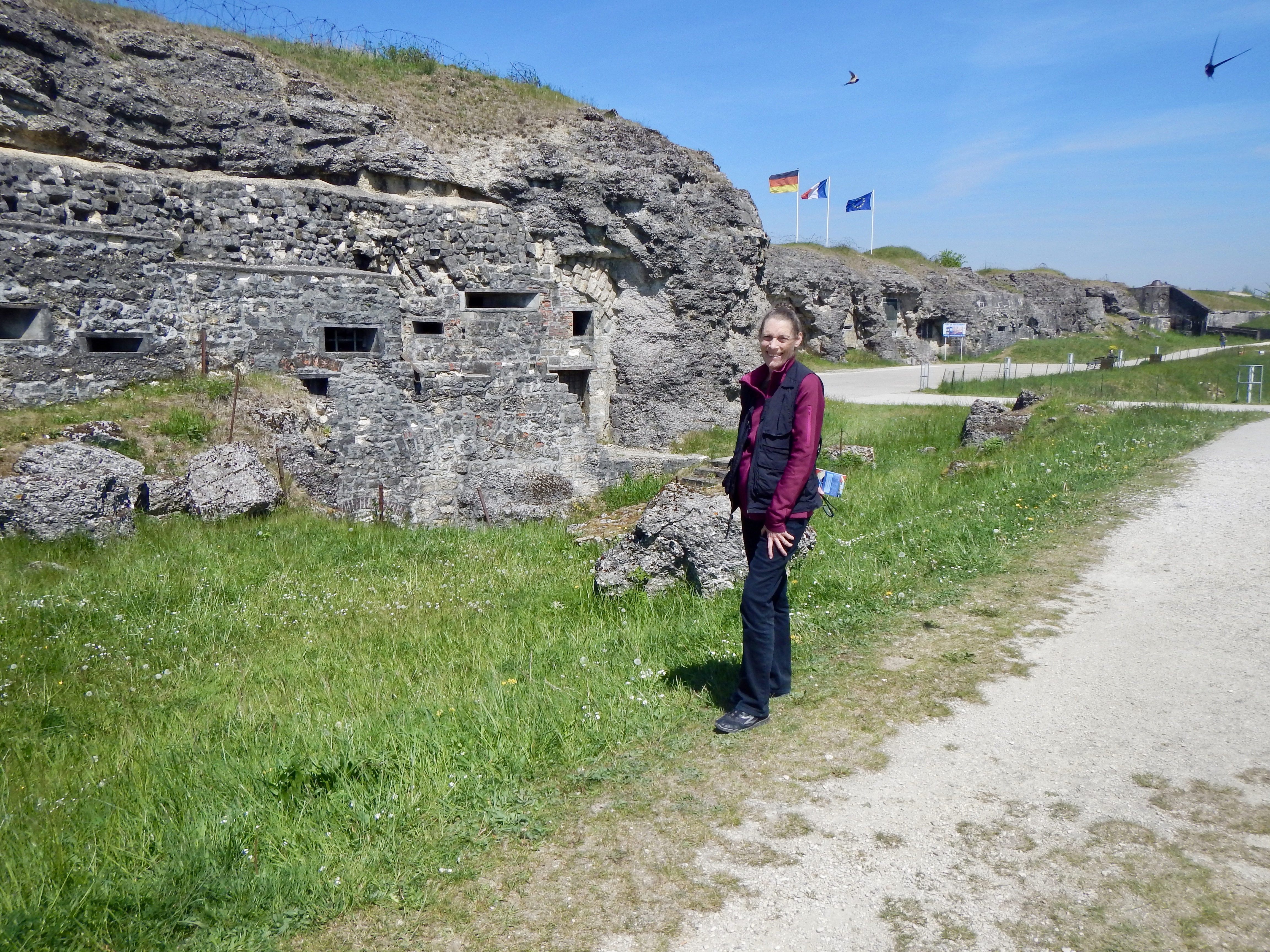
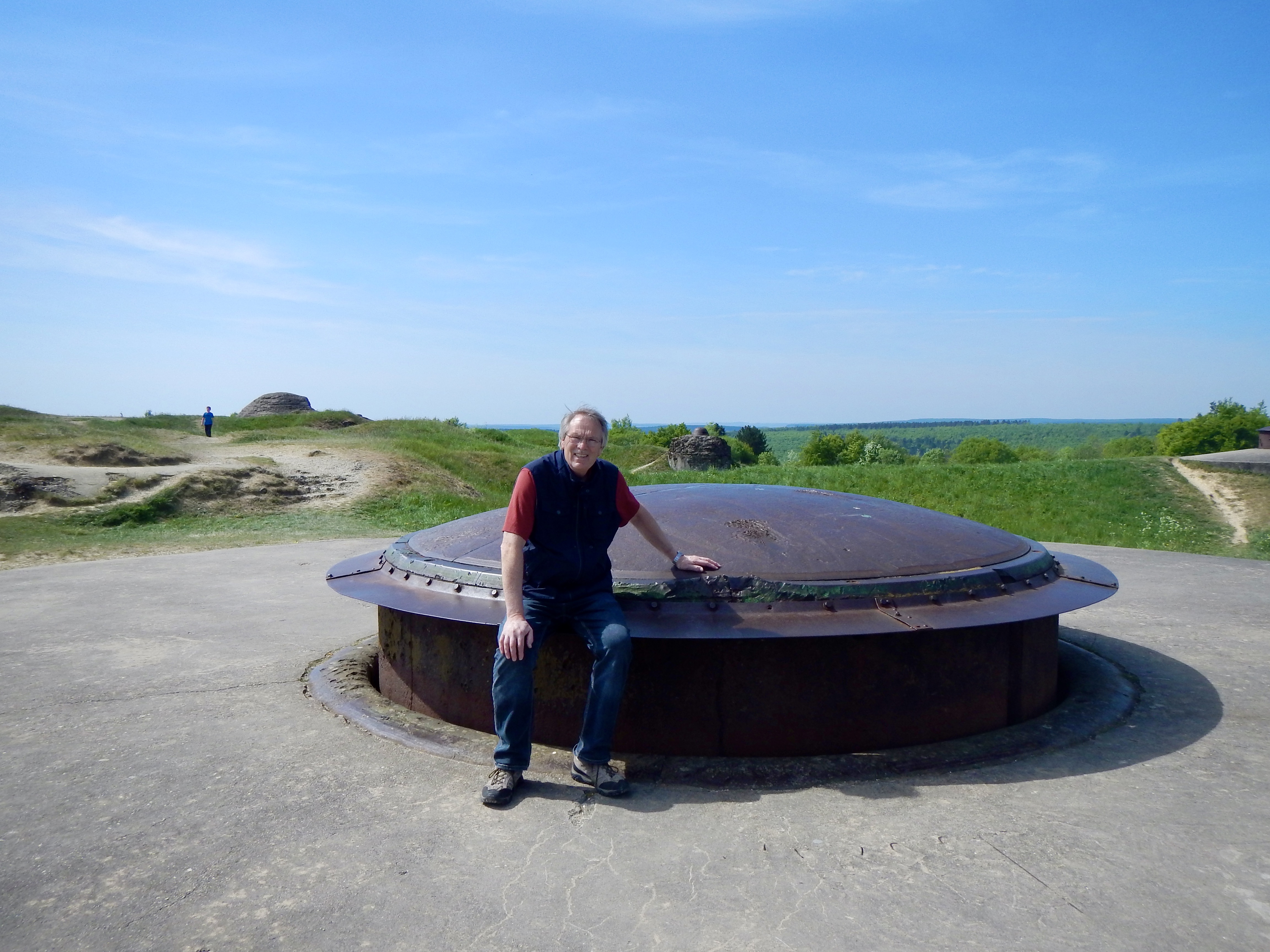
Fort Douaumont – Taken and retaken at the cost of over 300,000 men in 10 months
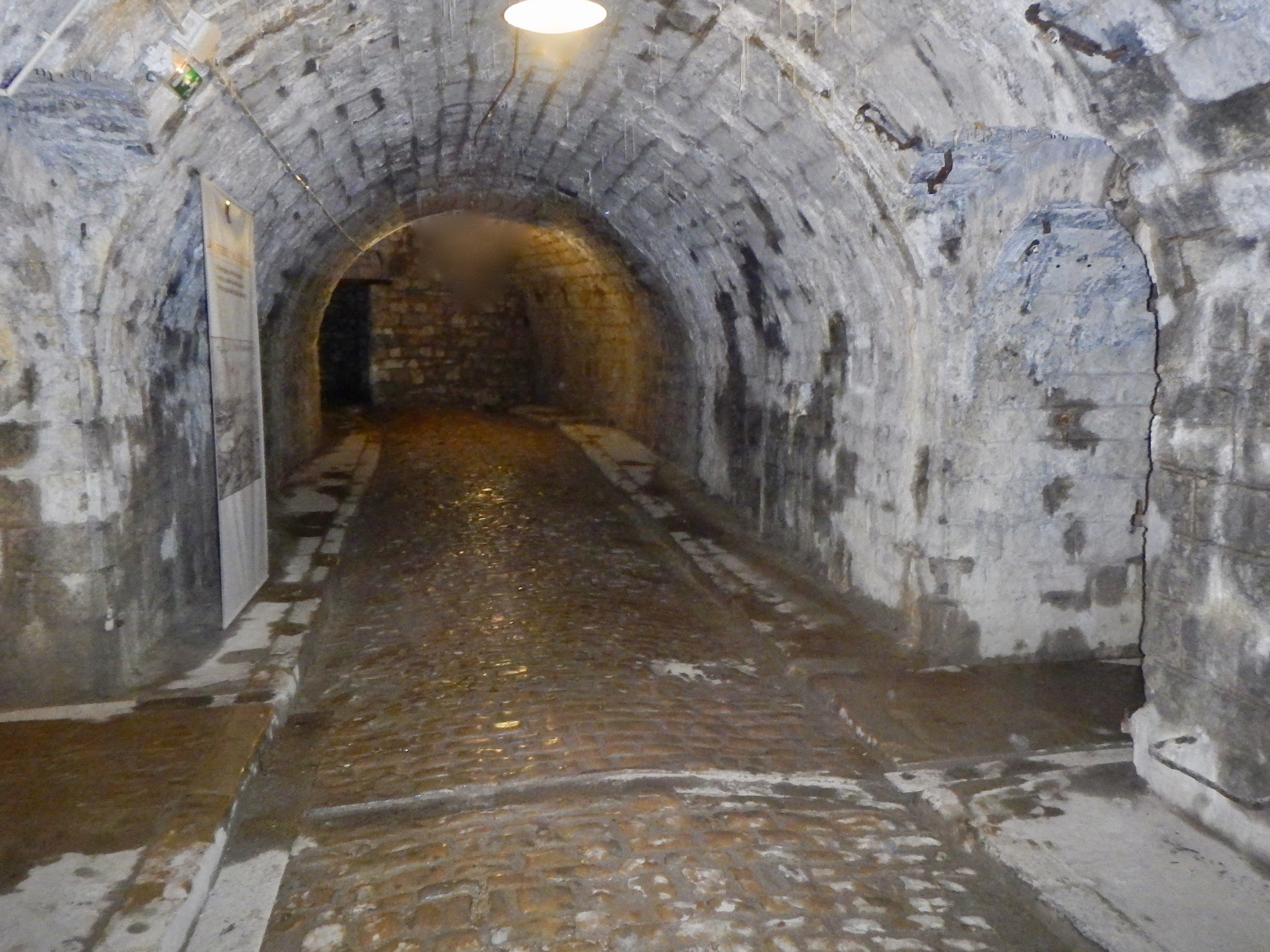
Down, down, down into the bowels of Fort Douaumont
679 German soldiers are buried behind that wall; mistakenly fired on by comrades
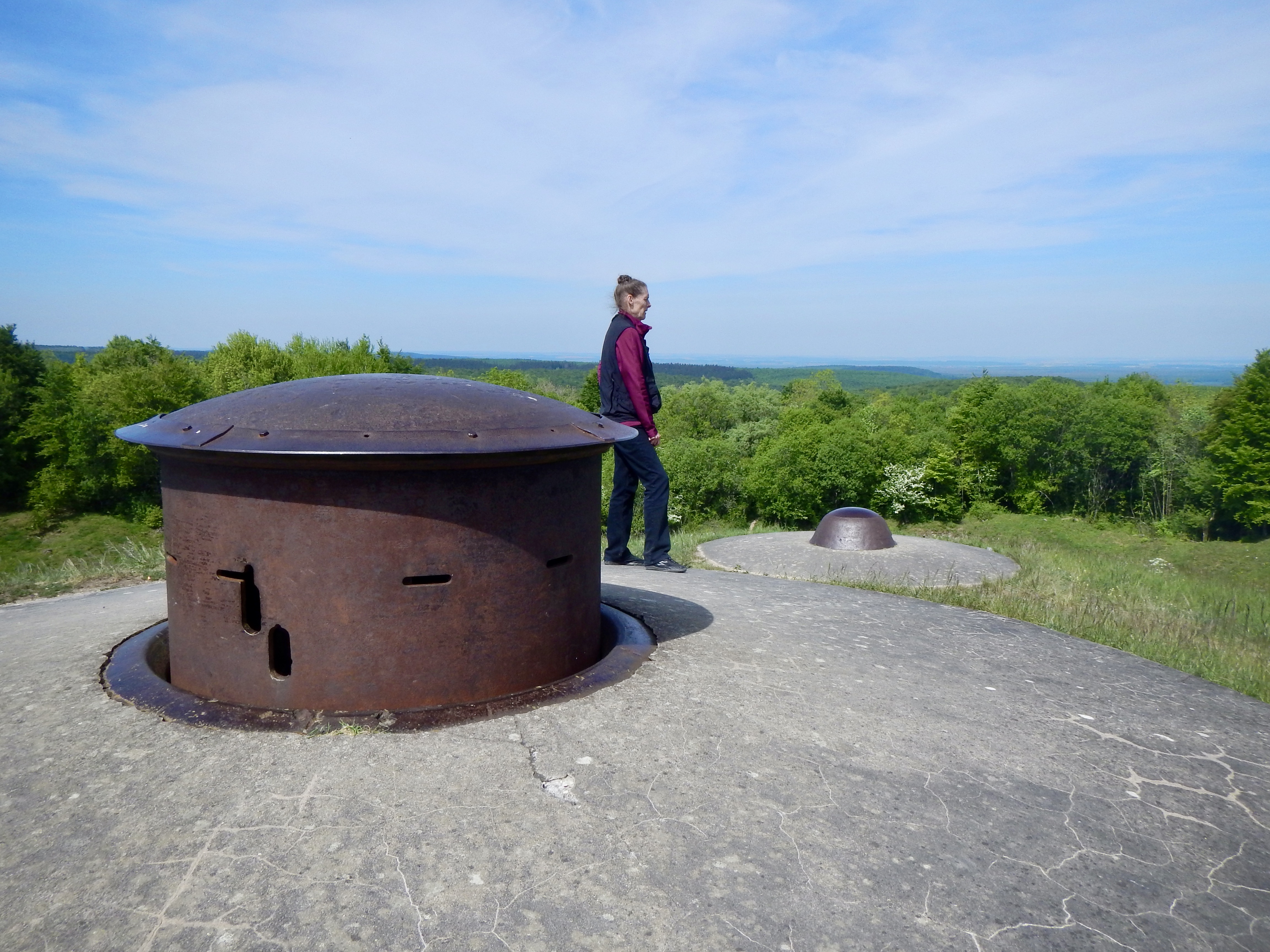
Retractible large cannons
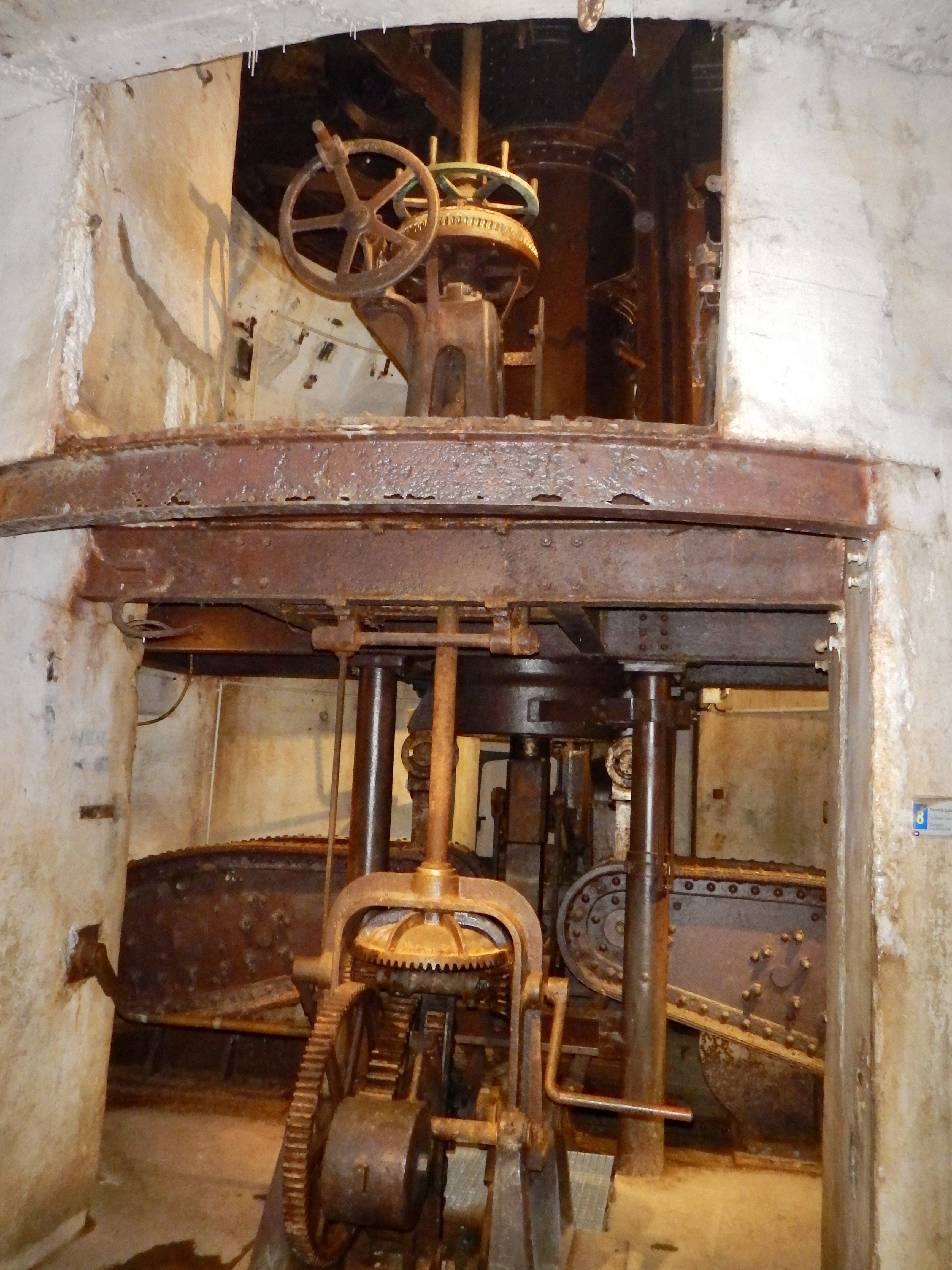
Below ground mechanism for raising and lowering a large 155 mm cannon
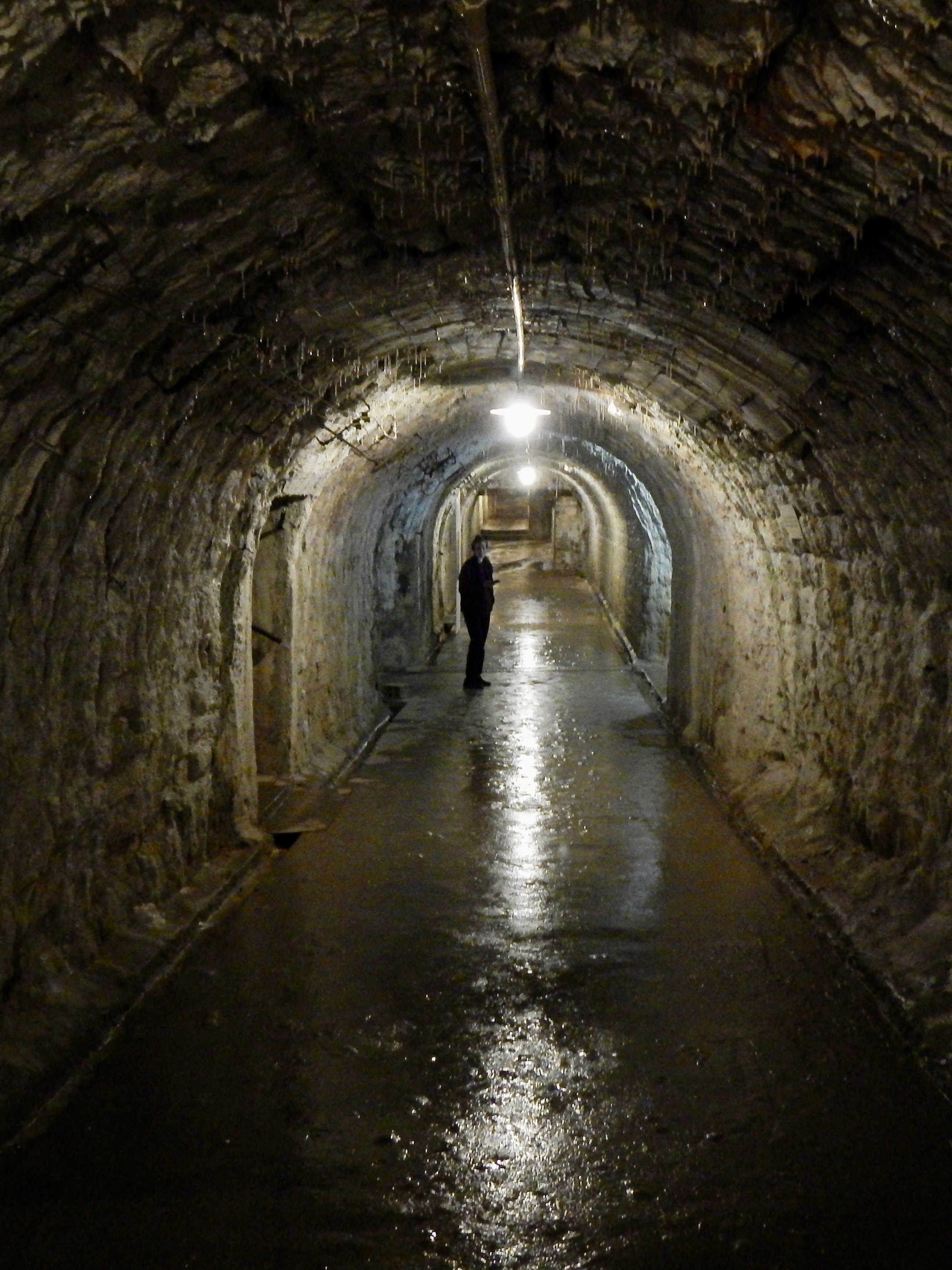
Miles of cold wet tunnels
Many machine-gun turrets
The “Trench of Bayonets” 47 Soldiers buried alive here with only bayonets visible
WWI War Memorial in the town of Verdun
This was the military supply dock in Verdun
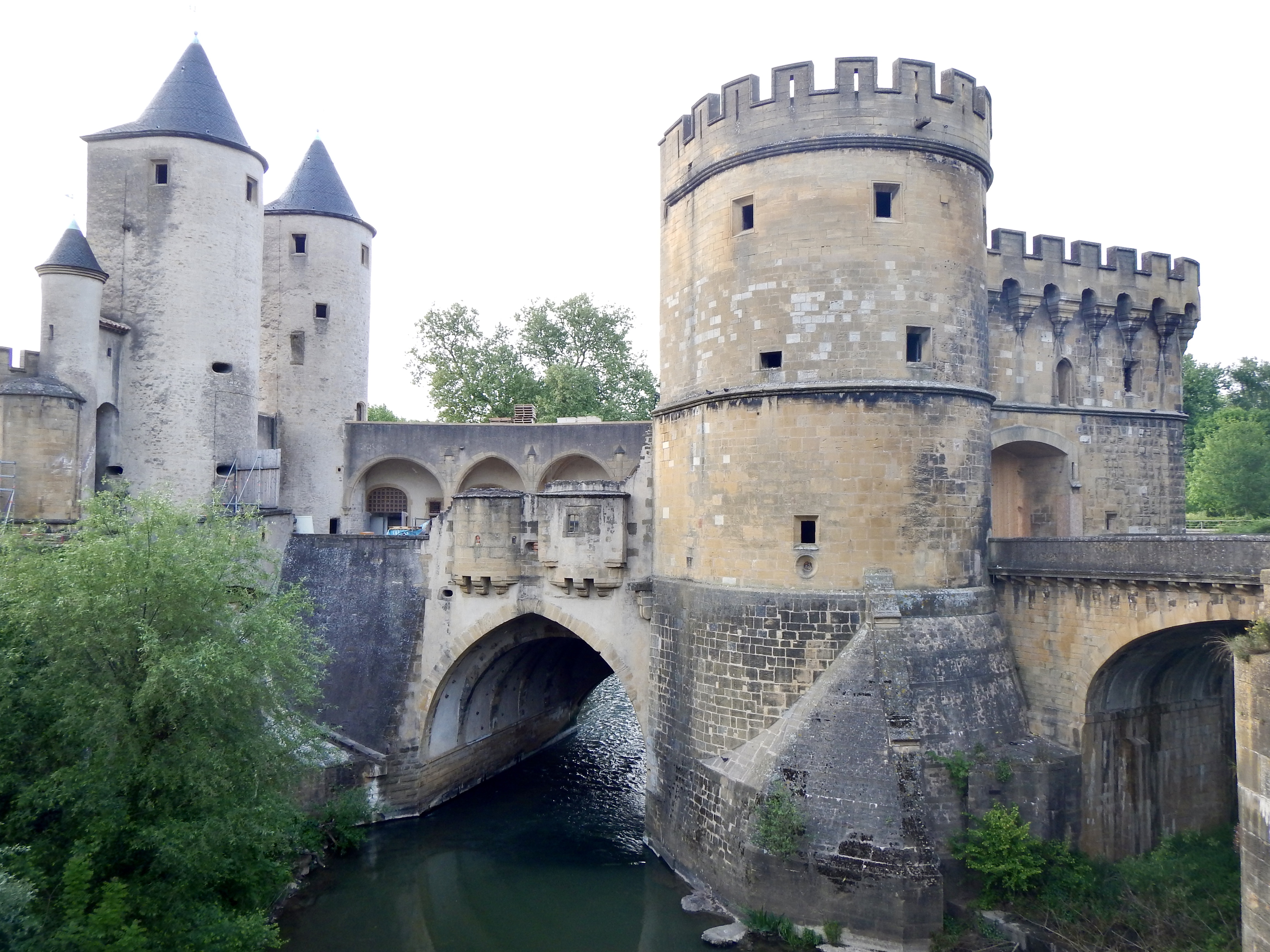
The old gate into Metz, France
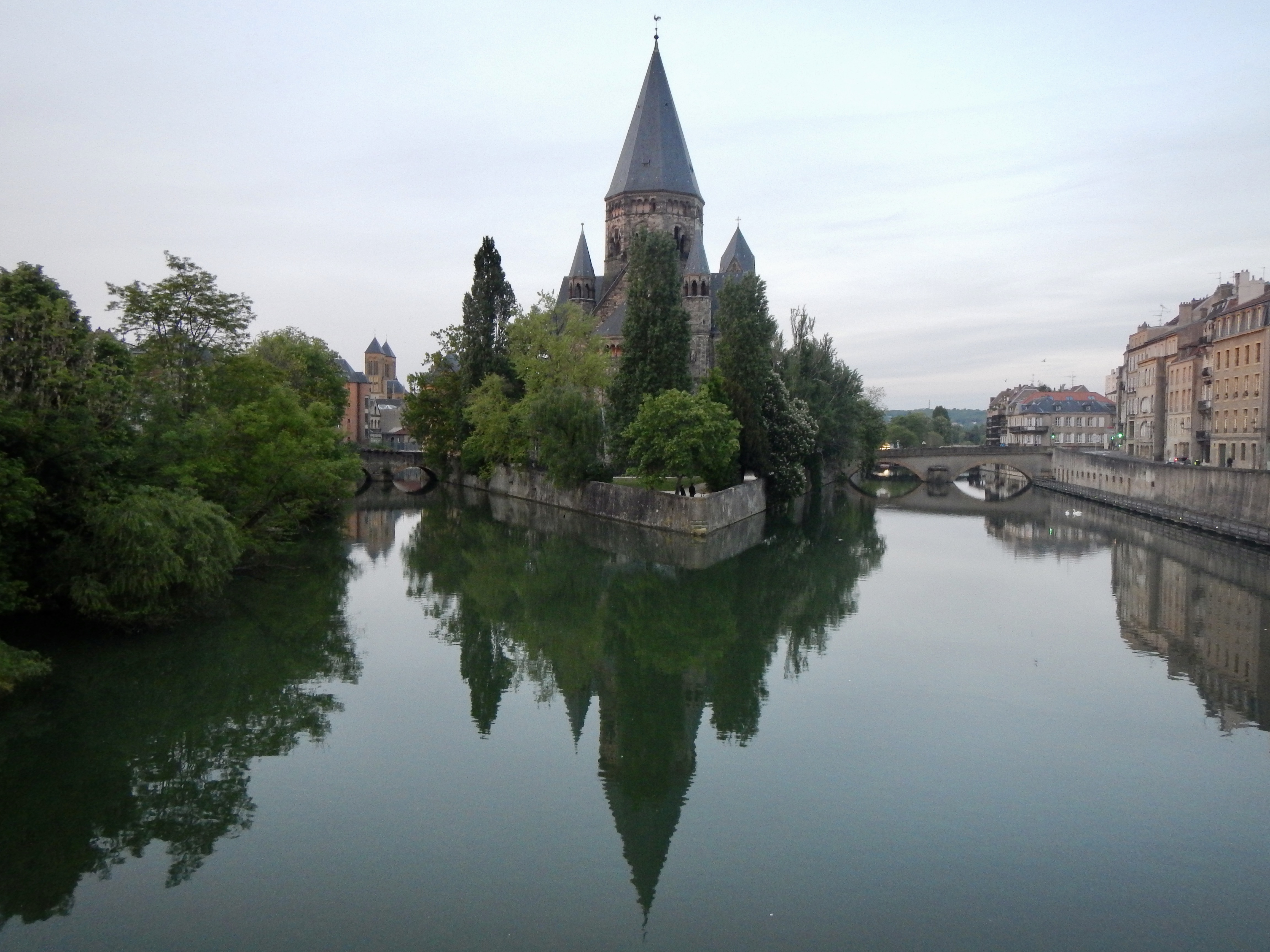
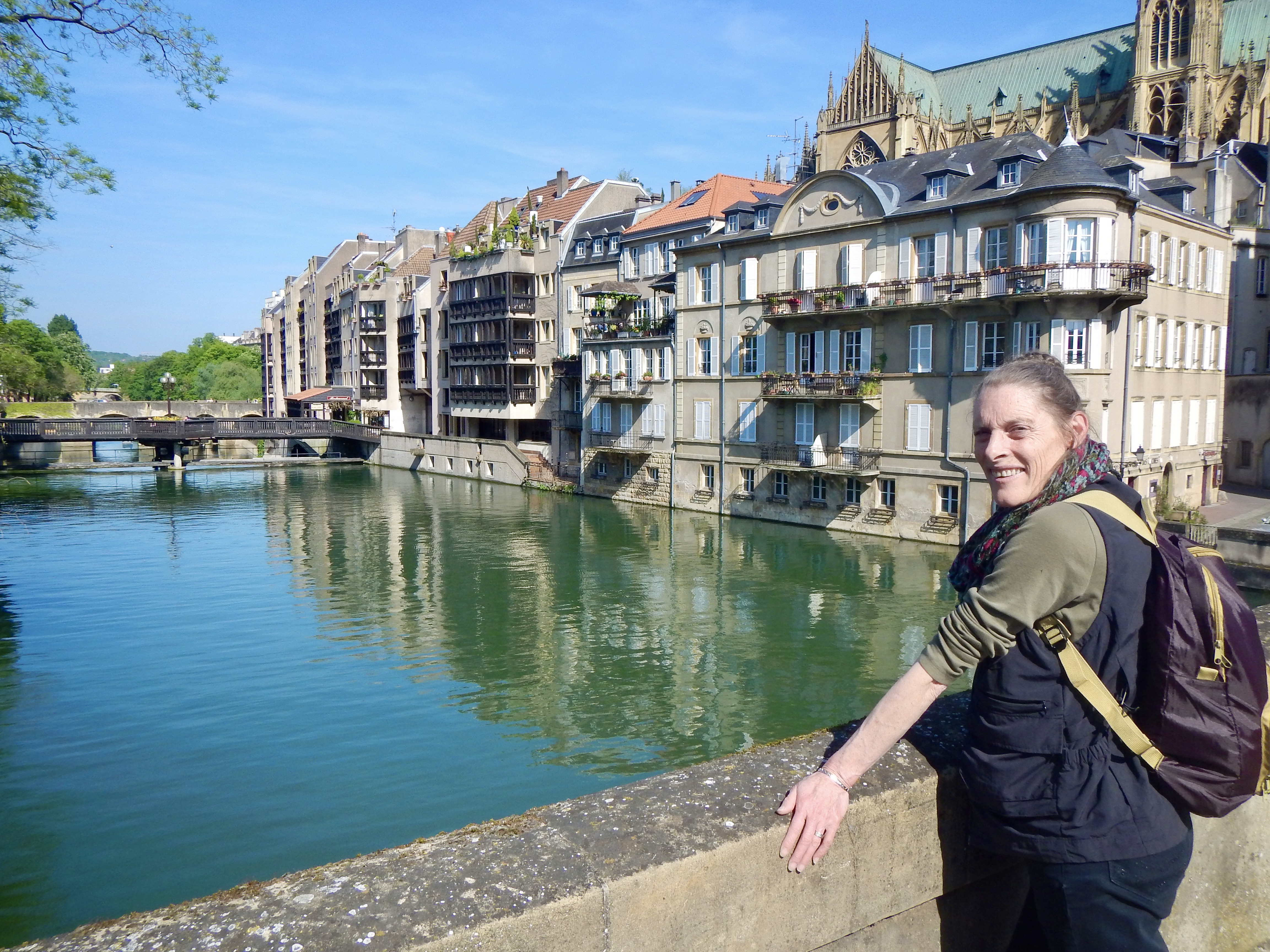
Metz has a beautiful setting on the river Moselle
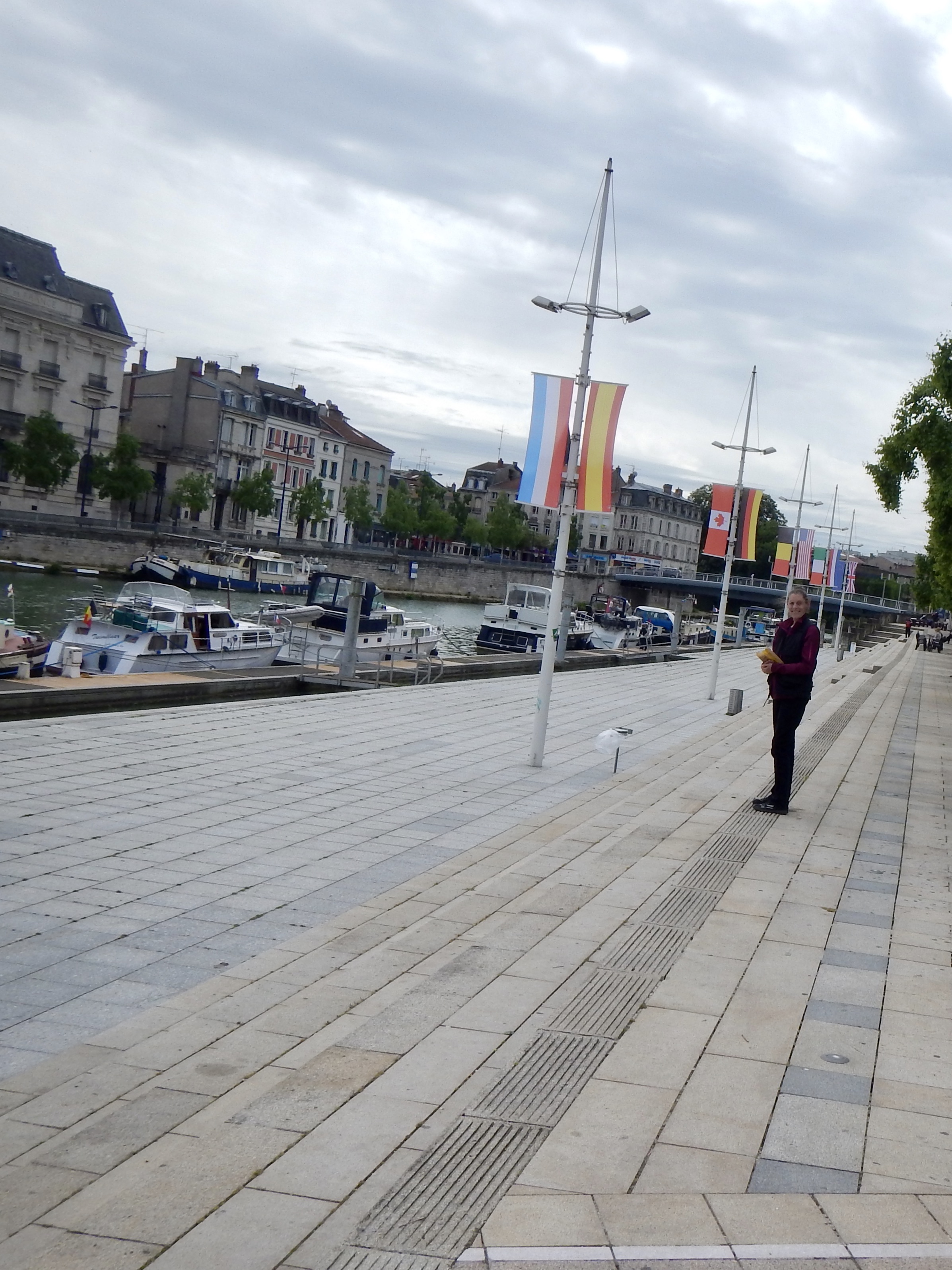
Wow!… Free WiFi
Our nice campground in Luxembourg
Time for some house cleaning
Luxembourg with it’s deep and impressive gorge
Another good-luck touch
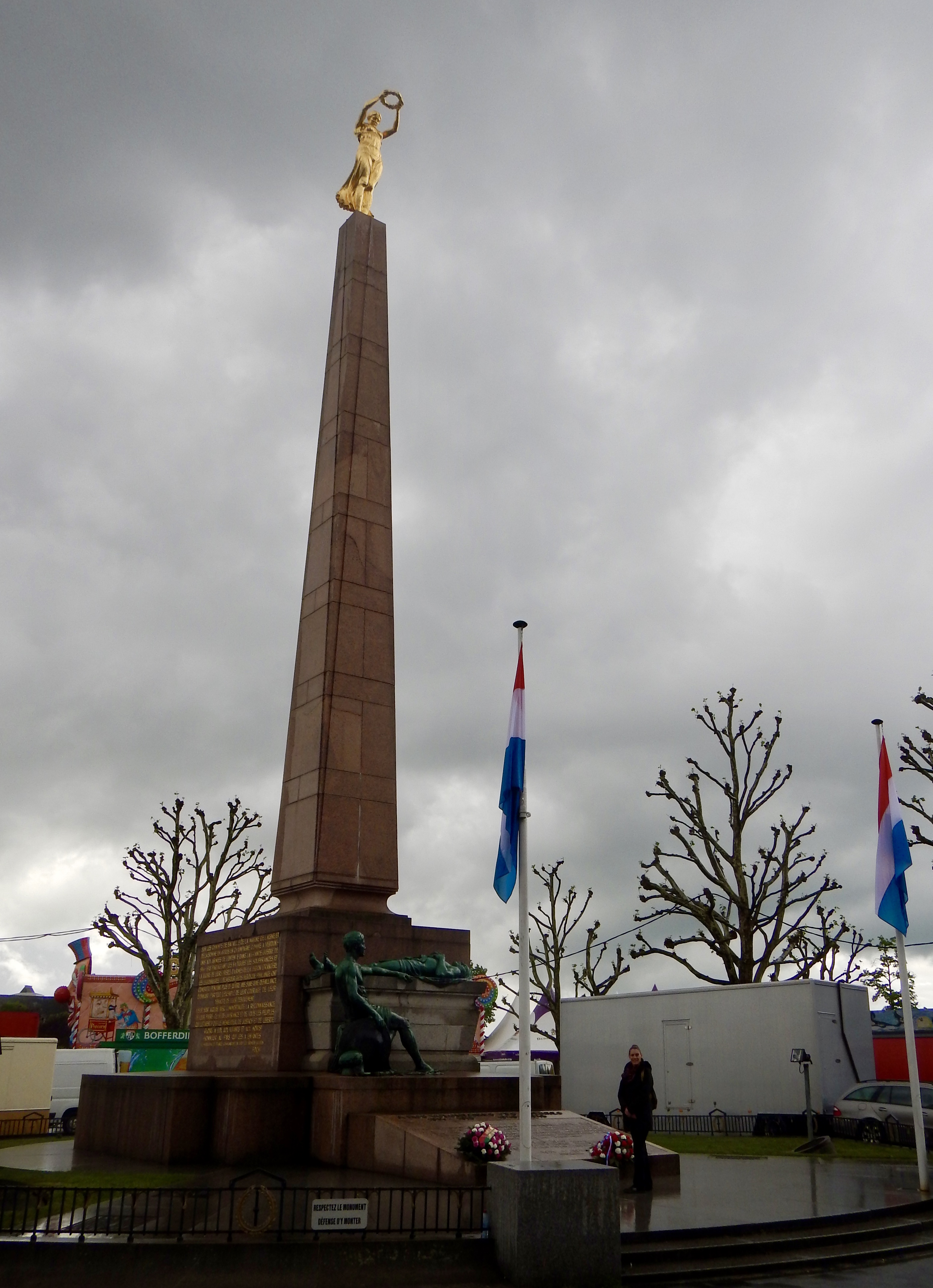
“Gelle Fra” The Luxembourg Monument of Remembrance
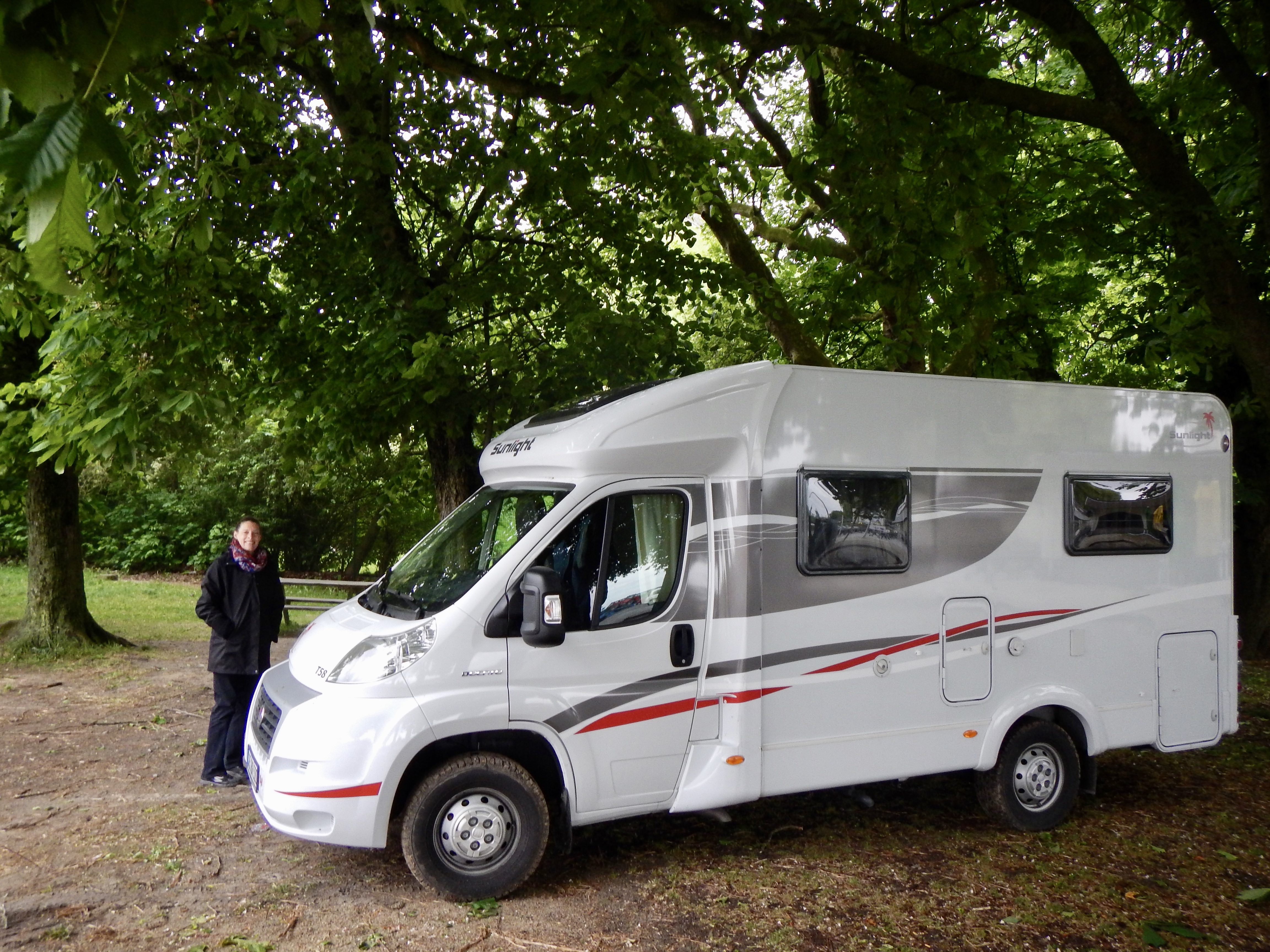
Our perfect campsite at the foot of Waterloo Monument
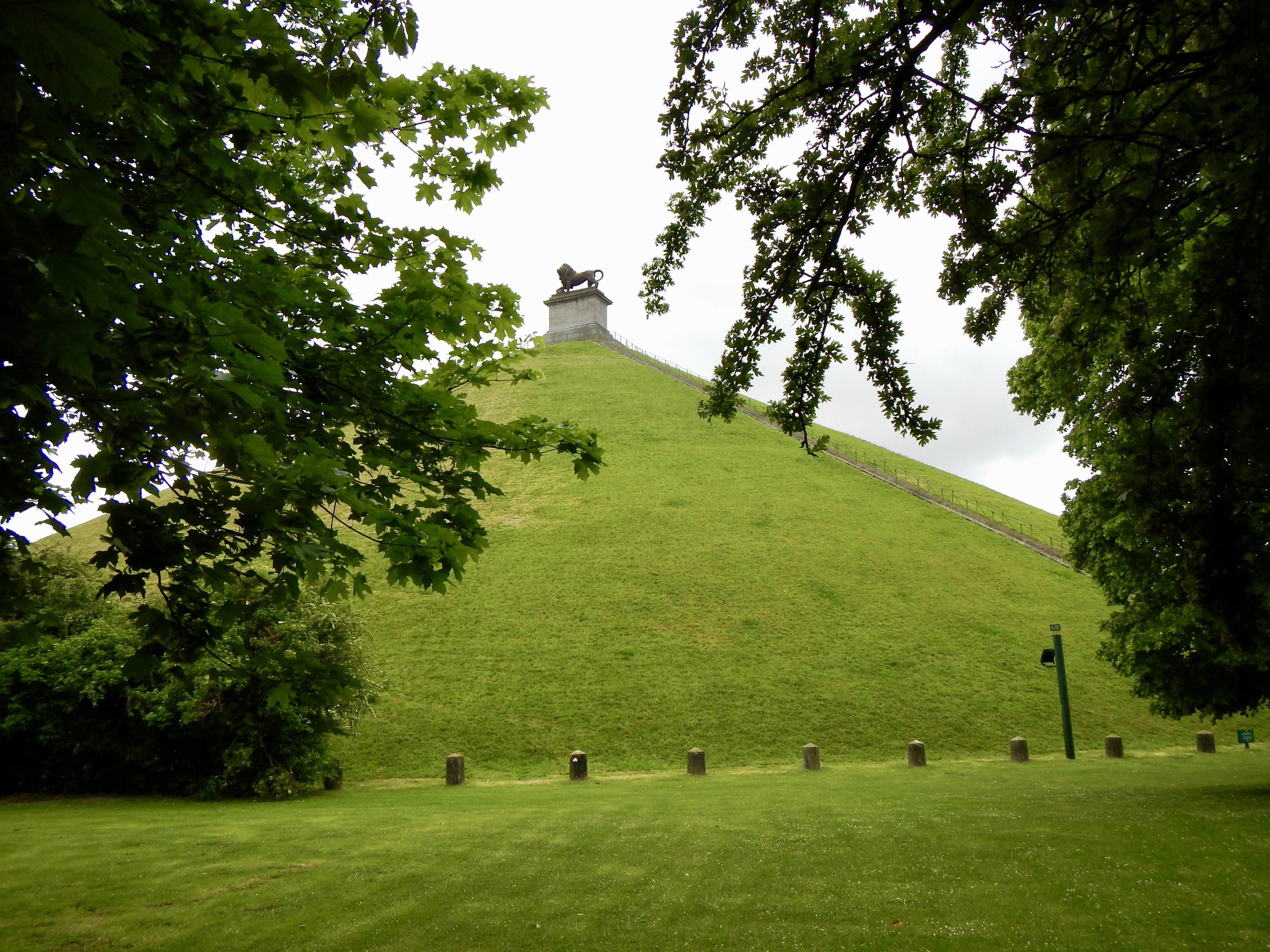
The Waterloo Monument was made from the battlefield soil
226 steps up, you find the Lion guarding over “The New Europe”
Overlooking the famous battlefield on a very wet and windy day
300,000 soldiers fought here at Waterloo in 1815
This was Emperor Napoleon’s last battleground just prior to his final exile
Brussels!
Belgium Waffles
“Manneken Pis” (Little Pissing Man) 1619 original replaced in 1965 for safeguard – Doll clothes?
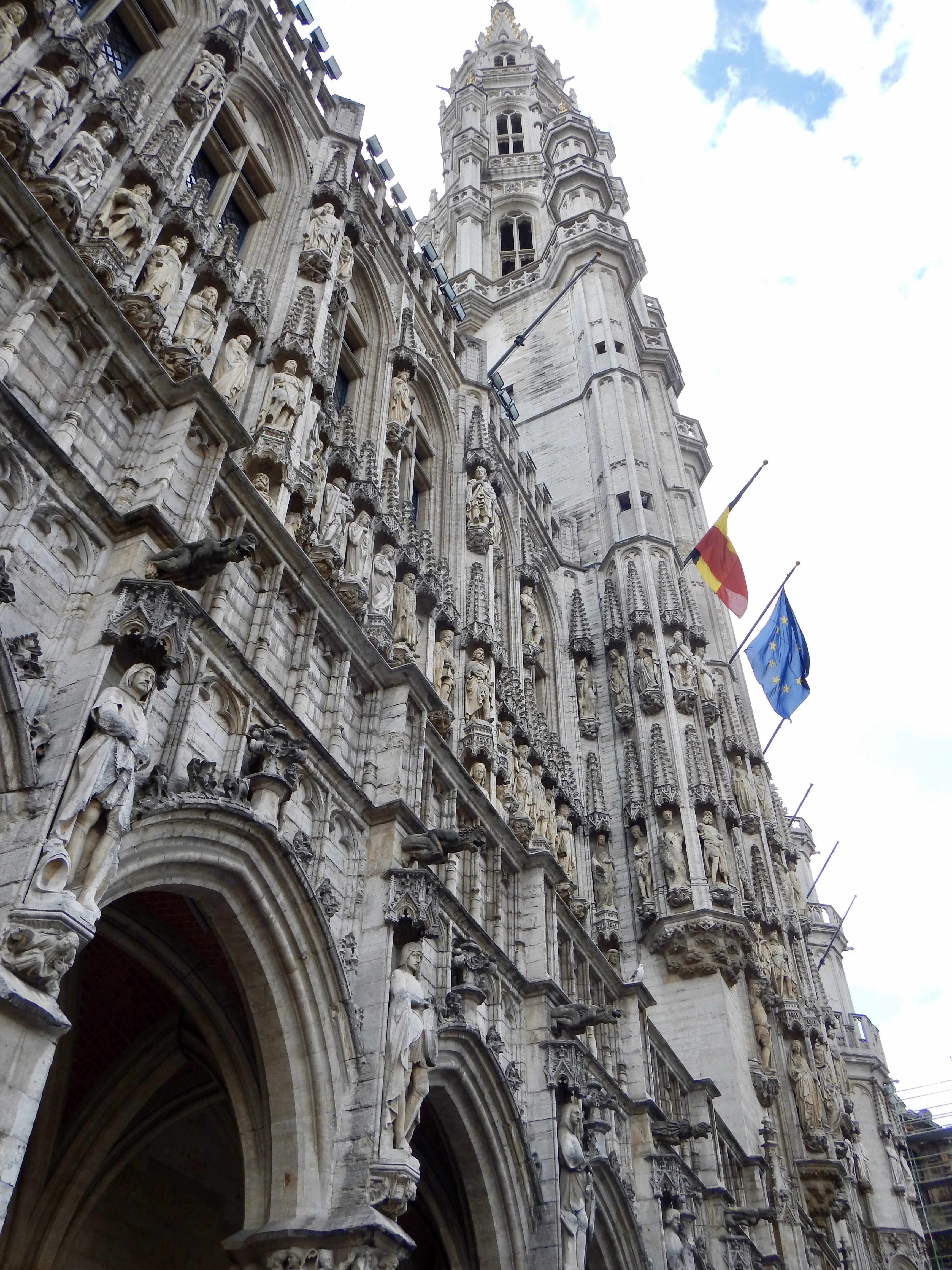
More architectural culture
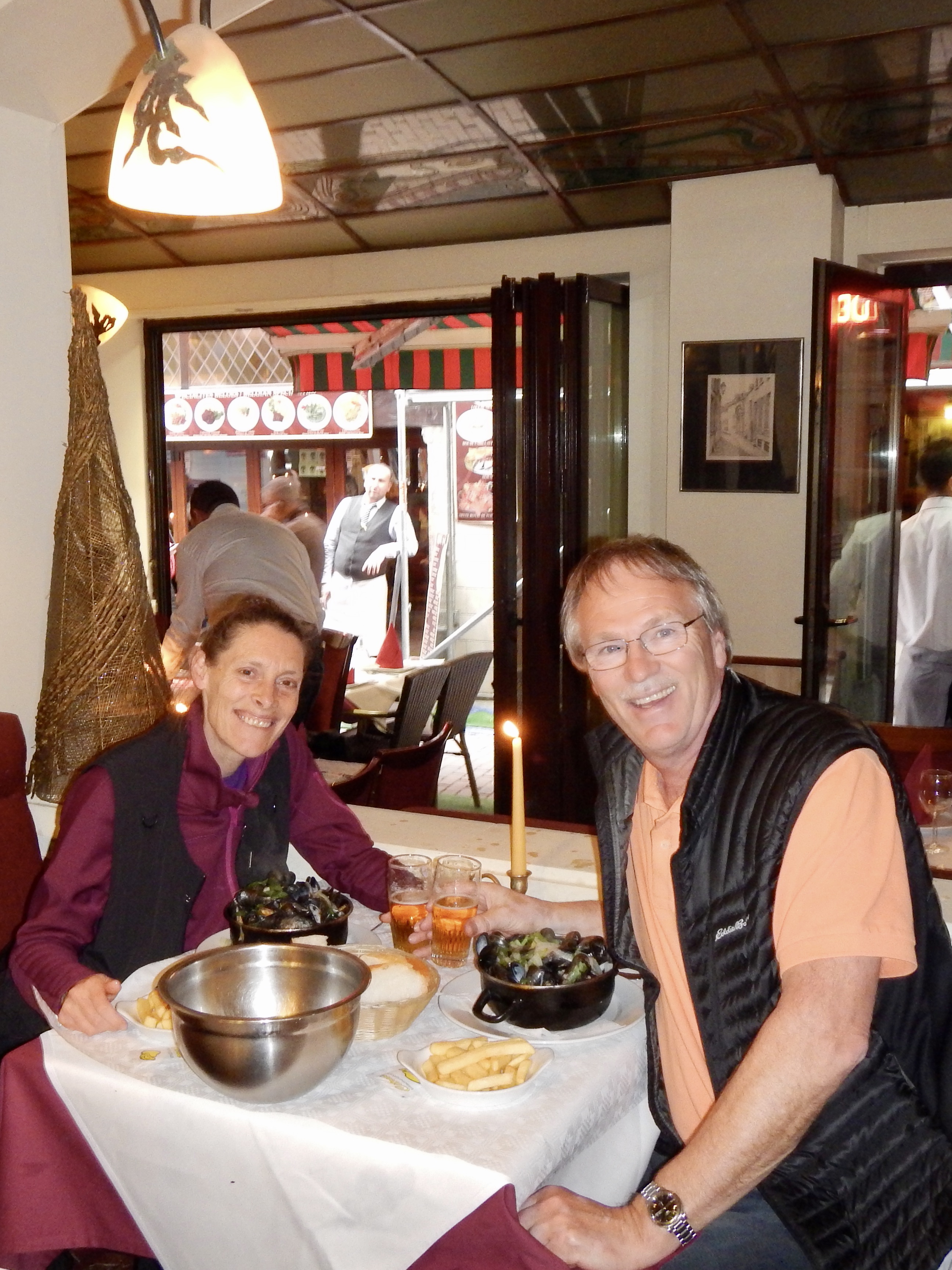
French-fries and muscles are a must
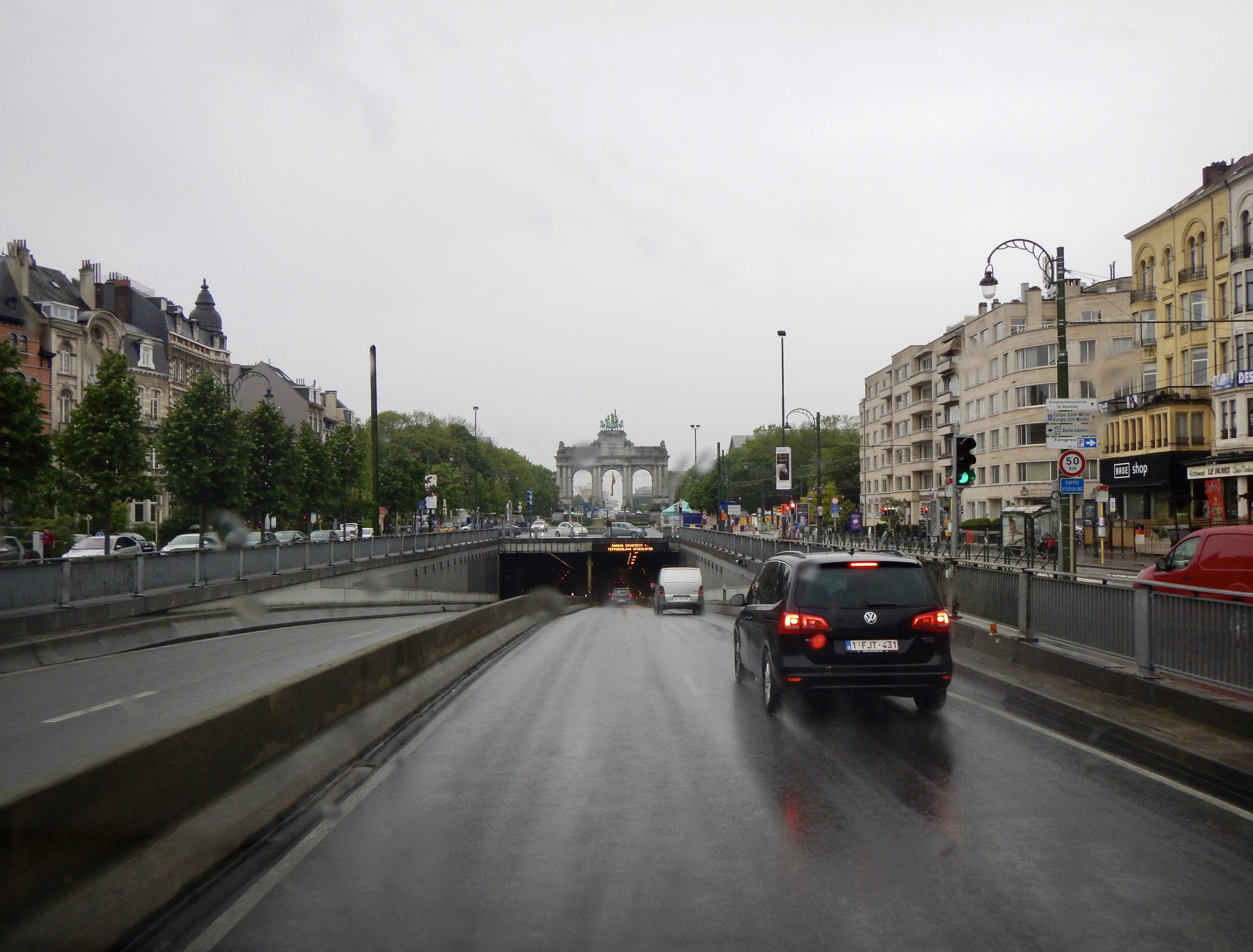
Heading for Brugge